The California Garden Tasks To Finish Before The First Fall Storms
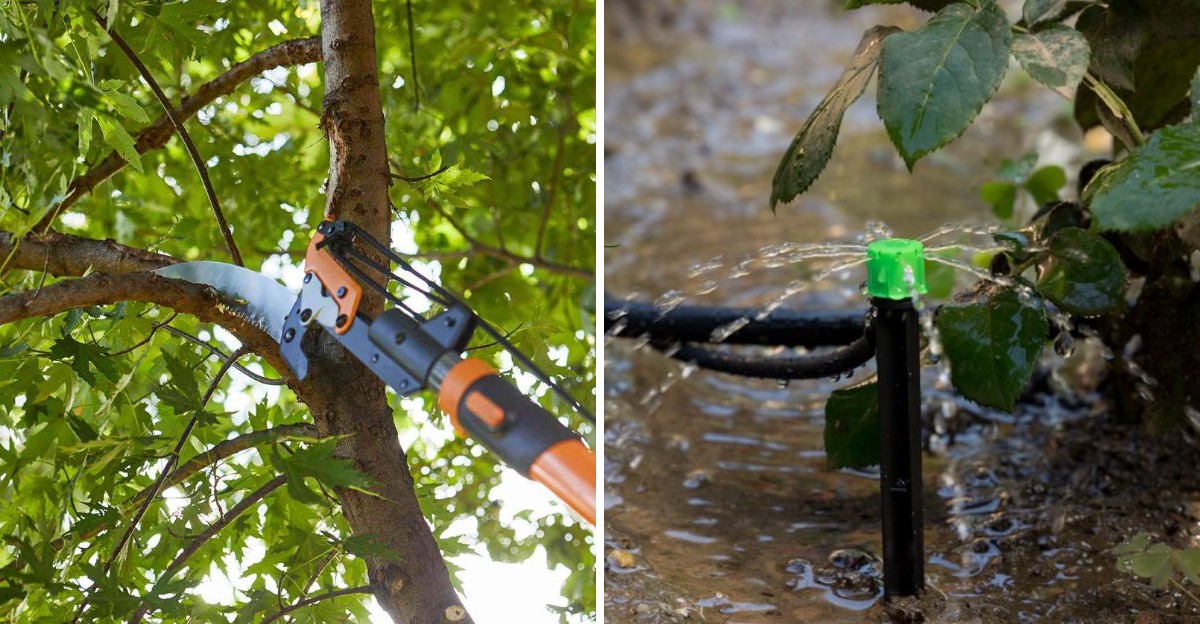
A forecast lights up a phone screen on a Tuesday afternoon in late October. Two inches of rain heading straight for Northern California, gusts pushing 40 miles per hour.
Somewhere in Sacramento, a gardener stares at that screen and mentally runs through everything left unfinished all season.
The clogged downspout. The leaning sunflowers. That drip line spraying sideways since August.
California storms arrive fast after months of bone-dry weather, and that speed is exactly why so much garden damage happens in a single night.
Here’s the part most people miss, though. Most of the real risk traces back to a short list of specific jobs, the kind you can knock out in one weekend if you know where to look.
Eight tasks stand between a garden that shrugs off the first storm and one that wakes up flooded, toppled, or torn apart by wind.
Curious which chore on your own list just became urgent? The answer starts on the roof, not in the yard.
1. Clear Gutters Before Heavy Rain Hits
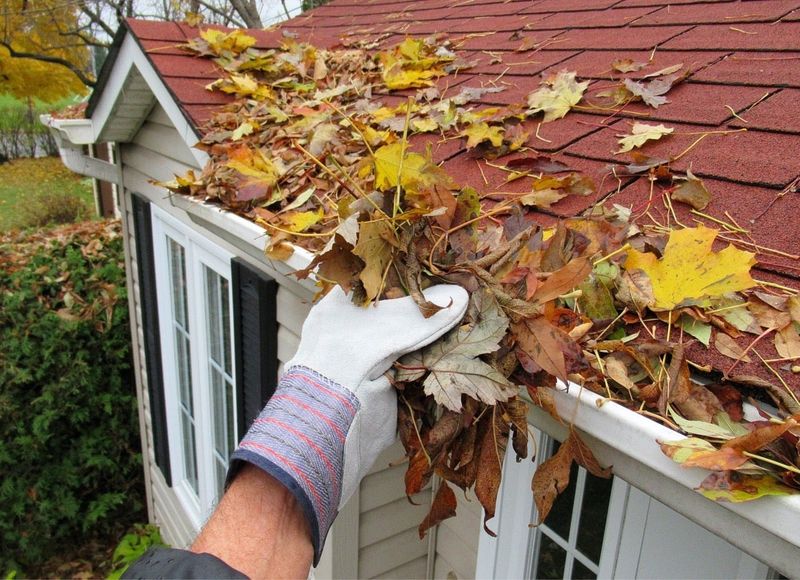
After six or seven rainless months, California gutters are basically leaf storage at this point. Oak, sycamore, liquidambar, and pine debris pile up all summer long.
The first serious storm turns that dry mat into a dam within minutes.
Water that cannot exit a gutter does not politely disappear somewhere else. It spills over the edge in a concentrated sheet, hammering whatever sits below.
Seedlings, shallow-rooted perennials, and freshly amended soil all take the brunt of it.
Drainage pathways sit near the top of any real storm readiness list, and gutters are the very start of that pathway. Overflow near a foundation can also send water sideways into raised beds and saturate root zones that were never meant to sit wet.
Work from a stable ladder with a helper on the ground. Scoop the bulk out by hand or with a small trowel, then flush the run with a hose to confirm water actually reaches the downspout outlet.
Follow the water past the downspout too. Check that splash blocks, extensions, or drain pipes carry runoff away from beds rather than dumping it into a low corner where it puddles for days.
One detail people miss constantly. The outlet end of a buried drain line often gets covered by mulch or soil over summer. Dig it clear so the pipe can actually breathe.
Plan on repeating this job in December. California leaf drop keeps going long after the rain starts, so one cleaning rarely covers the whole season.
2. Stake Anything Top Heavy Or Tall
Wind is the sneaky half of a California fall storm. Rain gets the headlines, but gusts arriving with a frontal system are what snap dahlia stalks and tip young fruit trees overnight.
Saturated soil makes the whole problem worse. Wet ground loses its grip, so a tall plant that stood fine all summer can rock loose at the root ball once the soil turns soft.
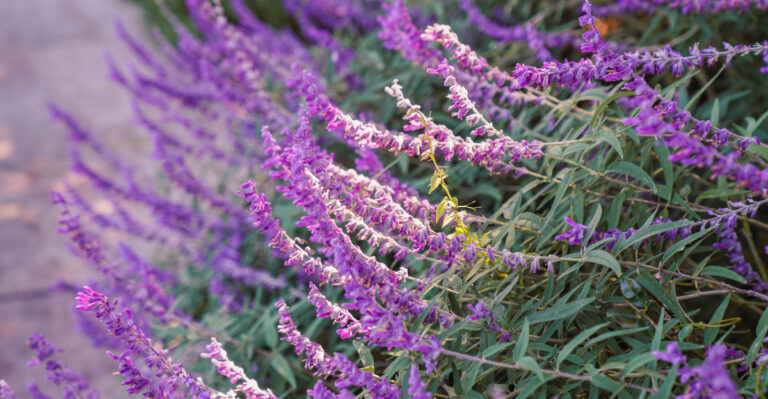
Walk the garden and look for anything with a heavy top and a narrow base. Newly planted citrus, sunflowers, tomatoes still loaded with fruit, tall salvias, and any shrub that’s grown lopsided reaching for light all qualify.
Your California Garden Changes Every Week. Your Plan Should Too.
Gardening in California changes quickly throughout the season. Every Friday you’ll receive a simple weekly plan showing exactly what to plant, prune, fertilize, harvest, and protect so you never miss the right timing.
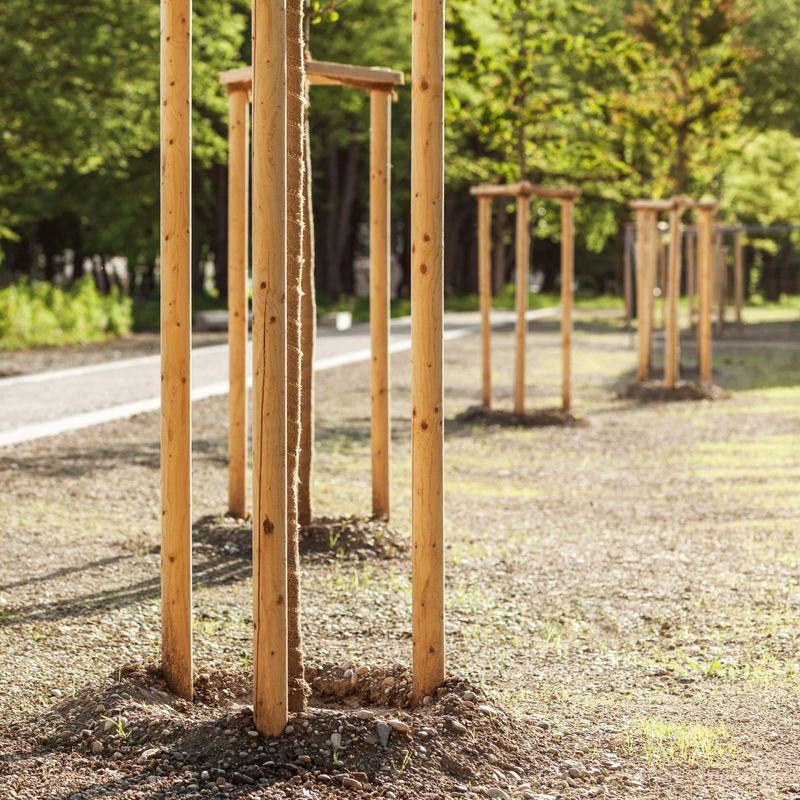
Drive stakes on the windward side, generally the south or southwest in much of California, and set them deep enough to hold in soft soil. Two or three stakes around a young tree beat one flimsy pole every time.
Tie loosely with wide, soft material such as tree tie tape or strips of old cloth. Wire and thin twine cut into bark, and a tight tie prevents the slight trunk movement that actually builds strength over time.
Staking should stay temporary for young trees, so mark your calendar to check ties and remove them once the trunk can stand on its own.
Skip the temptation to stake everything you see. Healthy, well-shaped plants handle wind fine on their own, and unnecessary staking creates weak, dependent growth instead.
3. Check Drainage Around Vulnerable Beds
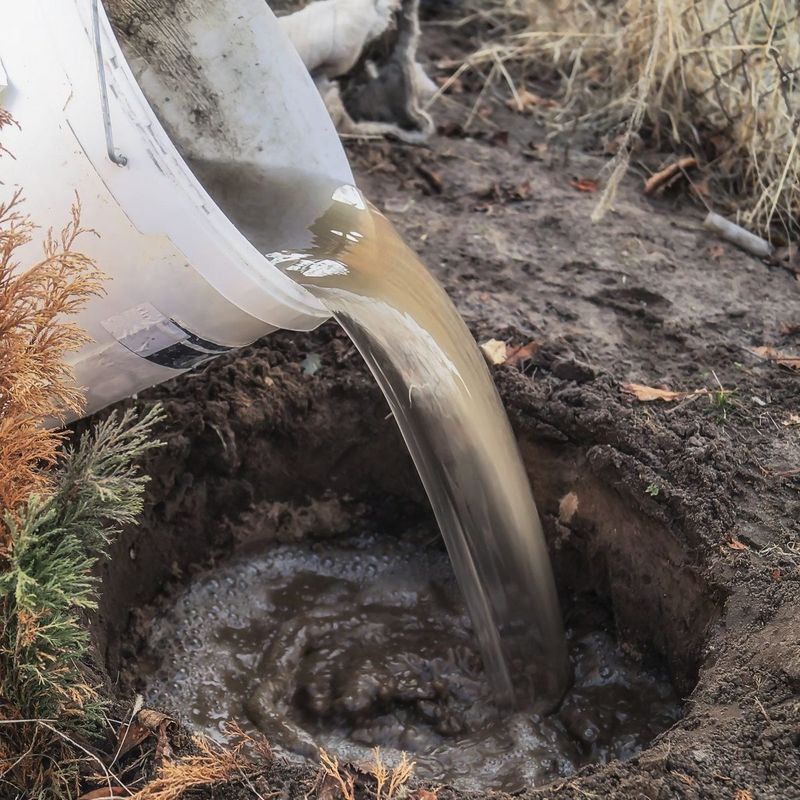
Here’s a test worth running this week. Dig a hole about a foot deep in your lowest bed, fill it with water, and watch how long it takes to drain.
If water still sits there hours later, that bed carries a real drowning risk once the rain arrives.
Root rot does most of its damage in soggy soil, not cold soil. California clay, compacted summer pathways, and hardpan layers all trap water, and plants adapted to dry summers get especially unhappy sitting in it.
Look for clues you already have around the yard. Crusty white deposits, moss, a spot that stayed muddy after the last irrigation cycle, or a bed that sits lower than everything around it.
Quick fixes go a long way here. Break up compacted surfaces with a fork, carve a shallow swale to redirect runoff away from the bed, and clear any debris blocking a low point where water needs to exit.
For chronic problem areas, raising the planting surface a few inches with compost-amended soil or building a proper raised bed gives roots a dry zone to retreat to when needed.
Improving drainage through organic matter and grading tends to work far better than relying on sand, which can actually worsen clay soil over time.
Also glance at slopes above your beds while you’re out there. Runoff from a lawn, driveway, or neighbor’s yard can turn a perfectly fine bed into a shallow pond during a single downpour.
4. Bring Sensitive Containers Under Cover
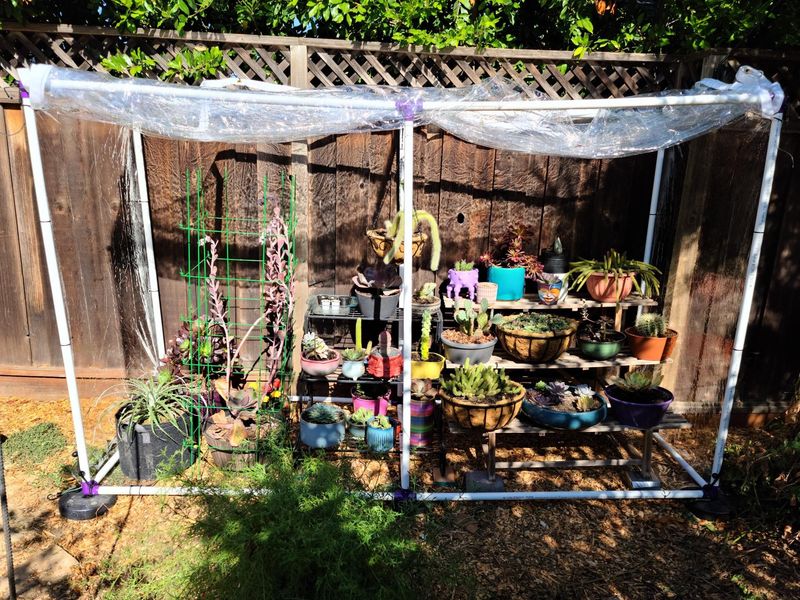
Pots are the first casualties of a fall storm, and it’s usually not the plant itself that fails. It’s the drainage underneath it.
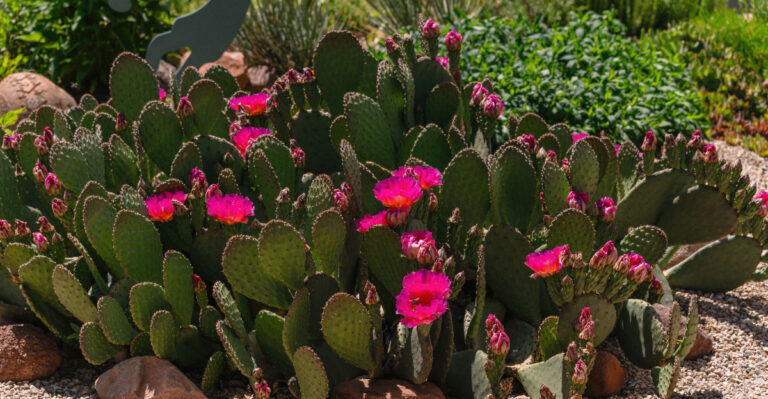
A container holds a fixed amount of soil, and when rain fills every air pocket, roots suffocate fast. Succulents, cacti, Mediterranean herbs like rosemary and lavender, and anything without working drainage holes are all at risk.
Move those pots under a patio roof, eave, or porch before the rain starts. Even a few feet of overhang keeps the worst of the water off while still letting in light.
Wind matters just as much here. Tall, narrow containers and lightweight plastic pots blow over easily, and a toppled pot can shatter, snap stems, and dump soil across a walkway.
Cluster remaining pots against a wall or in a sheltered corner so they shield each other, and set the heaviest ones on the windward edge. Lay top-heavy pots down on their side if a big gust is coming through.
Elevate everything you can on pot feet, bricks, or a wooden rack. Containers sitting flat on concrete or in saucers hold standing water, which is a fast route to soggy, struggling roots.
Empty those saucers now, before you forget about them entirely. Saucers full of water also become mosquito habitat, which is one more reason to dump them out.
Frost-tender plants in pots earn double protection in inland valleys, where early cold often follows right behind a storm.
5. Trim Weak Or Damaged Branches First
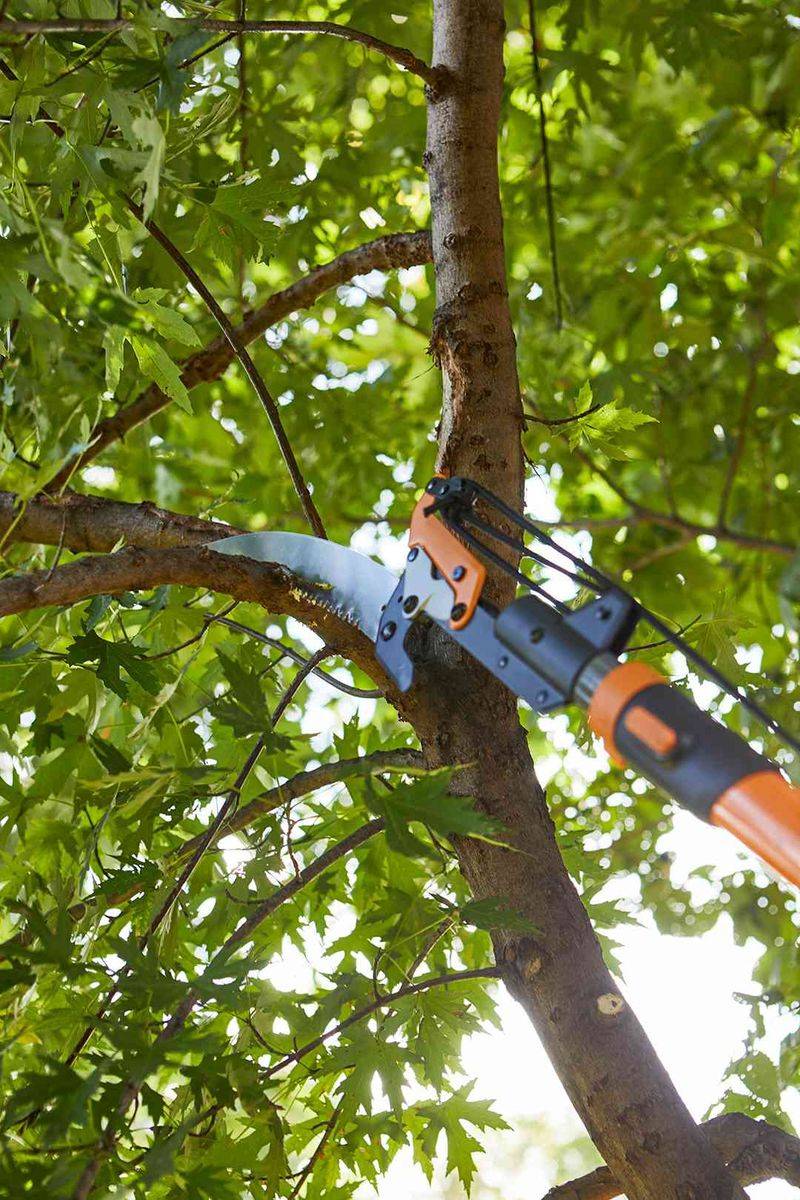
Every arborist has the same fall story on repeat. The branch that came down in the storm was already weakened, already cracked, or already rubbing against another limb. Storms rarely take down healthy wood first.
Walk your trees and large shrubs with your eyes up. Look for bare branches with no leaves, bark that’s peeling or split, limbs with visible cracks, stubs left from old bad cuts, and branches crossing and grinding into each other.
Remove those now. A weakened limb catches wind the same as a live one but has none of the flexibility, and it lands on fences, cars, and people without much warning.
Keep the cuts modest, though. Heavy pruning right before wet weather is a poor idea, since fresh, large wounds invite disease, and some California trees carry specific timing rules for a good reason.
Avoiding pruning oaks and elms during periods that favor pathogen spread matters here, and stone fruit is generally pruned in dry weather to limit infection risk.
When in doubt, take out only the clearly hazardous wood now and save shaping for the proper season ahead.
Cut just outside the branch collar, never flush to the trunk, and never leave a long stub behind.
Anything requiring a chainsaw overhead, a tall ladder, or work near power lines belongs to a certified arborist. That’s not caution for its own sake. It’s the cheapest insurance in the whole garden.
6. Test Irrigation Before You Stop Needing It
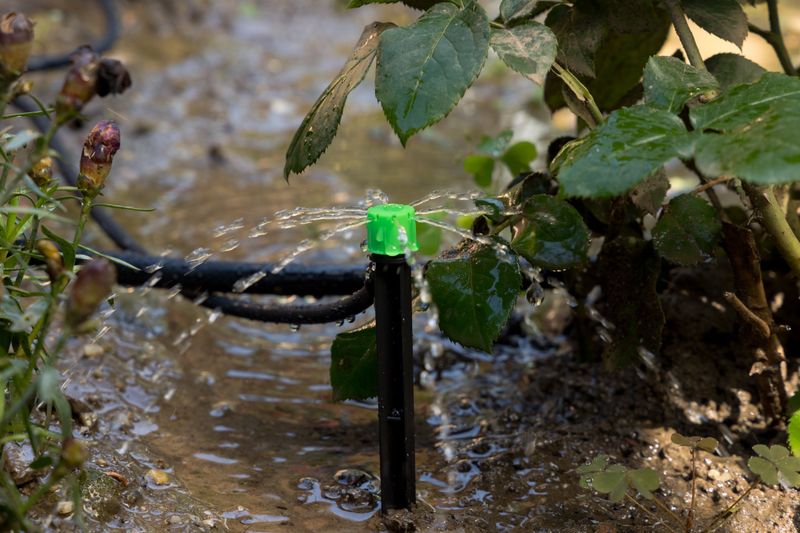
Odd timing, right? Checking irrigation right when the rain is about to take over sounds backward, but it’s actually the smartest moment to do it.
Once storms arrive, most California gardeners shut off the controller and forget the system entirely until spring. Any leak, break, or clogged emitter sits hidden for months, and you discover it in April when half a bed dries out unexpectedly.
Run each zone manually and watch closely. You’re hunting for geysers from broken risers, mystery wet spots that signal an underground leak, emitters dripping nothing, and spray heads aimed at the sidewalk instead of the bed.
Drip lines take a real beating over summer. Rodents chew tubing, sun makes poly brittle, and mineral deposits plug emitters, so flush the lines and clean or replace the filter screen while you’re already out there.
Then reprogram rather than simply switching everything off. A rain sensor or soil moisture sensor prevents the classic sight of sprinklers running full blast in a downpour.
Newly planted natives and fall-planted perennials still need occasional water between storms, so keep the ability to run a short cycle by hand when needed.
In colder inland and mountain areas, drain backflow devices and above-ground lines before a freeze arrives. Cracked valves from ice make for an expensive surprise come spring.
Jot down what you fixed while it’s fresh. February you will genuinely appreciate the note.
7. Mulch Beds Before The Ground Gets Wet
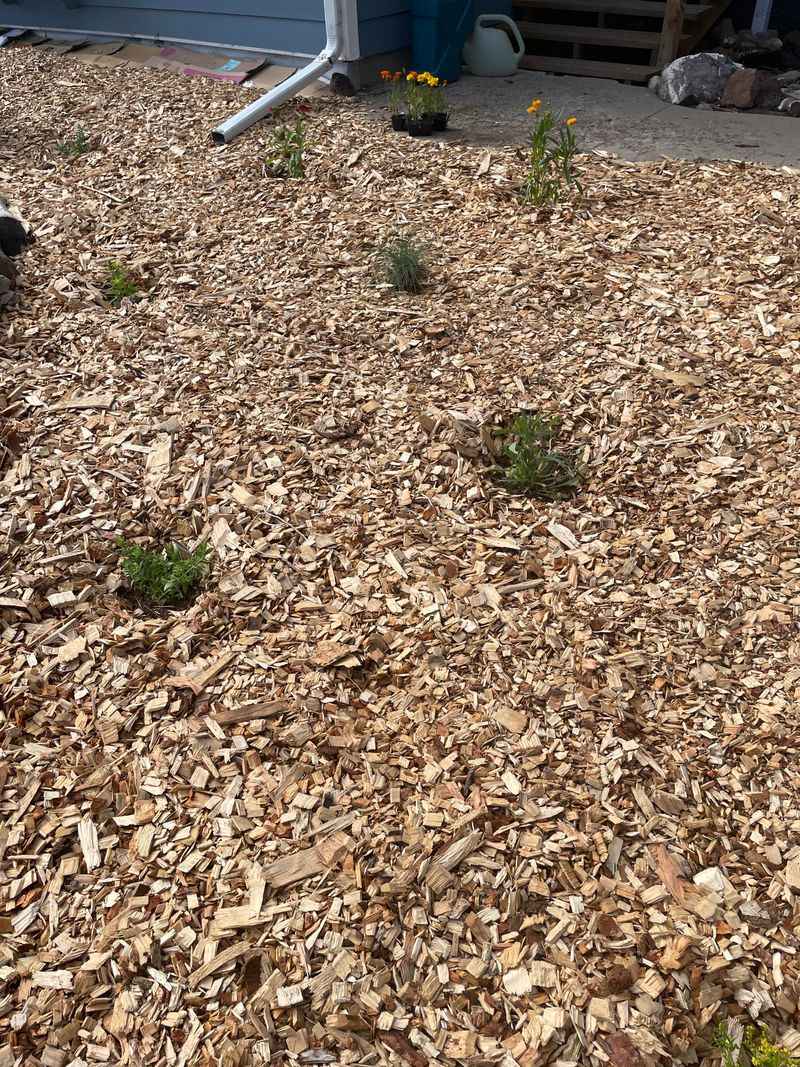
Bare soil and the first heavy California rain make a bad pair together. Raindrops hit exposed dirt with surprising force, breaking apart the surface and sealing it into a crust.
That crust then washes fine particles downhill into paths, gutters, and storm drains.
A layer of mulch absorbs that impact instead. Coarse wood chips, shredded bark, or straw slow the water, let it soak in rather than run off, and hold your topsoil right where you put it.
Get it down before the storms rather than after. Spreading mulch on dry soil is easier work all around, and it means the protection is already in place when the first inch of rain falls.
Two to four inches is the usual target for ornamental beds, spread evenly and pulled back a few inches from trunks and stems. Mulch piled against bark traps moisture and invites crown rot, a real problem during a wet California winter.
On slopes, choose chunkier material instead of fine mulch. Fine material floats and migrates downhill, while coarse chips knit together and stay put through heavy rain.
Mulch also suppresses the flush of winter weeds that sprouts with the first rains, which saves hours of weeding in January.
Free chips are often available from local tree services or municipal green waste programs, though ask about the source if disease is ever a concern.
Skip heavy mulch directly over dormant bulbs and reseeded areas where you want emergence come spring.
8. Secure Or Store Loose Garden Items
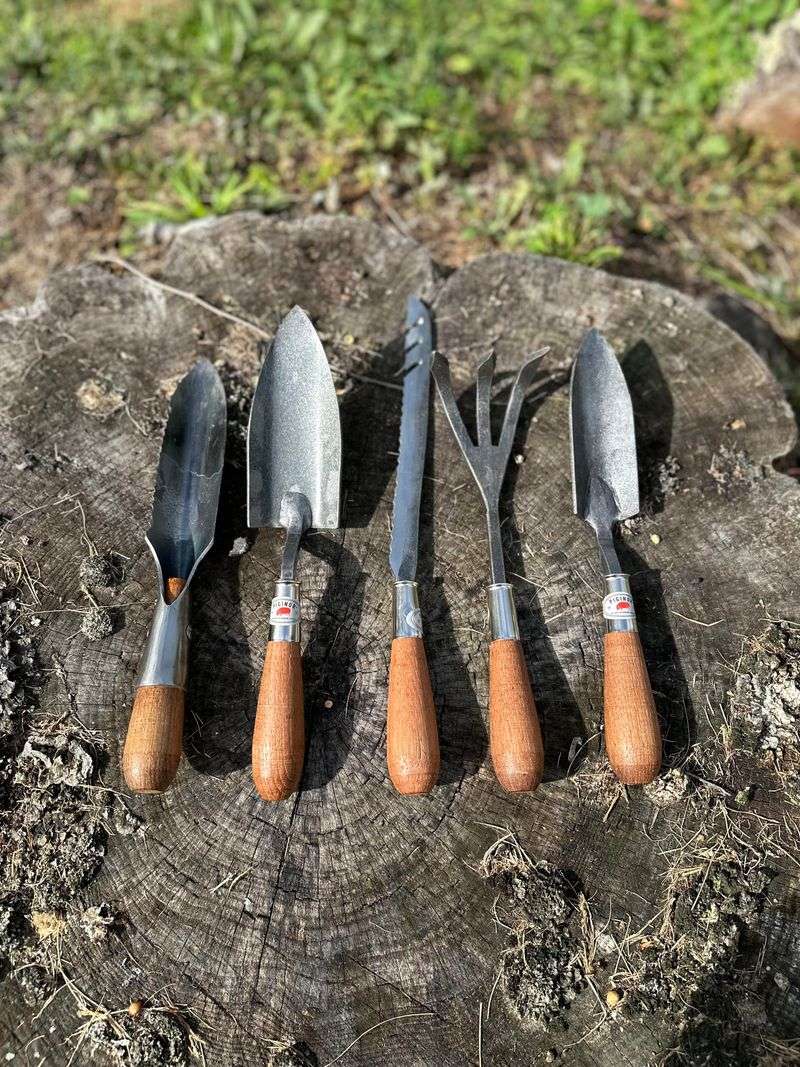
Walk the yard one more time and look at ground level, not just the trees and beds. Garden decor, tools, and lightweight furniture become projectiles the second real wind shows up.
Empty plant pots are the worst offenders here. Lightweight plastic containers, especially the tall narrow ones, catch wind like a sail and go tumbling across the yard, sometimes straight into a fence or a window.
Patio furniture deserves the same attention. Umbrellas should come down and get stored, and cushions belong somewhere dry rather than soaking up rain for the next three days.
Garden tools left leaning against a shed or fence tend to get forgotten until a gust knocks them flat. Rakes, hoes, and trellises all belong in a shed or garage before the first real storm arrives.
Trellises and plant supports need a second look too. A flimsy tomato cage or bamboo stake still standing from summer can snap and take a plant down with it once wind picks up seriously.
Bird feeders, wind chimes, and hanging baskets swing hard in a storm and can crack against siding or windows repeatedly through the night. Bring them in or anchor them down firmly.
Check gates and fence panels while you’re at it. A loose latch or a wobbly panel that seemed fine all summer can slam repeatedly through a windy night, working itself looser with every gust.
This whole walk-through takes fifteen minutes and prevents the kind of scattered mess that turns a rainy morning into a scavenger hunt across your own yard and your neighbor’s.