What To Do With Fig Trees In California Before The First Frost
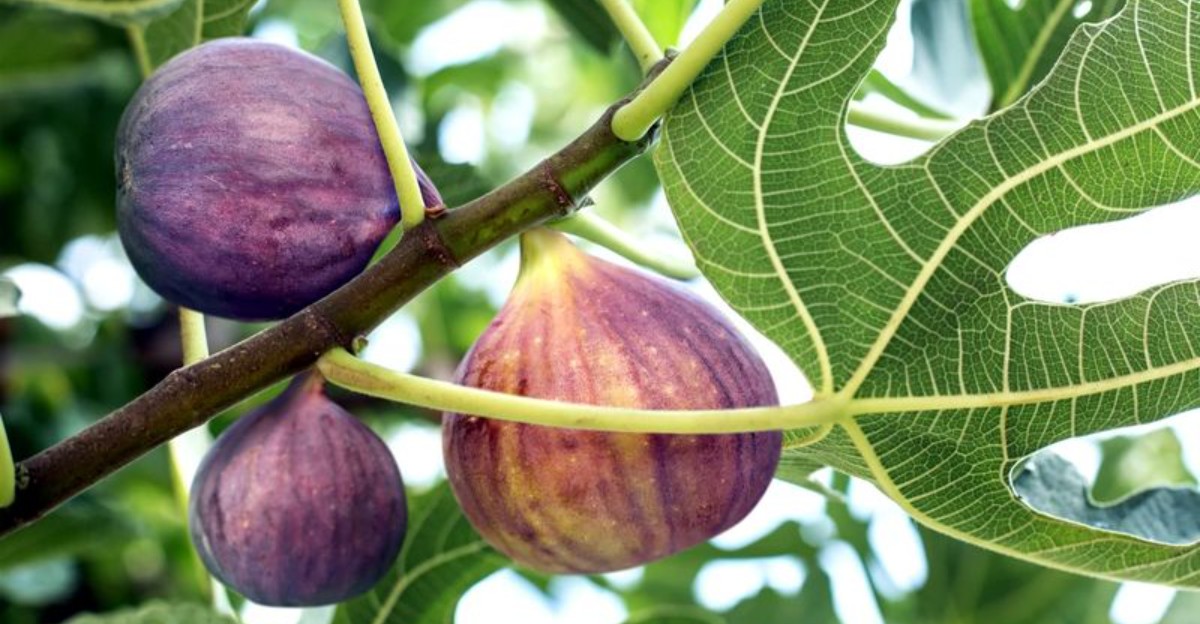
Hard green fruit picked from one backyard tree in late fall usually stays hard on the counter, since it barely ripens after leaving the branch. Small leftovers still hanging this month rarely mature before cold nights arrive.
Some varieties also form a small early crop the next spring on last year’s wood, so heavy pruning can snip it away. Milky sap from cut branches can irritate skin, and sunlight tends to make that reaction worse.
One wrong cut on my first rose bush taught me to slow down before snipping anything in fall. You might notice your tree already easing into winter, with yellowing leaves that signal rest rather than trouble.
Plenty of well-meaning gardeners keep feeding and soaking their trees right up until the first frost. A few small changes with the hose, the pruners, and the mulch pile could set up a sweeter harvest next summer.
Your Fig Tree Is Already Getting Ready for Winter
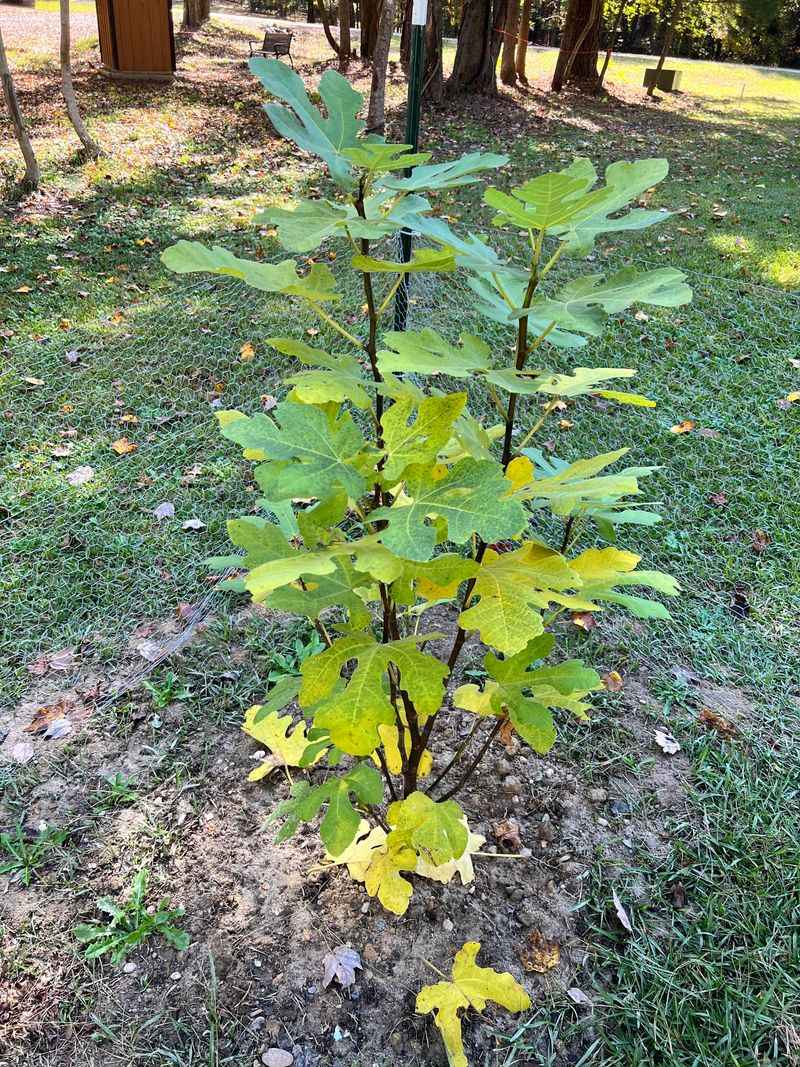
Shorter days are a signal your fig tree reads clearly. As fall settles in, the tree slows its growth, pulls energy toward its roots, and starts hardening its wood. Yellowing leaves are part of that plan, not a cry for help.
I love watching this shift because it shows how clever plants can be. A fig that has gone through gradual cooling handles cold far better than one that gets a sudden freeze while still pushing green shoots. Your job is mostly to help this natural slowdown along.
That means you want to avoid anything that tricks the tree into thinking it is still summer. Heavy watering, late fertilizer, and big pruning cuts can all spark fresh growth at the worst moment. Soft new shoots are the first parts to get damaged when temperatures dip to around 28°F.
Across much of California, the first frost arrives anywhere from late October in the mountains to December or later in inland valleys. Many coastal areas rarely see frost at all. Check your local frost dates through your county UC Master Gardener program so your timing matches your actual climate.
Once you know your date, you can work backward and plan each step calmly.
Put the Fertilizer Bag Away Early
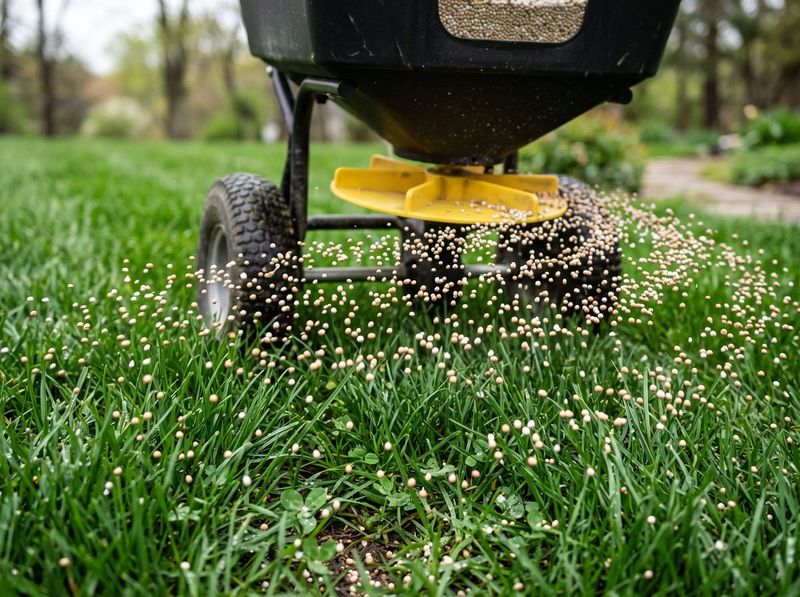
Feeding a fig in October is like handing a kid candy right before bedtime. The tree gets a burst of energy and pushes out tender leaves that cold air can easily scorch. Those leaves never get the chance to toughen up.
Most fruit tree experts suggest stopping fertilizer at least six weeks before your expected first freeze. For many California gardeners, that means wrapping up feeding by late summer or early fall. Figs are fairly light feeders anyway, so they rarely miss the extra boost.
Nitrogen is the main culprit here. It fuels leafy growth, which is great in spring and a problem in fall. Even high-nitrogen lawn fertilizer spread near the tree can sneak into its root zone, so keep an eye on what goes on the grass nearby.
Instead of feeding, think about building the soil gently. A layer of compost on top of the ground breaks down slowly and does not trigger a growth spurt. It also improves the soil for next season.
Personally, I mark a reminder on my calendar for the last feeding date. It saves me from a well-meaning mistake later in the season.
Ease Up on the Garden Hose as Fig Leaves Fade
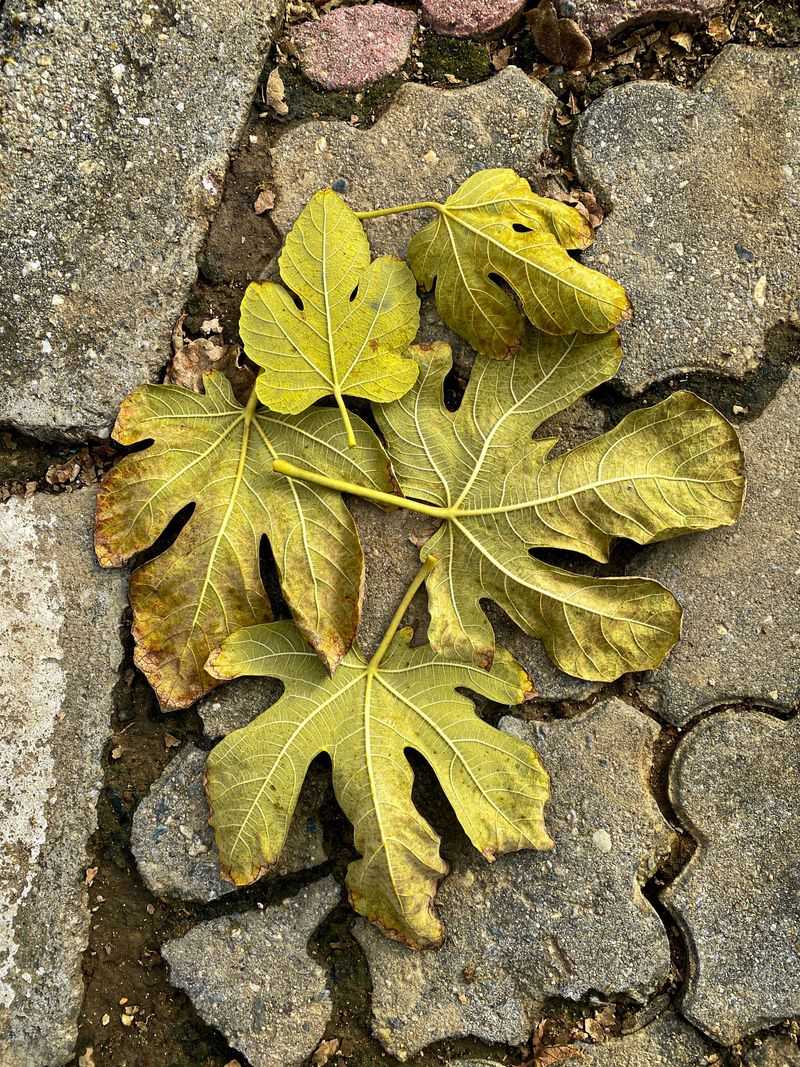
Fewer leaves mean less thirst. As your fig drops foliage, it simply uses far less water than it did during the July heat. Keeping the same summer schedule can leave roots sitting in soggy soil.
Gradually stretch out the time between waterings in fall. Let the top few inches of soil dry before you water again. This helps signal the tree that the growing season is winding down.
There is one twist worth knowing. Moist soil actually holds and releases heat better than bone-dry soil, so a deep watering a day or two before a predicted frost can help protect roots. Just avoid constant soaking.
California winters bring rain to many regions, especially in the north. Once storms start, you may not need to water in-ground trees at all. Southern and desert gardeners might still need an occasional deep drink during dry stretches.
Container figs dry out faster than ground-planted ones. Check pots with your finger before watering, and make sure drainage holes stay clear. Waterlogged pots in cold weather invite root rot, which is a much bigger headache than a little dryness.
Pick the Last Ripe Figs Before Cold Nights Hit
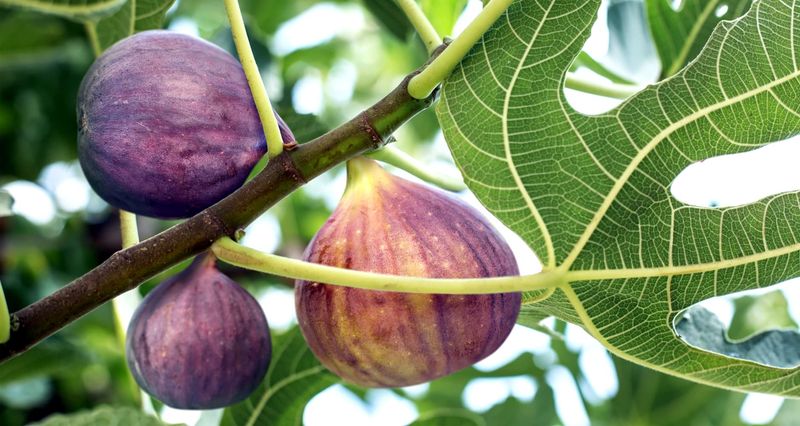
Nothing beats a sun-warmed fig eaten right off the branch. Late in the season, gather every ripe fruit you can find before chilly nights arrive. Ripe figs droop slightly on their stems and feel soft when you gently squeeze them.
Here is something many gardeners learn the hard way. Figs do not keep ripening much after picking, so hard green ones will stay hard on your counter. Small, unripe figs left on the tree in late fall usually won’t mature before cold weather.
Many growers remove those leftover green figs. Clearing them reduces hiding spots for pests and keeps fallen fruit from rotting on the ground. Rotting fruit can attract dried fruit beetles and other unwanted visitors.
Rake up fallen figs and leaves too. Fig rust, a common leaf disease, can spread from debris that lingers under the tree. A tidy base heads into winter with fewer problems.
Some varieties, such as Black Mission and Brown Turkey, often produce a small early crop called the breba crop the next spring. Those little fruits form on last year’s wood, which matters a lot when you think about pruning.
Hold Off on Big Fig Branch Pruning Until Dormancy
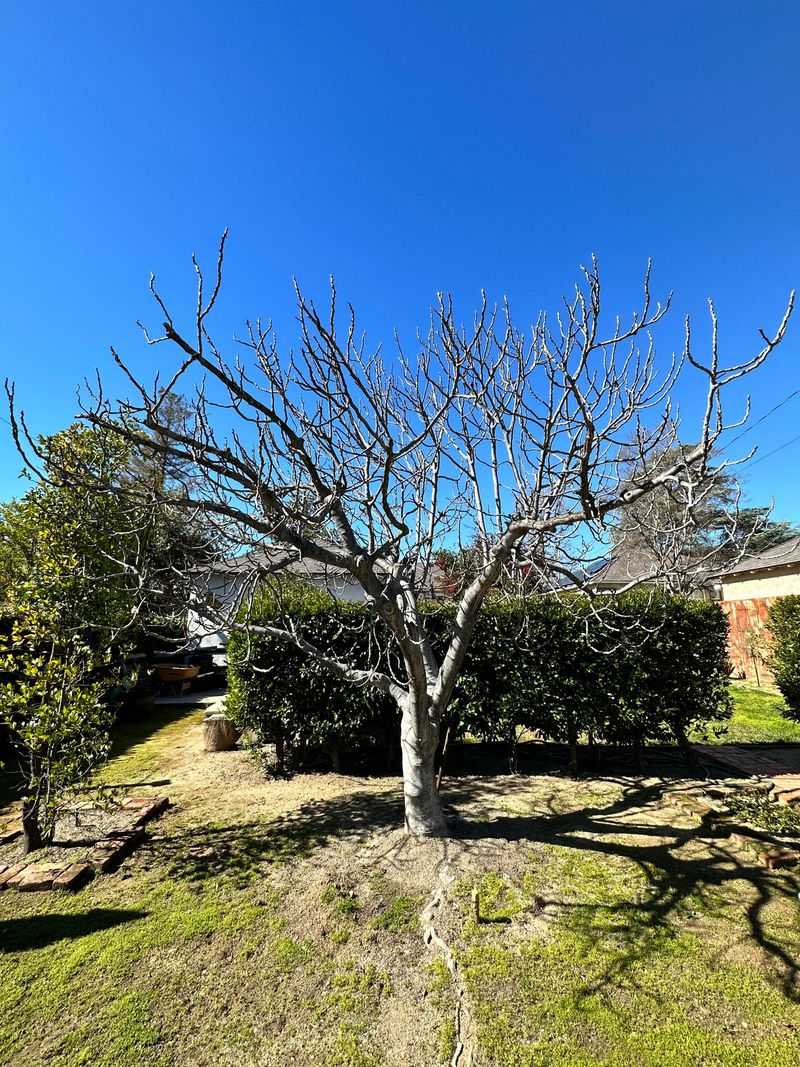
Sharp pruners in the fall feel productive, but patience pays off with figs. Big cuts made while the tree is still active can stimulate new shoots right before frost. Those shoots are easy targets for cold damage.
UC Agriculture and Natural Resources recommends pruning figs during dormancy, after the leaves have dropped. In most of California, that means winter. The tree is resting, and you can clearly see its branch structure without leaves in the way.
Before frost, you can still do light cleanup. Snip out broken branches, diseased wood, or stems rubbing against each other. These small fixes will not push much new growth.
Wear gloves and long sleeves for any cutting. Fig sap is a milky latex that can irritate skin, and sunlight can make that reaction worse. A quick rinse after handling cut branches helps a lot.
Remember those breba figs that form on old wood. Cutting back heavily in winter can remove your early crop. Light, thoughtful pruning keeps both crops in play, so take a step back and look at the whole tree before every cut.
A Thick Layer of Mulch Keeps Fig Roots Snug
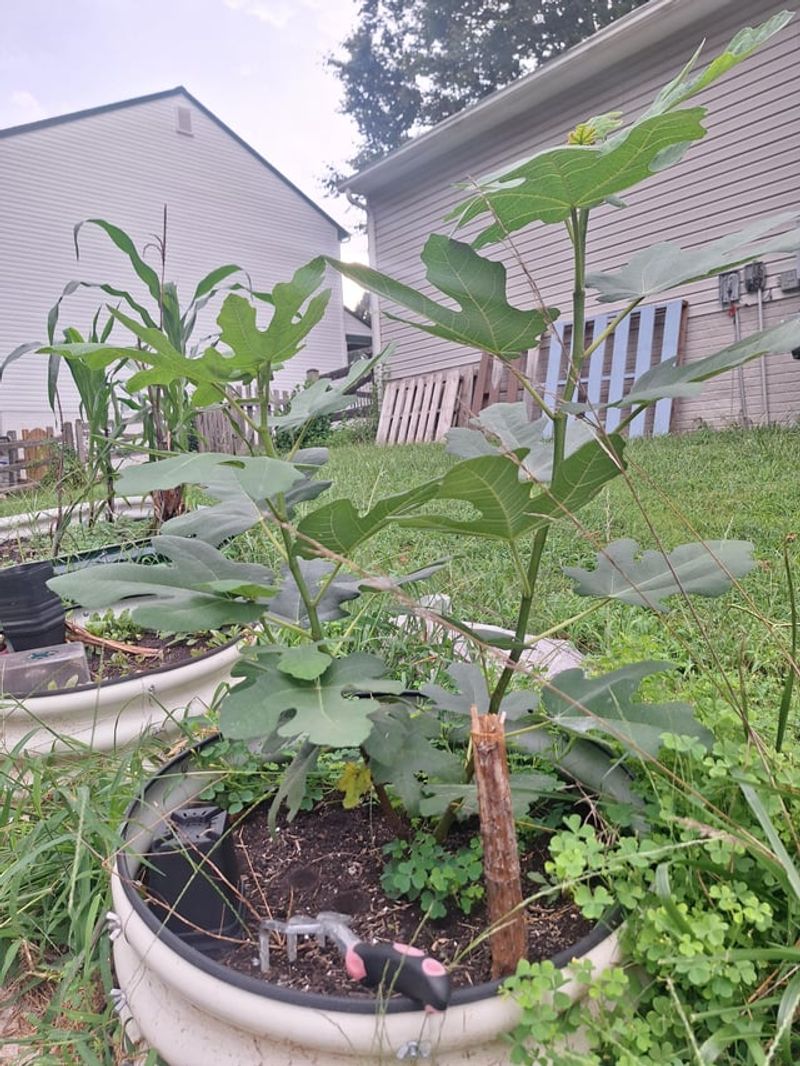
Roots are the tree’s insurance policy. Even if cold nips the branches, healthy roots can push out fresh growth the following spring. Protecting them is one of the smartest moves you can make.
Spread a few inches of organic mulch around the base of your fig. Shredded leaves, wood chips, or straw all work well. In colder parts of the state, like foothill or mountain areas, a thicker layer offers extra insulation.
Keep the mulch a few inches away from the trunk itself. Mulch piled against bark holds moisture and can invite rot or rodents looking for a cozy winter home. Picture a donut shape rather than a volcano.
Mulch also helps the soil hold moisture through dry winter spells. It slowly breaks down and feeds the soil life underneath. That is a nice bonus for a few minutes of work.
I like using fallen leaves from other healthy trees in my yard, since they cost nothing. Just skip leaves from the fig itself if rust showed up this year. Clean material gives your tree the best start for its winter rest.
Frost Cloth Gives Young Fig Trees a Fighting Chance
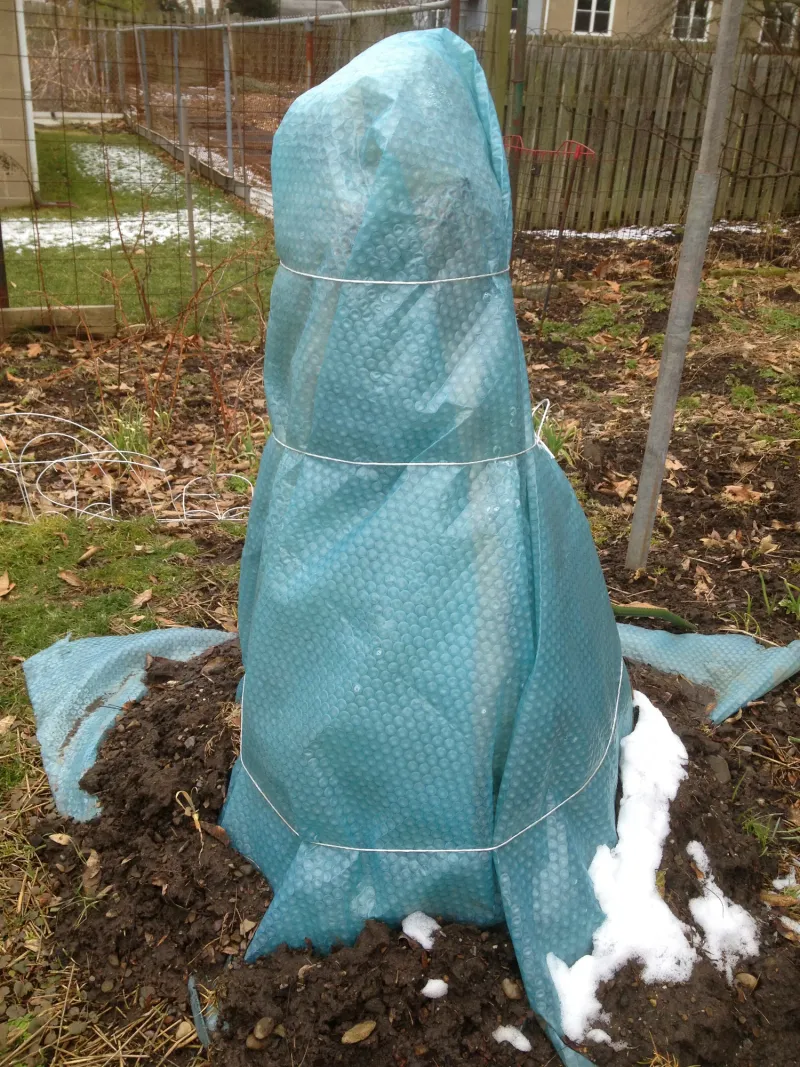
Babies need blankets, and young figs are no exception. A mature fig can often handle temperatures in the high teens to around 20°F once fully dormant. Young trees can suffer injury around 25°F to 27°F.
Watch your local forecast closely during late fall. Clear, calm nights are often the coldest because heat escapes quickly into the sky. When frost is predicted, drape frost cloth or an old bedsheet over young trees before sunset.
Let the cover reach all the way to the ground. Trapping warmth that rises from the soil is what makes covers work. Use stakes or a simple frame so the fabric does not crush branches.
Avoid plastic touching the leaves or bark. It conducts cold and can actually make damage worse. Breathable fabric is a much safer choice.
Remove covers in the morning once temperatures climb above freezing. Leaving them on through sunny days can overheat the tree. For gardeners in the Sierra foothills or high desert, wrapping trunks with burlap adds another layer of protection during long cold spells.
Potted Figs Can Wait Out Winter in a Cool Garage
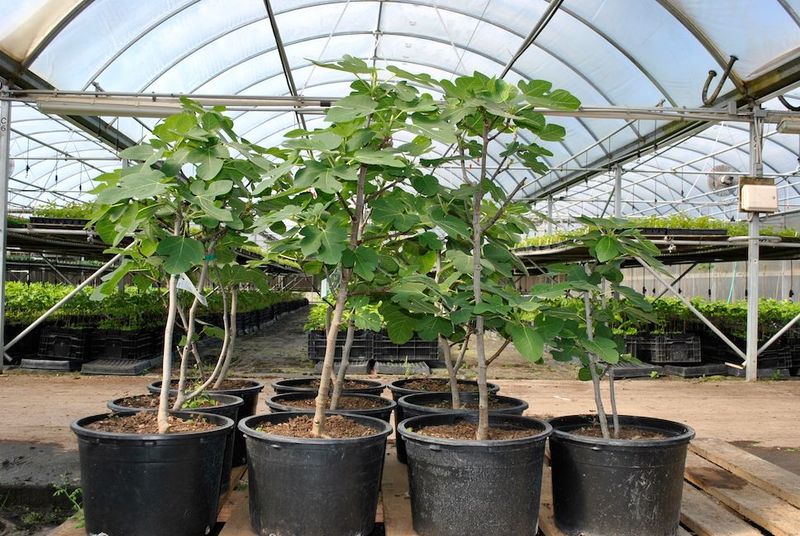
Container figs get the best deal in cold weather because they can move. Roots in pots are more exposed than roots in the ground, so they need a little extra thought. Still, the plan is simple.
Let your potted fig feel a light frost or two outdoors first. That chill helps it drop leaves and settle into dormancy. Then roll it into an unheated garage, shed, or covered porch before hard freezes arrive.
A spot between roughly 32°F and 45°F works nicely. A dormant fig with no leaves does not need sunlight, so a dim corner is fine. Water lightly about once a month so the roots do not dry out fully.
In mild coastal and Southern California areas, you may only need to tuck pots against a warm south-facing wall. Grouping pots together also shares warmth on chilly nights.
Bring your fig back outside once spring frost danger passes. Ease it into full sun over a week or so. You’ll be rewarded with fresh leaves, and hopefully a fine batch of figs by summer.