What It Really Means When Your Grass Turns Brown In September
Brown patches spread across your lawn overnight, and worry sets in fast. Your boots crunch across blades that snapped weeks earlier in warm sun. Neighbors notice the shift before it even crosses your mind.
Color fades a little more, and you notice each morning. Soaking each crispy patch feels urgent, yet rarely helps. Sod replacement crosses your mind, along with quiet dread.
Doubt convinces you the lawn is beyond saving. Truth hides beneath the soil, far calmer than it looks. Grass often slows down, not shuts down, this time of year.
September triggers dormancy, a strategic pause rather than failure. Roots below the surface keep working while blades rest.
Understanding that difference changes each reaction you make next. Knowing what happens below ground saves you money and stress. Here’s exactly what your lawn is doing right now beneath your feet.
The Simple Truth Behind Late-Season Color Loss
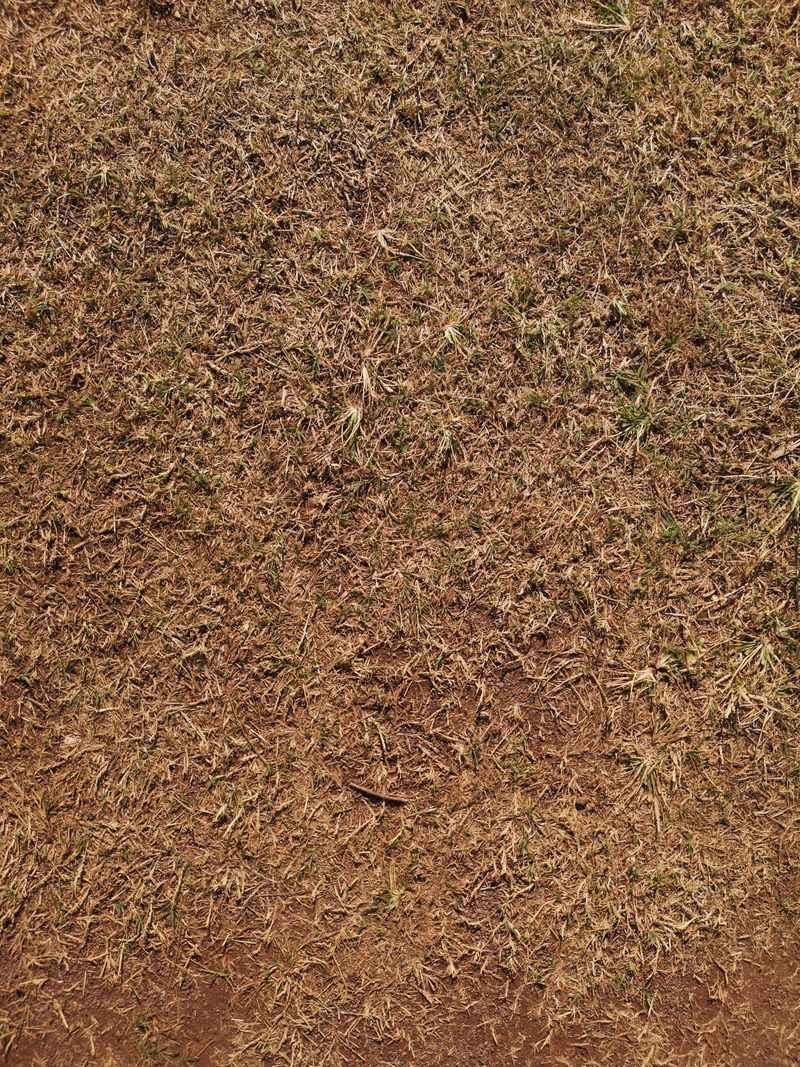
Most brown lawns in September are resting rather than ruined. Grass shields itself by pausing blade growth and storing its energy safely down in the root zone.
Cool-season grasses such as tall fescue and bluegrass fade after a long, hot, dry stretch. Warm-season grasses such as Bermuda and zoysia brown as nights turn cool and daylight shrinks.
A quick tug test settles most backyard arguments in less than ten seconds flat. Grip a handful of brown blades and pull gently upward while watching the soil.
Blades that resist and stay anchored mean the roots underneath are still working fine. Blades that slide out easily, like hair from a wig, signal real trouble.
Color patterns also tell a story that is worth reading closely before you panic. Even uniform tan across the whole yard usually points to normal seasonal rest.
Patchy circles, streaks, or odd shapes suggest something else is going on. Uniform browning rarely arrives in neat rings or wandering ribbons across a lawn.
Dormant turf typically holds that tired tan color for a few weeks, depending on grass type and drought severity.
So the brown you see is often a survival trick, not a verdict. Your lawn is budgeting, the same way you do near the end of the month.
Patience costs nothing and saves money on unnecessary sod and panic purchases. Give the yard a couple of weeks before making any expensive decisions.
Cool Nights, Shorter Days, And Slower Growth
September plays a double game with lawns across most of the country. Warm-season grass is winding down while cool-season grass is waking back up.
Daylight shrinks by roughly a minute or two every single day this month. Less light means less food production, so growth slows and color softens.
Soil temperature matters far more here than the numbers on your porch thermometer. Bermuda and zoysia start shutting down once soil readings slip below sixty-five degrees.
Damage from August often shows up weeks later, which confuses plenty of homeowners. Roots shrink during heat, and the browning surfaces after the weather already improved.
Think of it like a sunburn that stings long after you leave the beach. The lawn is reacting to last month’s conditions, not today’s pleasant forecast.
Rainfall totals in late summer usually sit well below what turf actually wants. Deep soil can stay dry even when the surface feels damp each morning.
Morning dew fools people into thinking the ground has plenty of moisture. Push a screwdriver into the soil, and the truth shows up fast.
If it slides down six inches easily, moisture is fine down where roots live. If it stops after two inches, your lawn is thirstier than it looks.
Timing explains most September confusion better than any other single factor. The calendar changed, the sun angle changed, and the grass simply noticed first.
Regions differ, so northern lawns green up while southern lawns fade. Knowing which grass you own removes most of the guesswork from this month.
Grubs, Fungus, And Other Hidden Troublemakers
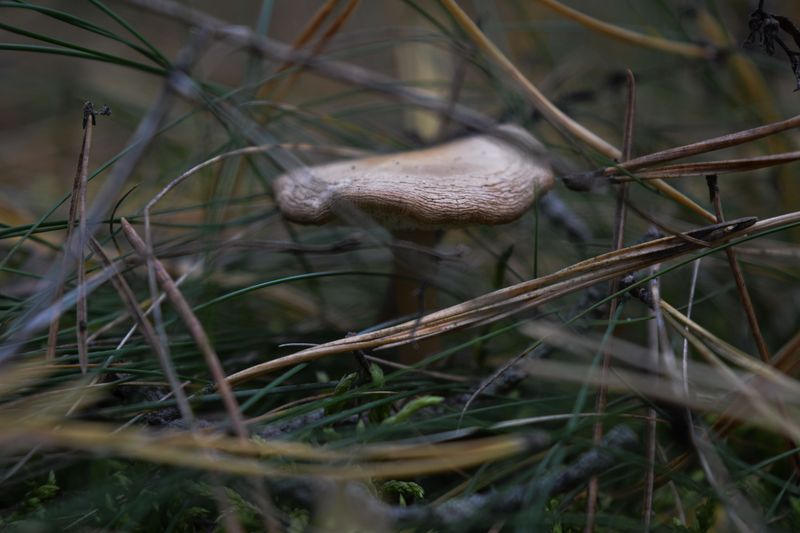
Sometimes brown really does mean trouble, and grubs top that suspect list. White, C-shaped larvae chew roots underground during late summer and early fall.
Turf damaged by grubs peels back like loose carpet with almost no effort. Spongy footing is another clue that something is munching beneath your feet.
Skunks, raccoons, and crows tearing up the yard are basically free diagnostics. Those animals are after protein, and they rarely dig where nothing lives.
Fungal problems leave different fingerprints, usually circles, rings, or blotchy straw-colored patches. Humid nights and warm afternoons in September create ideal conditions for them.
Look closely at individual blades early in the morning for lesions or tan bands. Fine webbing across the grass at sunrise points strongly toward fungus.
Pet spots create small, sharply outlined patches ringed with unusually dark green growth. Dull mower blades shred tips instead of cutting, leaving a gray-brown haze.
Sharpen blades twice per season, and that particular problem disappears for good. A sharp cut heals quickly, while a torn tip browns within days.
Grub control products generally work best when applied in late summer, though exact timing depends on your region and grub species. September applications still help, though results take longer and cost a bit more.
Digging up one square foot of sod answers the question in minutes. More than five to ten grubs in that space, depending on your region and turf health, usually means treatment is worth it.
Ruling out pests early keeps you from watering a problem that water cannot fix. Detective work beats guesswork, especially when sod prices keep climbing.
Lawn Care Habits That Work Against You In Early Fall
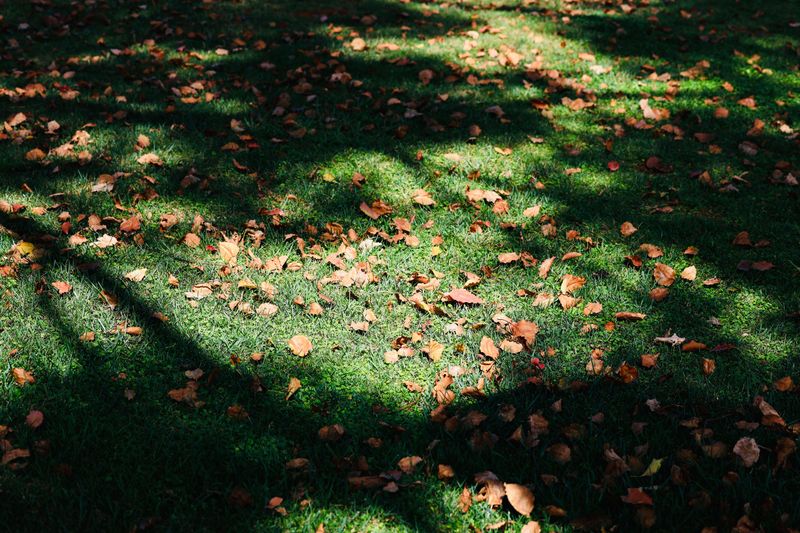
Good intentions damage more September lawns than plain neglect ever manages to. Drowning a resting lawn with daily sprinkler runs invites rot and fungus.
Dormant grass sips very little water because the blades have stopped growing upward. Soggy soil around sleeping roots builds a perfect setup for disease pressure.
Heavy nitrogen on stressed turf forces growth the plant cannot support. Fertilizer burn shows up as yellow streaks that follow your spreader path exactly.
Scalping the lawn short before winter removes the shade roots depend on. Keep the mower at three inches or higher through the whole month.
Walking, parking, and playing on crunchy dormant turf crushes the crowns. Those crowns hold the regrowth potential, so protect them like small batteries.
Dethatching or aerating stressed, brown turf adds injury on top of injury. Wait until the lawn shows fresh green growth before running heavy equipment.
Weed control sprayed on a struggling lawn can damage the grass too. Most labels warn against application during drought or high heat for good reason.
Light daily sprinkling trains roots to stay shallow near the hot surface. One deep soak per week pushes them down where moisture lasts longer.
Doing less, done correctly, beats doing more with the wrong timing. Your lawn wants steady care this month, not a rescue mission.
Skipping one weekend of fussing often produces better results than another product purchase. Restraint is an underrated lawn tool, and it happens to be free.
A Gentle Recovery Plan For Tired Turf
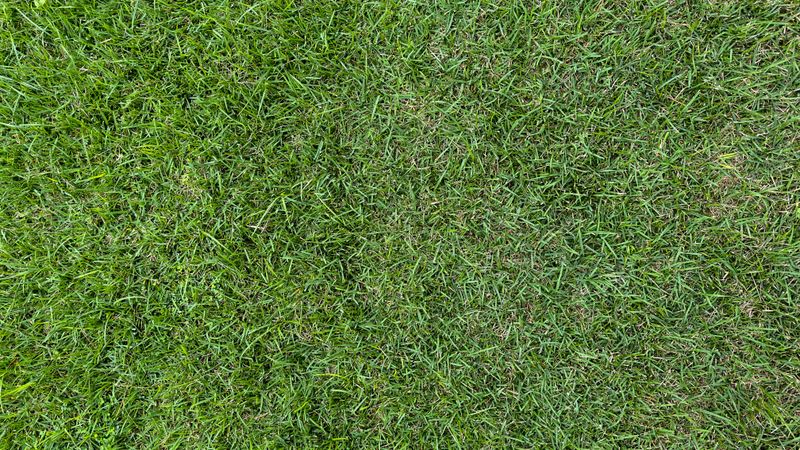
Recovery begins with water, though the schedule matters far more than the total amount. One inch per week, delivered in one or two sessions, works well.
Set a tuna can on the lawn and run sprinklers until it fills. Cheap, accurate, and far better than guessing how long twenty minutes lasts.
Early morning watering beats evening watering by a wide margin. Wet blades sitting overnight invite exactly the fungus problems you want to avoid.
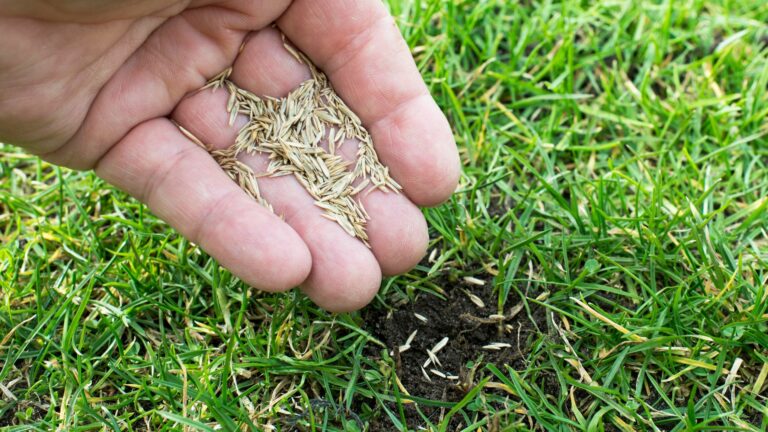
September happens to be prime overseeding season for cool-season lawns up north. Seed lands in warm soil under cool air with reliable autumn moisture ahead.
Rake out matted debris first so seed reaches actual soil, not thatch. Seed sitting on dry thatch sprouts poorly and wastes your money.
Core aeration pairs beautifully with overseeding once temperatures settle into the seventies. Those little soil plugs open pathways for water, air, and new roots.
Hold off on heavy feeding until you see genuine green growth returning. A balanced fall fertilizer then supports roots heading into colder weather.
Warm-season lawns in southern states need a different approach right now. Let them fade naturally and skip the seed until late spring arrives.
A soil test typically costs a modest amount and removes plenty of guessing. Check with your local extension office for current pricing. Results tell you whether soil pH, and not weather, has been holding growth back.
Steady effort over three weeks produces better results than one frantic Saturday. Lawns respond to consistency, which is honestly more than most houseplants offer.
Stronger Roots And A Greener Lawn Next September
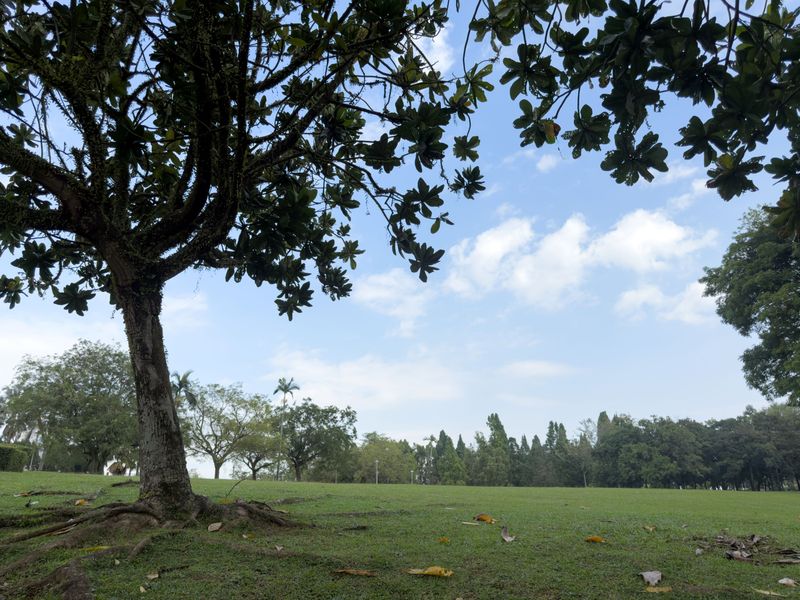
Most lawns bounce back within a few weeks after real rain returns, depending on grass type and how deep the stress went. Green usually appears first along bed edges, shaded strips, and shallow low spots.
Thin areas that stay tan after a month probably need fresh seed. Patching a few thin spots costs far less than replacing an entire yard.
Prevention for next year starts with root depth rather than expensive bottled products. Deep, infrequent watering all summer trains roots to chase moisture downward.
Mowing height might be the cheapest insurance policy available to homeowners. Taller blades shade the soil, slow evaporation, and crowd out stubborn weeds.
Aerating once each fall keeps compacted soil from strangling root growth. Clay-heavy yards and high-traffic play areas benefit most from that yearly treatment.
Grass variety matters more than most homeowners realize when droughts arrive. Tall fescue and buffalo grass handle dry spells better than thirsty bluegrass.
Leaving grass clippings on the lawn returns nitrogen and shades the soil surface. Free fertilizer beats bagged fertilizer every single time your mower runs.
Spreading a quarter inch of compost each autumn builds soil that holds water. Organic matter behaves like a sponge during the following summer’s dry stretches.
Perfect emerald turf through a hot, dry August is an unrealistic goal. A lawn that browns and returns is a healthy lawn doing its job.
Next September you might glance outside, notice tan patches, and shrug confidently. Knowing the difference between resting and struggling turns panic into patience.