That Silvery Bush Arizonans Keep Chopping Down Packs 18 Times More Lycopene Than A Tomato
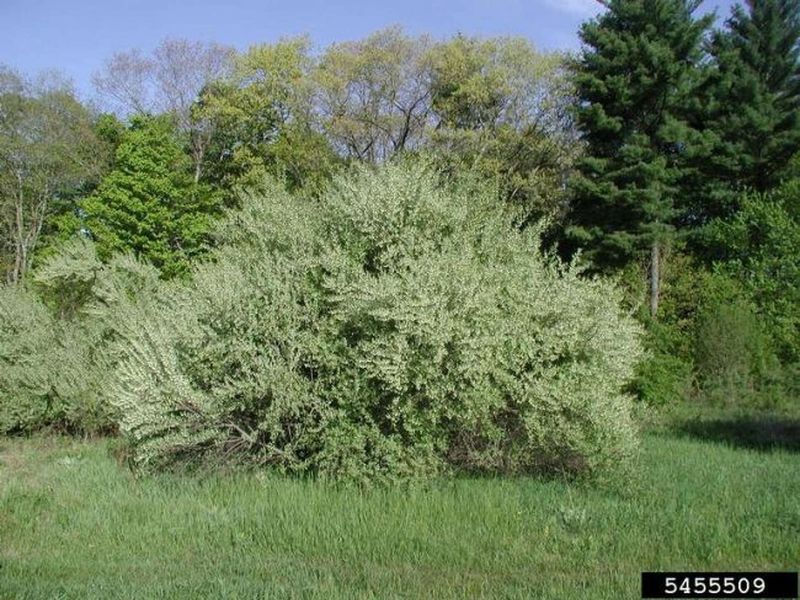
A viral claim has been circulating that a common silvery shrub Arizona homeowners regularly hack out of their yards contains up to 18 times more lycopene than a tomato. The plant behind that story is almost certainly autumn olive, Elaeagnus umbellata, an Asian shrub with striking silvery foliage and red, speckled berries.
The nutrition finding is real in qualified form, but several parts of the story, including the Arizona angle, the exact multiple, and the idea that picking berries helps your ecosystem, need a closer look before you act on any of it.
The Arizona premise does not hold up
A lot of Arizona homeowners read that headline and immediately thought of the scraggly silvery shrub at the back fence they have been fighting for years. Before reaching for the pruning saw or the jam pot, check the geography.
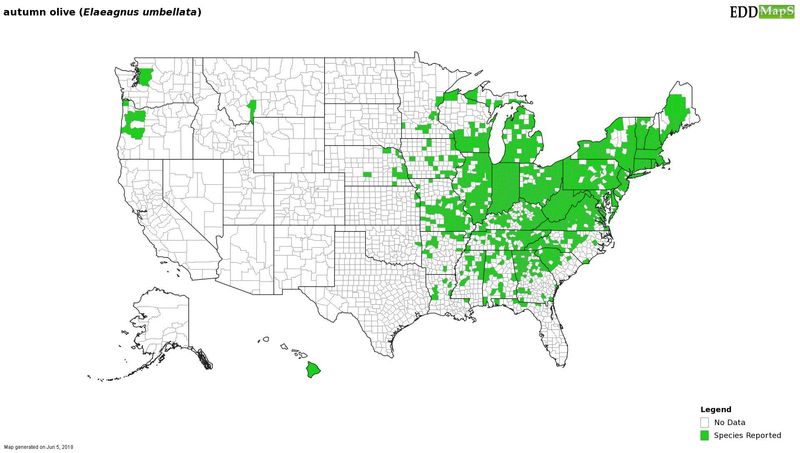
U.S. Forest Service documentation places autumn olive’s established North American range primarily in the eastern United States, extending west only as far as Nebraska, Kansas, Arkansas, and Louisiana, plus Hawaii.
Arizona does not appear on that map.
The state’s own plant-pest records reinforce the distinction. Arizona officially lists Russian olive, Elaeagnus angustifolia, as a noxious weed concern, which is a separate species from autumn olive despite sharing a genus and a silvery look.
That means the silvery shrub a Phoenix or Tucson homeowner is most likely battling is Russian olive, not autumn olive, and the two plants are not interchangeable for identification, food use, or management.
University of Arizona guidance places Phoenix in a low-desert climate zone and Tucson in an intermediate-desert zone, both defined by intense summer heat and limited rainfall. Autumn olive, which the Forest Service notes performs poorly on very dry soils, fits that description badly.
Treat any claim that autumn olive is a widespread Arizona yard shrub as an identification question first, and assume the story originated in the eastern United States rather than the Sonoran Desert.
Identify autumn olive by its full set of traits
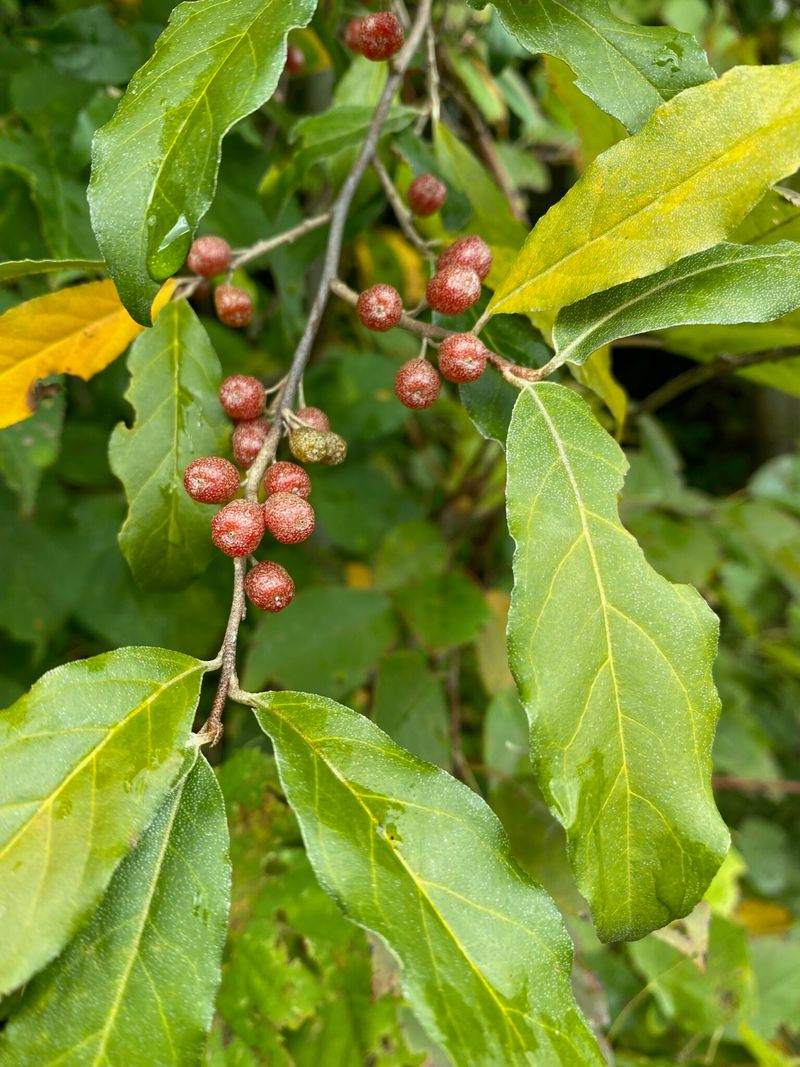
Silvery foliage alone is not enough to name a plant. Autumn olive earns its identification from a combination of features that must all be present before you trust the ID.
The shrub typically grows as a thorny, many-branched plant reaching roughly 10 to 16 feet tall, with alternate leaves that are green on top and distinctly silvery on the underside. The small fleshy fruits ripen to red and keep a metallic-speckled surface even when fully ripe, which is one of the more reliable visual clues.
Russian olive, the species Arizona actually lists as a noxious weed, looks superficially similar because it also belongs to the Elaeagnus genus and carries silvery foliage. The differences matter: Russian olive typically grows taller and more tree-like, its fruits are yellowish or olive-colored rather than red, and its leaves tend to be narrower and more lance-shaped.
Using only the word “olive,” “silver bush,” or even “Elaeagnus” is not sufficient to confirm which plant you have.
University of Maryland Extension advice on wild berry identification specifically warns against eating fruit from any shrub unless species identity is certain and potential chemical exposure is known. When in doubt, contact your local cooperative extension office with a physical sample or high-quality photos showing leaves, thorns, bark, and fruit before making any decision about eating or removing the plant.
Your Arizona Garden Changes Every Week. Your Plan Should Too.
Gardening in Arizona changes quickly throughout the season. Every Friday you’ll receive a simple weekly plan showing exactly what to plant, prune, fertilize, harvest, and protect so you never miss the right timing.
The lycopene finding is real but not an 18-fold rule
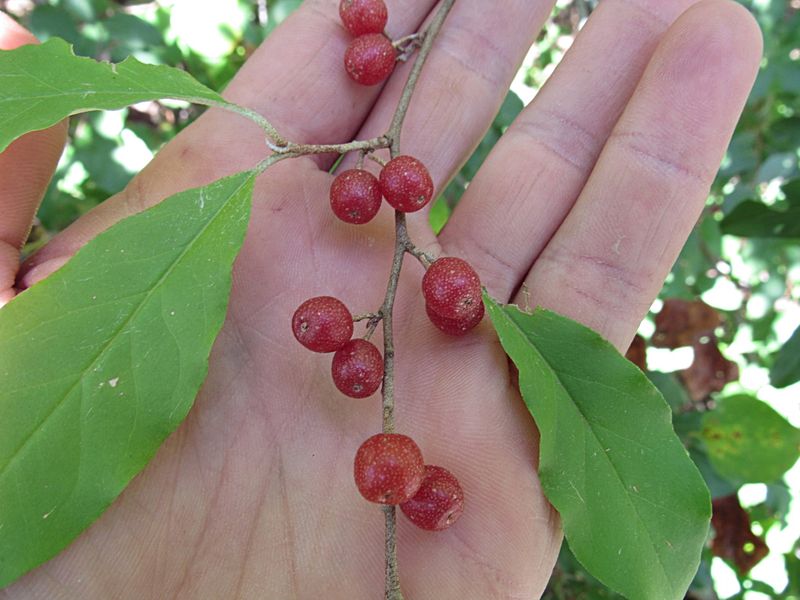
The nutrition story at the center of the viral claim does have a legitimate source. USDA Agricultural Research Service scientists tested autumn-olive berries and found lycopene levels ranging from 15 to 54 milligrams per 100 grams across five cultivated varieties and six naturalized plants.
Fresh tomatoes average roughly 3 milligrams per 100 grams, so the USDA’s own popular summary described the highest-end comparison as up to 17 times higher, not 18. The headline’s 18-times figure appears to be a rounding embellishment that spread through repeated media coverage.
That range, 15 to 54 mg per 100 g, tells an important story on its own. The lowest-testing plant in the study produced about five times as much lycopene as a tomato, while the highest produced roughly 18 times as much.
Applying the maximum result to every autumn-olive berry, every harvest, or every comparison tomato overstates what the data actually show. A later peer-reviewed study reported ripe wild autumn olive at about 12 times the lycopene concentration of tomato, a meaningfully different figure that confirms the comparison is variable rather than fixed.
High lycopene content is nutritionally interesting, but nutrient concentration does not prove that eating autumn-olive berries prevents cancer, heart disease, or any other condition. The USDA article itself described those effects as potential and noted that how well the body absorbs lycopene from the berries still required further study.
The berries are a real food with an unusually high lycopene measurement in some samples, and that is where the confirmed facts stop.
Fully ripe fruit can go into preserves without a frost deadline
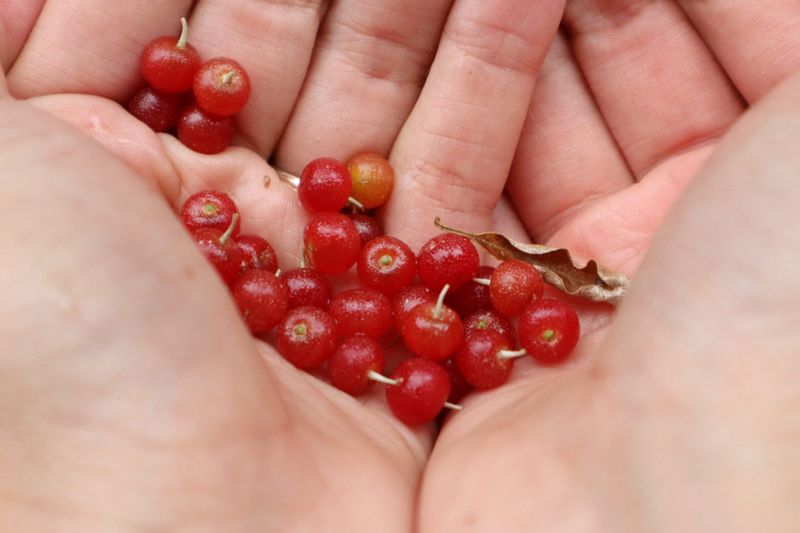
Waiting for a frost before picking autumn-olive berries is a common piece of foraging advice, but the underlying research does not establish frost as a required step. What the evidence does support is waiting for fruit that is deeply red, beginning to soften, and pulling easily from the cluster.
Unripe autumn-olive berries can be strongly astringent, and eating them before the tannins have mellowed is an unpleasant experience. Frost may speed up that softening process or concentrate sugars, which is why some foragers report a sweeter flavor after a cold night, but that is a sensory observation rather than a scientifically confirmed threshold.
Fully ripe autumn-olive berries have been used in jam, juice, fruit rolls, condiments, and other preserves. A recipe from Maryland’s Department of Natural Resources treats the fruit in a straightforward way: cook the berries down, strain out the seeds through a food mill or fine sieve, then combine the strained pulp with sugar or honey and lemon juice to make jam.
The cooking step matters because it softens the fruit further and makes the seeds easy to remove, since the small seeds are not pleasant to eat whole.
For Arizona readers who locate a positively identified plant in a clean, untreated spot, the practical harvest window is whenever the fruit is deeply red and yielding to gentle pressure. Color and texture are more reliable guides than calendar date or overnight temperature, especially in a climate where a true hard frost may arrive weeks later than it would in the eastern states where most autumn-olive foraging literature originates.
Forage only after confirming the species and site
Before tasting a single berry, run through a short but non-negotiable checklist. First, confirm the species using the full combination of traits described above: thorny branching, silvery leaf undersides, and red fruit with metallic speckles.
A red berry on a silvery shrub is not automatically autumn olive. Other Elaeagnus species exist, and some unrelated plants also produce small red fruit on multi-branched shrubs.
If any trait is missing or uncertain, stop and get a professional identification.
Site conditions matter as much as species identity. Avoid harvesting from plants growing along roadsides with heavy traffic, near agricultural fields where pesticide drift is possible, or in any location where chemical treatment of the shrub itself may have occurred.
Wash all harvested fruit thoroughly even when the site looks clean. The high lycopene measurement associated with autumn olive does not make contaminated or misidentified fruit safe, and no nutrient level converts an unverified berry into medicine.
Keep the identification bar high even if you have harvested from the same plant before. A plant that looked like autumn olive last year may have been pruned, treated, or replaced without your knowledge, especially in shared or semi-public spaces.
When identification remains uncertain after careful comparison against multiple field characteristics, the correct decision is to leave the fruit alone. The potential preserve is not worth the risk of eating the wrong plant or fruit from a chemically treated site.
Berry picking limits seed dispersal but does not restore habitat
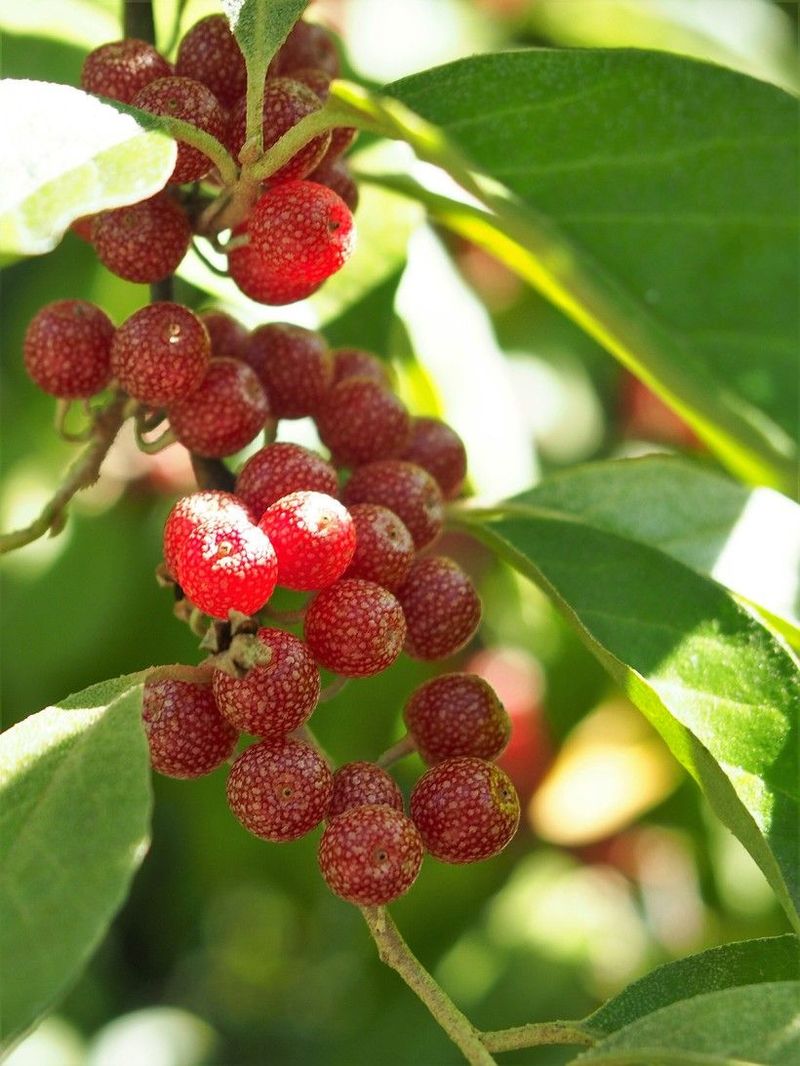
Harvesting ripe autumn-olive fruit does accomplish one ecological task: it reduces the number of seeds available for birds and mammals to carry into new areas. Birds are the primary dispersal agents for this species, and a berry you pick is a berry a cedar waxwing or robin cannot drop in a meadow two miles away.
That is a real, if modest, benefit.
The mature shrub itself, however, remains in the ground and continues doing ecological damage. Autumn olive fixes atmospheric nitrogen through root associations with bacteria, which sounds helpful until you realize that elevated soil nitrogen tends to favor weedy, fast-growing plants over the native species adapted to lower-nutrient soils.
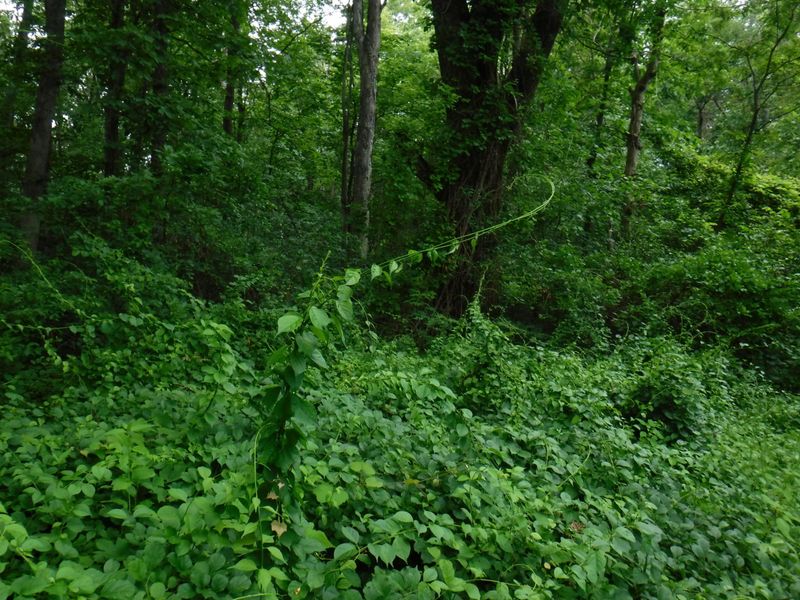
Dense autumn-olive thickets shade out native wildflowers and shrubs, reduce plant diversity, and can convert open native meadows into closed shrub communities over time.
Wildlife use does not cancel out those effects. Birds do eat autumn-olive fruit and shelter in its branches, but Penn State Extension notes that the berries are relatively low in the protein and fat that native fruiting plants provide, and the shrub it displaces likely offered more nutritionally complete food and cover.
Picking a bucketful of berries while leaving a 15-foot established shrub in place is not ecological restoration. The strongest recommendation from invasive-plant specialists is removal and replacement with appropriate native vegetation, not ongoing cultivation of the invasive plant as a foraging resource.
Control mature shrubs with a complete removal plan
Young autumn-olive seedlings with stems thinner than a pencil can be pulled by hand when the soil is moist, provided the entire root system comes out. Leave even a small root fragment in the ground and the plant can regenerate.
For anything larger, hand-pulling stops being practical and cutting alone stops being sufficient.
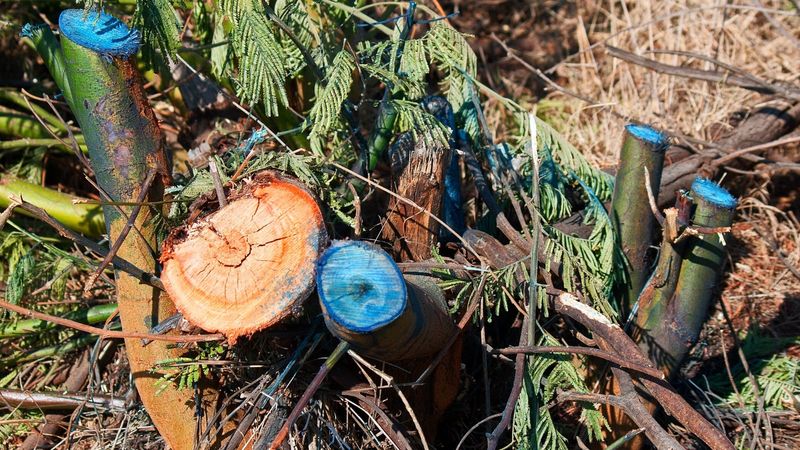
Mature autumn-olive plants resprout vigorously after being cut or mowed. Homeowners who have trimmed the shrub back to a stump and declared victory often find a ring of new shoots emerging within a single growing season.
Effective control of an established plant requires treating the freshly cut stump with a properly labeled systemic herbicide immediately after cutting, before the plant has time to seal the wound. The Forest Service and extension specialists consistently recommend this cut-stump method as more reliable than cutting alone.
Always read the herbicide label completely, follow all application instructions, and take precautions to avoid contact with desirable plants, soil organisms, and water features nearby.
Follow-up monitoring is not optional. Return to the site every few months during the growing season for at least two years and treat any resprouts promptly.
Once the shrub is gone, replant the area with species suited to your specific Arizona climate zone, whether that is a low-desert Phoenix yard or a slightly cooler Tucson landscape. Leaving bare soil invites new invasive seedlings.
Native shrubs like desert willow, wolfberry, or fairy duster fill similar structural roles without the ecological costs that come with autumn olive.
Treat the surprising harvest as an exception, not a landscape plan
Here is a practical decision rule for Arizona readers who have tracked down a positively identified autumn olive growing in a clean, untreated location. Harvesting fully ripe, deeply red, softening fruit for a batch of jam or a fruit roll is a reasonable one-time use of a plant you are planning to remove anyway.
The lycopene content is genuinely higher than a tomato in many samples, even if the exact multiple varies and the 18-fold headline overstates the most careful primary-source figure.
What that harvest does not do is justify keeping the shrub in place, planting more of them, or treating berry picking as a substitute for removal. The ecological math does not work in autumn olive’s favor, and the Arizona climate context makes the entire viral story a poor fit for most low-desert yards in the first place.
The original nutrition finding, qualified as some analyses showing up to roughly 17 times the lycopene of a typical raw tomato, holds up. The claims that this is a familiar Arizona shrub, that 18 times is a universal rule, that frost is required before eating, and that picking restores your habitat do not.
A jar of autumn-olive jam made from a confirmed plant at a clean site is a fine autumn project. Removing the shrub and planting something that actually belongs in the Sonoran Desert is the better long-term choice.