Is That Big Arizona Patio Spider a Wolf Spider? What to Look For and What to Skip
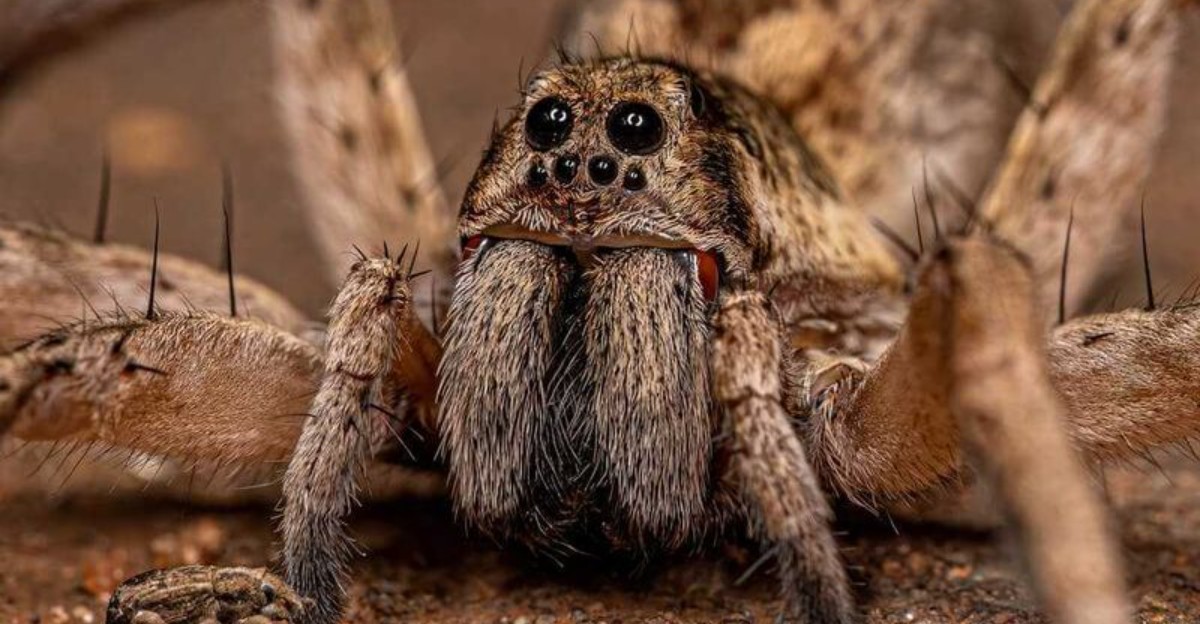
A big spider darting across your patio can make anyone stop mid-step. Size and speed feel like clues, but they tell you less than you might think.
Some details, like the eyes and a spider carrying babies on her back, can point toward a wolf spider. Here is how to read the signs from a safe distance and decide what to do next.
A patio sprint is not enough to identify a wolf spider
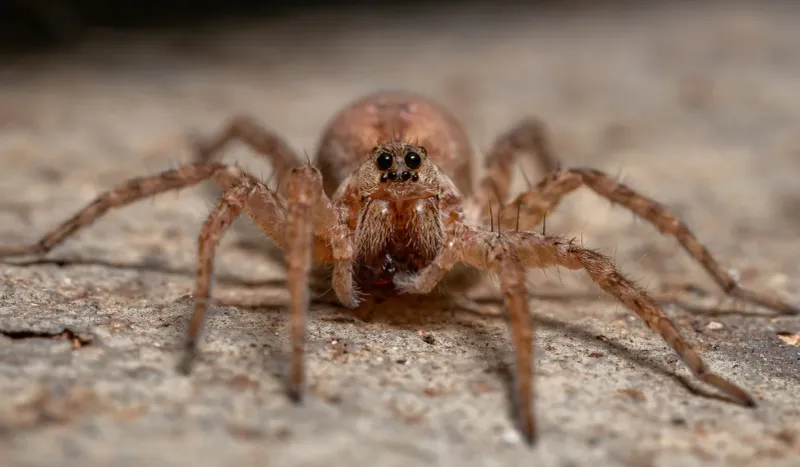
A wolf spider is a real possibility when a large, fast spider crosses an Arizona patio. It is still only a possibility.
Plenty of spiders are big, brown, and quick, and the patio is a common place to meet many of them.
Size, speed, and location do not tell you the species. They also do not tell you what the spider has been eating.
A spider on your patio might never have visited the garden at all.
Even experts who answer homeowner questions warn that identifying a spider from a quick look or a photo is often unreliable. Details can be too small to see.
So the best first move is a calm one: stop, watch from a few steps back, and hold off on any guess.
The next sections cover clues that can help, such as the eyes and babies on the back, along with how to keep everyone safe.
What can the eyes tell you?
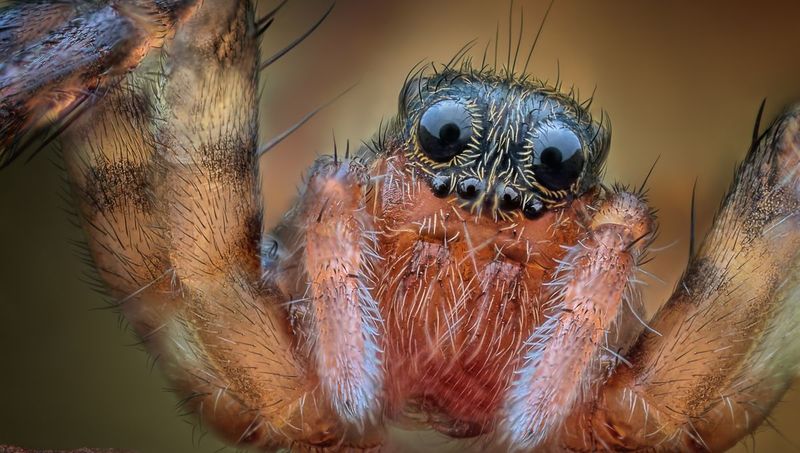
Eye layout is one of the more useful clues for wolf spiders. Wolf spiders have eight eyes in three rows.
Four small eyes sit in a lower row, and four larger eyes sit above them in two pairs.
That pattern is a clue, not a final answer. Other details matter too, and a single feature rarely settles the question.
Please do not crowd a fast-moving spider to count its eyes. Those eyes are tiny, and getting close adds risk without a guaranteed payoff.
A spider that feels cornered may bolt toward you or defend itself.
A photo taken from far away may not show the eyes clearly either. Extension experts note that photos often lack enough detail for a reliable identification.
If you cannot see the eyes from a comfortable distance, it is fine to leave the question open.
Spiderlings riding on her back are a stronger clue
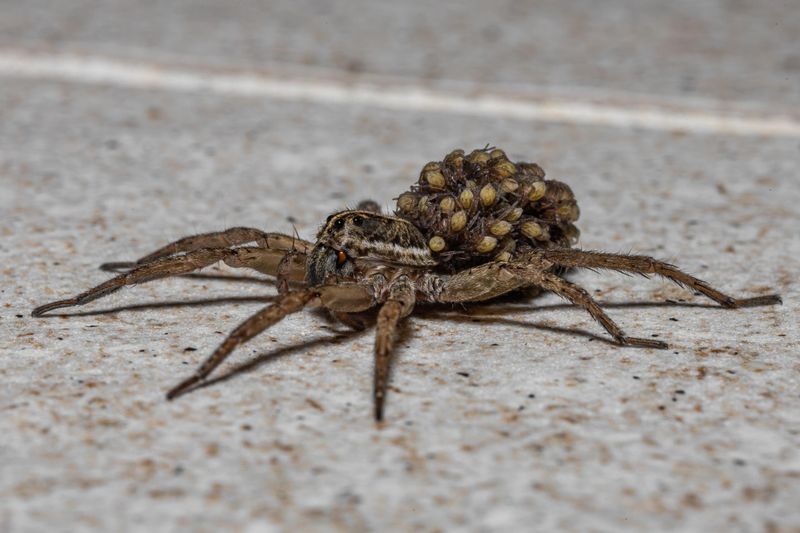
Few sights are as memorable as a spider covered in tiny spiders. A female wolf spider carries her egg sac attached near the end of her abdomen.
After the young hatch, they climb onto her back and ride along for a while before dispersing.
So babies riding on the spider fit wolf-spider maternal behavior well. That makes it a stronger clue than size or speed.
Accounts of the Carolina wolf spider found in Arizona describe this same habit of carrying young.
Location matters here. Tiny spiders scattered across the patio floor or wall are a different situation.
They could belong to many kinds of spiders, and they do not show that the big one nearby is their mother.
Your Arizona Garden Changes Every Week. Your Plan Should Too.
Gardening in Arizona changes quickly throughout the season. Every Friday you’ll receive a simple weekly plan showing exactly what to plant, prune, fertilize, harvest, and protect so you never miss the right timing.
If you spot a spider with a fuzzy-looking load on her back, enjoy the sight from a distance and let her carry on.
Wolf spiders eat insects, but they are no pest-control guarantee
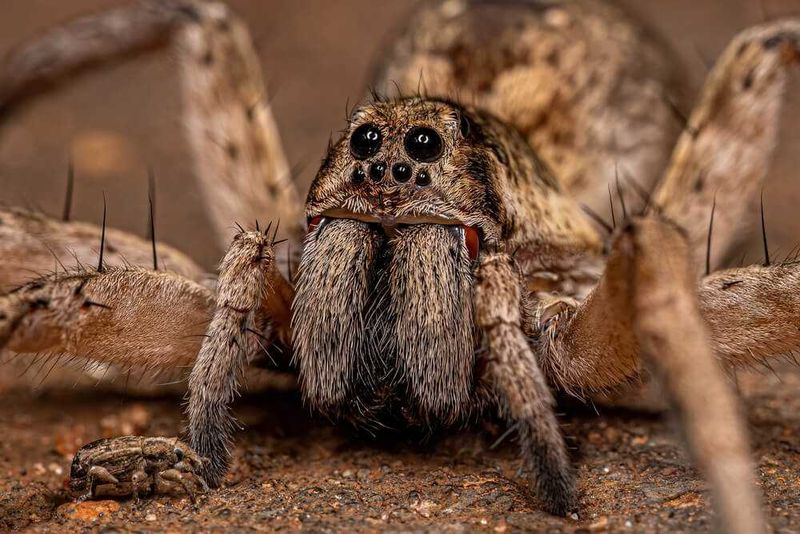
Wolf spiders hunt on the ground rather than waiting in webs. They feed on insects and other spiders, and field guides describe them as active ground hunters.
That makes them natural predators in a yard.
Being a predator is not the same as being a pest-control service. We cannot say this particular spider is eating the bugs bothering your tomatoes or squash.
We do not even know that it is a wolf spider.
Measuring what spiders do for crops is also tricky. Field research on wolf spider predation shows how hard it is to pin down their effect, and a single patio spider is a small piece of a bigger picture.
A better way to think about it: a yard with ground cover, shade, and fewer chemicals may be more welcoming to many helpful creatures. Results will vary.
A daytime sighting does not make it a daytime hunter
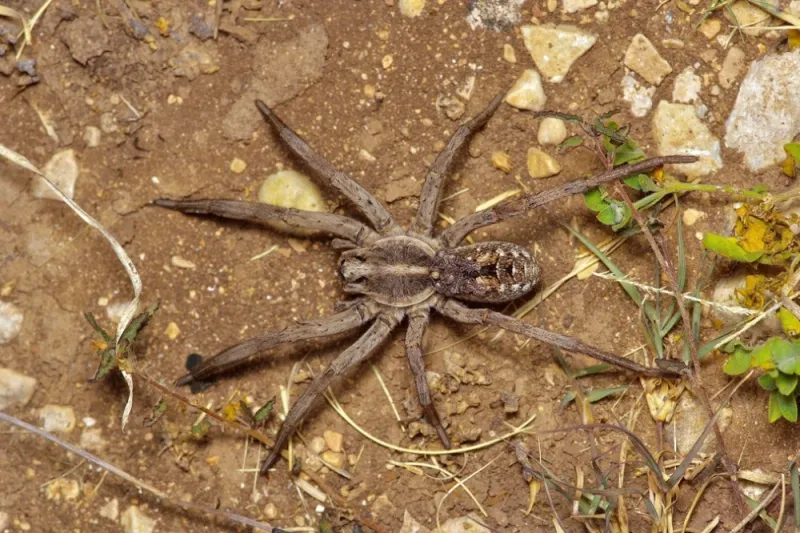
Seeing a spider at noon does not mean it hunts at noon. Maybe it was disturbed from a hiding spot, or maybe it was simply crossing open ground.
One sighting cannot reveal its normal routine.
The Arizona account matters here. The Carolina wolf spider is described as primarily nocturnal and rarely seen by day.
People often notice its eyes reflecting light at night.
That description covers one species. It should not be stretched to every wolf spider, because habits vary.
It also means we should not call wolf spiders daytime hunters as a rule.
If you do see a big spider in daylight, treat the sighting as a single moment, not proof of identity or behavior. Watch from a distance, and let it find cover on its own.
Give the spider space instead of handling it
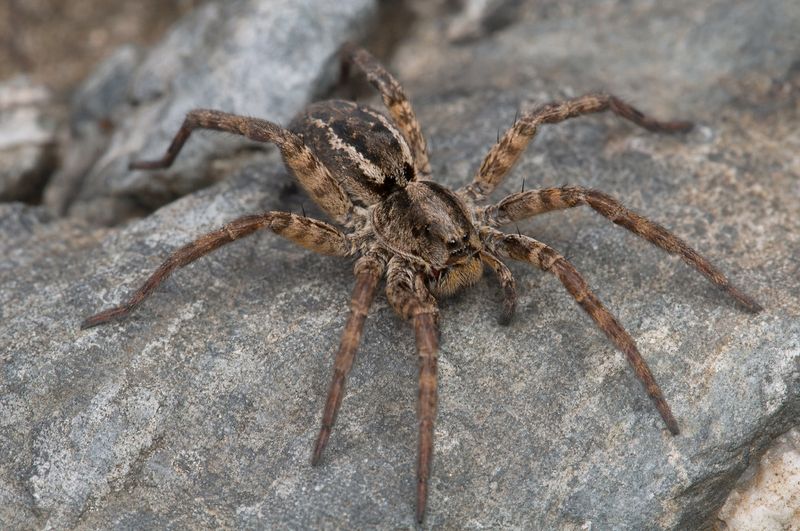
The simplest rule is also the best one: do not pick up the spider or try to trap it against your skin. Wolf spiders are not considered medically important, but they are not harmless either.
They may bite if handled or pinned.
Reported reactions are generally local, such as pain, redness, or swelling. That is reassuring, but it is no reason to test your luck.
Most bites happen because a spider felt trapped.
Kids and pets deserve extra attention. Curious hands and noses move fast, so call them back and keep them from touching or chasing the spider.
Extension guidance advises against handling these spiders.
Shaking out gloves, shoes, and garden tools before you put them on is a sensible habit too. Then step back and give the spider room to wander off.
A distant photo may help, but it may not confirm the spider’s identity
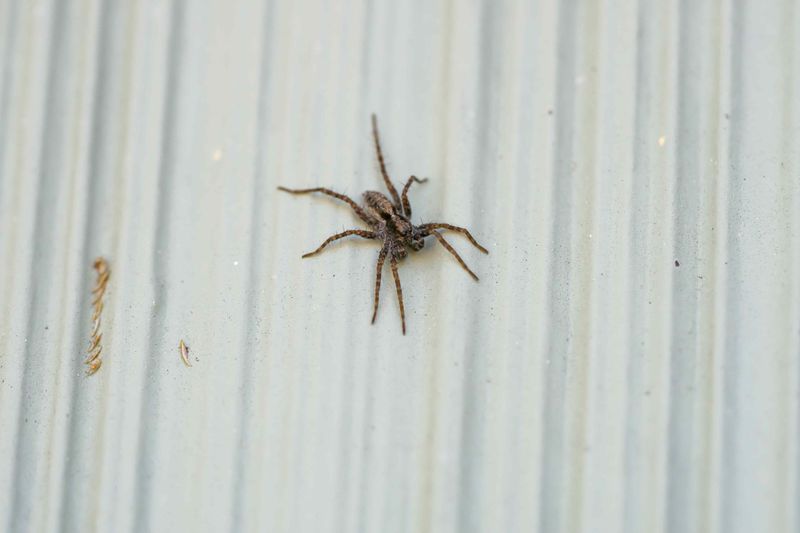
If knowing the species matters to you, take a photo from a safe distance and keep your hands well back. Use zoom instead of moving closer.
Just remember that a photo may not settle the question, since fine details are often missing from pictures.
If you suspect a bite, call the Arizona Poison Center. The center lists spiders of medical concern in Arizona and can advise you on what to do next.
Not every spider bite is serious, but a quick call can give you clear guidance.
Most of the time, the spider just wants to be somewhere else. Let it get there.