Plant These Deep-Rooted Arizona Natives On A Bare Slope And Watch Them Stop Erosion Before The Next Monsoon
A bare slope in the low desert is basically an invitation for the next monsoon to wash your soil straight down the street. The good news is that certain Arizona native plants send roots deep enough to grip the ground and hold it in place.
Plant them this fall or early spring, and their roots will be locked in before the storms arrive. Here are seven tough natives that stop erosion while attracting pollinators and shrugging off 100-degree heat.
1. Sideoats Grama
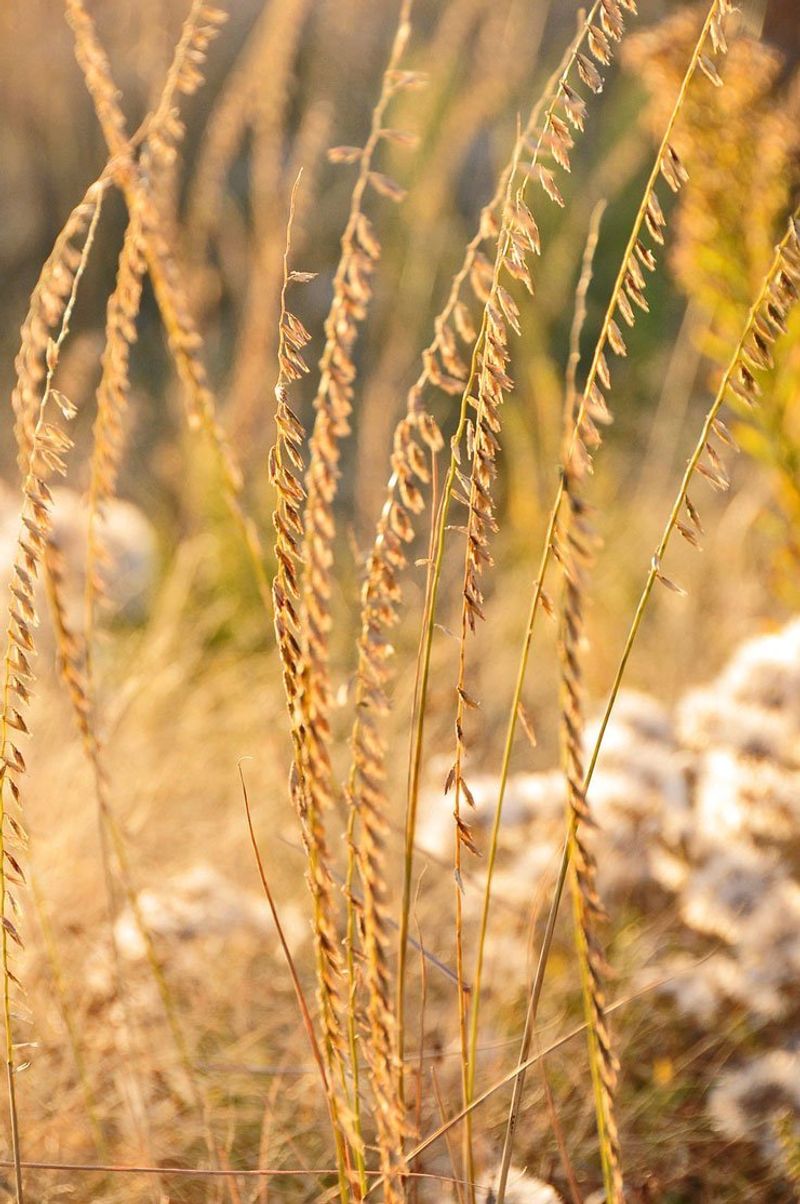
Look closely at the seed stalks and you will see why ranchers nicknamed this grass sideoats. Little oat-shaped seeds dangle along one side of each stem, giving it a look you will never confuse with turf.
Reaching two to three feet tall, it forms dense clumps packed with a deep, fibrous root system. Those roots weave through the soil like a net, gripping loose dirt so it cannot slide away when heavy rain pounds a slope.
Beyond holding ground, this bunchgrass lowers the soil surface temperature and helps rainwater soak in instead of running off. That combination makes it one of the smartest first choices for a bare hillside.
It thrives across Arizona in alkaline and rocky soils, asking for almost nothing once its roots take hold. Plant clumps in fall so they establish through the cooler months.
Small seed-eating birds work the stalks all winter, and the tidy clumps give ground beetles cover. A yard buzzing with these natural helpers tends to be less inviting to pests looking for an easy meal.
2. Cane Beardgrass
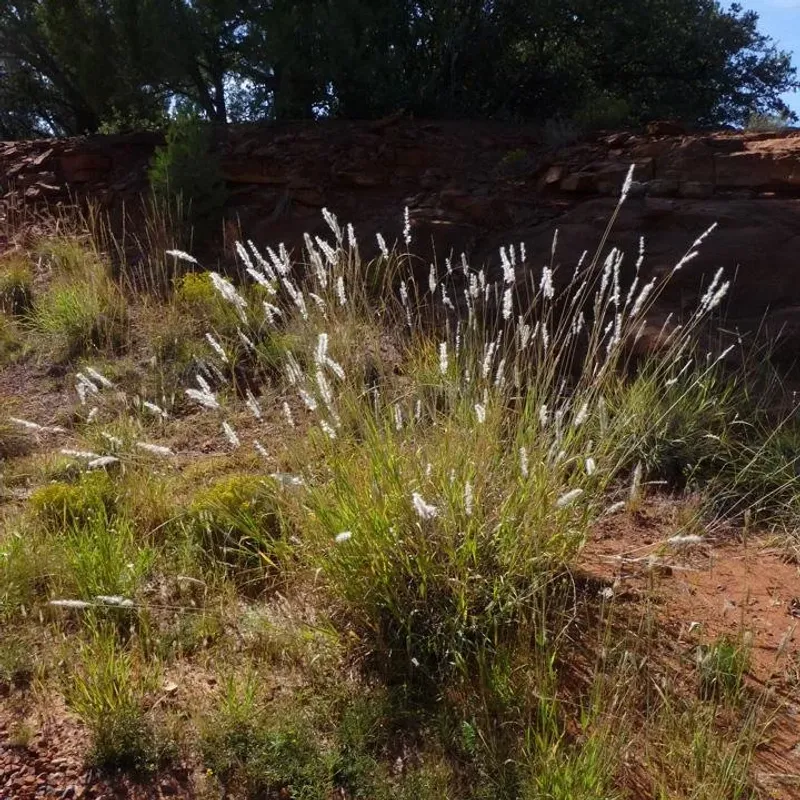
Come autumn, this coarse bunchgrass puts on a show, its foliage flushing orange-red before curing to a warm amber-brown through winter. It is the plant that keeps a slope looking alive when everything else has gone dormant.
Standing two to four feet tall, cane beardgrass drives a deep, fibrous root system into exposed mineral soils, exactly the kind of raw, washed-out ground that struggles to hold anything else. That is where it shines.
The fluffy, silver seed heads catch light and wind, but underground is where the real work happens. Roots anchor sliding dirt and slow the rush of monsoon runoff across a bare face.
It handles the low desert’s alkaline soils and brutal summer sun without complaint, and once established it survives on rainfall alone in most years.
Plant it alongside other clumping grasses to build a living erosion barrier that fills in fast. Seed-eating birds and insects treat the stalks as a pantry, adding a layer of habitat value on top of pure soil protection.
Space clumps a foot or two apart for full coverage.
3. Brittlebush
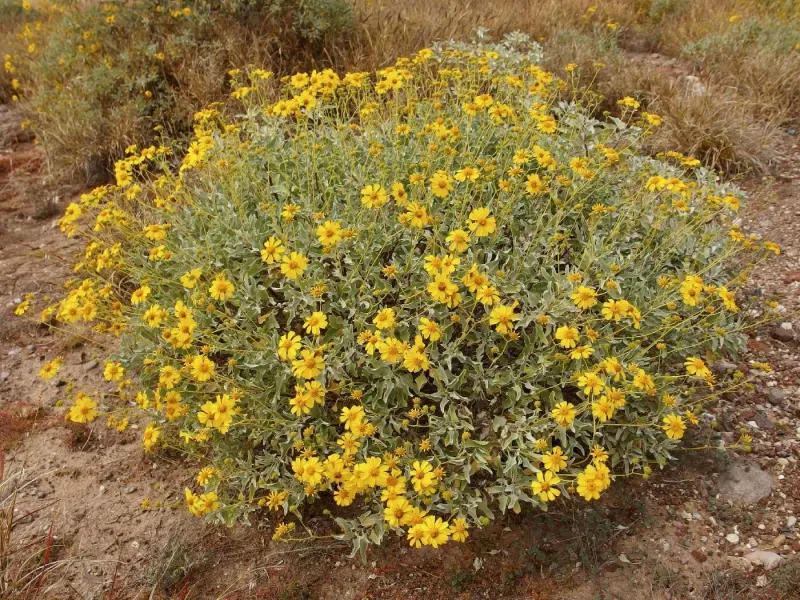
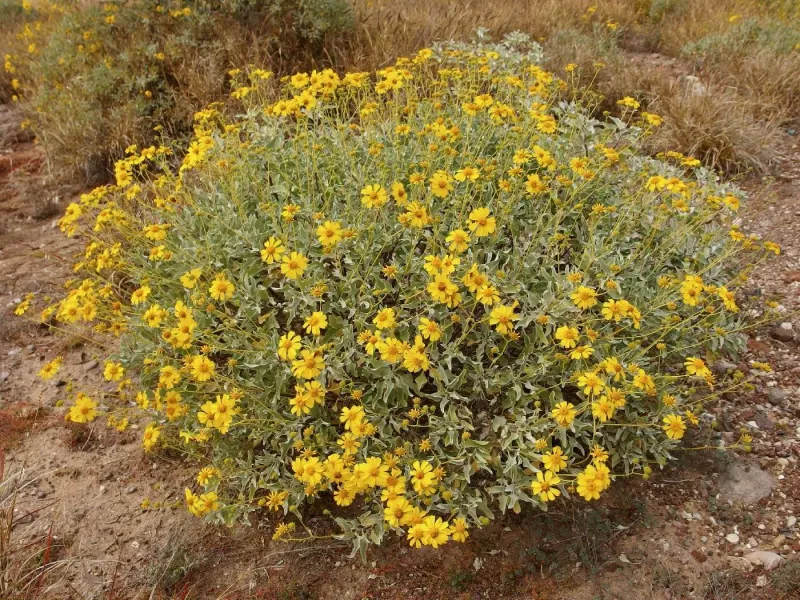
Drive any desert road in spring and those mounds of cheerful yellow daisies covering the hillsides are almost certainly brittlebush. It is one of the toughest, most familiar faces in the Sonoran Desert.
Its silvery leaves reflect harsh UV rays, and in extreme drought the plant simply drops them to save water, snapping right back when rain returns. That survival trick is why it laughs off Arizona summers.
Your Arizona Garden Changes Every Week. Your Plan Should Too.
Gardening in Arizona changes quickly throughout the season. Every Friday you’ll receive a simple weekly plan showing exactly what to plant, prune, fertilize, harvest, and protect so you never miss the right timing.
Underneath sits a thick root system with a deep taproot that clamps onto rocky and sandy soil. On a slope, that anchor keeps the ground from slumping when monsoon downpours hit.
Full sun and well-drained soil are all it really wants, and overwatering is the fastest way to kill it. Plant it high on a slope where drainage is sharpest.
Bees and butterflies swarm the blooms, while small desert creatures shelter beneath the foliage. Building that pollinator activity supports a balanced yard that leans on natural predators, which can make the space less inviting to scorpions and mosquitoes over time.
4. Fairyduster
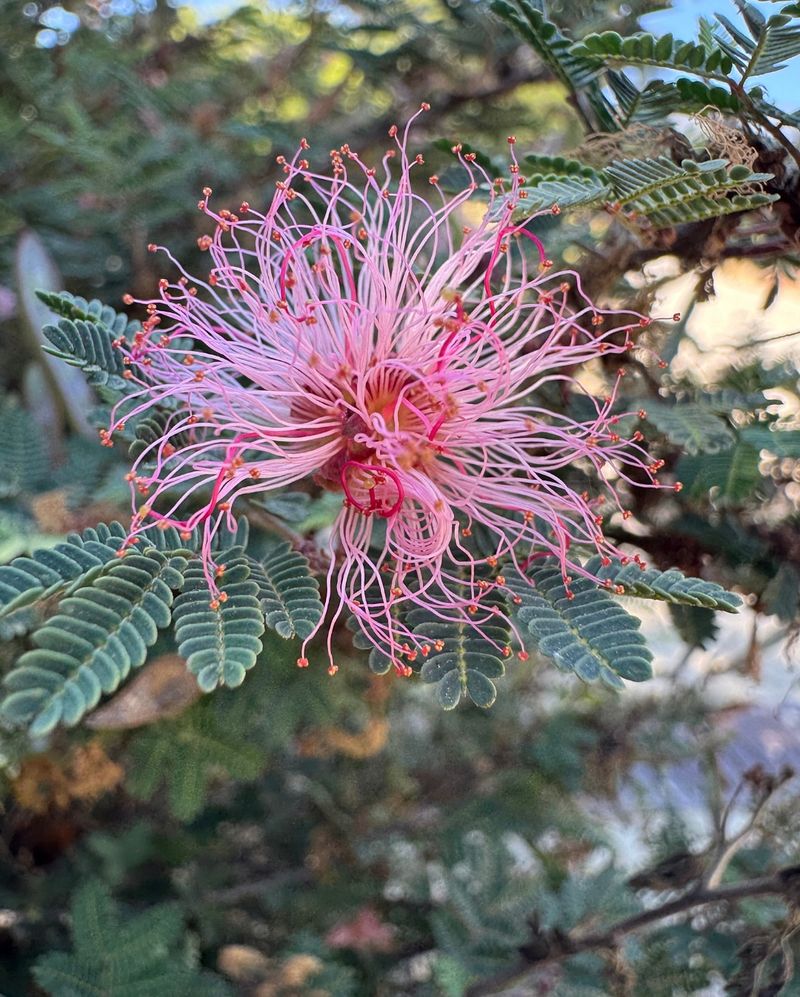
The name alone earns a smile, and the flowers deliver on it. Fairyduster opens delicate pink puffballs that look like tiny fireworks scattered across fine, fern-like leaves.
Low and spreading, it is built for erosion duty thanks to a vast underground network of roots that grips loose ground across a wide footprint. Where a slope needs coverage close to the surface, this shrub fills the gap.
Drought sits well with it, and it prefers sandy or decomposed granite soil that drains fast. Full sun only makes it happier.
One of its best tricks is resilience: nip it with frost and it bounces back quickly the following season, so a cold snap will not undo your slope work.
Hummingbirds, bees, and butterflies line up for the puffball blooms, turning a functional planting into a pollinator magnet. Once established it asks for almost no attention, making it a low-fuss pick for anyone who would rather plant it and forget it.
Set several across the lower half of a slope where their spreading roots can knit the soil together into a stable mat.
5. Apache Plume
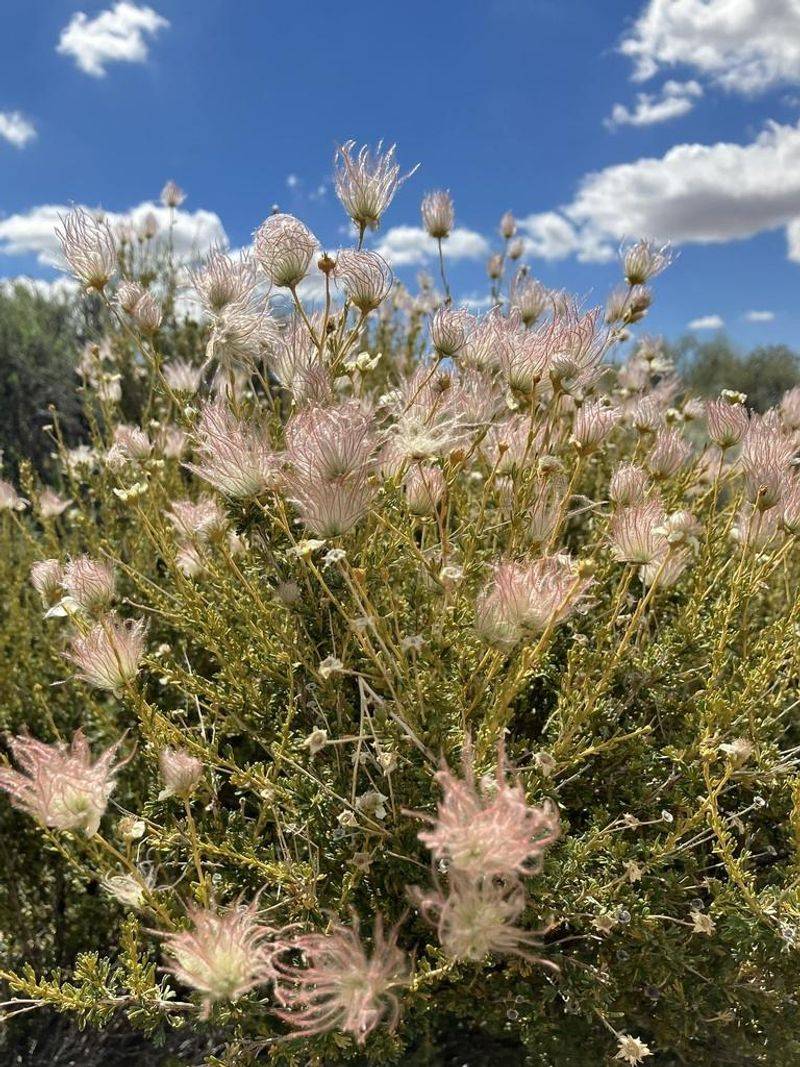
Half the year it wears creamy white flowers, and the other half it glows with pink feathery plumes that shimmer when the sun hits them. Apache plume basically never takes a season off.
What makes it a slope specialist is how it spreads. Beyond its anchoring roots, it sends out rhizomes underground, creating a widening web that slows erosion right when monsoon rains threaten to tear soil loose.
Blooms run from spring clear into fall, so the plant is working, and feeding wildlife, for months on end. It tolerates a range of well-draining soils and wants nothing more than full sun.
Hawk moths, bees, and butterflies all visit, and the drifting seed plumes add movement and texture that most erosion plants cannot match.
Drought-resistant and forgiving, it settles in without babying once the roots catch. Plant it where you want a shrub to gradually colonize and lock down a troublesome patch of hillside.
Give it room to spread and it will slowly stitch a bare, sliding slope back together while doubling as a season-long feeding station for desert pollinators.
6. Texas Sage
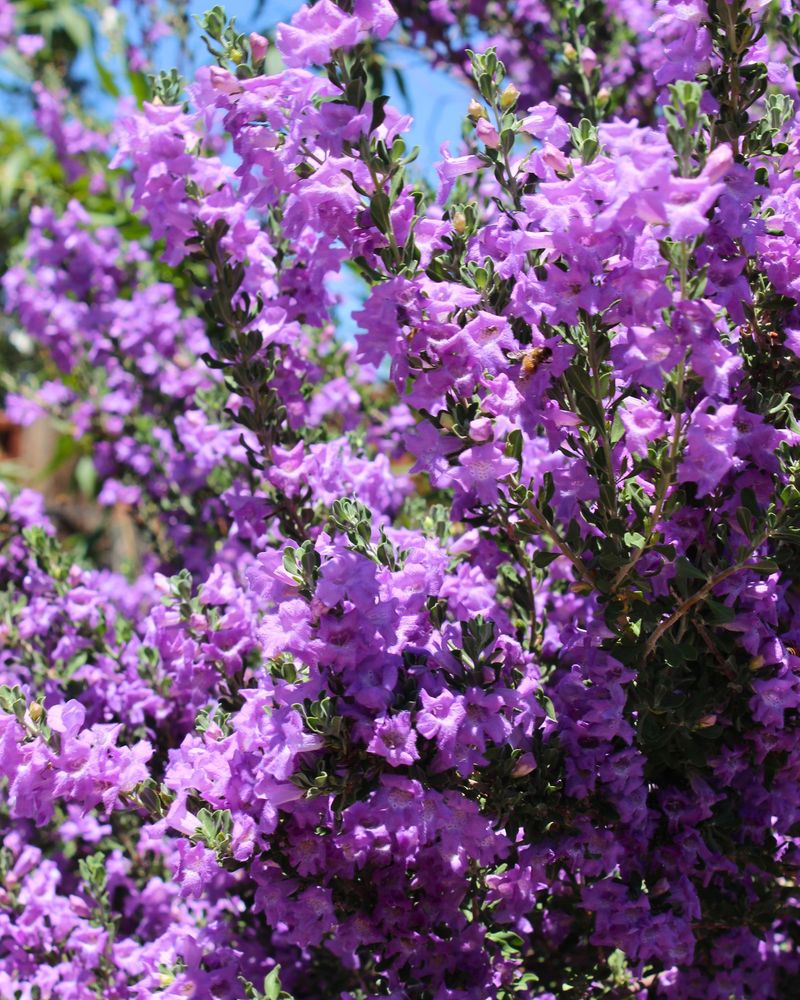
Ever notice a shrub suddenly explode with purple flowers a day or two after a summer storm? That weather-reading trick belongs to Texas sage, which times its blooms to monsoon humidity like clockwork.
Though its roots trace back to Texas and Mexico, it performs like a born local in the low desert, handling extreme heat and drought without missing a beat. Evergreen year-round, it gives a slope structure even in the dead of winter.
Its roots grab and hold loose desert soil, making it a solid choice for stabilizing a bank that keeps shedding dirt. Full sun and good drainage keep it thriving, and it needs very little care once it settles in.
The dense, silvery foliage doubles as cover and habitat for small wildlife, and the purple blooms pull in pollinators during the warm months.
Because it grows into a substantial mound, it covers more slope surface than most, shielding the ground from the direct hammer of falling rain. Space several along a bank for a living, low-maintenance wall that turns purple after every good soaking.
A dependable workhorse for tough spots.
7. Red Yucca
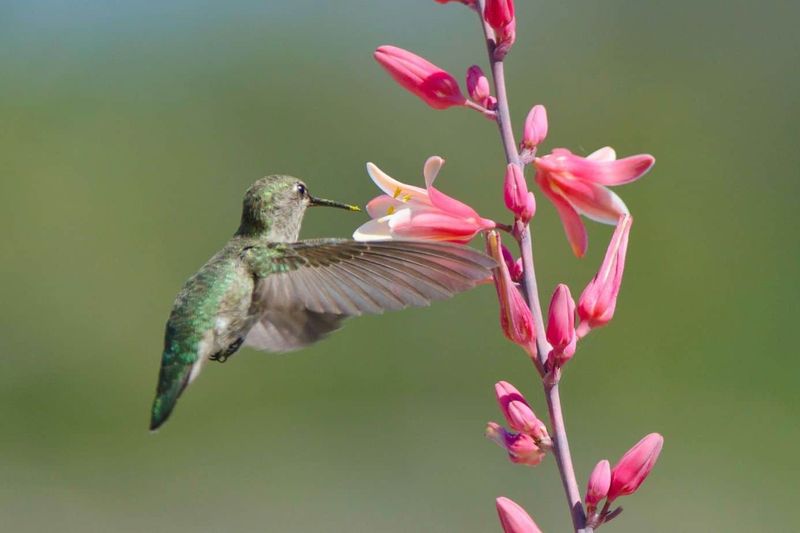
Do not let the name fool you, red yucca is not a true yucca at all. What it is, though, is a hummingbird magnet, sending up tall coral-red flower spikes that dance above arching, grass-like leaves all through the warm months.
With proper deep, infrequent watering, it builds a deep and resilient root system that holds firm on sandy or rocky slopes. Those roots reach down chasing moisture, giving it a serious grip on the soil.
Heat and drought barely register with this plant. It wants full sun and sharp drainage, and it repays that with color month after month while asking almost nothing in return.
The flower spikes keep hummingbirds circling back, adding constant motion and life to an otherwise plain bank. That steady pollinator traffic feeds the kind of balanced ecosystem that supports natural pest predators.
Its clumping, evergreen form works beautifully tucked among grasses and shrubs, filling vertical space where flatter plants leave gaps. Water it deeply but rarely to push those roots downward, and you get a striking, erosion-fighting anchor that thrives on neglect once established.