Indiana Gardeners Still Have Time To Divide Overcrowded Daylilies
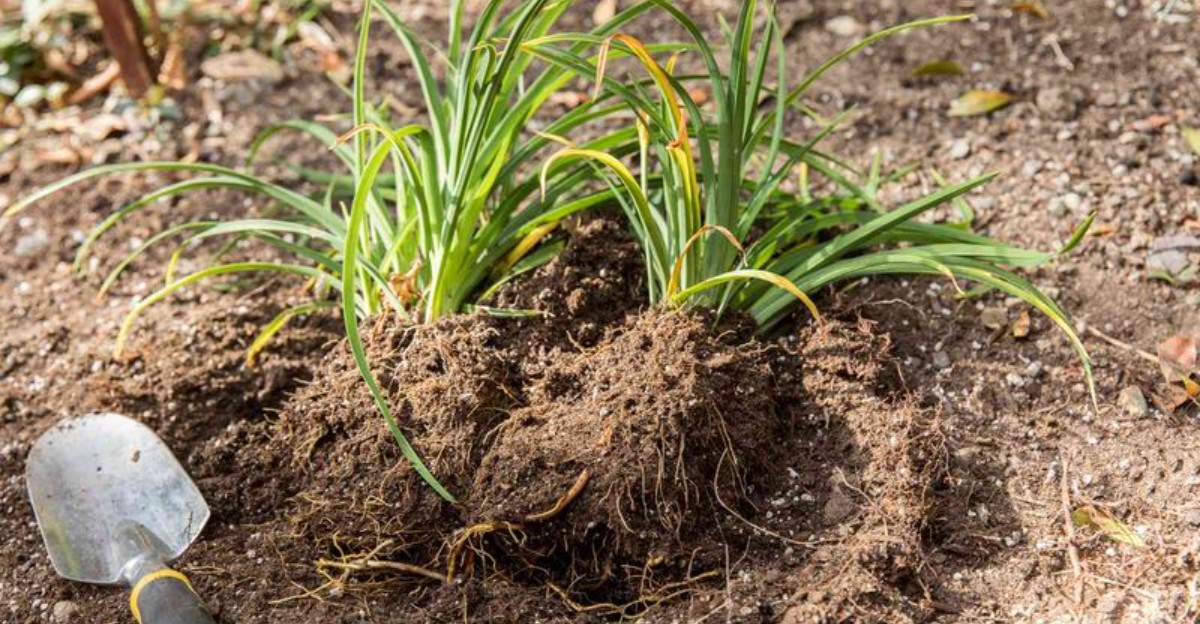
Something has been happening under your flower bed in Indiana that you can’t see from the porch. Blooms you used to count on now barely peek through crowded leaves.
Your first instinct might be to blame this year’s weather for the change. Underneath your soil, an older problem has been building for seasons.
Every clump in your yard eventually reaches a breaking point after enough time in one spot. Roots in your bed have grown so tangled that they’re now competing instead of thriving.
Missing your window this month could cost you an entire year of color. One narrow stretch of days is all you have left before the ground turns unworkable.
Weeks matter more than you might think, and yours are already slipping away. What you decide to do next could quietly shape what your garden becomes long after you’ve forgotten this moment.
Plenty Of September Left For The Job
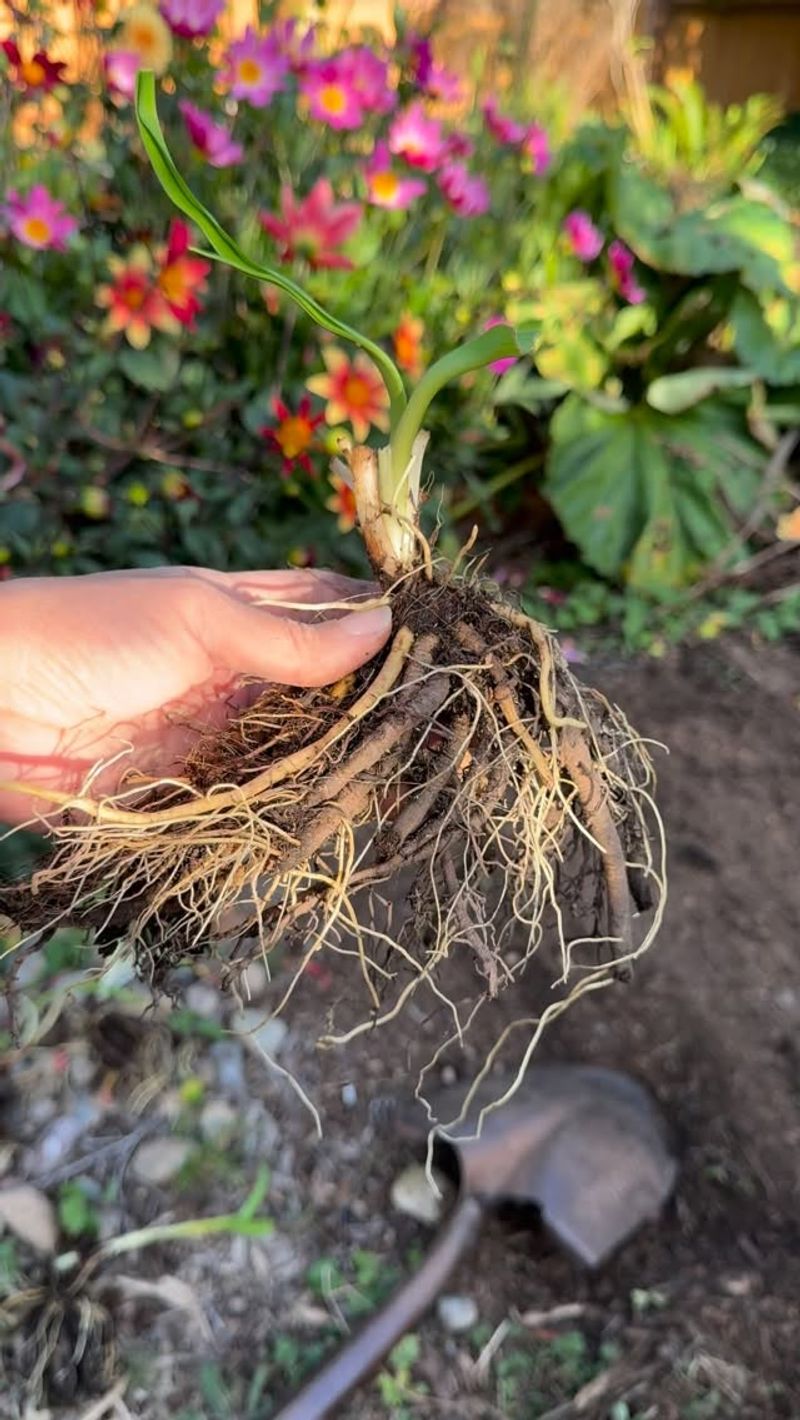
Anyone staring at an overgrown flower bed this week still has time to fix it. Indiana gardeners have until roughly early October to split crowded clumps safely.
Daylilies need about four to six weeks to settle new roots before the ground freezes. Northern Indiana usually sees hard frost earlier than the southern counties.
Folks near South Bend or Fort Wayne should aim to finish by late September. Gardeners around Evansville or Bloomington can often stretch the job into mid-October.
Fall work actually beats spring work in one sneaky way. The soil is still warm from summer, so roots grow fast while the leaves slow down.
Cooler air also means less stress on freshly cut plants. You will water less often than you would during a sticky July afternoon.
Plants that just finished blooming are ready for the move. Reblooming types like Stella de Oro may still flash a few flowers, and that is fine.
Snip off those last blooms before digging so the plant can focus on its roots. A few lost flowers now will pay you back next July.
Check your local forecast before picking a day. A cloudy afternoon with rain coming later in the week is the sweet spot.
Hot, sunny days can wilt new divisions quickly. Save the project for a gray Saturday, and your plants will thank you with fresh green growth.
Crowded Clumps Behind The Skimpy Blooms
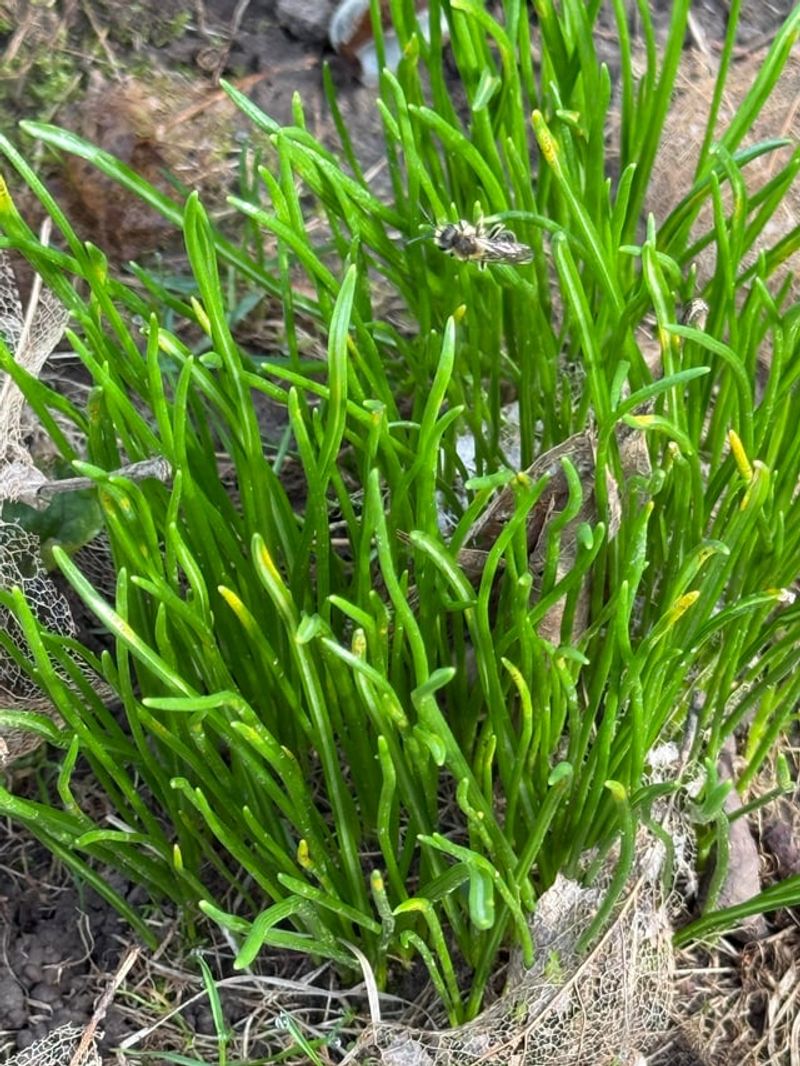
Remember when that clump by the porch was covered in orange trumpets every summer? Lately it sends up plenty of leaves but only a handful of flowers.
Crowding is usually the culprit behind that disappointing show. Daylilies spread outward each year, and after a while the center gets packed tight.
Every fan in the clump fights for the same water and food. With so much competition, the plant saves energy by making fewer flower stalks.
Look closely at the middle of an old clump. You might spot a bare, woody patch with healthy fans growing only around the edges.
Gardeners call this a donut shape, and it is a clear sign the plant needs help. Smaller, shorter flower stems are another giveaway.
Your Indiana Garden Changes Every Week. Your Plan Should Too.
Gardening in Indiana changes quickly throughout the season. Every Friday you’ll receive a simple weekly plan showing exactly what to plant, prune, fertilize, harvest, and protect so you never miss the right timing.
Most daylilies reach this crowded stage after three to five years in one spot. Fast growers like the classic orange ditch lily can get there even sooner.
Here is a fun fact for your next garden chat. The name Hemerocallis comes from Greek words meaning beauty for a day.
Each flower really does last just one day. A healthy clump makes up for it by producing loads of buds, but only when it has room.
Poor soil or too much shade can also cut down on blooms. Still, if the clump looks jammed and the flowers keep shrinking, crowding is the likely reason.
A Clean Split With A Garden Fork
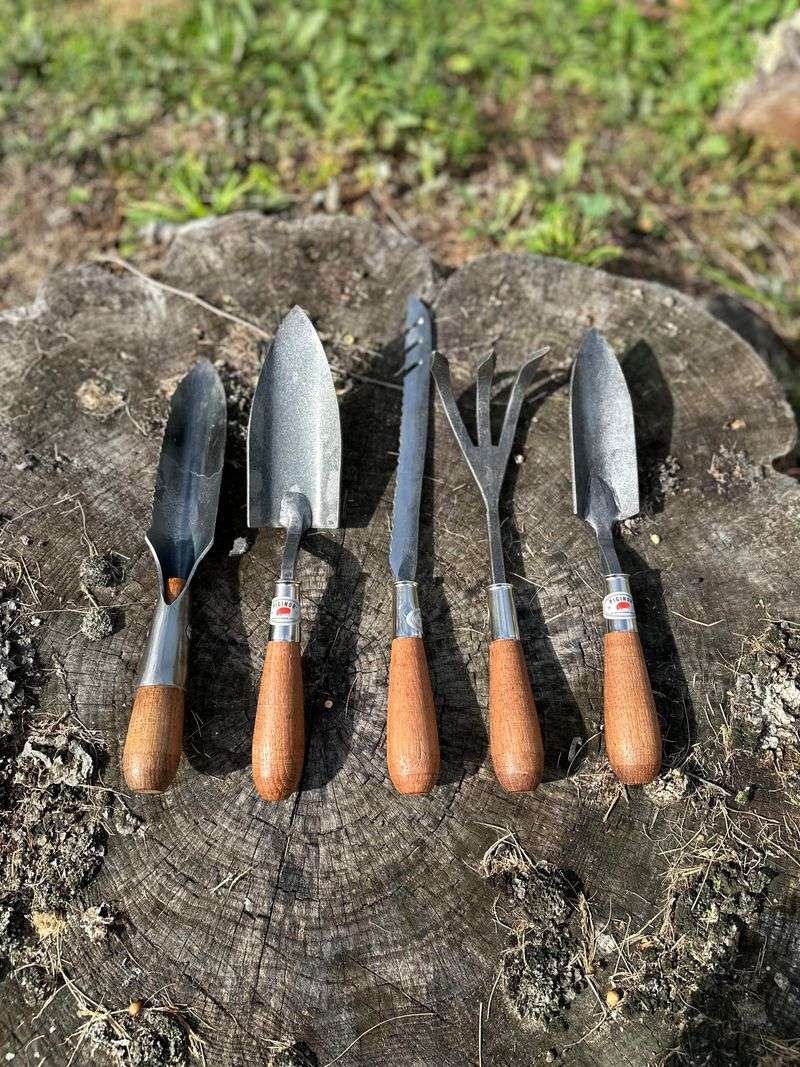
Grab a garden fork, a sharp spade, and an old kitchen knife you will not miss. That simple kit handles nearly every clump in an Indiana backyard.
Start by cutting the leaves back to about six inches tall. Shorter foliage makes the plant easier to handle and cuts down on water loss.
Push the fork into the soil about six inches out from the clump. Work your way around the plant, rocking the handle gently to loosen the roots.
Lift the whole clump out once it feels free. Shake off loose soil or rinse it with the hose so you can see where the fans connect.
Some clumps pull apart by hand with a little wiggling. Older, tougher ones may need two forks pushed in back to back and pried outward.
Really stubborn roots might call for the knife or spade. Slice straight down through the crown, and do not worry about being a bit rough.
Daylilies are famously tough and bounce back from firm treatment. Gardeners have been breaking them apart by hand for generations with nothing fancier than a shovel.
Toss any mushy, rotten, or woody pieces from the center. Keep the healthy chunks from the outer edge, since they carry the most energy.
Set the divisions in a shady spot while you prep the new holes. Cover the roots with a damp towel if the job takes more than an hour.
Tiny Divisions Are A Common Slip
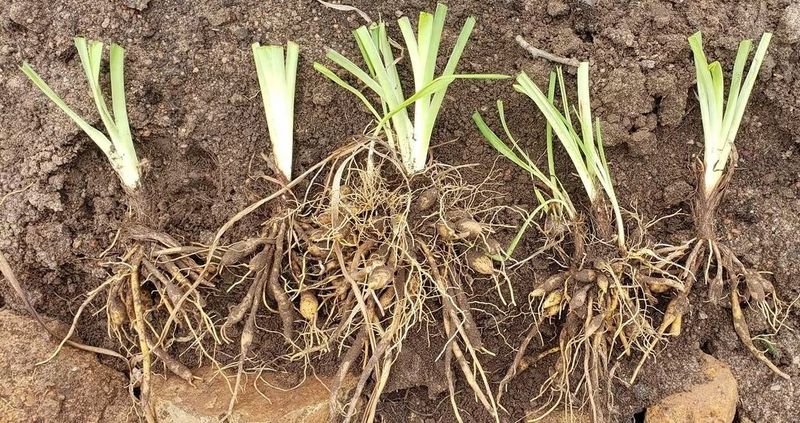
Greedy gardeners, this one is for you. Splitting a clump into dozens of single fans sounds like a great way to get free plants.
Sadly, those tiny pieces often sulk for a year or two before blooming. Some struggle to survive their first Indiana winter at all.
A good division should have at least three fans attached to a solid chunk of roots. Think of it like a small team instead of a lone player.
Bigger divisions settle in faster and fill out sooner. Many will bloom the very next summer, which is a pretty sweet reward for your sore back.
Another slip is waiting too long into fall. Divisions planted in late October may not grow enough roots to hold them in place.
Freezing and thawing can push weak plants right out of the ground. The problem is called frost heaving, and it leaves roots exposed to cold, drying winds.
Letting roots dry out is a third common goof. Divisions left on a sunny driveway for an afternoon can shrivel faster than you might expect.
Planting too deep causes trouble as well. Burying the crown more than an inch below the surface can lead to rot and weak growth.
Avoid these slips and your divisions will have a strong start. Patience and bigger chunks beat a bucket full of tiny orphan fans every time.
Proper Replanting Depth For Fall Roots
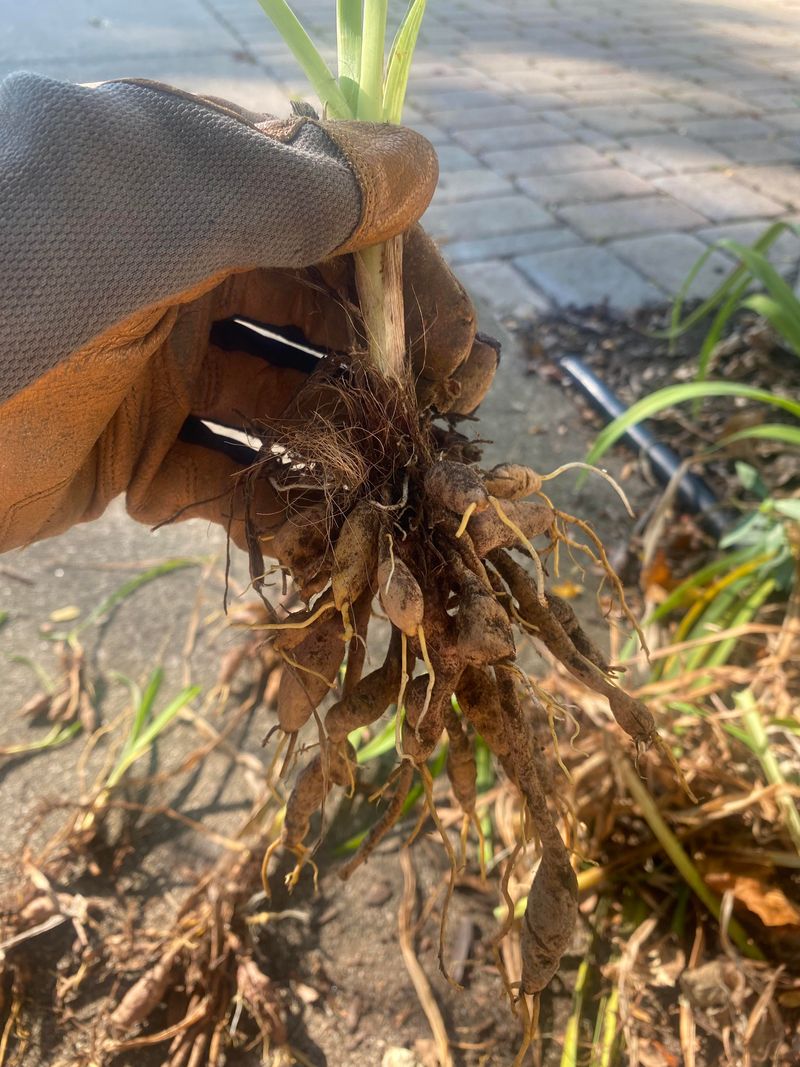
The crown is the pale spot where leaves meet roots, and depth there matters most. Set it about one inch below the soil surface for happy plants.
Dig a hole about twice as wide as the root mass. Build a small mound of soil in the center so the roots can drape over it like a skirt.
Mix in a shovel of compost if your yard has heavy clay, which is common across much of Indiana. Daylilies like loose soil that drains well.
Fill the hole back in and firm the soil gently with your hands. Stomping on it can squeeze out the air pockets roots need to breathe.
Space divisions about eighteen to twenty-four inches apart. That may look sparse now, but those little clumps will fill the gap faster than you think.
Water deeply right after planting to settle the soil around the roots. After that, give them about an inch of water each week until the ground freezes.
September in Indiana can swing from soggy to bone dry in a hurry. Poke a finger into the soil, and water if it feels dry two inches down.
Once the ground freezes, spread two to three inches of shredded leaves or straw over the bed. The mulch keeps soil temperatures steady and helps stop frost heaving.
Skip the fertilizer until spring. Feeding now pushes tender leaves that winter will just flatten.
A Three To Five Year Dividing Rhythm
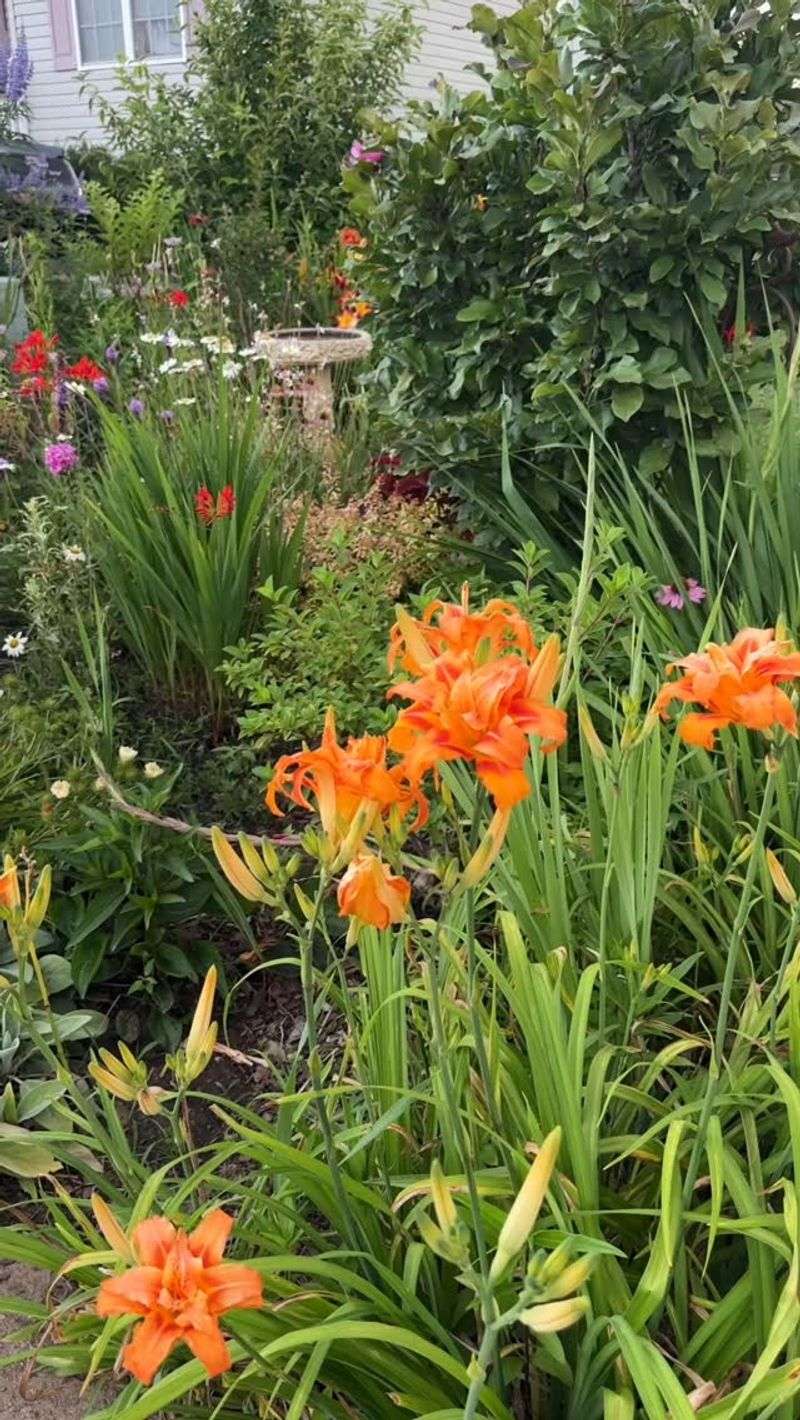
My grandmother kept a small notebook in her garden shed, and every division went in it with a date. Her beds bloomed like fireworks every July, and that notebook was the secret.
Most daylilies stay happy if you split them every three to five years. Setting a simple reminder keeps clumps from reaching that tired, crowded stage.
Jot down the variety name, the planting spot, and the year you divided it. A phone note or a garden calendar works just as well as paper.
Watch the plants too, since they give hints before a full slowdown. Fewer flower stalks for two summers in a row mean it is time to dig.
Regular splitting pays off in a big way. You get fuller blooms, healthier leaves, and a steady supply of extra plants to share.
Extra divisions make wonderful gifts for neighbors, friends, or a local school garden. Many Indiana garden clubs also hold spring plant swaps where daylilies are a hot item.
Keeping beds weeded and mulched helps stretch the time between divisions. Grass creeping into a clump steals water and makes the job much harder later.
Give each plant enough elbow room when you first set it in the ground. Clumps planted too close together crowd each other years ahead of schedule.
Stick with this rhythm and your garden will reward you for decades. Some clumps get passed down through three generations of one family.