Why Michigan Gardeners See More Deer Damage As Fall Food Sources Disappear
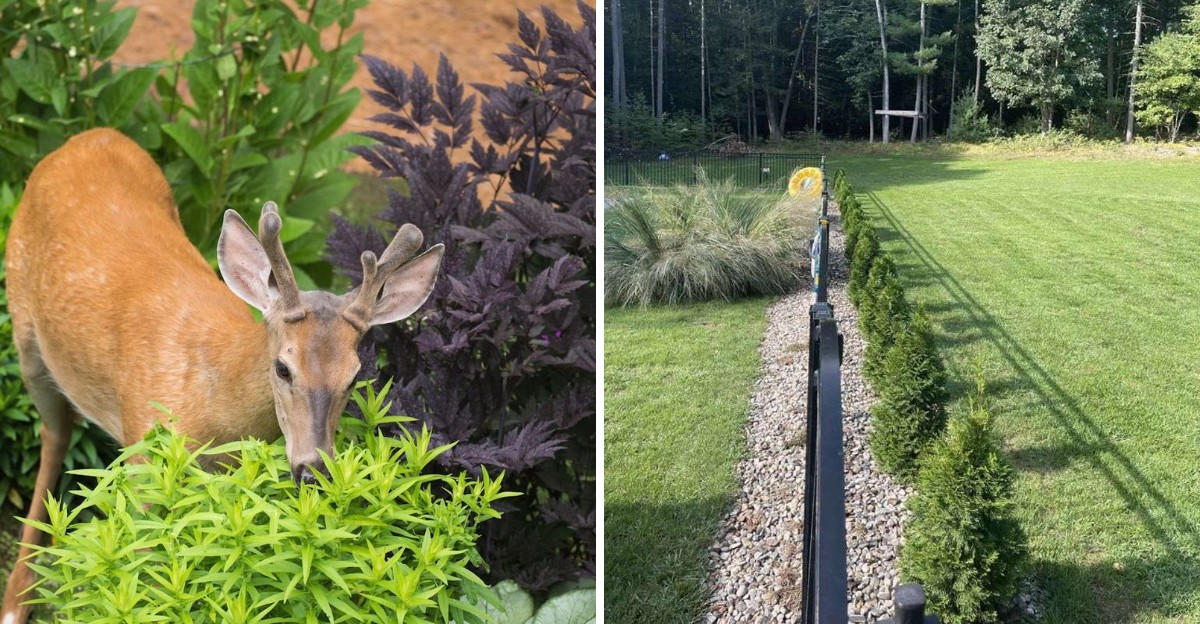
Deer browsing tends to spike in Michigan yards and gardens as natural food sources become noticeably scarcer heading into fall.
As wild plants, acorns, and other preferred foods start to dwindle in surrounding woods and fields, deer increasingly turn to landscaped yards as a reliable alternative food source.
This shift means gardens that saw little to no deer activity throughout summer can suddenly become a much more frequent target once cooler weather sets in.
Certain plants tend to attract more attention during this period, while others are typically avoided, making plant choice an important part of any prevention strategy.
Understanding this seasonal pattern now helps Michigan gardeners take protective steps before browsing damage becomes a much bigger problem later in fall.
1. Natural Green Food Becomes Less Available
In the heat of July, Michigan fields come alive, dense with clover, soft green grass, and lush wild growth. By late October, much of that lush buffet has turned brown, and the first hard frosts finish off many of the soft plants deer love most.
For a hungry animal, that shift changes everything. White-tailed deer eat a lot. An adult can munch through several pounds of plant material every single day, so when the fields fade, they have to look elsewhere.
Acorns and beechnuts help fill the gap for a while, but those nut crops go up and down from year to year. In a poor acorn year, deer start searching harder and wider.
Your yard often stays green longer than the woods around it. Watered lawns, mulched beds, and sheltered shrubs near the house can hold their leaves after wild plants have faded.
To a deer, that patch of green stands out like a lit-up sign on a dark road. Cooler weather also pushes deer to bulk up before winter. They need extra calories to build fat reserves that carry them through the snowy months, when food gets even scarcer.
That drive makes them bolder and more willing to step closer to homes. So what can you do? Start watching your garden edges in early fall, not after the damage shows up.
Look for ragged, torn stems, since deer lack upper front teeth and rip plants instead of snipping them cleanly. Spotting those signs early gives you time to act before your favorite plants turn into a midnight snack.
2. Deer Browse A Wide Range Of Plants
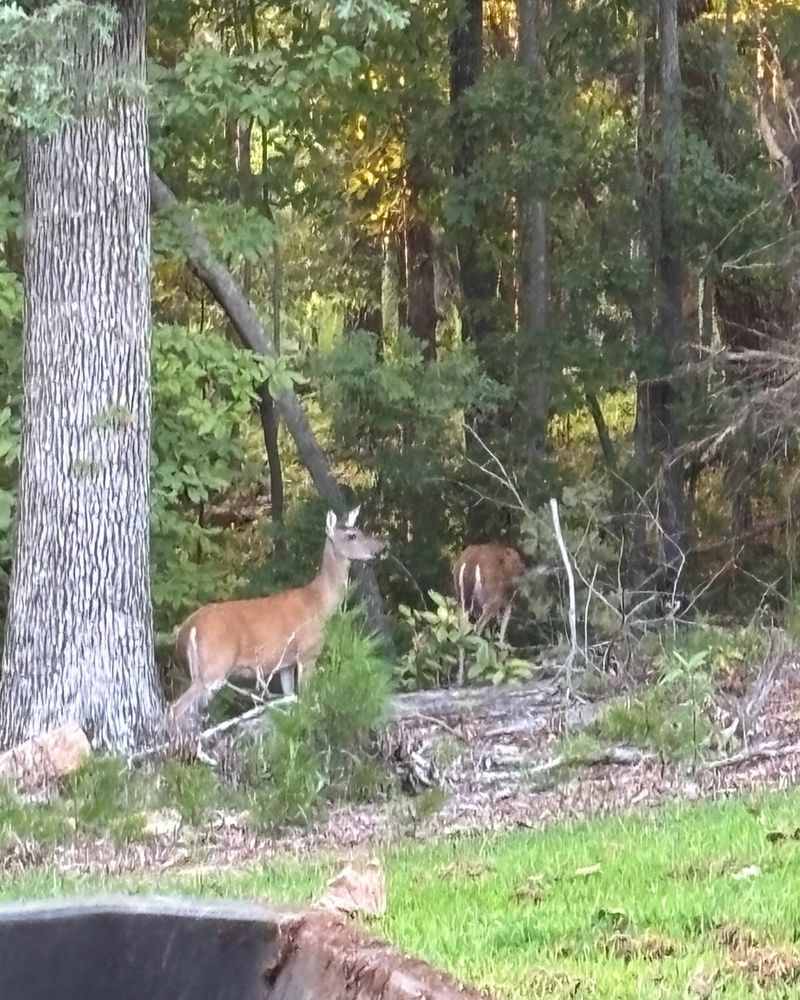
Deer are not picky eaters, and that fact surprises plenty of new gardeners. Biologists have recorded white-tailed deer eating hundreds of different plant species across North America.
Leaves, twigs, buds, flowers, fruit, mushrooms, and even acorns all end up on the menu. Think of a deer as a four-legged snacker with a flexible plan.
Its stomach has four chambers, much like a cow, which helps it break down tough plant material that many animals cannot handle.
That special gut lets deer switch from soft summer greens to woody twigs and buds when the season changes.
Here in Michigan, you might see them nibbling hostas in summer and then moving on to arborvitae, yews, and fruit tree branches as the weather cools. Each choice depends on what is handy and tasty at the moment.
Your Michigan Garden Changes Every Week. Your Plan Should Too.
Gardening in Michigan changes quickly throughout the season. Every Friday you’ll receive a simple weekly plan showing exactly what to plant, prune, fertilize, harvest, and protect so you never miss the right timing.
When their favorite foods run low, they simply move down the list. Gardeners sometimes feel betrayed when a plant that went untouched all summer suddenly gets chewed in November. The plant did not change, but the options around it did.
A deer that skipped your shrubs in August may view them as a solid meal once the wild greens fade.
Knowing this helps you plan smarter. Keep a simple notebook or phone list of which plants get nibbled and when, since patterns often repeat each year.
Over a season or two, you will know exactly which beds need extra help as fall rolls in, and you can focus your energy where it matters most.
Bonus tip: snap a quick photo of chewed plants, too. Pictures help you compare damage from year to year.
3. Fall Can Increase Deer Movement
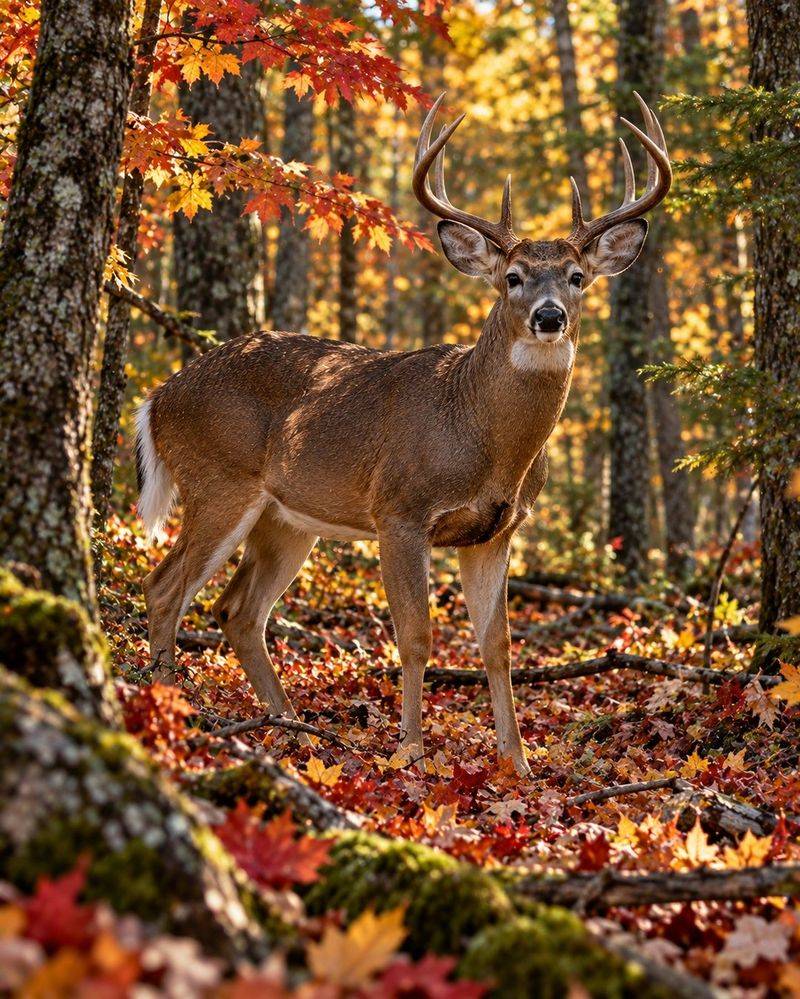
Ever notice more deer crossing the road in November? You are not imagining it. Michigan drivers see a spike in deer crashes every fall, and much of that traffic ties back to the breeding season, known as the rut.
During the rut, bucks go on the move. They travel far and wide searching for does, often wandering through neighborhoods, backyards, and farm fields they normally skip.
In Michigan, this activity usually peaks in November, though it can start building in October.
All that roaming means more deer passing by your garden. A buck chasing does may stop for a quick bite of your shrubs, then keep going, leaving damage behind like a careless houseguest.
Does and young deer also shift their routes as crops get harvested and cover thins out. Bucks bring another problem, too.
They rub their antlers against small trees to scrape off velvet and mark their territory, and that rubbing can strip bark right off a young trunk. A tree with bark torn all the way around may struggle to recover.
Fewer daylight hours play a role as well. Deer are most active at dawn and dusk, and in fall those times line up with when many people are driving to work or heading home. You may catch more glimpses of them because your schedule overlaps with theirs.
Use this season as your cue to get alert. Walk your yard once a week and look for fresh tracks, trampled paths, or scraped bark on young trees. Early clues can tell you where deer enter your yard, so you can guard those spots first.
4. Gardens Can Offer Easy Food
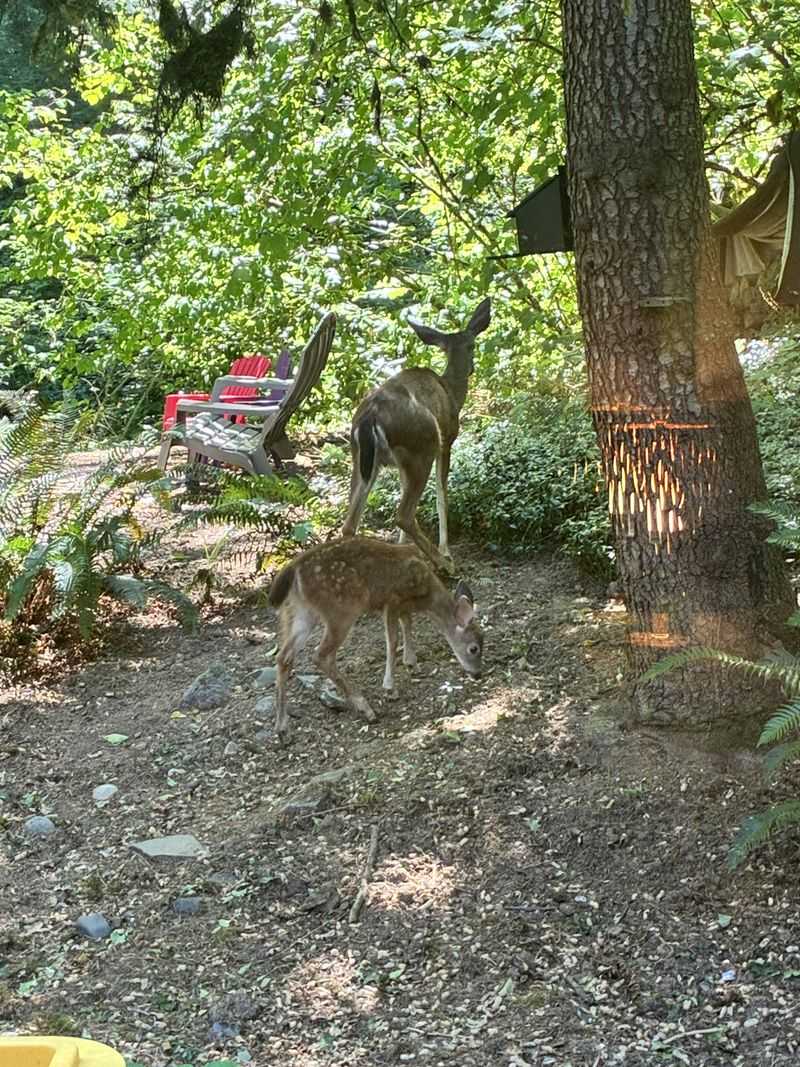
Imagine walking into a store where the shelves are fully stocked, the aisles are safe, and nobody asks you to pay. For a deer in late fall, a Michigan backyard can feel a lot like that. Food sits in neat rows, often just steps from the woods.
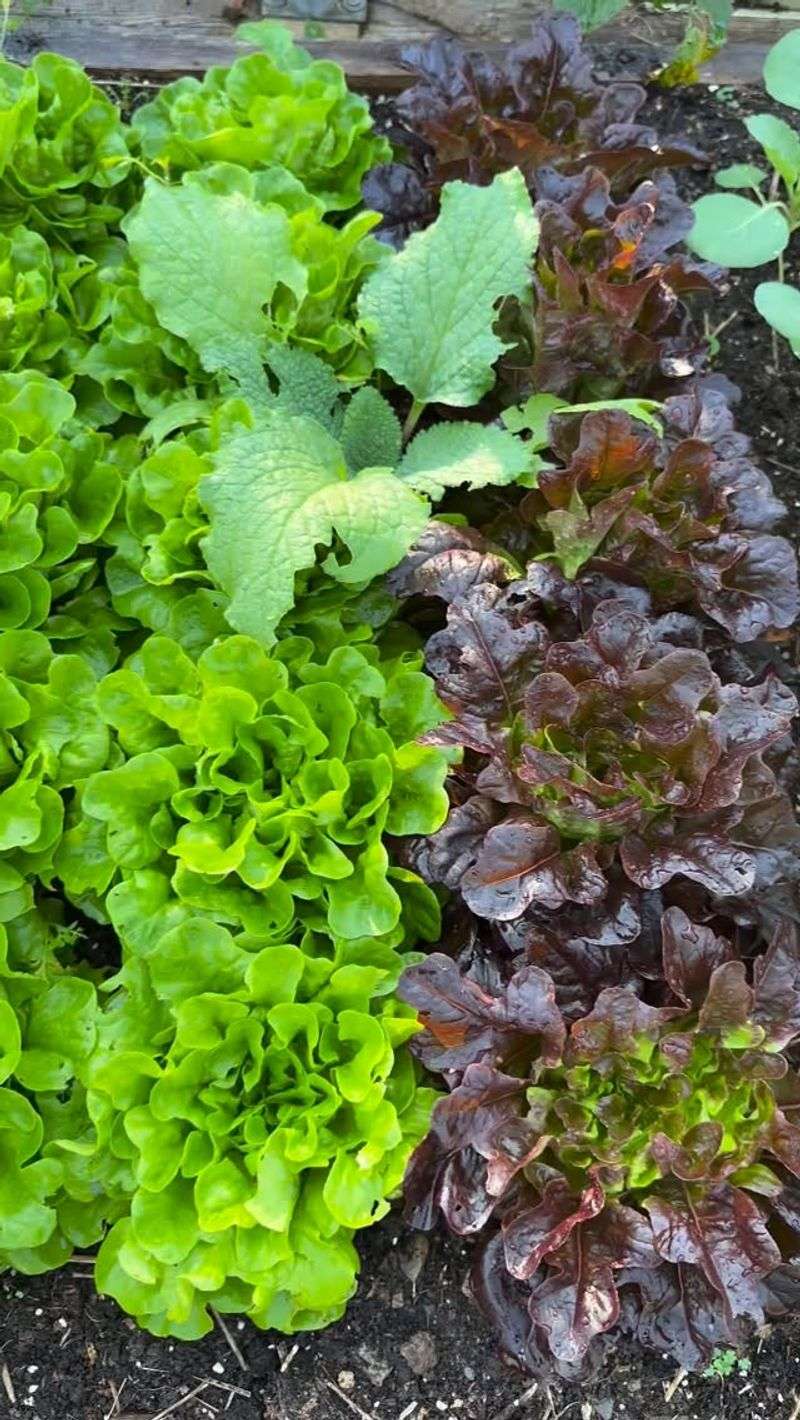
Vegetable gardens are a big draw. Leftover kale, lettuce, beets, and pumpkins are soft, sweet, and packed with moisture. Compared to dry twigs and brown grass, those late crops taste like dessert.
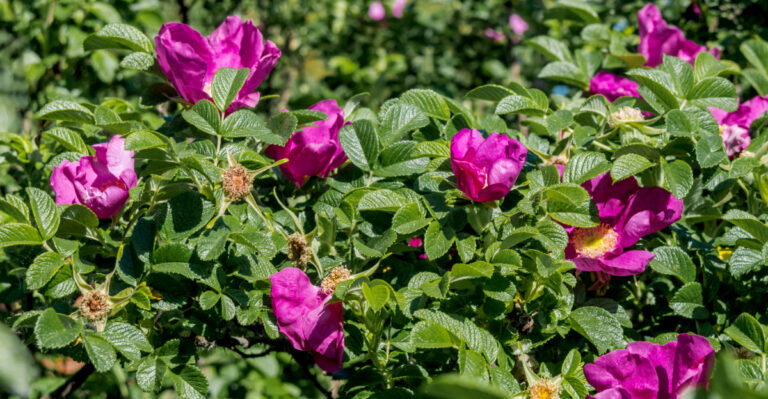
Ornamental plants join the feast, too. Hostas, tulip bulbs, roses, and many evergreens rank high on deer wish lists.
Well-fed, well-watered landscape plants tend to be more tender and nutritious than wild plants struggling in the cold.
Fallen fruit might be the biggest magnet of all. Apples and pears that drop and rot on the ground give off a sweet smell that carries on the breeze.
Deer can find that treat easily, and once they do, they often return night after night. Bird feeders can add to the pull. Spilled seed and corn on the ground attract deer along with the birds you meant to feed.
Michigan has rules limiting deer baiting and feeding in many areas, so check with the Michigan DNR before putting out corn or other treats.
A little cleanup goes a long way here. Pick up dropped fruit every few days, harvest or pull finished crops, and sweep up spilled seed under feeders.
The less free food you leave lying around, the less reason deer have to make your yard a regular stop.
5. Young Trees And Shrubs Are Vulnerable
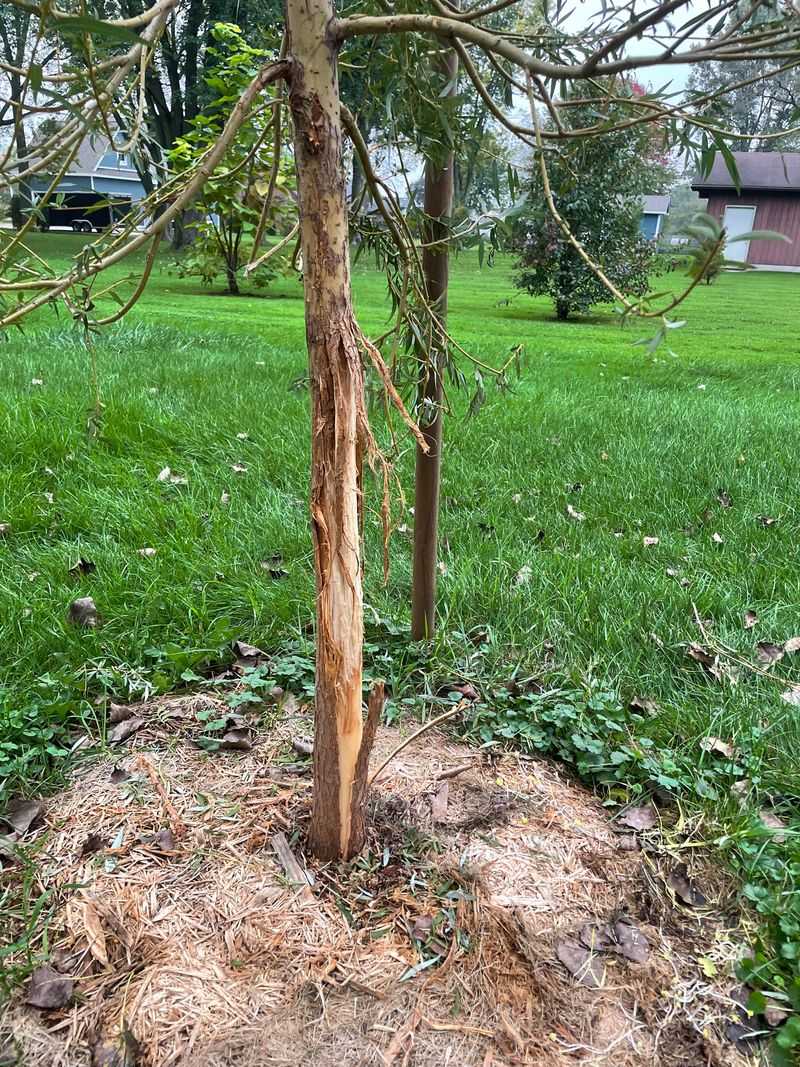
You spent a Saturday digging the perfect hole, settling in a new apple tree, and watering it just right. A few weeks later, you step outside and find the top shoots chewed off and the bark scraped raw.
Many Michigan gardeners know that sinking feeling. Young plants make easy targets for a few reasons. Their branches sit at deer height, usually within about five or six feet of the ground.
Their buds and twigs are also soft and full of nutrients, which makes them tastier than older, woody growth.
Size matters in another way, too. A big oak can lose a few branches and barely notice, but a small sapling has far less to spare.
Repeated browsing can stunt its growth, twist its shape, or leave it too weak to handle a tough winter.
Bark damage adds more trouble. Bucks rubbing antlers in fall often pick trees with trunks about as thick as a broom handle to a few inches across.
If bark gets stripped all the way around the trunk, water and nutrients can no longer move up and down properly, and the tree may never bounce back.
Timing is everything here. Protect new plantings in early fall, before hungry deer start scouting your yard. Waiting until you spot damage often means the harm is already done.
Simple options work well. Wrap trunks with plastic tree guards or hardware cloth, and circle young trees with a wire cage at least five feet tall.
Leave a few inches of space between the cage and branches so deer cannot reach through and nibble.
6. Deer-Resistant Does Not Mean Deer-Proof
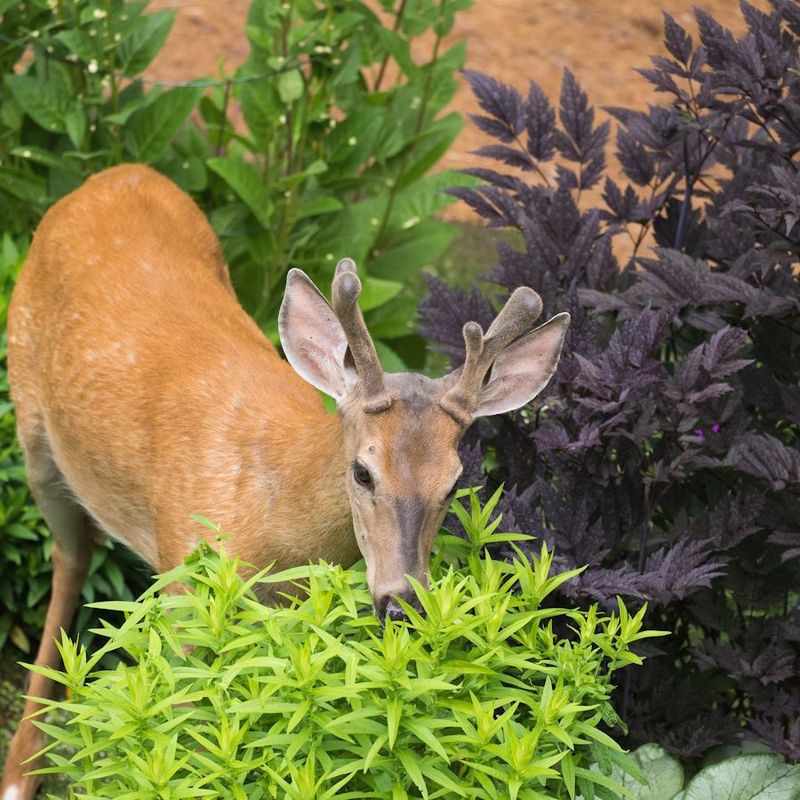
Here is a little secret the plant tags do not always tell you. A label that says deer resistant really means deer usually prefer something else. It does not promise that deer will never take a bite.
Plants earn that reputation for a few reasons. Some have fuzzy leaves, like lamb’s ear, while others carry strong scents, like lavender, sage, and catmint.
Others, such as daffodils, contain natural compounds that taste bitter or upset a deer’s stomach.
Those defenses work great when deer have plenty of choices. In fall and winter, though, the menu shrinks fast.
A hungry deer facing a choice between an empty belly and a less tasty shrub will often pick the shrub.
Rutgers University, known for its helpful deer-resistance ratings, sorts plants into groups from rarely damaged to frequently severely damaged. Even plants in the top groups can get nibbled under heavy pressure.
Local deer herds also have their own habits, so a plant ignored in one Michigan town might get browsed in the next.
Young deer add a wild card, too. Fawns learn what to eat partly by trying things, so they may sample plants older deer usually skip. Sometimes a single test bite leaves a plant looking rough.
Deer-resistant plants still deserve a spot in your garden. Mix them into beds as a first line of defense, especially near woods or trails.
Just pair them with barriers or repellents around your most treasured plants, and you will enjoy better results with far less worry.
Fun fact: many gardeners swear by alliums, the ornamental onion family, because deer rarely care for their oniony smell.
7. Physical Barriers Provide Reliable Protection
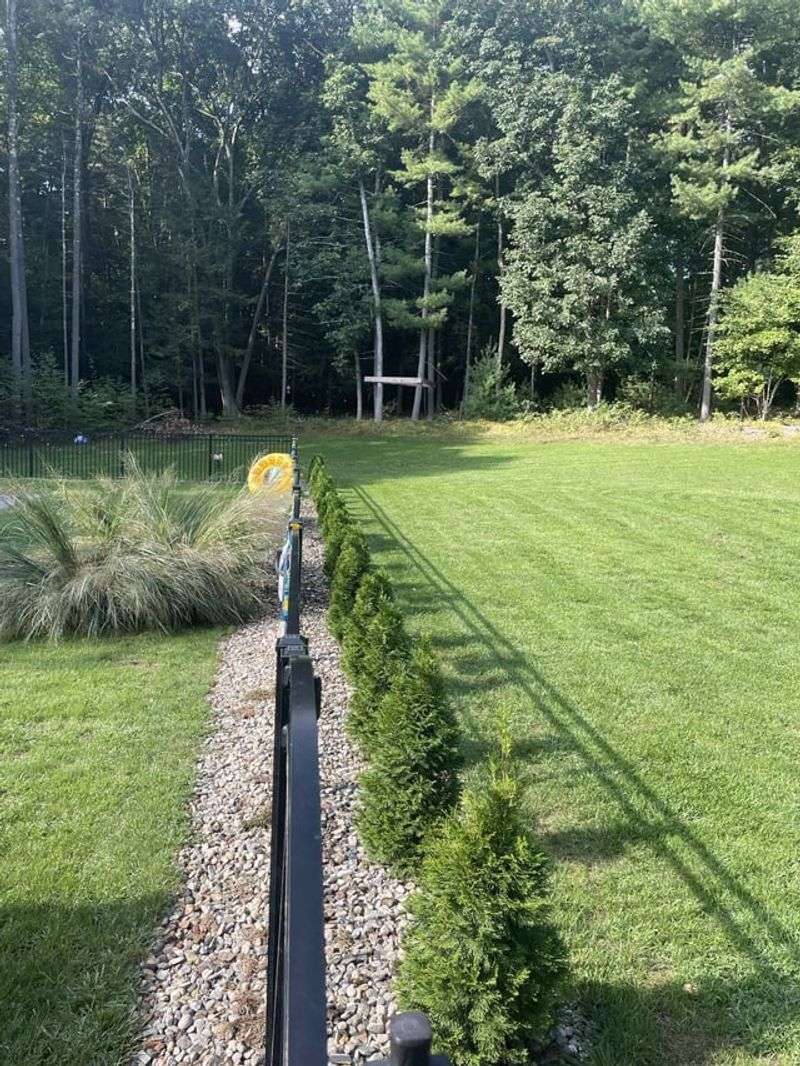
Sprays and smelly soaps have their place, but nothing beats a solid wall between a deer and dinner. Physical barriers work day and night, rain or shine, without needing a fresh coat every week.
That steady protection makes them the top choice for many Michigan gardeners. Fencing leads the pack.
White-tailed deer are amazing jumpers, able to clear about eight feet when motivated, so experts often recommend fences around eight feet tall for full protection.
Shorter fences can still help around small gardens, especially if deer cannot see a safe landing spot inside.
Some folks get creative with double fences. Two shorter fences set a few feet apart can confuse deer, since they struggle to judge the depth and avoid jumping into tight spaces.
Electric fencing is another option, and some gardeners bait it with a dab of peanut butter so deer get a harmless zap on the nose and learn to stay away.
Individual guards protect single plants. Tree tubes, wire cages, and plastic mesh wrapped around shrubs shield trunks and branches from both chewing and antler rubbing.
Burlap wraps can also cover evergreens like arborvitae through the winter. Scent repellents, by comparison, can fade fast. Rain washes them off, cold weather weakens them, and deer sometimes get used to the smell over time.
They work best as a backup plan, not the main event. Before buying materials, walk your yard and measure the areas you care about most.
Install barriers in early fall, and check them after storms for gaps or leaning posts. A well-kept fence can guard your garden for many years.
8. Protect Plants Before Damage Becomes Severe
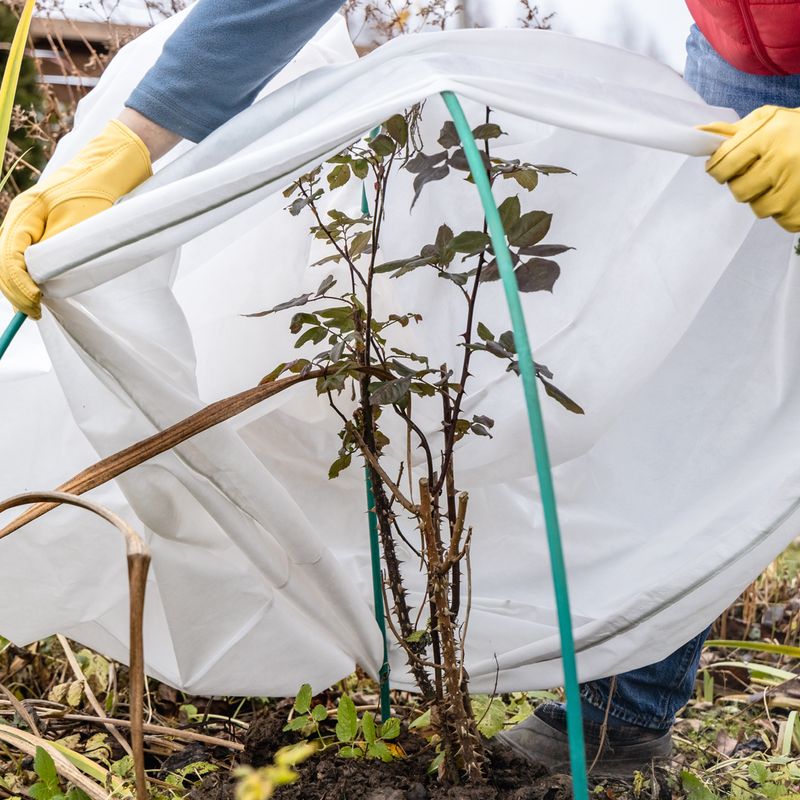
Think of fall deer protection like getting a flu shot before winter. Acting early costs far less effort than fixing a mess later.
A simple plan, started in September, can save you hours of frustration and plenty of money on replacement plants.
Start with a quick yard tour. Make a list of your most valuable or vulnerable plants, such as new trees, fruit trees, arborvitae, yews, roses, and late vegetables. Those are your top priorities for fencing, cages, or wraps.
Next, tackle the free buffet. Rake up fallen apples and pears regularly, clear out finished garden beds, and keep bird seed spills to a minimum. Fewer easy snacks mean fewer reasons for deer to linger.
Repellents can fill in the gaps. Products made with ingredients like putrescent egg or capsaicin work by tasting bad or smelling unpleasant to deer.
Apply them before browsing starts, reapply after heavy rain or as the label directs, and switch between different types so deer do not grow used to one scent.
Keep an eye on your barriers all season long. Snow can pile up against fences and give deer a step stool, while strong winds can knock cages loose. A quick check every week or two keeps small problems from turning into big ones.
Finally, give yourself some credit. Living near wildlife is part of the charm of gardening in Michigan, and a few nibbles now and then are normal.
With smart planning and steady care, your garden can greet spring looking healthy, strong, and ready to grow.