Monarchs Are Moving Through Missouri Yards In Steady Numbers This Month
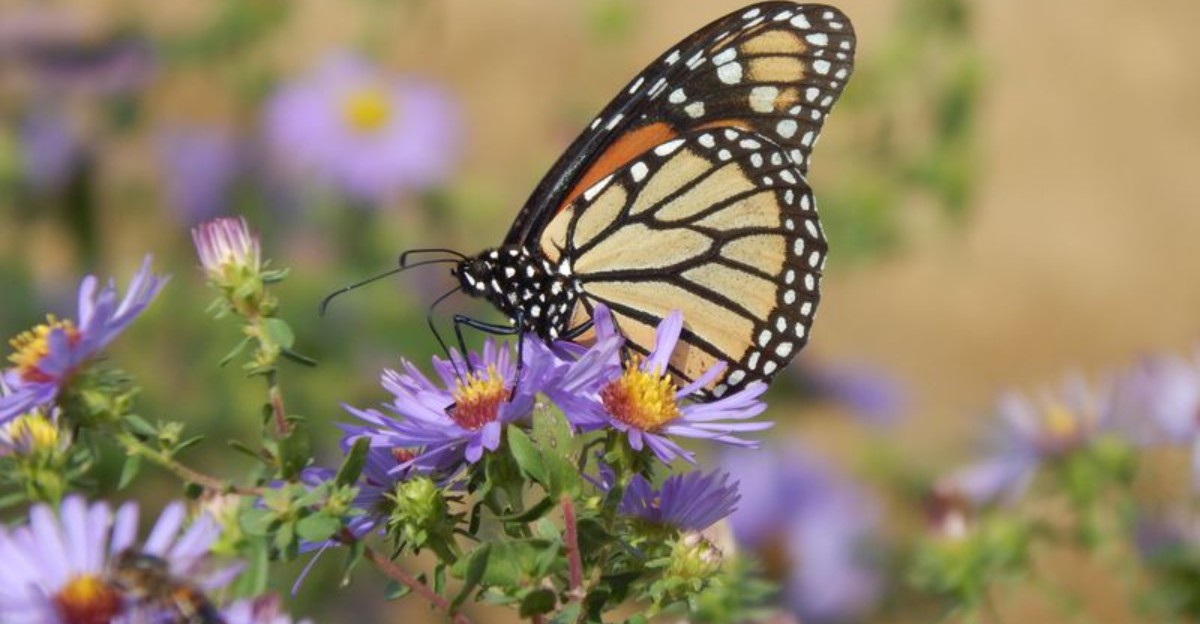
Something orange keeps drifting across Missouri backyards this month, pausing on blooms like it owns the place. You glance up from the hose, and the visitor is already three fences down the block.
Neighbors have been texting blurry photos all week, each convinced their own zinnias are the popular stop. The real story is simpler, stranger, and far bigger than any single flower bed in town.
Our visitors follow a schedule older than the state itself, and they are running it beautifully on time. Your garden just happens to sit along a very busy highway with no traffic lights.
Grab a lawn chair, because this show runs on wings instead of a printed weekend timetable. Honestly, the tomatoes have not drawn this much attention from the family all summer long.
The Fall Journey Behind Those Orange Wings
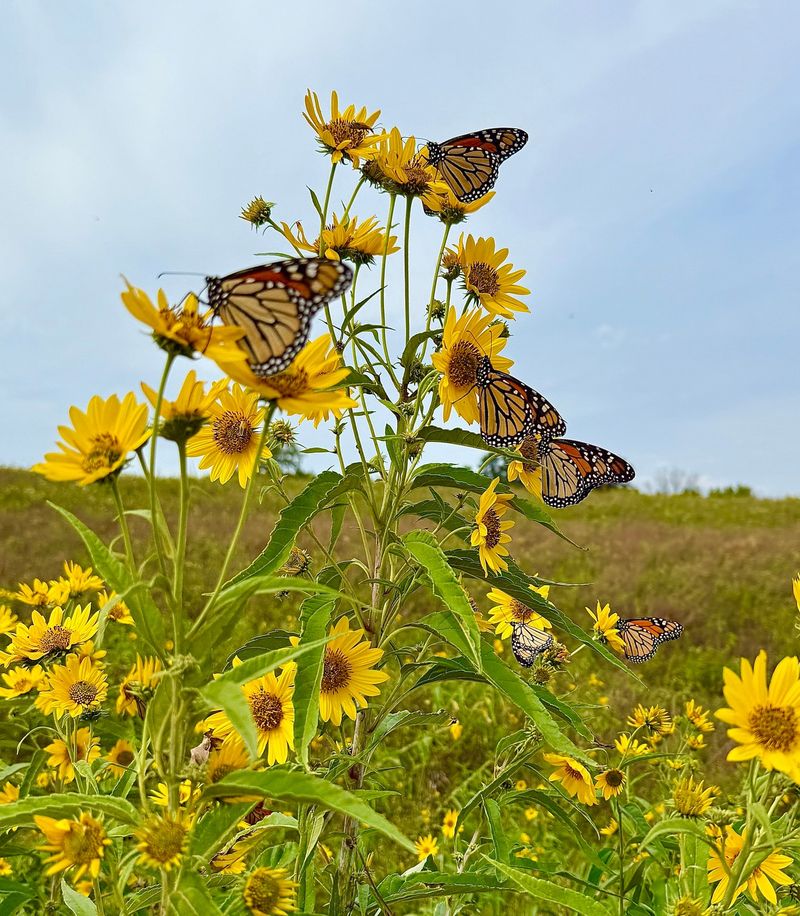
Those butterflies crossing your fence line are not wandering aimlessly, though it certainly looks that way. Each one is headed toward central Mexico, roughly two thousand miles from Missouri.
Missouri sits inside the central flyway, a wide corridor funneling millions of insects south each autumn. Your yard is basically a rest area on that invisible interstate.
The generation flying now is special, living up to eight months instead of a few weeks. Scientists call it the migratory generation, built for distance rather than quick reproduction.
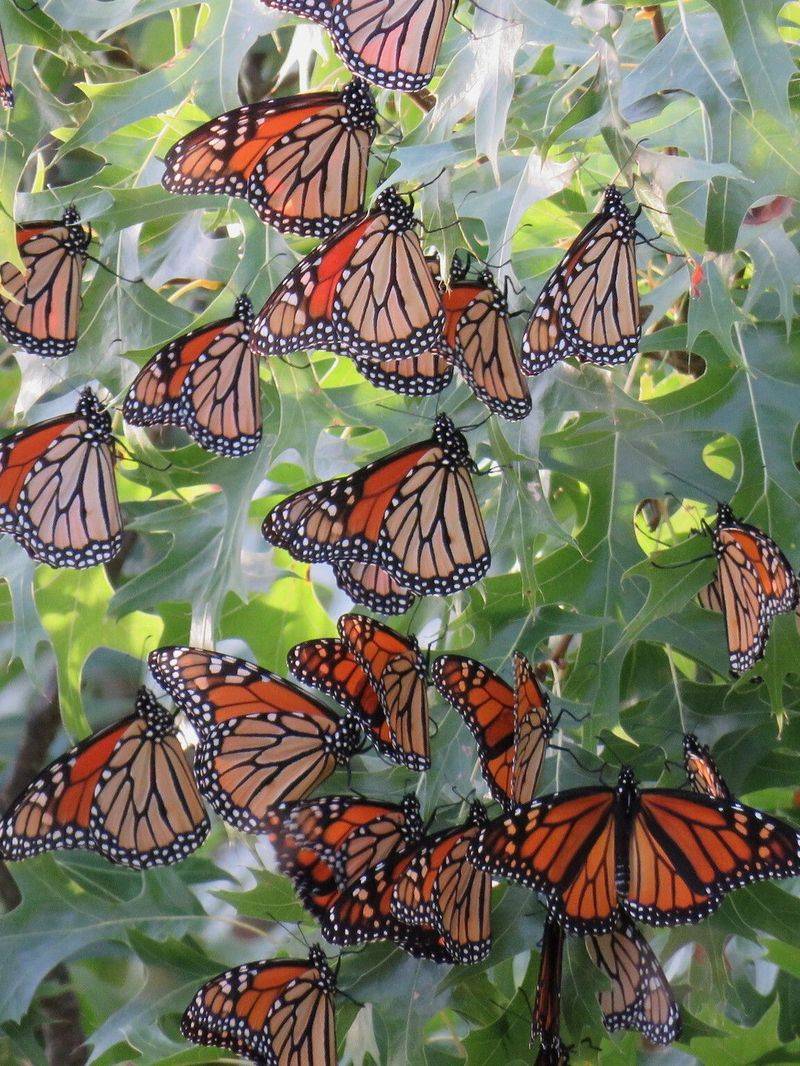
They travel alone during the day, then gather by the hundreds in trees at dusk. Roosts have been reported in Missouri parks, cemeteries, and quiet riverside groves.
Warm afternoons with a north breeze push them along fastest, so activity spikes on those days. Cool mornings keep them resting on flowers where you can watch them closely.
Fun fact: none of these butterflies have made the trip before, yet they find the same mountain forests. Navigation seems to rely on the sun plus an internal clock.
Steady sightings this month mean your area still offers food along the way. That is worth a small celebration on the back porch.
Keep a simple notebook of dates and counts, since patterns show up fast over the years. Neighbors love comparing numbers once they realize the parade repeats annually.
Tagging programs let volunteers place tiny stickers on wings before release each fall. Missouri groups post workshop dates online every September.
Peak Timing Across Missouri Yards This Season
Mark the second week of September through mid-October on your calendar, because that stretch carries the crowd. Northern counties see the surge first, with St. Louis and Springfield a few days behind.
Cold fronts act like a starting signal, pushing waves of butterflies south within a day or two. After a front passes, step outside and count for ten minutes.
Most movement happens between ten in the morning and five in the evening, when air warms up. Below about fifty-five degrees, wings simply cannot generate enough power.
Evening is prime viewing time as travelers settle into cedar, pine, or sycamore branches together. A roost can vanish by nine the next morning.
Your Missouri Garden Changes Every Week. Your Plan Should Too.
Gardening in Missouri changes quickly throughout the season. Every Friday you’ll receive a simple weekly plan showing exactly what to plant, prune, fertilize, harvest, and protect so you never miss the right timing.
Rainy stretches pause everything, which explains why your yard feels empty for two quiet days. Numbers usually bounce back once sunshine returns.
Late October sightings still happen, especially in the Bootheel where warmth lingers longer. Stragglers race the calendar with surprising determination.
Journey North and similar tracking websites map daily reports from backyard watchers across the Midwest. Adding your sighting takes about one minute.
Timing your flower care to this window matters more than planting quantity alone. Flowers that open in early September will earn plenty of visitors.
Photographers get the best light around seven in the morning, while wings sit still. Patience beats chasing every time.
Weekly weather forecasts help you plan, since a north wind after a cool night means traffic. Set a reminder and grab coffee outside.
Nectar Plants That Fuel The Long Flight
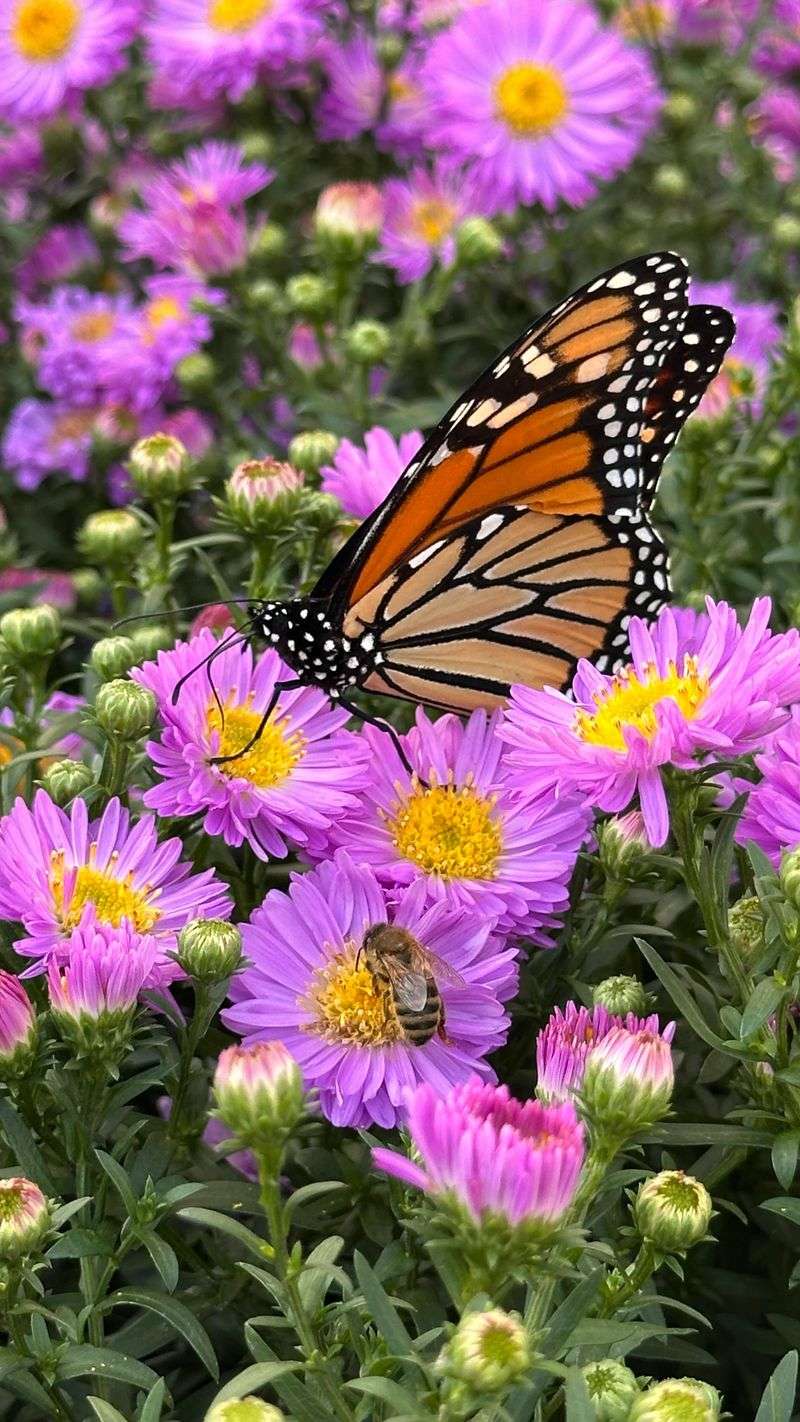
Fuel matters more than anything else right now, because these travelers burn body fat over Texas. A hungry butterfly in Missouri becomes a stranded one in Oklahoma.
Goldenrod is the champion of the season, despite the bad reputation it gets from allergy sufferers. Ragweed causes the sneezing, not those bright yellow plumes.
New England aster offers purple landing pads packed with sugar through October. Pair it with goldenrod for a buffet that glows.
Zinnias from the garden center work beautifully, so there is no shame in easy annuals. Snip spent blooms weekly to keep new ones coming.
Blazing star, Joe-Pye weed, and autumn sedum round out a dependable late menu. Native plants generally hold nectar longer during dry spells.
Milkweed feeds caterpillars in summer, but fall adults care mainly about sugar-rich flowers. Keep both on the property for a full-season welcome.
Plant in clumps of three or more, since scattered singles are harder to spot from above. Color blocks act like billboards.
Skip pesticide sprays on blooming plants, even organic ones, during September and October. Residue on petals reaches every visitor that lands.
A shallow dish of wet sand gives them minerals alongside the nectar. Refill it after hot afternoons.
A butterfly feeder with sugar water works as a backup on flower-scarce days. Sweet fruit is an unexpected crowd-pleaser.
Aim for something blooming from Labor Day until the first hard frost arrives. That single goal simplifies every planting decision.
Seed catalogs list bloom times clearly, so plan next year while the memory is fresh. Order in winter for spring planting.
The Tidy Garden Mistake That Costs Travelers Energy
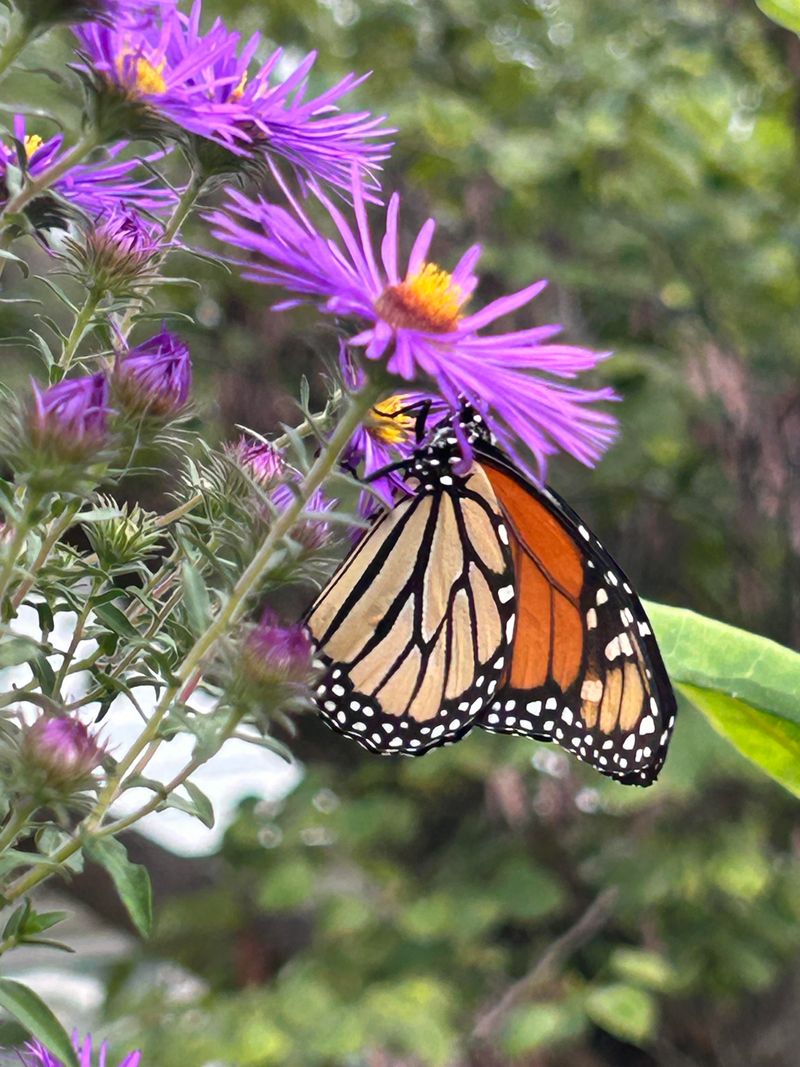
Here is the habit that trips up well-meaning gardeners: the big September cleanup. Cutting everything back right now removes the exact food supply passing through.
Many people mow field edges in early fall, taking out goldenrod stands at their peak. Those weedy patches are cafeterias with no substitute nearby.
Mosquito fogging services are another common problem, since the mist drifts across flower beds. Those treatments affect butterflies just as much as the target insects.
Bright floodlights left on overnight can disturb roosting groups in backyard trees. A motion sensor solves that in about twenty minutes of work.
Pulling volunteer asters as weeds happens constantly, usually because nobody recognizes the seedlings. Learn two leaf shapes and you will save hundreds of blooms.
Some folks bring caterpillars indoors in large numbers, hoping to help the population. Wild conditions produce stronger fliers for a two-thousand-mile trip.
Trimming shrubs where butterflies cluster at dusk can scatter a whole roost. Save the loppers for a November afternoon instead.
Raking every leaf into bags removes shelter for the insects that stay behind. A loose pile in the corner costs you nothing.
None of this means your yard must look messy to neighbors. Leave one section wild and keep the front lawn crisp.
Timing beats effort here, so simply postpone the tidying until late fall. Your back will thank you for the delay.
Homeowner associations sometimes push early cleanups, which frustrates gardeners who know better. A small pollinator sign often ends the argument.
Small Yard Fixes With Big Results
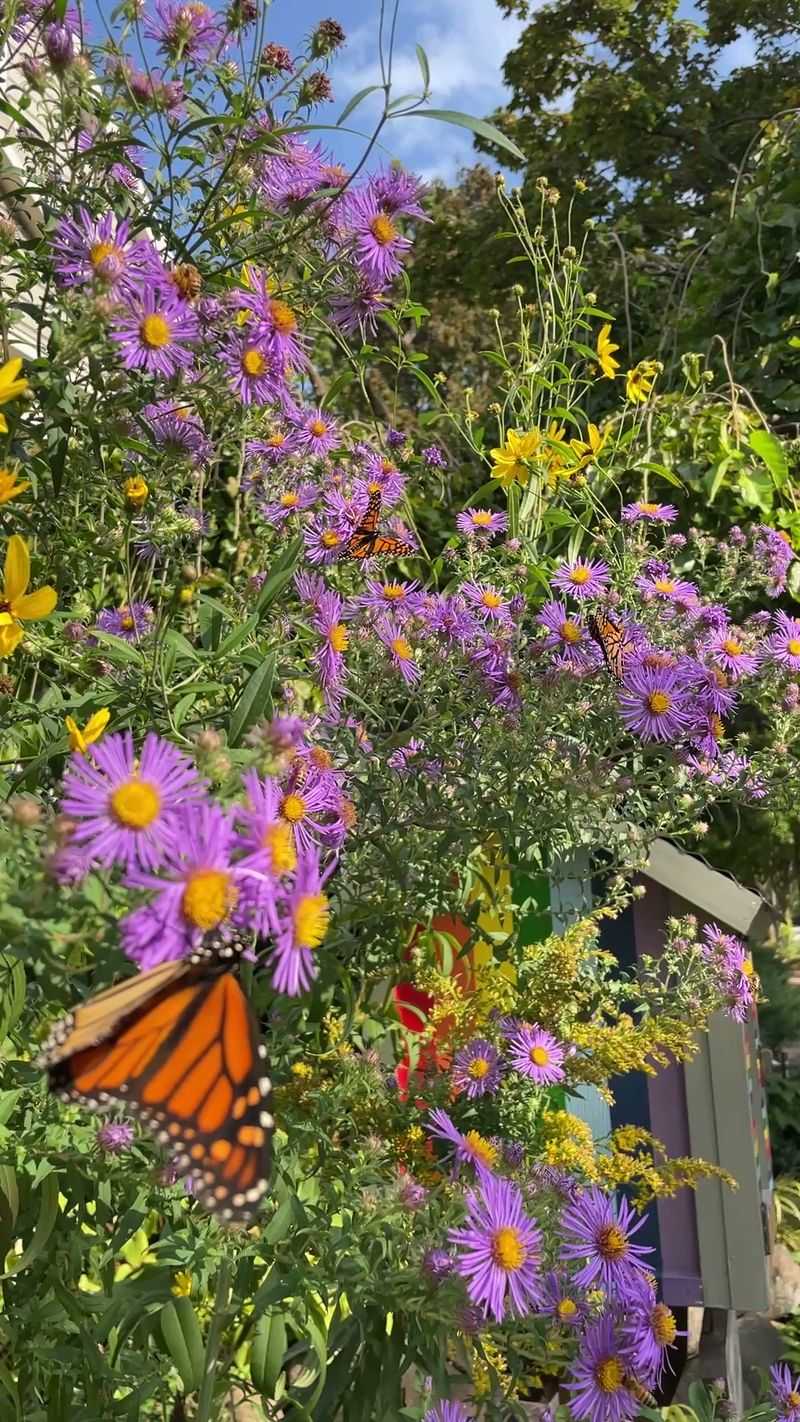
Helping out costs less than a pizza, and takes one Saturday morning. A flat of purple asters placed near a sunny fence can change traffic instantly.
Choose a spot sheltered from wind, because tired fliers avoid gusty open ground. South-facing corners near a wall hold warmth into the evening.
Flat stones set among the flowers give wings a warm platform for morning sunbathing. Cheap landscape rock works as well as anything fancy.
Skip mowing one strip along the back fence from August through October. Volunteer wildflowers show up there without any cost to you.
Water the nectar garden during dry Septembers, since drought shuts flower production down fast. Ten minutes with a hose keeps blooms producing sugar.
Keep a tall tree or dense cedar somewhere on the lot for overnight shelter. Roosting groups pick the same windbreaks year after year.
Plant native milkweed seeds this fall, because cold weather helps them sprout in spring. Butterfly weed and swamp milkweed both handle Missouri clay.
Container gardens count, so apartment balconies in Kansas City can host visitors too. One large pot of lantana draws steady attention.
Share extra plant divisions with neighbors, since connected yards work better than one island. A block of gardens creates a real corridor.
Kids enjoy this project more than most chores, especially with a magnifying glass involved. Hand them the watering can and step back.
Local nurseries stock late bloomers in September clearance bins for a couple of dollars. Bargain shopping pays off for wildlife.
Safe Passage For Next Spring’s Return
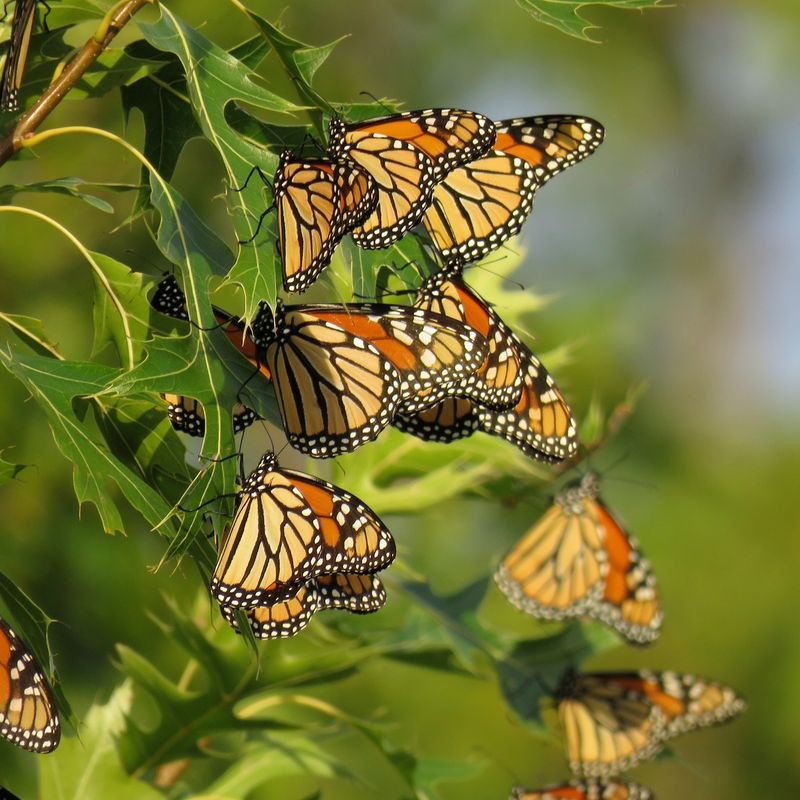
Once the last visitor leaves Missouri in late October, the story keeps going south. Oyamel fir forests west of Mexico City hold them through winter.
Come March, the same individuals fly north into Texas to lay eggs on fresh milkweed. Their grandchildren reach Missouri around late April.
That relay means your spring planting matters as much as your fall flowers. Milkweed shoots in April feed the next round of caterpillars.
Winter is planning season, so sketch a bed on paper while snow covers the yard. Seed orders arrive before the ground thaws.
Reporting your sightings to community science projects helps researchers track population trends over decades. Data from ordinary yards shapes conservation decisions.
Missouri Department of Conservation offers free native seed resources and workshops each year. Local libraries often host the classes.
Roadside habitat programs along Missouri highways have added milkweed to mowing schedules. Support for those efforts costs a phone call.
Populations have dropped sharply since the 1990s, though recent counts show encouraging bumps. Backyard habitat is a genuine part of that recovery.
Tag recovery reports from Mexico occasionally trace a butterfly back to a specific Missouri garden. Imagine getting that email in February.
Storms and logging in those mountain forests remain serious threats far beyond your fence. Donations to protection groups stretch surprisingly far.
Small actions repeated across thousands of yards add up to real mileage. Missouri sits right in the middle of it.
Mark your calendar for early September next year, when the parade starts again. The chair on the porch will be waiting.