A Loud Nightly Insect Chorus Is Peaking In New Jersey Backyards This Week
Step outside tonight and you’ll feel the darkness start to hum. Across New Jersey, you’ll hear backyards turn into concert halls. You squint upward and spot only leaves and a stray star.
Branches hide the performer, yet you can’t escape the sound. Neighbors will tell you it’s frogs, cicadas, or a broken air conditioner.
Nobody wins that argument, because you’re both wrong anyway. Science already gave you a name for this racket. This insect can throw sound that rivals a small power tool.
Size hardly matters when your ears take the real toll. Locals rarely guess right despite how confident you feel. High above your head, a tiny insect runs the show.
Wings vibrate faster than your ear can properly track. Night after night, New Jersey hands you the same performer. One tiny insect still refuses to let your night go quiet.
The Common True Katydid Behind The Noise
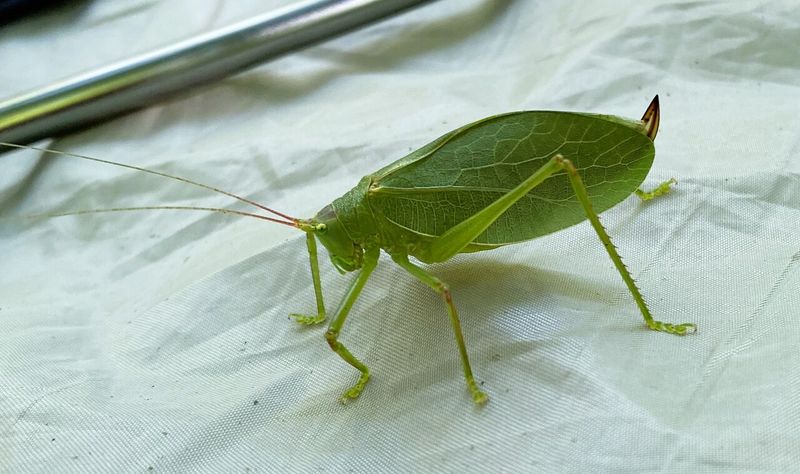
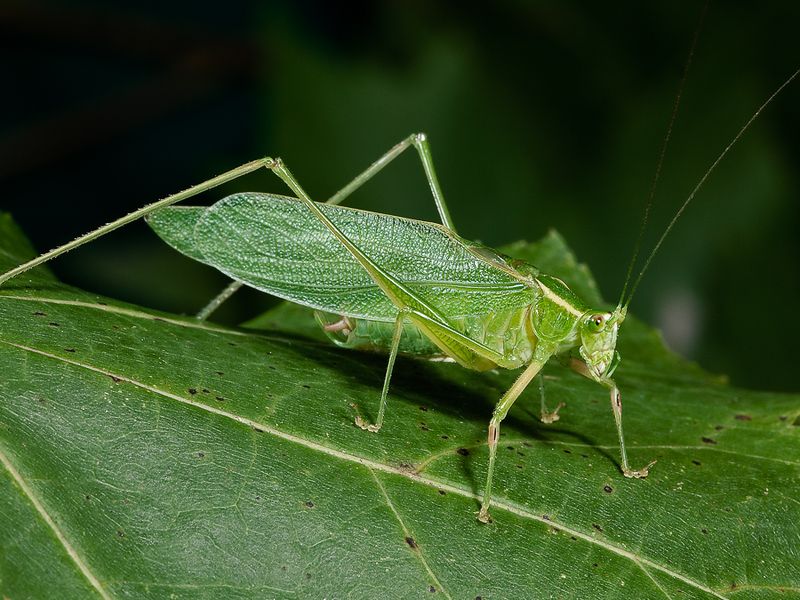
Step outside after dark this week and a raspy, pulsing rattle rolls across the whole neighborhood. The singer is the common true katydid, a chunky green insect living high in hardwood trees.
Scientists call it Pterophylla camellifolia, though many people know it as the northern true katydid. Its song sounds like someone shaking a pair of dry maracas over and over.
Males do the singing, and they gather in loose choruses across oak, maple, and beech canopies. One male starts, neighbors answer, and soon a whole street block pulses in rough rhythm.
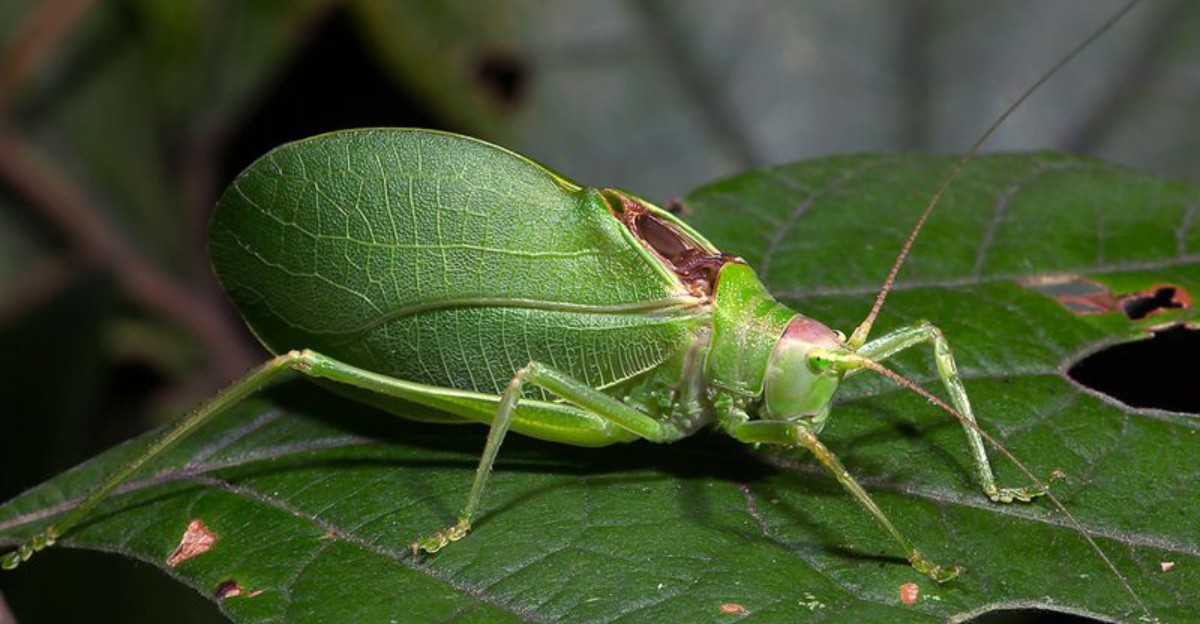
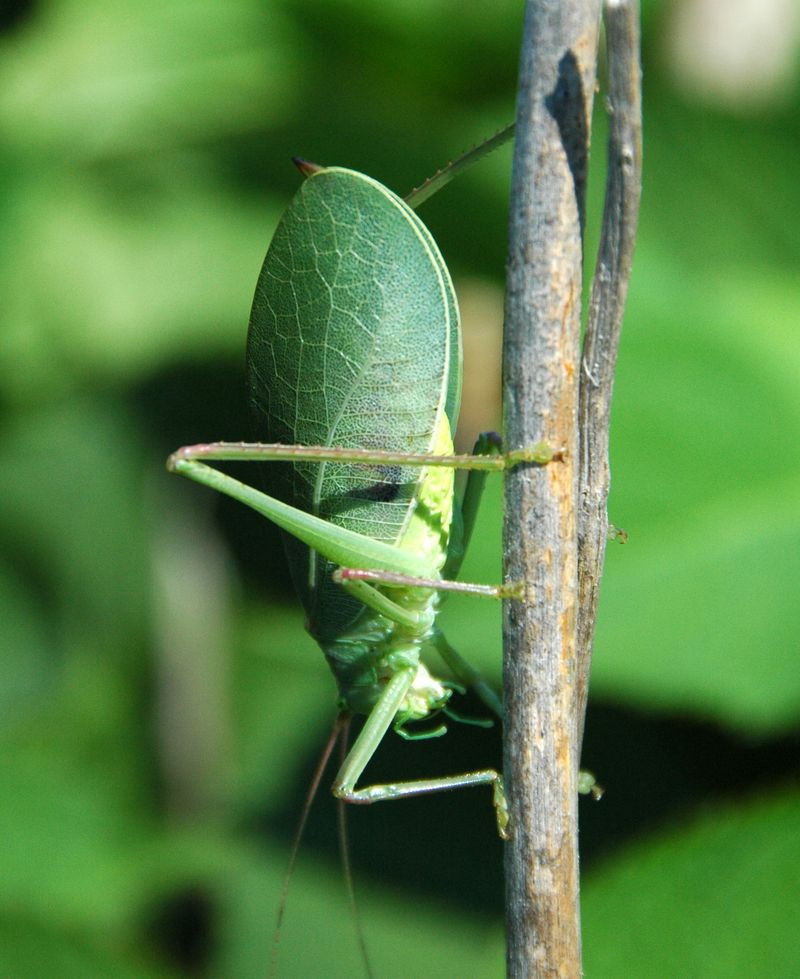
Bodies stay hidden thirty feet up, which is why you hear them far more than see them. Their leaf-shaped wings and flat green color make them nearly invisible against sunlit foliage.
Unlike grasshoppers, katydids have long, thread-thin antennae that often stretch longer than their own bodies. They chew leaves slowly, rarely eating enough to harm a healthy shade tree.
Females stay silent, listening with tiny hearing organs located on their front legs. They walk toward the loudest, healthiest-sounding males, which pushes the chorus even louder.
Fun fact: early American settlers named them for the song, hearing a scratchy katy-did phrase. Warmer southern nights may slow the phrasing, while New Jersey’s cooler evenings tend to produce faster bursts.
Population numbers swing year to year, so some Septembers sound far noisier than others. Warm, wet summers usually produce the thickest, most overwhelming treetop chorus.
Knowing the singer makes the racket feel less alarming and more like a seasonal soundtrack. Backyard trees are simply hosting one of the more memorable insect choruses the Northeast offers.
Peak Chorus Weeks In A New Jersey September
Timing explains why the noise feels sudden, even though the insects hatched back in spring. Nymphs spend months growing quietly, molting several times before their wings finally work.
Adults mature in late July and August, then hit full singing strength through September. By mid September, most males in the canopy typically join in.
Evenings still hold summer warmth, and warm muscles make faster, louder wing strokes. Cool nights slow the tempo noticeably, turning the rattle into a lazier click.
Your New Jersey Garden Changes Every Week. Your Plan Should Too.
Gardening in New Jersey changes quickly throughout the season. Every Friday you’ll receive a simple weekly plan showing exactly what to plant, prune, fertilize, harvest, and protect so you never miss the right timing.
Chorusing usually starts around dusk, builds sharply by nine, and continues past midnight. Some nights the sound keeps rolling until the first gray light of morning.
Temperature actually works like a dial, with tempo rising a few pulses per degree. Careful listeners can guess the evening temperature within a couple of degrees.
Humidity plays a role too, since damp air carries sound farther across yards. After a muggy afternoon, the chorus can feel like it is pressing against windows.
Suburban towns with mature street trees hear the most, from Bergen County to Cape May. Newer developments with young saplings stay comparatively quiet, sometimes eerily so.
Anyone hoping for silence should wait for a genuinely chilly stretch, not a breezy one. Wind shakes branches without cooling insects enough to slow their singing much.
As October approaches, frosty mornings thin the ranks and shorten the nightly performance. Late September remains the reliable high point for backyard volume.
Marking the loudest night on a calendar becomes a fun family habit. Neighbors often compare notes, arguing over which block sounds the wildest.
Common Mix-Ups With Cicadas And Crickets
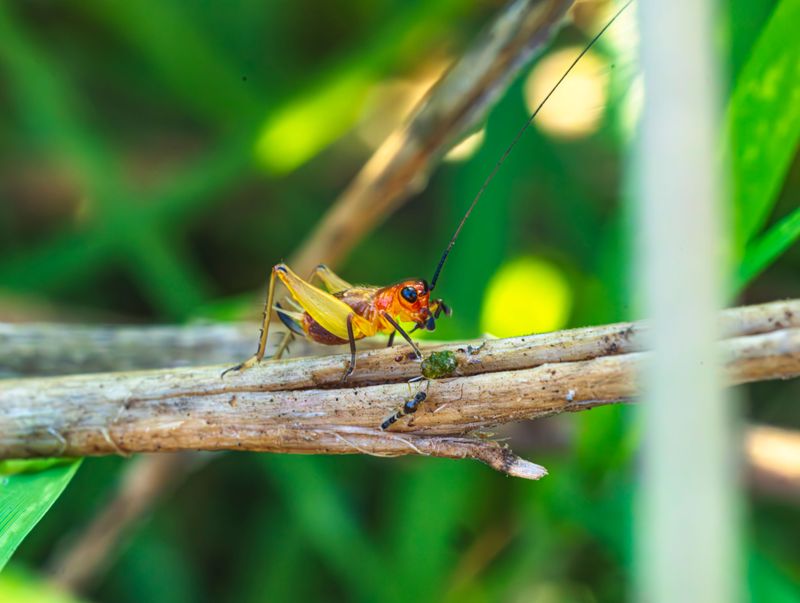
Plenty of people blame cicadas for the racket, but cicadas work the day shift. Their buzzy whine fades near sunset, right as the real nighttime performers warm up.
Crickets cause confusion too, though their voices ring clear, musical, and evenly spaced. Katydid songs sound rough and mechanical, closer to sandpaper than to a flute.
Another mistake involves searching shrubs and flowerbeds for the source of all that volume. Common true katydids stay in tall canopies, so ground-level hunting rarely finds anything.
Homeowners sometimes reach for insecticide sprays, assuming trees face a serious pest problem. Spraying mature canopies wastes money, harms pollinators, and does little to reduce the sound.
Confusing katydids with tree damage from other insects happens often in late summer. Brown, chewed edges usually trace back to caterpillars or beetles instead.
A few folks assume the noise signals an infestation heading for their vegetable garden. These leaf eaters prefer hardwood foliage and ignore tomatoes, peppers, and beans.
Angle-wing katydids add another wrinkle, singing sharp tick sounds from lower bushes. Their calls are brief and sparse, nothing like the rolling treetop rattle.
Recording the sound on a phone helps settle backyard debates quickly. Free identification apps can help compare the pattern against known insect songs. Field guides from local extension offices often explain these differences in plain language.
Learning the difference turns annoyance into curiosity, which makes September nights more interesting. Kids especially enjoy playing insect detective from a porch step.
Quieter Sleep During The Loudest Stretch
Sleep matters, and a treetop orchestra outside the bedroom window can disrupt it. The good news is that simple adjustments work better than any pest control call.
White noise machines help, since a steady hum blurs the sharp edges of insect pulses. Fans, air purifiers, and even old box fans do the same job cheaply.
Closing windows on the noisiest side of the house cuts volume surprisingly well. Heavy curtains add another layer, absorbing sound that glass alone lets through.
Earplugs rated around thirty decibels handle the rattle without blocking an alarm clock. Soft silicone versions feel better for side sleepers than firm foam plugs.
Outdoor lights near trees can pull insects closer to the house at night. Switching porch bulbs to warm amber tones reduces that attraction considerably.
Sealing gaps around window frames improves both sound control and winter heating bills. Weatherstripping costs little and pays off long after the insects go quiet.
Nurseries for babies benefit from a sound machine placed between the crib and window. Pediatric guidance suggests keeping volume low and the device several feet away.
Guests unfamiliar with Northeast summers may just need a quick explanation for the sound. That beats a midnight flashlight search through the yard.
Some households simply adapt, sleeping with the rhythm instead of fighting it. Many people describe the sound as oddly comforting after three or four nights.
Screened porches remain surprisingly pleasant, since the chorus sounds richer from underneath. Plenty of residents pour iced tea and listen on purpose.
Egg-Laying, Cooling Nights, And The Fade-Out
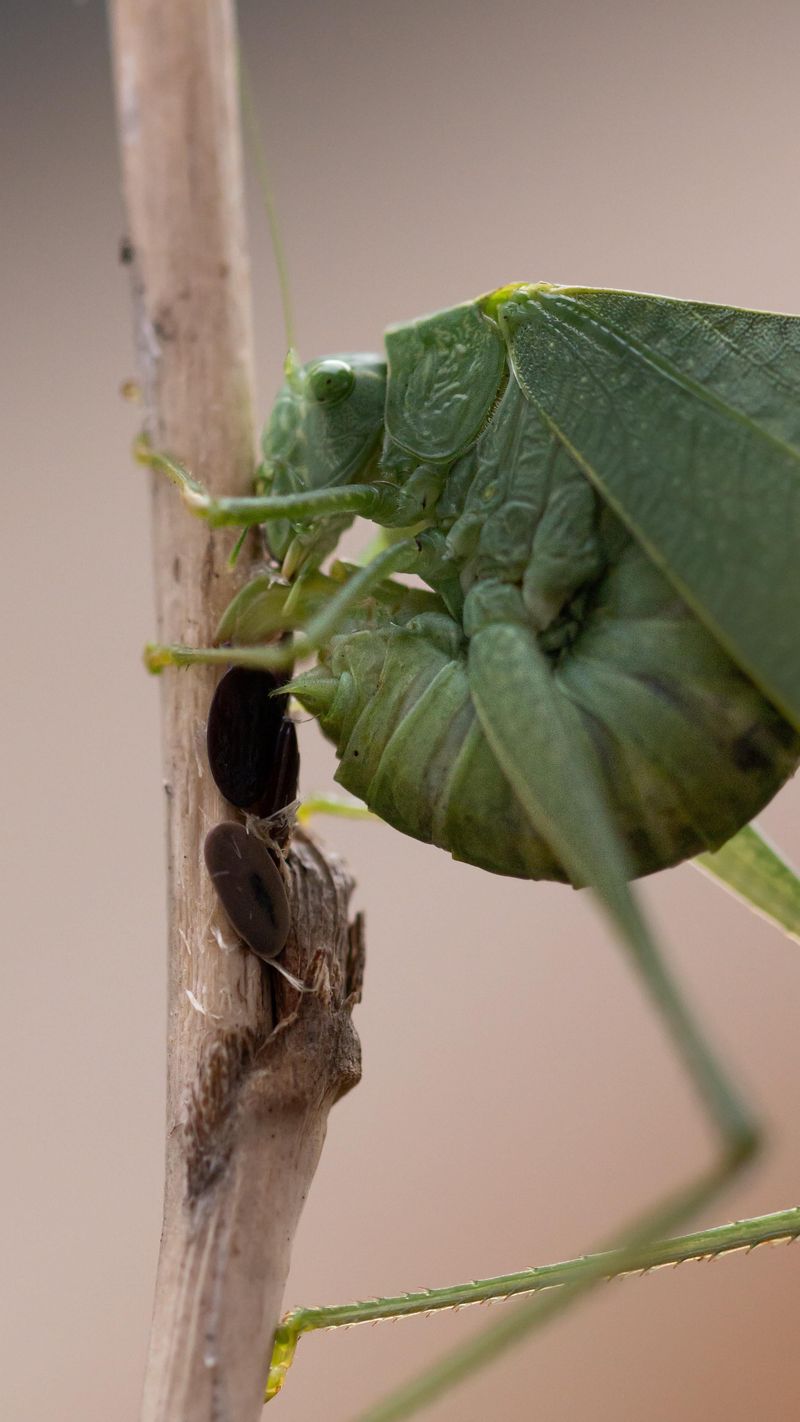
Every loud September chorus carries a purpose, and that purpose is the next generation. Females mate after choosing a singer, then place eggs where winter cannot reach them.
Eggs go into bark crevices, twig surfaces, and rough places along small branches. Flat, gray, and seedlike, they blend in so well that gardeners rarely notice.
Once eggs are laid, adult energy drops and the nightly volume slowly thins. Cooler air slows wing muscles, stretching each pulse into a tired scrape.
By late in the season, only scattered singers remain, often a lone male on one street. Hard frost brings the season to a close, and the trees stay quiet until next summer.
Eggs wait through snow and sleet, hatching as tiny nymphs the following May. Those nymphs climb toward fresh leaves and begin the slow march toward adulthood.
Birds, spiders, and bats take a heavy toll along the way. Only a small fraction of each generation reaches the canopy and sings.
Backyard trees hosting the chorus also feed migrating warblers hunting protein-rich insects. Fall migration and katydid season overlap for a very good reason.
That survival math helps explain why choruses vary so much from one year to another. A harsh spring or a soggy June may influence the whole autumn soundtrack.
Many naturalists keep simple journals noting the first and last songs each year. Those records help researchers track how warming autumns shift insect timing.
Listening through the fade-out gives a real sense of seasonal change outdoors. The quiet that follows feels heavier than anyone expects.
Yard Habits That Keep Next Year Balanced

Nothing about a katydid chorus requires fixing, though yard choices shape how loud it gets. Mature oaks and maples host the biggest groups, so tree-lined blocks stay noisiest.
Anyone planning new plantings can spread canopy trees rather than clustering them near bedrooms. Small ornamentals like dogwood and serviceberry support wildlife without becoming concert halls.
Skipping broad-spectrum sprays protects the birds and bats that keep insect numbers steady. Natural predators do far more population control than any hose-end product.
Leaving leaf litter and native shrubs supports those predators through the colder months. Healthy yards balance themselves, usually with less effort than homeowners expect.
Pruning dense branches away from second-floor windows reduces sound reaching sleeping rooms. Late winter pruning avoids disturbing eggs and nesting birds in spring.
Watering young trees during dry spells keeps foliage tough and less appealing to chewers. Stressed trees attract more trouble than well-tended ones ever do.
Local Master Gardener programs often offer free advice for residents worried about tree health. A quick phone call often replaces an unnecessary pesticide purchase.
Talking with neighbors helps, especially when someone considers spraying an entire street canopy. Shared understanding prevents costly treatments that solve nothing at all.
Children who learn insect songs early tend to grow into careful observers. One porch evening with a flashlight can spark years of curiosity.
Backyard soundscapes signal a working ecosystem more clearly than any glossy lawn. Silence in September would be the unusual sign.