Sneaky Little Houseguests With No Invitation Are Quietly Moving Into New Jersey Homes This Week
An uninvited guest is climbing your window frame while you read this. Brown marmorated stink bugs have settled across New Jersey, and you may host them.
You spot a wanderer shaped like a tiny shield wobbling on your curtain. Another lounges on your lampshade like a tenant who skipped the lease.
Touch a bug by accident and your nose holds a lingering complaint for an hour. Imagine cilantro, old socks, and a gym bag left in a hot car.
Before the frost arrives, they search for cozy gaps around your home. Your siding, window trim, and attic vents look like luxury suites to them.
Openings thinner than a credit card still welcome them inside your walls. Soon they gather in thick crowds behind your picture frames. Seal those gaps, because New Jersey bugs entering in fall usually stay until spring.
Brown Marmorated Stink Bugs Seeking Warm Winter Shelter
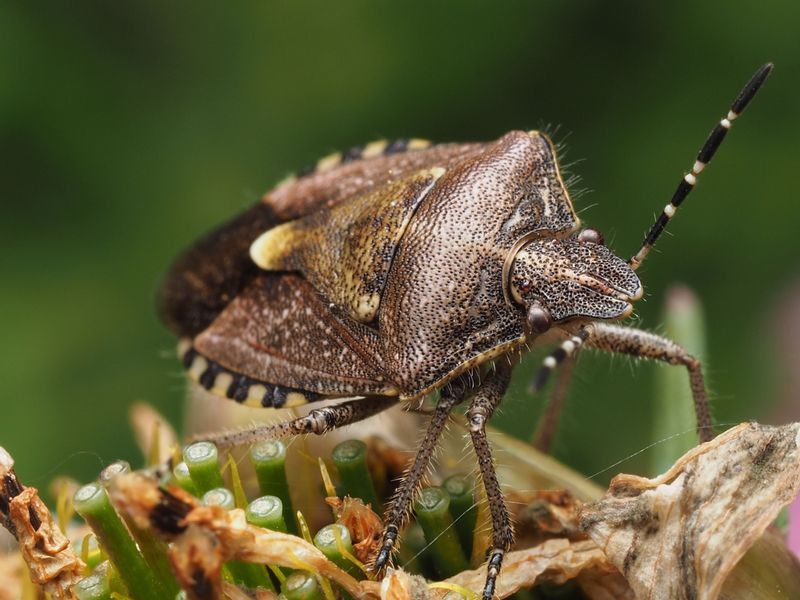
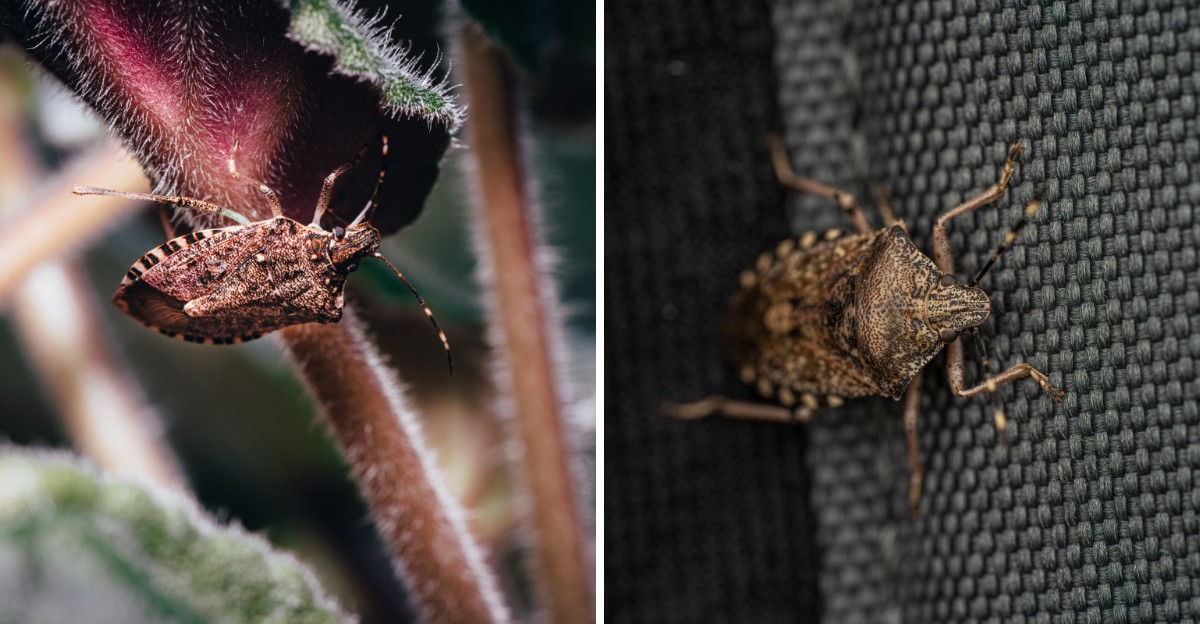
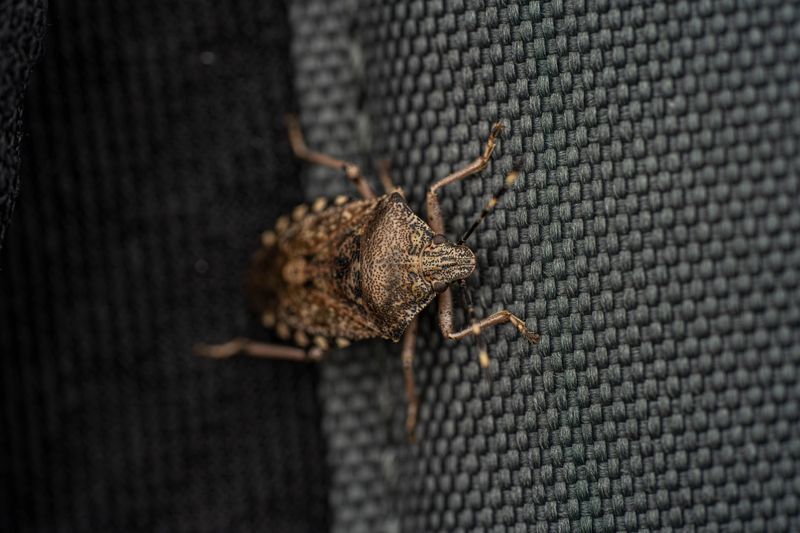
Picture a flat, brownish bug about five-eighths of an inch long, parked on your window screen. It wears a shield-shaped back and banded antennae with little white stripes.
That visitor is the brown marmorated stink bug, and it wants one thing this month. It is looking for a sheltered spot to wait out the cold.
Outdoors, these insects spend summer feeding on fruit, vegetables, and ornamental trees. Once the air cools, their bodies slow down and they need a safe hiding place.
In the wild, they would tuck themselves under loose tree bark or inside rotting logs. Your house, sadly, looks like a giant upgraded version of that bark.
Attics, wall gaps, and window frames stay dry and fairly steady in temperature. To a stink bug, that feels like sheltered, stable winter housing.
The species first showed up in Allentown, Pennsylvania, in the late 1990s, probably hitching a ride from Asia. New Jersey recorded the species in the early 2000s.
They do not bite people, sting pets, or chew through your wiring. Their main nuisances are crowding your windows and releasing a strong odor when disturbed.
Knowing their goal helps you think like them for a moment. Once you understand they want warmth and cover, blocking their path becomes much easier.
So the next time one strolls across your kitchen counter, stay calm. It is just a bug looking for shelter.
The Shortening Days Of October Trigger The Big Move
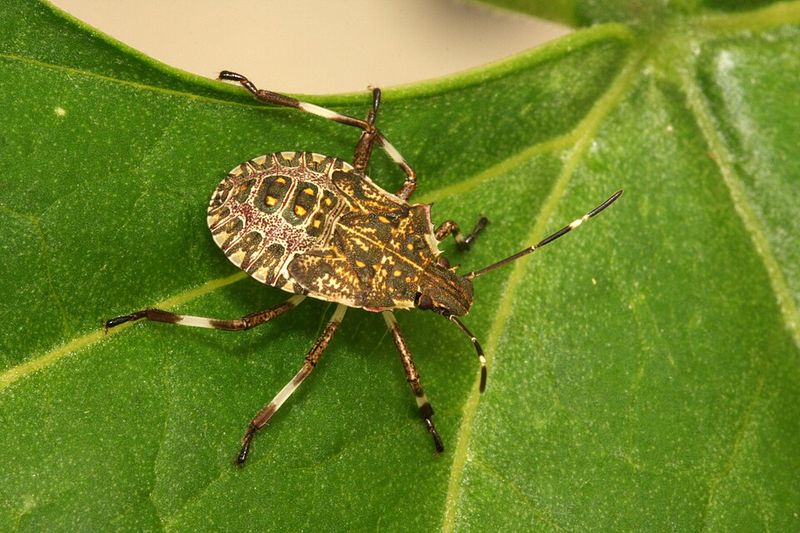
Your calendar is not the only thing flipping pages in October. Stink bugs track the shrinking daylight, and it tells them moving day has arrived.
As days shorten and nights dip into the fifties, the bugs start gathering on warm surfaces. South and west walls soak up the most afternoon sun.
That is why you might see dozens sunbathing on one side of your house. The other side, stuck in shade, may look oddly empty.
In New Jersey, activity often peaks from late September through mid-October, depending on the weather. A warm afternoon after a chilly night often sparks a big wave.
Your New Jersey Garden Changes Every Week. Your Plan Should Too.
Gardening in New Jersey changes quickly throughout the season. Every Friday you’ll receive a simple weekly plan showing exactly what to plant, prune, fertilize, harvest, and protect so you never miss the right timing.
The bugs also release a special scent that works like a group text. It tells other stink bugs that a good shelter has been found.
Scientists call this an aggregation pheromone, and it explains why a single bug can attract many more. A single cozy crack can host a surprising crowd.
Pay attention to the weather forecast this week. Sunny days in the sixties are prime time for these travelers to look for openings.
Take a quick walk around your home late in the afternoon. Count the bugs on each wall so you know which side needs the most attention.
Once the first hard frost settles in, the outdoor parade slows down a lot. By then, though, the early birds are tucked inside your walls.
Acting during this narrow window makes a real difference. Waiting until November means you are mostly dealing with bugs already settled indoors.
The Vacuum And Squish Mistake Homeowners Make
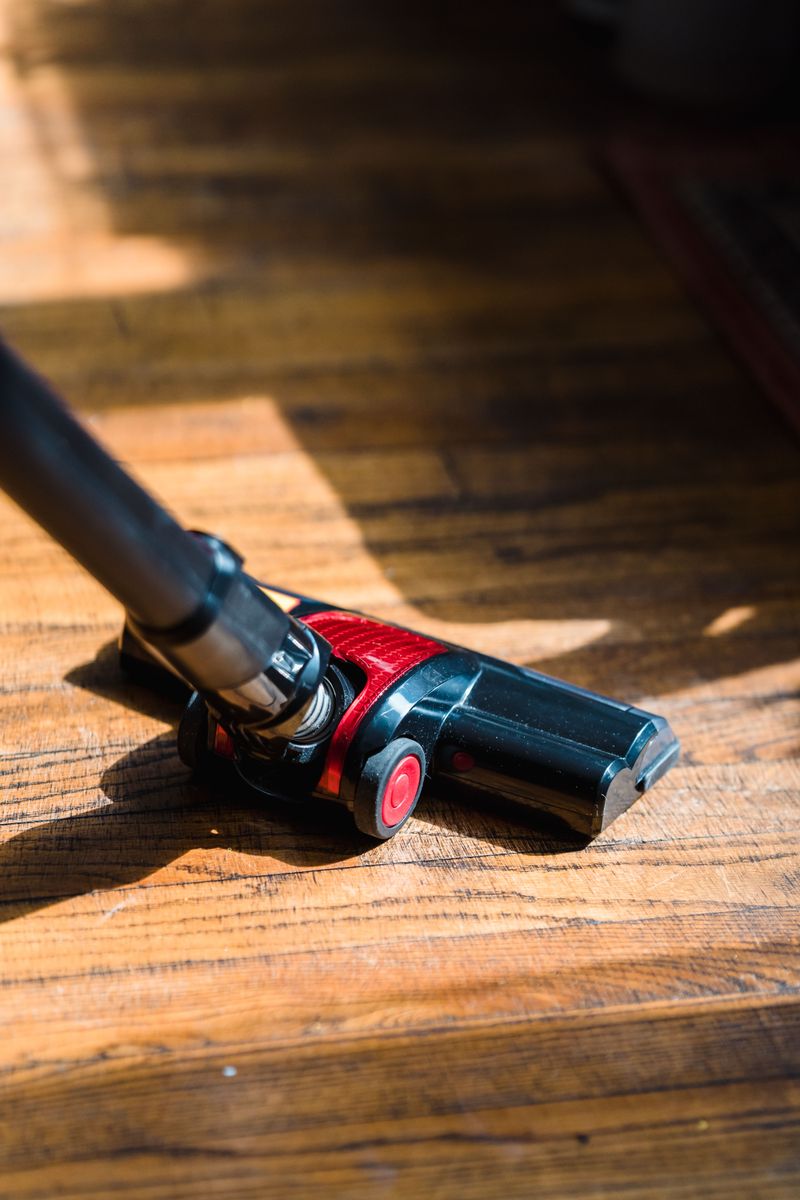
Vacuuming up a crowd of stink bugs can feel like a win. Two days later, the room may carry a strong, lingering odor.
Crushing these bugs, or vacuuming them with your regular vacuum, often backfires. Both actions trigger the bug’s defense system, which releases a sharp odor.
That smell comes from glands on the underside of the insect’s body. It can cling to vacuum bags, hoses, and filters for a long time.
Crushing one on a curtain or wall can sometimes leave a yellowish stain. Light fabrics and white paint seem to show the marks the worst.
Some people grab bug spray and fog the whole house. Indoor sprays do little against hidden bugs and can add unwanted chemicals to your air.
Most of the insects are tucked deep inside walls, where sprays cannot reach them. You end up with a smelly room and the same number of guests.
Another misstep is opening windows that lack screens. On a warm day, that can let even more bugs indoors.
If you must use a vacuum, choose a cheap handheld model kept just for bugs. Some folks slip a knee-high stocking inside the hose to catch them first.
Afterward, tie off the stocking and toss it in an outdoor trash can. Your main vacuum stays fresh, and your nose stays happy. A calm, gentle approach works better than a quick squish. Handle them slowly and steadily.
A Soapy Water Trap For Bugs Already Inside

Grandma had the right idea with her trusty jar of soapy water. That simple tool remains one of the best ways to handle indoor stink bugs.
Fill a wide jar or bowl about halfway with warm water. Add a big squirt of dish soap and stir it gently.
The soap breaks the surface tension, so the bugs sink instead of floating. They cannot climb back out, and the mess stays inside the jar.
When you spot one on a wall, hold the jar right underneath it. Tap the bug lightly, and it usually drops straight into the water.
Stink bugs tend to fall when startled, which works in your favor here. Moving slowly keeps them from releasing much of their smell.
For a bigger crowd, try a homemade light trap at night. Set a desk lamp over a shallow pan of soapy water in a dark room.
The bugs wander toward the glow and tumble into the pan. Check it each morning, then dump the water outside or flush it.
Store-bought indoor traps with sticky pads and blue lights are another option, though results vary by product. They are tidy, quiet, and easy to tuck into a corner.
Place traps near windows, attic doors, and spots where you see the most activity. Swap out the sticky pads once they fill up.
Keeping a jar handy in each busy room saves you lots of running around. Think of it as a ready-to-use bug trap, waiting quietly by the door.
Quiet Winter Naps And A Busy Spring Exit
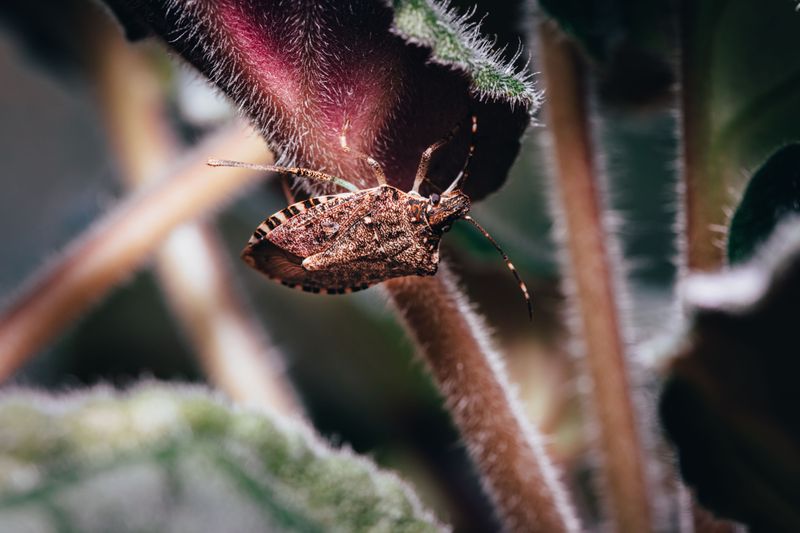
Imagine a winter guest who sleeps through every holiday and wakes up in spring. That pretty much describes a stink bug hiding inside your walls.
Once tucked in, the bugs slip into a resting state called diapause. They stop eating, move very little, and simply wait for warmer weather.
They do not lay eggs indoors or chew on your food. Your home is just a quiet waiting room, not a nursery.
Trouble begins on oddly warm winter days, when heat from your furnace confuses them. A few wander out of the walls, thinking spring has arrived.
Suddenly one is buzzing loudly around your ceiling light during dinner. Their flight sounds clumsy, like a tiny helicopter missing a part.
These sluggish stragglers usually cannot find food or water inside. Many do not survive until spring.
By April and May, the real wake-up call happens. Survivors crawl out of hiding and head toward windows, eager to get back outside.
Spring sightings often surprise homeowners who thought the problem ended in fall. The bugs were inside the whole time, quietly napping behind the drywall.
Outdoors again, they mate and start feeding on gardens, peaches, apples, and tomatoes. New Jersey farmers watch for them closely each growing season.
Check your screens in early spring so bugs heading outdoors do not wander back in. Drop any stragglers into a jar of soapy water instead of crushing them on the glass.
Patience pays off here, since the visit has an end date. Each bug you remove in spring is one less to breed and return next October.
Sealed Cracks And Tight Screens For Next Fall
Think of every gap in your house as a possible entry point. Sealing those gaps is one of the best defenses against next fall’s visitors.
Stink bugs can squeeze through cracks about as thin as a credit card. Start by checking around windows, doors, siding, and utility pipes.
A tube of silicone caulk is inexpensive at most hardware stores. Run a neat bead along any gap you can see daylight through.
Torn window screens are like welcome mats for these bugs. Patch small holes with a repair kit, or replace badly damaged screens altogether.
Check the weatherstripping along the bottom of every exterior door. If you can slide a sheet of paper underneath, a bug can crawl through too.
Attic vents, chimneys, and dryer vents need fine mesh covers. Window air conditioners also leave hidden gaps, so fit foam strips around their edges.
Timing matters a lot with this job. Late August and early September are ideal, before the bugs start their fall house hunt.
Still, sealing gaps in October helps too, especially on sunny south and west walls. Each crack you close today can mean fewer unwanted visitors this winter.
Outdoor lights can draw bugs toward your doorways after dark. Switching to yellow bug bulbs may make your entrances a little less tempting.
Turn the project into a family weekend chore with snacks and a checklist. Kids enjoy looking for hidden cracks, and they may spot ones adults miss.