New Jersey’s New Invasive Plant Law Has Homeowners Checking Their Own Front Yards
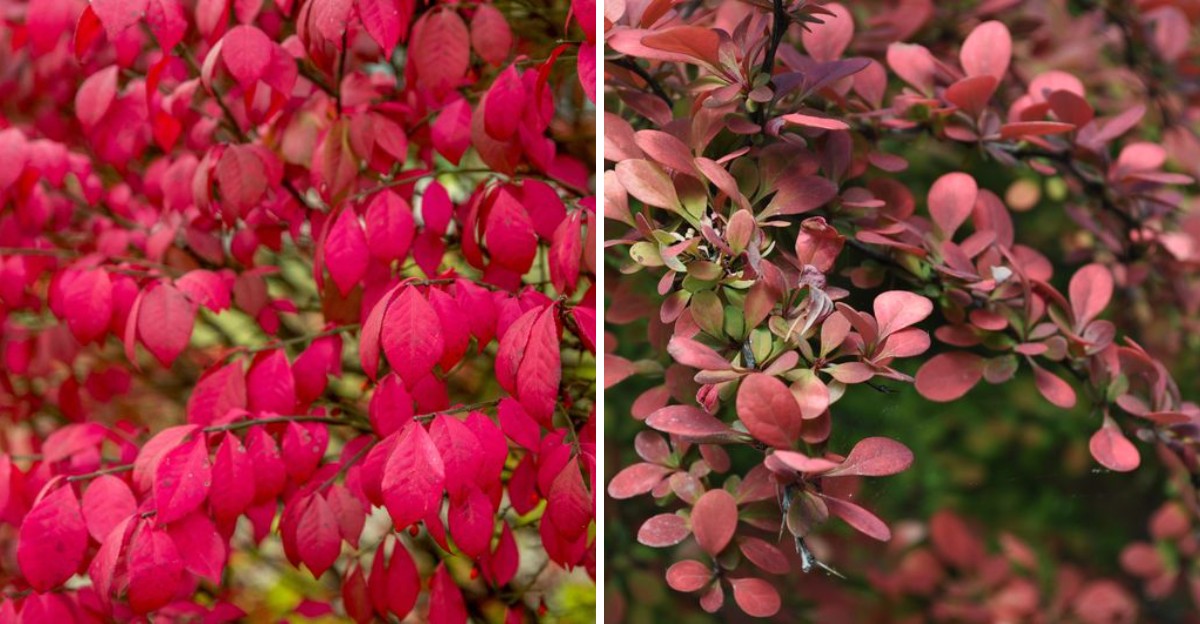
You probably planted it without asking a single question. New Jersey just rewrote the rules on your shrubs. Officials banned several ornamentals you grew for years. Red foliage that once charmed your curb now raises flags.
Garden centers across New Jersey are fielding your curious calls. Landscapers scramble to tell you which plants made the list. Homeowners like you inspect their own yards like strangers.
Few homeowners tracked this change as it moved through the statehouse. Nurseries are gradually adjusting stock ahead of the coming restrictions. County crews adjust their routines while you stay unaware.
Your favorite shrub may now appear on a restricted list. Curiosity turns into concern the moment you check your yard. Few plant lists move this quickly without warning you first.
Confusion spreads faster than you can track it. Discover exactly which shrub could turn your ordinary front yard into a legal violation.
The Law That Started All The Backyard Detective Work
Trenton lawmakers did something unusual in January 2026, and suburban shrubs became the unexpected headline. A bipartisan bill placed several familiar ornamental plants on a restricted list for sale statewide.
The measure targets plants that escape gardens and crowd out native growth in parks and forests. Japanese barberry and burning bush both landed on that list, which surprised plenty of gardeners.
Nursery sales, trades, and propagation face the restrictions, not the shrub already planted beside your porch steps. That single detail has calmed many worried homeowners who pictured mandatory weekend demolition.
Enforcement focuses on commerce, so nobody from the state is inspecting private hedges for violations. Still, plenty of residents are choosing to swap their shrubs voluntarily once they learn the reasoning.
Garden centers received a multi-year phase-in window, with propagation restricted starting February 2027 and sales restricted starting February 2030. Some shops replaced whole benches with native shrubs and marked them with cheerful new signs.
September is a fine month to check your own landscape while leaf color makes identification easier. Both restricted shrubs turn showy right now, which makes them stand out along driveways and walkways.
Understanding the reasoning helps more than memorizing the statute number or its legislative history. Neighbors tend to cooperate once the conversation shifts toward forests and wildlife instead of fines.
Consider this an invitation to look closely rather than a reason to panic about penalties. Your hedge is not in trouble, but your local woods might appreciate the attention.
Japanese Barberry Up Close
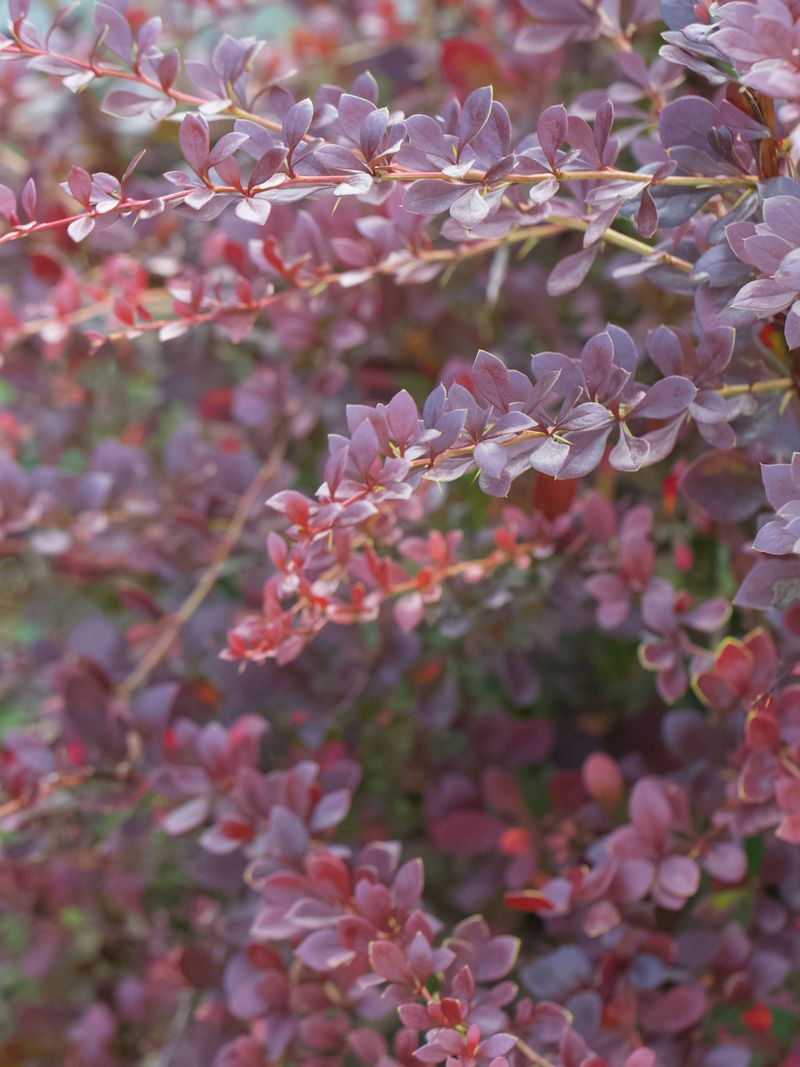
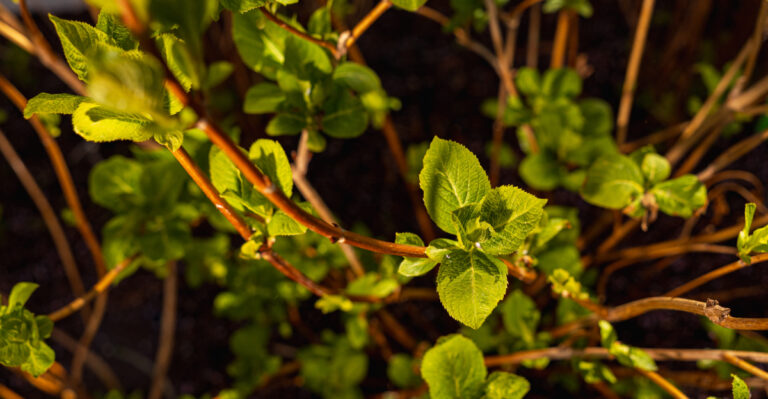
One quick way to recognize Japanese barberry involves a scratch you feel before you see it. Sharp single spines line the stems, which can scratch careless hands during weeding and hedge trimming.
Leaves stay small and spoon shaped, clustered in tidy bunches along thin, arching brown branches. Many yards hold the burgundy cultivars sold as compact mounds for foundation beds.
Snap a twig and the inner wood shows a bright yellow color under the bark. That yellow flash is the trick old-time botanists used for a fast field check.
Your New Jersey Garden Changes Every Week. Your Plan Should Too.
Gardening in New Jersey changes quickly throughout the season. Every Friday you’ll receive a simple weekly plan showing exactly what to plant, prune, fertilize, harvest, and protect so you never miss the right timing.
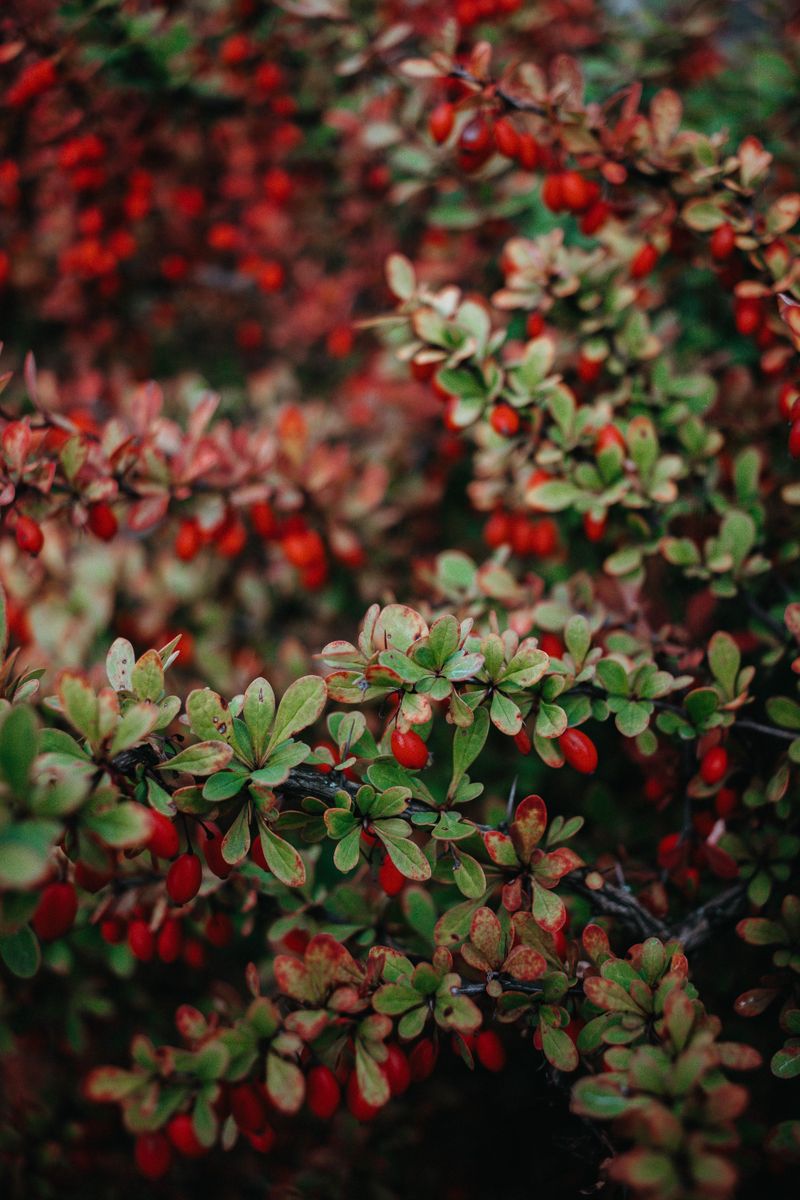
Come fall, oval red berries dangle underneath the branches like tiny glossy beads. Birds eat them and carry the seeds far beyond your property line.
Deer mostly ignore the thorny stems, which is exactly why the plant sold so well for decades. Landscapers loved it for tough spots near sidewalks, mailboxes, and hot parking strips.
Height ranges from knee high mounds to shoulder high thickets when nobody prunes for years. Older plantings often root suckers along the edges, quietly widening the footprint each season.
In woodlands, the shrub forms low walls of green that shade out wildflowers and tree seedlings. Hikers in county parks can spot those thickets from the trail without slowing down.
If your shrub matches this description, you have found the first suspect on the state list. Give it a closer look before the leaves drop and the clues disappear.
Burning Bush And Its Famous Fall Red
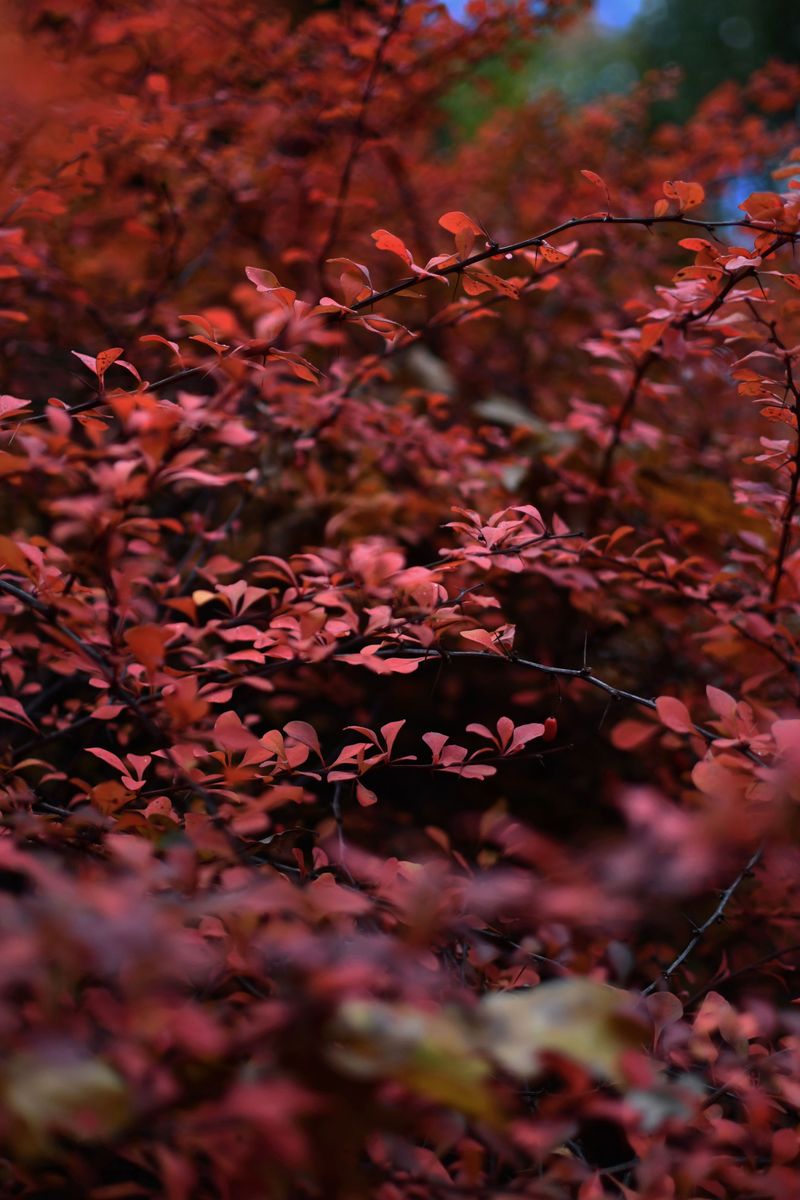
Nothing announces autumn in New Jersey quite like a hedge glowing an almost cartoon shade of red. That color belongs to burning bush, sold for generations as the easy fall showpiece.
Look for corky ridges, sometimes called wings, running lengthwise along the young green stems. Those wings feel like raised seams under your thumb and confirm the identification quickly.
Leaves sit directly across from each other on the twig, neat and finely toothed. Small orange seeds hang in pinkish capsules that split open during cool weather.
By late September, the outer leaves begin blushing while the inner ones stay stubbornly green. Full color usually peaks in mid October, about the time pumpkins appear on front steps.
Robins and other birds gobble the seeds, then drop them along fence rows and forest edges. Seedlings sprout in shady woods where the shrub grows into a crowded green understory.
Some foresters in northern New Jersey describe slopes with clusters of young plants under mature oaks. Native spring flowers such as trillium lose room and light in that kind of crowd.
Nurseries used to push dwarf varieties as a tidy solution, though birds still found the seeds. Sterile claims rarely held up in real landscapes with pollinators and hungry flocks nearby.
Enjoy the color one last season if you like, then plan a swap with clear eyes. The glow is lovely, but the woods behind your house pay for the show.
Front Yard Plant Identification In Early Fall
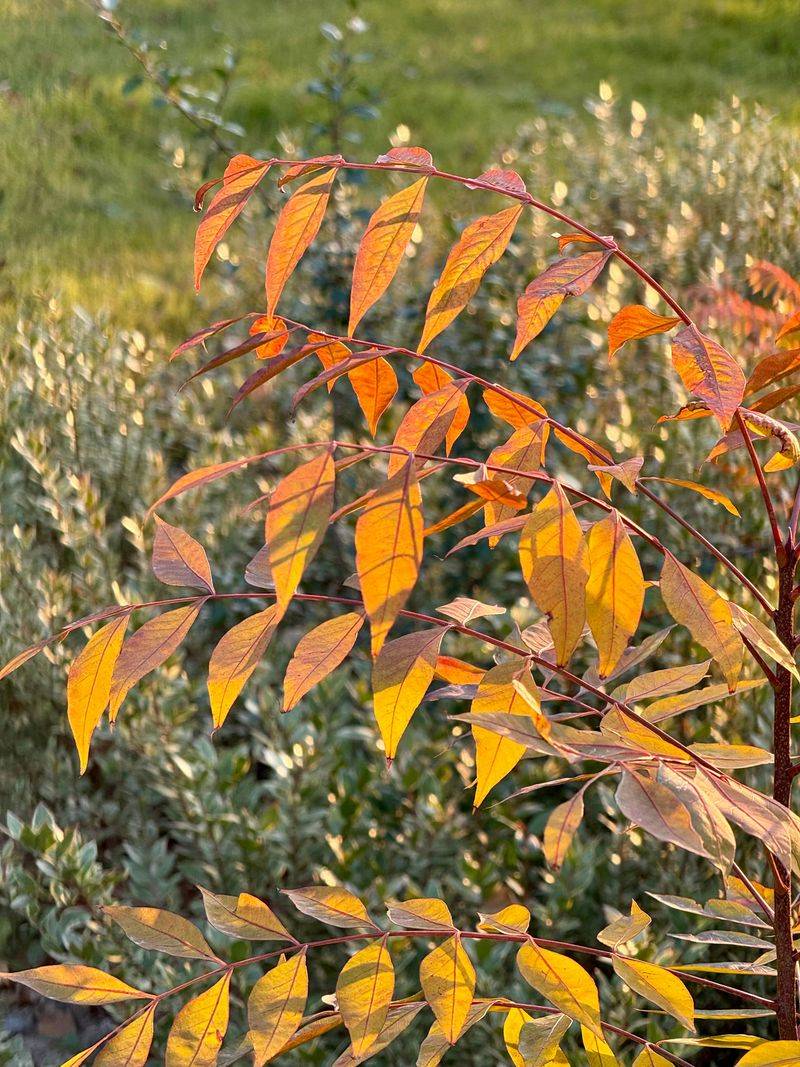
Grab your phone, a pair of gloves, and ten minutes before dinner for a quick yard audit. Early fall light makes leaf color and berries easy to see from the sidewalk.
Photograph each mystery shrub three ways, showing the whole plant, a single leaf, and the stem. Those three angles give identification apps and extension staff enough to work with.
Plant identification apps do a decent job with common landscape shrubs, though they stumble on cultivars. Treat the result as a strong hint and confirm it with a second source.
Rutgers Cooperative Extension offices answer homeowner questions county by county, often free of charge. Master Gardener helplines see a rush of shrub photos every September and October.
Sketch a simple map of your beds and label what you find as you go. Next spring, that map saves you from guessing about a shrub with no leaves.
Check fence lines, side yards, and the shady strip behind the garage where old plantings hide. Previous owners left surprises in those corners, and volunteers sprout where nobody looks.
Neighbors often share the same builder-grade landscape, so one identification may solve several houses at once. Sharing findings over the fence turns a chore into something closer to a group project.
Write down what you decide, because memory fades faster than autumn foliage in this state. A note on your phone beats another round of squinting next year.
Sale And Nursery Rules Versus Existing Shrubs
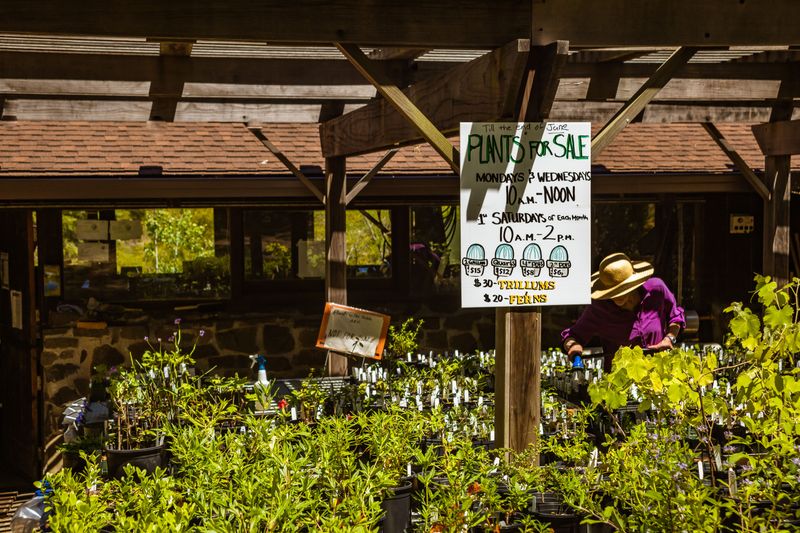
Plenty of residents assumed the new list meant contractors with chainsaws arriving at their doorstep. The restrictions apply to selling, buying, trading, and propagating the plants, not owning one.
Nurseries will eventually carry the paperwork burden, updating inventory, signage, and catalogs before the 2030 sales restriction takes effect. Independent shops are beginning to plan future orders with growers in Pennsylvania and New York.
Online sellers shipping into New Jersey will eventually fall under the same rules once the sales restriction takes effect. Mail-order catalogs are expected to flag restricted items as the deadline approaches.
Homeowners with an established hedge face no requirement to remove anything from private property. Voluntary replacement remains the state’s approach, backed by education rather than inspections.
Sharing cuttings with a cousin in Bergen County counts as distribution, so that habit needs retiring. Plant swaps and garden club sales also need a quick look at the current list.
Landscape contractors are starting to plan around future substitutes as the 2027 propagation limit approaches. Some towns are reviewing their own shade tree and streetscape recommendations to match.
Some municipal parks and school grounds are expected to phase the shrubs out during future renovation work. Public land removals tend to happen quietly, one bed at a time, over several seasons.
Knowing the difference between a sales rule and a removal order lowers the stress considerably. Your barberry is grandfathered, though its retail days in this state are numbered, ending in 2030.
The Tick Connection With Barberry
Researchers in Connecticut found a notable pattern inside dense barberry thickets during a multi-year study. Humidity stayed high under the arching branches, creating ideal conditions for blacklegged ticks.
Mice shelter in those thorny tangles because larger predators cannot easily push through the spines. Ticks feed on the mice, pick up Lyme bacteria, and multiply in the same shady patch.
Counts of infected ticks ran far higher in barberry stands than in nearby open forest. Clearing the shrubs brought those numbers down within a couple of growing seasons.
New Jersey reports thousands of Lyme cases each year, so the link hits close to home. A thorny foundation planting beside your front steps sits right where children play.
Homeowners with barberry near patios and swing sets often move it to the top of the removal list. Tick checks after yard work matter even more when that shrub grows by the door.
Tuck pants into socks and wear light clothing while pruning or digging around those stems. Long sleeves also spare your forearms from the spines, which is its own reward.
After removal, keeping the area sunny and mowed discourages both mice and the ticks riding along. Wood chips and dry mulch replace the damp shelter that made the spot attractive.
Public health rarely enters a landscaping conversation, yet here the two sit side by side. Fewer thickets means fewer surprises hitching a ride indoors on your sock.
Seed Spread Into Local Woodlands
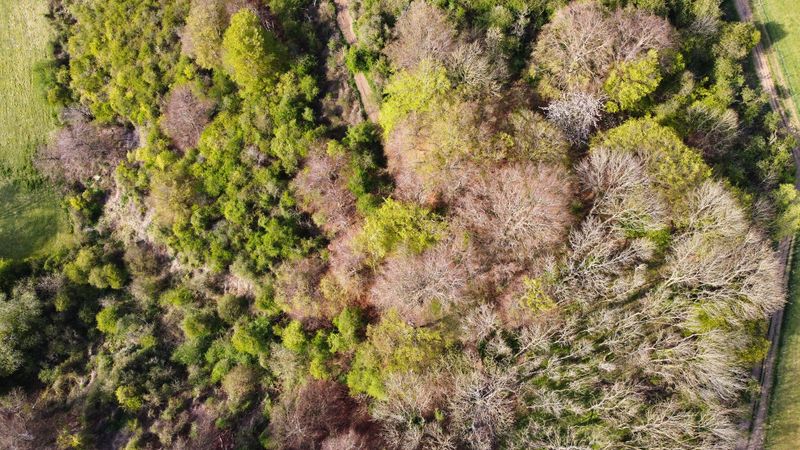
Birds deserve most of the blame, or credit, depending on how you feel about free landscaping. Robins, cardinals, and starlings eat the berries and deposit seeds wherever they perch next.
A single mature shrub can produce a large volume of seeds during a good year. Wind, water, and mowing equipment move a share of them even farther from the parent plant.
Seeds sprout happily in shade, which lets seedlings fill the forest floor beneath mature trees. Native saplings such as oak and hickory lose the light they need to grow.
Volunteers show up in stream corridors, along rail trails, and behind suburban cul-de-sacs. Once established, the thickets hold ground for decades without any help from people.
Deer make the problem worse by browsing native seedlings while leaving the invaders alone. Over time, whole understories flip from mixed native growth to one thorny species.
Some county park crews spend real money and labor pulling shrubs that started in nearby yards. Volunteer weed warrior days across the state do the same work with loppers and sweat.
Clipping berries before they ripen is a decent stopgap while you plan a full replacement. Bag the trimmings instead of composting them, since seeds survive backyard compost piles easily.
Your hedge does not stay in your yard, which is the whole point of the new rules. Think of it as a plant with a passport and no travel restrictions.