8 Cover Crops Virginia Gardeners Can Plant To Break Up Over Winter
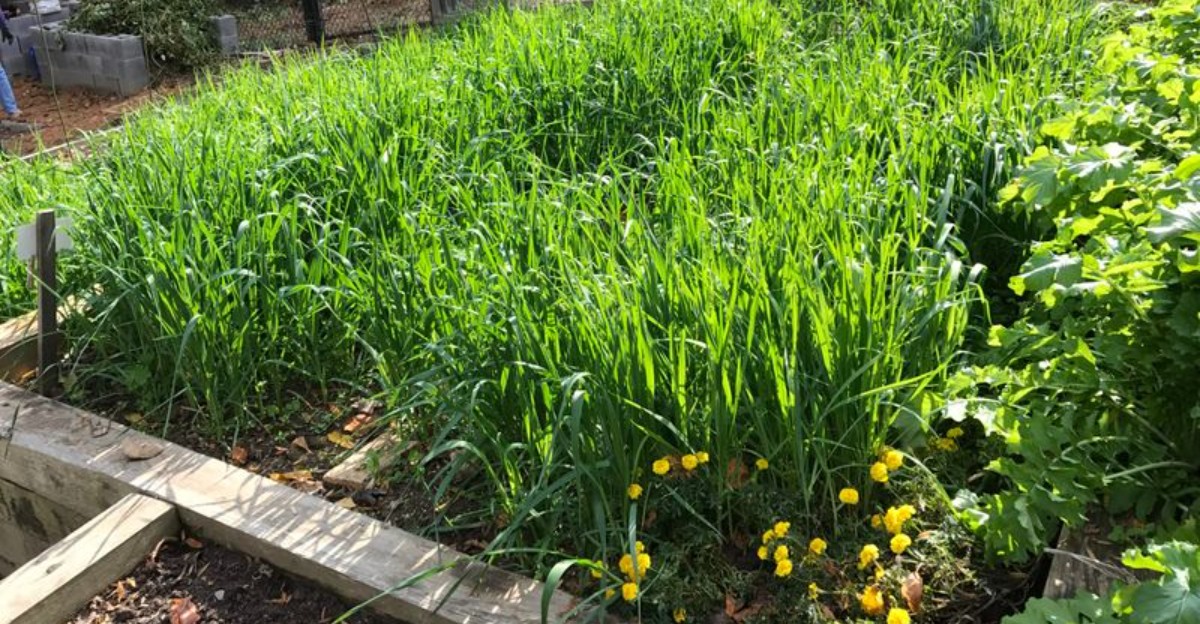
Bare garden soil can struggle through a Virginia winter. Heavy rain compacts the surface, wind carries away topsoil, and nutrients can wash beyond the reach of roots.
Cover crops give that empty ground a living shield. Their roots help hold soil in place, support soil life, and improve structure as they grow.
Some send roots deeper into compacted ground. Others add nitrogen, build organic matter, or create a protective cover that helps shield beds through winter.
Timing matters, too. Gardeners generally have a fall window for establishing winter cover crops before cold weather slows growth.
The right choice depends on your soil, spring plans, and how much work you want to do later. Pick a cover crop that fits your garden, sow it this fall, and let winter work in your favor.
1. Winter Rye Builds Biomass And Improves Soil Structure
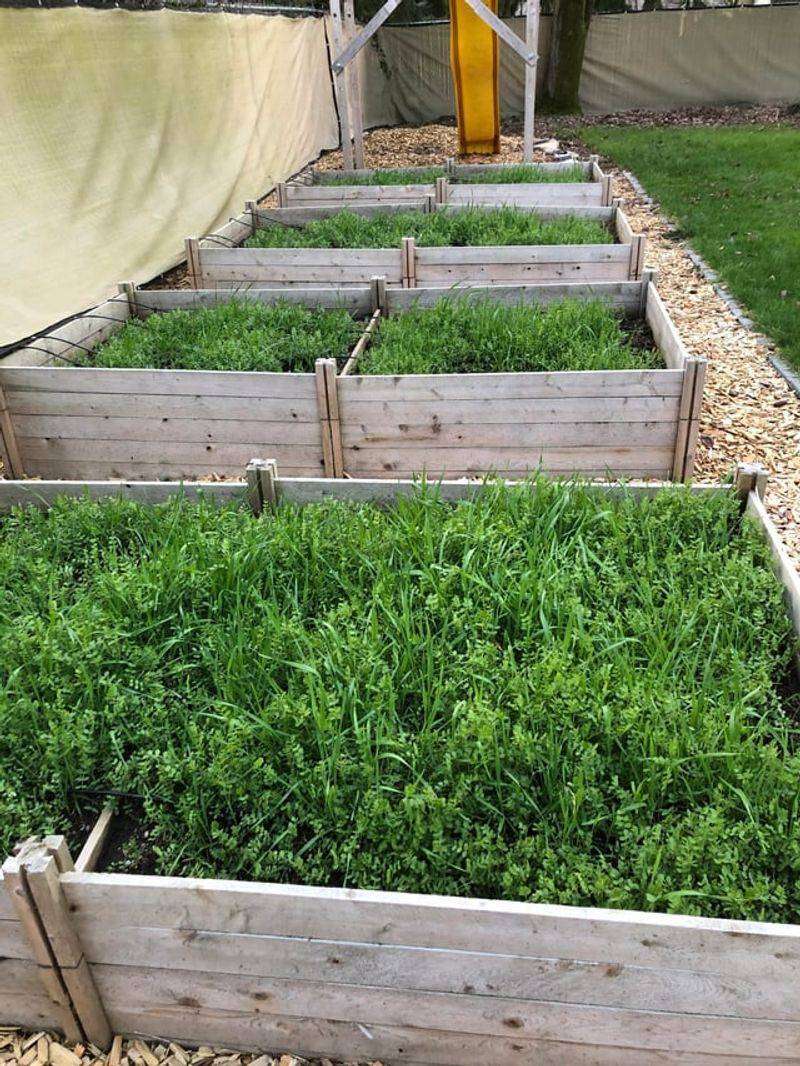
Ask any experienced grower which cover crop never lets them down, and winter rye comes up again and again. It germinates in cool soil, shrugs off cold snaps, and keeps growing when almost everything else has shut down for the season.
Plant it in early September and you will see noticeably more fall growth than you would from barley or wheat sown the same week. That head start matters because top growth feeds the roots, and the roots are where the real magic happens.
Rye produces a thick, fibrous root mass that threads through the top layers of soil and loosens surface compaction as it expands. Next spring, when your carrots and beans send roots down, they follow those old rye channels instead of hitting a wall of packed clay.
All that root activity also improves how your soil handles water. A rye-covered bed soaks up heavy rain rather than shedding it, which means less runoff and more moisture stored for the dry stretches of summer.
Underground, living roots keep feeding bacteria and fungi through the cold months. Those bacteria glue soil particles into stable crumbs, while fungi create tiny tunnels that let air and water move freely.
Rye also piles on serious biomass by late April, so plan ahead. Mow or cut it before it heads out, then let the residue break down for two or three weeks before you plant.
Handled that way, rye leaves behind softer, springier, darker soil that practically invites a trowel in.
2. Forage Radish Sends Roots Into Compacted Soil
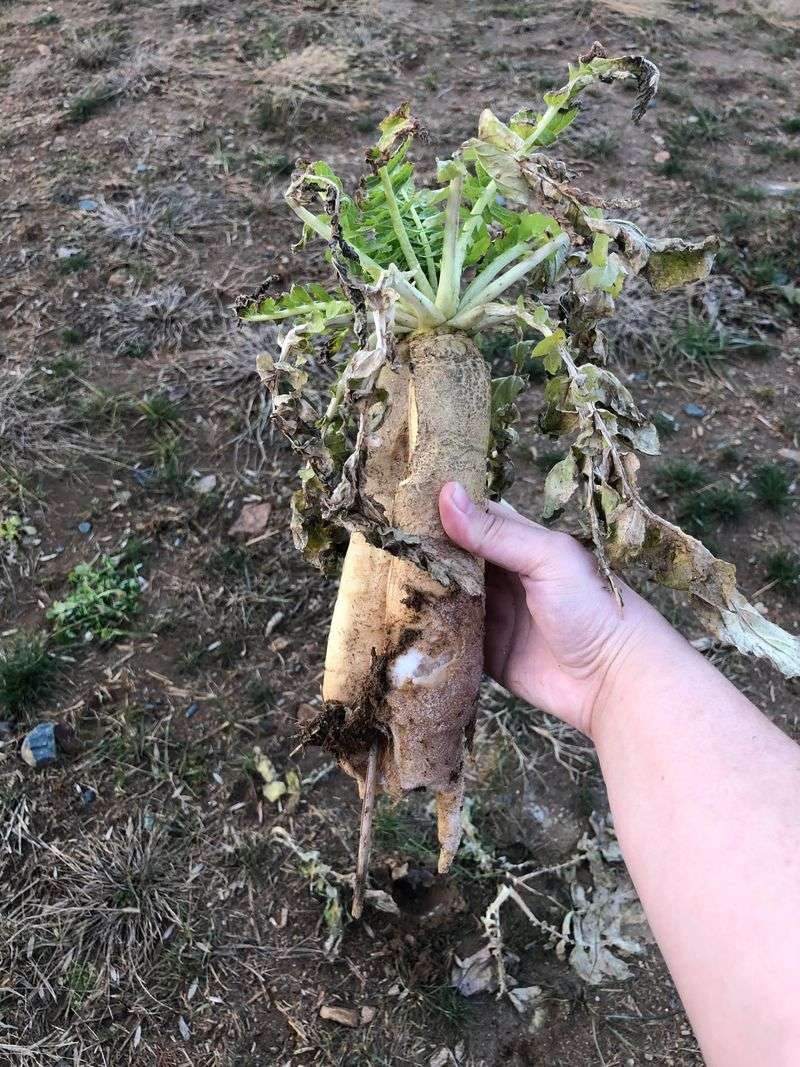
Gardeners call forage radish a bio-drill, and once you pull one out of the ground you understand why. The fat white taproot looks like a torpedo, and it punches through hard layers that stop most other roots cold.
Sown in early fall, the fleshy upper section swells to somewhere between 12 and 20 inches, sometimes poking a shoulder above the soil surface. Below that, the thinner root can travel several feet down under good conditions, often deeper than cereal rye manages.
As the root grows it shoves soil particles aside and creates vertical channels along with zones of weakness in the packed layers. Cold weather takes the radish out over winter, but those channels stay behind.
Your Virginia Garden Changes Every Week. Your Plan Should Too.
Gardening in Virginia changes quickly throughout the season. Every Friday you’ll receive a simple weekly plan showing exactly what to plant, prune, fertilize, harvest, and protect so you never miss the right timing.
What you are left with is soil that drinks in water instead of puddling, and breathes instead of suffocating. Come spring, roots from your peppers or squash slide right down those open pathways to moisture and nutrients that were locked away before.
A word of caution from the field: radishes cannot fix everything. Where compaction is extreme, they sometimes stall out or simply follow cracks that already exist rather than carving fresh ones.
Loosened bare soil can also erode, so most gardeners mix radish seed with a cereal grain or a forage grass. The grass holds the surface together while the radish works the depths.
One more perk: decomposing radishes release nutrients early, giving spring seedlings a gentle boost right when they need it. Just know the smell during thaw is memorable.
3. Hairy Vetch Adds Nitrogen While Protecting The Soil
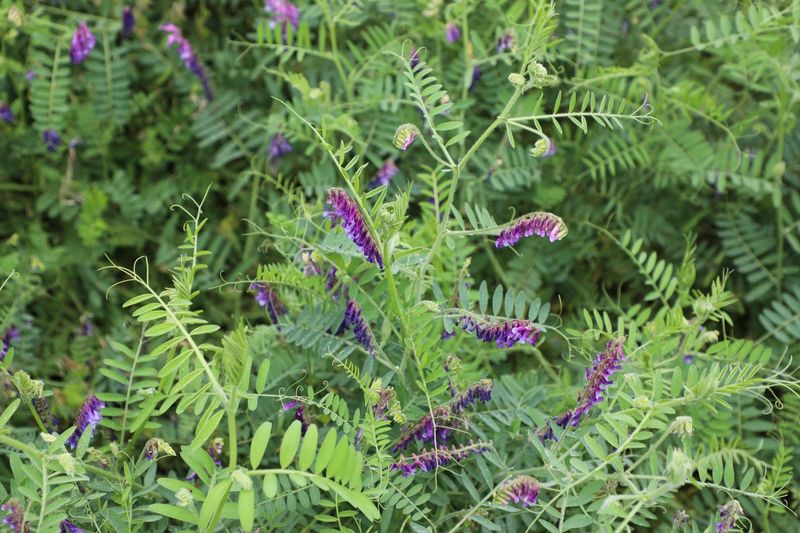
Free fertilizer sounds too good to be true, but hairy vetch comes awfully close. This annual legume teams up with Rhizobium bacteria living in nodules on its roots, and together they pull nitrogen gas out of the air and turn it into food plants can actually use.
Research in Virginia shows hairy vetch can supply about 80 pounds of nitrogen per acre to the crop that follows when it is well established and allowed to grow into spring.
For a home gardener, that can reduce the amount of fertilizer needed by crops like corn or tomatoes.
Vetch also breaks down faster than rye, so the nitrogen it stored becomes available sooner in the spring. Timing that release to match your planting schedule is one of the smartest tricks in the cover crop playbook.
Above ground, vetch does a completely different job. Its thin vining stems weave into a tangled green blanket that shields soil from driving rain and whipping wind.
Weeds struggle under that canopy because they simply cannot reach the light. Fewer winter weeds means fewer weed seeds waiting for you in April.
Winter hardiness is another strength. Through much of winter, vetch can keep holding ground, helping conserve moisture and capture nutrients.
Two practical tips. Sow it with rye or wheat so the vines have something to climb, and cut it at flowering for the biggest nitrogen payoff.
Leave it too long and vetch can reseed itself in places you did not invite it.
4. Crimson Clover Covers Bare Ground And Adds Nitrogen
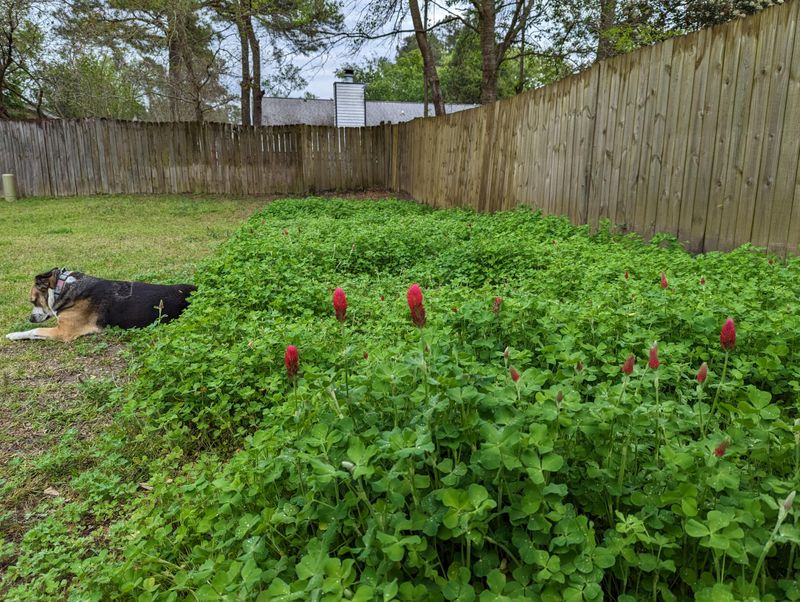
Few cover crops earn their keep and look gorgeous doing it. Crimson clover throws up cone-shaped scarlet blooms in spring that turn a resting garden bed into something neighbors stop to admire.
Beauty aside, the plant is a workhorse. It establishes quickly from a late summer or early fall sowing and forms a thick, low carpet that shades the soil surface and crowds out winter weeds.
A fibrous taproot system anchors everything in place. Virginia gets its share of soaking winter rains, and clover-covered ground holds together instead of washing toward the nearest ditch.
The nitrogen numbers are impressive too. Working alongside soil bacteria, crimson clover can fix substantial amounts of nitrogen during the season, especially when it is established early and allowed to grow into spring.
When the clover is removed and its tissue breaks down, some of that stored nitrogen becomes available to the following crop. Your spring lettuce, broccoli, and cucumbers inherit a nutrient reservoir nobody had to buy.
Pollinators notice the blooms long before you do. Honeybees, bumblebees, and tiny native bees crowd those red heads in early spring, which helps fill your garden with insects that will later pollinate fruit and vegetables.
Practical advice: sow the seed shallow, press it into contact with soil, and water if September stays dry. If you want maximum nitrogen, wait until about half the flowers open before cutting it down, then let the residue wilt a few days before planting.
5. Winter Wheat Adds Organic Matter As It Grows
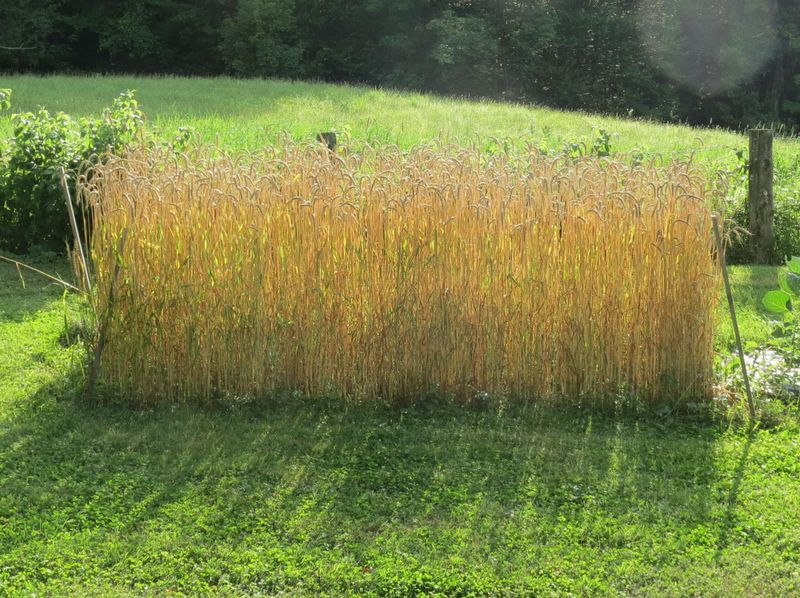
Wheat has a reputation as a farm crop, yet it slips into a home garden beautifully. Think of it as rye’s better-behaved cousin: slightly less aggressive on top, easier to cut down in spring, and still tough enough to overwinter across most of the state.
The main gift wheat gives back is organic matter. As it grows through the cool months it builds leaves, stems, and a spreading root network, and every bit of that tissue eventually feeds the soil.
Numbers help put the effect in perspective. Wheat sown in early September and allowed to grow into late April or early May can produce more than 3,000 pounds of dry matter per acre, and up to 6,000 pounds in rich ground.
All that material decomposes into humus, the dark spongy stuff that holds water, improves crumb structure, and keeps nutrients from washing out. Gardens with more humus bounce back faster from drought and hard rain alike.
Wheat also acts like a sponge for leftover nutrients. Nitrogen, phosphorus, and potassium left in the soil after summer harvest get taken up by wheat roots rather than draining toward groundwater.
Erosion control is another bonus. Even a thin stand of wheat catches raindrops and slows water moving across sloped beds.
For winter hardiness it ranks behind cereal rye, but it can work well in many parts of Virginia. Mow it before the seed heads fill out, and you get all the organic matter with none of the volunteer wheat sprouting between your onions next July.
6. Barley Helps Build Soil Aggregation With Its Roots
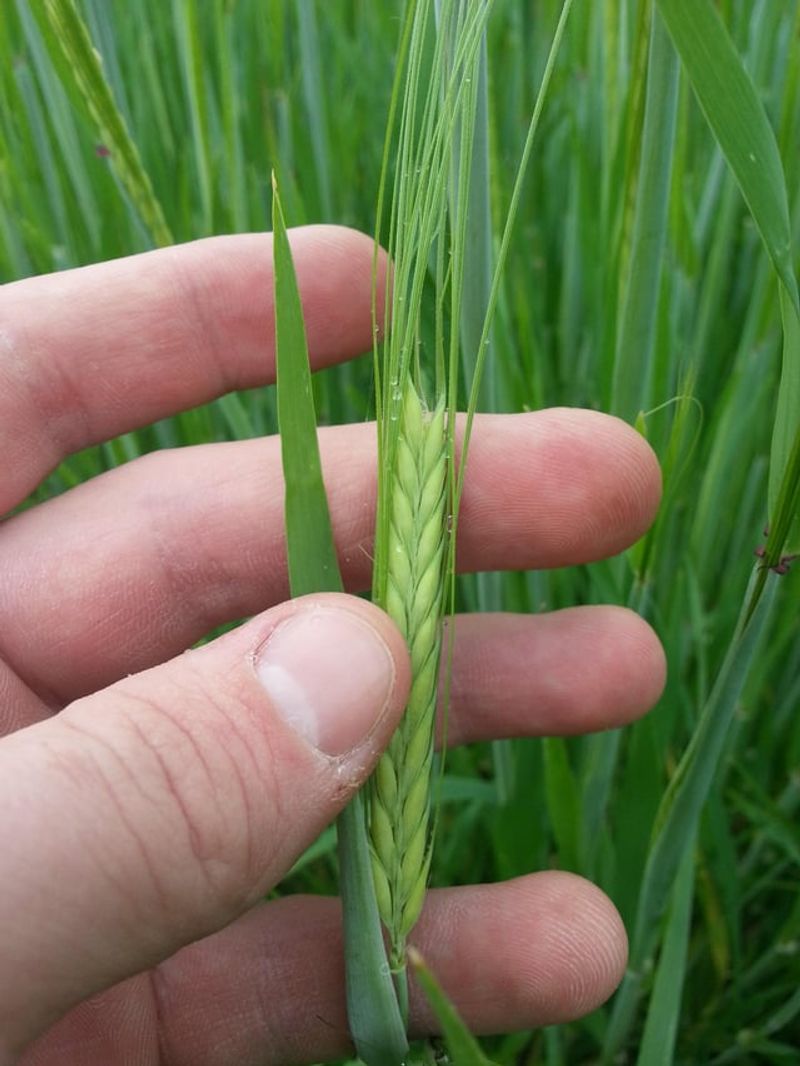
Squeeze a handful of healthy soil and it should break into soft crumbs rather than a solid brick or loose dust. Those crumbs are called aggregates, and barley is remarkably good at building them.
The secret is a fibrous root network that helps build soil aggregation as it grows. Thousands of fine roots physically bind soil particles together while their exudates feed the microbes that cement those particles in place.
Better aggregation changes how a bed behaves. Water soaks in instead of sitting on top, air reaches root zones, and the whole soil profile becomes more stable when weather turns extreme.
Barley is quick out of the gate too. A stand sown in early fall covers ground fast enough to smother most cool-season weeds and mop up leftover nutrients before winter rain carries them off.
Above ground, the leafy growth adds plenty of biomass, and combined with the root mass it delivers a solid dose of organic matter to soil that badly needs it.
For worn-out or eroded plots, barley can make a useful cover crop. Gardeners taking over a neglected yard or a spot where a shed once stood often use it as a first step toward real fertility.
One practical note: barley is a bit less cold hardy than rye or wheat, so aim for a September sowing in Virginia rather than waiting until late October. It also tolerates dry, alkaline ground surprisingly well, though it dislikes soggy spots.
7. Alfalfa Sends Deep Roots Through Harder Soil
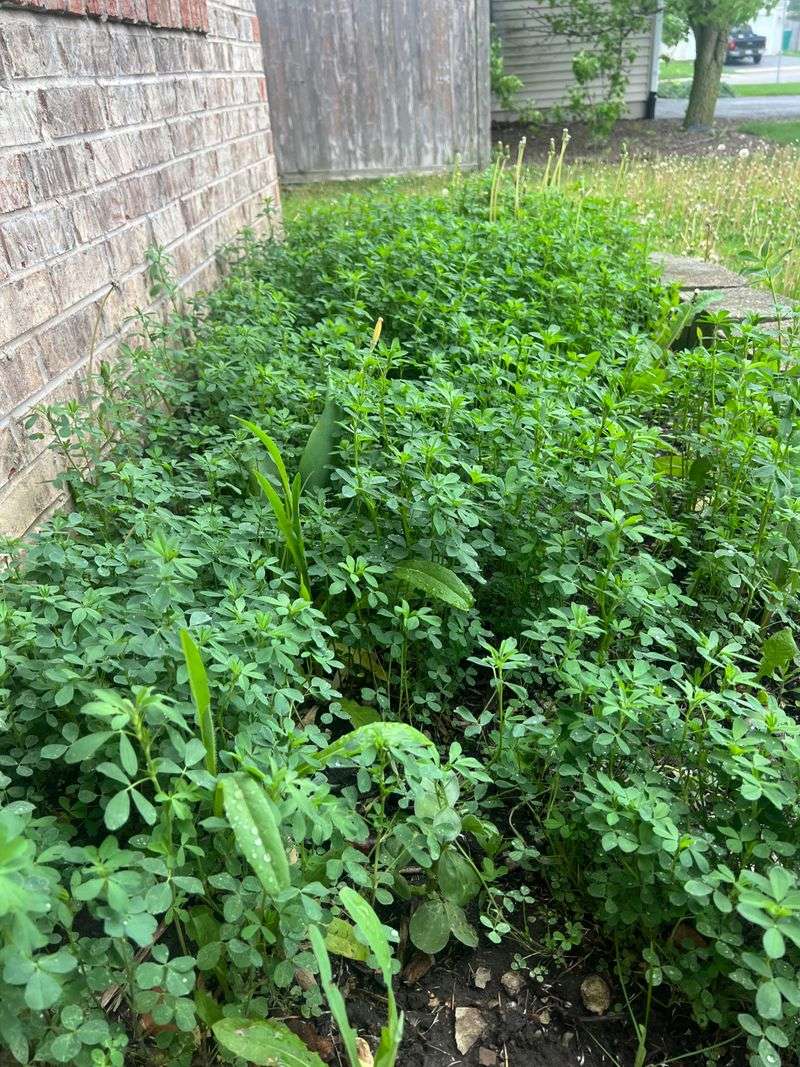
Imagine a root reaching down as far as a two-story house is tall. Alfalfa actually does it, with deep taproots that can reach well below the root zone of ordinary vegetables.
That kind of reach makes alfalfa a useful option for improving stubborn compacted soil. Compacted layers created by old construction, foot traffic, or years of tilling get pierced and gradually opened up.
Each channel the taproot creates becomes a highway for air and water. Rain travels deeper into the profile instead of pooling, and roots of later crops follow the same route toward moisture stored well below the surface.
There is a nutrient angle too. Alfalfa mines minerals from depths ordinary vegetables never touch, carries them up into leaves and stems, then releases them near the surface as the plant tissue breaks down.
Since it is a legume, alfalfa also fixes nitrogen, and it stabilizes soil, improves structure, and boosts water-holding capacity along the way. Not a bad resume for one plant.
Keep in mind alfalfa is a perennial, so it suits a bed you can spare for a year or two rather than one you need next April. Many gardeners park it in a rotation corner while they rebuild problem ground.
Soil conditions matter more here than with the grains. Alfalfa wants deep, fertile, well-drained ground with a pH somewhere between 6.5 and 7.0, which usually means a soil test and a lime application first.
Skip that step and results disappoint.
8. Oats Add Organic Matter Before Winter Cold Sets In
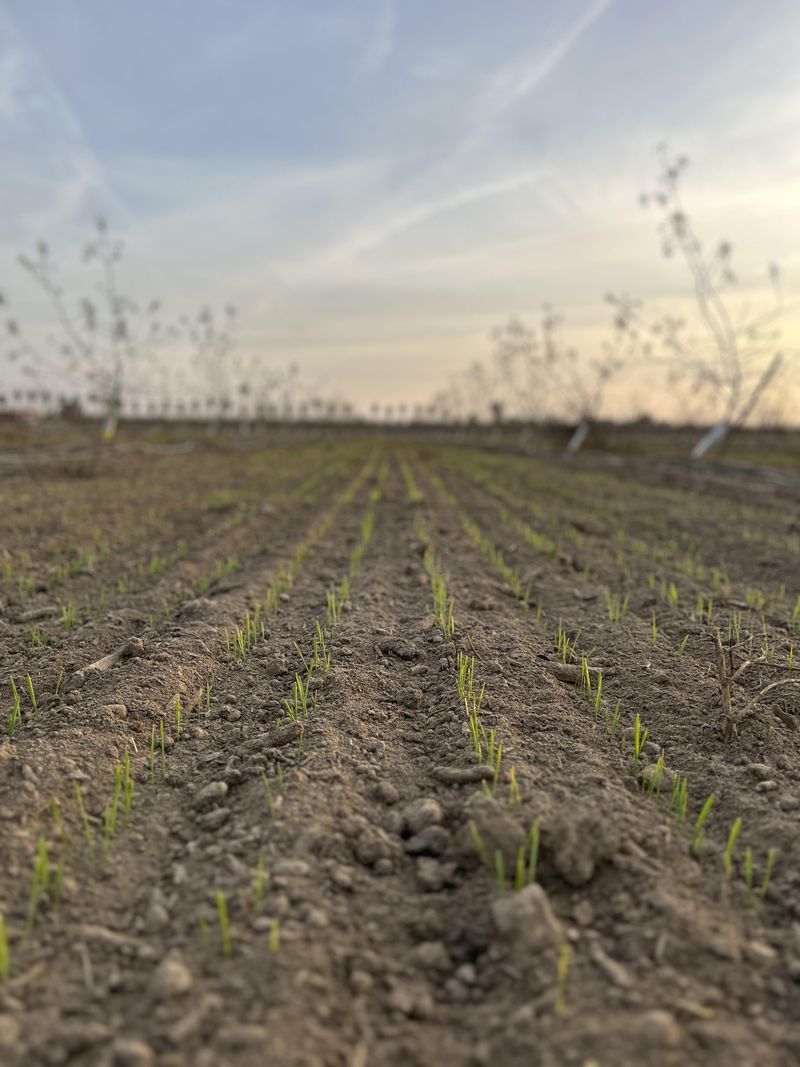
Lazy gardeners, rejoice. Oats may be the least demanding cover crop on this list because winter handles the cleanup for you.
Sown in late summer or early fall, oats sprint out of the soil and form a dense green canopy within weeks. Weeds get shaded out, and the fibrous roots go to work loosening and aerating the top layers of a tired bed.
Then the first hard freezes arrive. Across much of the state, oats are likely to succumb to winter cold and flatten into a brown mat on the surface.
That mat is the whole point. It decomposes steadily through late winter, releasing nutrients and organic matter back into the ground like a slow-motion sheet of green manure.
By spring you can rake the loose residue aside and plant directly, with no mowing, no tilling, and no wrestling with tough regrowth. For anyone who has fought a chest-high stand of rye in May, the difference is delightful.
Seed is cheap and germination is forgiving. Oats can germinate in cool conditions, so an early fall sowing can give them time to establish before winter.
Mixing oats with crimson clover or field peas is a favorite combination because the oats provide quick cover and the legumes add nitrogen. Either way, your soil ends winter looser, richer, and better at holding moisture than it started.