8 Fall Greens Virginia Gardeners Can Still Grow
Summer tomatoes may be fading, but the garden is far from finished. Cooler mornings and crisp leaves signal another growing window across Virginia.
Fall is an especially good time for hardy greens. Some even develop sweeter flavors after light frosts, giving you a reason to keep the garden going well beyond summer.
You can harvest fresh salad greens in November, pick collards for a chilly evening meal, and keep several crops going without a greenhouse or fancy equipment.
The key is choosing crops that fit the season and planting them at the right time. Some grow quickly, others shrug off cold, and a few can give you more than one harvest.
Spinach Can Still Produce A Late Fall Harvest
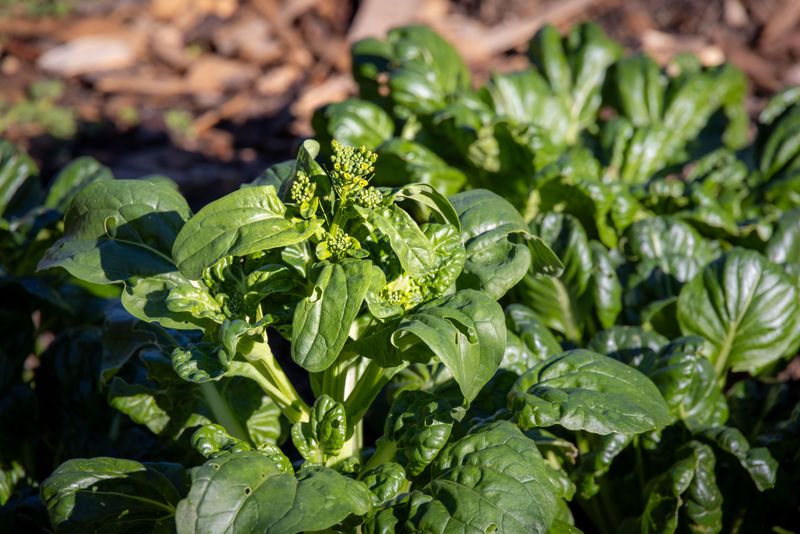
Picture a crisp November morning, and a bed of glossy green leaves shrugging off the frost. Spinach loves that kind of weather more than almost any other crop.
Gardeners in Virginia can sow spinach from late summer into fall, with the best timing depending on their zone. Later plantings can provide crops for fall or winter harvests.
Cold hardiness is where spinach really shines. It is frost-tolerant and can keep producing through cool fall weather.
Growth keeps going as long as air temperatures stay at 40°F or higher. On sunny fall afternoons, your plants will quietly add new leaves even after cold nights.
For the best start, soak seeds overnight and plant them about half an inch deep. Spinach seeds can be fussy in warm soil, so a shady spot helps early sowings.
A lightweight row cover is your secret weapon here. Many local growers keep spinach going into November by simply tossing fabric over the bed on chilly nights.
Want to get even more out of your bed? Some gardeners plant in early October and let small plants rest over winter for an early spring crop.
When harvesting, pick the outer leaves first and leave the center to keep growing. You can return to the same plants every week or so for fresh salads.
Savoy types like Bloomsdale have crinkled leaves that hold up well to cold. Smooth-leaf varieties are easier to wash, which busy cooks tend to appreciate.
Fun fact: spinach likely came from ancient Persia before spreading across Europe. Now it can thrive right in your own backyard.
Kale Keeps Growing When Temperatures Start Dropping
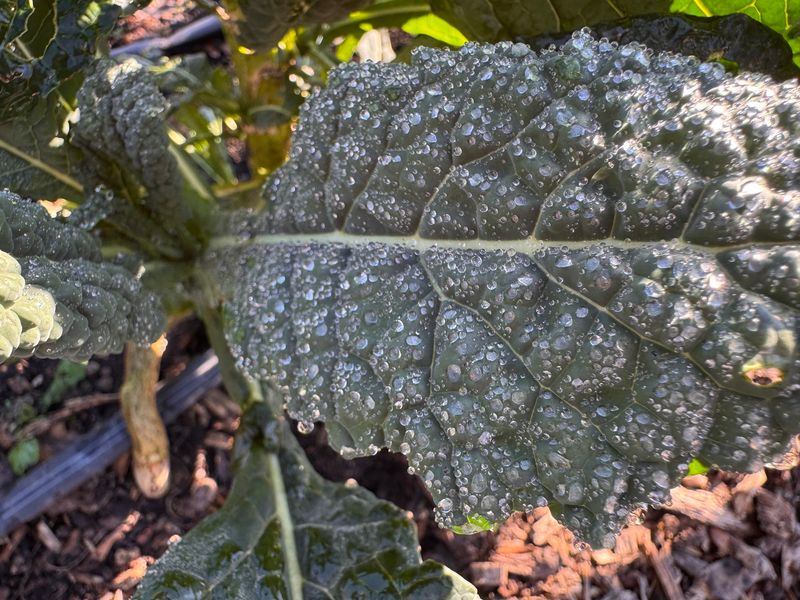
If vegetables had a tough-guy award, kale would win it every single year. Cold snaps that send tomatoes packing barely make it blink.
Timing matters, so aim to direct sow seeds by August for a solid fall harvest. September works nicely too if you want plants that carry through winter.
Gardeners in Zone 7 can set out transplants from mid to late August. Nursery starts give you a head start when summer heat lingers longer than expected.
Here comes the tasty part. After a frost, kale turns starches into sugars, so the leaves actually get sweeter.
Many cooks swear fall kale tastes better than anything picked in spring. Your family might even ask for seconds of kale chips.
Your Virginia Garden Changes Every Week. Your Plan Should Too.
Gardening in Virginia changes quickly throughout the season. Every Friday you’ll receive a simple weekly plan showing exactly what to plant, prune, fertilize, harvest, and protect so you never miss the right timing.
Kale tolerates frost well and can overwinter in many parts of the state with some protection.
Picking a variety is half the fun. Lacinato, Dwarf Blue Curled Scotch, Red Russian, and Winterbor all perform well in fall beds.
Lacinato, sometimes called dinosaur kale, has bumpy dark leaves that kids love to touch. Red Russian adds purple stems and a mild, tender bite to salads.
Space plants about 12 to 18 inches apart so air can move freely. Crowded kale invites aphids and cabbage worms, which nobody wants at dinner.
Harvest from the bottom up, taking a few big leaves at a time. Leave the top rosette alone, and the plant will keep pushing out fresh growth.
In many backyard gardens, one planting can feed you from October into early spring. Not bad for a leafy green with such a stubborn streak.
Collards Handle Frost Better Than Many Tender Greens
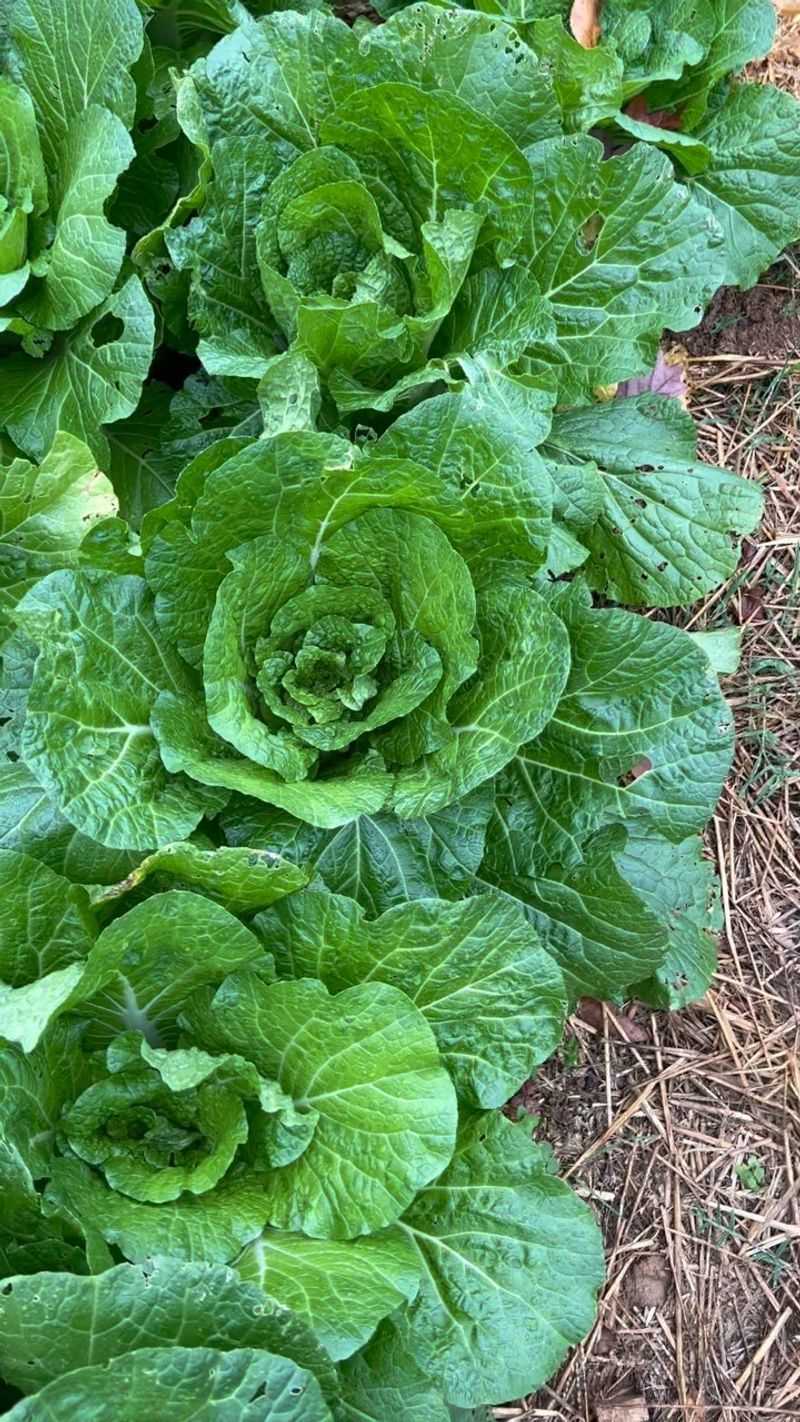
Ask any Southern grandmother, and she will tell you collards taste best after the first frost. Her advice has solid science behind it.
Cold weather causes collard leaves to build up natural sugars. A few chilly nights mellow that slightly bitter edge into something rich and earthy.
Mature collards tolerate frost well and can overwinter in many parts of Virginia with some protection. Tender greens like lettuce often wilt long before collards even notice the chill.
For a fall crop, many local gardeners start seedlings in late spring and transplant in early summer. Warmer areas in Zone 8a can plant from August 20 to October 1.
Give each plant plenty of elbow room, about 18 to 24 inches apart. Collards grow big, and their wide leaves need space to soak up sunshine.
Rich soil makes a real difference with these heavy feeders. Mix in compost before planting, then side-dress with a little nitrogen fertilizer a month later.
Try Georgia Southern or Vates, two varieties known for strong cold tolerance. Both are easy to find at most garden centers.
Keep an eye out for harlequin bugs, flashy orange and black insects that suck leaf juices. Hand-picking them early in the morning keeps damage low.
Harvest the lower leaves when they reach about the size of your hand. Plants keep growing upward, sometimes looking like tiny palm trees by late winter.
Here is a fun bit of history. Collards have grown in the South for centuries and anchor many soul food traditions.
Slow-simmered with onions and a splash of vinegar, a fall harvest tastes like home. Few garden crops reward patience quite so deliciously.
Mustard Greens Thrive During Cooler Fall Days
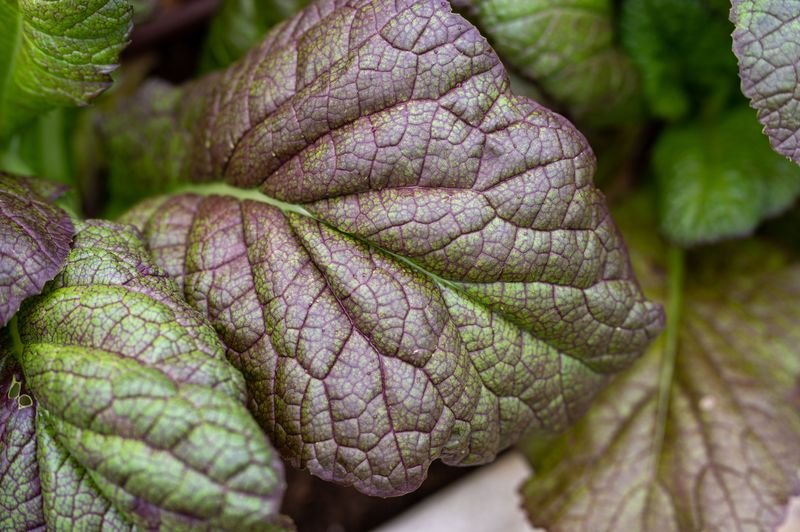
One bite of raw mustard greens can wake up your taste buds faster than morning coffee. Their peppery kick explains why so many cooks grow a row every fall.
Mustard greens prefer cool air, and they grow happiest between 45°F and 75°F. Virginia’s crisp October days land right in that sweet spot.
Plant seeds four to six weeks before your first expected fall frost. Check your local frost date, since it varies from mountains to coast.
Sow seeds about a quarter inch deep in loose, well-drained soil. Sprouts often pop up in just a few days, which feels like a small garden miracle.
Thin seedlings to about six inches apart once they have a few true leaves. Toss the thinnings into a salad for a spicy little bonus.
Frost is no big deal for these hardy plants. A light freeze can even tame their bite, making the leaves taste a bit milder.
Varieties come in fun shapes and colors. Red Giant has purple-tinged leaves, while Southern Giant Curled offers frilly green ruffles.
Mizuna, a mild Japanese mustard, has feathery leaves that look great in a salad bowl. Mixing a few types gives you color and flavor variety.
Pick leaves when they are young and tender, around four to six inches long. Older leaves get tougher and hotter, so harvest often.
In the kitchen, cooking softens the heat into a gentle, savory flavor. Sauté them with garlic, or stir them into soups on a chilly evening.
Quirky fact: the seeds of some mustard plants become the yellow mustard on your hot dog. Your garden row is basically a condiment factory.
Lettuce Can Work With A Fast-Maturing Variety
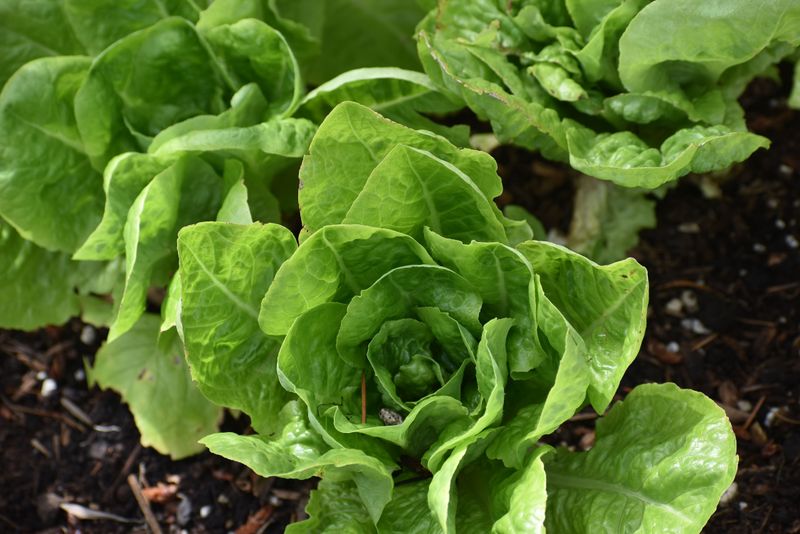
Missed the spring lettuce window and feeling a little sad about it? Good news, fall offers a second chance at crisp homegrown salads.
September is a great month to seed lettuce across much of Virginia. Cooler nights help the leaves stay sweet instead of turning bitter.
The trick is choosing a fast-maturing variety. Loose-leaf types like Black Seeded Simpson or Salad Bowl can be ready in about 45 days.
Baby greens are even quicker, and you can start snipping in three to four weeks. Big heading types need more time, so save them for spring.
Heat is the biggest enemy early in the season. Warm spells can make lettuce bolt, which means it shoots up a flower stalk and turns bitter.
Plant in a spot with afternoon shade, or rig up a simple shade cloth. Watering in the afternoon also helps cool the soil on hot days.
Lettuce seeds need light to sprout, so press them gently onto the soil surface. A thin dusting of fine soil on top is plenty.
Keep the seedbed moist until the tiny plants appear. A quick sprinkle each morning works well for most home gardens.
Light frosts are usually manageable, but harder freezes can damage lettuce. Use a row cover or other protection when a hard freeze is forecast.
For a steady supply, sow a small patch every two weeks through September. You will have fresh salads coming in waves instead of all at once.
Cold-hardy picks like Winter Density and Rouge d’Hiver hold up better as nights get frosty. Their names hint at their toughness.
Turnips Give You Both Edible Roots And Greens
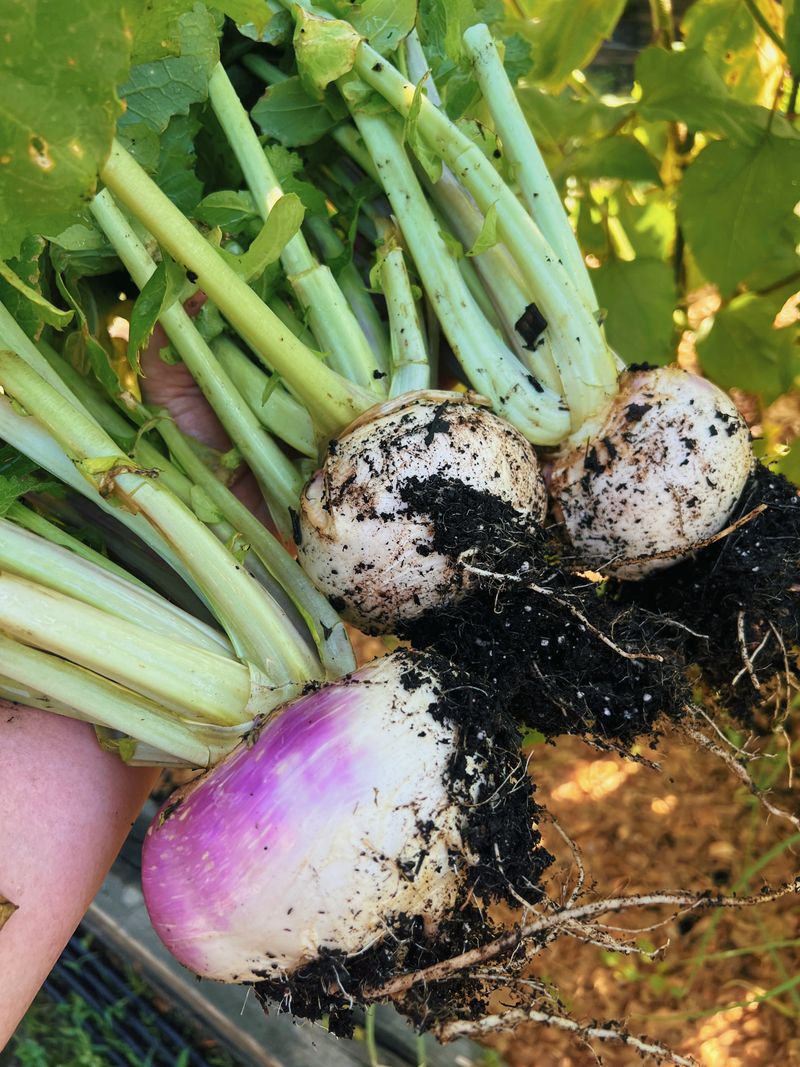
Few crops give you a two-for-one deal like turnips. You get peppery greens up top and sweet, crunchy roots below the soil.
Timing is flexible, which makes turnips a great late-season pick. Try sowing about 60 days before first fall frost, usually by late August.
Gardeners in Zones 7a and 7b can direct sow between August 20 and September 20. If you only want greens, you can plant a little later.
Scatter seeds thinly in rows and cover them with about half an inch of soil. Keep things moist, and sprouts usually show up within a week.
Thinning feels harsh, but it matters for good roots. Space plants three to four inches apart, and cook the extra seedlings as tender greens.
Established turnips tolerate frost well and can keep growing in cool fall weather. Cool weather even boosts their flavor, making fall roots sweeter than summer ones.
Purple Top White Globe is a classic choice with a bright purple shoulder. Seven Top is grown just for greens and skips the big root entirely.
Harvest a few leaves from each plant rather than stripping them bare. Roots need some foliage to keep growing and storing energy.
Pull roots when they are about two to three inches wide for the best texture. Larger turnips can get woody and a bit too strong.
Once the weather turns cold, roasted turnips with a drizzle of honey make a cozy side dish. Greens taste wonderful simmered like collards.
History buffs might enjoy knowing that turnips were once carved for Halloween in Ireland. Pumpkins took over later, after the tradition crossed the ocean.
Radishes Can Still Fit Into A Fall Planting Window
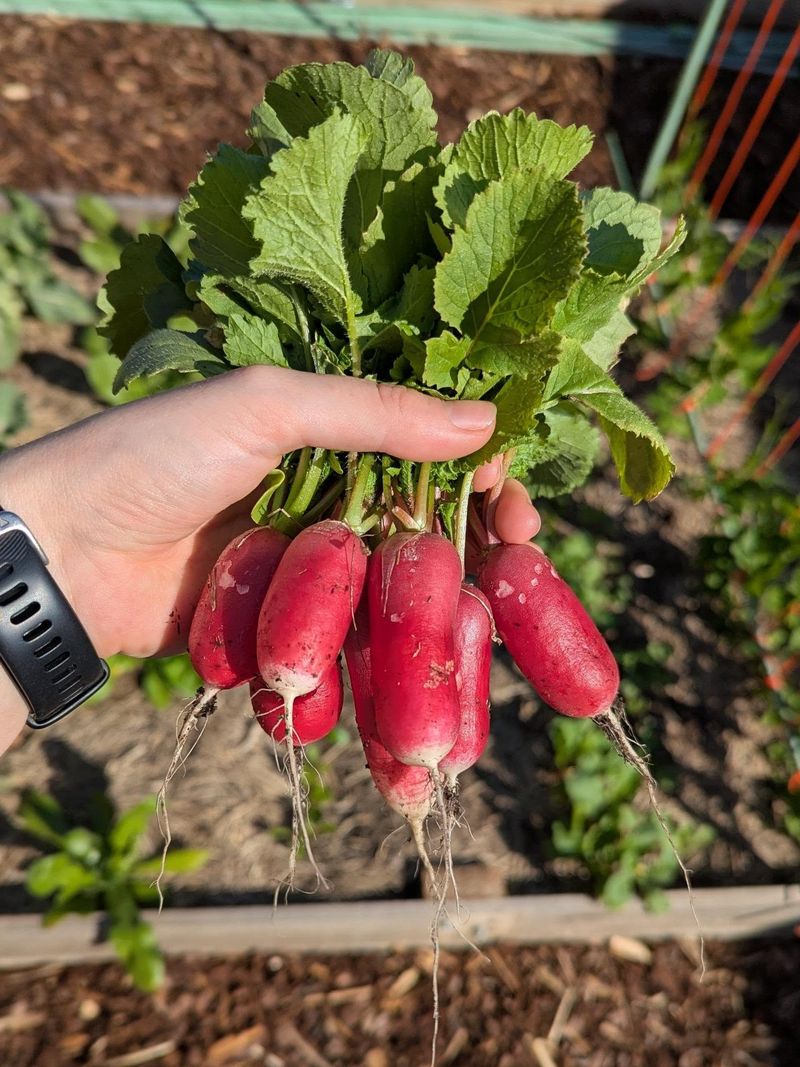
Blink, and your radishes might be ready. Some varieties go from seed to salad in about 25 days, like tiny garden sprinters.
Speed like that means you can still squeeze in a crop when other plantings feel too late. Radishes are perfect for filling gaps after summer vegetables finish.
In places like Triangle, the fall planting window runs from about September 22 to October 6. Cooler regions should aim for the earlier end.
Radishes love cool soil and shorter days. Warm soil can make them spicy and pithy, so fall often produces the crispest roots of the year.
Sow seeds half an inch deep and about one inch apart. Loose soil helps roots swell nicely without bumping into rocks or hard clay.
Consistent watering is the real secret to success. Dry spells followed by heavy watering can cause roots to crack open.
Cherry Belle and French Breakfast are quick, reliable choices for beginners. Daikon radishes take longer but grow huge, mild roots that store well.
Kids tend to love growing radishes because results show up so fast. Let them plant a row, and they may actually eat what they harvest.
Check your crop often once the tops look full and leafy. Pull a test radish, and harvest the rest when roots reach about an inch wide.
Don’t toss the leafy tops, either. Radish greens make a zesty pesto or a quick sauté with butter and garlic.
Here’s a fun tidbit: in Oaxaca, Mexico, folks carve giant radishes into sculptures every December. They call it the Night of the Radishes.
Swiss Chard Can Keep Producing Into Cool Weather
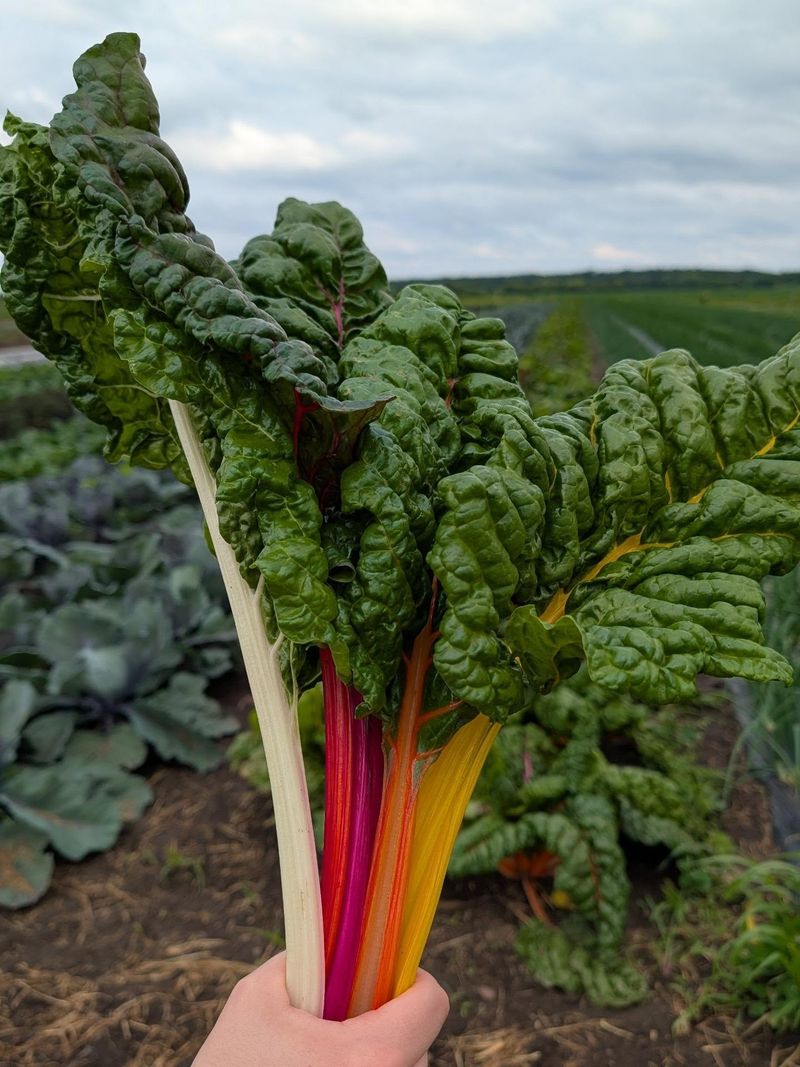
Rainbow stems glowing in the October sun can make a garden look like a painted fence. Swiss chard brings beauty and dinner to the same bed.
Unlike spinach, chard tolerates both heat and cold with impressive flexibility. It handles summer highs near 90°F and light frosts down to about 25°F.
For a fall harvest in Virginia, plant Swiss chard according to your local zone. In warmer areas, the planting window can extend into September.
Seeds are actually clusters that can sprout several plants each. Thin them to about eight inches apart once seedlings reach a few inches tall.
Mature plants brush off moderate frosts and may even overwinter in milder parts of the state. Cold nights often sweeten the leaves and deepen the stem colors.
Bright Lights is a popular mix with stems of red, yellow, orange, and pink. Fordhook Giant offers thick white stems and big crinkly leaves.
Harvest by snapping off outer stalks near the base, leaving the center untouched. New leaves will keep appearing for weeks, sometimes months.
A layer of straw mulch around the plants helps protect roots when temperatures plunge. Row covers add a few extra degrees of warmth on frosty nights.
Surprisingly, Swiss chard did not come from Switzerland at all. It is a close cousin of beets and likely traces back to the Mediterranean.
Every part of the plant earns its keep at dinnertime. Chop stems like celery for stir-fries, and use leaves the way you would spinach.
Plant a short row this season, and you might wonder why you waited so long. Its colorful stems brighten gray days, too.