The Invasive Shrub Spreading Disease Through North Carolina Yards
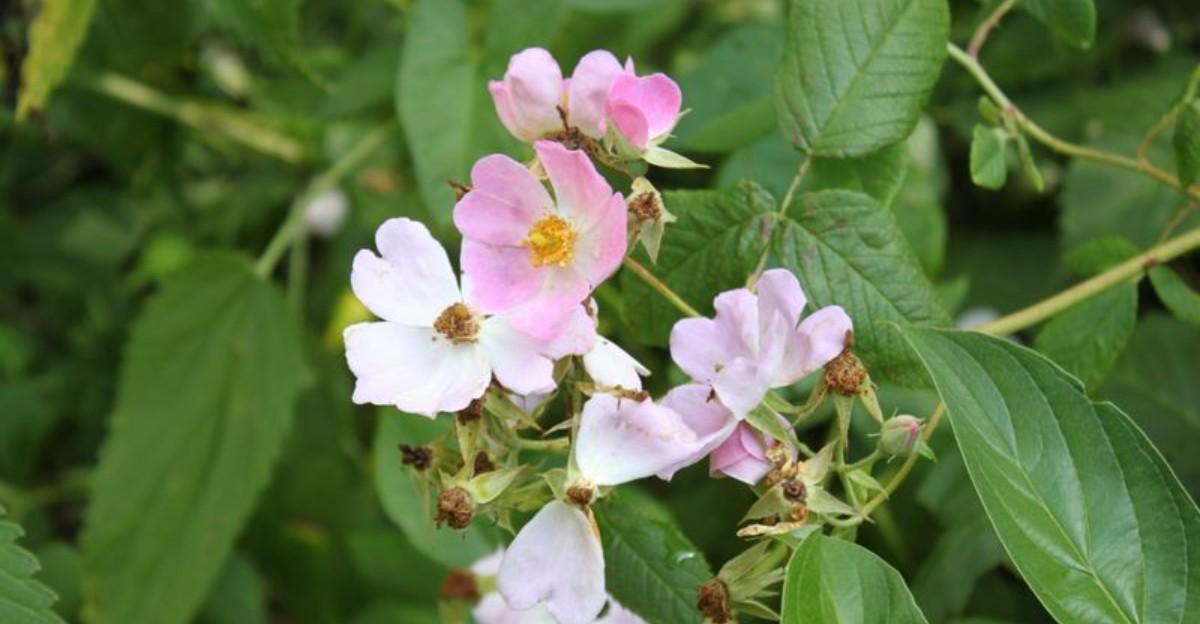
Multiflora rose has become one of the most aggressive invasive shrubs found throughout North Carolina, and its impact goes well beyond simply crowding out native plants.
This thorny, fast-spreading shrub is known to host the eriophyid mites responsible for spreading rose rosette disease, a virus that can devastate both wild and cultivated roses growing nearby.
A single plant can produce enormous numbers of seeds that birds spread widely, allowing multiflora rose to establish new colonies far from where it originally took root.
Its dense, tangled growth also creates ideal cover for ticks, adding another layer of concern for anyone spending time near infested areas.
Understanding how this invasive shrub spreads disease helps explain why removing it early matters more than many North Carolina homeowners realize.
1. Multiflora Rose Is Invasive In North Carolina
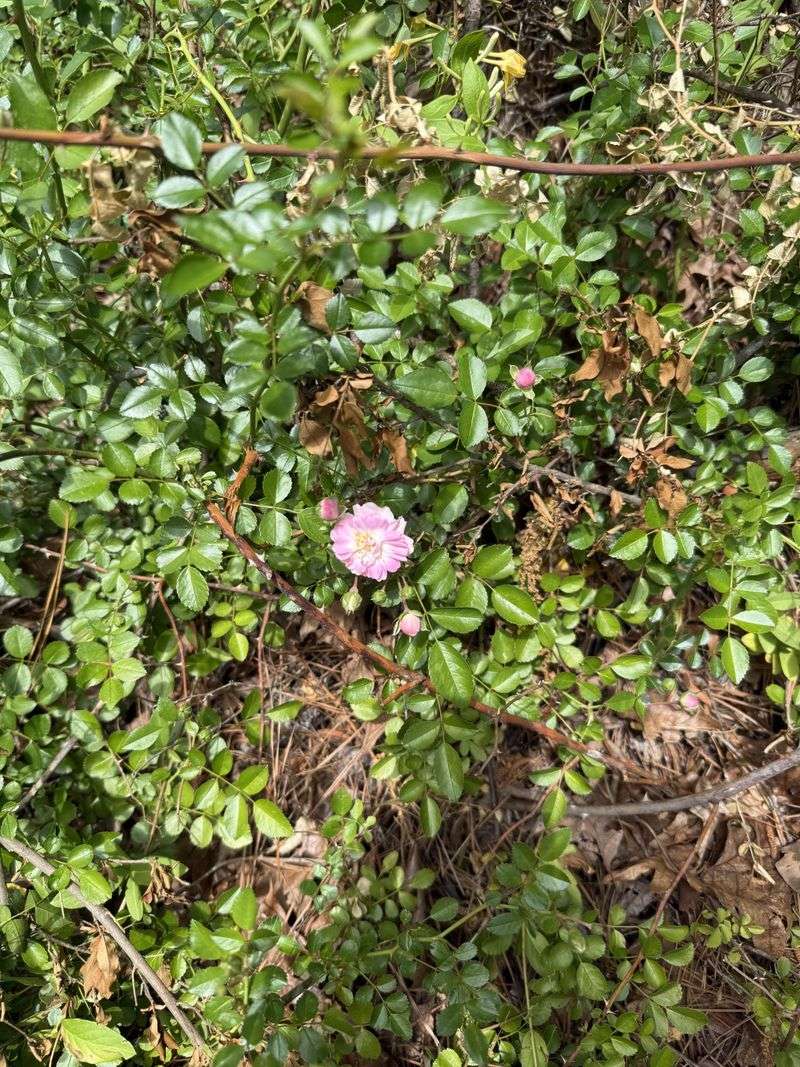
Picture a wall of thorny branches taking over the edge of a field, and you have a good image of multiflora rose. Brought to the United States long ago as a hedge plant and for erosion control, it quickly got out of hand across North Carolina.
Today it grows as a woody perennial shrub that spreads fast and thick. A single plant can produce thousands of seeds, and birds happily carry them far and wide. Those seeds sprout easily, which is one reason the shrub shows up in yards, forests, pastures, and along fences.
The real problem starts when the plant forms dense thickets. Its arching canes reach out, root where they touch the ground, and pile on top of each other.
This tangled growth blocks sunlight and crowds out native wildflowers, grasses, and young trees that belong in local habitats.
Wildlife and farmers both feel the pinch. Cattle avoid the thorny patches, and useful native plants lose the space they need to grow. Over time, one small bush can turn into a giant, spiky problem area.
For gardeners, spotting this shrub early makes a huge difference. Look for a bush with clusters of small white flowers in late spring and fringed leaf bases where the leaf meets the stem.
Knowing what it looks like lets you remove it before it takes hold. Controlling it protects both your yard and the wild spaces around your community.
2. It Can Host Rose Rosette Disease
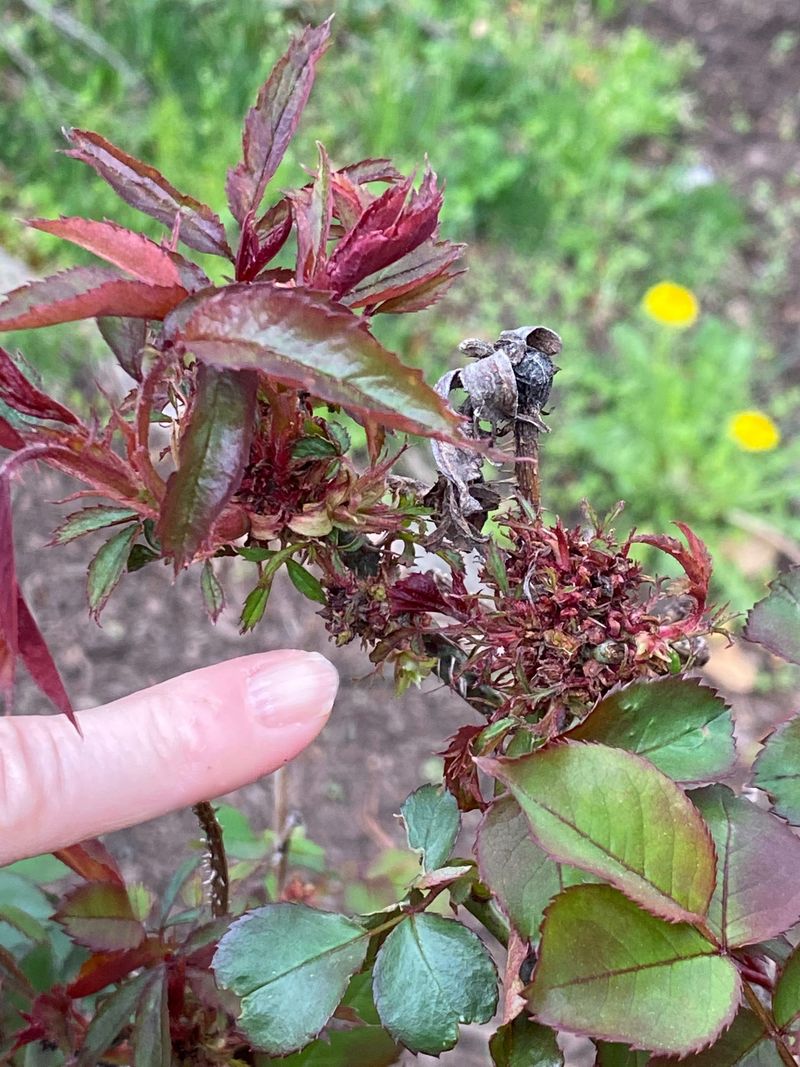
Here is where a nuisance plant turns into a serious threat. Multiflora rose is highly likely to catch rose rosette disease, and once it does, it becomes a launching pad for trouble.
Across the Carolinas, these wild bushes grow in huge numbers along roads, fields, and forest edges. When they carry rose rosette, they act like a giant reservoir of the illness sitting right next to gardens and parks.
The problem for gardeners is simple. Your carefully chosen roses may sit only a short distance from an infected wild shrub. From there, the illness can travel to your plants without you even noticing until symptoms appear.
Because multiflora rose spreads so easily and grows so densely, it keeps the disease alive in an area year after year. Even if you remove sick roses from your yard, nearby wild bushes can reintroduce the problem again and again.
Your North Carolina Garden Changes Every Week. Your Plan Should Too.
Gardening in North Carolina changes quickly throughout the season. Every Friday you’ll receive a simple weekly plan showing exactly what to plant, prune, fertilize, harvest, and protect so you never miss the right timing.
Scientists studying rose rosette often point to these wild populations as a major reason the illness keeps showing up in home landscapes. The more multiflora rose grows in a region, the higher the risk for every rose lover nearby.
That connection is exactly why paying attention to wild shrubs matters so much. Checking the plants growing around your property, especially in overgrown corners, gives you a head start.
Removing infected wild bushes lowers the odds that your roses will catch the same thing. Think of it as clearing away the source before it reaches your favorite blooms.
3. Rose Rosette Is Caused By A Virus
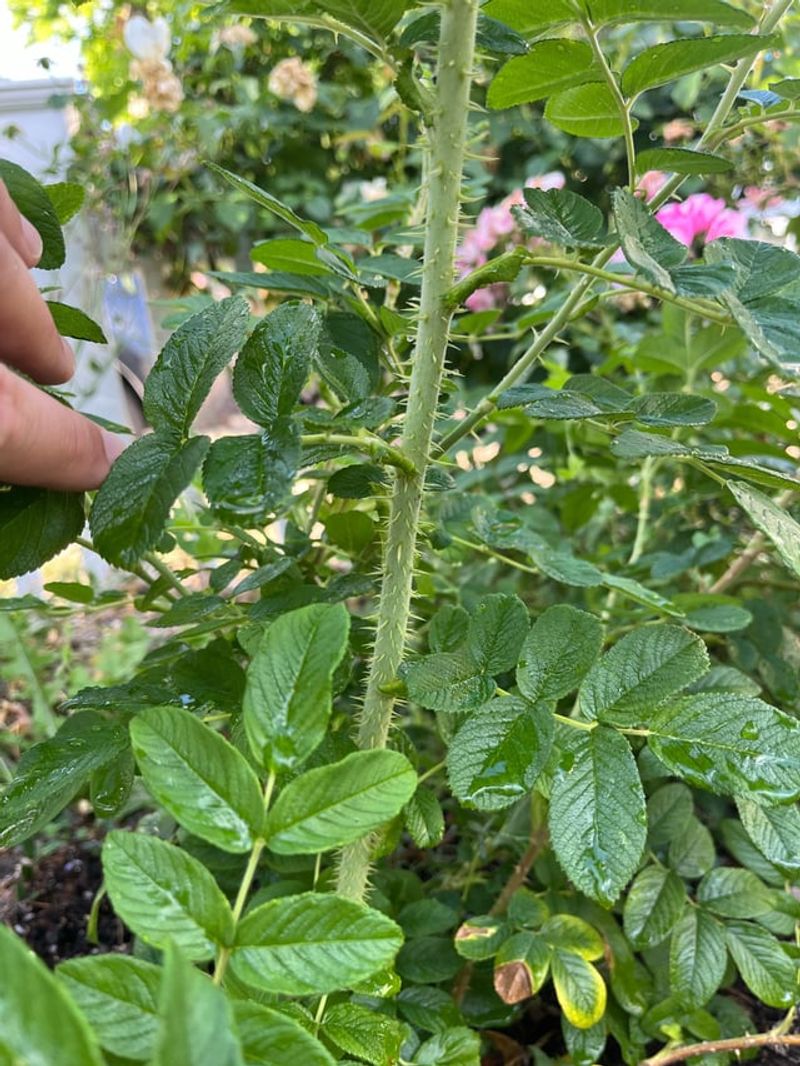
Many people assume a bug alone causes rose rosette, but the real culprit is a virus. The full name is Rose rosette virus, and it lives inside the plant, not on the surface.
A virus is a tiny particle that gets into a plant’s cells and makes it grow in strange ways. Once inside a rose, the virus spreads through the plant’s system and changes how new stems and leaves form.
It helps to separate two different things that work together here. The virus is what actually causes the damage, while a tiny creature called a mite is what carries the virus from plant to plant. The mite is the delivery driver, and the virus is the harmful cargo.
This difference matters when you think about protecting your garden. You cannot spray a plant and remove a virus that already lives deep inside it. The virus becomes part of the plant’s tissue, which is why prevention beats treatment every time.
Knowing the virus is the true cause also explains why the disease looks so unusual. Instead of simple spots or wilting, infected roses grow twisted, bushy, and covered in extra thorns. That odd growth comes from the virus scrambling the plant’s normal signals.
Understanding this science gives you an edge as a gardener. When you know the virus rides along with mites, you can focus on stopping the carrier and removing sick plants quickly.
Working against both the virus and its tiny helper is the smartest way to keep your roses safe.
4. Tiny Eriophyid Mites Spread The Disease
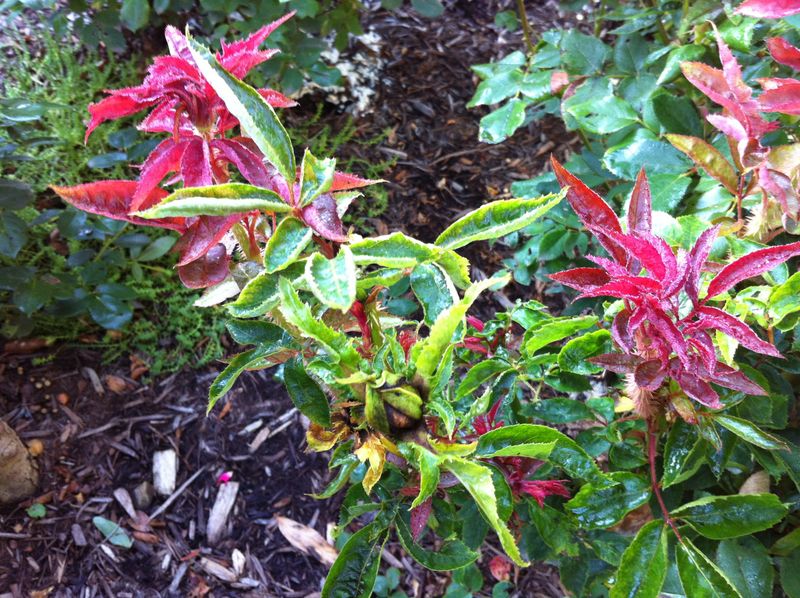
So small you cannot see them without a microscope, eriophyid mites are the secret carriers behind rose rosette. These creatures are far tinier than a spider mite, yet they cause enormous problems.
The mites feed on soft, new rose tissue near the tips of growing stems. When they bite into a plant that already carries the virus, they pick it up. Then they move to a healthy rose and pass the virus along as they feed.
What makes them tricky is how they travel. Eriophyid mites are so light that wind carries them from plant to plant. A gentle breeze can lift them off one bush and drop them onto another rose several feet away.
This means your roses can catch the virus even without touching an infected plant. The mites simply float in on air currents, land on tender growth, and start feeding. That is why roses near wild multiflora bushes face such a high risk.
Because the mites hide in the tightest, newest parts of the plant, they are hard to spot and hard to reach with sprays. They often tuck themselves into leaf and flower buds where they stay protected.
Knowing how these mites move gives you clever ways to fight back. Spacing roses apart, keeping them healthy, and removing nearby wild rose bushes all lower the chance of mites reaching your plants.
Trimming and cleaning up during the growing season also reduces the cozy spots where mites like to gather and feed.
5. Learn The Warning Signs
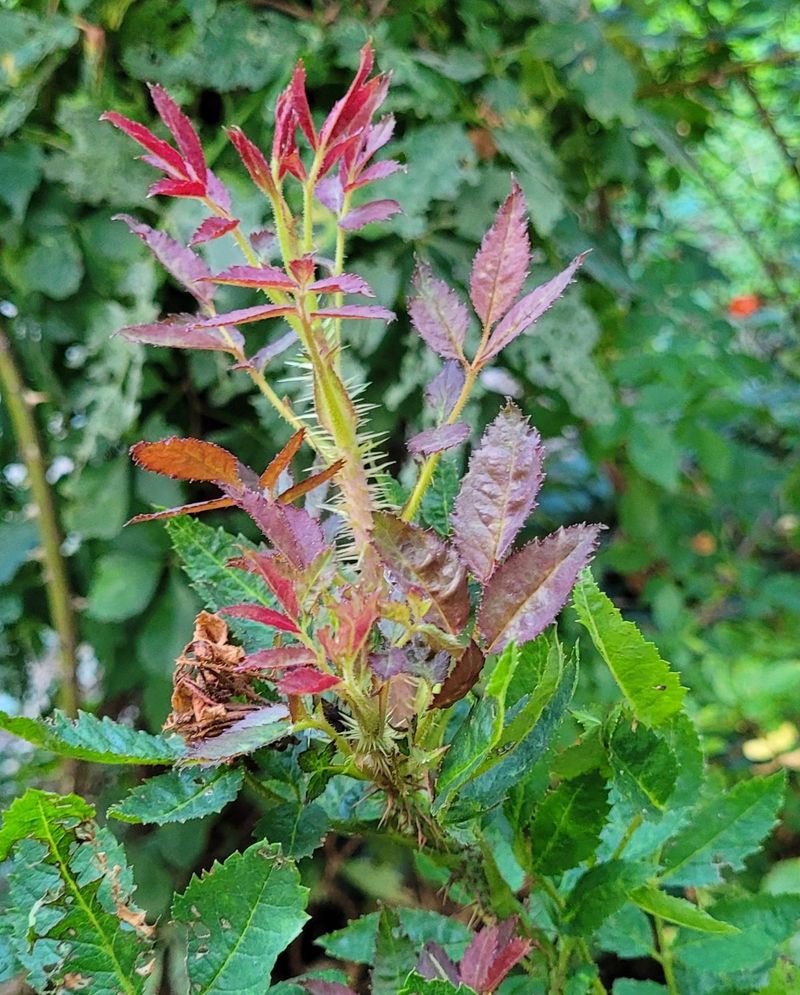
Catching rose rosette early starts with knowing what to look for. The symptoms are strange enough that once you spot them, they are hard to forget.
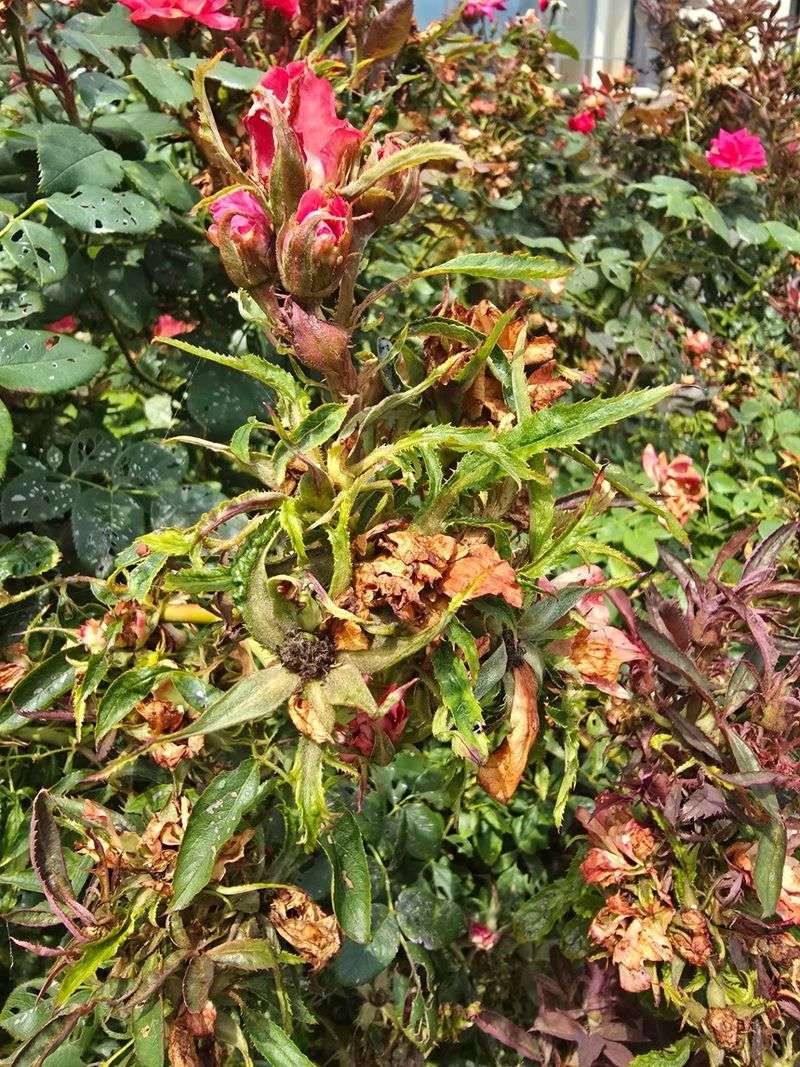
One of the clearest signs is a burst of unusually long, fast-growing shoots. These stems shoot up much taller and thicker than the rest of the plant, looking out of place against normal branches.
Another classic clue is a cluster of tightly bunched stems called a witches’-broom. Lots of small shoots crowd together in one spot, forming a messy, broom-like tangle that never looks natural.
Thorns often go wild too. Infected canes may grow far more thorns than usual, sometimes covering the stem so thickly it looks fuzzy or spiny all over. This overload of thorns is a strong warning sign.
Leaves can also give the disease away. They may come in twisted, crinkled, or oddly shaped, and new growth often shows a bright, unnatural red color that does not fade the way healthy new leaves normally do.
When several of these signs appear together on one plant, rose rosette is the likely cause. A single odd stem might be nothing, but bunched shoots, extra thorns, and strange red growth all at once point clearly to trouble.
Checking your roses regularly makes a real difference. Walk through your garden every week or two during the growing season and glance at the new growth.
Spotting these symptoms early lets you act fast and protect the healthy roses growing nearby before the problem spreads further.
6. Infected Roses Cannot Be Cured
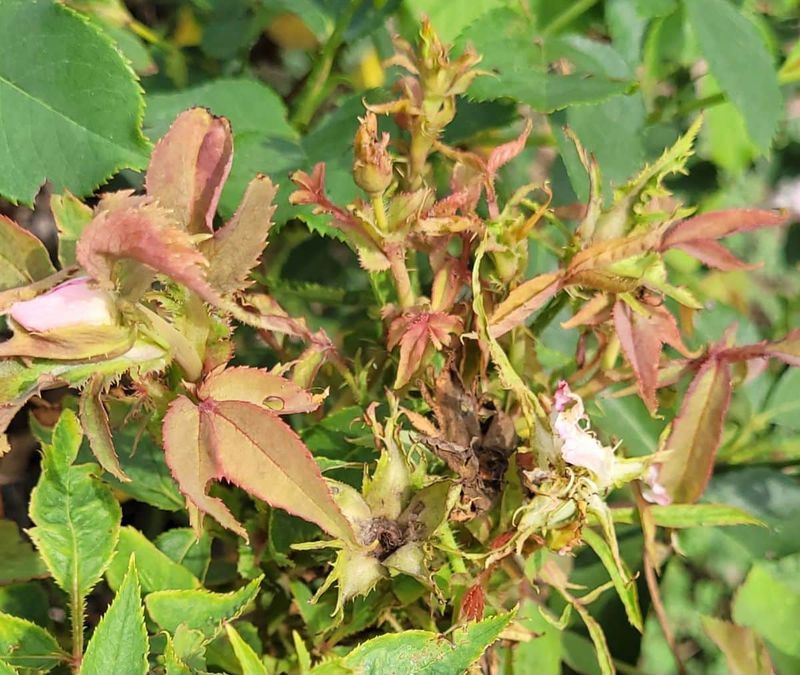
This is the tough truth every rose lover needs to hear. Once a rose catches rose rosette, no spray, spoon of medicine, or garden trick can bring it back to health.
The reason comes down to the virus itself. It spreads through the entire plant and becomes systemic, meaning it travels into every stem, leaf, and root. There is no way to reach inside and remove it.
Some gardeners hope that cutting off the sick branches will solve the problem. Sadly, trimming away visible symptoms does not work, because the virus already lives throughout the whole plant, even the parts that still look fine.
Chemical products cannot fix it either. There is no fungicide, fertilizer, or cure-all treatment that clears the virus from a rose once it is inside. Any product claiming to cure rose rosette simply cannot deliver.
So what actually helps? The recommended step is removing the entire infected plant as soon as you are sure it is sick. Taking it out quickly stops the virus and mites from spreading to your other roses.
It feels sad to give up on a beloved plant, but acting fast saves the rest of your garden. Leaving an infected rose in place only invites more mites and more trouble for nearby blooms.
Think of removal as protection rather than loss. By taking out one struggling plant, you guard every healthy rose around it. Quick action keeps your garden strong and gives your remaining roses the best chance to thrive.
7. Remove Nearby Wild Multiflora Rose

Want to give your roses a real fighting chance? Clearing out wild multiflora rose growing near your garden is one of the smartest moves you can make.
NC Cooperative Extension recommends this step because those wild bushes work like hosts for both the mite and the virus. As long as they stand nearby, they keep offering a home base for the illness to spread.
Removing them cuts off the supply. With fewer infected wild plants around, there are fewer mites floating over to your prized roses on the breeze. That single action lowers your garden’s risk in a big way.
Check the overgrown edges of your property, fence lines, and any brushy corners. Multiflora rose loves those spots, and it often grows unnoticed until it becomes a large, thorny tangle.
Here is an important caution before you start pulling. Do not confuse multiflora rose with the native Carolina rose, Rosa carolina, which actually belongs in local habitats and helps native wildlife.
Telling them apart comes down to a few details. Multiflora rose has clusters of small white flowers and a fringed, comb-like edge where the leaf joins the stem. Carolina rose usually shows larger pink flowers and lacks that fringed base.
When in doubt, snap a photo and ask your local extension office to help identify the plant. Removing the invader while protecting the native is the goal.
Clearing wild multiflora rose takes effort, but the payoff is healthier roses and a friendlier space for native plants to grow.
8. Dispose Of Infected Plants Carefully
How you get rid of a sick rose matters just as much as removing it. Careless cleanup can spread the very problem you are trying to stop.
Start by bagging the plant before you carry it away. Sealing infected branches and leaves inside a plastic bag traps any mites hiding in the growth so they cannot drift over to your other roses.
Next, dig out the roots completely. Multiflora rose and other roses can sprout again from leftover root pieces, so removing the whole root system keeps the plant from making a comeback in the same spot.
Skip the compost pile entirely. Infected plant material should never go into compost, since the virus and mites can linger and end up back in your garden when you spread that compost later. Bag it and send it out with the trash instead.
Your tools need attention too. Mites and plant juices can cling to blades, so disinfect your pruners between plants. A quick wipe with rubbing alcohol or a bleach solution stops you from carrying trouble from one rose to the next.
These careful steps might feel like extra work, but they make a huge difference. Sloppy disposal can undo all your hard effort, while clean habits protect every plant you have left.
Think of yourself as a garden guardian during cleanup. Bag it, root it out, keep it away from compost, and clean your tools. Following that simple routine keeps rose rosette from spreading and helps your remaining roses stay healthy and beautiful.