The Fall Armyworm Warning Every Texas Lawn Owner Needs Before October
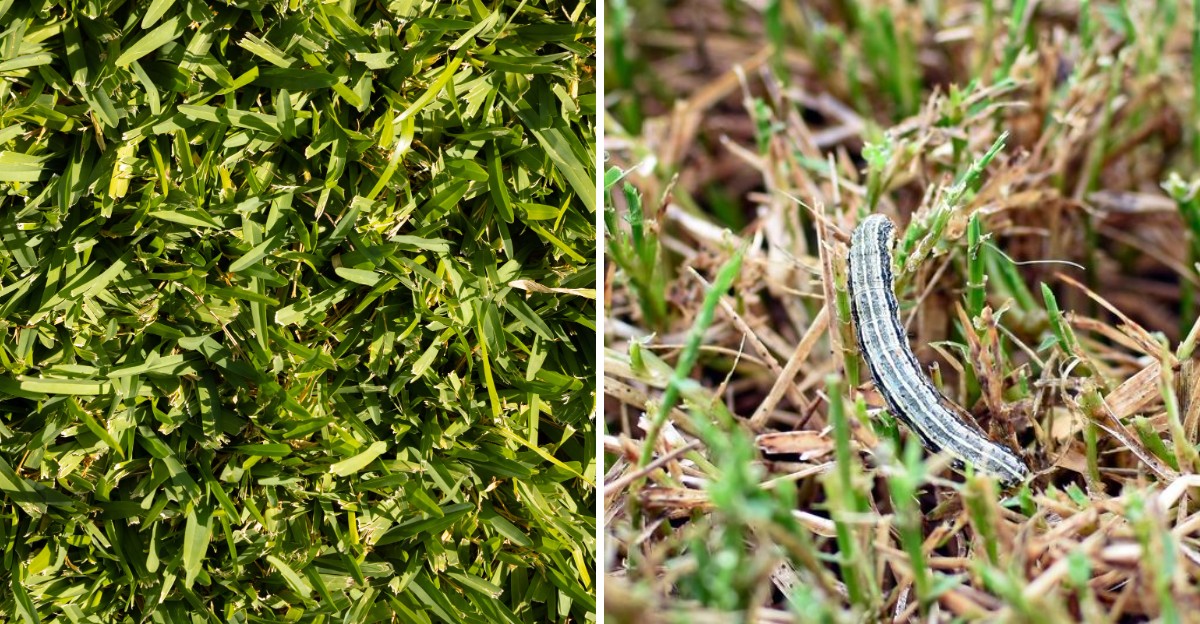
Overnight, a caterpillar army can strip your lawn before you notice. Those tan patches are fall armyworms, and they move as a hungry mob.
Texas lawns take heavy seasonal hits, especially bermudagrass and St. Augustine. Moths ride storm fronts north, then lay egg clusters on fences and eaves. Within days, larvae hatch and start feeding at dawn and dusk.
You rarely catch them at noon because they hide in the thatch. Look for an inverted Y stamped on each head. Birds spot the feast early, which explains that sudden feathered crowd.
Heavy rain after a dry spell often triggers the worst outbreaks. Late-stage caterpillars devour far more turf than younger ones.
Delay treatment in Texas, and you could see widespread browning in under a week. Here is how you spot them early, stop them fast, and win your lawn back.
A Close Lawn Check Every Few Days Through October
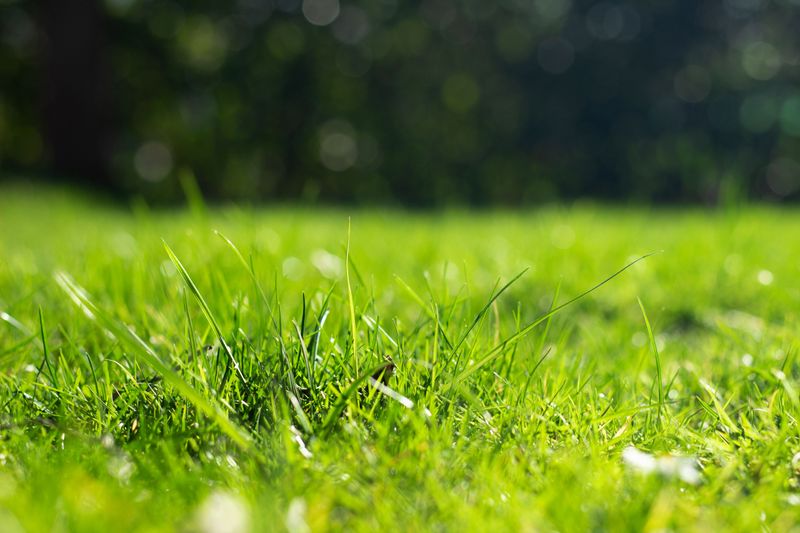
Picture a lawn that looks perfect on Friday and like burnt toast by Monday. Many Texas lawn owners see that trick in the fall, and a common culprit is the fall armyworm.
The best defense costs nothing but a little time and a pair of sharp eyes. Walk your yard every two or three days from now until the first real cold snap arrives.
Look closely at the edges where your grass meets flower beds, fences, and concrete sidewalks. Moths often lay eggs on nearby walls and posts, so trouble tends to start there.
Early morning and late evening are the best times for a check. The caterpillars hide down in the thatch during hot afternoons, then come up to feed when it cools.
Watch for grass blades that look chewed, see-through, or ragged and brown at the tips. Flocks of birds pecking at one spot can also point you straight to a hungry crowd.
With this pest, timing matters a great deal. A big hungry group can strip a healthy bermuda or St. Augustine lawn in two or three days.
A quick five-minute stroll can catch a small outbreak before it spreads across the front yard. Keep a small flashlight by the back door if your busy schedule only allows evening checks.
Stick with the routine through October, since new waves of moths keep arriving until frost. Think of it as a quick coffee break with your grass every few days.
The Y On The Head And Other Telltale Marks
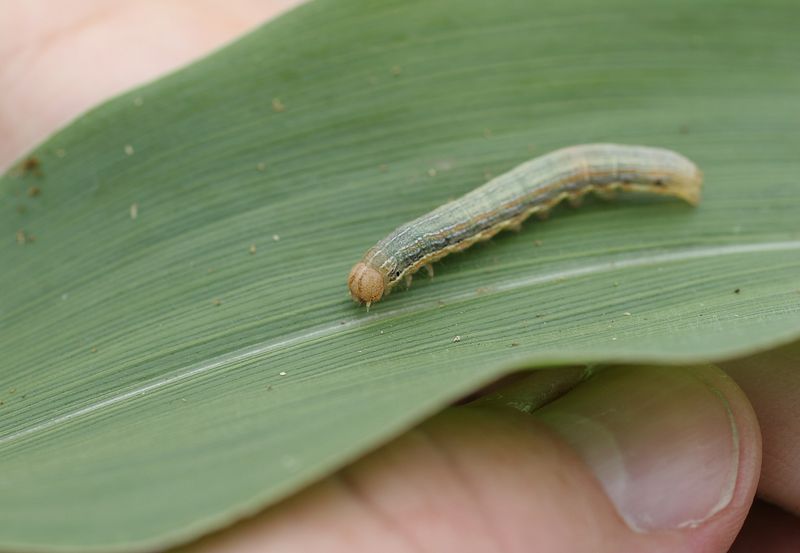
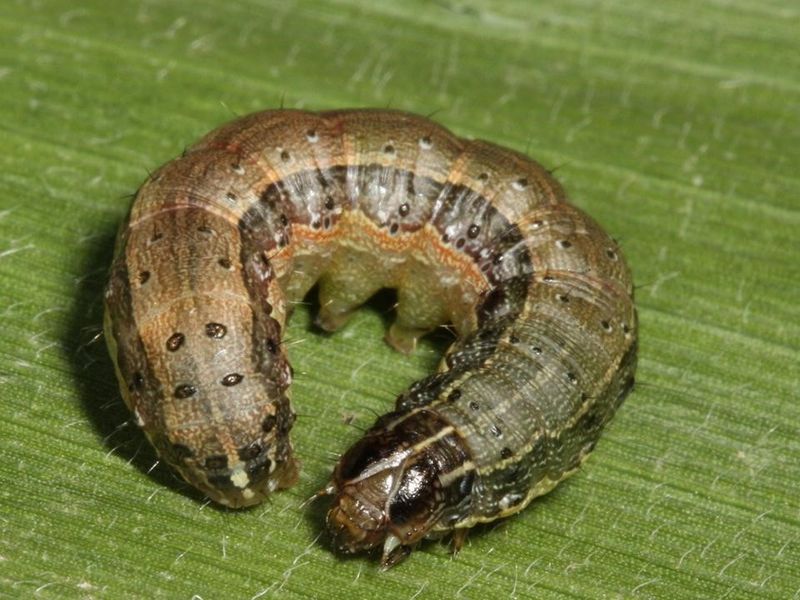
Every good detective needs a clue, and this caterpillar wears one right on its face. Look for a pale, upside-down Y on the front of its dark, shiny head.
Young fall armyworms start out light green and tiny, about the size of a comma. As they grow, they turn tan, brown, or nearly black with stripes down each side.
Full-grown caterpillars reach roughly an inch and a half long by the end of their feeding spree. That matches the length of a standard paper clip, which makes them fairly easy to spot.
Your Texas Garden Changes Every Week. Your Plan Should Too.
Gardening in Texas changes quickly throughout the season. Every Friday you’ll receive a simple weekly plan showing exactly what to plant, prune, fertilize, harvest, and protect so you never miss the right timing.
Here is a second clue that seals the case for any backyard bug hunter. Check the tail end for four dark dots arranged in a neat little square.
Finding them is easy with a simple dish soap trick from your kitchen. Stir two tablespoons of dish soap into a gallon of water, then pour it over a square yard.
Within a few minutes, many hidden caterpillars will crawl up to escape the soapy water. Count them, and if you find about three or more per square foot, or roughly twenty-five across the square yard, it is time to act.
Fun fact: the fall armyworm cannot survive a real winter in most of the country. The moths ride warm southern winds north from South Texas and Mexico each spring and summer.
Cutworms and sod webworms can look similar, but they act and feed a bit differently. The Y mark and the four-dot square are your best proof that armyworms have moved in.
Southern Moth Flights And The September Surge
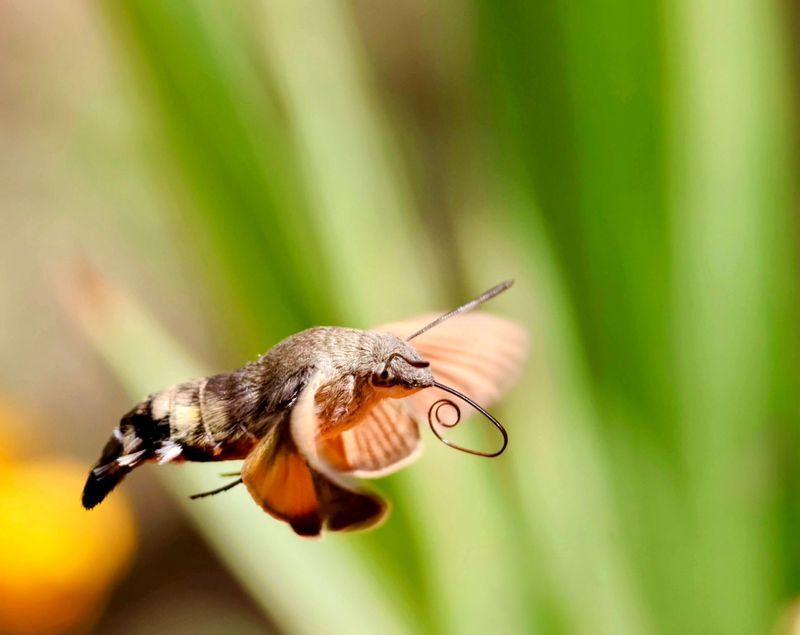
Think of fall armyworms as uninvited guests who travel with the weather. Each spring and summer, moths drift north from warmer areas, laying eggs as they go.
By late summer, their numbers have built up over several generations. That is why September and early October often bring the worst outbreaks to Texas yards.
Insect experts at Texas A&M AgriLife often send out alerts when moth counts spike. Following your county extension office is a smart way to get early warnings.
Rain plays a big part in the timing of an outbreak too. A soaking storm after a dry spell sparks fresh growth that female moths find irresistible.
One moth can lay more than a thousand eggs over her short life. She sticks them in fuzzy clumps on fences, walls, tree trunks, and even patio furniture.
The eggs hatch in just a few days when the weather stays warm. Then the tiny caterpillars drop to the grass below and start eating right away.
For the first week or so, they barely make a dent. In their final few days of growth, though, they eat more than all earlier days combined.
Such a sudden appetite explains the famous overnight brown lawn that surprises many homeowners. A yard can look fine on Wednesday and look scorched by the weekend.
Stay alert until a hard frost, which may not come until November in much of Texas. Until then, a new batch of moths could show up any week.
Common Mistakes That Let An Outbreak Spread
Imagine a Houston homeowner who shrugs at a few brown spots and figures the lawn needs water. Three days later, the whole front yard looks like a worn-out doormat.
Waiting is a common mistake Texans make with fall armyworms. The brown color people notice is the end of the feeding, not the beginning.
By the time damage shows from the porch, the caterpillars are often big and eating fast. Some may even be finishing up and marching on to the next yard.
Another slip is blaming drought and cranking up the sprinklers. Extra water will not stop hungry caterpillars, and it can hide the real problem for days.
Some folks also mistake the damage for a fungus like brown patch. Brown patch usually forms rings, while armyworm damage looks ragged and chewed, with no clear circle shape.
Spraying a fungicide on caterpillars treats the wrong problem. You spend money, the bugs keep eating, and the lawn keeps losing ground.
Skipping the edges of the yard is another easy error. Caterpillars often start near fences and walls, so a quick glance at the middle can miss them.
The fix for these mistakes is quick action backed by a real look. If you suspect trouble, do the soap test that same day instead of waiting for the weekend.
A few hours can make a big difference during an active outbreak. Acting on Tuesday instead of Saturday might save most of your yard and a chunk of your wallet.
Treatment Options For An Active Outbreak
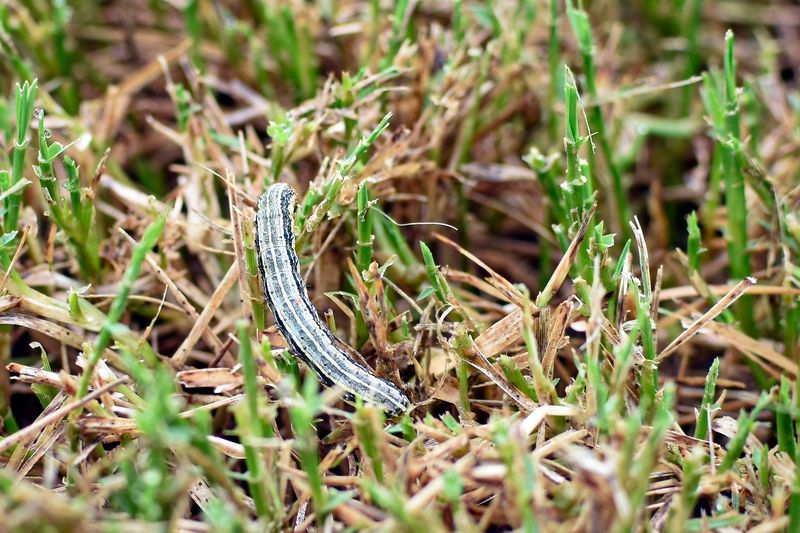
Good news first: you have solid options, and many of them are sold at most Texas garden centers. The trick is matching the product to the size of the caterpillars.
Small, young larvae respond well to Bt, a natural bacterium sold as Bacillus thuringiensis. It is gentle on pets, bees, and helpful bugs, but it works slowly on big caterpillars.
Spinosad is another lower-impact choice that comes from a natural soil microbe, though it can harm bees until the spray dries. It acts faster than Bt and works well on medium-sized armyworms.
For heavy outbreaks with large caterpillars, many homeowners choose a pyrethroid like bifenthrin. These products work fast, but they can harm bees and fish, so read labels carefully.
Liquid sprays usually work better than granules for armyworms, since the caterpillars feed on the leaves. Granules tend to wash down to the soil, away from the hungry mouths above.
Timing your spray matters as much as the product. Apply it in the late afternoon or evening, when caterpillars climb to feed and bees have gone home.
Mow a day or two before treating so the spray reaches the grass blades. After a liquid spray, skip mowing and watering for about a day, or as long as the product label directs.
Keep kids and pets off treated grass until the spray dries.
Focus on the brown edges and a wide band of green grass just beyond them. That healthy-looking strip is where the hungriest caterpillars are heading next.
Check again two or three days after treatment with another soap flush. If plenty of live caterpillars pop up, follow the label for a second round.
Lawn Recovery And A Smarter Plan For Next Fall
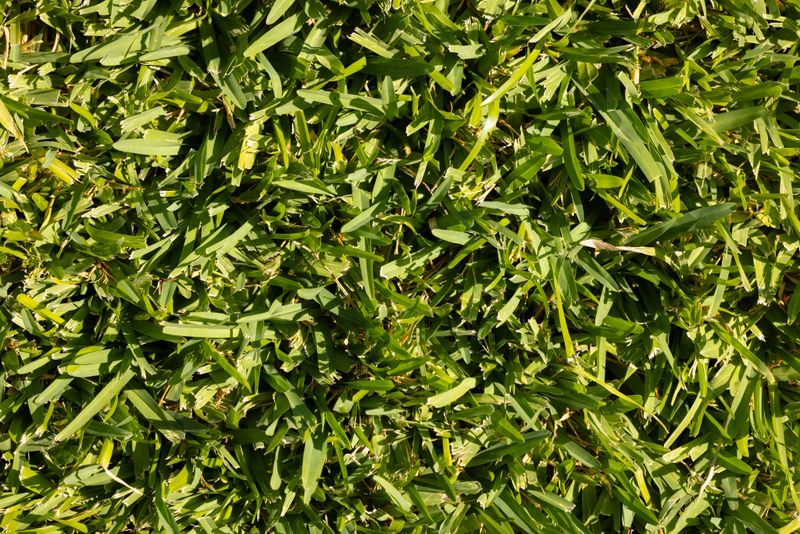
Take a deep breath, because a brown lawn after an armyworm outbreak is usually not a lost cause. These caterpillars chew the leaves but rarely harm the roots or growing points below.
In warm weather, healthy bermuda often greens back up within a few weeks. St. Augustine takes a bit longer, but it usually bounces back well when the weather stays warm. Late-season damage in North Texas may not fully recover until spring green-up.
Help the recovery with a deep watering about once or twice a week. A light dose of fertilizer can also give the grass a gentle nudge before cooler weather arrives.
Be careful with fertilizer on St. Augustine this late, since extra nitrogen can invite brown patch. Your county extension office can suggest the right amount for your area.
Newly planted sod and fresh seed are the big exception. Young grass has shallow roots, so it may need patching or reseeding if the damage runs deep.
Prevention for next year starts with smart feeding. Heavy nitrogen in late summer creates lush, tender blades that may attract egg-laying moths.
Birds, wasps, and ground beetles are also on your team. Go easy on broad insect sprays so these natural helpers stick around to snack on young caterpillars.
Some lawn pros apply a preventive product like chlorantraniliprole in late summer, so check that the label lists armyworms. One treatment can guard the grass for weeks, which helps busy families with big yards.
Mark your calendar for late August next year as a reminder to start checking. A little attention each fall keeps your lawn green, your wallet happy, and the birds less spoiled.