More Ladybugs Working Your Arizona Garden Means Fewer Aphids (How To Bring Them In)
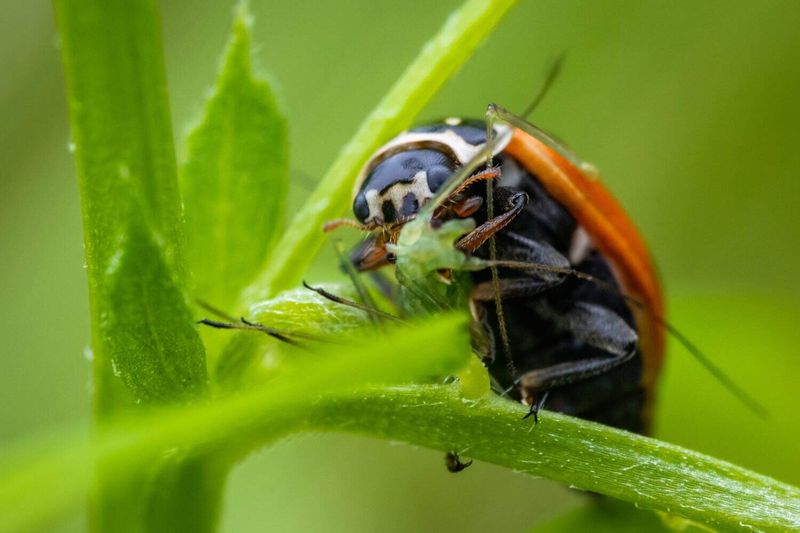
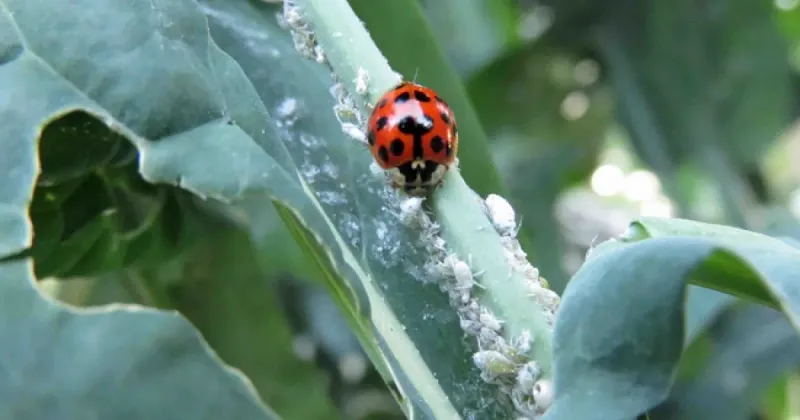
Tiny, soft-bodied aphids can show up fast on your pepper plants, roses, or citrus, and before long the leaves are curling and covered in sticky residue. Lady beetles are natural predators that eat aphids, and a garden that supports them may experience less pest pressure over time.
Getting there takes more than hoping a few spotted beetles wander in – it takes giving resident predators a reason to stay. This guide walks you through what to look for, which plants help, and how to protect the beneficial insects already working in your yard.
Aphids leave clues before they drain a plant
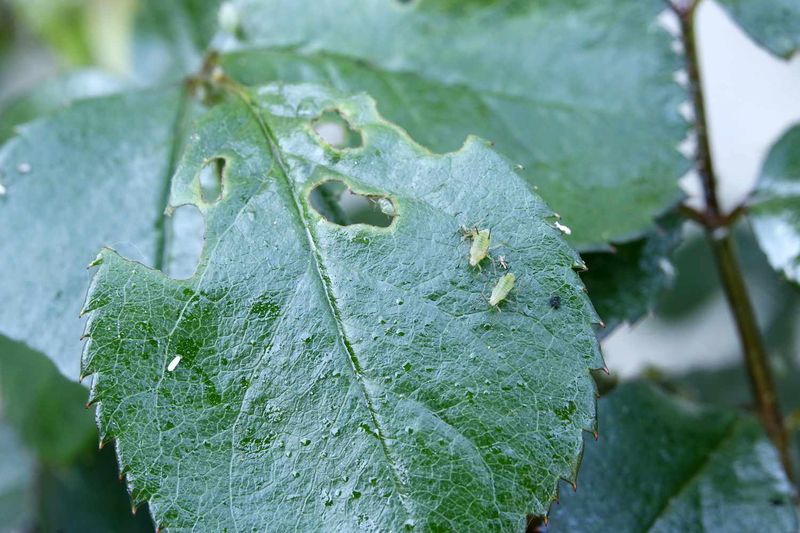
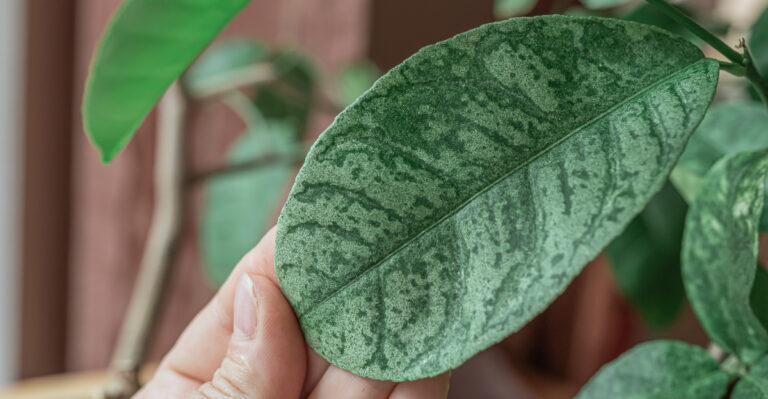
Catching an aphid problem early starts with looking in the right places. Check tender new growth first, then flip leaves over and inspect the undersides, run your eyes along stems, and look at any nearby plants that share the same bed.
Aphids cluster where plants are most vulnerable, and a heavy infestation can curl or distort foliage so badly that the insects become difficult to reach later.
Two signs often appear alongside the insects themselves. A sticky, shiny coating on leaves or the ground below a plant is honeydew, a byproduct aphids excrete as they feed.
That honeydew can develop a coating of black sooty mold, which signals a problem has been building for a while.
Before deciding whether to act, weigh a few factors. University of Arizona Cooperative Extension guidance on aphids recommends considering plant age, visible damage, crop value, and whether natural enemies are already present.
A well-established desert shrub tolerates light aphid pressure far better than a young vegetable transplant or a stressed plant running low on water.
Low-desert Arizona gardeners also get some natural help as summer approaches. Aphid populations sometimes decline as temperatures climb, because heat stresses the insects and speeds up their life cycle in ways that can reduce colony size.
That tendency is real but not guaranteed – some species and some infestations persist right through the hottest months – so monitor rather than assume the heat will handle it.
Lady beetles work at more than one life stage
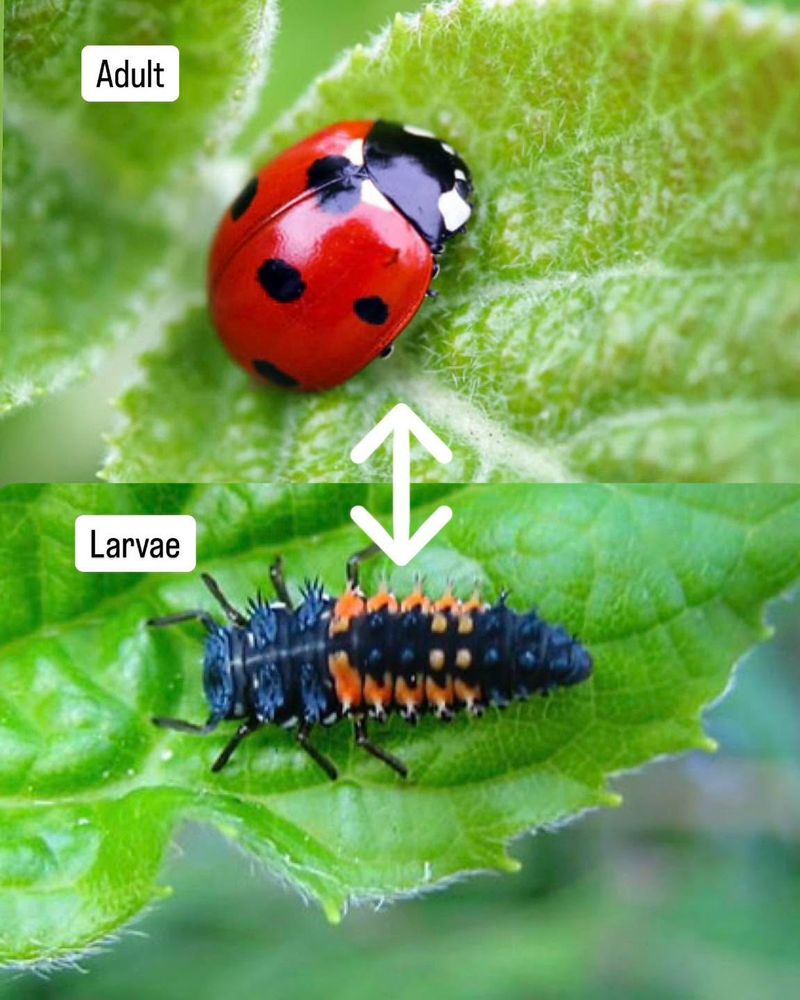
Most gardeners recognize the round, red-and-black adult beetle, but the larva is the stage many people accidentally overlook or misidentify. Lady beetle larvae are elongated, often dark with orange or yellow markings, and look a bit like tiny alligators crawling along a stem.
They are active predators, not plant pests, and removing them by mistake cuts the garden’s natural pest control in half.
Both adults and larvae feed on aphids. Research on lady beetle biology notes that late-stage larvae can be especially voracious, sometimes consuming more aphids per day than an adult.
Adults and early-stage larvae tend to eat less, so a garden with larvae at different growth stages is doing meaningful predation work even if you cannot see a dramatic drop in aphid numbers right away.
You may have heard that a single ladybug eats up to 5,000 aphids in its lifetime. That figure is an upper-end estimate that applies to some larger, aphid-feeding species under favorable conditions – not a guaranteed output for every lady beetle in every Arizona yard.
Your Arizona Garden Changes Every Week. Your Plan Should Too.
Gardening in Arizona changes quickly throughout the season. Every Friday you’ll receive a simple weekly plan showing exactly what to plant, prune, fertilize, harvest, and protect so you never miss the right timing.
Actual consumption varies with species, temperature, prey density, and how much food is available throughout the beetle’s life cycle.
Lady beetles can help suppress aphids, but they cannot promise a pest-free plant. Weather, ant activity, plant condition, and pesticide exposure all shape how effective any predator community turns out to be in a given season.
A useful lady beetle habitat needs more than flowers

Planting a few blooms and waiting for lady beetles to arrive is a reasonable start, but flowers alone rarely create a functioning predator community. Effective habitat combines several elements at once: a steady supply of prey insects, nectar and pollen sources for adults, physical shelter like dense vegetation or leaf litter, and irrigation conditions that keep plants healthy without waterlogging roots in alkaline desert soil.
University of Arizona farmscaping guidance cautions that randomly planting a mix of flowers can sometimes favor pest insects or produce poor results if the other habitat elements are missing. The goal is a layered garden ecosystem, not a single-purpose beetle garden.
Low-desert conditions add specific challenges. Phoenix and Tucson summers regularly push past 110 degrees Fahrenheit, and many plants that support beneficial insects in cooler climates struggle or go dormant here during the hottest months.
Select plants suited to your specific exposure – a south-facing wall in Scottsdale behaves very differently from a shaded east-facing bed in Tucson – and match irrigation to each plant’s actual needs rather than running everything on the same schedule.
Reduced pesticide exposure matters as much as plant selection. Lady beetles are mobile insects, and a yard that regularly uses broad-spectrum sprays will struggle to hold a resident predator population regardless of how many flowering plants surround it.
Supporting naturally occurring predators by limiting unnecessary chemical use is, according to cooperative extension resources, the most dependable home-garden strategy available.
Which Arizona plants can support the garden’s food supply?
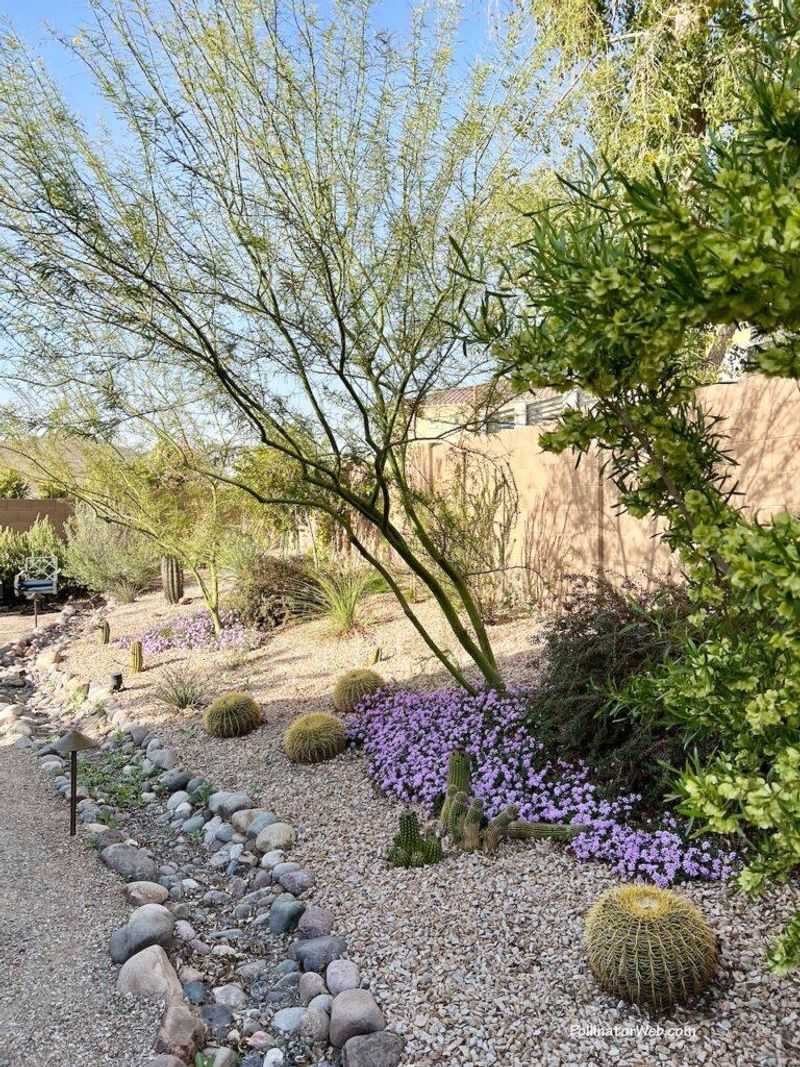
Choosing the right plants for a low-desert habitat garden means thinking about bloom timing as much as bloom type. A succession of flowers that opens at different points from late winter through fall gives beneficial insects, including lady beetles, a longer window of nectar and pollen availability than one plant that blooms for three weeks and goes quiet.
Desert willow and mesquite are two larger options that fit naturally into Phoenix and Tucson landscapes. Both are drought-tolerant once established, provide structure and shade, and produce flowers that support a wide range of beneficial insects.
Penstemon and globemallow bring color at different points in the season and handle full desert sun well, though globemallow may need supplemental water during extended dry spells depending on your site.
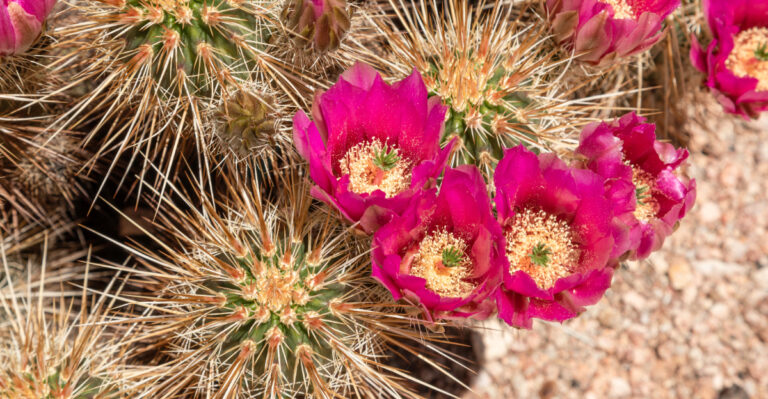
Prickly pear cactus adds year-round structure and blooms in spring with flowers that attract pollinators and other beneficials. Yarrow and alyssum work well as lower-growing companions in vegetable or herb beds and tend to flower over a longer period than many ornamentals.
University of Arizona guidance on plants for pollinators in the low desert notes that bloom timing shifts with elevation, weather, and exposure, so a plant that flowers in February in central Phoenix may bloom a month later in a higher-elevation Tucson neighborhood.
Herbs like dill, parsley, and basil pull double duty in a vegetable garden. They provide small, accessible flowers that many beneficial insects prefer and they produce edible harvests at the same time.
Match every plant to your sun angle, soil drainage, and realistic water budget before adding it to the bed.
Ants can shield aphids from their natural enemies
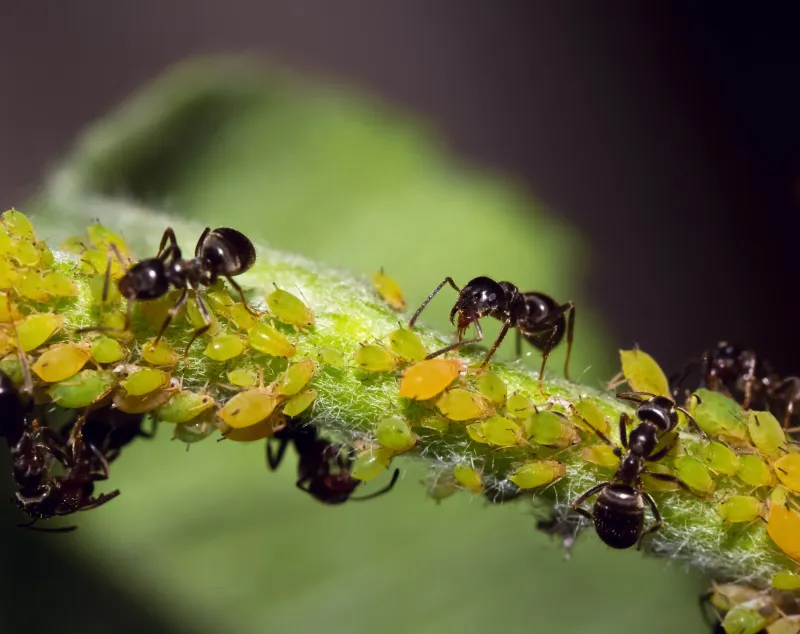
Ants and aphids have a working relationship that can quietly undermine everything else you do to support predators. Ants collect the honeydew aphids produce, and in return they actively guard aphid colonies – chasing away or harming lady beetles, parasitic wasps, and other natural enemies that approach.
Inspecting trunks and stems for ant traffic is a simple diagnostic step worth adding to your regular garden walkthrough. A steady line of ants moving up and down a citrus trunk or rose cane is a signal that aphids are likely feeding somewhere above, and that natural predators may be getting pushed out before they can do much work.
Two approaches are well-supported for reducing ant access. A sticky barrier product applied over a protective trunk wrap – never directly to bark – creates a physical obstacle ants cannot easily cross.
Appropriately placed ant baits near foraging trails give workers something to carry back to the colony. UC IPM guidance on aphid management recommends both of these methods as ways to reduce ant interference so resident predators can work more effectively.
The goal here is not eliminating every ant from the landscape. Ants perform useful roles in desert soil and are not worth targeting wholesale.
Reducing their access to specific plants where aphid pressure is a concern is a targeted step that gives lady beetles and other predators a more level playing field.
Protect the predators before reaching for a spray
The first move when you spot aphids should be observation, not a trip to the garden center. Check whether lady beetle adults or larvae are already present, look for the mummified aphid husks that parasitic wasps leave behind, and assess whether the infestation is growing or holding steady.
A light aphid population on a healthy, established plant may not need any intervention at all.
When the numbers are high enough to warrant action, a strong stream of water directed at infested stems and leaf undersides is a reasonable first step for sturdy plants. Water dislodges aphids without leaving a residue that harms the predators working nearby.
Tender seedlings or plants with thin, soft foliage need gentler pressure to avoid physical damage.
If water alone is not enough, integrated pest management guidance for Arizona home gardens supports using insecticidal soap or horticultural oil as label-directed contact options. Both products work by direct contact, so they will miss aphids tucked inside tightly curled leaves.
Apply them only when temperatures are moderate – soaps and oils applied to drought-stressed plants or during very hot Arizona afternoons can scorch foliage and cause more harm than the aphids themselves. Always follow the product label, and consider testing a small area first on plants you have not treated before.
Broad-spectrum insecticides are a different calculation entirely. They can reach aphids effectively, but they also harm lady beetle adults, larvae, parasitic wasps, and other natural enemies working in the same space.
Using them routinely while trying to support beneficial insects is counterproductive – the predator community takes the hit right alongside the pests. Avoid them when conservation is the goal.
Why buying lady beetles often falls short
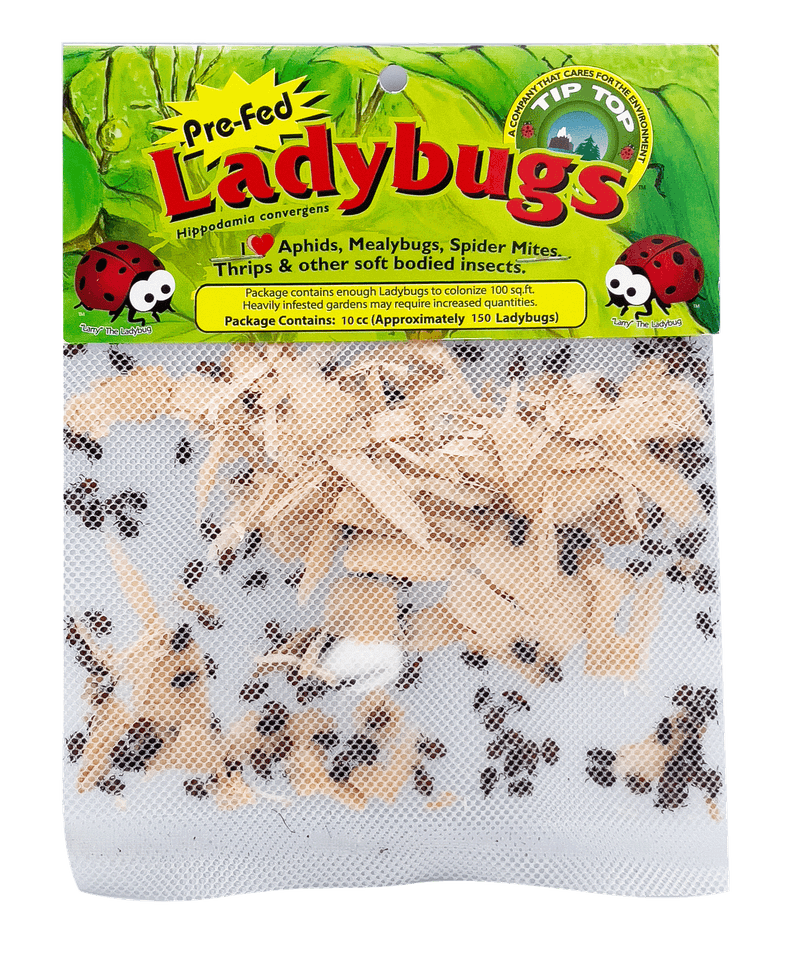
Bags of live lady beetles show up at garden centers every spring, and the appeal is understandable. You can see the insects, count them roughly, and feel like you are taking direct action against an aphid problem.
The reality of what happens after release is less satisfying.
Lady beetles are highly mobile insects, and released adults tend to fly off quickly. Research cited by UC IPM found that approximately 95 percent of released lady beetles dispersed within 48 hours in controlled studies.
The beetles are not defective – dispersal is a natural response to being placed in an unfamiliar location, especially when the habitat does not match what they need to settle and feed.
Purchased beetles also arrive with additional limitations. Wild-collected beetles may have been held in storage conditions that affect their fitness.
Retail quantities are often too small to make a meaningful dent in a moderate infestation even if all of them stayed. If aphid-infested plants were recently treated with a pesticide, released beetles may encounter residues that harm them before they can do any feeding.
For gardeners who still want to try a release, a few steps may improve short-term results. Release beetles during the cooler, darker hours of early morning or evening rather than midday.
Lightly mist the plants beforehand so the beetles have access to water. Avoid releasing them on any plant treated with insecticides in recent weeks.
These measures may help some beetles linger a bit longer, but they do not make establishment or lasting aphid control likely. Conservation of naturally occurring predators already adapted to your yard remains the more dependable path.
Build a garden that keeps aphids manageable
Putting the pieces together looks like a short routine rather than a complicated system. Start each garden visit by checking new growth and leaf undersides for aphids, then look for lady beetle adults, larvae, and the papery husks parasitic wasps leave behind.
Inspect trunks for ant traffic before assuming natural enemies are free to work.
Add flowering and shelter plants suited to your specific sun exposure, soil drainage, and water budget. Aim for bloom succession across different months rather than one short burst of flowers.
University of Arizona Cooperative Extension guidance on beneficial insects emphasizes recognizing and protecting lady beetles by limiting unnecessary insecticide use, which is the single most direct way to support resident predators.
Treat only when a plant is clearly struggling and other options have not been enough. Water sprays, sticky ant barriers, and label-directed soap or oil applications all preserve the predator community better than broad-spectrum products.
Reserve those stronger options for situations where plant health is genuinely at risk.
Success in a low-desert garden means keeping aphid pressure at a level your plants can handle, not reaching zero. A yard with some aphids, healthy plants, and an active predator community is doing exactly what a functional habitat garden should do.