The One Fall Task That Keeps Texas Fig Trees Productive Next Summer
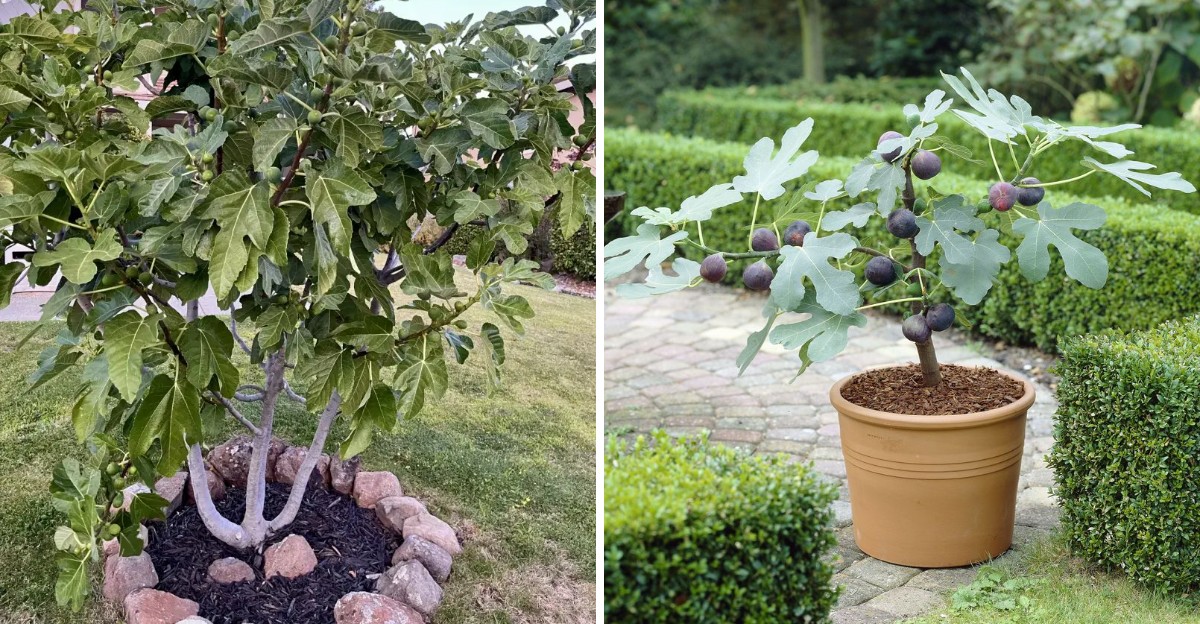
Texas fig trees are generous plants. Given the right conditions, they produce abundantly and ask very little in return. But there is one fall task that most Texas fig growers either skip entirely or don’t do correctly.
It takes very little time and it costs almost nothing. When done before winter arrives, it sets a fig tree up to come through the cold months in significantly better shape than one left unattended.
Most homeowners find out about this task after their first disappointing summer harvest. The ones who know about it ahead of time tend to have a very different experience.
Apply A Thick Layer Of Mulch Around The Base
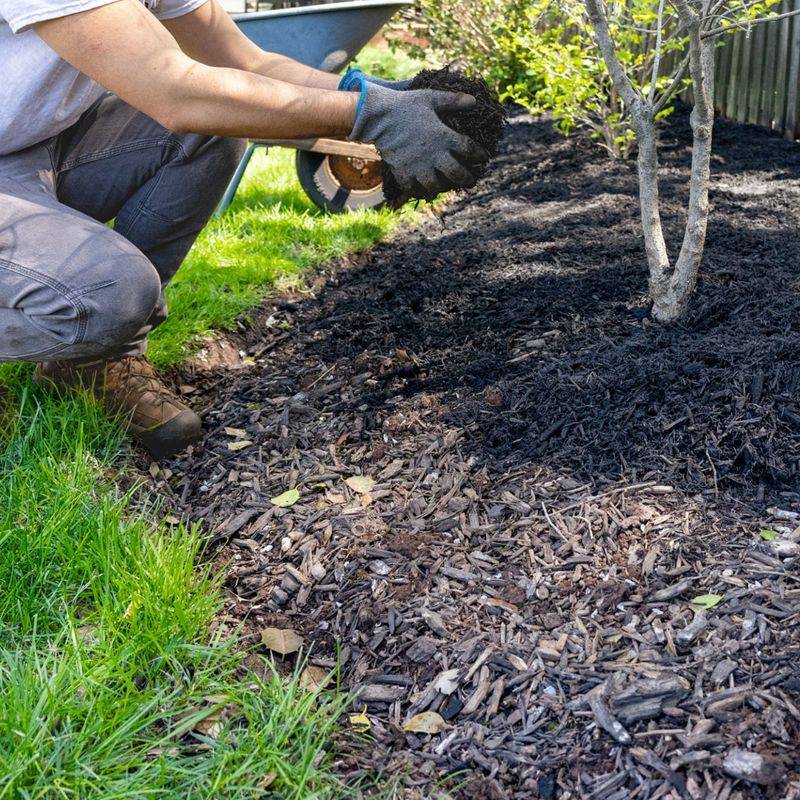
Of all the fall jobs on your list, spreading mulch gives you the biggest payoff for the least effort.
Fig roots sit fairly close to the surface. When a hard freeze hits Texas, the top few inches of soil can chill fast. A thick blanket of organic material slows that heat loss and keeps the roots cozy.
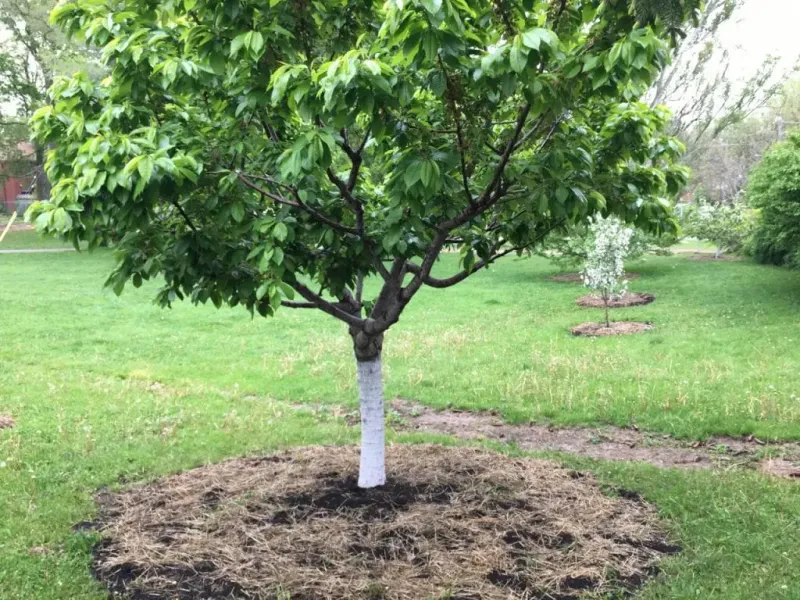
Aim for a layer about four to six inches deep. Spread it wide, out to the edge of the branches if you can. That circle is called the drip line, and it marks where most feeding roots live.
Good choices are easy to find. Straw, shredded leaves, pine needles, and wood chips all work well. Many Texas cities even give away free wood chips from tree trimming crews.
Leave a small gap of two or three inches right around the trunk. Mulch piled against the bark holds too much moisture. That can invite rot and give bugs a hiding place.
Mulch does more than fight cold. It also helps the soil hold water through dry winter weeks. Texas winters can swing from icy one day to windy and dry the next, so that extra moisture really matters.
Here is a bonus. As the mulch breaks down, it feeds the soil with rich organic matter. By spring, your tree will have healthier dirt to grow in.
Fun fact: figs are one of the oldest fruits people have grown, going back more than 11,000 years. Even ancient gardeners knew roots love a good covering.
Time It Right: Before The First Hard Freeze
Ever heard the saying that timing is everything? In the garden, that is truer than most folks think. Mulch put down too early or too late will not do its best work.
The sweet spot is late fall. Your fig should be slowing down, with leaves turning yellow and starting to drop. At the same time, the first hard freeze should still be a week or two away.
Why not mulch in early fall? Warm soil under a thick cover can trick the tree into thinking summer is still going. Letting the ground cool a bit first helps the fig settle into rest.
Waiting too long causes problems too. Once a hard freeze strikes, the roots may already be hurt before you get the chance to cover them.
Texas is a big state, so dates vary a lot. Folks in Amarillo often see frost in late October. Gardeners in Houston or San Antonio may not see one until December, and some years in the Rio Grande Valley pass with barely any frost at all.
Your Texas Garden Changes Every Week. Your Plan Should Too.
Gardening in Texas changes quickly throughout the season. Every Friday you’ll receive a simple weekly plan showing exactly what to plant, prune, fertilize, harvest, and protect so you never miss the right timing.
A quick online search for your county’s average first-frost date will point you in the right direction.
Your local Texas A&M AgriLife Extension office is another great resource. They track weather patterns and share free planting calendars.
Try this simple trick. Mark your frost date on a calendar, then circle the weekend two weeks before it. Gather your mulch that weekend so you are ready to spread it when the cold rolls in.
Keep an eye on the ten-day forecast as well. Surprise cold snaps happen, especially during La Niña years. Nature does not always follow the calendar.
Stop Fertilizing So The Tree Can Harden Off
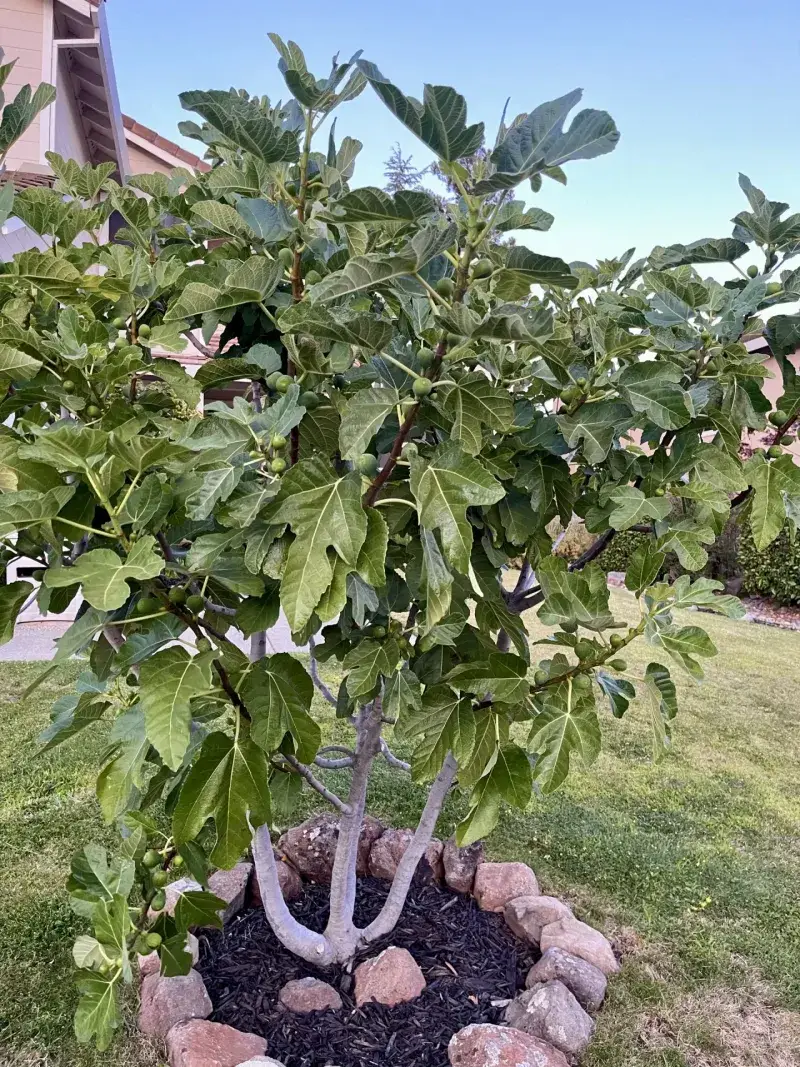
Fertilizer, especially the kind high in nitrogen, tells a plant to grow. In spring and early summer, that is great news. In October or November, it is a recipe for trouble.
New shoots that pop out late in the season are soft and green. Their cells hold lots of water, and they have not built up a tough outer layer yet. When freezing air arrives, that tender growth gets damaged quickly.
Gardeners call the toughening process hardening off. As days shorten and nights cool, the fig slowly turns green stems into woody branches. That woody tissue can handle cold far better than fresh growth.
So what is the plan? Give your last dose of fertilizer by midsummer, around early July in most of Texas. After that, put the bag away until spring.
Watch out for sneaky sources of food as well. Lawn fertilizer spread near your fig can wash down to its roots after a rain. Keep weed and feed products away from the drip line in late summer and fall.
Figs are not heavy feeders anyway. Too much fertilizer at any time can mean lots of leaves and very little fruit. Many Texas growers only feed their trees once or twice a year.
Skipping fall feeding might feel like you are neglecting your tree. Really, you are giving it the rest it needs. A well-rested fig wakes up strong and ready to fruit next summer.
Keep The Soil Moist Going Into Winter
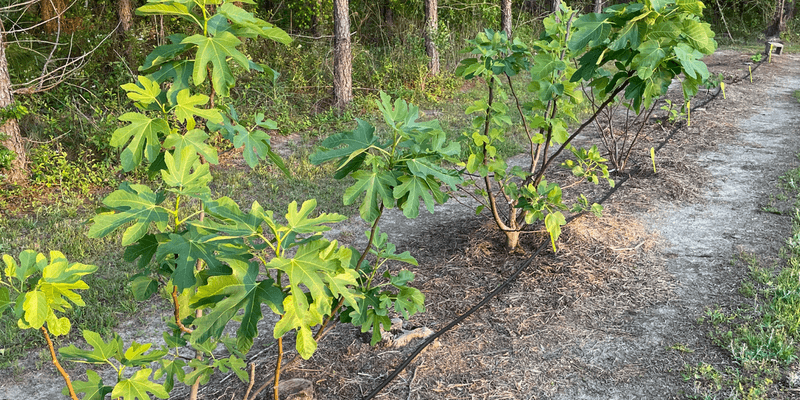
Wet soil holds and releases heat much better than dry soil. Farmers in citrus groves have used that trick for generations, watering their orchards before a freeze. Your fig tree can benefit from the very same idea.
During the day, damp ground soaks up warmth from the sun. At night, it slowly gives that warmth back to the roots and the air close to the ground. Dry, dusty soil cools off much faster.
Thirsty trees also struggle more in the cold. A fig that has gone weeks without rain is already stressed. Add a hard freeze on top of that, and the damage can be much worse.
Texas falls are often dry and breezy. Some years, parts of the state go a month or more without a good soaking rain. Do not let a pretty autumn fool you into forgetting the hose.
A good rule is to water deeply about once every week or two during dry spells. Let the hose trickle slowly at the base for a while so water sinks deep instead of running off. A soaker hose laid under the mulch makes the job even easier.
Watch the forecast closely once winter nears. If a freeze is coming, give your tree a good drink a day or two before. Try to water in the morning or early afternoon so the surface is not icy by nightfall.
Not sure if your soil needs water? Push a finger about two inches into the ground near the trunk.
Dry means it is time to water, and damp means you can wait. Just avoid soggy, puddled ground, since figs dislike wet feet.
Give Young And Container Figs Extra Protection
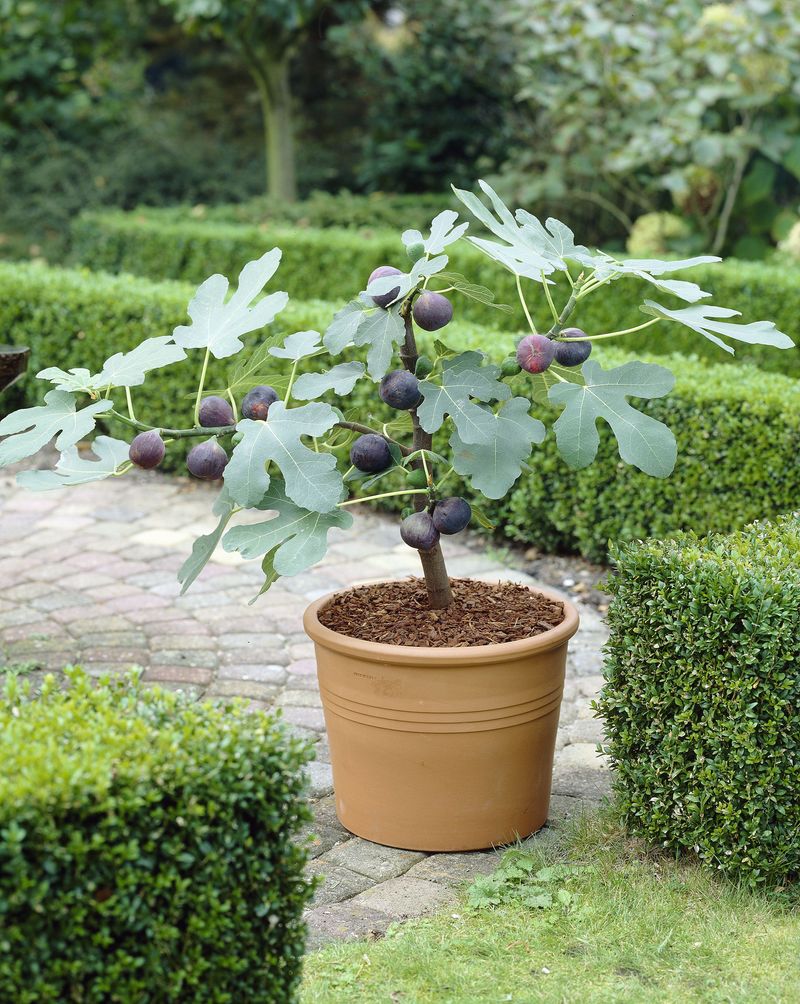
Every fig grower remembers their first little tree. Maybe it was a small Celeste from the garden center or a cutting from a neighbor’s yard. Those babies need a bit more care than their older, sturdier cousins.
Young figs have thin bark and small root systems. They simply have not had time to build up cold toughness. A freeze that barely bothers a ten-year-old tree can knock a first-year fig back to the ground.
Frost cloth is your best friend here. Drape it over the whole tree so it reaches all the way to the soil.
Weigh down the edges with bricks or rocks so the warmth rising from the ground stays trapped inside.
Skip plastic sheets if you can. Plastic touching the leaves can actually pass cold straight through and cause more harm. Old bedsheets or blankets work in a pinch.
For extra warmth, some gardeners place a string of old-style incandescent holiday lights under the cover. The small bulbs give off gentle heat. Newer LED lights stay cool, so they will not help much.
Remove the cover once temperatures climb above freezing the next day. Leaving it on during sunny afternoons can overheat the tree.
Potted figs face a special risk. Their roots sit above ground in a container, with no warm earth around them. On nights forecast to dip into the twenties, roll the pot into a garage, shed, or covered porch.
A plant dolly with wheels makes moving heavy pots much easier on your back. Bring the fig back outside once the cold passes so it stays dormant and does not wake up too early.
Save Pruning For Late Winter
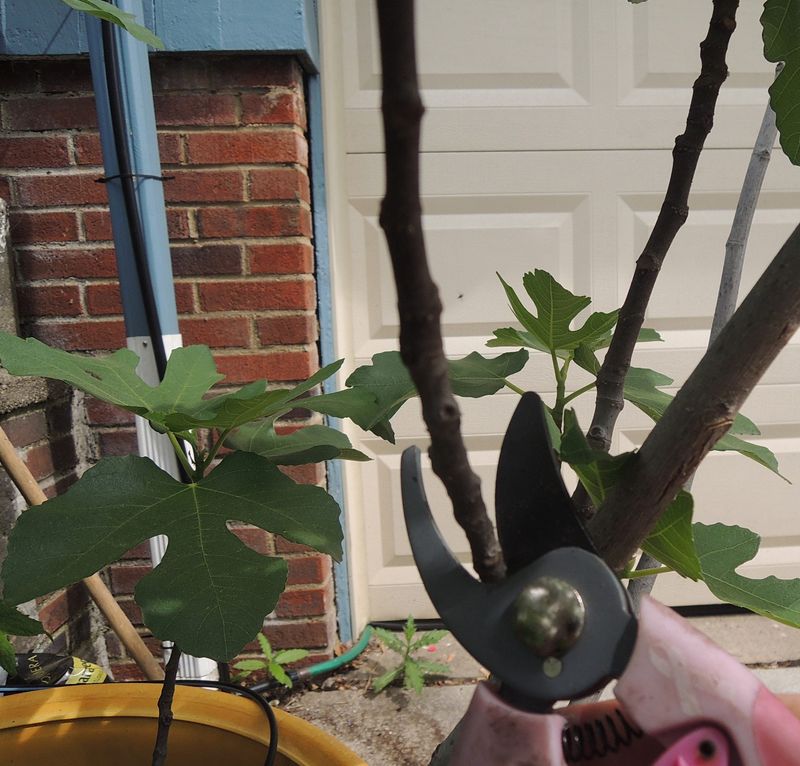
Patience might be the most underrated gardening tool you own. When fall cleanup fever hits, it is tempting to grab the loppers and tidy up your fig. Hold off, because your tree will thank you.
Cutting branches sends a wake-up signal to the plant. The tree responds by pushing out fresh buds near the cuts. Those new shoots are soft and have no chance to toughen before winter arrives.
Fresh wounds are another concern. Open cuts let cold air reach deeper into the wood. They also give fungus and pests an easy way inside.
Late winter is the perfect window instead. In most of Texas, that means February or early March, just before new leaves start to show. The worst cold is usually over by then.
Waiting comes with a big bonus. By late winter, you can clearly see which branches made it through and which ones did not. Freeze-damaged wood often looks dark, shriveled, or brittle.
Try the scratch test if you are unsure. Gently scrape a bit of bark with your thumbnail. Green underneath means the branch is alive, while brown and dry means it is time to cut.
Trim damaged branches back to healthy green wood. Remove any limbs that cross or rub against each other. Aim to open up the center so sunlight can reach the fruit next summer.
Figs do not need heavy pruning to stay fruitful. Taking off more than a third of the tree in one year can reduce your harvest.
Always use clean, sharp pruners for smooth cuts that heal fast. Wear gloves too, since fig sap can irritate your skin.