The New York Yard Jobs Worth Doing Before A Colder-Than-Normal Winter
The forecast chatter is already loud: colder than normal, and probably early. That makes getting the garden ready now more important than waiting for the first hard freeze.
Around New York, this kind of news means your yard has a real to-do list. Roots, bark, and buds all handle a rough season better when someone gives them a hand in advance.
A few hours in October and November can prevent split arborvitae and brown rhododendron leaves in March. Think deep watering, fresh mulch, burlap screens, and a drained hose.
None of it requires fancy tools or a landscaping degree, just a little timing and attention. The reward shows up quietly, in green needles, plump buds, and shrubs that still hold their shape.
1. Water Young Trees And Shrubs Before The Ground Freezes
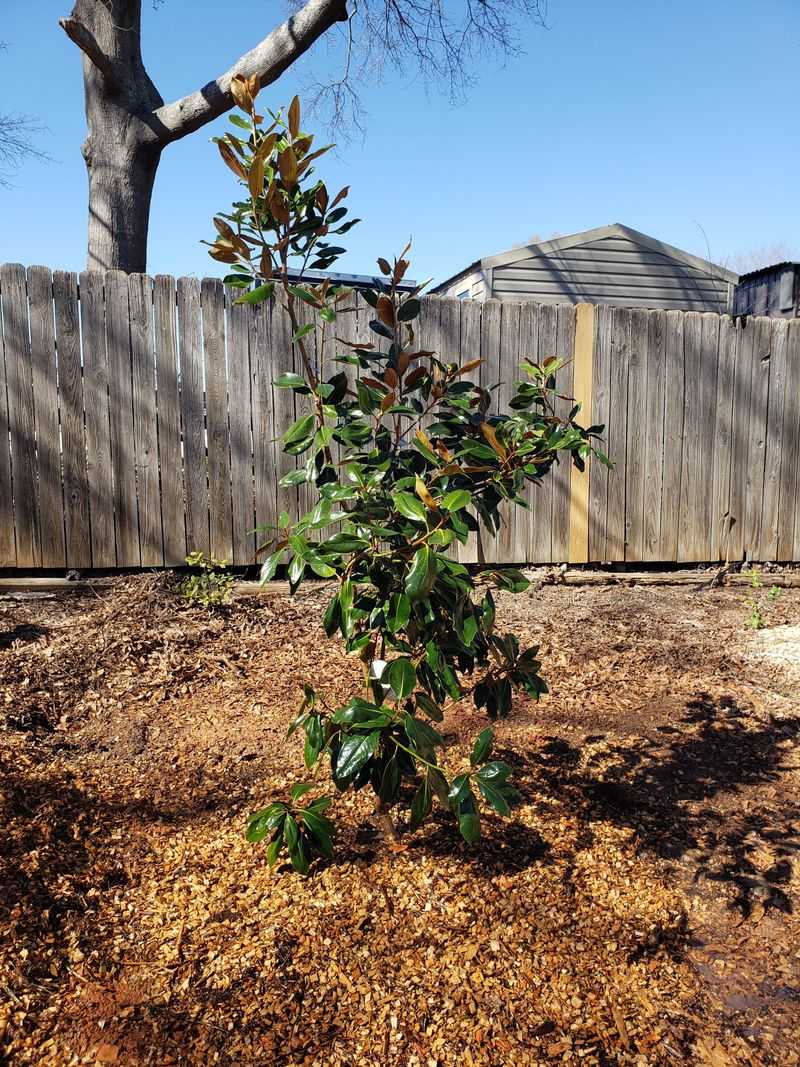
Roots keep working long after the last leaf drops, quietly sipping moisture below the surface. Trees slow down in fall, yet they rarely shut off the way most people assume.
Give young trees and shrubs a long, slow soak while the soil stays workable. In much of New York, the ground begins to freeze sometime in late fall, depending on location and weather.
Aim to moisten soil six to twelve inches down, not just the top crust. Quick sprinkles evaporate fast and leave thirsty roots hanging during a cold, windy stretch.
Check moisture by digging a small hole four to six inches deep with a trowel. If that soil feels dry and the day tops forty degrees, it is watering time.
Evergreens deserve extra attention because their needles keep releasing moisture through winter. Newly planted stock also struggles, since small root balls hold very little reserve water.
Damp soil holds heat better than dry soil, acting like a warm blanket around roots. Watering before the ground freezes helps plants enter winter with adequate moisture.
Use a slow hose trickle, or a bucket with small holes drilled in the bottom. Move it around the root zone so water spreads evenly.
Summer drought stress carries over, so skipping fall watering shows up as brown foliage in spring. A few thorough soakings now save a lot of replacement shopping later.
Mark the calendar for a final deep drink before the hose gets drained and stored. Your trees will not thank you out loud, but spring growth speaks clearly.
2. Mulch Beds To Buffer Freezing And Thawing
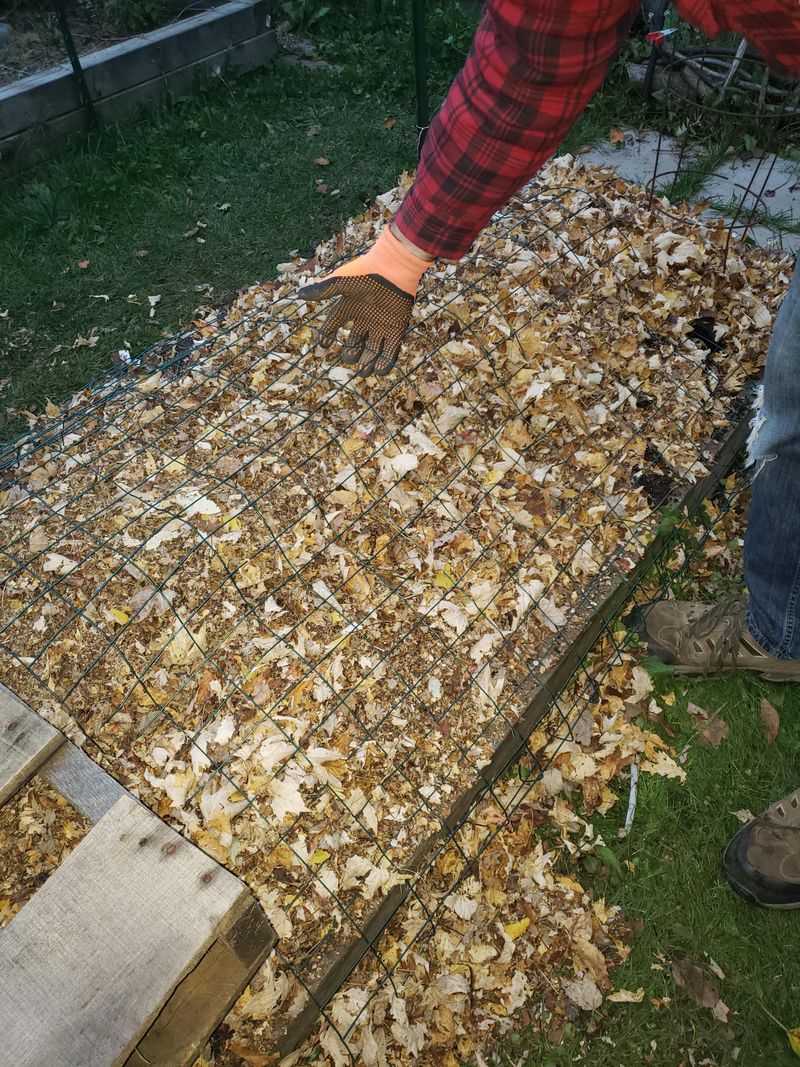
Think of mulch as a winter coat for soil, spread flat instead of zipped up. A two to four inch layer keeps ground temperatures steadier through wild swings.
Bare beds heat up on sunny afternoons and refreeze hard overnight. That back and forth shoves shallow roots upward, a problem gardeners call frost heaving.
Shredded leaves, wood chips, compost, straw, and pine needles all work well. Chopped leaves are free, and most New York yards produce piles of them each October.
Skip thick mats of whole leaves, since they pack down and block air. Run the mower over them once and the texture improves right away.
Your New York Garden Changes Every Week. Your Plan Should Too.
Gardening in New York changes quickly throughout the season. Every Friday you’ll receive a simple weekly plan showing exactly what to plant, prune, fertilize, harvest, and protect so you never miss the right timing.
Timing matters more than people expect with winter mulch. Wait until after the first frost, or until the top of the soil has frozen.
Wait until the ground freezes before mulching. This helps keep the soil frozen and discourages rodents from settling into the mulch.
Pull the mulch back a few inches from trunks and stems. Piles pushed against bark hold moisture, encourage rot, and give voles a cozy hideout.
Moisture conservation is another quiet benefit during dry, windy stretches. Covered soil loses far less water than exposed ground on a breezy January day.
Organic mulch breaks down slowly and feeds soil life underneath. By spring you get crumbly texture, better drainage, and happier microbes around the roots.
Rake the surface smooth so water soaks in instead of running off. One afternoon with a wheelbarrow buys months of steady protection.
3. Protect Evergreens From Dry Winter Winds
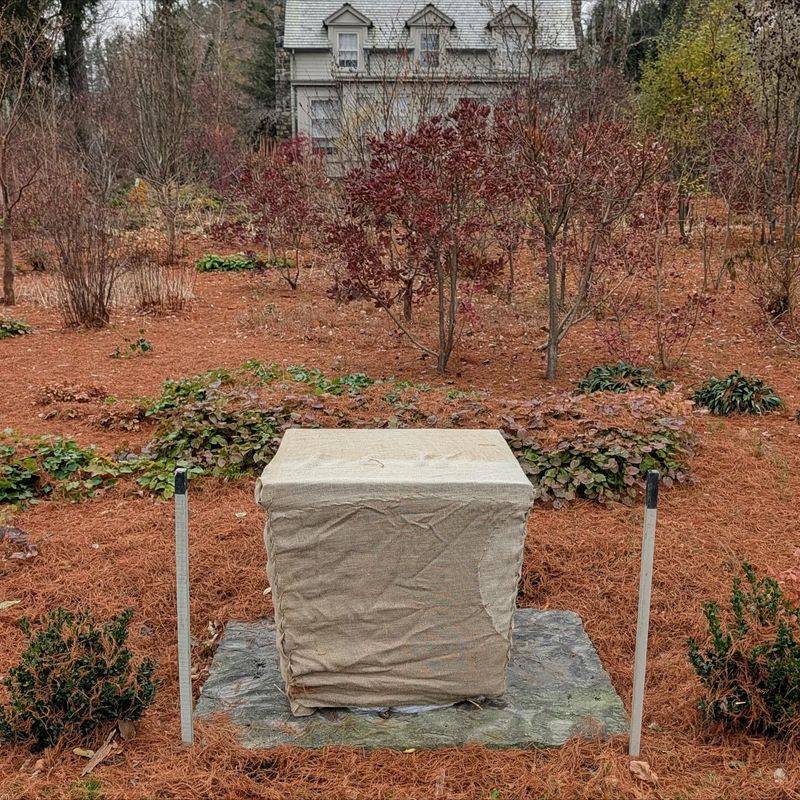
Browned needles in March usually trace back to January wind, not cold alone. Evergreens keep losing moisture through foliage while frozen soil blocks the refill.
Gardeners call the result winter burn, and exposed corners of a yard see it first. Windy suburban lots across New York tend to show the worst scorching.
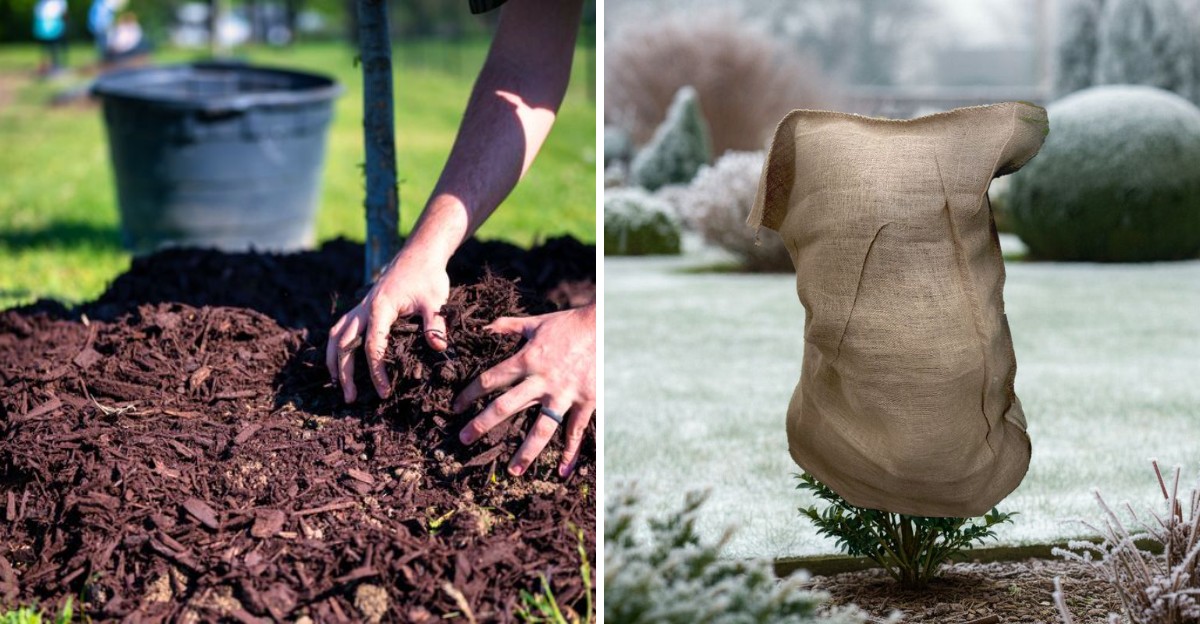
A burlap windbreak is the classic fix and costs very little. Drive stakes a couple feet out from the plant, then staple burlap across them.
Keep fabric off the foliage so branches are not crushed or chafed. Think tent or screen, not a tight wrap squeezing the plant.
Anti-desiccant sprays add another layer of defense for thin-leaved plants. The coating forms a waxy film that slows moisture escape from leaves and needles.
Rhododendrons, azaleas, hollies, and boxwood can be vulnerable to winter drying, especially in exposed spots. Needled evergreens in open, breezy spots can also be vulnerable, particularly young ones.
Apply after plants harden off but before harsh weather arrives. In this region, that window often lands in November or very early December.
Apply anti-desiccant sprays according to the product directions and suitable weather conditions.
Salt spray from plowed roads makes roadside evergreens even more vulnerable. A burlap screen on the street side blocks much of that spray.
Deep watering in fall supports all of this, since hydrated foliage resists scorching. Wind protection plus moisture equals green needles when the snow finally melts.
4. Shield Tender Plants From Harsh Sun And Wind
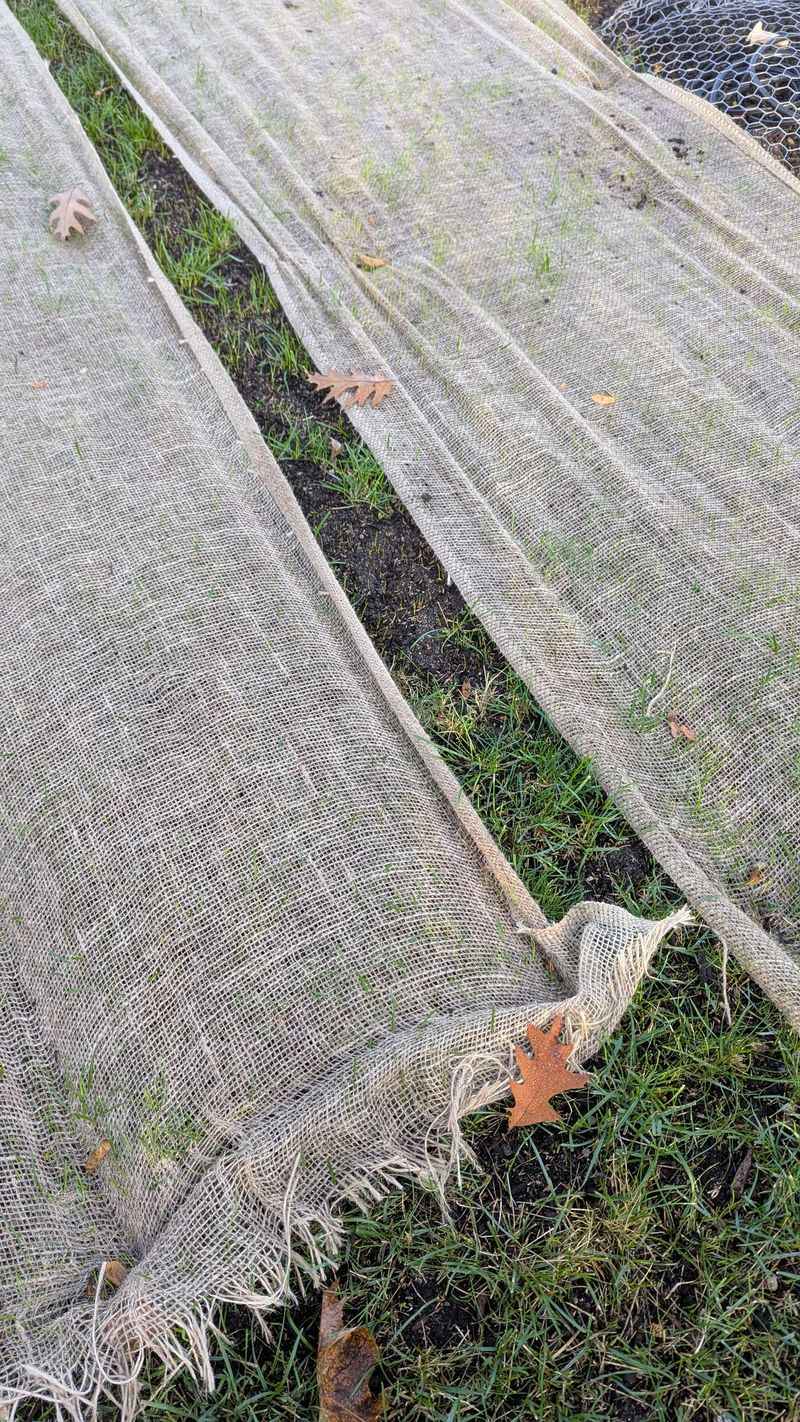
Some plants handle cold fine but crumple under bright sun bouncing off snow. Broad-leaved evergreens and borderline-hardy shrubs fall right into that group.
Burlap earns its reputation here because it breathes while blocking wind. Cheap, reusable, and easy to cut, it beats plastic sheeting by a mile.
Set three or four stakes around the plant and staple fabric to form a screen. Leave the top open so air moves and snow does not pile inside.
Covers also shield foliage from ice, road salt, and stinging sleet. Branches stay tucked in rather than whipping around during a gusty storm.
Container plants need different handling since their roots sit above ground. Move pots into an unheated garage, shed, or sheltered corner near the house.
When moving is not possible, huddle containers together against a wall. Wrap the cluster in bubble wrap or burlap to slow heat loss from the sides.
Soil in pots should stay slightly damp, not bone dry. Dry potting mix offers little insulation and leaves roots exposed to sharp cold.
Skip decorative ceramic pots outdoors if they crack easily. Plastic, fiberglass, or concrete containers survive repeated freeze cycles much better.
Label each wrapped shrub so nobody mistakes the bundle for yard waste. A quick photo of your setup helps you repeat it faster next year.
Check ties after storms, since wet burlap sags in soft ground. A five minute fix keeps the screen standing.
Remove covers gradually once mild weather returns in March. Plants need time to adjust before full sun hits tender new leaves.
5. Check New Plantings Before Winter Settles In
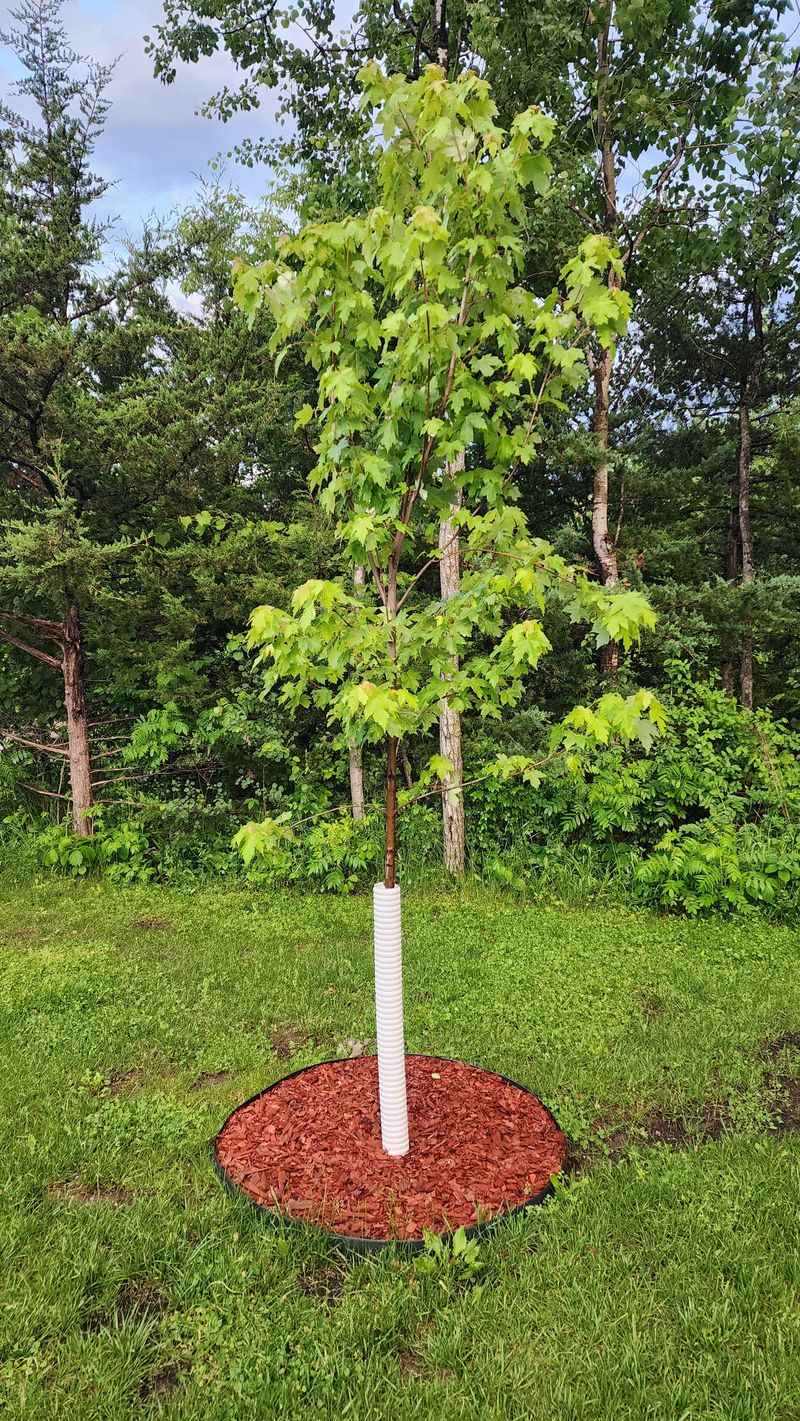
First winters are the toughest test for anything planted this year. Roots have not spread far, so small problems turn serious quickly.
Walk the yard and note every shrub, tree, or perennial added since spring. Those spots deserve a closer look before the cold locks everything in place.
Start with a deep soak while soil still accepts water. Slow watering lets moisture reach the whole root ball instead of running sideways.
Spread a mulch ring two to four inches thick around the root zone. Keep a donut shape with open space right at the trunk or crown.
Young bark can be vulnerable to sunscald on bright winter days. A suitable tree wrap can help protect young trunks from winter injury.
Hungry rabbits, voles, and deer treat fresh plantings like a buffet. Plastic spiral guards or hardware cloth cylinders block most of that chewing.
Leave a small gap between the guard and the trunk for airflow. Remove wraps in early spring so bark does not stay damp.
Stake only if wind rocks the plant, and use wide, soft straps. Rigid staking for long periods weakens trunks instead of strengthening them.
Check any soil that has settled around new plantings and correct obvious gaps or exposed roots. Keep the root flare at the proper level before mulching.
Write planting dates on a tag or garden map. Knowing a shrub’s age helps you decide when extra coddling is no longer needed.
New York winters can swing from thaw to deep freeze in a short time. Prepared young plants ride out those swings far better than neglected ones.
6. Protect Exposed Roots From Frost Heaving
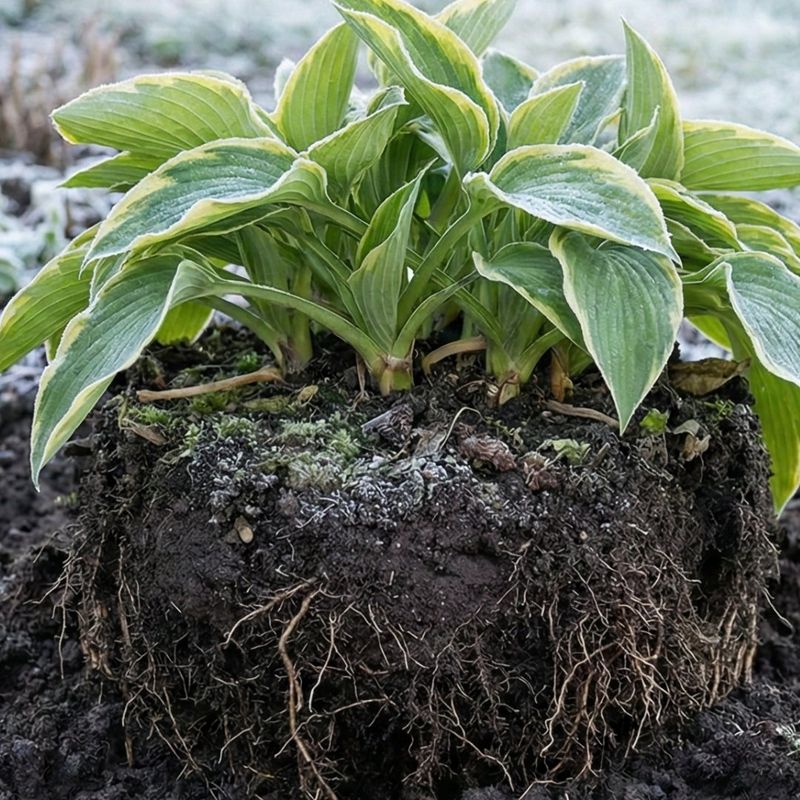
Picture soil breathing, puffing up when it freezes and sinking when it thaws. That motion can lift small plants right out of their beds.
Strawberries, heuchera, and young perennials get pushed up most often. Once roots sit in open air, drying winds finish the damage.
Mulch is the simplest defense, applied two to four inches deep. Steady soil temperature means fewer freeze and thaw cycles under the surface.
Wait until the ground has frozen before spreading the layer. The goal is keeping soil cold, not warming it back up.
Wood chips, shredded bark, compost, oak leaves, and pine needles all do the job. Oak leaves resist matting, which makes them a longtime gardener favorite.
Leave a clear space around crowns and trunks. Mulch piled against stems traps moisture and invites rot or rodent nesting.
Walk beds after a big thaw and look for plants sitting high. Press them back down gently with your hands and add mulch on top.
Evergreen boughs from holiday trimmings make excellent free cover. Lay them over perennial beds for airy, shade-giving insulation.
Raised beds and slopes heave more because they drain and freeze faster. Extra mulch on those spots pays off by April.
Good drainage can reduce conditions that contribute to heaving. Amending heavy clay with compost helps over several seasons.
Newly divided perennials are the most vulnerable of all. Give them a generous blanket and check on them after each midwinter thaw.
7. Leave Some Garden Debris For Winter Wildlife
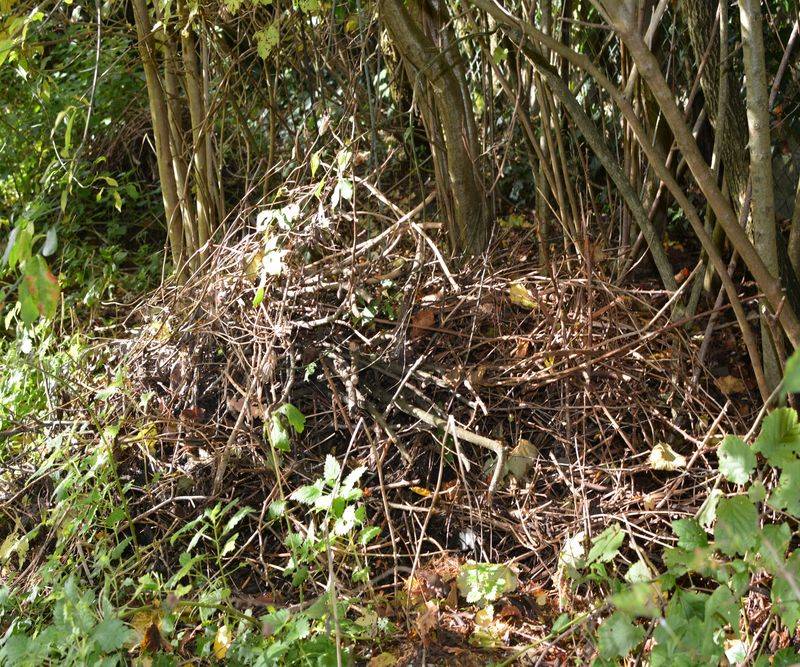
Tidy gardens look sharp in photos, yet a little mess feeds a lot of life. Seed heads, hollow stems, and leaf litter turn into a wildlife pantry.
Coneflowers, black-eyed susans, and ornamental grasses hold seeds well into January. Goldfinches, juncos, and chickadees work those stalks all winter long.
Dried grasses also add movement and texture to a snowy yard. Frost on seed heads at sunrise beats an empty bed every time.
Fallen leaves shelter butterfly and moth pupae waiting for spring warmth. Fireflies spend part of their life cycle in damp leaf layers too.
Hollow stems left standing give native bees a place to shelter. Cut them back in late spring instead of clearing everything in October.
Spent annuals can stay in place as free mulch over bare soil. They break down by planting time and feed the bed along the way.
One firm rule still applies to diseased material. Anything with mildew, blight, or spotted foliage should leave the yard entirely.
Bag those clippings rather than composting them at home. Backyard piles rarely heat enough to handle stubborn plant diseases.
Ground-nesting bees prefer small patches of bare or thinly covered soil. Skip mulch in a sunny corner and let them claim it.
Neighbors may raise eyebrows at the uncut beds. A small sign explaining the habitat plan usually turns curiosity into interest.
Brush piles in a back corner shelter birds during ice storms. A little untidiness earns real rewards by springtime.
8. Avoid Late Pruning That Can Disrupt Hardening
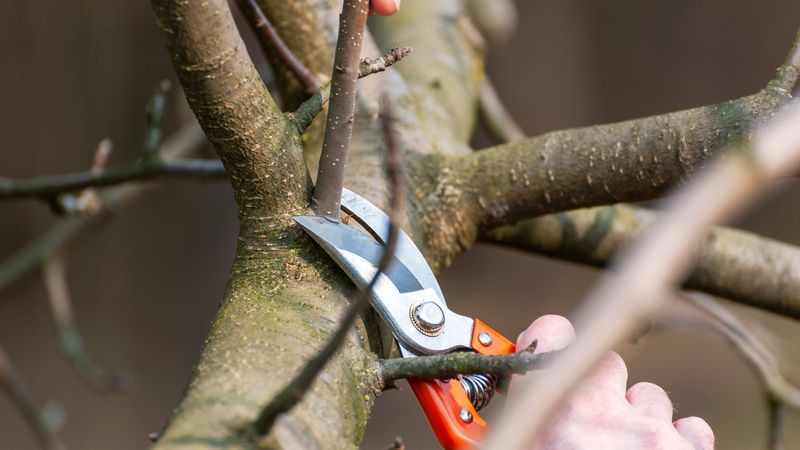
Pruning shears feel tempting on a mild November afternoon. Resist the urge, because timing shapes how well plants survive the season.
Woody plants harden off using cues from shorter days and chilly nights. Cutting during that process can nudge them into growing when they should be resting.
Fresh shoots pushed out in late fall may remain tender. That new growth can be more vulnerable when freezing temperatures arrive.
The risky window runs from late fall through midwinter for most shrubs. Save major shaping for late winter or early spring instead.
Late-season fertilizer can cause similar trouble. Avoid unnecessary nitrogen applications late in the season so plants have time to harden off.
Spring-blooming shrubs have another reason to wait. Lilacs, forsythia, and azaleas set buds in summer, so fall cuts remove flowers.
There is one worthwhile exception to the hands-off rule. Removing damaged, cracked, or rubbing branches lowers the odds of storm breakage.
Clean cuts just outside the branch collar heal best. Leave the collar intact and skip pruning paints, which trap moisture.
Sanitize blades between plants with rubbing alcohol or a disinfecting wipe. Clean tools stop diseases from hitching a ride around the garden.
Stressed plants recover slowly, so give anything transplanted this year a pass. Let it settle in before you start shaping.
Perennials are different and can be trimmed once frost blackens the foliage. Even then, many gardeners leave stems standing for wildlife.
Mark a calendar reminder for March, when the real pruning season opens. Waiting takes discipline, but the payoff is fuller growth.
9. Check Outdoor Water Systems Before A Deep Freeze
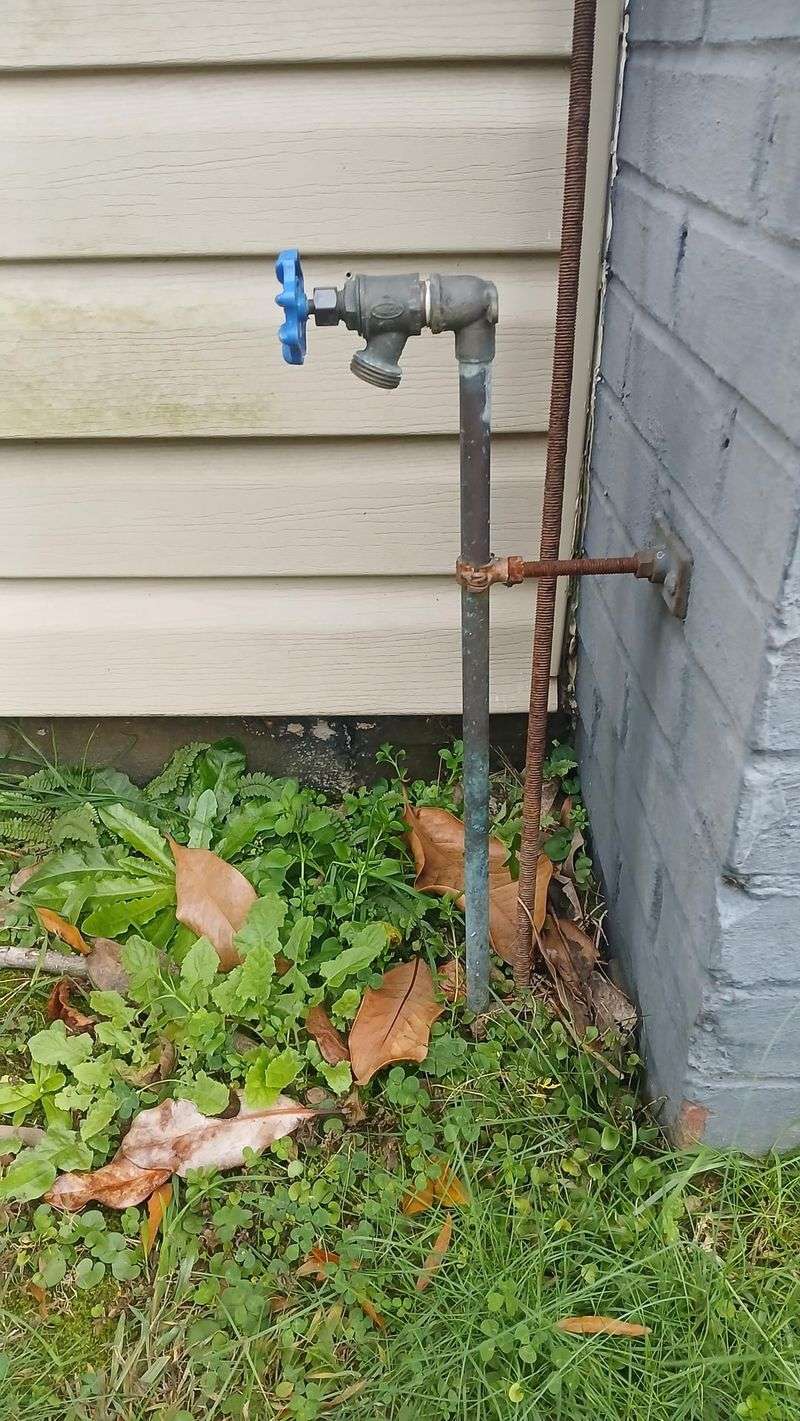
A burst spigot makes a memorable mess, usually discovered in April. Water left in pipes expands as it freezes, and metal loses that argument.
Start by disconnecting every garden hose from the house. A hose attached to a faucet traps water right at the vulnerable point.
Drain hoses fully by stretching them downhill or looping them over a railing. Store them coiled in a garage or shed, away from harsh sun.
Shut off the indoor valve feeding each outdoor faucet. Then open the spigot outside and let leftover water trickle out.
Leave that spigot open through winter so nothing pools inside the pipe. Insulated faucet covers add cheap extra protection for exposed walls.
Irrigation systems need a proper blowout with compressed air. Most New York landscapers book those appointments through October and November.
The first hard freeze usually arrives near twenty-eight degrees. Finish the whole checklist before that number shows up in the forecast.
Rain barrels should be emptied, flipped over, or stored under cover. Trapped water can crack plastic and split seams during a long freeze.
Ponds and water features have their own routine worth reviewing. Pull pumps, clean filters, and add a de-icer if fish are overwintering.
Timers, backflow devices, and shallow valve boxes deserve a quick inspection. Insulating those parts prevents the most expensive repairs homeowners face.
Write the shutoff valve locations on a note near the panel. Future you will appreciate that during a January cold snap.