Don’t Ignore This Tiny Weed Taking Over Your Yard
Underneath every step across your lawn, a subtle change has been building since the last time you looked closely. Barely visible from a distance, it has already claimed more ground than most people would ever guess.
Your fingers sense it long before your eyes ever manage to catch on to what is happening. Patches you trusted for years now give slightly under your weight, damp and strange in a way healthy grass rarely feels.
Nothing about this shift looks dramatic at first, which is exactly why it slips past you without notice. Left unchecked for even a short stretch, this quiet newcomer moves faster than you expect.
Every corner of your yard, from the shaded edges to the sunniest patch, could already be hosting it without your notice. One glance under better light, taken today rather than next week, might be the only warning your lawn gives you.
Pearlwort Hides As A Patch Of Moss
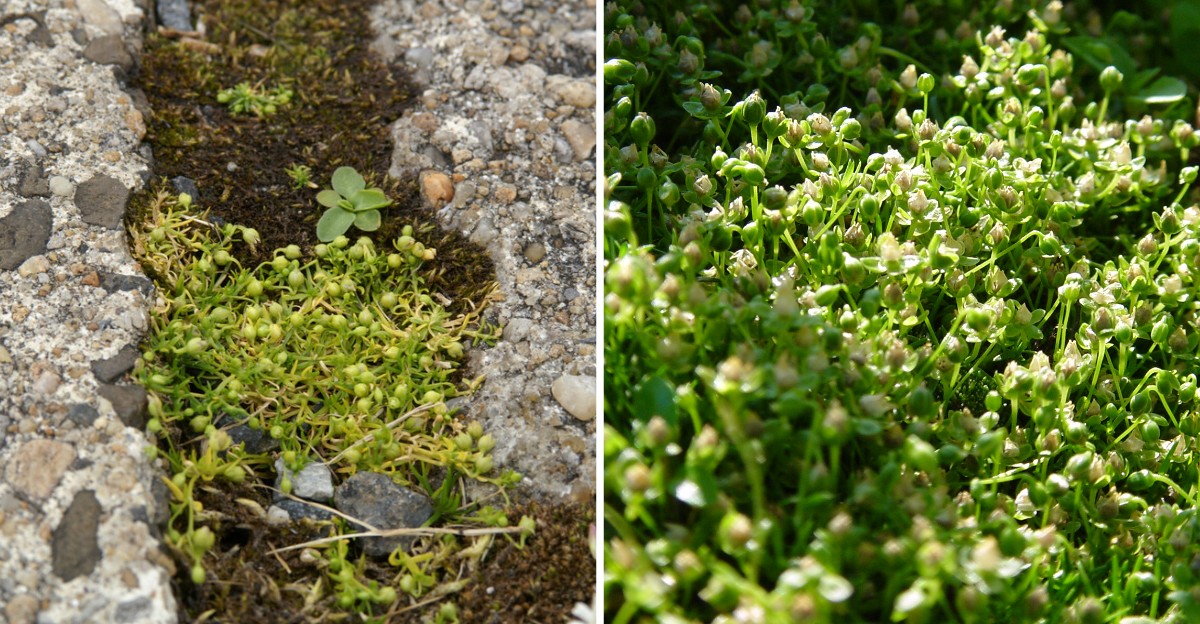
That soft, cushiony green patch near your walkway might not be moss at all. Pearlwort forms dense, low mats that mimic moss so closely most people walk right past it.
Its leaves are thin and needle-like, packed tightly together in a springy little cushion. Run your fingers across it and the texture feels almost identical to a patch of true moss.
Unlike moss, though, this plant has actual roots and stems creeping along the surface. Those stems root wherever they touch damp soil, slowly widening the patch over time.
Most homeowners rarely suspect a weed is hiding in that soft green corner of the yard. By the time they look closely, the patch has often spread across a much larger area.
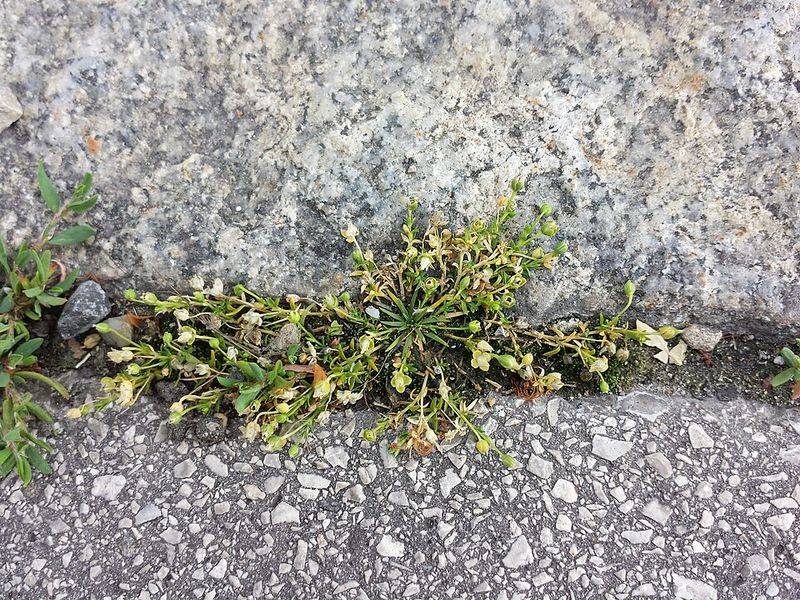
It favors small, damp pockets where grass already struggles to grow thick and healthy. Sidewalk cracks, shaded corners, and compacted edges near patios are common early hiding spots.
Because it stays so low and so quiet, it rarely draws attention the way taller weeds do. That quiet spread is exactly what makes it easy to overlook for months at a time.
Once noticed, the mat often looks more established than expected for something so small. A patch that seemed tiny last month can quietly triple in size by the next season.
Checking damp, shaded corners of the yard closely each fall can catch it while it is still small. A quick look now saves a much bigger cleanup job later on.
Tiny Flowers Reveal The True Identity
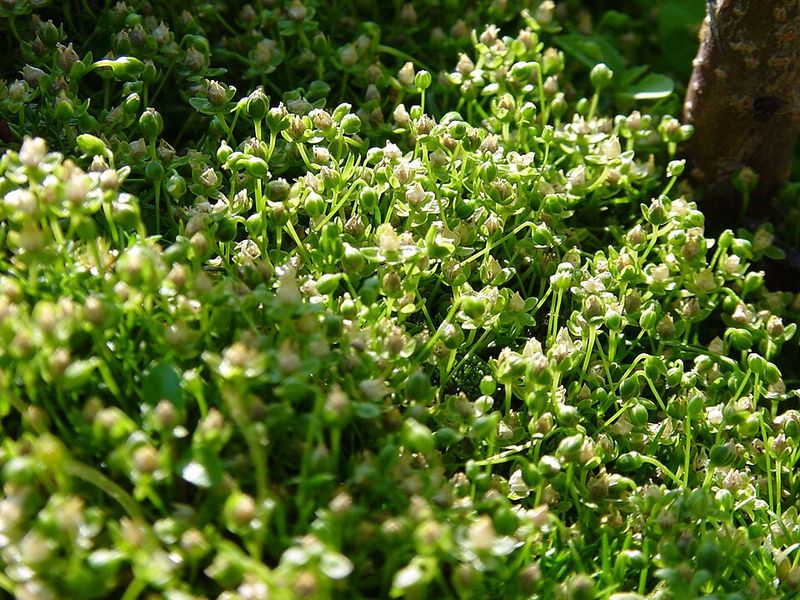
Moss does not flower, which is one of the simplest ways to rule it out for good. Pearlwort, on the other hand, produces tiny white flowers that give its identity away.
Each bloom is barely the size of a pinhead, easy to miss without kneeling down close. The petals are often so small or absent that the flower looks like a tiny green bud.
Look closely in late spring or early summer and you may spot a scatter of these blooms. They rise just slightly above the mat on short, thread-like stems barely visible from standing height.
Those flowers eventually form small seed capsules that scatter fresh seed nearby. That seed drop helps the patch expand beyond its original mossy-looking footprint over time.
Because the flowers are so tiny, most people rarely connect them to the plant beneath their feet. The mat gets blamed on moss, drainage, or shade instead of the actual weed.
A magnifying glass or a close phone photo makes the flowers far easier to confirm. Once you have seen them once, spotting future patches becomes noticeably easier around the yard.
Confirming the plant this way also helps before choosing any treatment or removal method. Moss and pearlwort respond very differently to the same yard care habits.
Knowing which plant you are dealing with also shapes how quickly it can spread further. A patch mistaken for harmless moss often gets ignored until it covers a much wider area.
Moist Compacted Soil Invites This Weed
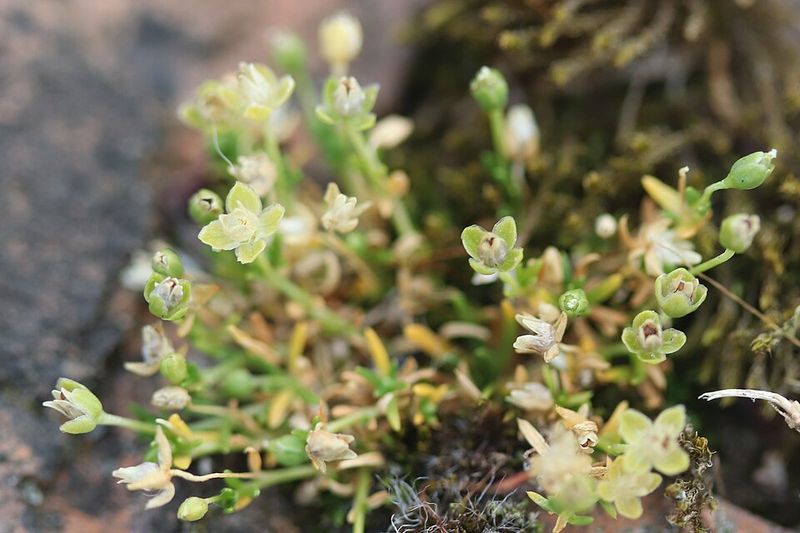
This weed has a clear favorite habitat, and most yards have at least one spot for it. Moist, compacted soil is exactly what pearlwort needs to settle in and spread.
Sidewalk cracks, driveway edges, and the compacted strip along a garden path are prime targets. Anywhere foot traffic packs the ground down, drainage tends to slow, holding extra moisture near the surface.
Shaded corners that stay damp longer after rain are another favorite starting point for this plant. Grass already struggles in those same spots, leaving open ground for something else to take over.
Greenhouse pots, nursery containers, and overwatered flower beds also invite this weed in easily. Its seeds travel effortlessly in potting soil, hitching a ride into yards that had not grown it before.
A single overwatered corner near a downspout can become a foothold within a single season. From there, creeping stems slowly extend the mat outward toward drier, healthier turf nearby.
Because it prefers such specific conditions, fixing drainage often does more than any spray ever could. Redirecting water away from low spots removes the exact environment this plant depends on most.
Improving airflow and light in shaded corners also makes the area far less inviting over time. Grass that grows in thicker under better conditions leaves this weed with far less room to spread.
A quick check of gutters and downspouts after heavy rain can reveal hidden trouble spots early. Fixing a small drainage issue now often prevents a much bigger patch from forming later.
Regular Mowing Rarely Slows It Down
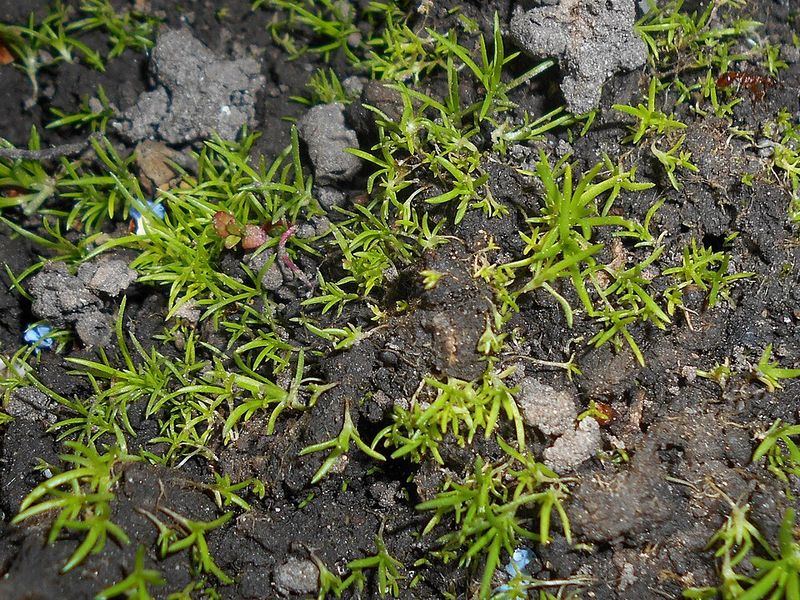
Most weeds slow down once a mower starts passing over them every week. This one barely notices, since it grows so flat that blades pass right above it.
Its low, cushion-like shape sits well below standard mowing height on almost any setting. That means regular mowing does very little to slow its spread across the yard.
Instead of growing upward, this weed spreads sideways as stems root wherever they touch soil. Each new rooting point becomes another small anchor for the mat to expand from.
Mowing can actually help it along by spreading small stem fragments to nearby bare patches. Those fragments root easily in damp soil, starting fresh mats a few feet away.
Foot traffic causes a similar problem, carrying tiny pieces of the mat to new areas nearby. A single walk across a patch can leave behind fragments capable of starting new growth.
Because pulling by hand rarely removes every fragment, small pieces are often left behind in the soil. Those leftover pieces can reroot within days if the ground stays consistently moist.
Raking the area lightly before mowing can help lift fragments so they land somewhere less useful. Bagging clippings during removal keeps stray pieces from settling into another damp corner nearby.
Cleaning tools between uses also helps avoid carrying fragments from one patch to another spot. A few extra minutes of cleanup after mowing can prevent a much larger problem later.
Cool Season Growth Extends Its Reach
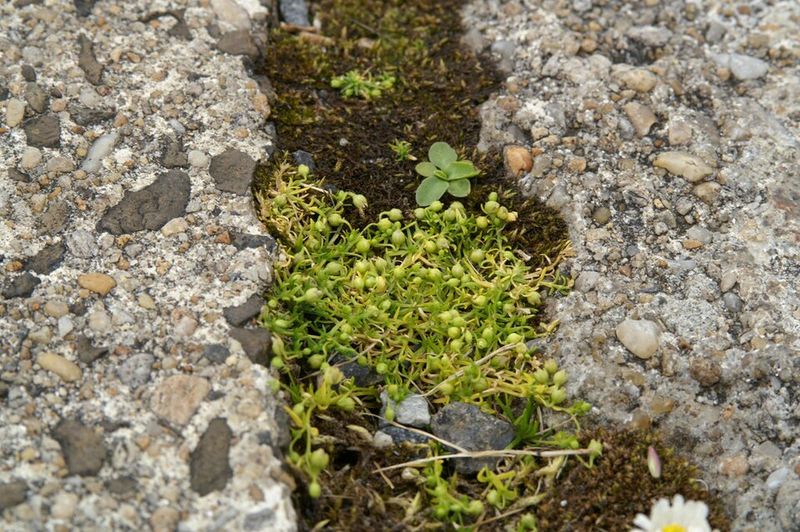
While many weeds slow down as temperatures drop, this one only gets more active. Cool, damp weather from fall through early spring is exactly when it grows fastest.
As other plants start going dormant for the season, this weed keeps spreading through shaded, moist ground. Less competition from surrounding grass gives it extra room to establish new patches.
Fall rain keeps soil consistently damp, which is the single condition this plant needs most to thrive. Areas that dry out quickly in summer often become active trouble spots once autumn arrives.
Winter rarely stops it entirely in milder climates, since the plant tolerates cooler soil fairly well. Growth may slow slightly during the coldest stretches, but the mat rarely disappears from view entirely.
By the time spring arrives, patches that started small in September can already look fully established. That head start makes early fall the most useful time to start watching for it.
Checking damp, shaded corners regularly through autumn catches new growth while patches are still small and manageable. Waiting until spring often means dealing with a mat that has already tripled in size.
Cooler months also make hand removal easier, since damp soil loosens roots and stem fragments more readily. Pulling now, while the ground is workable, beats waiting for a harder summer removal later.
Marking a few known trouble spots now makes autumn checks quicker and far less of a chore. A short walk every couple weeks is usually enough to stay ahead of it.
Consistent Lawn Care Blocks Its Return
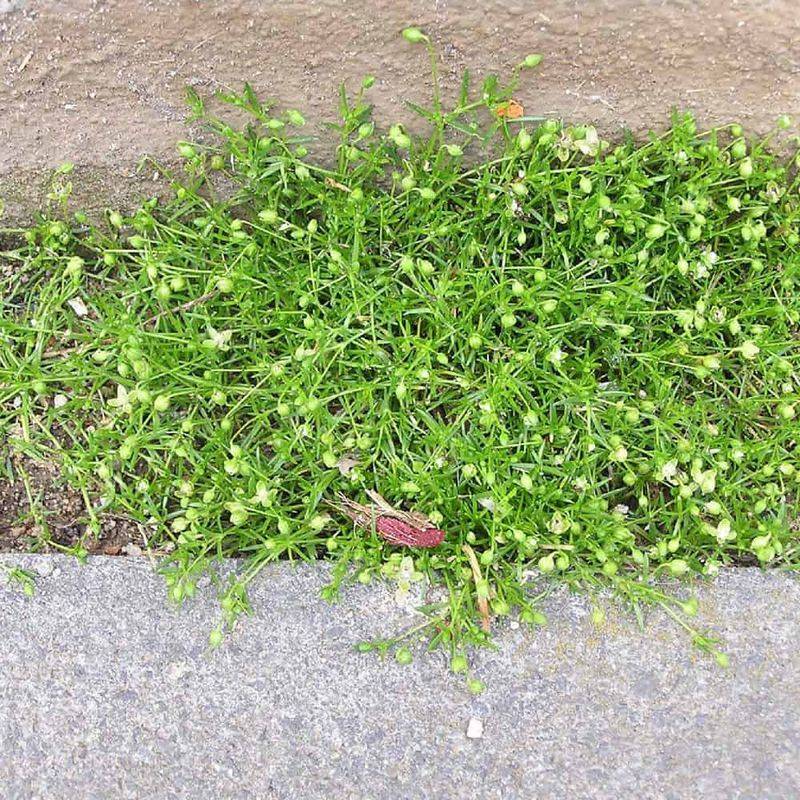
Getting rid of this weed for good rarely comes down to one single fix. Consistent lawn habits, applied together, tend to matter far more than any single product.
Improving drainage in low, damp spots removes the exact conditions this plant relies on most. Redirecting runoff away from walkways and shaded corners takes away its favorite starting points.
Aerating compacted soil helps grass roots spread deeper and compete more effectively for space. A looser lawn recovers faster and leaves fewer damp pockets for new patches to settle into.
Mowing at a slightly higher setting keeps existing turf thicker and more shaded at the base. Thicker grass simply leaves less open, sunlit soil for stray seeds and fragments to reach.
Watering deeply but less often builds stronger turf roots than frequent light sprinkling ever can. Deep watering also dries the surface faster between sessions, which this moisture-loving weed dislikes.
Cleaning tools and boots after working in an affected area helps stop fragments from spreading further. A quick rinse takes only a moment and prevents a much bigger cleanup down the road.
None of these habits work overnight, but together they steadily shift conditions back toward healthy turf. A yard kept dry, thick, and well-drained gives this weed very little room left to hide.
Small, steady changes made over a full season tend to outperform a single treatment applied once. Patience with these habits usually pays off with a lawn this weed struggles to reclaim.