The Best Time To Dispose Of Spent California Tomato Plants
That tomato plant leaning on its cage in your California yard right now is hiding something. It looks harmless enough. A few shriveled fruit, some tired leaves, nothing to worry about.
But underneath that quiet, tangled mess, next year’s problems are already checking in.
Something is settling into that pile of stems and leaves, something that plans to greet your spring transplants before you even buy the seedlings.
Here’s the twist. The fix takes twenty minutes, and most gardeners still get the timing wrong every single year.
One decision, made now or made late, changes how your entire tomato bed performs next summer.
Seven moves separate a clean fall cleanup from a disease-ridden spring scramble. Curious which mistake is quietly happening in your yard this week?
Keep reading, because the answer starts with a plant you’ve probably already stopped picking from.
Remove Plants As Soon As Production Stops
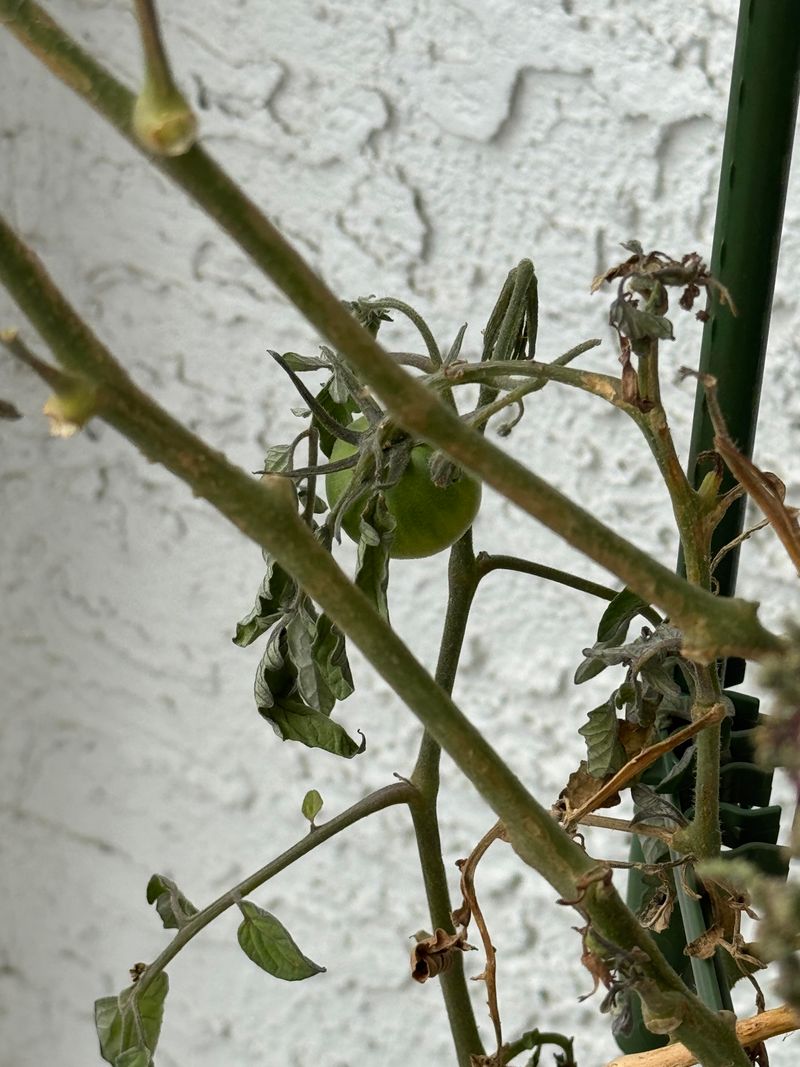
Once the last decent tomato gets picked and the plant just stands there, its job is finished. Clear out spent plants promptly instead of letting them linger. Waiting rarely rewards you with extra fruit.
In much of California, plants stall out when night temperatures drop and light gets weak, usually from late September through November depending on your zone.
Coastal gardeners often hit that wall earlier than folks in the Central Valley. Watch the plant itself, not the calendar on your wall.
Signs that production has truly stopped include no new flowers, tiny fruit that never sizes up, and leaves yellowing from the bottom.
A few stubborn green tomatoes are not a reason to keep the whole plant standing. Pick them, ripen them indoors on a counter, and pull the rest.
Prompt removal also makes the whole job physically easier. Stems that are still slightly green come out of the soil cleanly, while brittle, worn-out stalks snap and leave chunks of root behind.
Cages and stakes come loose easier too, which saves your knuckles some frustration.
Treat the decision like closing a chapter rather than abandoning one. Clear the plant, rake up the dropped leaves and fruit, and you’ve handled the biggest source of next year’s trouble in about twenty minutes per plant.
Your future self, standing in a tidy bed next spring, will thank you. Consider it harvest’s final step, not extra homework.
Waiting Too Long Invites Overwintering Disease
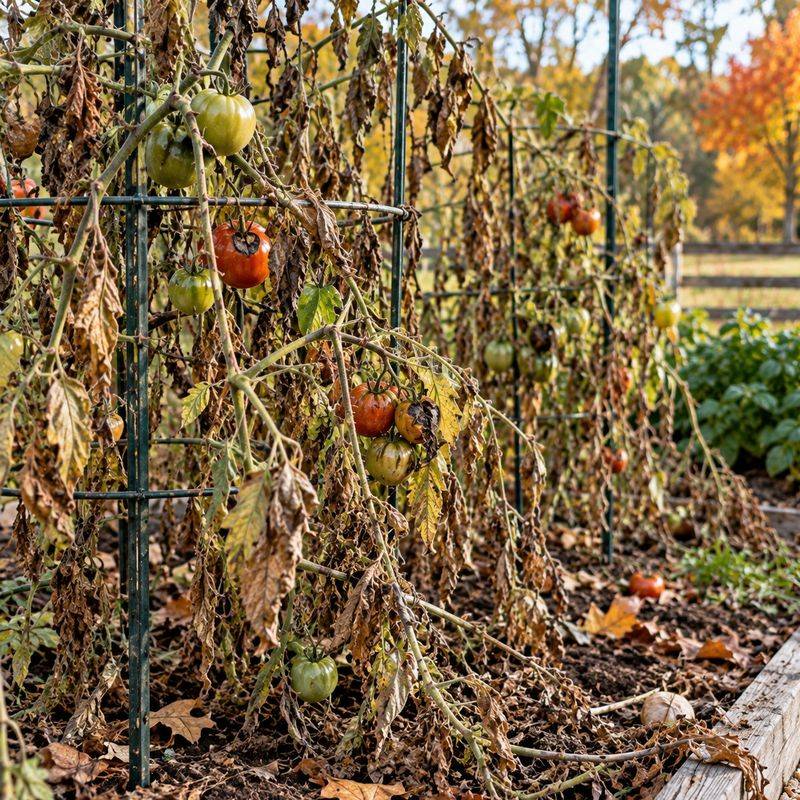
Fungal and bacterial troubles do not vanish when a plant quits. Problems like early blight, Septoria leaf spot, and bacterial speck survive on crop residue left sitting in the garden. Old leaves and stems become winter housing.
Each week a spent plant stays put, spores and bacteria get more chances to wash into the soil surface with rain or irrigation. Rain splash then flings them right back onto next year’s transplants.
That cycle is exactly how a minor spotting problem turns into an every-season headache.
California’s wet winters make this worse than many gardeners expect. Moist debris sitting on damp soil breaks down slowly and stays hospitable for months at a time.
Your California Garden Changes Every Week. Your Plan Should Too.
Gardening in California changes quickly throughout the season. Every Friday you’ll receive a simple weekly plan showing exactly what to plant, prune, fertilize, harvest, and protect so you never miss the right timing.
Verticillium and Fusarium wilts, both common in the state, are especially stubborn once they settle into soil.
Insects add another layer to worry about. Overwintering tomato psyllids and whiteflies shelter in leftover foliage and volunteer seedlings, and some carry disease with them into spring.
Clearing the buffet removes the guests before they even show up.
You cannot sterilize a garden, and nobody expects you to try. Cutting residue time from three months down to three days simply lowers the odds, which is exactly what good garden hygiene does.
One caution worth flagging. Exact survival times vary by pathogen and by local conditions, so guidance describes ranges rather than guarantees.
Still, the direction stays consistent. Less debris, less risk, fewer surprises next June. Pull early, and the math works in your favor.
Healthy Plants Can Still Go In The Compost
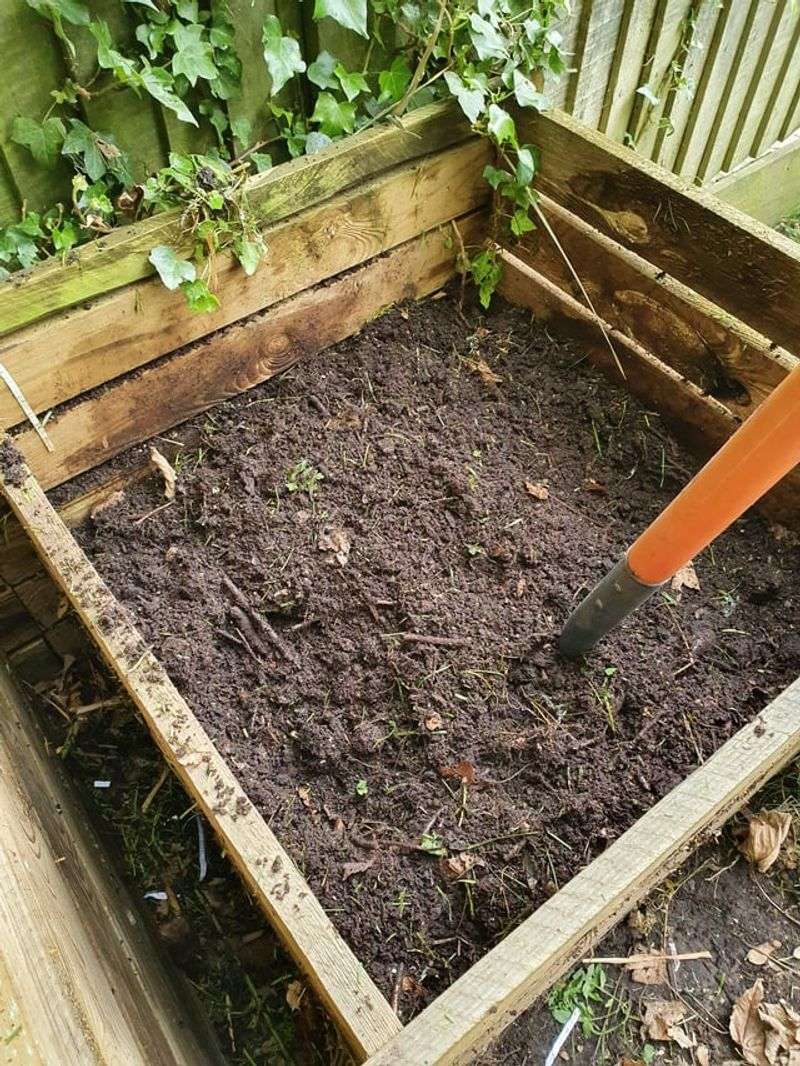
Good news for anyone who hates wasting biomass. A tomato plant that sailed through the season without spots, wilting, or mushy stems makes fine compost material.
Chopped into shorter pieces, those stems break down faster and feed next year’s beds nicely.
Honesty matters here, so give the plant a real inspection before tossing it on the pile. Check the lower leaves, the stem base, and any fruit still hanging on.
Yellow rings, dark target-shaped spots, or streaking inside a cut stem mean the plant does not qualify for the compost pile.
Hot composting gives the best margin of safety. Piles that hold 130 to 150 degrees Fahrenheit through several turns knock back many pathogens and weed seeds.
Most backyard piles in California never reach that reliably, especially during cool coastal winters.
Because of that, a cautious approach works well. Compost visibly healthy tomato plants, then keep the finished product away from next season’s tomato bed.
Spread it under fruit trees, on ornamental beds, or around brassicas instead.
Chop stems to six inches or less, mix with plenty of dry brown material, and keep the pile damp but not soggy. Woody tomato stalks are slow to break down whole.
Give them a quick pass with loppers, and the pile will thank you by spring.
One more habit worth building. Pull volunteer tomato seedlings that sprout from composted seed. They look like free plants, yet they can carry problems forward into the worst possible spots.
Diseased Plants Belong In The Trash
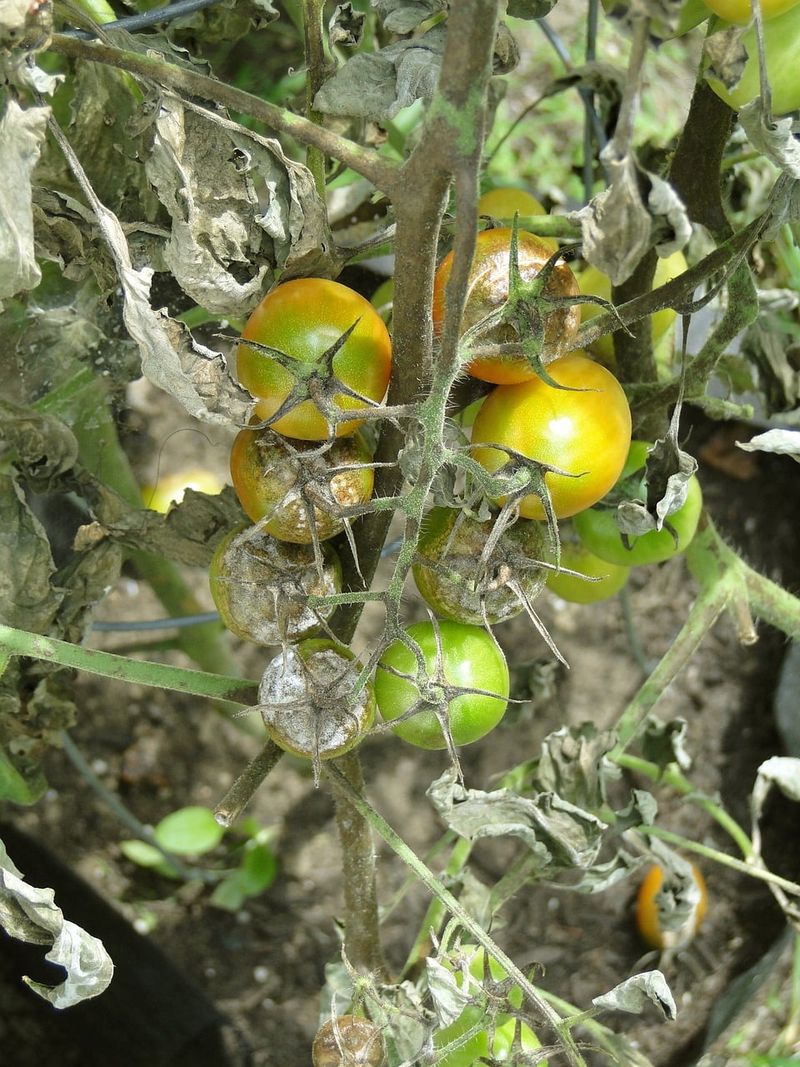
Anything showing symptoms gets a different exit route entirely. Leaf spots with concentric rings, one-sided wilting, dark sunken stem lesions, or fuzzy gray mold all say the same thing. Bag it, do not compost it.
Home piles rarely run hot enough or evenly enough to handle the tough stuff. Verticillium and Fusarium produce survival structures that shrug off mild heat and can persist in soil for years.
That’s exactly why guidance leans on resistant varieties and rotation rather than cleanup alone.
Send suspect material out with household trash, or check whether your city’s green waste program uses commercial composting that reaches high temperatures.
Many California municipal facilities do exactly that, though rules differ by city, so a quick look at local guidelines is worth the minute.
Skip the burn pile entirely. Most of the state restricts open burning, and smoke rules across the Central Valley and Southern California are strict.
Clean up after yourself as well. Pruners, stakes, cages, and tomato clips can move pathogens from one year into the next.
Scrub off soil and wipe tools with alcohol or a diluted bleach solution before storing them away.
One overlooked step is the mulch and fallen fruit sitting directly under the plant. Rake it out along with the stems. That layer often holds the heaviest spore load of all.
When you truly cannot tell whether a plant was affected, err toward the trash bin. Losing a little compost beats seeding trouble into a bed you’ll plant again.
Fall Cleanup Beats A Spring Scramble
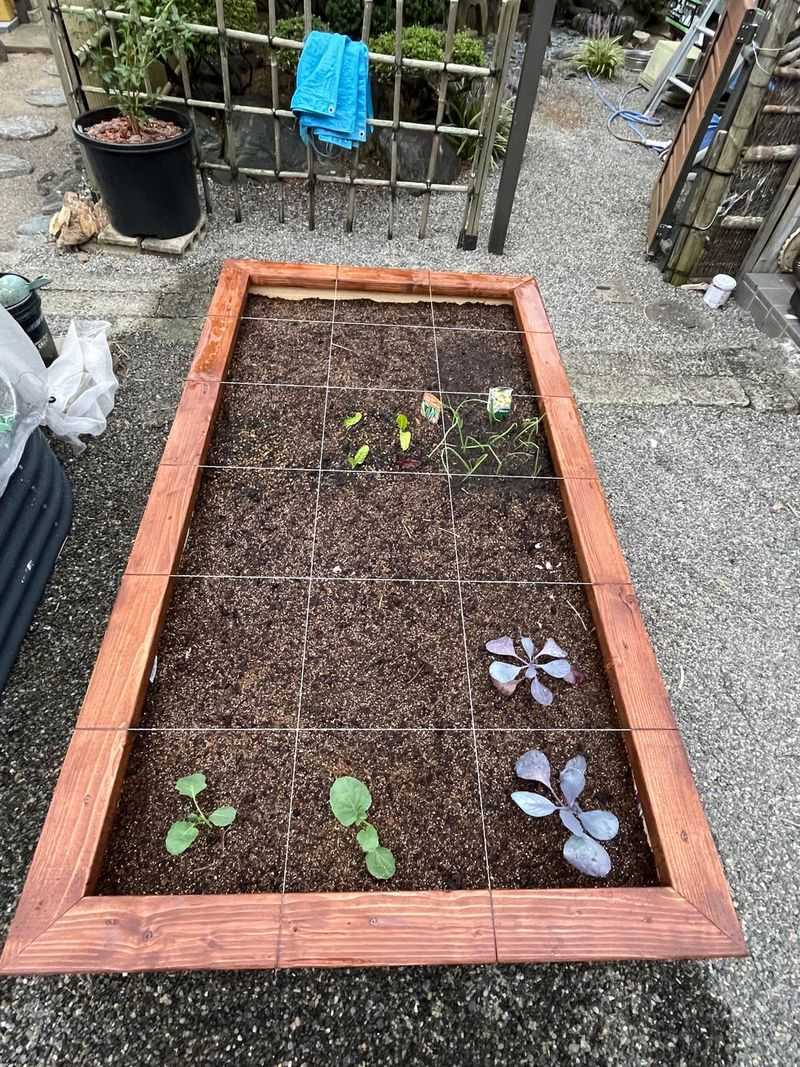
March has a way of arriving all at once. Gardeners who left last year’s tomato skeletons standing suddenly face demolition work, weed removal, and bed prep in the same weekend they hoped to plant.
Fall conditions in California actually favor the job. Soil is often still workable before heavy rains, temperatures stay pleasant, and stems pull free with less effort than they will after months of weathering.
There’s a soil benefit too worth mentioning. Clearing beds in October or November gives you time to add compost, sow a cover crop like fava beans, or lay down mulch that protects soil structure through winter storms.
Wet winter soil punishes impatience. Digging out old root balls from saturated ground compacts the bed and damages structure, which shows up later as poor drainage and sluggish spring growth.
Rodents notice standing debris as well. Dry tomato vines, cages full of old foliage, and piles of dropped fruit give rats, voles, and gophers cover and snacks right beside your beds.
Consider it a trade worth making. One hour in the fall usually saves two or three in the spring, and the spring version arrives with the pressure of a planting window you don’t want to miss.
Mark a cleanup date on the calendar the same way you mark planting day. Gardeners who schedule it tend to finish it, while those who wait for the mood often watch November turn into February.
Roots Can Harbor Problems Too
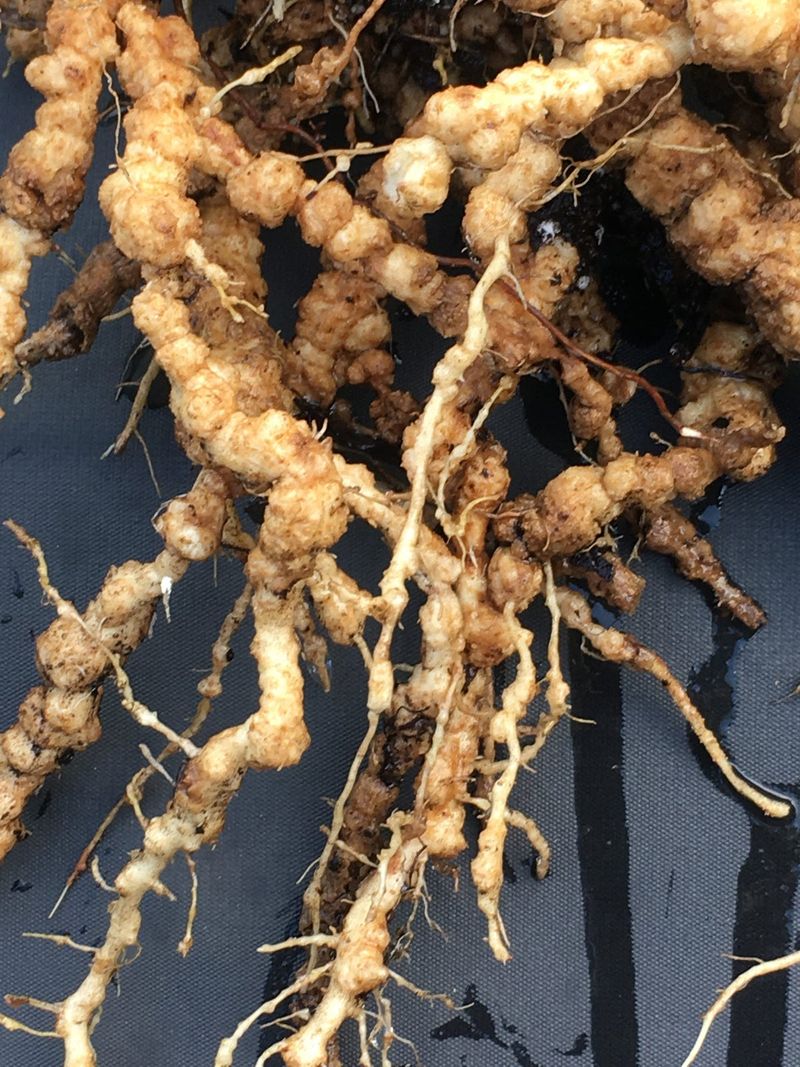
Cutting a plant off at the ankles feels efficient, and it leaves the most important part behind. Root knot nematodes, Fusarium, Verticillium, and southern blight all operate below the soil line, where a leftover stump keeps feeding them.
Take a close look at the roots as you pull. Swollen lumps and beads along the fine roots point to root knot nematodes, a common problem in sandy California soils.
Brown streaking inside a sliced stem near the crown suggests a wilt disease is at play.
Wiggle the base of the stem first, then lift with a digging fork placed several inches away. Working outward keeps the root ball together instead of snapping it off at the crown.
Dry soil fights you every time. Water the bed lightly a day before pulling, and stubborn roots slide out with far less wrestling and less damage to neighboring plants.
Knowing what your roots looked like changes next year’s plan entirely. Nematode damage points you toward resistant varieties marked with an N, plus rotation into something like marigolds or onions rather than another tomato in the same spot.
Leftover stumps also become tripping hazards and mystery obstacles for a shovel in March.
Pulling them now keeps the bed honest. Shake loose soil back into the bed before hauling the plant away, since good topsoil should stay right where it belongs.
Then smooth the surface and note what you found. A scribbled line in a garden journal beats a fuzzy memory every time.
Clearing Beds Early Helps Fall Crops
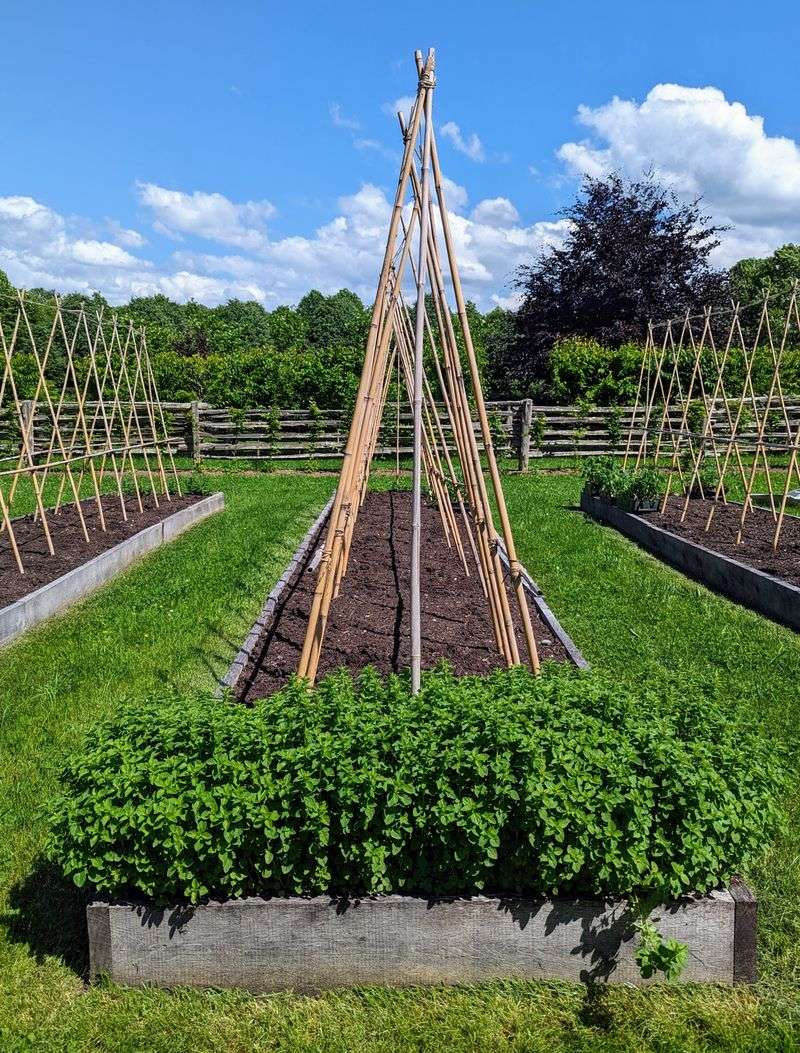
California’s mild autumn is a gift, and spent tomatoes are the one thing standing in the way of using it. Lettuce, spinach, kale, chard, carrots, and garlic all want beds ready in September and October.
Cool-season seedlings need light more than almost anything else. A sprawling tomato skeleton casts shade, blocks air movement, and hogs drip emitters that could be feeding a row of young greens instead.
Timing runs tight in fall planting. Days shorten fast, so every week of delay slows growth noticeably.
A bed cleared on September fifteenth produces far more than the same bed cleared in late October.
Rotation fits neatly into this whole routine. Following tomatoes with something from a different family, such as brassicas, alliums, or legumes, breaks pest cycles instead of handing the same problems a fresh host.
Refresh the bed as you go. Pull the plant, rake the debris, add an inch or two of compost, and water it in well.
Tomatoes are heavy feeders and leave soil hungry behind them.
Small timing decisions carry real weight here. Pulling plants the week production stops, rather than two months later, cuts disease pressure, protects soil structure, and buys you an extra harvest before winter.
Gardeners often treat cleanup as the boring part of the year, tacked on after the fun ends. Treat it instead as the first real step of next season, because the bed you clear in September is the bed you plant in May.