September Is The Perfect Time To Turn An HOA Yard Florida-Friendly – Start With These Small Changes
Your HOA wants a perfect green lawn. Florida has other plans.
Every summer, homeowners pour water, fertilizer, and cash into grass that struggles against heat, drought, pests, and sudden storms. The bills climb.
The lawn still browns. And the letter from the board arrives anyway.
Few homeowners know that state law is on their side. The state protects your right to use Florida-Friendly landscape practices, even inside an HOA community.
Still, nobody wants a fight with the board or a yard that looks messy. The smart move is to start small.
And September gives you a rare window. The worst heat fades.
The rainy season winds down. The soil stays warm enough for new roots to settle in before winter.
A few simple swaps now can cut your water bill, please the board, and make your yard the envy of the whole street. The first change takes less than an afternoon.
1. Swap One Thirsty Plant For A Native
Every yard has a diva, that one plant that wilts by noon and begs for water twice a day. Picking it out is easy, and swapping it is the first small win of the season.
September works well for this job because the ground is warm and the rain is still falling. New roots settle in fast when nature helps with the watering.
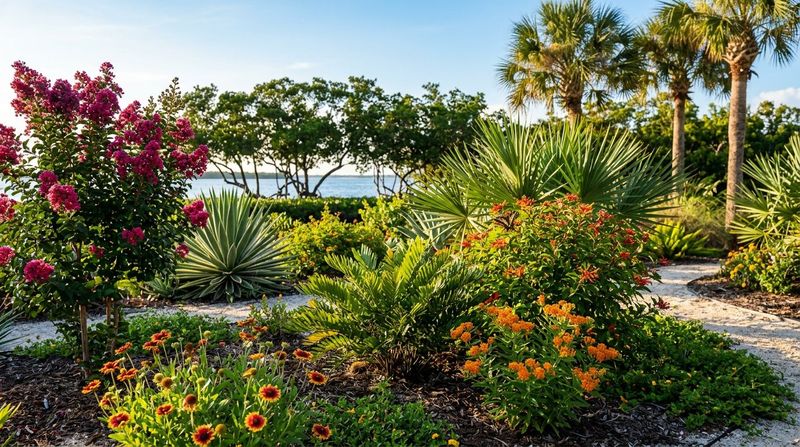
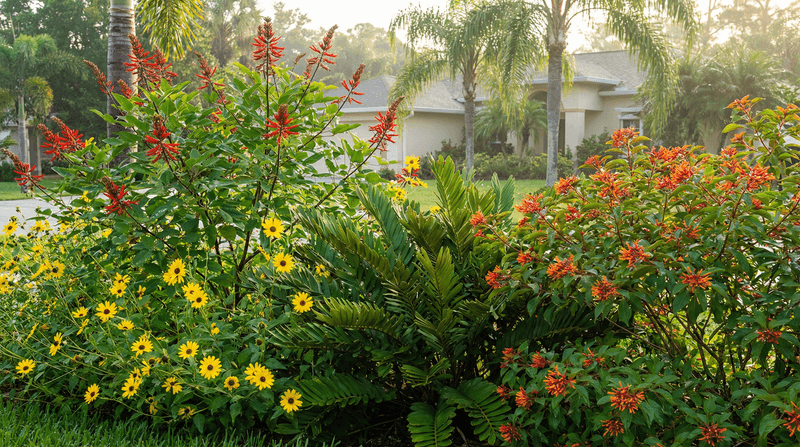
For hot, sandy spots, try Muhly Grass, Coontie, Blanketflower, or Beautyberry. Each one handles long dry spells once it gets settled.
If your problem spot stays soggy after storms, Pickerelweed is a native that actually enjoys wet feet. Matching the plant to the spot is called Right Plant, Right Place.
Before you dig, spend a day watching that spot. Note how many hours of sun it gets and whether water puddles there after rain.
Fun fact: Coontie belongs to an ancient plant group that dates back to the age of dinosaurs. It is also the only host plant for the tiny, jewel-colored Atala butterfly.
Florida law can limit an HOA’s ability to prohibit certain Florida-Friendly landscaping practices, so check the statute and your community’s current rules before making a change.
Start with one plant, not ten. Once neighbors see it looking sharp in the heat, your next request gets a lot easier.
2. Turn One Lawn Edge Into A Pollinator Strip
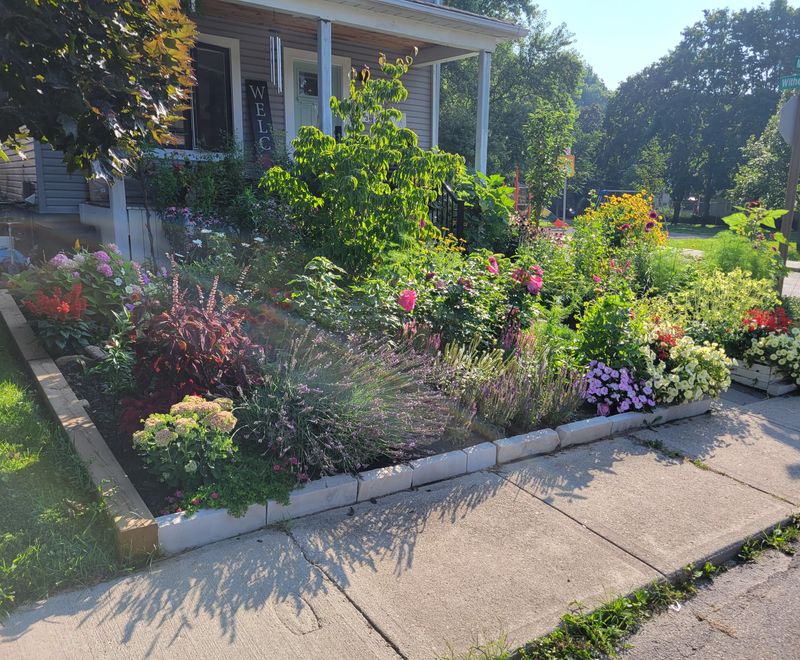
Picture a narrow ribbon of flowers humming with bees while the rest of the block sits in plain green silence. That little buzz is what a pollinator strip brings to the edge of a lawn.
Pick one border, such as the strip along your driveway or sidewalk. Keep it about two or three feet wide so it looks planned, not wild.
Native plants work best because local insects have been feeding on them for thousands of years. Good picks include Black-Eyed Susan, Lyreleaf Sage, Blanket Flower, and Coral Honeysuckle on a small trellis.
Plant in clumps of three or five instead of single plants scattered around. Bees and butterflies find big patches of color much faster than lonely blooms.
Your Florida Garden Changes Every Week. Your Plan Should Too.
Gardening in Florida changes quickly throughout the season. Every Friday you’ll receive a simple weekly plan showing exactly what to plant, prune, fertilize, harvest, and protect so you never miss the right timing.
Group plants that like the same amount of sun and water. That way one thirsty flower does not force you to soak the whole strip.
Butterflies need more than nectar, so add a host plant or two for their caterpillars. Native milkweed, passionflower, and frogfruit are all favorites.
A few chewed leaves mean your strip is working, not failing. Those hungry caterpillars will soon become the butterflies you planted for.
HOAs can ask for a tidy look, so give the strip a crisp border of stone, brick, or metal edging. A clean line tells everyone this garden is on purpose.
3. Trade Constant Watering For Smarter Irrigation
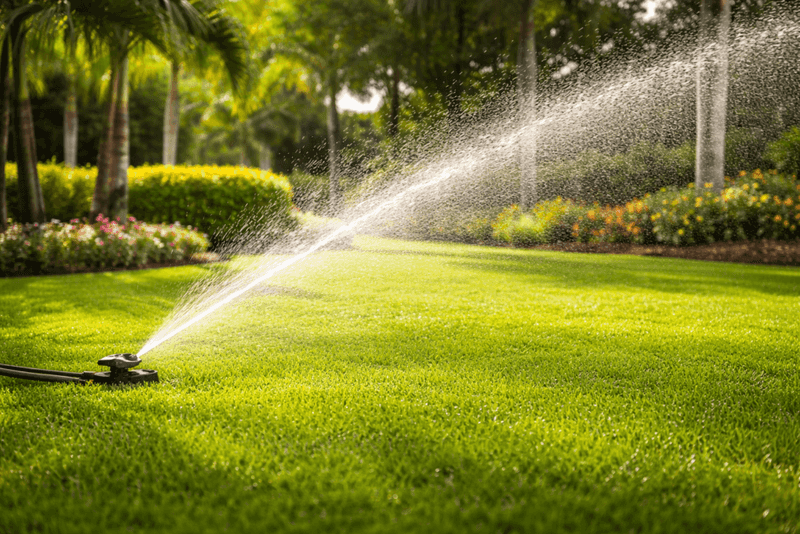
A properly programmed smart irrigation controller can reduce unnecessary watering by adjusting schedules for weather and site conditions.
Old-school timers run on the same schedule whether it is sunny or pouring. Smart controllers check local weather and soil moisture, then adjust the schedule on their own.
Your grass will tell you when it is thirsty if you look closely. Footprints that stay pressed down or leaf blades folding in half with a blue-gray tint are clear signs.
When you do water, aim for about half an inch to three-quarters of an inch at a time. UF/IFAS experts say this amount soaks roots without much waste.
Early morning, between 4 and 8 a.m., is the sweet spot. Less water floats away in the heat, and leaves dry before fungus can move in.
Try a catch can test by setting a few empty tuna cans around each zone. Run the sprinklers for 15 minutes, then measure how much water landed in each can.
Florida law requires a working rain shutoff device or soil moisture sensor on in-ground systems. If yours runs during a storm, that sensor needs attention.
For flower beds, drip lines deliver water right to the roots. Grouping plants by water needs, called hydrozoning, makes every zone easier to manage.
4. Add Mulch Before September Rain Washes Soil Away
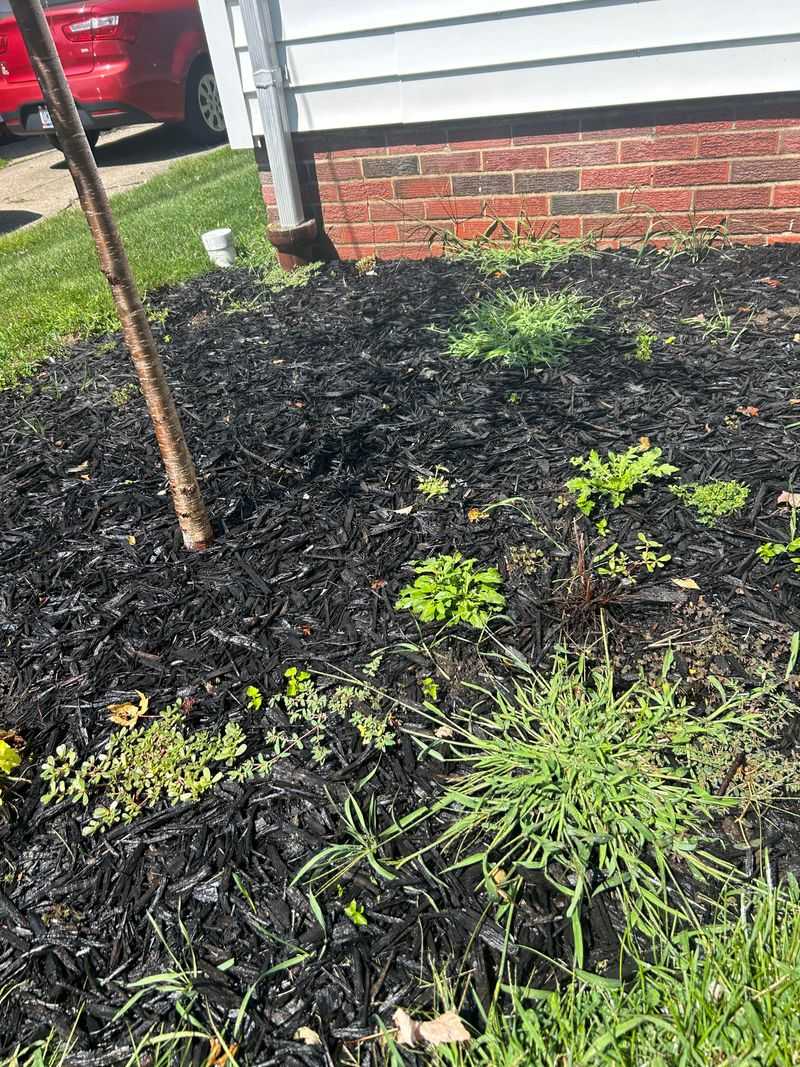
Anyone who has watched a September downpour knows how fast bare soil turns into a muddy stream. By morning, that rich topsoil has slipped down the sidewalk and into the storm drain.
Florida’s rainy season usually lasts until mid-October, so storms still have a few weeks left. A fresh layer of mulch acts like a raincoat for your garden beds.
Spread mulch about two to three inches deep. Thinner layers wash away quickly, and thicker piles can smother tender roots.
Leave at least two inches of open space around tree trunks and plant stems. Mulch piled up against bark traps moisture and invites rot.
For stormy weeks, heavier choices hold their ground best. Pine bark nuggets stay put better than light, fluffy shreds that float off in the first big rain.
Other Florida-Friendly picks include melaleuca, eucalyptus, wood chips, shredded leaves, and compost. Many gardeners skip cypress mulch because harvesting it raises concerns about wetland forests.
The perks keep adding up long after the rain slows down. Mulch holds moisture, blocks weeds, keeps soil cooler, and slowly feeds the ground as it breaks down.
It also helps with HOA approval, since neat, mulched beds look cared for. Think of mulch as the easiest way to make a new garden look finished on day one.
5. Plant Firebush Where Hummingbirds Already Pass
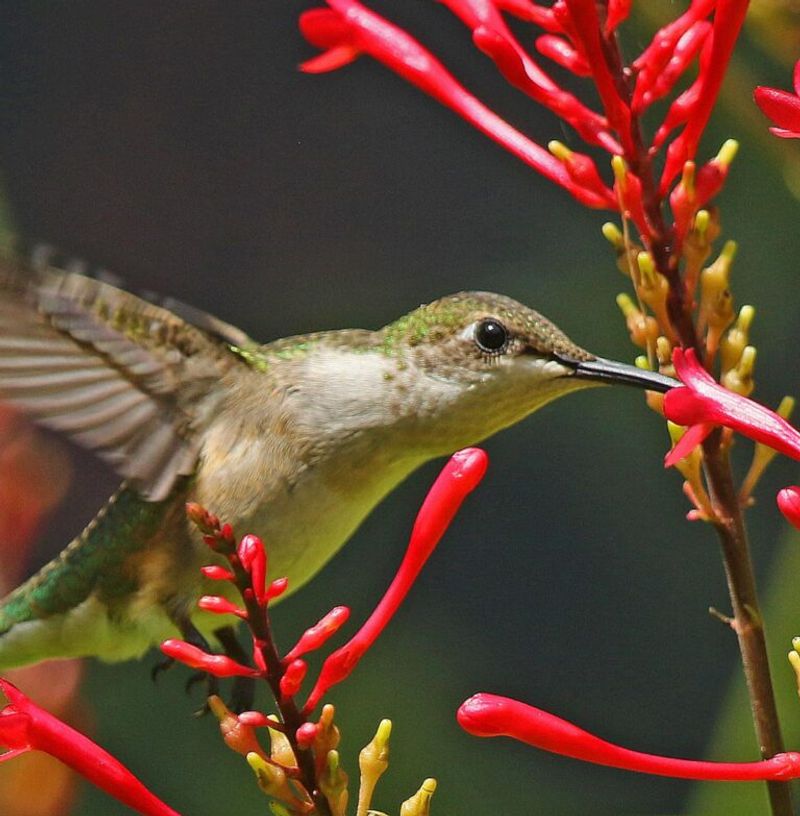
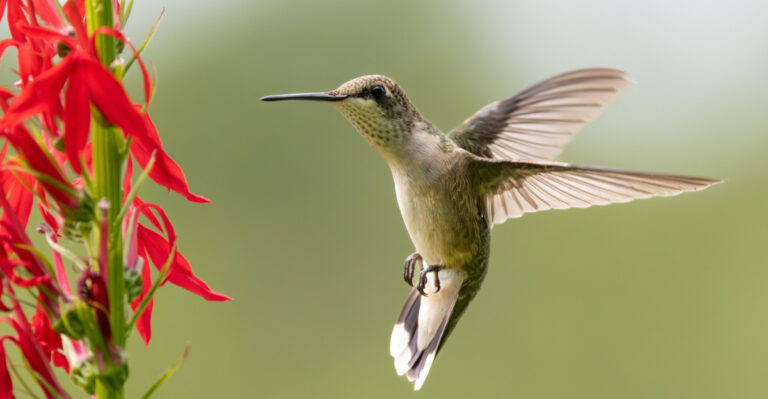
Hummingbirds tend to follow the same flight paths day after day, zipping past the same fence or window. If you have spotted one near your yard, you already know the perfect planting spot.
Firebush is a native shrub with bright red-orange tube-shaped flowers. Those long blooms fit a hummingbird’s beak like a key in a lock.
The show does not stop with hummingbirds. Zebra longwing and gulf fritillary butterflies visit the flowers, and songbirds snack on the dark berries later.
Give it full sun for the most blooms, though it can handle some shade. It grows well in sandy or loamy soil as long as water drains away.
Water it regularly until the roots settle in, usually for the first few months. After that, it only needs a drink during long dry spells.
Pruning is where many folks go wrong. Heavy or frequent trimming cuts off future flowers, so a light shaping in late winter is plenty.
Check the botanical name and cultivar information before buying so you know which firebush you’re getting, especially if you want a form suited to wildlife value and your available space.
Want something smaller for a tight spot? The Calusa firebush is a native cultivar that stays more compact near walkways and windows.
6. Replace A Blank Corner With Florida-Friendly Groundcover
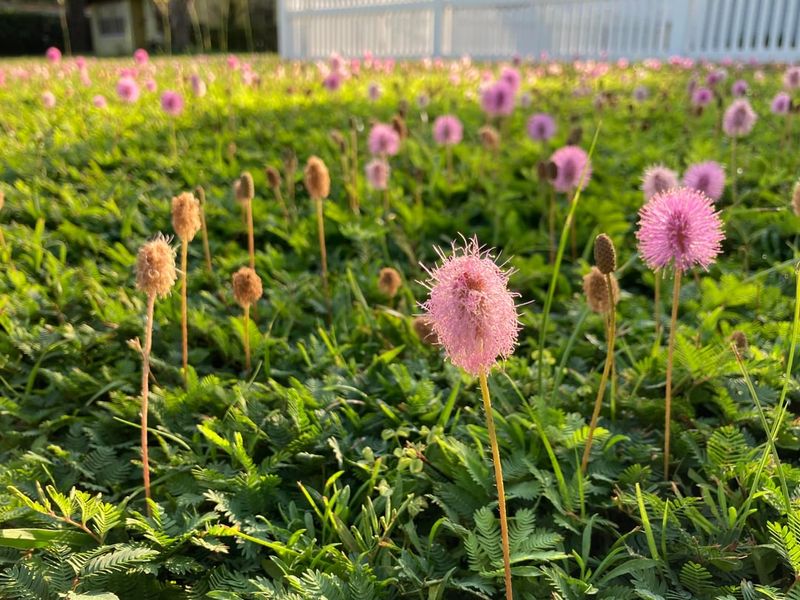
Every yard seems to have that one corner where grass gives up and weeds throw a party. Instead of fighting it every weekend, let a groundcover take over the job.
Groundcovers are low, spreading plants that fill bare space and crowd out weeds. They also hold soil in place during heavy summer rain and need no mowing at all.
For sunny corners, Sunshine Mimosa is a native crowd-pleaser with fluffy pink flowers. Its fern-like leaves fold up when you touch them, which kids find hilarious.
Perennial Peanut makes a thick green mat with little yellow blooms. It handles light foot traffic and even adds nitrogen to the soil.
Frogfruit is another tough native with tiny purple-white flowers that butterflies adore. It also feeds caterpillars and bounces back after an occasional mowing.
Shady corners under big oak trees need different helpers. Lyreleaf Sage, Wild Coffee, and Wood Fern all handle low light and still look lush.
For salty, sandy coastal yards, Beach Sunflower spreads fast and blooms bright yellow. Dwarf Mondo Grass works in shade too, but keep it away from paths since it dislikes being stepped on.
Before choosing, check how much sun the corner gets and whether water drains well. A plant that fits its spot will fill in faster and need far less fuss.
7. Let One Shrub Grow A Little More Naturally
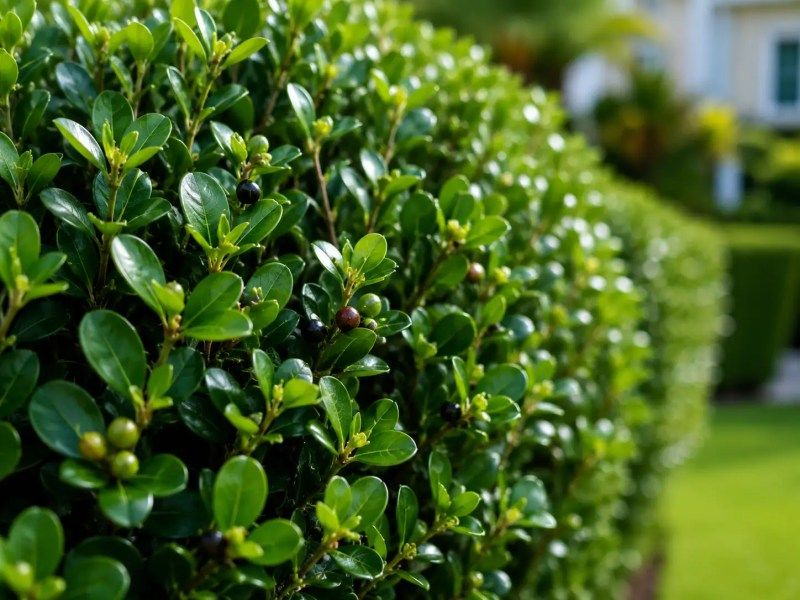
Walk through almost any neighborhood and you will spot them: shrubs trimmed into tight green balls. Landscapers even have a nickname for the look, and it is meatballing.
Constant shearing looks tidy, but it comes with a hidden cost. Each cut often removes the tips where flowers and berries would have formed.
Pick just one shrub and let it relax into its natural shape. You may be surprised by how many more blooms show up within a season or two.
Birds notice the change too, and fast. Looser branches give them safe places to rest and hide, and extra berries mean more snacks.
Remember the lesson from firebush, which flowers less after hard, frequent pruning. Many native shrubs, like Beautyberry and Simpson’s Stopper, behave the same way.
The trick is choosing a shrub that fits its space when fully grown. That is the heart of Right Plant, Right Place, and it saves hours of trimming.
Your HOA still expects a cared-for look, so natural does not mean messy. Snip stray branches that block walkways and keep the bed around the shrub mulched and edged.
A short note to the board explaining your plan can smooth things over. Frame it as healthier plant care, not skipping chores, and most reasonable folks will get it.
8. Cut Back On Fertilizer Before The Rainy Season Ends
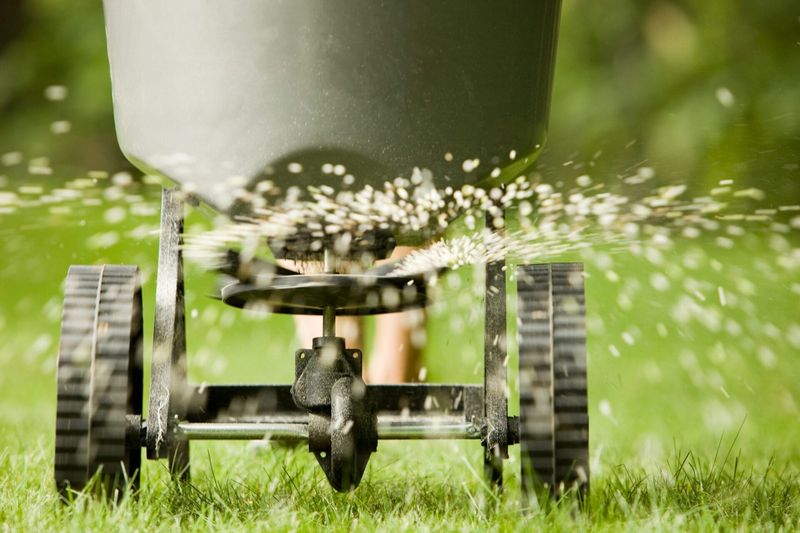
Here is a surprising truth about Florida lawns: more fertilizer is not better. Extra nutrients that plants cannot use wash into lakes, rivers, and bays with the next storm.
That runoff feeds algae blooms that turn water green and smelly. Fish and manatees pay the price when those blooms spread.
Rainy season usually runs from late May until about mid-October. Heavy afternoon storms in September can carry fresh fertilizer off your yard in minutes.
Many counties and cities ban certain fertilizers during summer months for exactly this reason. Check your local rules, since the dates and details differ from place to place.
The Florida-Friendly Landscaping program’s advice is simple: fertilize appropriately. Skip feeding when a big rain is in the forecast, and wait until plants are actively growing.
When you do fertilize, choose a slow-release formula. It feeds plants gradually instead of dumping everything at once, so less slips away.
Native plants give you an easy break here. Many of them, like firebush, rarely need fertilizer once they settle in.
Try this experiment: skip one feeding this fall and watch what happens. Most yards look just fine, and your wallet and the local waterways will thank you.
Store leftover bags in a dry spot with the top rolled tight. That keeps the product fresh for spring, when grass wakes up hungry and ready to grow.
9. Start With The Changes Your HOA Already Allows
Nobody wants a letter from the HOA taped to their front door. Luckily, Florida law is more on your side than you might think.
Florida Statute 720.3075 provides protections for certain Florida-Friendly Landscaping practices and limits some HOA restrictions on those practices. The specific protections depend on the landscaping practice and the governing rules involved.
That does not mean anything goes, though. Boards can still ask for pre-approval and set fair rules for plant height, setbacks, and a neat appearance.
Start by reading your community’s guidelines and landscape rules. You may find that mulched beds, native shrubs, or border plantings are already approved.
Those pre-approved changes are your fast lane. You can start them this weekend without waiting on a committee meeting.
For bigger projects, send a simple plan with a sketch and a plant list. Mention the statute by number and describe the project as Florida-Friendly.
Designers talk about cues of care, which are small details that show a yard is loved. Crisp edging, fresh mulch, and a mowed border around new beds all send that message.
Some HOAs have even added Florida-Friendly ideas to their own rules. A friendly conversation and a few photos of successful yards can help your board get there too.
Small steps win trust over time. One tidy bed this September could open the door to a whole new yard by spring.