Should You Fertilize North Carolina Houseplants After Bringing Them Indoors?
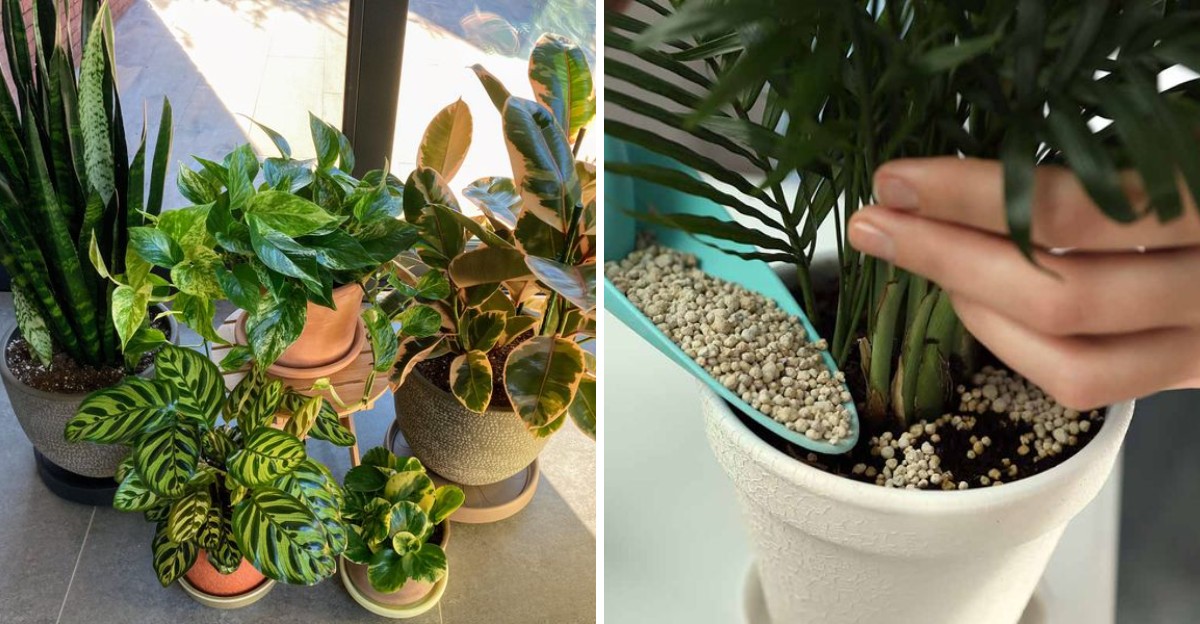
Moving houseplants indoors for the cooler months raises a common question for North Carolina gardeners about whether normal fertilizing routines should continue once plants are back inside.
Most houseplants naturally slow their growth during the darker, cooler months indoors, meaning their nutrient needs typically decrease significantly compared to their active outdoor growing season.
Continuing to fertilize at the same rate used outdoors can actually stress plants during this slower period, potentially leading to salt buildup in the soil or root damage over time.
Adjusting fertilizing frequency to match a plant’s indoor growth rate, rather than sticking to an unchanged outdoor schedule, tends to produce healthier results overall.
Understanding this seasonal shift helps North Carolina plant owners avoid a common mistake that can do more harm than good indoors.
1. Do Not Fertilize Immediately
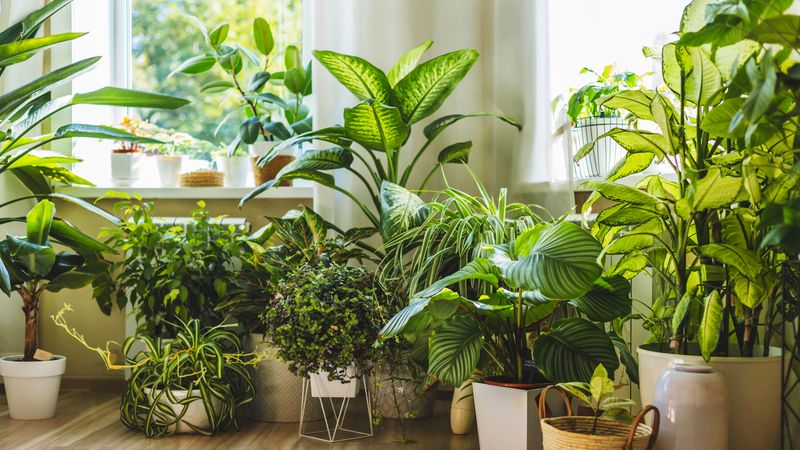
Right after your plants come inside, they are dealing with a big change. The bright outdoor sun gets swapped for dimmer indoor light, and temperatures shift too. That adjustment period is not the time to pile on food.
Fertilizer pushes plants to grow, but a plant busy adapting to new surroundings cannot use that extra boost well. Instead of helping, the unused nutrients build up in the soil and can harm the roots over time.
Think of it like moving to a new town. You need a few weeks to settle in before you start running full speed. Your houseplants work the same way, quietly getting used to their new spot near the window.
Give them a break of at least two to four weeks before you even think about feeding. During this rest, focus on the basics instead. Water them properly, keep them away from cold drafts, and let them find their rhythm in your home.
Many gardeners in North Carolina make the mistake of feeding right away out of kindness. The plant looks a little tired, so they reach for the fertilizer bottle. That kindness can backfire and leave the roots stressed.
Watch how your plant behaves during those first weeks. If it holds steady and looks healthy, that is a good sign.
Once it settles fully and shows signs of comfort, you can start thinking about a gentle feeding plan that matches the slower indoor pace.
2. Check Whether The Plant Is Still Growing
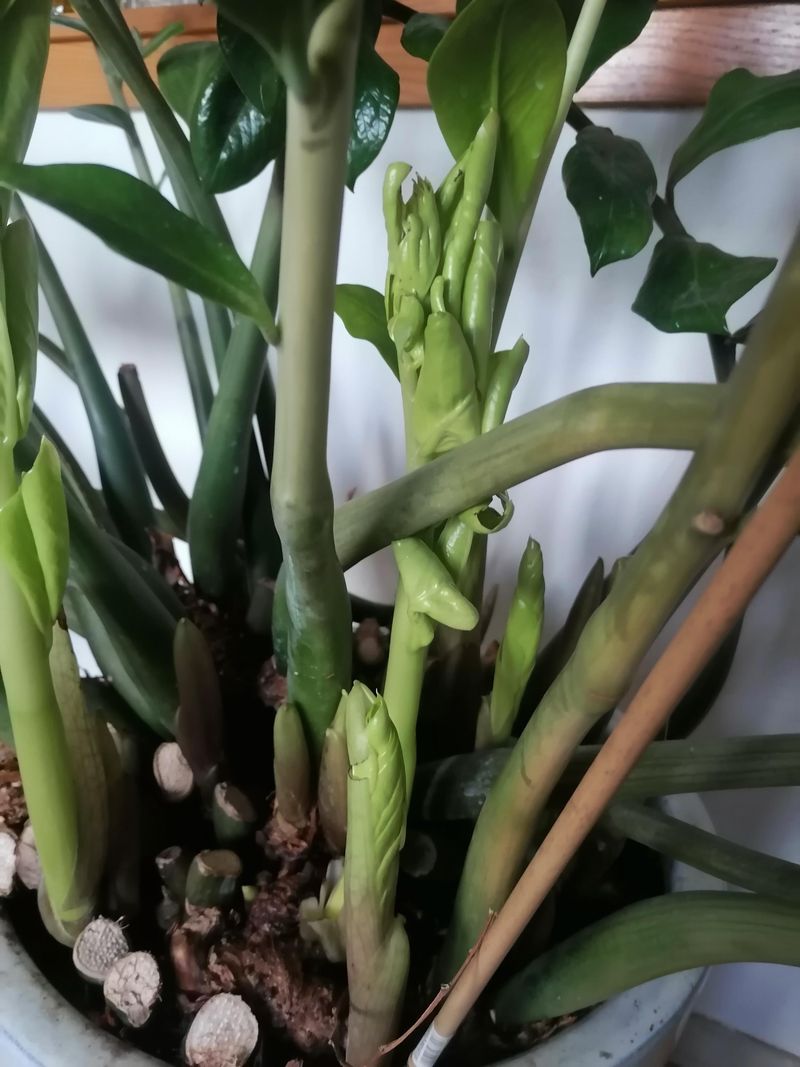
Fertilizer works best when a plant is actively pushing out new leaves and stems. Feeding hungry, growing plants gives them the fuel they crave. Feeding a plant that has hit pause does very little good.
As the days get shorter across North Carolina, many houseplants naturally slow down. They stop producing fresh growth and settle into a quiet, restful mode. During this slowdown, their appetite for nutrients drops sharply.
Take a close look at your plant before you decide. Do you see new leaves unfurling or tiny buds forming at the tips? That means it is still working and might appreciate a light meal.
On the other hand, if nothing new has appeared in weeks, the plant is likely resting. Adding fertilizer now just leaves extra salts sitting in the soil with nowhere to go.
Your North Carolina Garden Changes Every Week. Your Plan Should Too.
Gardening in North Carolina changes quickly throughout the season. Every Friday you’ll receive a simple weekly plan showing exactly what to plant, prune, fertilize, harvest, and protect so you never miss the right timing.
A simple trick is to mark the calendar and check your plants every couple of weeks. Snap a quick photo so you can compare growth over time. This makes changes easy to spot even when they are subtle.
Different plants slow down at different times, so do not expect them all to match. A fast grower might keep chugging along while a slower one stops completely. Treat each one based on what it is actually doing.
When you match your feeding to real growth, you avoid wasting fertilizer and keep the roots healthy. Watching your plants closely turns you into a better gardener and keeps everything thriving indoors.
3. Indoor Light Changes Everything
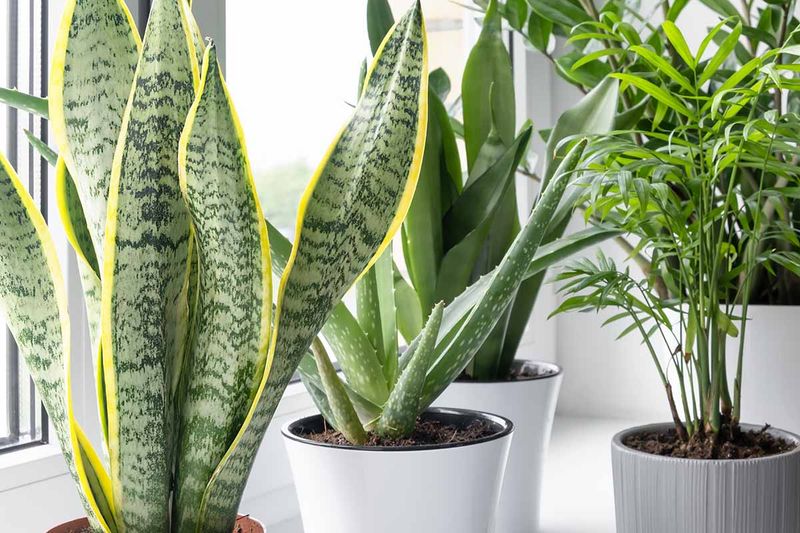
Sunlight outdoors is far stronger than anything your home can offer. Even a bright window gives just a fraction of the light plants soaked up on your porch or patio. That drop in light changes how your plant lives.
Plants make their food through photosynthesis, and that process runs on light. When light fades, photosynthesis slows way down. A plant making less food naturally needs fewer nutrients to keep going.
Picture a car that only drives short trips instead of long highway runs. It burns way less fuel. Your indoor plants work the same way, using less energy and needing less from the soil.
Because of this, pumping fertilizer into a plant that suddenly gets dim light can overwhelm it. The roots simply cannot process food it does not have the energy to use.
In North Carolina, the change is sharp when summer sun gives way to short winter days. A plant that loved full sun outside may sit in weak light for months indoors. Its needs shrink to match.
You can help by placing plants in your brightest windows, usually those facing south or west. Cleaning dusty leaves also lets in more light and keeps photosynthesis working better.
Some folks add grow lights to boost brightness, which can support a bit more growth. If you do this, your plant may handle light feeding better than one in a dark corner. Always match the food to the light your plant actually receives, not what it once had.
4. Inspect For Pests First
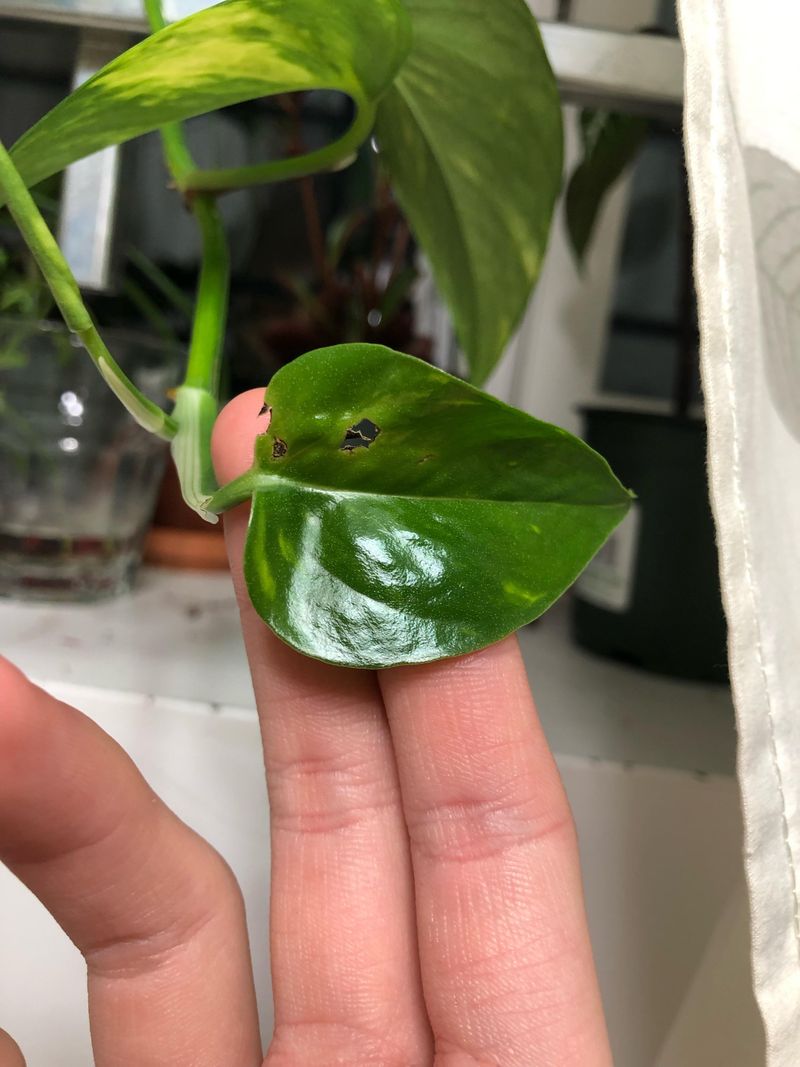
Before any fertilizer touches your plant, grab a good look at every leaf and stem. Plants that spent summer outdoors often carry tiny hitchhikers you never noticed. Bringing them inside means bringing pests too.
Indoor air is warm and dry, and there are no ladybugs or birds to keep bugs in check. That means aphids, spider mites, and mealybugs can multiply fast once they settle in your home. One infested plant can spread trouble to all the others.
Check the undersides of leaves, where many pests love to hide. Look for tiny dots, sticky spots, fine webbing, or fuzzy white specks. A magnifying glass makes the search much easier.
If you spot pests, handle them before you feed the plant. Wipe leaves with a soft cloth, rinse the plant in the shower, or use an insecticidal soap made for indoor use. Give it time to recover before adding fertilizer.
Feeding a bug-covered plant only feeds the problem too. Fresh, tender growth pushed out by fertilizer becomes a tasty target for pests. That makes the trouble worse instead of better.
Keep new arrivals separated from your other houseplants for a week or two. This quarantine gives you time to catch any pests before they travel around the room. It is a simple habit that saves a lot of headaches.
Once your plant gets a clean bill of health, you can move forward with confidence. A pest-free plant is far more ready to make good use of any food you offer later on.
5. Avoid Fertilizing Stressed Plants
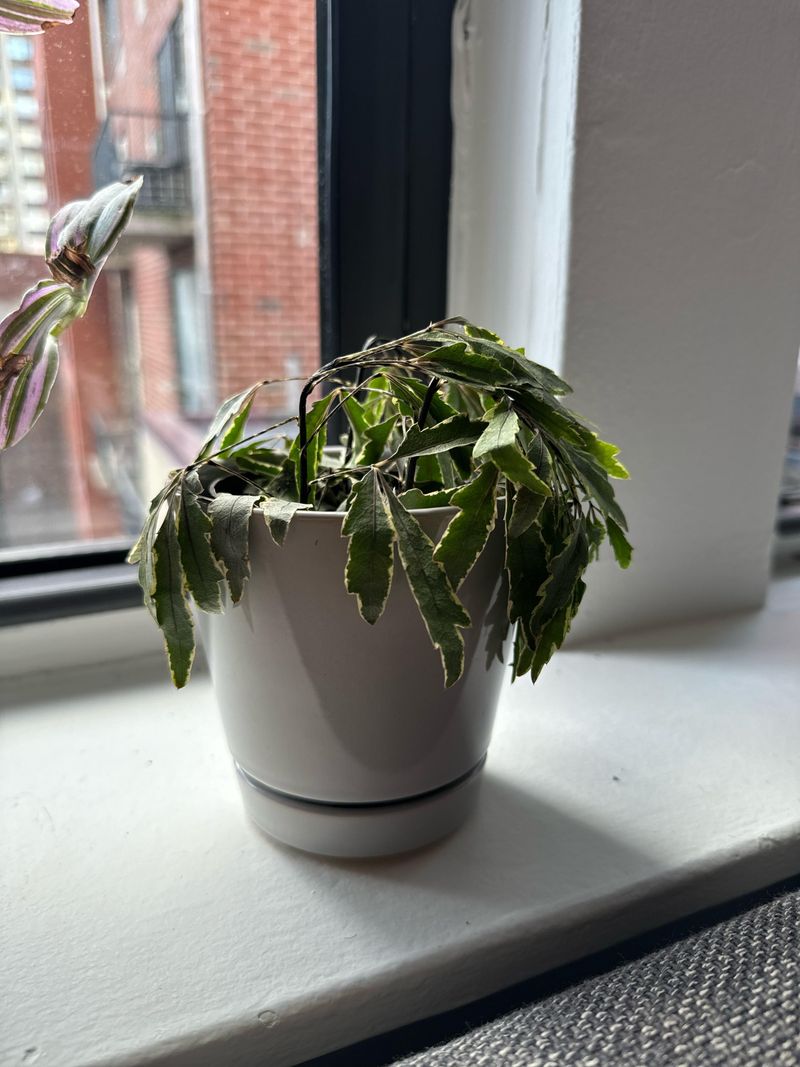
A stressed plant is like a person recovering from a rough week. The last thing it needs is extra pressure. Fertilizer, meant to help, can push a struggling plant past its limits.
Signs of stress show up in many ways. Drooping leaves, yellowing foliage, mushy roots, or damage from the move all point to a plant that needs care first. Feeding it now only adds to the strain.
When roots are damaged or unhappy, they cannot take in nutrients properly. Any fertilizer you add just sits in the soil, and too much can burn those already weak roots. That turns a small problem into a bigger one.
Focus on stabilizing the plant instead. Check the soil moisture, since both too much and too little water cause stress. Adjust watering, trim away damaged parts, and give the plant a calm, steady spot to bounce back.
Transplant shock is common when plants change homes. A plant might sulk for a while, dropping a few leaves as it adjusts. Patience during this time matters more than any bottle of plant food.
North Carolina winters can bring chilly drafts near windows and doors. Cold stress adds up quickly, so keep tender plants away from those spots. A stable temperature helps them heal faster.
Wait until you see clear signs of recovery before feeding. New growth, firmer leaves, and steady color all tell you the plant is ready. Once it feels strong again, gentle feeding can safely begin without overwhelming it.
6. Reduce Fertilizer As Growth Slows
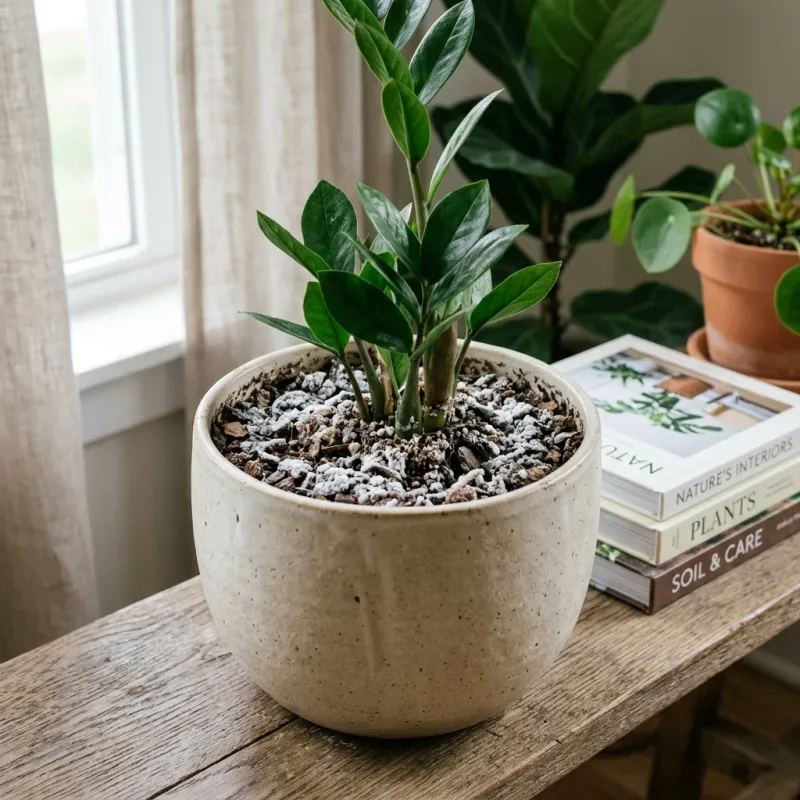
Summer feeding schedules make sense when plants grow fast in warm, sunny weather. Once those plants come indoors and slow down, that same schedule becomes far too much. Cutting back is the smart move.
A plant growing slowly uses only a little of the food you give it. The rest lingers in the soil as leftover salts. Over time, these salts pile up and can harm the roots you worked so hard to protect.
You might notice a white crust forming on the soil surface or around the pot rim. That crust is fertilizer-salt buildup, a clear sign you have been feeding too heavily. It is a warning worth watching for.
Scaling back is easy. Cut the amount in half, or stretch the time between feedings from every few weeks to every couple of months. Some plants need no food at all during their quiet season.
If salts have already built up, flush the soil with plain water. Let water run through the pot several times to wash away the extra minerals. This simple rinse gives roots a fresh start.
Match your feeding to the calendar and the plant’s pace. As North Carolina days grow short and cool, most houseplants want less of everything, including food. Respecting that natural slowdown keeps them healthier.
Think of it as feeding to match the season rather than sticking to habit. When growth picks back up, you can slowly increase feeding again. For now, less really is more for your resting plants.
7. Follow The Needs Of Each Plant
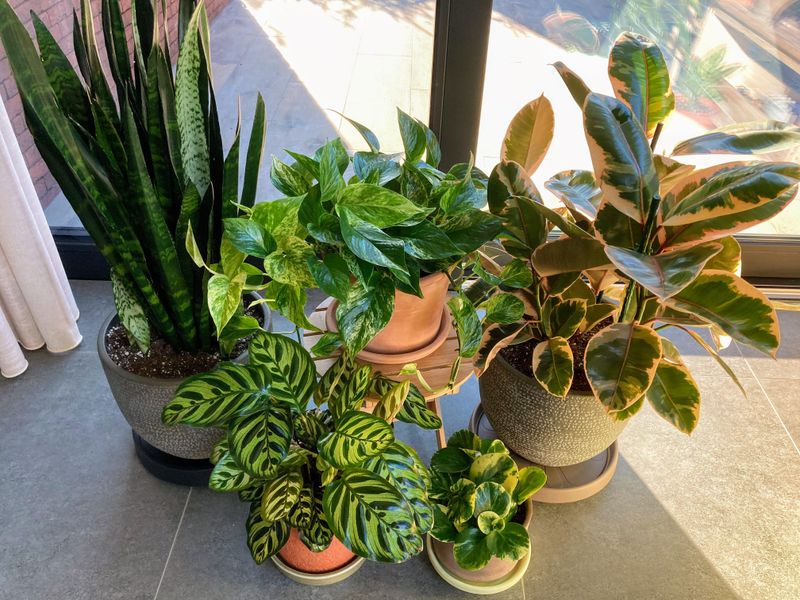
No two houseplants are exactly alike, so no single feeding rule fits them all. What works for a fast-growing pothos may be totally wrong for a slow cactus. Getting to know each plant pays off big.
Species matters most. Tropical plants often want more regular feeding, while succulents and cacti need very little. Learning what family your plant belongs to gives you a great head start.
Growth rate plays a part too. A plant shooting out new leaves weekly uses nutrients faster than one that barely changes. Watch the pace and feed accordingly.
Light level shapes the whole picture. A plant in a bright window can handle more food than the same plant tucked in a dim corner. Always factor in how much light your plant actually gets.
The potting mix and pot size matter as well. Fresh soil already holds some nutrients, so a recently repotted plant may not need extra food for a while. Older soil that has been used for a long time may be running low.
Never skip reading the fertilizer label. It tells you how much to use and how often, and those directions are there for good reason. When in doubt, using less than the label suggests is usually safer.
Keep a small notebook or phone note about each plant. Jot down what you feed and how the plant responds. Over time, this little record helps you fine-tune care and become the kind of gardener your plants love.
8. Resume Feeding When Conditions Support Growth
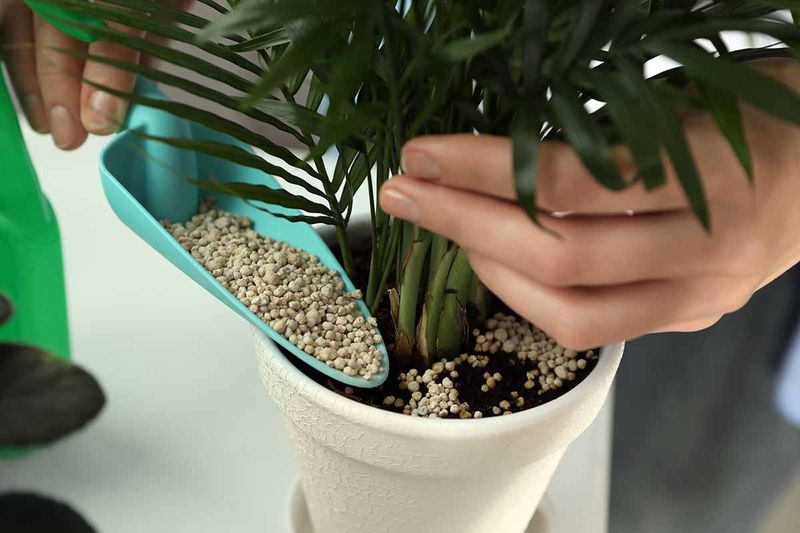
The wait to feed again does not last forever. As conditions improve, your plants will let you know they are ready for a boost. Learning to read those signals keeps them thriving all year.
Through fall and winter, keep a close eye on your indoor plants. Watch their leaves, their color, and any signs of new growth. These small clues tell you exactly what stage your plant is in.
The clearest green light is fresh growth. When you spot new leaves unfolding or stems stretching upward, your plant has woken up and wants nutrients again. That is your cue to start feeding once more.
Light plays a huge role in this timing. As the days grow longer toward late winter and early spring, North Carolina windows catch more sun. More light means more energy, and more energy means a bigger appetite.
Start slow when you resume. Use a weak, diluted feeding at first rather than jumping back to full strength right away. This gentle approach lets the plant adjust without any shock.
Pay attention to how each species responds, since they wake up on their own schedules. Some perk up early while others take their time. Follow each plant’s lead instead of feeding them all at once.
Grow lights can also stretch the growing season if you use them. Under good artificial light, some plants stay active even in winter and welcome regular food.
Match your feeding to the light and growth you truly see, and your houseplants will reward you with lush, happy leaves.