The Fall Task That Brings Out Georgia Virginia Sweetspire’s Best Red Color
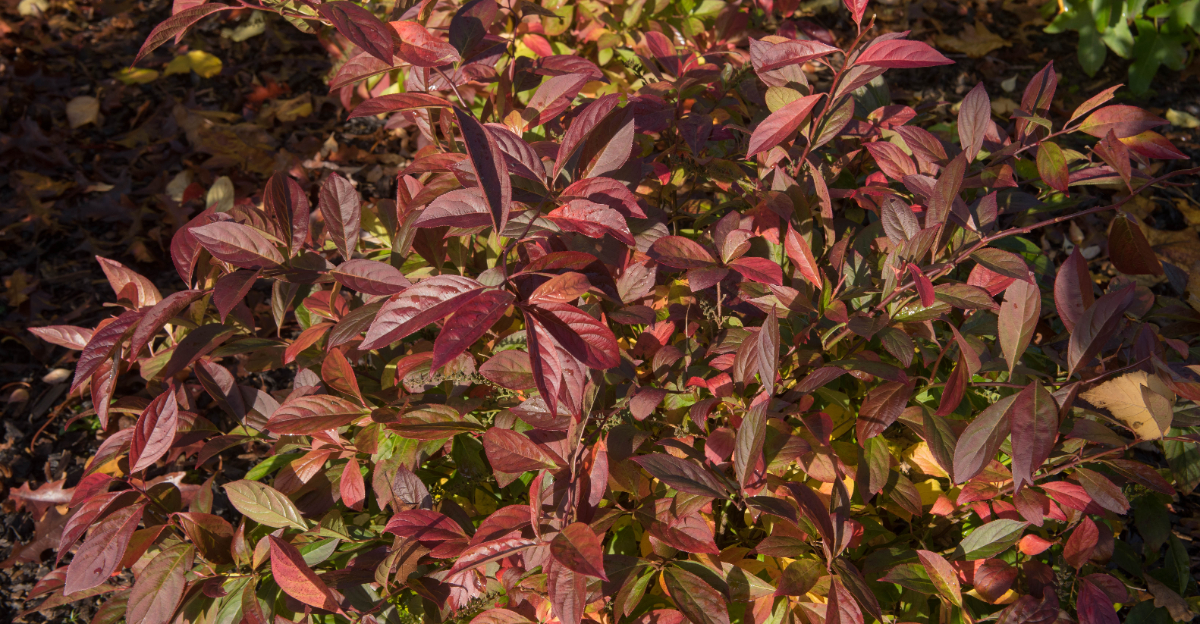
Virginia sweetspire saves one of its best displays for the end of the growing season. Green leaves can shift into rich shades of red, burgundy, and purple when conditions cooperate.
That fall transformation can be especially striking in Georgia gardens, but stressed shrubs may not put on their strongest show. One basic care task deserves attention while the foliage begins changing.
Check the soil around your sweetspire instead of assuming cooler weather means watering no longer matters. Dry stretches can still leave shrubs short of the moisture they need.
Steady care helps the plant finish its season without unnecessary stress. It also supports the healthy foliage you want to enjoy as autumn progresses.
Sun exposure plays its own role in color intensity.
Give your sweetspire proper fall support, and those ordinary green leaves can become a standout feature.
1. Green Summer Leaves Are Getting Ready For A Big Change
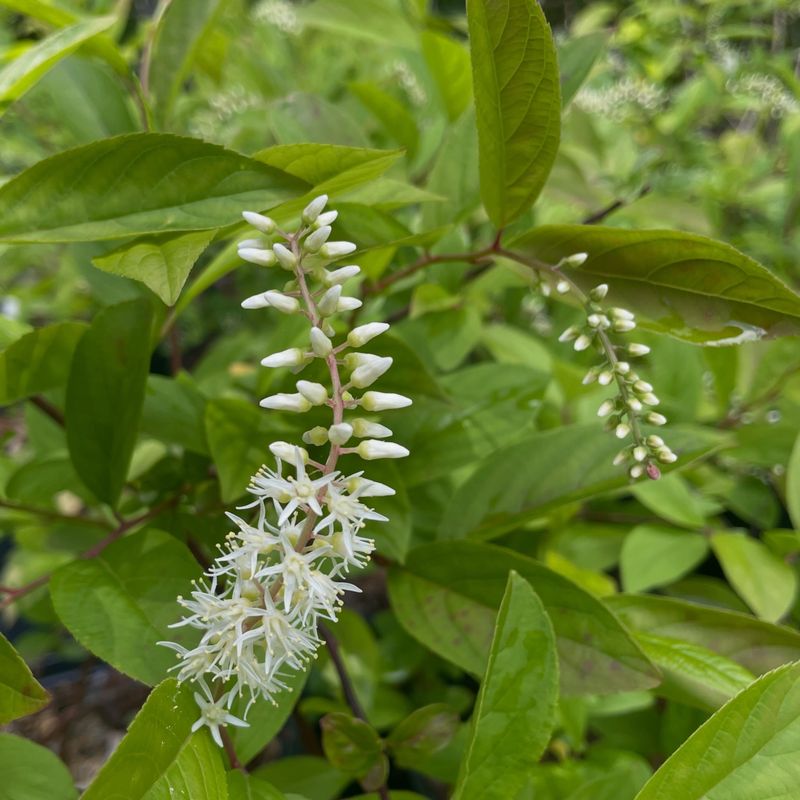
Right now, those green leaves are doing more work than they look like they are. All summer, Virginia Sweetspire stores energy in its leaves through photosynthesis.
That stored energy is part of what fuels the fall color transition.
As late summer shifts toward early fall, the plant starts slowing down its green pigment production. Chlorophyll, the stuff that makes leaves green, begins to break down.
Underneath it, other pigments that were there the whole time start showing through.
Red and burgundy tones in Virginia Sweetspire come partly from anthocyanins, which are pigments that form as sugars get trapped in the leaves. Cooler nights help trigger that process.
Warm days and cool nights together tend to produce stronger color.
Gardeners in Georgia often notice the shift starting in October, depending on elevation and local temperatures. Lower areas may see the change a little later than spots with cooler nighttime temps.
Watching the plant closely during this window helps you catch the peak.
Green leaves in good health tend to produce better fall color than stressed ones. Keeping the shrub in decent shape through summer gives it a stronger foundation heading into the color season.
A well-fed, well-watered plant going into fall usually puts on a better show.
2. Fall Turns The Foliage From Green To Deep Red
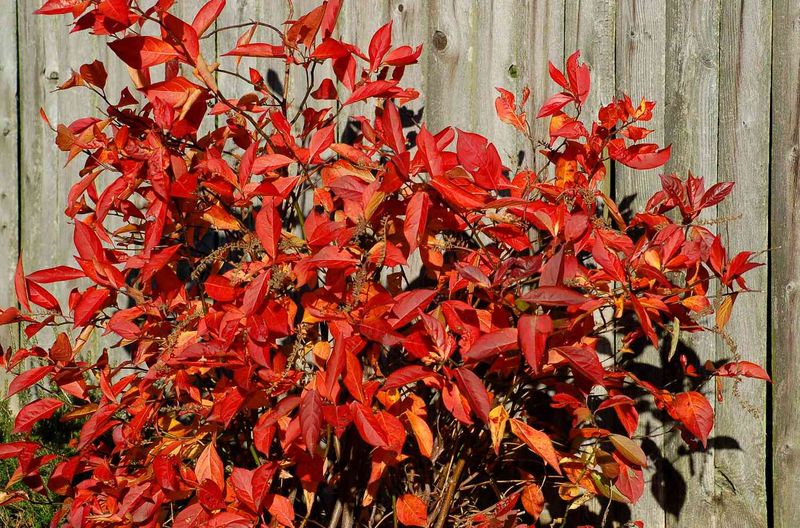
Few shrubs in the Southeast match Virginia Sweetspire when fall color hits its peak. Leaves shift from green to shades of orange, red, and deep burgundy in a matter of weeks.
Some years the color is especially intense, and some years it is more muted.
What drives the difference? Mostly temperature patterns and how much sun the plant gets.
A stretch of warm days followed by genuinely cool nights tends to push the color harder. Extended warm falls can slow the transition down or soften the tones.
Virginia Sweetspire holds its fall color longer than many other shrubs, which makes it a solid choice for extended seasonal interest. Leaves do not drop immediately once color develops.
The display can last several weeks under the right conditions.
Color tends to develop from the outer edges of the shrub inward. Watching that progression is one of the more satisfying parts of growing this plant.
Your Georgia Garden Changes Every Week. Your Plan Should Too.
Gardening in Georgia changes quickly throughout the season. Every Friday you’ll receive a simple weekly plan showing exactly what to plant, prune, fertilize, harvest, and protect so you never miss the right timing.
Each week brings a slightly different look as the foliage deepens.
Not every plant will look the same even in the same yard. Genetics, sun exposure, and soil moisture all play a role.
Choosing a named cultivar known for strong red color, like ‘Henry’s Garnet,’ can improve your odds of a more reliable fall display most years.
3. More Sunlight Can Bring Out Stronger Fall Color
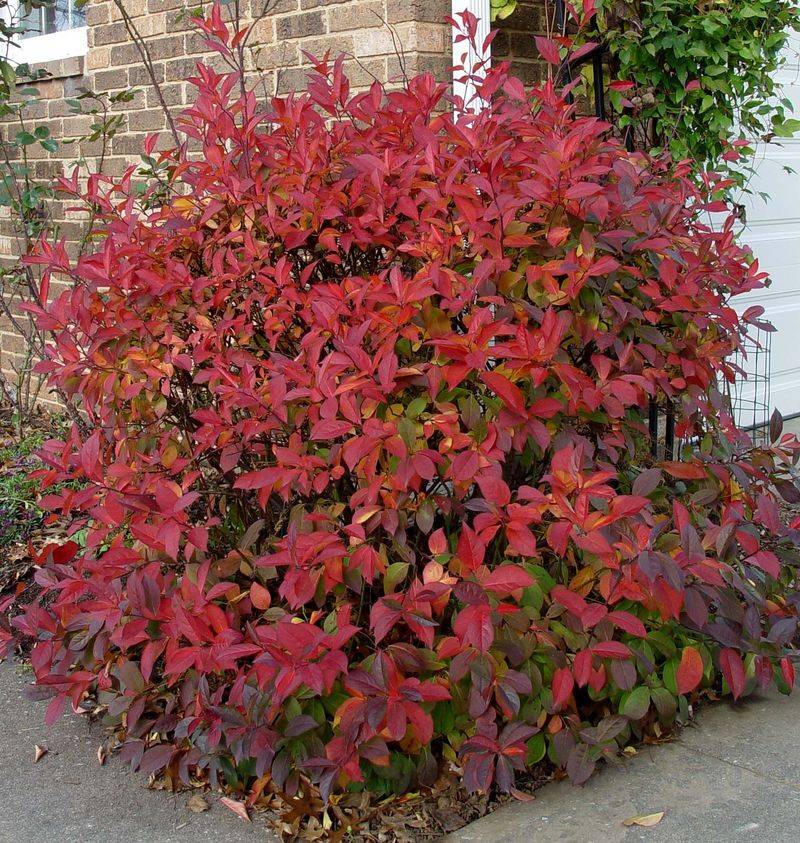
Sunlight matters more than most people expect when it comes to fall color on Virginia Sweetspire. Plants growing in full sun or near-full sun tend to develop richer, more saturated reds.
Shade can soften the display considerably.
More light means more sugar production during the growing season. When fall arrives and leaves start shutting down, those trapped sugars contribute directly to anthocyanin formation.
More sugar often means more intense red tones.
Positioning matters from the start. A shrub planted under a dense tree canopy may struggle to reach its color potential, even if it grows and flowers just fine.
Moving an established plant is possible but takes some effort and timing.
If you cannot move the plant, selectively trimming surrounding branches to let in more light can help. Even modest improvements in sun exposure can shift the fall display noticeably.
It is worth experimenting if the color has been disappointing.
Full sun in the Southeast can be intense in summer, so balance is key. Virginia Sweetspire handles partial shade well and still produces decent color.
But if strong fall red is the goal, leaning toward more sun exposure, while keeping the plant adequately watered, tends to give better results in most situations.
4. Too Much Shade Can Leave The Display Less Intense
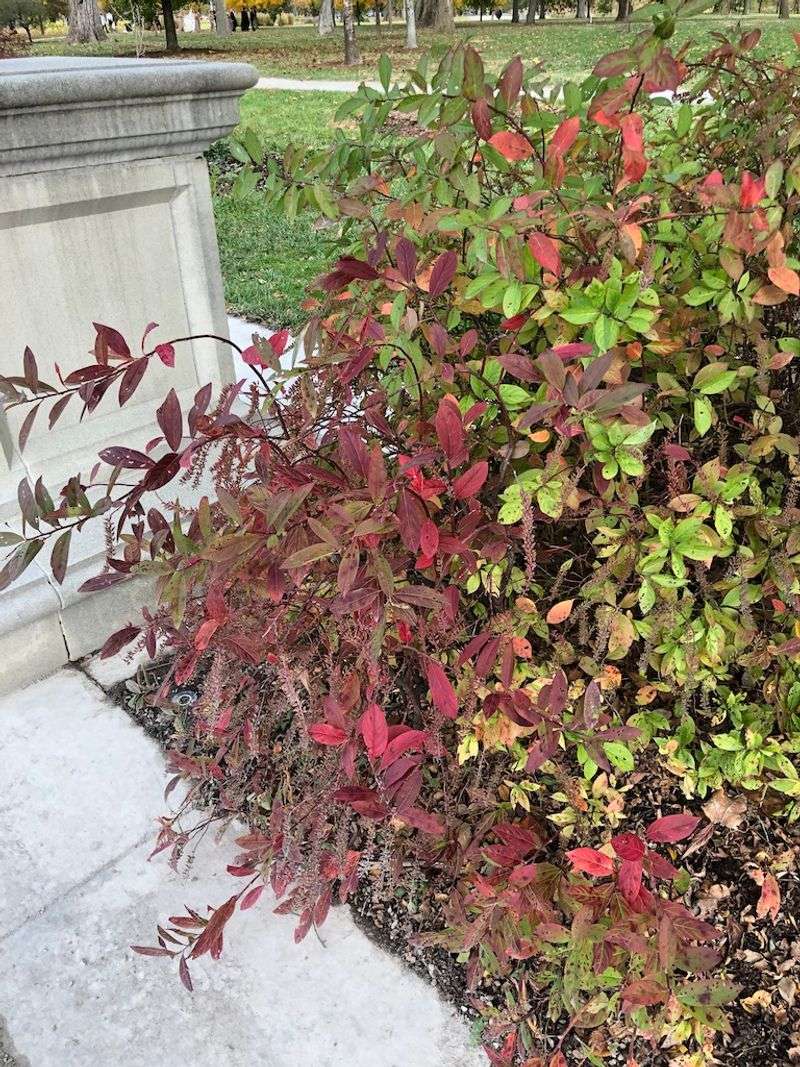
Shade is not a deal-breaker for Virginia Sweetspire, but it does come with trade-offs. A plant tucked under heavy tree cover will likely produce softer, less vibrant fall color than one in a sunnier spot.
That is just the reality of how this shrub responds to light levels.
In deep shade, the plant still changes color in fall. Tones tend to lean more toward yellow or muted orange rather than the deep crimson the shrub is capable of producing.
It is a different look, but not necessarily a bad one.
Gardeners who planted Sweetspire in a shaded spot for its summer flowers sometimes feel let down by the fall display. Knowing this trade-off ahead of time helps set realistic expectations.
You can still enjoy the plant without expecting a full red spectacle.
One option is to plant additional specimens in sunnier spots if space allows. Having both shaded and sunny plants gives you a longer and more varied fall display across the yard.
Each location will peak a little differently.
Across Georgia, many landscapes mix sun and shade naturally. Working with what you have and placing new plants thoughtfully can make a big difference over time.
Shade-tolerant does not mean shade-preferred when peak fall color is the main goal.
5. Keep Plants Watered If Fall Weather Turns Dry
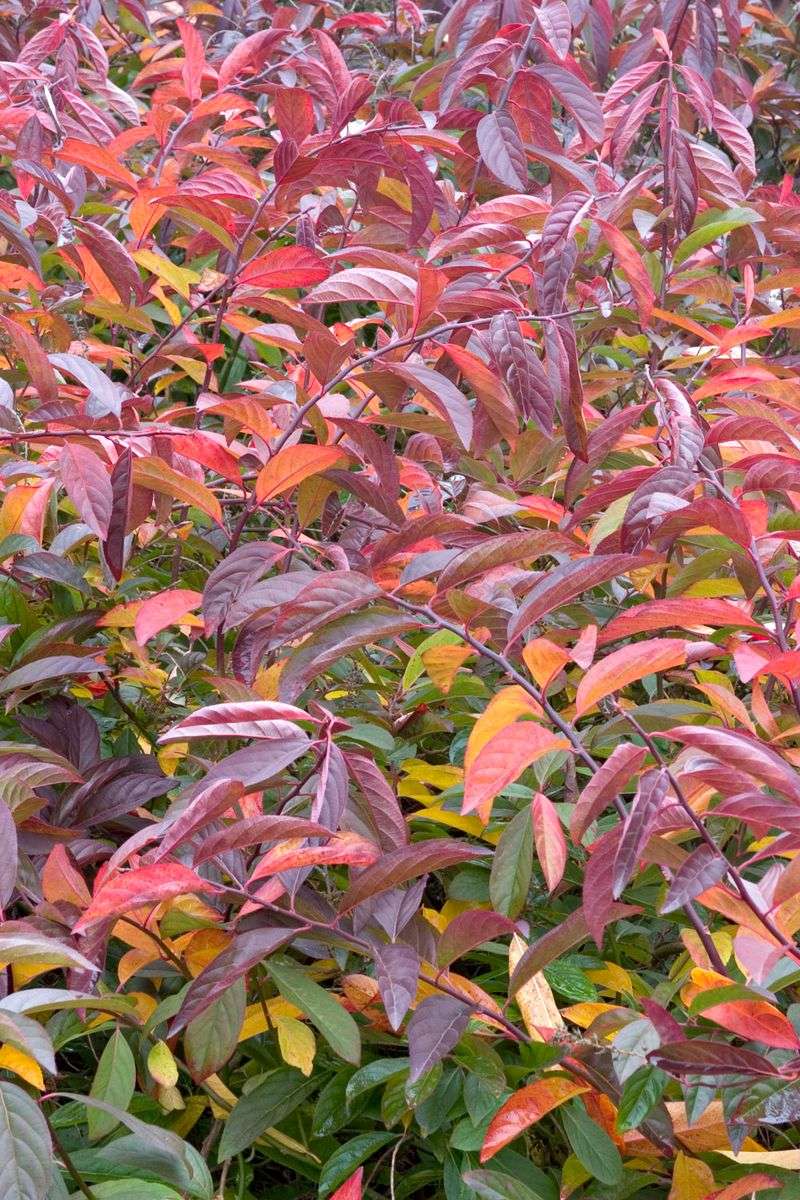
Dry fall weather can sneak up on gardeners who assume the plant does not need water once summer heat passes.
Virginia Sweetspire handles drought reasonably well once established, but stress from dry conditions during fall can affect the quality of the color display.
Leaves under drought stress sometimes drop earlier than expected. When that happens, the color show gets cut short before it reaches peak.
Keeping soil moisture consistent through fall helps the foliage stay on the plant longer.
A good deep watering once a week during dry stretches is a reasonable approach for most established shrubs. Soil type matters too.
Sandy soils drain faster and may need more frequent attention than clay-heavy ground. Check the soil a few inches down before watering to avoid overdoing it.
Mulching around the base of the plant helps retain soil moisture and keeps roots more stable as temperatures fluctuate. A two-to-three inch layer of organic mulch works well.
Keep it pulled back slightly from the main stems.
Newly planted Sweetspire needs more consistent moisture than established plants, especially during its first fall season. Roots have not spread far enough yet to access deep soil water.
Staying on top of watering that first year makes a meaningful difference in how well the plant establishes and performs.
6. Leave The Foliage In Place As The Color Develops
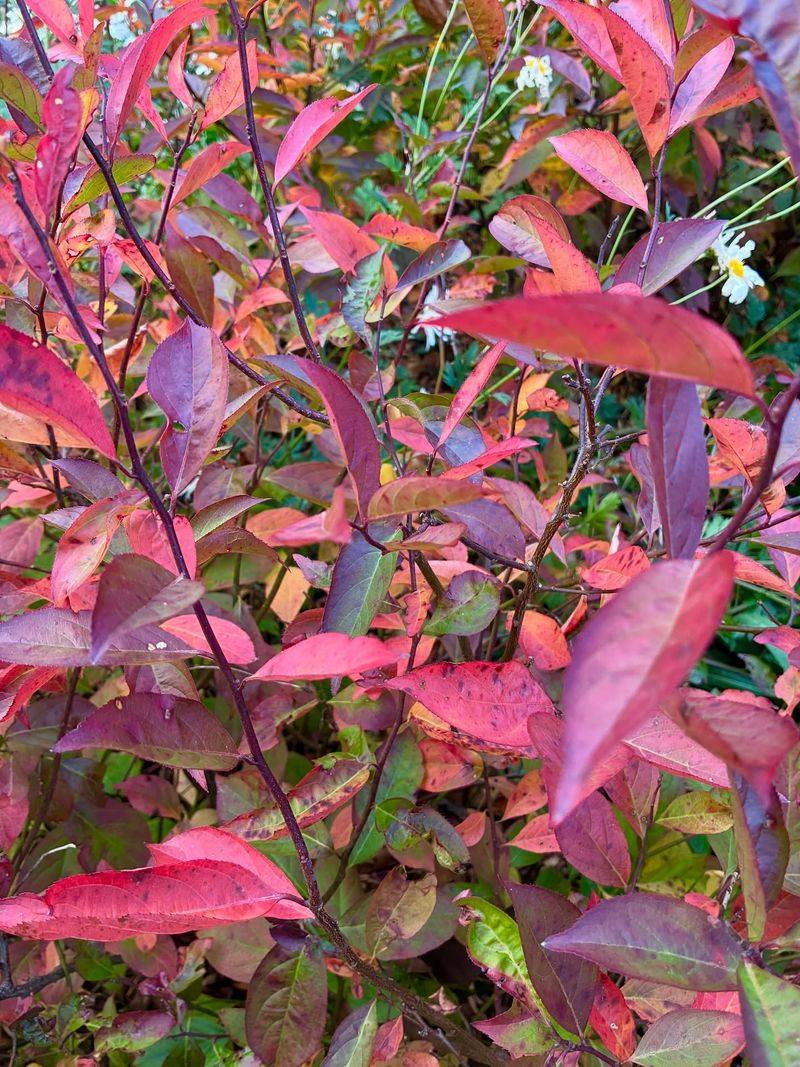
Resist the urge to tidy up the shrub once fall color starts showing. Leaving the foliage in place lets the full color cycle play out naturally.
Cutting back too early interrupts the display before it peaks.
Virginia Sweetspire holds its leaves well into fall and sometimes into early winter depending on conditions. Letting that happen gives the yard several weeks of color without any extra work.
Patience here genuinely pays off.
Some gardeners get antsy about fall cleanup and start pruning or cutting back shrubs before the season is over. With Sweetspire, that is a missed opportunity.
The leaves are part of the show, and removing them early shortens the display unnecessarily.
Fallen leaves from surrounding trees can accumulate in the shrub, but there is no rush to remove them right away. Light cleanup around the base is fine, but avoid disturbing the plant itself while color is still developing.
Let the season run its course.
Wildlife also benefits from leaving shrubs intact through fall and winter. Small birds and insects use the structure for cover.
Keeping the plant undisturbed a bit longer serves more than just aesthetics. It is a small but practical way to support the yard’s overall balance heading into the colder months.
7. Skip Fall Pruning And Enjoy The Changing Foliage
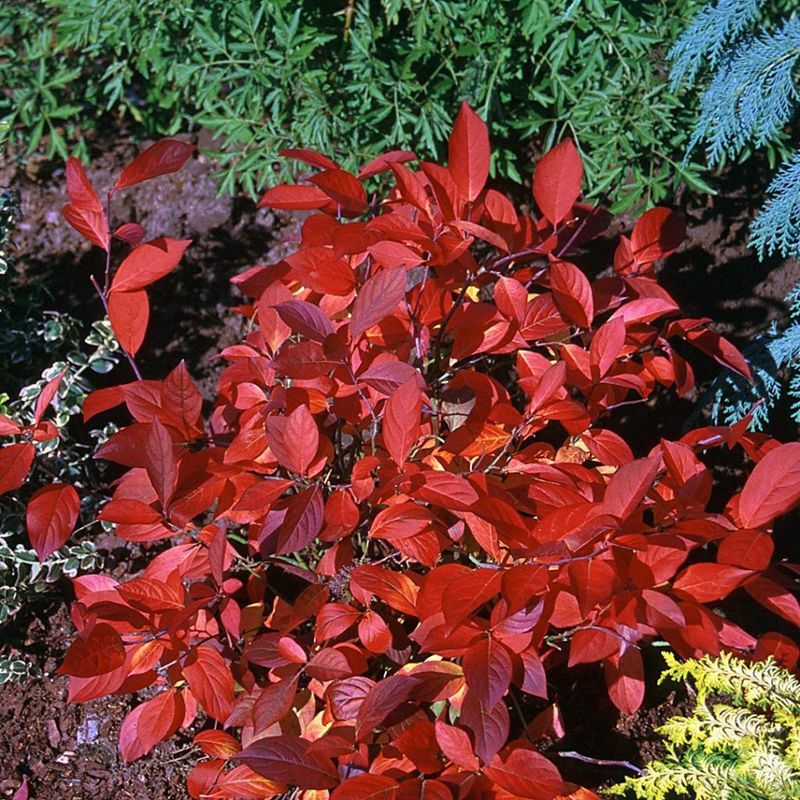
Pruning Virginia Sweetspire in fall is one of the more common mistakes gardeners make with this shrub. Fall is exactly when the plant is putting on its best show.
Cutting it back now removes what you waited all season to see.
Spring, after new growth begins, is a much better window for pruning. At that point, the color display is long over and the plant is actively pushing out fresh growth.
Shaping at that time does not sacrifice anything worth keeping.
Sweetspire blooms on new growth, so fall pruning can also reduce the following summer’s flower display. Skipping fall cuts protects both the flowers and the fall color in one simple decision.
Two benefits for the effort of doing nothing.
In Georgia and neighboring states, fall is short and the color window can be brief some years. Making the most of that window means stepping back and letting the plant do its thing.
The pruning can wait a few more months without causing any harm.
Late winter to early spring is a reasonable target for light shaping if needed. Heavy pruning is rarely necessary with Sweetspire since it grows at a moderate pace.
A light touch every couple of years is usually enough to keep the shrub looking tidy while preserving its natural form.