Why California Gardeners Should Let Some Leaves Stay On The Ground This Fall
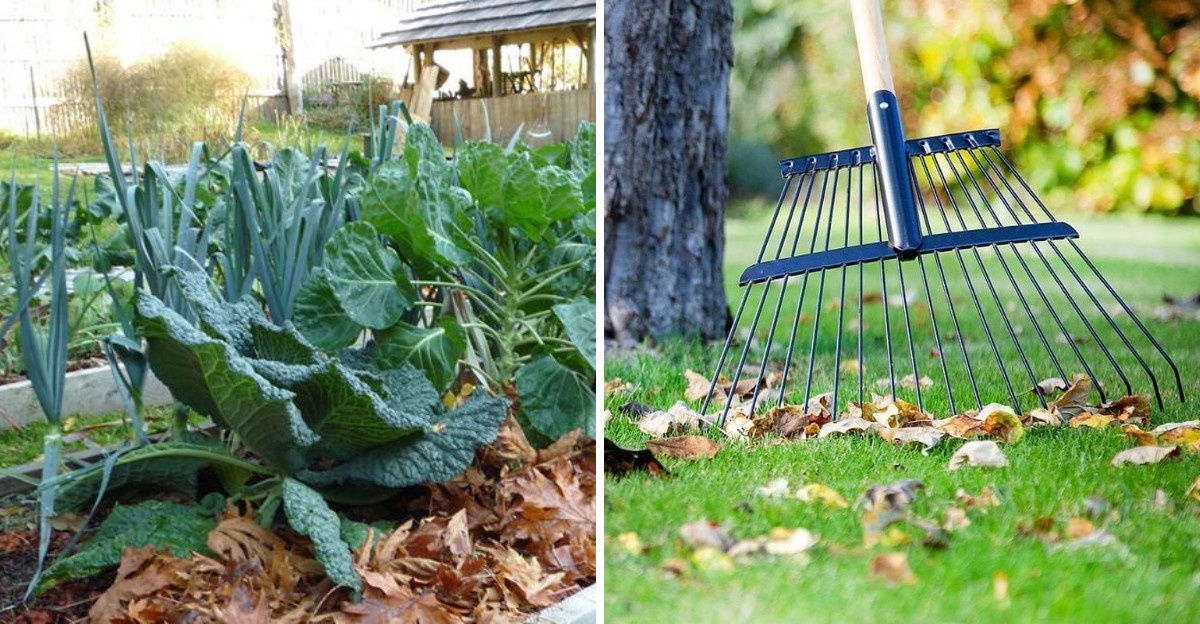
A gardener in Sacramento grabs the rake out of pure habit on a cool November morning, heading straight toward a crunchy carpet of leaves without a second thought.
Underneath that brown layer, something is quietly happening that most people never notice. Soil is staying damp. Tiny insects are tucked in for winter. Nature is making free fertilizer, right there on the ground, at zero cost.
In a state where water is precious and good soil takes real work, those fallen leaves might be the biggest gift your yard gets all season.
Here’s what almost nobody realizes before they bag it all up. That pile of leaves is doing several jobs at once, and every one of them saves you money, time, or water.
Eight reasons explain exactly what’s happening under those leaves, and why the rake might be the wrong tool this fall.
Curious what’s quietly living, growing, or working beneath your own yard’s leaf litter right now? It starts with a tiny apartment building made entirely of crumpled leaves.
1. Leaf Litter Shelters Overwintering Insects
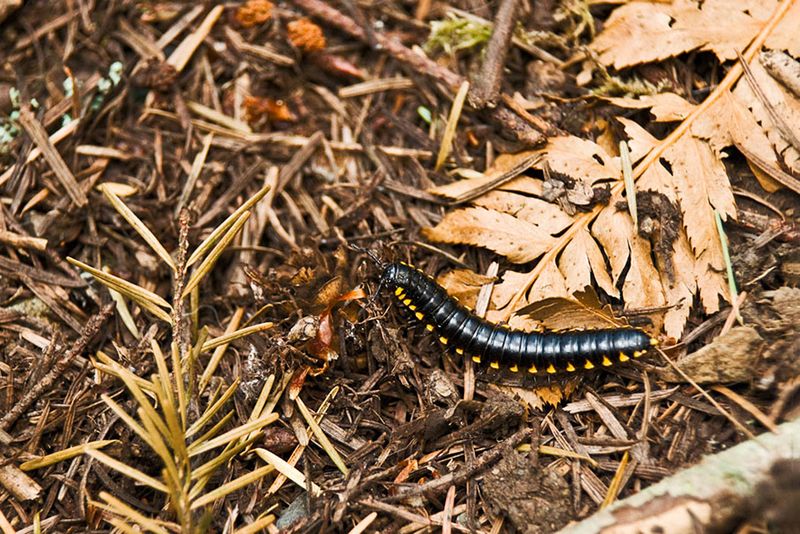
Picture a tiny apartment building made of crumpled leaves. For many insects, that is exactly what a pile of leaf litter becomes once the weather cools down for the season.
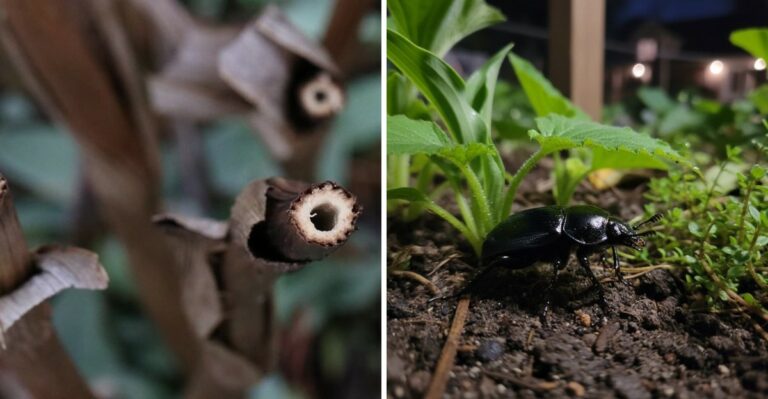
Lots of helpful garden bugs spend winter resting instead of flying around. Some lady beetles, ground beetles, and spiders hide under leaves to stay out of wind and frost. Many moths and butterflies also pass the cold months as eggs, caterpillars, or cocoons tucked into that leaf layer.
Why should you care about any of this? Those same insects come back in spring ready to work for you.
Ground beetles hunt slugs and other pests, while lady beetles feast on aphids that attack roses and vegetables. Butterflies and moths help pollinate flowers and feed baby birds through the season.
When every leaf gets raked, blown, and hauled away, those sleeping insects often go with it. Leaving some leaf litter in place gives beneficial insects a safe spot to wait out winter undisturbed. In mild parts of California, some of them may even stay a bit active on warm days.
You do not need to turn your whole yard into a leaf pile to help. Try leaving a loose layer under shrubs, around trees, or along a back fence where it won’t bother anyone.
Native plant beds are a great choice for this, since they already attract local insects looking for shelter.
Think of it as a winter hotel with free rooms available. Come spring, your guests pay you back by eating pests and pollinating blooms all season long.
2. Soil Moisture Holds Longer Underneath
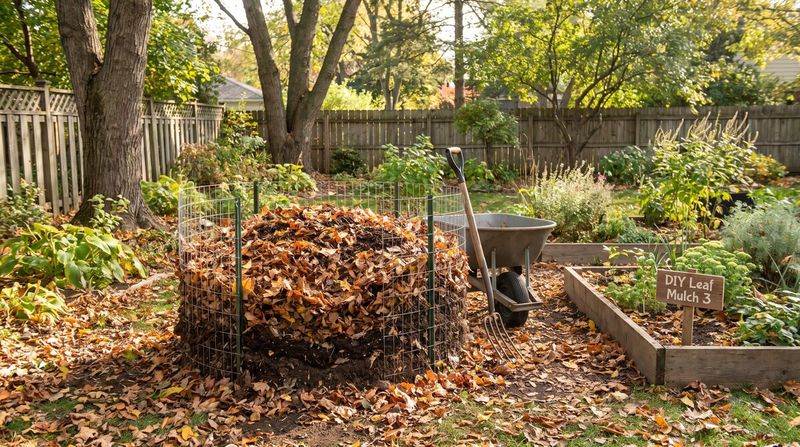
Try this simple test after the next rain. Push a finger into a patch of bare dirt, then do the same under a layer of leaves a few feet away. Chances are, the leafy spot feels cool and damp while the bare spot is already drying out fast.
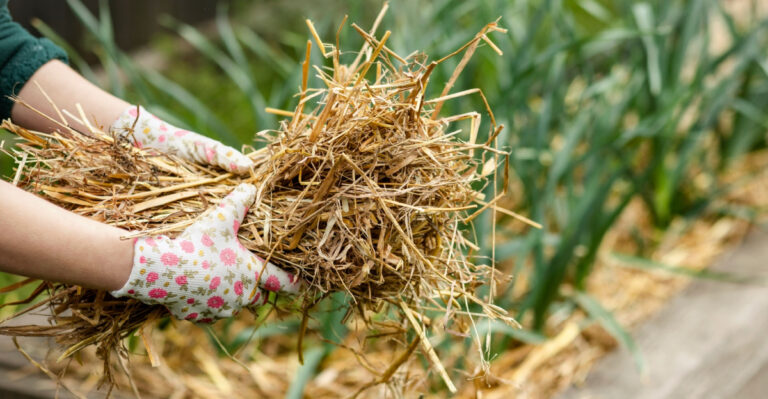
A layer of leaves works a lot like a blanket over the ground. It shades the ground, blocks drying wind, and slows down how fast water leaves the soil below.
Your California Garden Changes Every Week. Your Plan Should Too.
Gardening in California changes quickly throughout the season. Every Friday you’ll receive a simple weekly plan showing exactly what to plant, prune, fertilize, harvest, and protect so you never miss the right timing.
Organic materials like leaves help soil hold onto moisture, which means plant roots have water available for longer stretches.
For California gardeners, that matters a great deal. Our rain usually comes in a few big storms during late fall and winter, followed by long dry stretches with nothing in between.
Keeping that rainwater in the ground longer helps shrubs, trees, and perennials stay healthy without extra watering from the hose.
Leaves also help rain soak in instead of running off entirely. When heavy drops hit bare soil, they can form a hard crust that water slides across instead of penetrating. A leaf layer softens the blow, so more water sinks down where roots can actually reach it.
Here’s a practical tip worth trying. Spread a thin layer of leaves, about an inch or two, over beds and around the base of trees, but keep them a few inches away from trunks and stems.
That gap helps prevent rot while still keeping moisture locked in where it belongs. Moist soil also means fewer trips out with the hose.
3. Nutrients Cycle Back Into The Soil
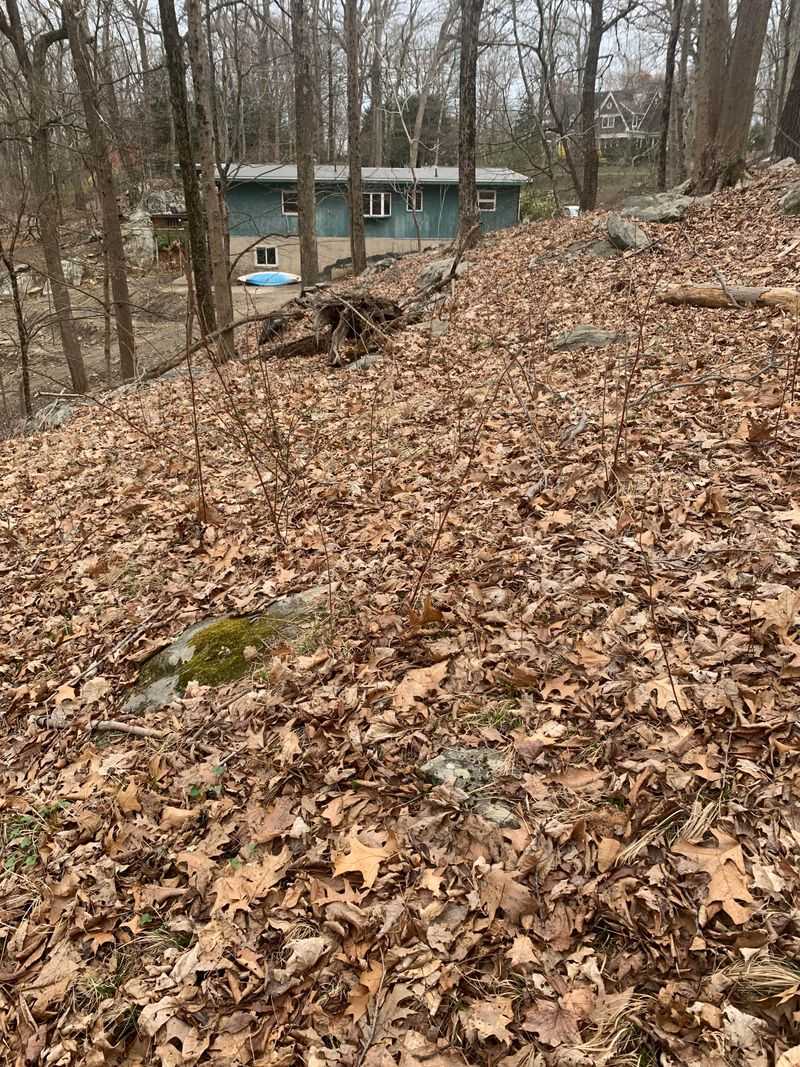
Nobody fertilizes a forest, yet the trees keep growing year after year without any help. The secret is lying right on the forest floor, waiting to be noticed.
Leaves are packed with nutrients that trees pulled from the soil during spring and summer. When they fall and start to break down, those nutrients slowly return to the ground below.
Worms, fungi, bacteria, and tiny critters called decomposers do most of the work, chewing and digesting leaves until they become rich, dark organic matter.
This process is often called nutrient cycling. Over time, decaying leaves add organic matter that improves soil structure, helps sandy soil hold water, and helps heavy clay soil drain better than before.
Healthier soil also supports more earthworms and helpful microbes, which keep the whole cycle going strong.
Keep your expectations realistic here, though. Leaves are not a quick fix like a bag of fertilizer from the store. They release nutrients slowly, over months or even a couple of years, depending on the type of leaf and how wet it stays.
Oak and magnolia leaves tend to take longer, while softer leaves break down considerably faster.
Your job stays easy either way. Let a light layer settle in garden beds, or tuck extra leaves into a compost pile to mix with green kitchen scraps and grass clippings. Either way, you’re feeding the soil instead of sending free food to the landfill.
Nature has been running this recycling program for millions of years. Your yard can join in for free.
4. Bare Soil Loses More Water To Evaporation
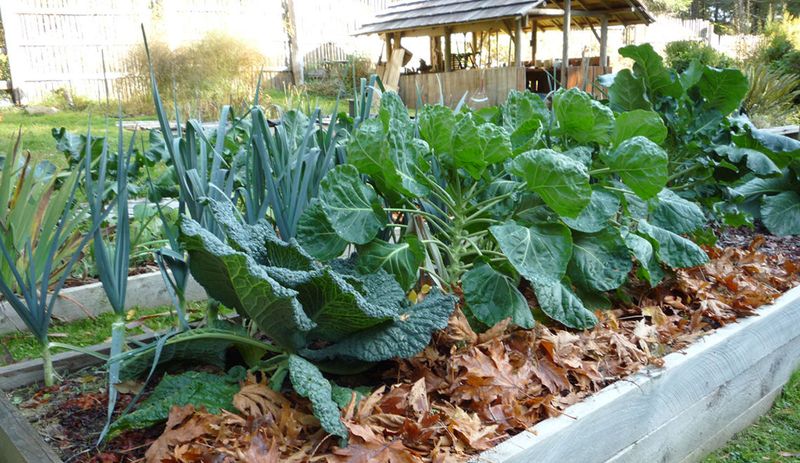
Ever notice how a puddle on a sunny sidewalk vanishes by lunchtime, but a wet towel under a shady bench stays damp all day long? Soil works in a similar way.
Bare ground takes the full hit of sun and wind with nothing to shield it. The sun heats the top layer, and moving air carries water vapor away fast. This process is called evaporation, and on exposed soil it can happen quickly, especially during warm, breezy California days.
A leaf-covered patch plays by different rules entirely. The leaves block direct sunlight, keep the soil surface cooler, and trap a thin pocket of still, humid air right above the dirt.
With less heat and less wind reaching the ground, water escapes much more slowly than it otherwise would.
Reduced evaporation ranks among the main reasons to cover soil with mulch in the first place.
Santa Ana winds are a perfect example of why this matters so much. Those hot, dry gusts can pull moisture out of bare beds in a hurry. Soil under a protective layer holds up far better against that kind of dry, windy stretch.
Bare soil has other problems too, beyond just losing water. It can crack, form a crust, and wash away in heavy rain. Weeds also love open ground, since their seeds get plenty of light to sprout.
Try looking at your yard with fresh eyes this week. Any spot where you see plain dirt between plants is a spot losing water you paid for. A light sprinkle of leaves can change that without costing a dime.
5. A Thin Layer Wont Smother Healthy Plants
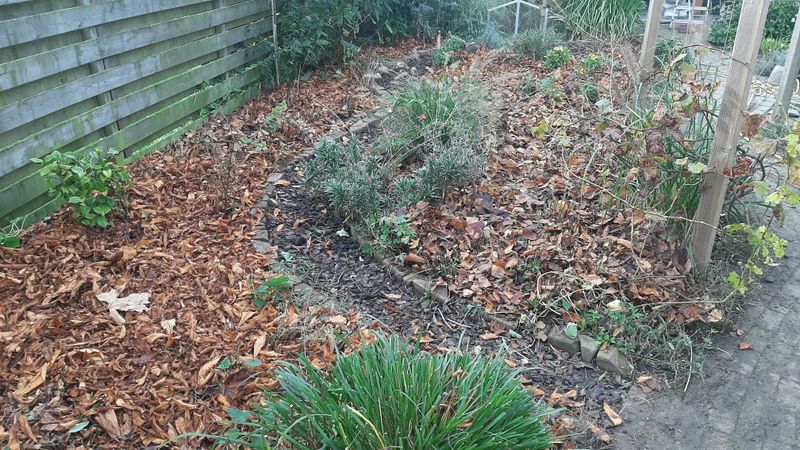
Here’s the honest truth that many leaf fans skip over. More is not always better when it comes to leaf litter. A gentle layer of leaves helps your garden, but a thick, soggy mat can do real harm instead.
Whole leaves, especially large, flat ones like sycamore, magnolia, or big-leaf maple, can stick together when wet. They form a layer almost like wet cardboard sitting on the ground. That mat can block light and air, trap too much moisture, and cover small plants completely.
Low-growing plants suffer most from this. Seedlings, small perennials, groundcovers, and young winter vegetables can rot or weaken when buried too deep. Lawns can also develop bare patches if a heavy leaf blanket sits on the grass for weeks.
The fix stays simple, though. Aim for a thin layer, about an inch or two for most beds, or use shredded leaves instead of whole ones. Rake heavy piles off lawns, walkways, and tiny plants, then move the extra leaves to areas under trees and shrubs.
Keep leaves pulled back a few inches from tree trunks and plant stems too. Moist leaves piled against bark can invite rot and pests to move in.
One more California note matters a lot here. In fire-prone areas, keeping the zone right around your house, roughly the first five feet, clear of dry leaves and other fuel matters more than habitat value in that specific spot.
Save leaf litter for spots farther away from the structure. Balance is the goal here, not a buried garden.
6. Shredding Leaves First Speeds Breakdown
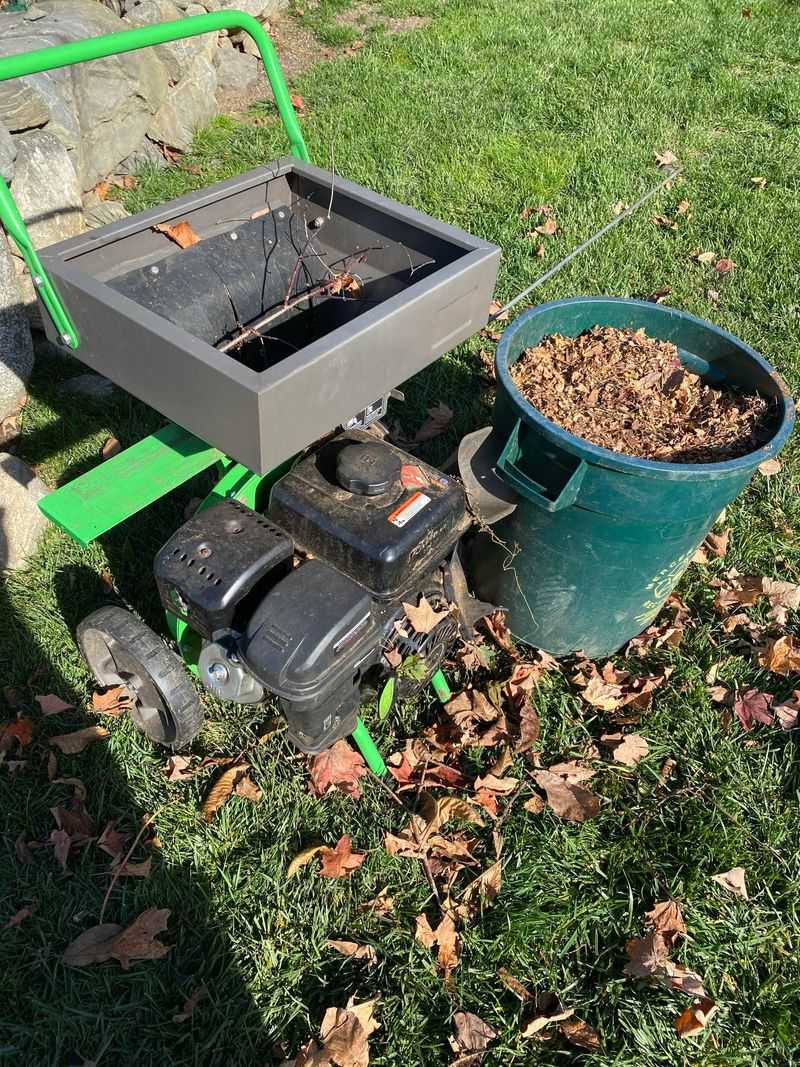
Your lawn mower might be the best leaf tool you already own without realizing it. A few passes over a pile turns big, crunchy leaves into small, confetti-like flakes, and that tiny change makes a huge difference.
Smaller pieces break down faster because they offer more surface area overall. Think about a sugar cube versus loose sugar dropped in water.
The loose sugar dissolves much quicker because more of it touches the water at once. Shredded leaves work the same way, giving worms, fungi, and bacteria more edges to munch on at once.
Shredding also solves the matting problem mentioned earlier. Chopped leaves do not lock together into a soggy sheet, so air and water can still move through freely. That makes them safer to spread around smaller plants without smothering anything.
You have a few easy options here. Run a mulching mower over leaves on the lawn, then collect the bits with the bagger attachment.
Stuff leaves into a trash can and use a string trimmer to chop them up, while wearing safety glasses for protection. Some leaf blowers also have a vacuum setting that shreds as it sucks up debris.
Once shredded, a layer of leaves takes up much less space too. A huge pile can shrink to a small fraction of its size, which makes storing extra leaves for compost much easier down the road.
Fun bonus worth knowing. Many gardeners save a bag or two of shredded leaves to mix into compost next summer, when brown material is harder to find.
7. Wildlife Benefits Extend Through Winter

Watch a towhee for a few minutes, and you’ll see it hop backward, kicking up leaves like a tiny dancer working the stage. That bird is not playing around. It’s hunting for breakfast.
Leaf litter acts like a winter pantry for many animals passing through your yard. The insects, spiders, worms, and snails hiding in the layer become food for birds such as towhees, thrushes, sparrows, and robins.
In a season when flowers and fresh bugs are harder to find, that hidden buffet can make a real difference for local wildlife.
The benefits reach beyond birds too, in ways easy to overlook. Lizards, salamanders, and toads may use leafy ground for shelter in cooler months, depending on where you live in the state.
Small mammals poke around for seeds and insects hidden in the litter. Even the spiders and beetles themselves are part of a larger food web that keeps your yard balanced overall.
Come spring, the payoff continues in a way you’ll actually notice. Many songbirds feed their babies mostly insects, especially caterpillars, and a lot of those caterpillars spent winter tucked in leaf litter. Fewer leaves can mean fewer caterpillars, which can mean hungrier nestlings.
You can support this food web with small choices this fall. Leave leaves under hedges and trees where birds like to forage for food.
Skip pesticides near those areas, since affected insects can harm the animals that eat them later. Add a birdbath for a fresh drink on dry winter days too.
Some of the best winter bird-watching happens right at ground level. Keep a few leaves around, and you may enjoy front-row seats to the whole show.
8. Skipping The Rake Has Real Upside
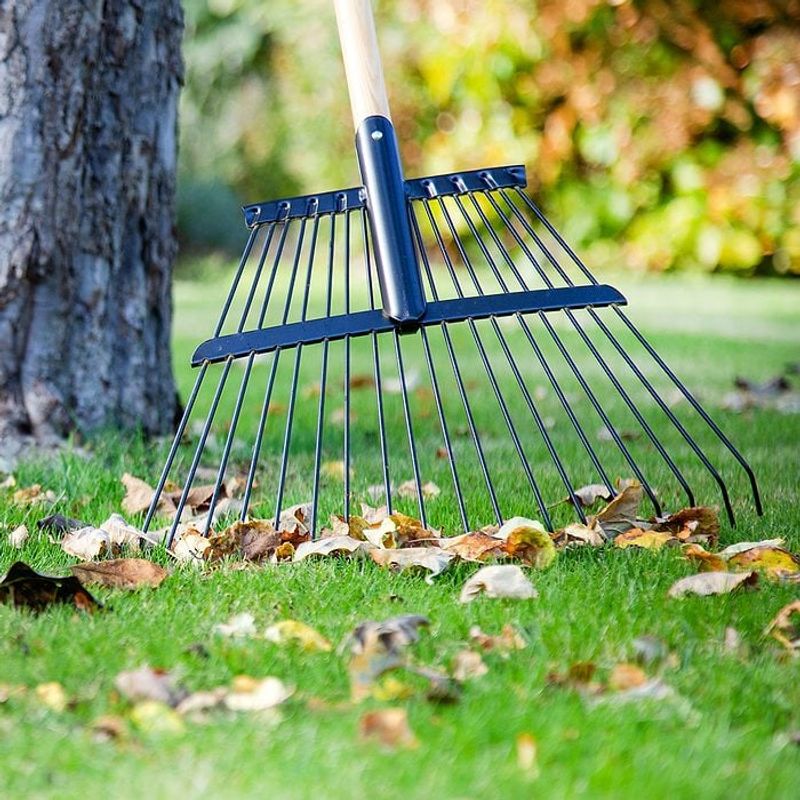
Sometimes the smartest garden move is doing a little less work overall. Setting down the rake this fall can save time, effort, and money while giving your yard a real boost. Your back will appreciate the break too.
Look at everything those leaves can do for you. They shelter helpful insects, keep soil moist, slow evaporation, return nutrients, and feed birds through the winter months. Hauling them all away means buying mulch or fertilizer later to replace what you threw out for free.
A smart plan does not mean ignoring the yard entirely, though. Clear leaves from lawns, paths, patios, gutters, and storm drains, where they can cause slips, clogs, or bare grass patches.
Keep the area right next to your home clear if you live in a wildfire zone, as mentioned earlier. Then move those leaves to beds, tree rings, and quiet corners where they can do good work instead.
Try a simple split this season. Shred some leaves for mulch, add some to your compost pile, and leave a loose, natural layer in a back corner for insects and wildlife. That mix gives you a tidy front yard and a healthy, living garden at the same time.
If neighbors ask why you have leaves on the ground, share what you’ve learned here. Several extension programs across California now encourage this kind of balanced approach to fall cleanup.
Start small this year and watch what happens over time. By spring, you may notice darker soil, busier birds, and fewer dry patches, all from a pile of leaves you almost threw away.