This California Snake Is Quietly Controlling Gophers In Your Garden
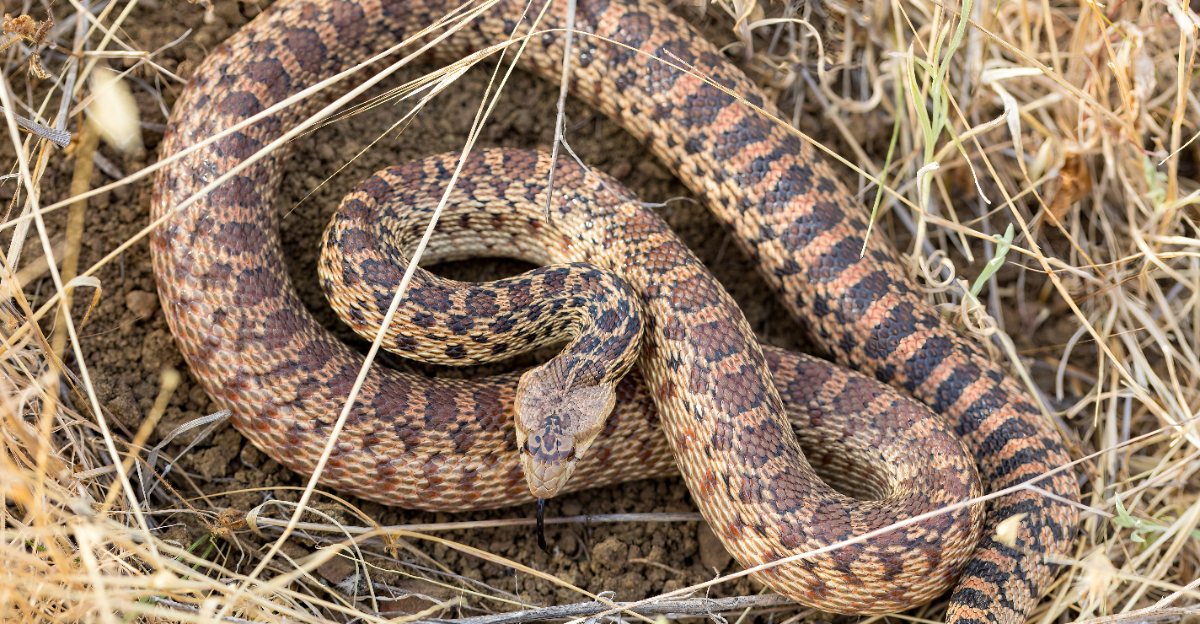
A snake slipping through the garden can trigger an immediate urge to get rid of it. But one common California visitor may be doing valuable work beneath the surface while you barely notice.
It spends much of its time hunting where gophers are already moving beneath the yard. That makes an occasional sighting less alarming than it first appears.
In many cases, the snake is simply following prey through a landscape that already offers what it needs. It is not looking for trouble with people, and chasing it away may remove a useful natural predator.
If gophers have been an ongoing problem, this reptile could be one of the reasons their activity is not even worse.
1. These Snakes Go Straight After Underground Rodents
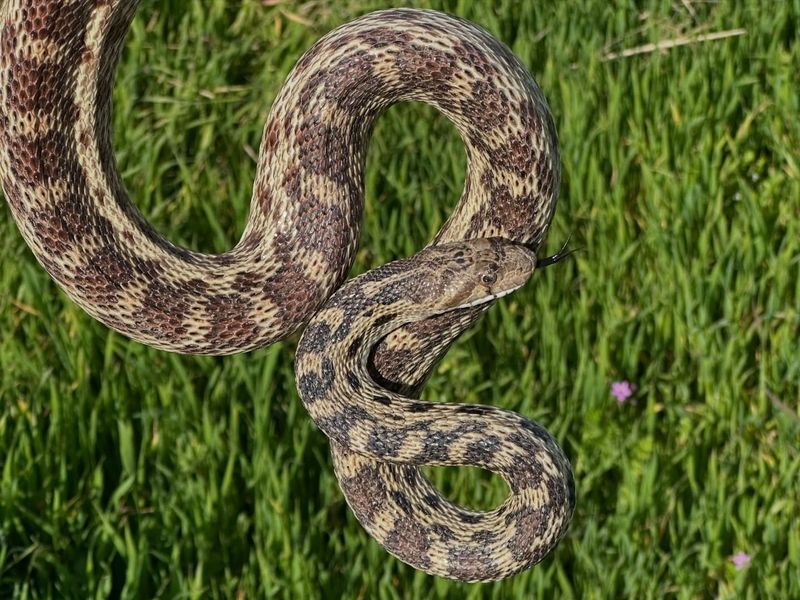
Few animals on earth are as well-designed for hunting underground rodents as the gopher snake. Its long, muscular body lets it slide directly into burrow tunnels where gophers and mice try to hide.
Once inside, there is no escape route for the rodent. The snake uses constriction to subdue its prey before swallowing it whole.
Gopher snakes are not picky eaters. They go after pocket gophers, ground squirrels, mice, voles, and even small rabbits.
A single adult snake can clear out a rodent problem that would take a homeowner weeks to handle with traps. Their hunting style is slow, patient, and incredibly thorough.
What makes them so effective is their ability to follow scent trails underground. They use their forked tongue to pick up chemical signals left by rodents moving through tunnels.
This means the snake can track a gopher through a complex burrow system without ever seeing it. Most pest control products cannot do that.
California gardeners who understand this often stop fighting gopher snakes and start welcoming them. A healthy snake living near your vegetable beds is actively protecting your plant roots.
Gophers can destroy an entire garden row overnight, but a gopher snake patrolling that same area can stop the problem before it starts. They are quiet, efficient, and ask for nothing in return.
2. Those Backyard Burrows May Be Bringing Them In
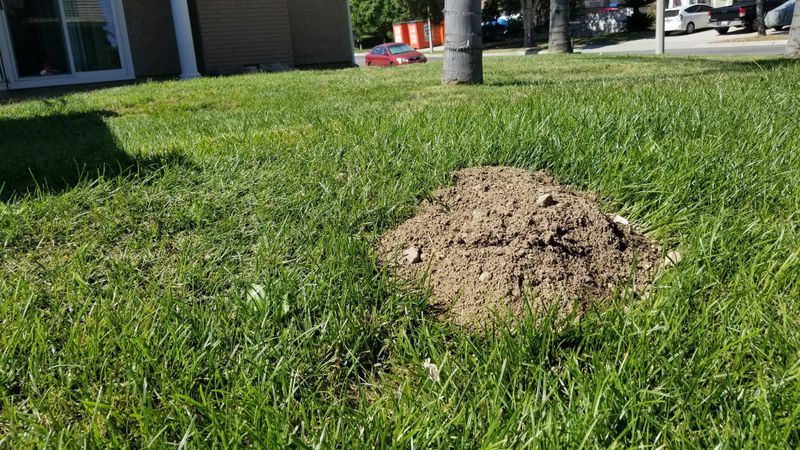
If you have noticed fresh mounds of dirt popping up in your yard, you already have an invitation out for gopher snakes. Rodent activity is the number one reason these snakes show up near homes.
They follow the food, and right now your backyard might be advertising a full buffet.
Pocket gophers push soil up from below as they dig tunnels, creating those fan-shaped mounds you see on lawns. Ground squirrels leave wider, open holes.
Both of these signs tell a gopher snake that prey is nearby. The snake will move into the area and begin patrolling systematically.
Burrow systems can stretch dozens of feet underground and branch in multiple directions. A gopher snake will explore each tunnel, checking for signs of life along the way.
This kind of search is something no snap trap or bait station can replicate. The snake works the problem from the inside out.
Your California Garden Changes Every Week. Your Plan Should Too.
Gardening in California changes quickly throughout the season. Every Friday you’ll receive a simple weekly plan showing exactly what to plant, prune, fertilize, harvest, and protect so you never miss the right timing.
Homeowners who try to fill in burrows without addressing the rodent population often find new tunnels appearing within days. Gopher snakes, on the other hand, reduce the rodent numbers at the source.
Fewer rodents mean fewer burrows over time. Letting a gopher snake work the yard naturally can break the cycle that keeps bringing rodents back season after season.
It is one of the most low-effort solutions a gardener can use.
3. One Snake Can Hunt Where Traps Never Reach
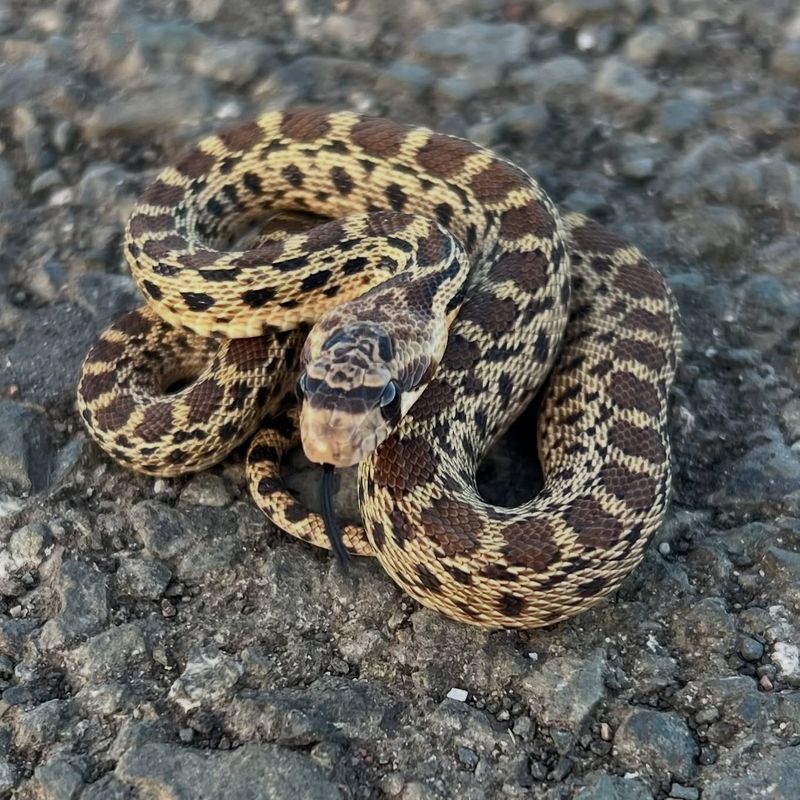
Traps work at the surface. Bait stations sit near tunnel openings. But gopher snakes go all the way in. Their slim, flexible bodies can navigate tight underground passages that no mechanical device could ever enter.
That is a huge advantage when rodents are building complex tunnel networks under your garden.
Standard gopher traps need to be placed precisely inside an active tunnel. They require regular checking, resetting, and disposal of caught rodents.
Many homeowners find the process frustrating and time-consuming. A gopher snake requires none of that.
It sets its own traps, checks them constantly, and handles everything on its own schedule.
The snake’s sensory system is also far more advanced than any trap. It detects body heat, vibration, and chemical scent trails left by moving rodents.
This combination of senses makes it nearly impossible for a gopher or mouse to hide effectively once a snake has picked up its trail underground.
Research has shown that areas with healthy snake populations tend to have lower rodent numbers overall. This is not a coincidence.
Predators regulate prey populations in ways that traps and poisons simply cannot sustain long-term. When you remove a snake from your yard, you are often removing the one thing keeping rodent numbers in check.
Keeping a gopher snake around means having a pest control system that never needs batteries, bait, or maintenance. It runs itself, every single day.
4. They Often Show Up Where Gopher Activity Is Highest
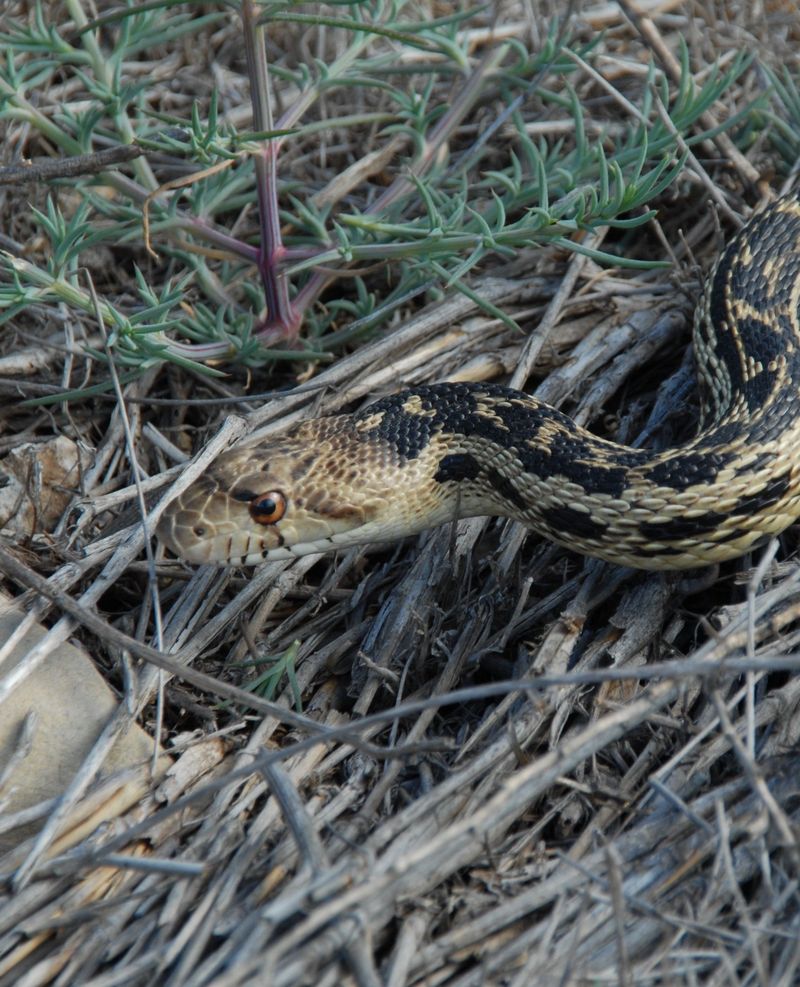
Gopher snakes do not wander randomly. They move with purpose, following the scent of prey and the signs of recent digging.
If your vegetable garden has been hit hard by gophers this season, do not be surprised if a gopher snake starts showing up regularly in that same area.
Raised beds, vegetable rows, and flower borders are prime gopher territory. Soft, well-irrigated soil is easy to dig through, and there are plenty of roots to eat.
For gophers, a well-maintained garden is basically an all-you-can-eat restaurant. For gopher snakes, that same garden becomes a reliable hunting ground.
Many gardeners report seeing gopher snakes most often during spring and early summer. That is when gopher populations are growing and activity is at its peak.
The snakes track this activity and position themselves where the hunting is best. You might spot one sunning itself near a garden bed in the morning before it heads underground to hunt.
Some gardeners even encourage gopher snakes to stay by avoiding chemical pesticides that could harm them. A yard free of rodenticides is a safer place for a hunting snake.
Rodenticides can pass through the food chain, harming the predators that eat poisoned rodents. Choosing non-toxic pest management keeps gopher snakes healthy and working.
Over time, their presence alone can discourage rodents from settling in heavily.
5. That Rattlesnake Look Can Fool Homeowners Fast
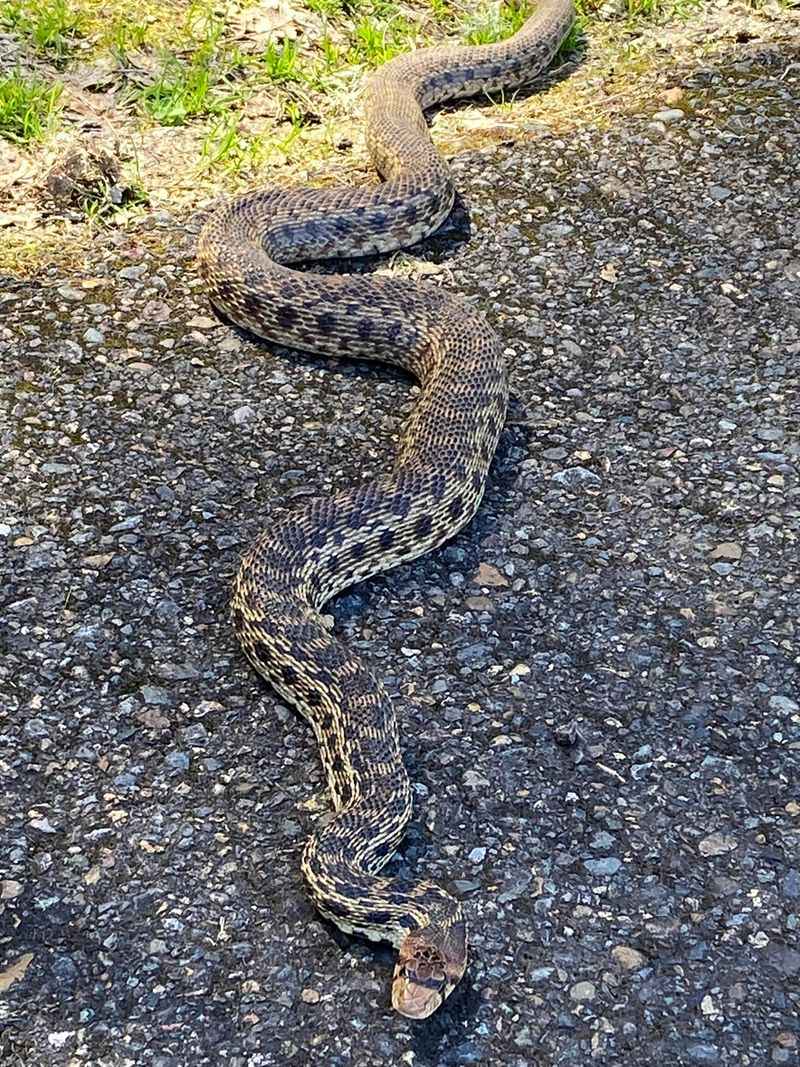
At first glance, a gopher snake can look shockingly similar to a rattlesnake. Both have brown and tan patterned scales with dark blotches running down their backs.
Both can be thick-bodied and long. For a homeowner who does not know what to look for, the resemblance is genuinely alarming.
When a gopher snake feels threatened, it makes things worse by acting like a rattlesnake on purpose. It will flatten its head into a triangular shape, shake its tail rapidly against dry leaves to mimic a rattle, and hiss loudly.
This is a bluffing behavior designed to scare off predators. It works on humans too.
But there are real differences once you know what to look for. A rattlesnake has a broad, distinctly triangular head with a narrow neck.
A gopher snake has a narrower, more oval head that blends more smoothly into its neck. Rattlesnakes also have a segmented rattle at the tip of the tail, while gopher snakes have a plain, pointed tail.
The pupils are another clue. Rattlesnakes have vertical, slit-shaped pupils.
Gopher snakes have round pupils. Of course, getting close enough to check is not always practical or wise.
When in doubt, back away slowly and give the snake space. Most encounters end without incident when humans simply move away and let the snake continue on its way.
6. Gopher Snakes Usually Want Rodents, Not Trouble
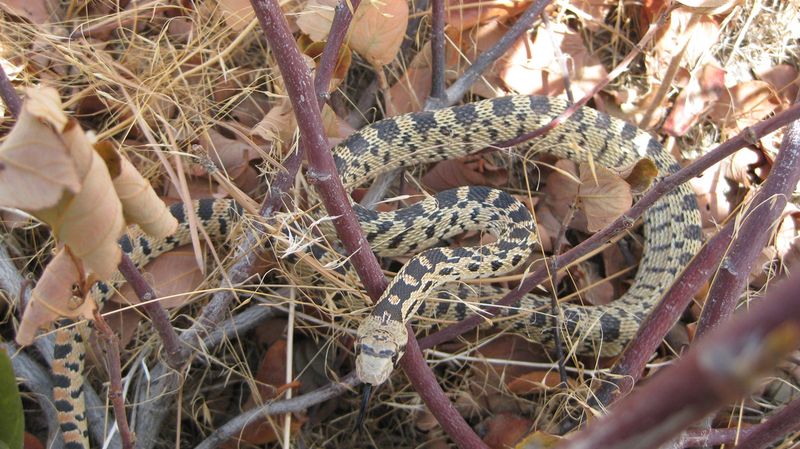
Contrary to what many people assume, gopher snakes are not interested in people. They are focused on hunting, finding warmth, and avoiding danger.
A human being is not prey and is not part of their daily agenda. Most encounters happen because the snake and the homeowner stumble across each other unexpectedly.
When a gopher snake is not feeling threatened, it moves slowly and calmly. You might see one gliding through tall grass, crossing a garden path, or resting under a shrub.
In those moments, it is just going about its business. It is not stalking you, and it is not looking for a confrontation.
The defensive display they put on, with hissing, tail shaking, and head flattening, is exactly that: a display. It is a warning, not an attack.
Gopher snakes rarely bite people, and when they do, it is almost always because the snake was picked up or cornered. Bites are not venomous and typically feel like a minor scratch.
The smartest thing a California homeowner can do during an encounter is stay calm and give the snake room to move away. Yelling, stomping, or trying to chase it off can cause the snake to feel cornered and respond defensively.
A relaxed approach almost always results in the snake quietly slipping away on its own. Patience is the best tool you have in any snake encounter.
7. Rock Piles And Sheds Give Them Easy Hiding Spots
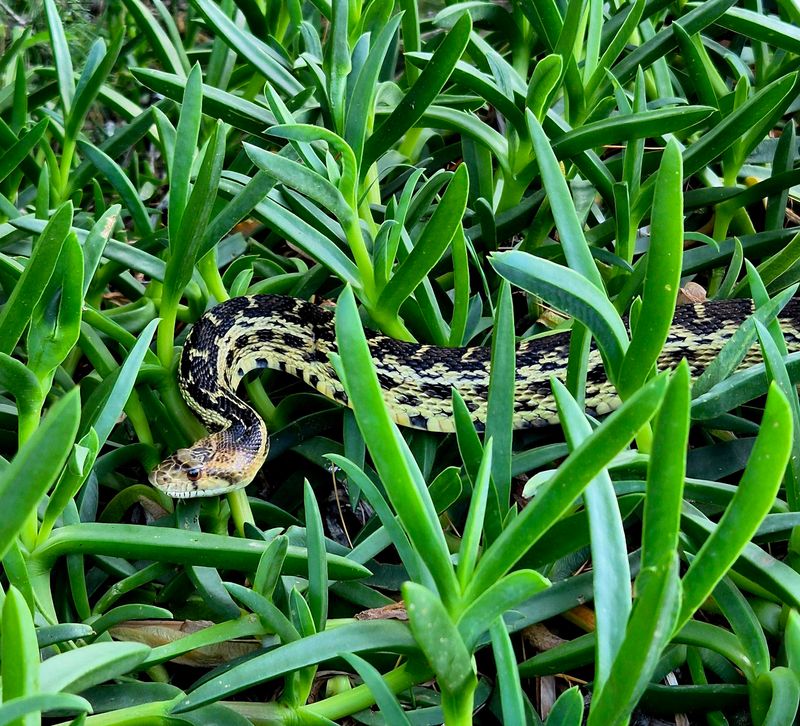
Gopher snakes need shelter just as much as they need food. They are cold-blooded, which means they rely on their environment to regulate body temperature.
On cool mornings, they bask in the sun to warm up. During hot afternoons, they retreat to cool, shaded spots to avoid overheating.
Rock piles are one of their favorite resting places. Rocks absorb heat during the day and release it slowly at night, giving the snake a warm sleeping spot after dark.
Garden sheds, wood piles, compost bins, and dense shrubs all serve a similar purpose. These structures create the kind of microhabitats that snakes actively seek out.
If you have a gopher snake living under your shed, it is not a sign of a problem. It is a sign that your yard has the right conditions for a natural predator to thrive.
That snake is likely hunting the rodents that would otherwise chew through your shed’s foundation or nest inside your walls.
Some homeowners choose to make their yards more snake-friendly on purpose. Leaving a flat rock in a sunny garden corner or keeping a small brush pile near the fence line can attract and hold a gopher snake in your yard longer.
The longer it stays, the more rodents it removes. Creating a welcoming habitat is one of the easiest ways to turn your yard into a naturally balanced space.
8. Leaving Them Alone Can Help Your Garden Naturally
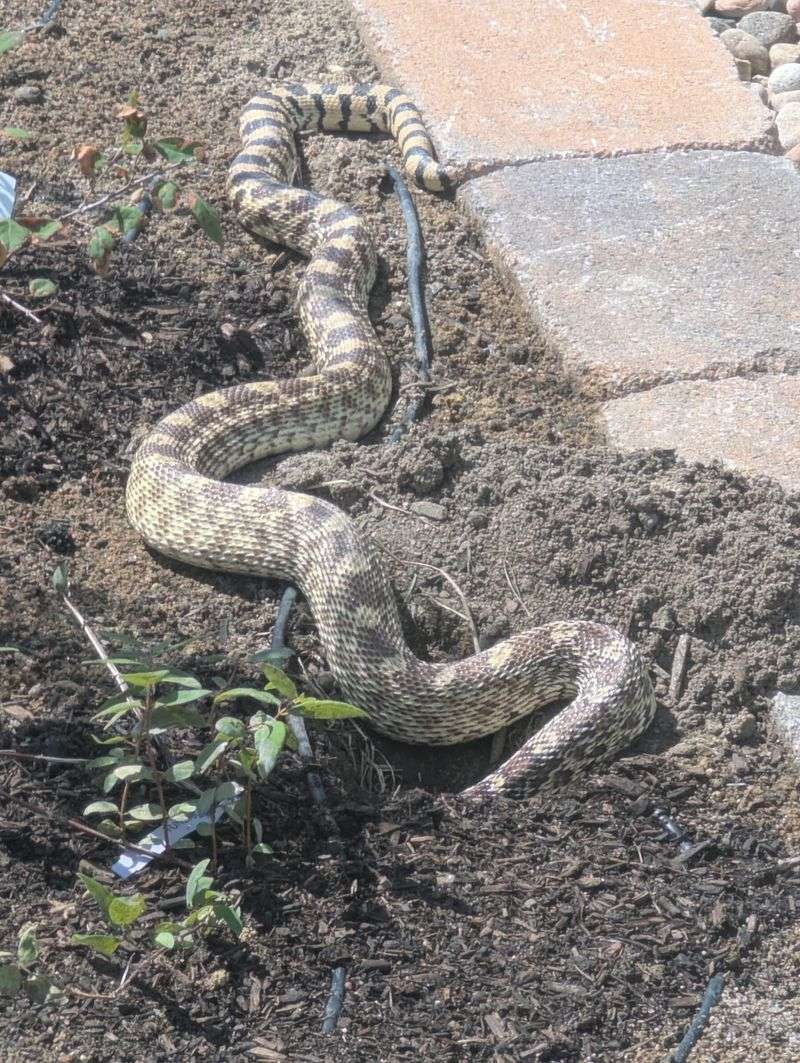
The single most effective thing you can do when you spot a gopher snake in your garden is absolutely nothing. Walk away, let it move on its own, and resist the urge to relocate or chase it off.
That snake is already doing a job that saves you time, money, and frustration.
Relocating a gopher snake rarely works the way people hope. Snakes have strong homing instincts and often return to the same territory.
Even if they do not return, moving them breaks up their established hunting patterns and drops them into unfamiliar territory where they may struggle to find food. It causes more harm than good.
Avoiding chemical rodenticides is another way to support the snake’s presence in your yard. Poison bait stations can harm gopher snakes when they eat a rodent that has consumed the bait.
Switching to mechanical traps or simply letting the snake handle things keeps the yard’s ecosystem healthier overall.
Across the western United States, wildlife experts and gardeners alike are starting to see gopher snakes differently. Rather than a scary intruder, they are now recognized as a low-maintenance, highly effective garden ally.
Protecting them under state wildlife laws in California reflects how valuable they truly are. A little tolerance goes a long way when the payoff is a garden free from rodent damage all season long.