The Desert Sage On Your Arizona Patio Fires Off An Oil That Keeps Mosquitoes Away For Over Two Hours
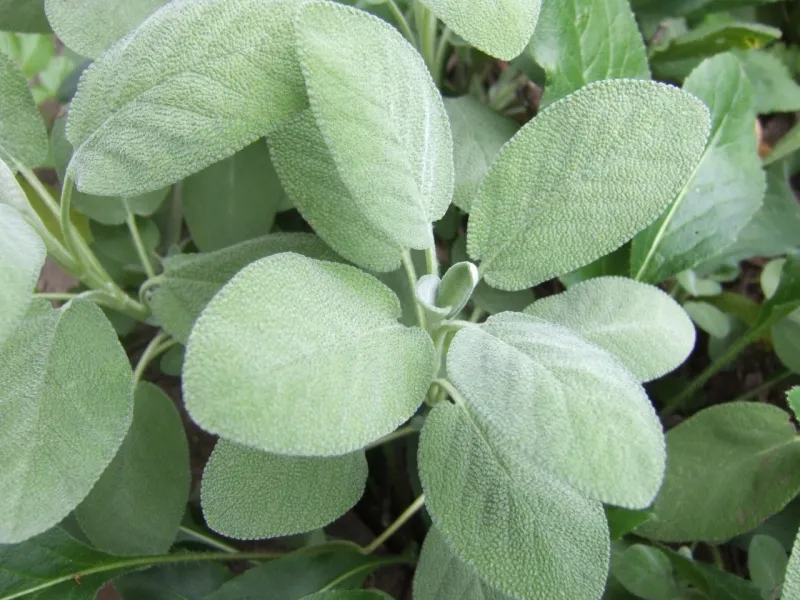
A plant labeled “desert sage” sits on your Arizona patio, and somewhere online you read that crushing one leaf releases an oil powerful enough to keep mosquitoes away for over two hours. That claim sounds appealing, especially during monsoon season when mosquitoes seem to appear out of nowhere.
Before you toss your DEET and rely on a shrub, though, the story behind that promise is far more complicated than the headline suggests.
“Desert sage” most plausibly means Salvia dorrii—but the name is not precise
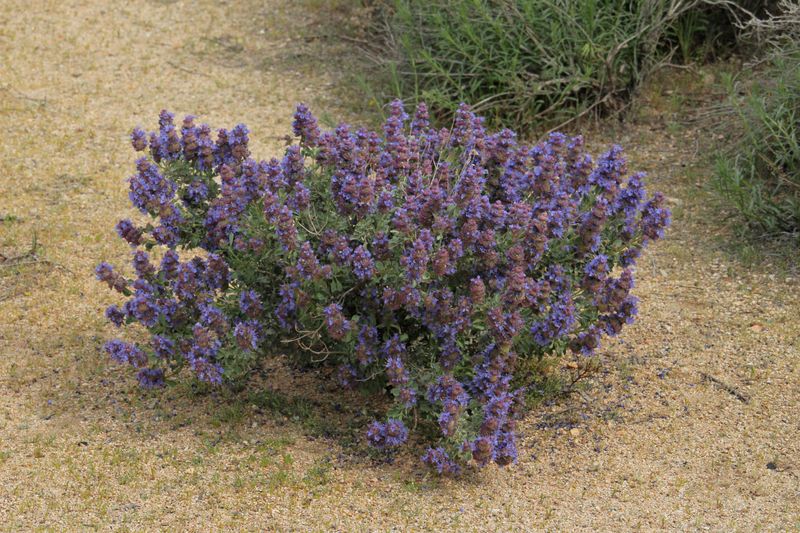
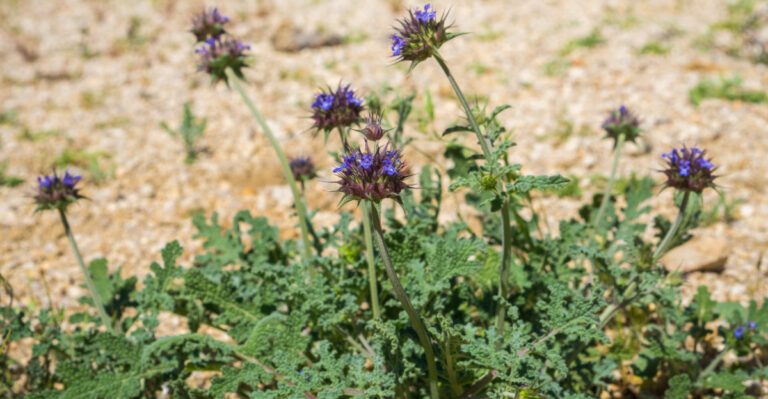
Common names in the plant world can send you in the wrong direction fast, and “desert sage” is a prime example. The plant most likely meant by that label is Salvia dorrii, a native Arizona shrub also called purple sage, Dorr’s sage, and tobacco sage.
This article evaluates S. dorrii as the most plausible match, not as a confirmed identification of whatever plant the original claim described.
According to University of Arizona Cooperative Extension, S. dorrii grows as a 2- to 3-foot shrub with aromatic, grayish leaves and small purple flowers. It is native to Arizona and adapted to dry conditions, which makes it a reasonable fit for a low-desert patio planting in the Phoenix or Tucson area.
The problem is that nurseries and gardeners across the Southwest apply “desert sage” to several different aromatic western plants. Without a photograph, a nursery tag, or a scientific name on the label, there is no reliable way to confirm which plant you actually have.
Checking the label or cross-referencing a photo with a regional plant guide before drawing any conclusions about what your plant can do is the only way to be sure.
A crushed S. dorrii leaf gives off fragrance, not a proven mosquito shield
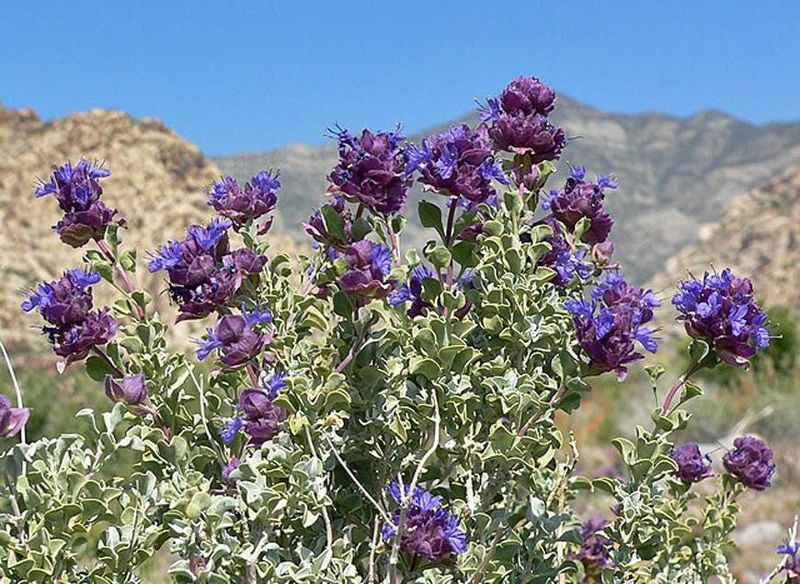
Crushing a leaf of Salvia dorrii does release a noticeable sage-like smell. The Arizona Native Plant Society notes that the leaves produce a sage-like aroma when crushed, which confirms the plant is aromatic, not that it repels mosquitoes.
Research on sage plants generally, including studies on Salvia officinalis glandular trichomes, shows that tiny oil-bearing structures on leaf surfaces can release plant compounds when the leaf is disrupted. That anatomy helps explain the fragrance.
It does not prove that S. dorrii stores a pressurized reservoir of oil, delivers a mosquito-repelling dose from a single leaf, or produces complete protection of any duration.
Glandular trichomes vary significantly across sage species in the types and amounts of compounds they produce. Evidence from common sage (Salvia officinalisS. dorrii) cannot simply be transferred to and used to predict mosquito behavior on your patio.
The jump from “this leaf smells like sage” to “this leaf repels mosquitoes completely” requires documented repellency testing on the specific plant, and that testing has not been found for S. dorrii.
A separate Russian sage study reported protection for up to 135 minutes
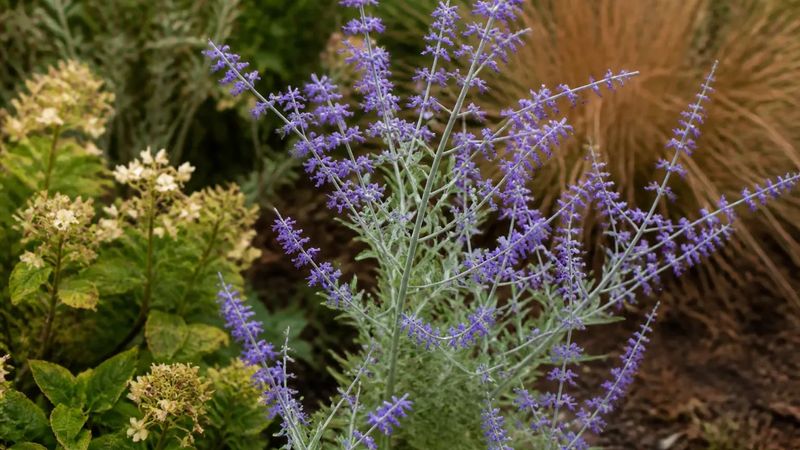
A laboratory finding about mosquito protection and sage oil does exist, but it involves a completely different plant. Researchers tested steam-distilled essential oil extracted from Salvia yangiiPerovskia atriplicifolia, commonly called Russian sage and formerly classified as .
Your Arizona Garden Changes Every Week. Your Plan Should Too.
Gardening in Arizona changes quickly throughout the season. Every Friday you’ll receive a simple weekly plan showing exactly what to plant, prune, fertilize, harvest, and protect so you never miss the right timing.
That plant is not the same species as Salvia dorrii, the Arizona desert native.
In that study, the oil was applied to human skin at controlled concentrations and exposed to Aedes aegypti mosquitoes under laboratory conditions. According to the published findings, the highest tested dose produced repellent protection for up to 135 minutes, while complete protection lasted approximately 60 minutes.
Those are the actual numbers behind the “over two hours” figure that circulates online.
Whether the original claim about desert sage was directly confused with this study or arrived through some other route is not clear from the available sources. What is clear is that the Russian sage result used extracted, concentrated essential oil from a different plant species, tested in a controlled indoor setting, against one specific mosquito species.
None of those conditions describe crushing a fresh S. dorrii leaf on an Arizona patio.
Why an extracted-oil laboratory result does not predict an Arizona patio
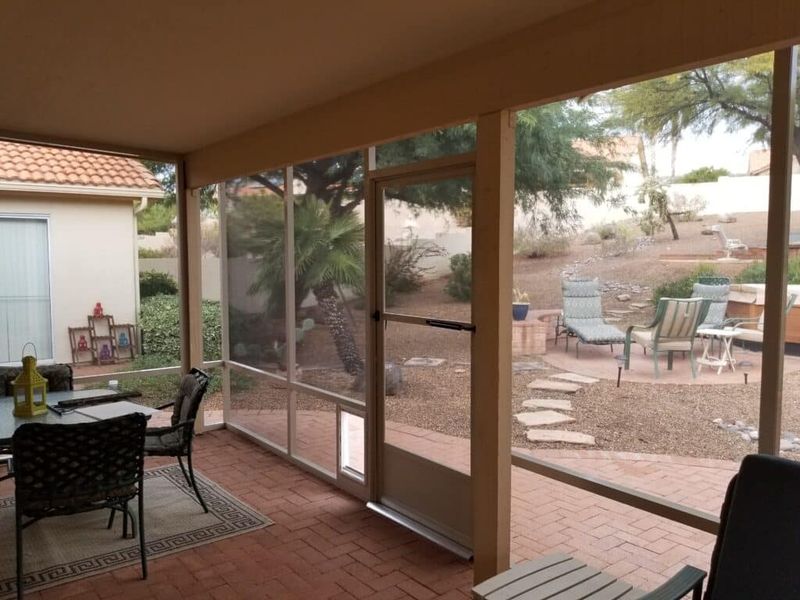
Laboratory results and backyard reality are separated by a long list of variables. The Russian sage study used a precisely measured concentration of steam-distilled essential oil applied directly to skin.
On your patio, crushing a fresh leaf of a different plant species produces a far smaller and less controlled amount of volatile compounds, dispersed into open air that may be 105 degrees and moving with a breeze.
Plant species, plant part, extraction method, oil concentration, application surface, ambient temperature, sweat, and water exposure all affect how long any plant-based repellent remains active. The CDC Yellow Book notes that the effectiveness of non-EPA-registered natural repellents is not established, and field performance routinely falls below what laboratory tests suggest.
The mosquito species tested in the study, Aedes aegyptiCulex, is a dengue and Zika vector more common in tropical regions. Arizona’s mosquito pressure during monsoon season comes heavily from species, which are associated with West Nile virus and were not tested in that study.
A repellency result against one species under controlled conditions does not automatically extend to other species under outdoor conditions.
A fragrant potted plant growing on a patio has not been shown to create a mosquito-free zone or provide reliable spatial protection for people sitting nearby. Fragrance in the air is not the same as a measured dose of repellent on skin.
S. dorrii fits a dry garden when drainage comes first
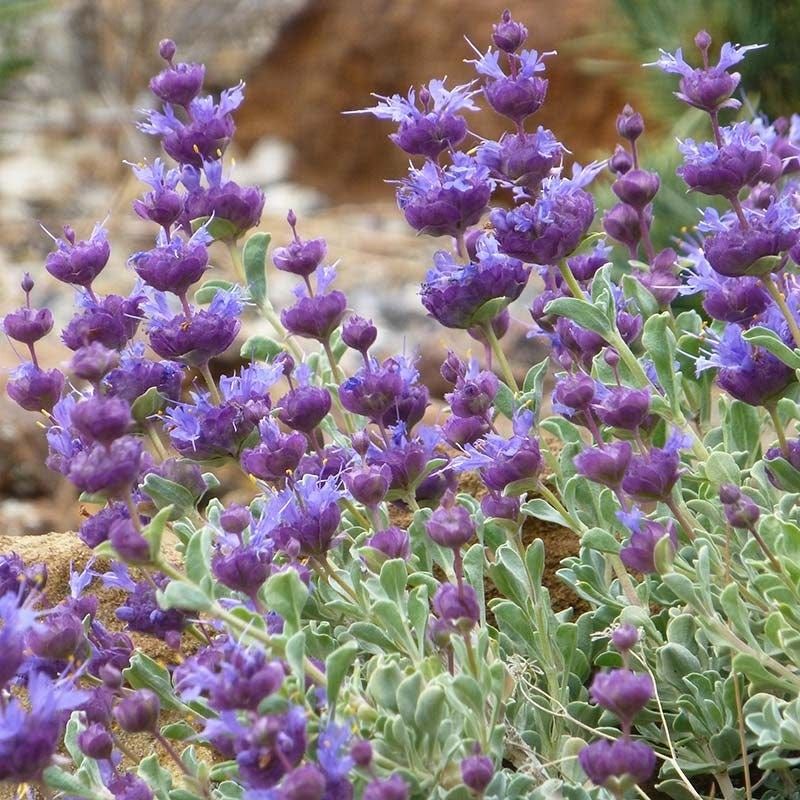
Set aside the mosquito claim entirely and Salvia dorrii still earns a place in a low-desert Arizona garden. The USDA describes its native habitat as sandy, rocky, or limestone soils on dry slopes, flats, and foothills, which tells you immediately what kind of conditions it expects.
Drainage is the single most consequential factor for success with this plant. The USDA plant guide specifically notes that S. dorrii may not be suitable for sprinkler-irrigated production, a practical warning that translates directly to Phoenix and Tucson patio beds.
If your planting area receives regular overhead irrigation, holds moisture after rain, or sits in a low spot that pools during monsoon storms, this is not the right plant for that spot.
Choose a location with sharp drainage, whether that means a raised bed, a slope, a gravel-mulched area, or a container with drainage holes that actually drain. Treat it as a fragrant, heat-tolerant, low-water shrub that rewards neglect more than attention.
It is not a guaranteed vigorous performer in every Phoenix or Tucson setting, but in the right spot, with the right soil preparation, it reflects the kind of native, water-wise planting that makes genuine sense for the low desert.
Reduce mosquito habitat before reaching for a plant-based remedy
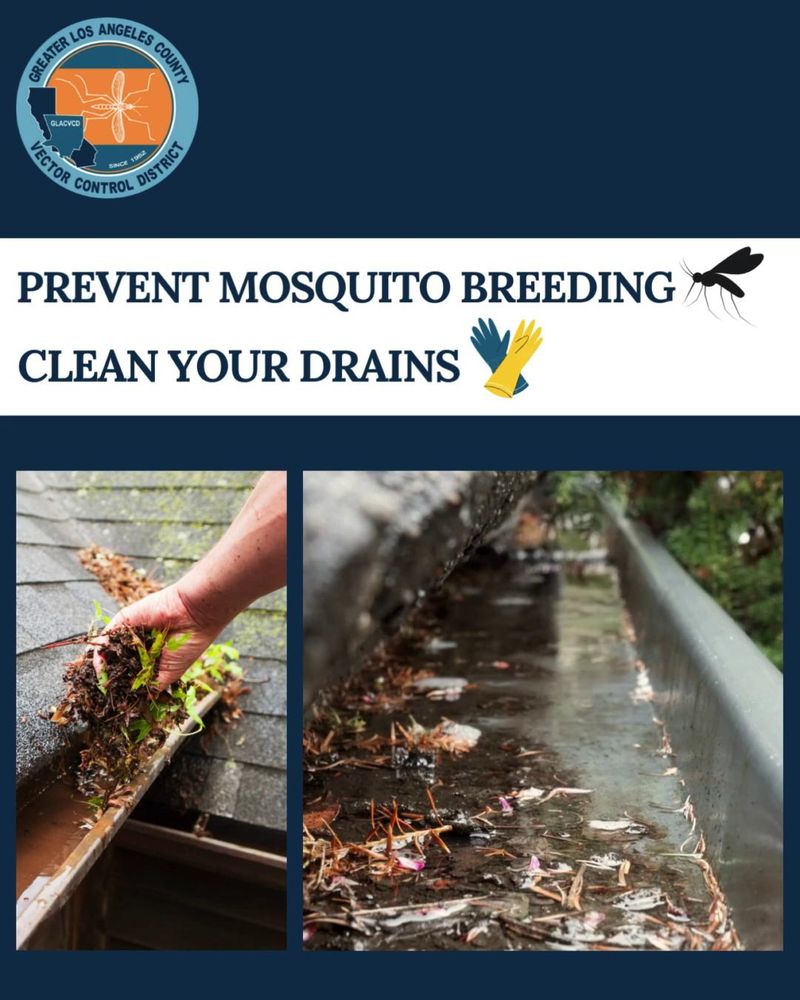
Mosquitoes need standing water to breed, and Arizona’s monsoon season creates more of it than most homeowners expect. Rain collects in pot saucers, low spots in patio pavers, clogged gutters, birdbaths, old tires, and irrigation runoff channels.
Each of those spots can produce a new generation of mosquitoes in less than a week.
University of Arizona Cooperative Extension guidance recommends draining standing water at least twice a week to interrupt the mosquito life cycle before adults emerge. That simple, repeatable action is more reliably effective than any aromatic plant because it removes the resource mosquitoes require to reproduce rather than attempting to deter adults that are already present.
The Arizona Department of Health Services identifies March through October as the period of highest mosquito activity in the state and recommends removing or treating standing water as a primary control measure. Walk your patio and yard after every monsoon storm and after irrigation cycles, checking every container that could hold even a small amount of water.
Birdbaths should be emptied and refilled, not just topped off. Gutters should be cleared so water moves through rather than pools.
Growing an aromatic plant does not substitute for this kind of source reduction. A healthy, fragrant S. dorrii on your patio is a pleasant addition to a dry garden, but it does not eliminate the breeding habitat that feeds the mosquito population around your home.
Use tested repellents for bites and do not rub unknown sage extracts on skin
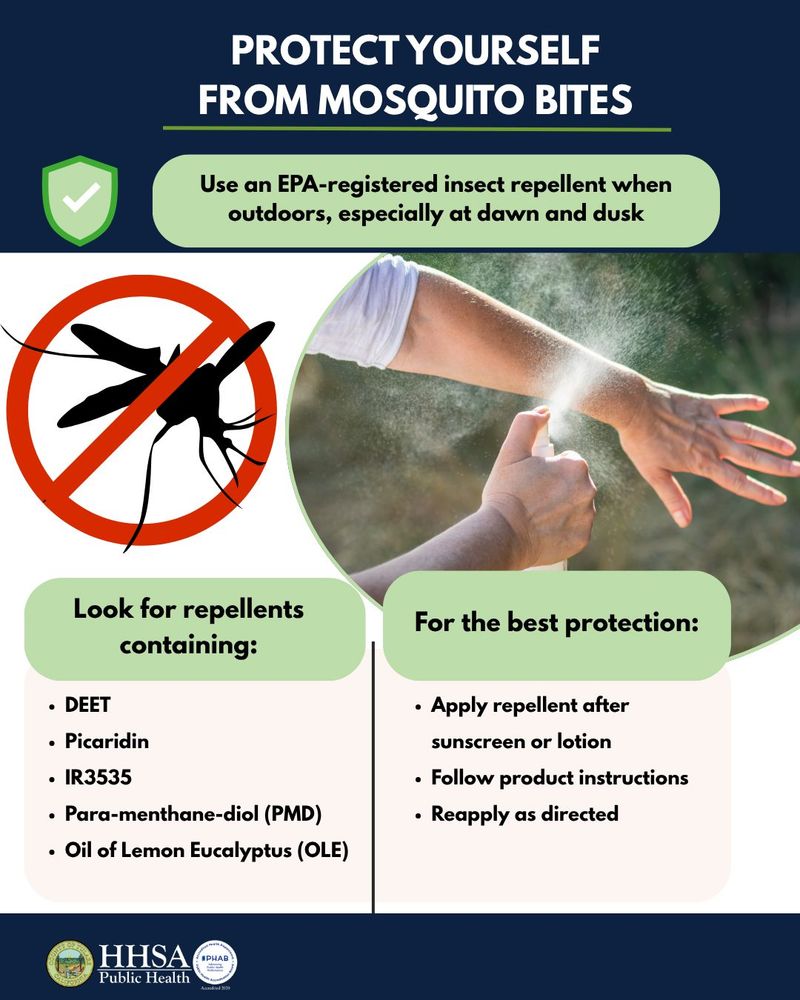
Personal protection against mosquito bites requires a repellent that has actually been tested and registered for that purpose. The CDC lists DEET, picaridin, IR3535, oil of lemon eucalyptus and its active compound PMD, and 2-undecanone as EPA-registered active ingredients with demonstrated effectiveness.
Products carrying those ingredients should be used exactly as the label directs, including guidance on reapplication intervals, coverage area, and use on children.
Rubbing crushed leaves from an unidentified plant on your skin is a different matter entirely. Poison Control notes that essential oils and plant extracts vary widely in composition, are not uniformly regulated, and can cause skin irritation, allergic reactions, or harm if misused, particularly on damaged skin or in children.
Concentrated sage oil can be toxic if swallowed. An unfamiliar plant that smells pleasant is not automatically safe to apply to skin, and the absence of a reported reaction in a small laboratory study does not establish general safety for home use.
Making a homemade extract from backyard sage and applying it as a repellent adds another layer of risk because concentration, purity, and plant identity are all uncontrolled. The EPA registers repellents specifically because formulation and dose matter for both safety and effectiveness.
Salvia dorrii brings genuine value to an Arizona garden: fragrance, drought tolerance, native habitat character, and visual interest from its gray-green foliage and purple blooms. Pair those qualities with consistent standing-water removal and a labeled repellent, and you have a mosquito strategy that actually holds up on a Phoenix or Tucson patio.
The plant earns its place; it just cannot carry the whole job.