Why California Gardeners Should Watch For Powdery Mildew As Fall Arrives
The first cool morning of fall feels like a gift in California, until you walk past your roses and notice something odd.
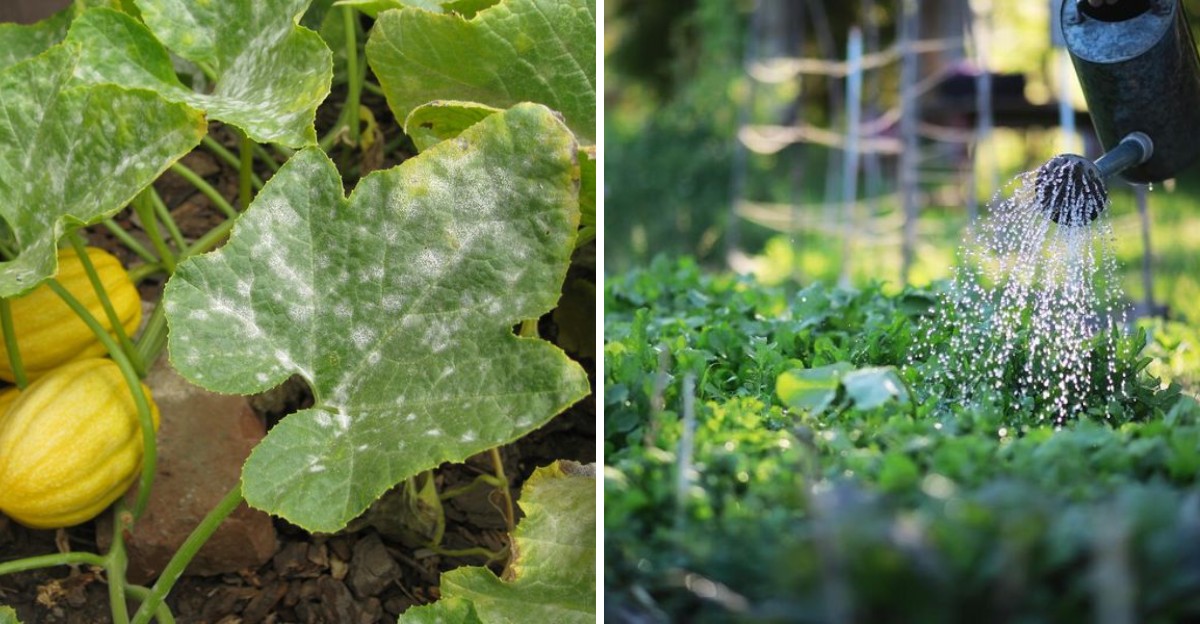
The leaves look like someone dusted them with flour, and the white smudge won’t rub off completely.
That’s powdery mildew, a fungus that loves this exact stretch of the calendar.
Summer heat usually keeps it in check, but fall flips the script entirely. Warm afternoons followed by cool, humid nights create the perfect comfort zone for spores to sprout and spread fast.
Roses, squash, melons, and grapes top its list of favorite targets. Left alone, the fungus weakens plants and shrinks harvests right when your garden should be enjoying a second wind.
Catching it early makes a real difference, and a few smart habits can keep the powder off your plants entirely.
Seven facts explain why the season shift matters, which plants to check first, and what actually works. Curious what’s dusting your own roses this week? It starts with a simple temperature swing.
1. Cool Nights And Warm Days Favor Mildew
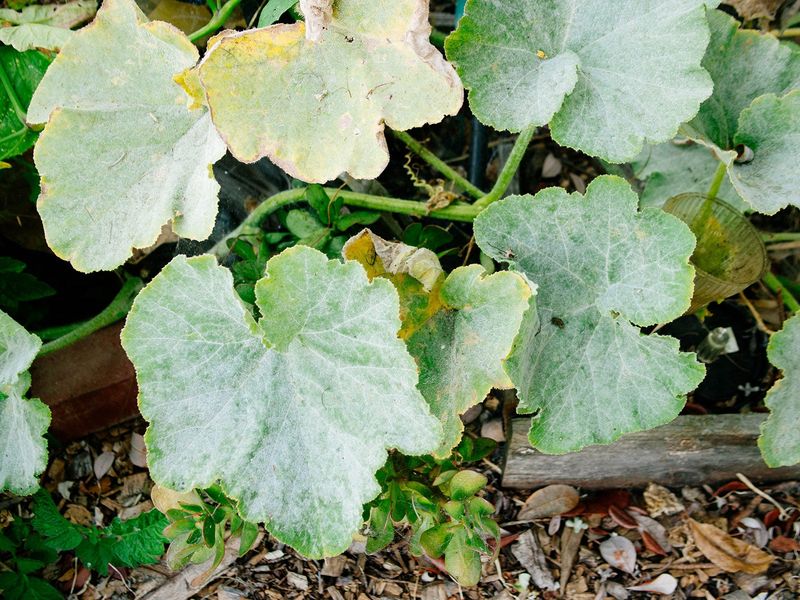
Check a weather app in late September, and a telling pattern shows up right away. Afternoons climb into the 70s or low 80s, while nights slide down into the 50s. Powdery mildew fungi love that swing more than almost anything else.
Powdery mildew grows best in moderate temperatures, roughly 60 to 80 degrees Fahrenheit. Spores sprout easily when humidity rises during cool nights. Unlike many plant diseases, this fungus does not need rain or wet leaves to get going at all.
Summer works differently entirely. Long stretches above 90 degrees, along with strong direct sun, tend to slow the fungus or stop it cold in its tracks. Once the heat breaks, mildew that sat quietly all summer can wake up and spread fast.
Coastal gardens often face the risk earlier, since fog and marine air keep humidity high. Inland valleys catch up as fall nights cool and dew forms before sunrise. Each warm day then helps the fungus grow and release fresh spores that drift on the breeze.
A single infected leaf can produce huge numbers of spores, and a new generation can appear in as little as a week. Wind carries them to nearby plants, where the cycle starts again from scratch.
Quick action at the first sign of white patches keeps a small problem from becoming a yard-wide one.
Try keeping a simple garden notebook. Jot down the dates when nights first dip below 60 degrees, then start checking leaves twice a week. Spotting the pattern early puts you one step ahead of the powder.
2. Roses Are Often The First To Show It
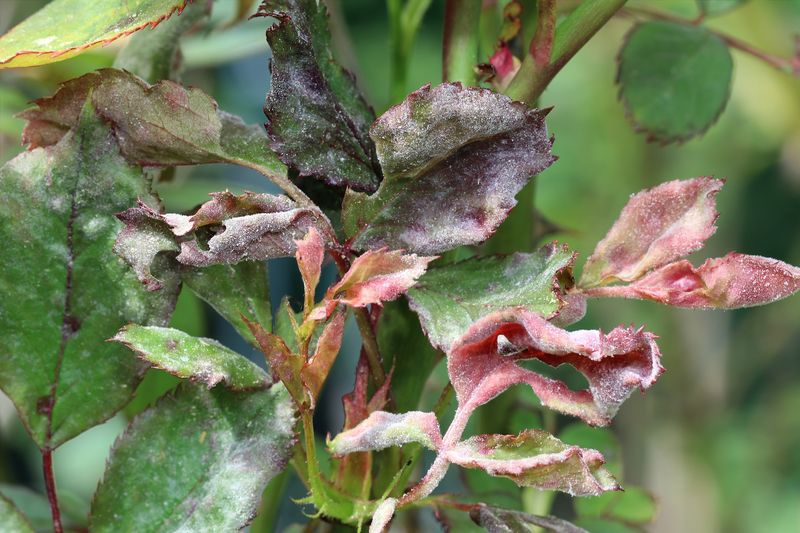
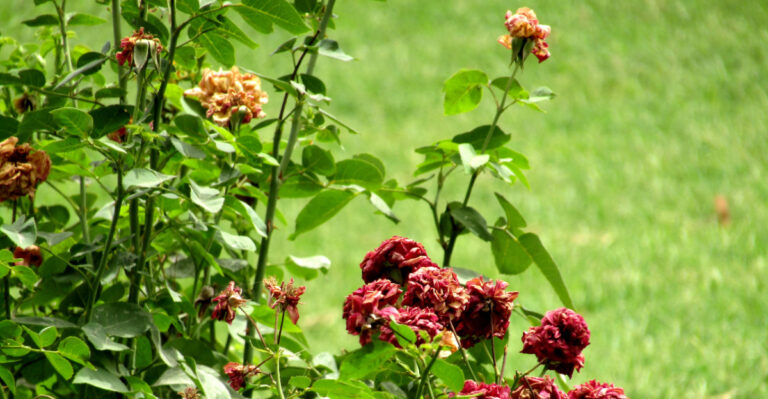
Fresh red leaves on a rosebush in fall look lovely, until they start to curl and pucker without warning. A grayish-white fuzz often follows within days. Many California gardeners see mildew on roses before any other plant in the yard.
The reason is simple enough. Powdery mildew attacks young, tender tissue most easily, and roses push out a big flush of new growth in early fall. New leaves, buds, and stems are the most vulnerable parts of the whole plant.
Your California Garden Changes Every Week. Your Plan Should Too.
Gardening in California changes quickly throughout the season. Every Friday you’ll receive a simple weekly plan showing exactly what to plant, prune, fertilize, harvest, and protect so you never miss the right timing.
Roses also sit front and center in many yards, so the damage is easy to notice right away. Infected buds may fail to open or produce twisted, stunted flowers. Leaves can yellow, curl, and drop early, leaving canes looking bare.
Variety matters a lot here too. Some hybrid teas and older climbers are famously prone to mildew, while many modern shrub roses resist it well. Before buying new plants, look for tags or catalog notes that mention disease resistance.
A few quick habits help considerably. Pinch off badly infected leaves and toss them in the trash, not the compost pile. Avoid heavy doses of high-nitrogen fertilizer in late summer, since it triggers lots of soft, mildew-friendly growth.
Gardeners who want extra protection can try horticultural oils, sulfur, or potassium bicarbonate. Always follow label directions, and never apply oil within two weeks of a sulfur spray or during hot weather. A little care keeps your roses looking rosy.
3. Squash And Melons Face Late Season Risk
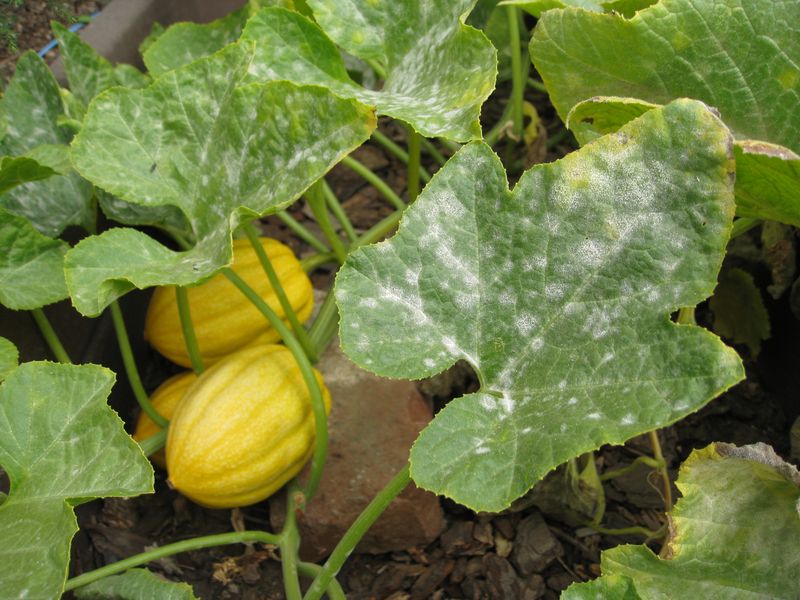
Your zucchini plants gave you more squash than the neighbors could handle all summer long. Now, in October, the big leaves look chalky and pale. Late season is prime time for powdery mildew on cucurbits.
Squash, pumpkins, melons, and cucumbers all belong to the cucurbit family. Older, shaded leaves near the base usually get infected first. From there, the white coating spreads upward and outward across the whole plant.
Damage goes beyond looks alone. Infected leaves turn yellow, dry out, and wither, which leaves fruit exposed to sunburn. Melons ripening on weakened vines often taste bland because the plant cannot make enough sugar.
Winter squash and pumpkins need healthy leaves right up until harvest day. Early leaf loss can mean smaller fruit, poor color, and shorter storage life. A pumpkin meant for Thanksgiving pie deserves better than that.
Start by checking the undersides and lower leaves every few days. Remove the worst leaves to slow spore production, but leave enough foliage to shade the fruit properly. Plant debris should go in the green waste bin once the season wraps up.
Planning ahead pays off too. Many seed catalogs offer mildew-resistant zucchini, cucumber, melon, and pumpkin varieties, often marked with PM or HR codes. Planting summer squash a bit earlier also helps you harvest most of the crop before fall conditions settle in.
Squash may be tough, but it cannot outgrow the fungus alone. A little attention in fall keeps your late harvest from getting squashed.
4. Grapes Can Carry Mildew Into Harvest
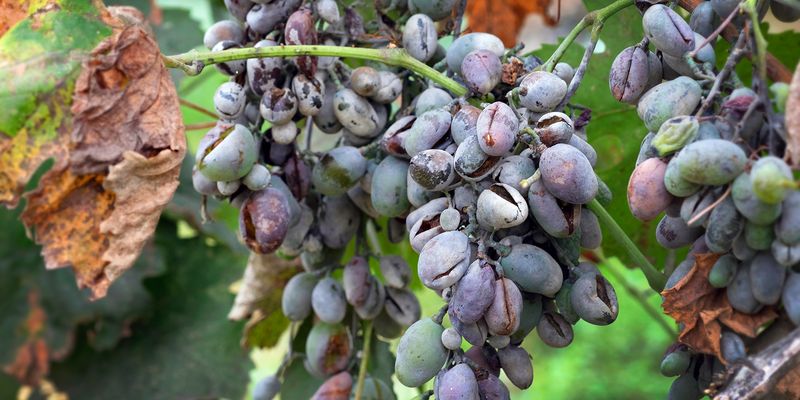
A surprising fact greets many backyard grape growers in fall. The white film on their leaves may trace back to infections that began way back in spring. By harvest, the fungus can already have left its mark on the clusters.
Grape powdery mildew ranks as one of the most common vineyard diseases in California. Young berries are highly susceptible, but they become much more resistant once sugar levels begin to climb. Leaves and green stems, however, can stay vulnerable through the whole season.
Berries infected early may crack as they grow. Those cracks invite bunch rot, sour rot, and fruit flies looking for an opening. Even light infections can leave a web-like scarring on the skin and give wine or juice an off flavor.
Fall brings another concern worth watching for. As nights cool, the fungus forms tiny round overwintering structures on infected leaves. Rain and wind wash many of them onto the bark, where they wait to start new infections next spring.
Cleanup helps break that cycle effectively. Rake up fallen leaves after harvest, and prune out dense, tangled growth during winter dormancy. Removing leaves around clusters in summer also brings in light and air, which the fungus dislikes.
Table grapes and wine grapes alike benefit from regular checks throughout the season. Look for dusty patches on leaves, grayish stains on stems, and scarred berries. A vine that ends the year clean gives next year’s crop a much better start, and that’s something worth toasting.
5. Crowded Plantings Make Infections Worse
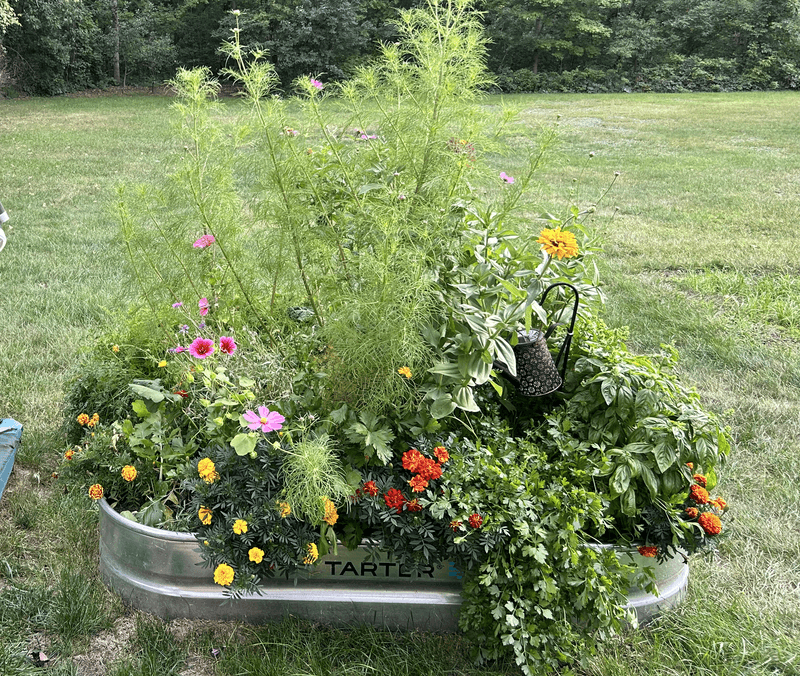
Packing plants tightly seems smart in spring, since you get more harvest from a small bed. By fall, that jungle of leaves can turn into a mildew nursery. Crowding creates exactly the still, humid pockets the fungus loves most.
Dense foliage traps moisture released by leaves and soil. On cool nights, humidity inside a crowded bed can stay high for hours longer than in open space. Shade from overlapping leaves adds to the problem, because powdery mildew thrives in lower light.
Spores also travel more easily in tight quarters. A single infected squash leaf touching a neighboring plant can pass the fungus along in no time at all. Rows of roses planted shoulder to shoulder can go from one sick bush to ten in a couple of weeks.
Mixed beds face a twist worth knowing. Most powdery mildew species are picky about hosts, so rose mildew generally will not jump to squash. Still, crowding weakens every plant and makes each one easier for its own mildew type to invade.
Follow the spacing on seed packets and plant tags, even when young plants look tiny at first. Zucchini often needs about three feet between plants, and many roses need three to four feet or more. Vining melons and pumpkins may sprawl even farther than that.
Already have a crowded bed on your hands? Pull out the weakest plants or those with the heaviest white coating. The survivors get more light and air, and your harvest often stays about the same. Sometimes less really is more in the garden.
6. Better Airflow Slows The Spread
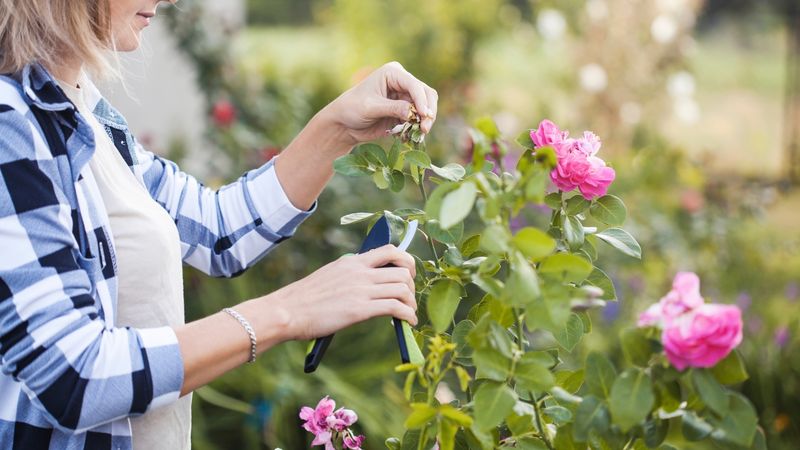
Grab your pruners and step back for a moment to really look. View your plants the way a breeze would, searching for open paths to slip through. Anywhere the air cannot move is a spot where mildew can settle in comfortably.
Moving air helps dry the humid layer that clings to leaves overnight. Pruning to open up the center of the plant matters here for both roses and grapes alike. More sunlight reaches the inner leaves too, and powdery mildew tends to struggle in bright sun.
Roses respond well to light fall grooming in mild California climates. Remove crossing canes, twiggy inside growth, and badly infected shoots. Save heavy pruning for winter, since a big cut in fall pushes out tender new growth that mildew adores.
Vegetable beds need a slightly different approach here. Trim away older, yellowing squash leaves near the ground, and train cucumbers or small melons onto a trellis. Vertical growing lifts foliage off the soil and lets wind pass through easily.
Fences, walls, and thick hedges can block airflow without you ever noticing it happening. A rose tucked into a corner beside the garage often suffers far more than one standing in an open spot. Moving a struggling plant during its dormant season can solve years of trouble.
Clean pruners with rubbing alcohol between plants, and bag infected clippings instead of composting them. Good airflow will not wipe out mildew entirely, but it tilts the odds in your favor. Think of it as letting your garden breathe easy.
7. Morning Watering Beats Evening Watering
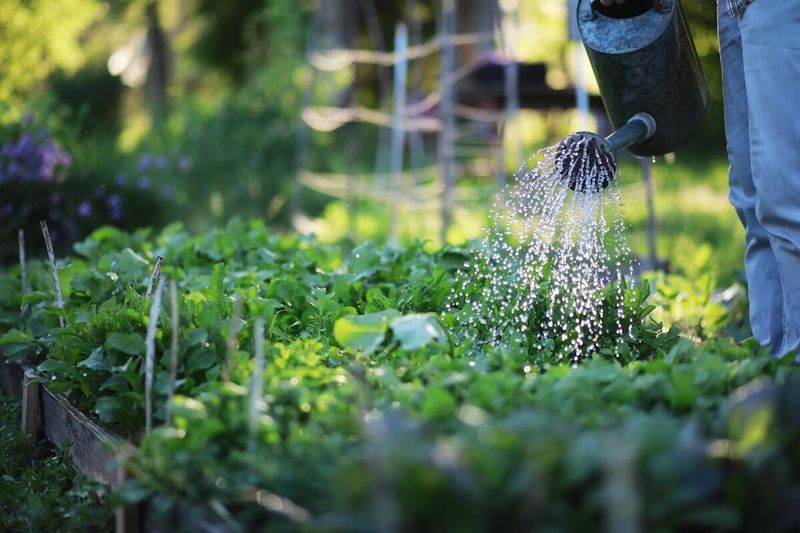
Sprinklers clicking on at 7 p.m. might feel relaxing after a hot day. Unfortunately, they leave leaves damp just as the air cools and humidity climbs. Evening watering can turn a mildew-friendly night into an even friendlier one.
The science has a twist worth knowing. Powdery mildew spores actually germinate poorly in standing water, and overhead spray can even wash some spores off leaves entirely. The danger comes from the extra humidity that lingers around damp foliage for hours after dark.
Leaves that stay wet all night also invite other problems, including rose rust, black spot, and downy mildew on cucurbits. One bad habit can open the door to several diseases at once.
Morning watering fixes most of this issue. Water applied before about 10 a.m. has hours of sun and warmth to dry off leaves properly. Soil moisture stays available for roots during the warm afternoon that follows.
Drip irrigation and soaker hoses work even better here, since they put water right at the roots and keep foliage dry entirely. Some California water districts offer rebates for efficient irrigation gear.
Set your timer for early morning this fall, and your garden will stay a little less powdery.