Don’t Touch This Beautiful But Invasive Texas Flower Spotted This September
There is a flowering plant showing up in Texas landscapes this September that tends to attract attention before it raises concern.
The blooms are bright and the color is striking. At first glance it reads as something worth leaving alone or even encouraging. Most people who encounter it have no idea what they’re looking at or what it’s capable of.
Do not pick it. Do not let it go to seed. And if you have children or pets nearby, keep them away from it.
This plant is invasive, it spreads aggressively, and it comes with physical characteristics that can cause real harm on contact. It has been moving through Texas landscapes with increasing speed.
September is exactly when it is most visible and most likely to complete the part of its life cycle that makes next year’s problem significantly worse.
The Invasive Flower To Watch
Picture a sunny roadside in late summer, dotted with cheerful yellow blooms. You might want to stop and pick a few.
Before you do, take a closer look, because some of those flowers could be yellow star-thistle.
Its scientific name is Centaurea solstitialis. The plant first came from the Mediterranean region of southern Europe.
It likely arrived in North America in the 1800s, mixed in with alfalfa seed that farmers brought over.
Today, yellow star-thistle is a big headache in many western states. California alone has millions of acres covered by it. Texas has smaller patches, but experts keep a close eye on it because it can spread fast once it settles in.
So why the extra attention in September? The plant often blooms from late spring into fall. By late summer, many flowers are finished and full of seeds, which makes it a key time to spot and stop it.
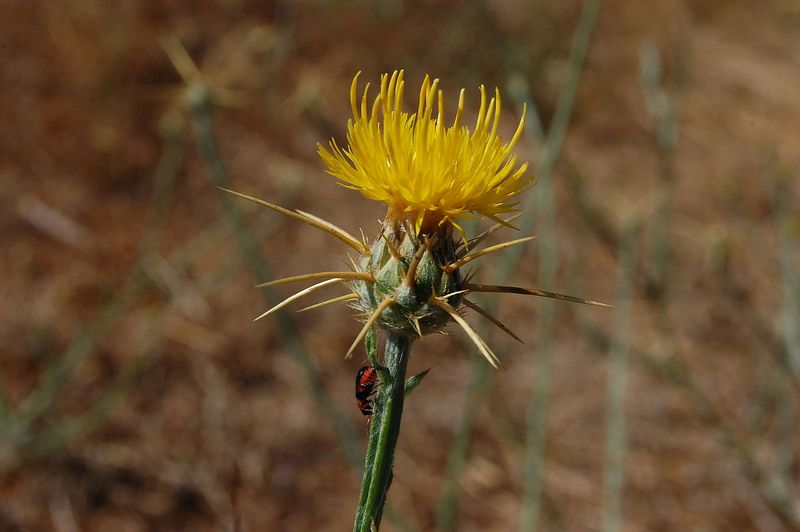
At first glance, the blooms look friendly. They are bright yellow and shaped a bit like small thistle puffs.
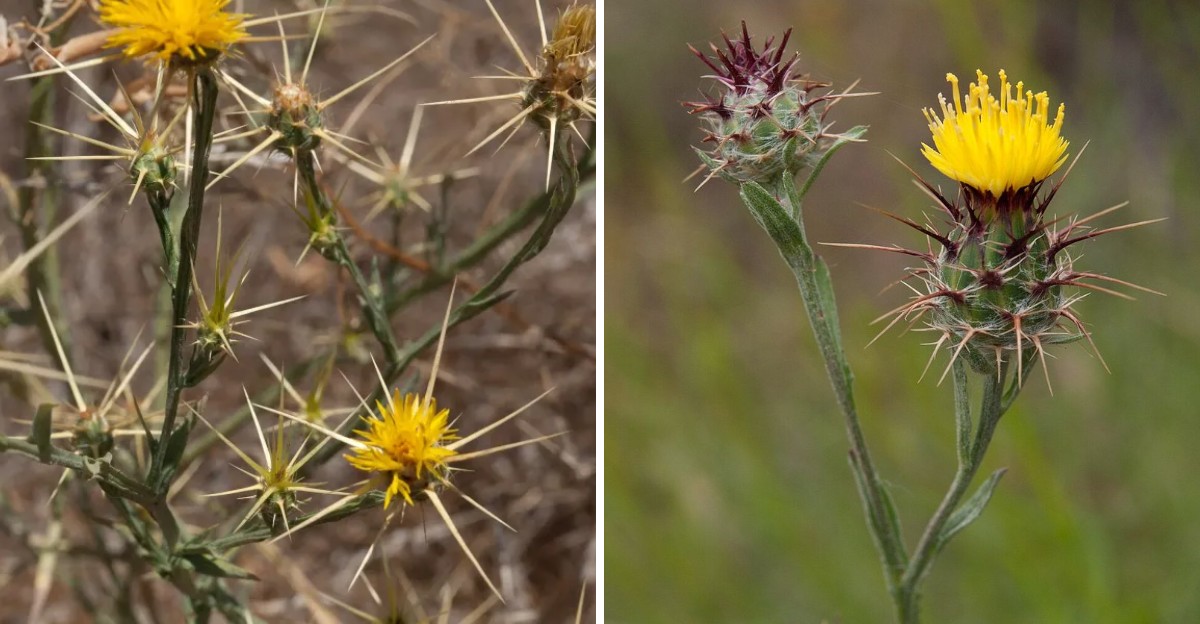
The catch is what sits right under each flower, a ring of stiff, pointy spines that can poke through thin gloves.
Here is a fun fact. The word solstitialis refers to the summer solstice, which hints at when the plant starts to shine. Farmers in some areas call it by other names, like St. Barnaby’s thistle.
Why should you care? Invasive plants push out the wildflowers, grasses, and shrubs that belong here. They can also harm horses and other animals.
Learning to spot yellow star-thistle is the first step toward protecting your yard, your pets, and your whole community.
Those Pretty Flowers Hide Sharp Spines
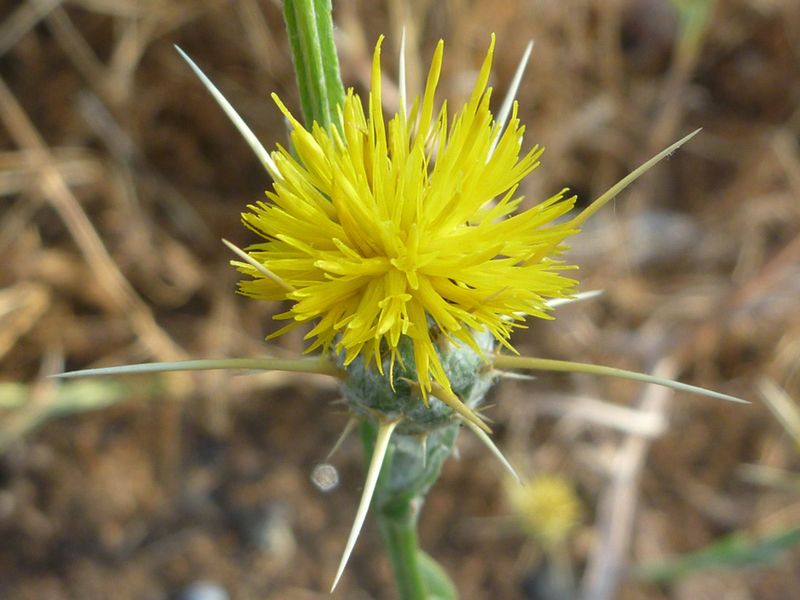
Ouch! That is the word most people say the first time they grab yellow star-thistle with bare hands. The plant looks soft from a distance, but up close it tells a different story.
Each yellow flower sits on top of a round base called a flower head. Around that base are stiff, straw-colored spines. Many of them grow up to an inch long, which is about the length of a paper clip.
Your Texas Garden Changes Every Week. Your Plan Should Too.
Gardening in Texas changes quickly throughout the season. Every Friday you’ll receive a simple weekly plan showing exactly what to plant, prune, fertilize, harvest, and protect so you never miss the right timing.
Those spines point outward in every direction, like a tiny star. That shape is where the plant gets its name. It also means there is no safe angle to grab it without protection.
A poke from a spine can sting and leave small cuts. Sometimes a broken tip stays stuck in the skin. If that happens, clean the spot with soap and water and watch for redness or swelling.
The spines cause trouble for animals, too. Dogs that run through a patch can end up with sore paws or scratched noses. Cattle and deer often avoid grazing near thick stands, which leaves less food for them.
Horses face an even bigger risk. When they eat the plant over time, they can develop a serious brain illness sometimes called chewing disease. There is no cure, so keeping horses away from star-thistle is a must.
Kids are curious, and bright flowers are hard to resist. Teach children to look but never touch when they see spiky yellow blooms along trails or fences.
A quick rule like see it, skip it, tell a grown-up can go a long way. Thick leather gloves are your best friend around the plant.
How To Recognize Yellow Star-Thistle
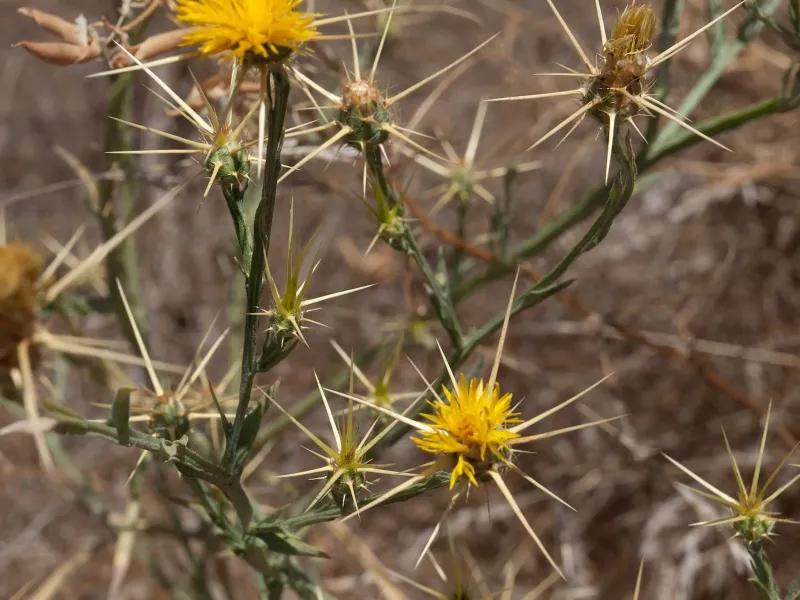
Think of yourself as a plant detective for a moment. Yellow star-thistle has a few clues that make it stand out once you know what to look for. Let’s walk through them one by one.
Start with the flowers. They are bright lemon yellow and about half an inch to an inch wide. Each bloom sits on a single head that looks a bit like a small artichoke with spikes.
Next, check the spines. You will see long, pale spines poking out from under each flower in a star pattern. No other common Texas wildflower has quite the same look.
Now look at the leaves and stems. The plant has a gray-green color and is often covered in fine, cottony hairs. The stems have thin, leafy wings running along their sides, which feel a little like ribbons.
Size is another clue. Most plants grow between two and three feet tall, though some reach up to five feet in rich soil. They branch out a lot, forming a bushy, rounded shape.
Young plants look very different. In early spring, they form a flat circle of leaves on the ground called a rosette. The leaves are deeply lobed, a bit like a dandelion.
Watch out for look-alikes. Native Texas plants like sunflowers or goldenrod have yellow blooms but no star of spines. Milk thistle and other thistles have purple flowers, so color helps narrow things down.
Snap a clear photo of any plant you are unsure about. Apps like iNaturalist can help, and your local Texas A&M AgriLife Extension office is happy to confirm what you found. Getting it right protects the good plants.
Why This Plant Is A Problem For Texas Landscapes
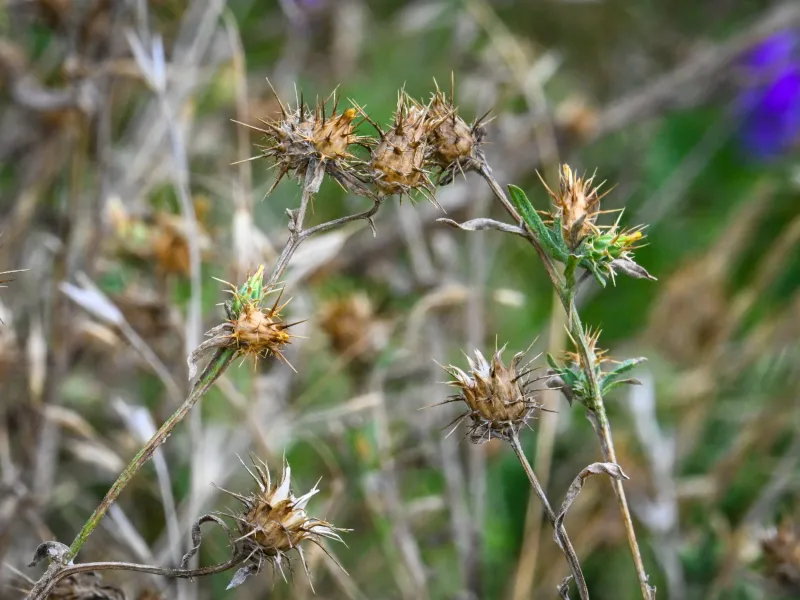
One yellow star-thistle plant can make up to 75,000 seeds in a single season. Now imagine a whole field of them. That is how a small patch can turn into a big problem in just a few years.
Those seeds are sneaky travelers. Some have tiny bristles that stick to clothing, animal fur, tires, and mowing equipment. Others simply drop near the parent plant and wait for the right moment to sprout.
Worse yet, the seeds can stay alive in the soil for several years. Pulling plants once is rarely enough. You often need to keep checking the same spot for a while.
Star-thistle loves disturbed ground. Roadsides, construction sites, overgrazed pastures, and empty lots are perfect places for it to take hold. Anywhere the soil has been scraped or left bare gives it an opening.
Once it moves in, the plant plays rough. Its long taproot can reach several feet down, grabbing water before native plants can get to it. During hot, dry Texas summers, that gives it a huge edge.
Native wildflowers and grasses lose out in the fight. Fewer native plants mean less food and shelter for bees, butterflies, and birds.
Monarch butterflies, which pass through Texas each fall, depend on healthy native habitat along their route.
Ranchers feel the pain as well. Thick stands make pastures hard to use and lower the value of hay and grazing land. In California, the plant costs ranchers millions of dollars every year.
Texas still has a chance to stay ahead of it. Catching small patches early is much cheaper and easier than fighting a full invasion later.
What To Do If You Find It On Your Property
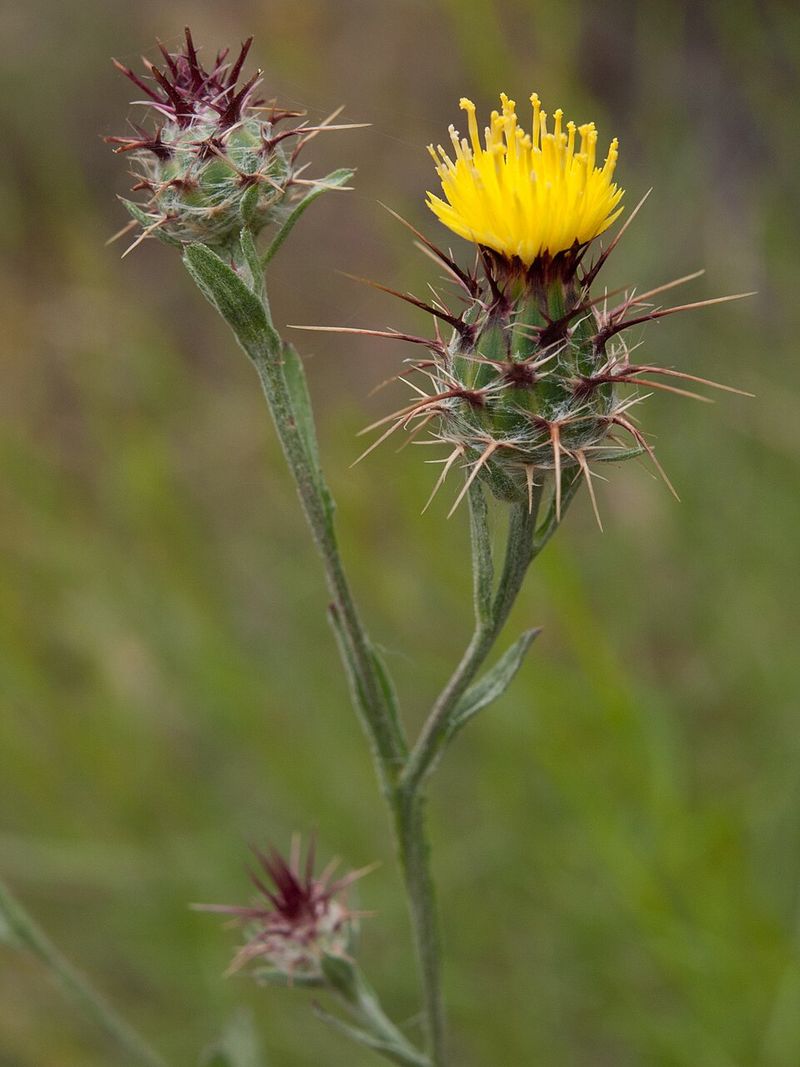
Spotted a patch in your yard or pasture? Don’t panic. With the right gear and a little patience, you can handle it safely.
Suit up first. Wear thick leather gloves, long sleeves, long pants, and sturdy boots. Safety glasses are smart too, since spines can flick up when you tug on a stem.
Timing matters a lot. The best time to pull plants is before they flower or right as the first blooms open. Once seeds form, every tug can shake thousands of them onto the ground.
Hand pulling works well for small patches. Grab the plant low, near the soil, and pull slowly to get as much root as you can. Moist soil after a rain makes the job easier.
Already in seed? Gently slip a large trash bag over the flower heads before cutting or pulling. That trick catches seeds before they scatter.
Never toss star-thistle into your compost pile. Home compost usually doesn’t get hot enough to ruin the seeds. Seal the plants in heavy bags and put them out with the trash instead.
Larger areas may need more help. Mowing when plants just start to bloom can cut down seed production, but it must be repeated.
Some landowners also use herbicides, so ask your county extension agent which products and timing are safe for your land.
Clean up before you leave the site. Brush off boots, clothes, pets, and tools so no seeds hitch a ride. A stiff brush and a quick hose rinse of your mower work wonders.
Finally, mark the spot on your calendar. Check it again every few weeks for the next couple of years to catch any new sprouts.
Replace It With Texas-Friendly Native Plants
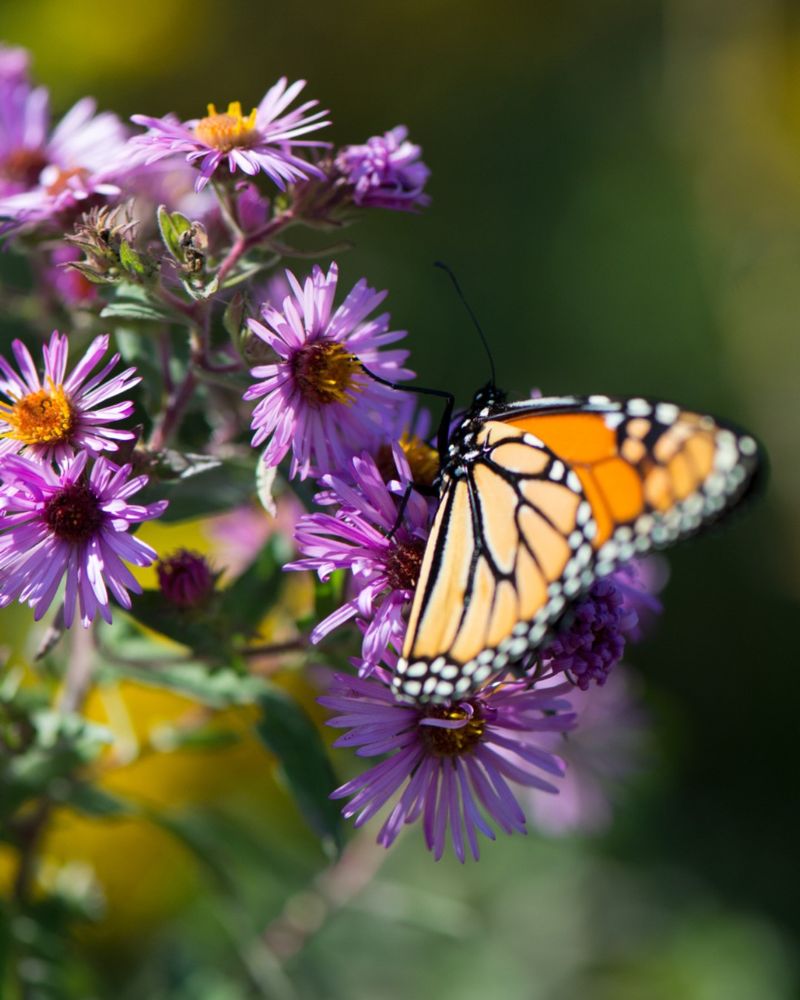
Nature hates an empty space. Leave a patch of bare dirt, and something will grow there fast. Too often, that something is another round of star-thistle.
The good news is that you get to choose what fills the gap. Planting natives right after you clear an area gives weeds far less room to return. Healthy roots and thick leaves shade the soil and crowd out new invaders.
Want sunny yellow flowers without the spines? Try Maximilian sunflower, black-eyed Susan, or Engelmann daisy. All three are tough, pretty, and loved by bees.
For a pop of red and orange, Indian blanket and Mexican hat are classic Texas choices. Goldenrod blooms in fall, right around September, and gives monarch butterflies a tasty snack. Purple coneflower adds a splash of color too.
Native grasses are the unsung heroes of a restored area. Little bluestem, sideoats grama, and buffalograss build deep roots that hold soil in place. Sideoats grama is even the official state grass of Texas.
Fall is actually a great time to plant many wildflower seeds in Texas. Seeds settle in over the cool months and pop up in spring. Rake the soil lightly, scatter the seeds, and press them down with your feet.
Adding a thin layer of mulch around young transplants helps too. It keeps moisture in and blocks weed seeds from sprouting. Just keep the mulch a couple of inches away from plant stems.
Need ideas for your area? The Lady Bird Johnson Wildflower Center in Austin has a free online plant database. You can search by region, sunlight, and soil type to find the perfect match.