Why Michigan Gardeners Should Stop Feeding Trees And Shrubs In Early Fall
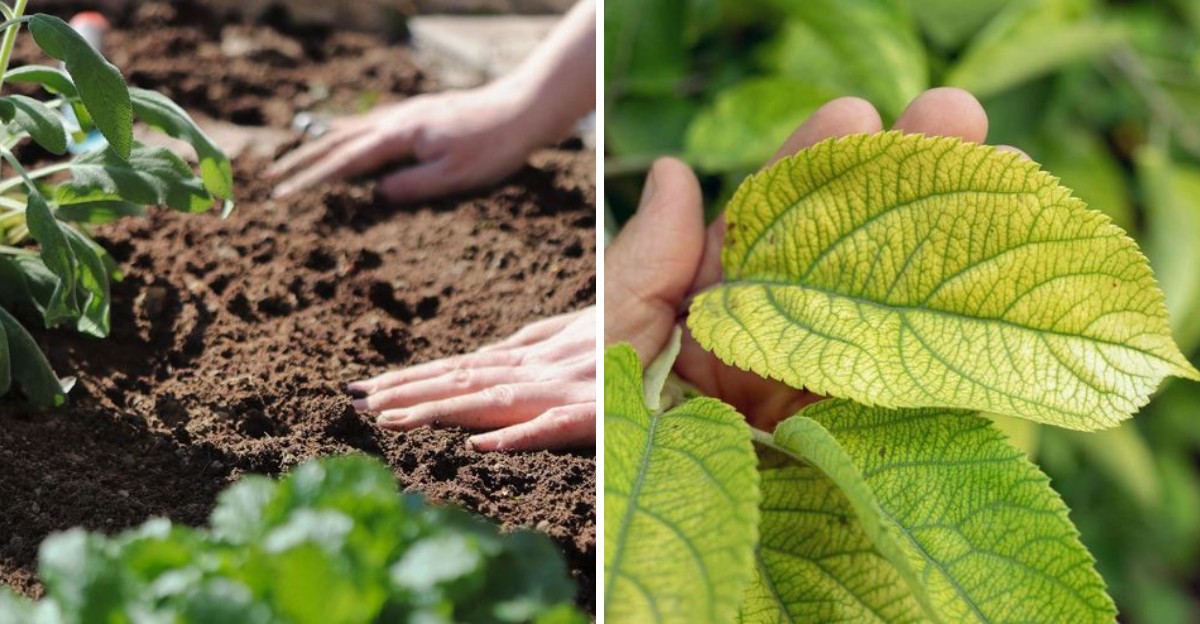
Fertilizing trees and shrubs too late into early fall can actually work against a plant’s natural preparation for a Michigan winter.
Fertilizer, especially formulas high in nitrogen, encourages fresh, tender growth that simply doesn’t have enough time to harden off before the first hard freeze arrives.
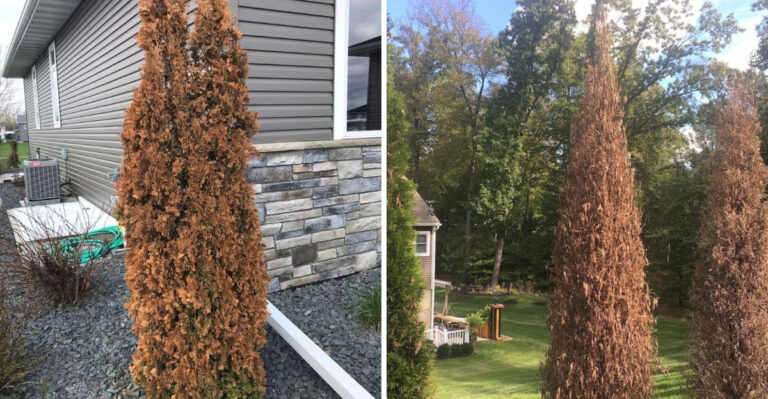
This soft new growth is far more susceptible to cold damage than mature wood, and wilt in these areas can affect a plant’s shape and health well into the following year.
Instead of supporting a healthy transition into dormancy, fertilizing at the wrong time essentially works against the plant’s own natural signals to slow down.
Holding off on feeding trees and shrubs during this window gives them a much better chance at a smooth, undamaged transition into winter.
1. Trees And Shrubs Do Not Always Need Fall Fertilizer
Many gardeners believe fall is the automatic time to feed everything in the yard. The calendar flipping to September does not mean your plants are hungry, though.
Established trees and shrubs pull nutrients from a wide root system that spreads far beyond the trunk. In healthy soil, that network usually finds plenty of what the plant needs on its own.
A mature oak or a well settled lilac has been gathering food for years without help from a bag.
Adding fertilizer just because the season changed can waste your money and even throw off the balance in your soil. Too much of one nutrient can lock up others, leaving plants worse off than before you started.
The smarter path is to feed based on real needs, not habit. If a plant shows pale leaves, weak growth, or thin foliage, that is a signal worth checking. Otherwise, a green and vigorous plant is telling you it is doing just fine.
Think of fertilizer like medicine rather than a snack. You would not take a pill without knowing you needed it, and your trees work the same way.
Before you scatter granules around your yard, pause and observe. Look at growth from the past season, check the color of the leaves, and consider how the plant handled summer.
When you match feeding to genuine needs, you save effort and protect your landscape. That simple shift in thinking keeps your Michigan garden healthier for years to come.
2. Too Much Nitrogen Can Encourage Late Growth
Nitrogen is the nutrient that pushes plants to grow fast and green. That sounds great in spring, but in early fall it can cause a real problem.
When you give trees and shrubs a big dose of nitrogen late in the season, they respond by pushing out fresh shoots and soft new leaves. The plant thinks it is time to grow instead of settling down for winter.
Here is the catch. Those tender new shoots appear right when Michigan weather is heading toward frost and freezing nights. Soft growth cannot handle cold snaps, so it often gets damaged before it ever gets strong.
Picture a plant that should be slowing down and storing energy in its roots. Instead, a nitrogen boost tricks it into spending that energy on growth it will lose anyway. That is a waste for the whole plant.
Your Michigan Garden Changes Every Week. Your Plan Should Too.
Gardening in Michigan changes quickly throughout the season. Every Friday you’ll receive a simple weekly plan showing exactly what to plant, prune, fertilize, harvest, and protect so you never miss the right timing.
The timing really matters in a state with unpredictable autumns. One warm week can fool a fertilized shrub into growing, and then a sudden cold night undoes all that effort.
Holding back on nitrogen lets your plants follow their natural rhythm. They slow down, harden off, and get ready for winter the way nature intended.
If you truly want to feed woody plants, spring is usually the better window when new growth has all season to mature. Waiting protects those tender shoots and keeps your landscape ready for whatever winter brings.
3. New Growth Needs Time To Harden
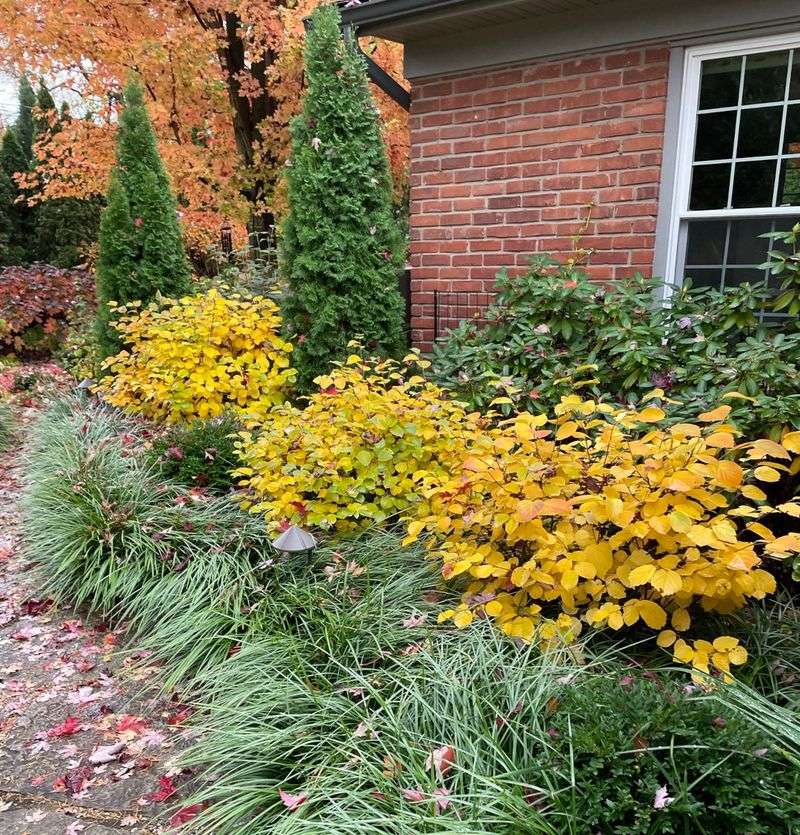
Not all growth is created equal when winter is coming. Fresh shoots that appear late in the season are soft, green, and full of water.
Plants need weeks of steady, cooler weather to toughen up their new stems. This process is called hardening off, and it turns soft tissue into sturdy, woody growth that can survive the cold.
When you push late growth with fertilizer, you leave your plant scrambling. The shoots simply run out of time to harden before hard frosts arrive in Michigan.
Imagine trying to build a strong wall but only having a few days to let the cement set. Rushed and unfinished, it crumbles under pressure. Tender shoots face the same struggle against freezing temperatures.
Growth that started earlier in summer has months to mature, which is exactly why it handles winter so well. Late season shoots miss that important window entirely.
The best thing you can do is let your plants wind down on their schedule. As days shorten and nights cool, healthy trees and shrubs naturally shift energy from growing to storing.
By skipping the fall feeding, you give existing growth the chance to finish maturing properly. That hardened wood stands up to ice, wind, and freezing nights far better than anything soft.
Patience pays off in the garden. When you allow nature to set the pace, your plants enter winter tougher and better prepared, and they reward you with strong new growth next spring.
4. Soil Testing Is Better Than Guessing
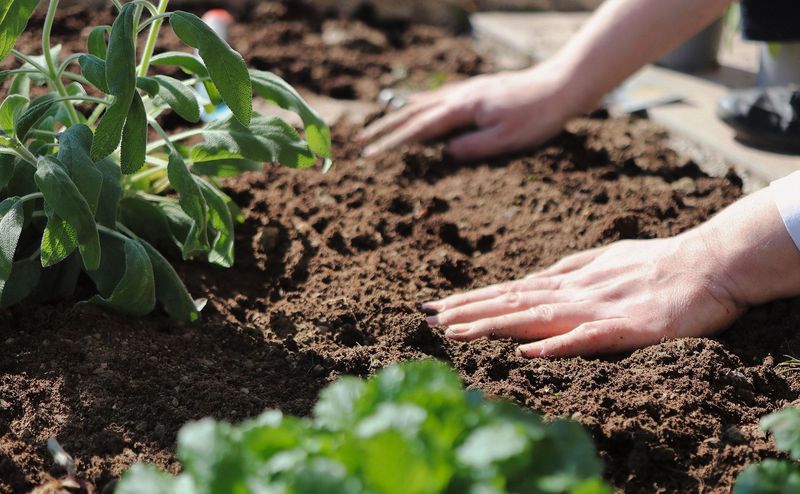
Guessing what your soil needs is a bit like grocery shopping without checking your kitchen first. You might buy things you already have and skip what you actually need.
A soil test takes the mystery out of feeding your plants. For a small cost, you can learn exactly which nutrients are present and which ones are missing from your yard.
Michigan State University Extension offers soil testing that gardeners across the state can use. The results show nutrient levels and pH, which tells you how acidic or alkaline your soil is.
Why does pH matter so much? Even when nutrients are present, the wrong pH can lock them away so roots cannot reach them. A general fertilizer will not fix that problem, but a test reveals it clearly.
Instead of tossing out random granules and hoping for the best, you get a clear plan. Maybe your soil already has plenty of phosphorus, or maybe it needs lime to adjust the pH.
This approach saves money and protects the environment too. Excess fertilizer that plants cannot use often washes away into streams and lakes, causing pollution.
Testing every few years keeps you informed as conditions change over time. Soil is not static, and what your garden needed three years ago may be different now.
When you know the facts, you make better choices. A simple soil test turns guesswork into confidence and helps your trees and shrubs get exactly what they truly need.
5. Newly Planted Trees Need Water More Than Fertilizer
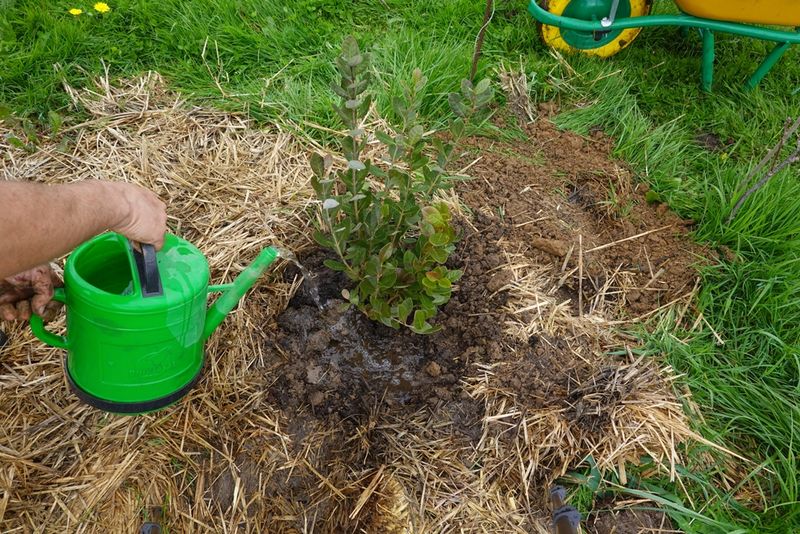
Fresh from the nursery, a young tree faces one big challenge: growing roots into new ground. Fertilizer is not what helps most during this stage.
Water is the real hero for newly planted trees and shrubs. Steady moisture helps roots settle in, spread out, and anchor the plant before winter arrives.
When roots are still small and shallow, they cannot reach far for water yet. That makes regular watering in fall so important, especially during dry stretches when rain is scarce.
Pushing a young plant with nitrogen can actually backfire. It encourages top growth when the plant should be focusing all its energy below ground on building a strong root system.
Think about it from the tree’s point of view. Strong roots are what will carry it through winter and fuel healthy growth next spring, not a burst of leaves right now.
A layer of mulch around the base helps too. It holds moisture in the soil and protects roots from the temperature swings that Michigan autumns are known for.
Keep the mulch a few inches away from the trunk so bark stays dry and healthy. A donut shape works far better than a volcano piled against the stem.
Water deeply and less often rather than a light sprinkle every day. Deep watering encourages roots to grow downward where they find lasting moisture.
Give your new plants water, mulch, and patience this fall. Those three simple gifts do far more good than any bag of fertilizer ever could.
6. Established Plants Can Enter Dormancy Naturally
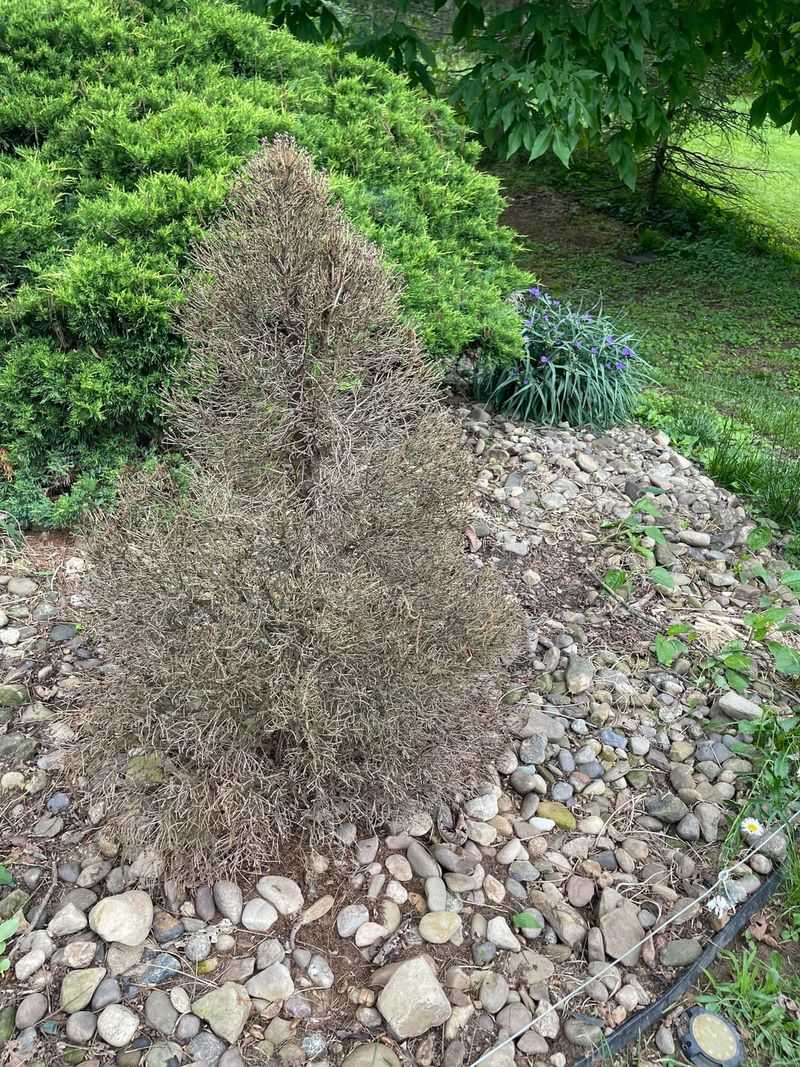
Trees and shrubs have an amazing built in clock. As fall arrives, they read the signals around them and know exactly what to do.
Shorter days and cooler temperatures tell plants that winter is on the way. In response, they naturally slow their growth and begin to rest, a state called dormancy.
This process has worked for thousands of years without any help from gardeners. Healthy Michigan plants shift energy from leaves and shoots into their roots, storing fuel for the season ahead.
You do not need to force extra growth before winter. In fact, trying to do so works against the plant’s natural plan and can cause the very problems you hoped to avoid.
Watch a maple or a viburnum in autumn and you will see the change happen. Leaves turn color, growth stops, and the plant quietly prepares itself for the cold months.
Feeding during this slowdown sends a confusing message. It nudges the plant to grow when every other signal is telling it to rest.
Trust the process that nature has perfected. Established plants are far more capable than we sometimes give them credit for, and they rarely need us to interfere.
Your job in fall is mostly to step back and let dormancy unfold. Keep an eye out for water needs, but resist the urge to push growth.
When spring returns, those well rested plants wake up full of stored energy. Their natural cycle sets them up for a strong and healthy new season.
7. Exceptions Depend On The Plant And The Soil
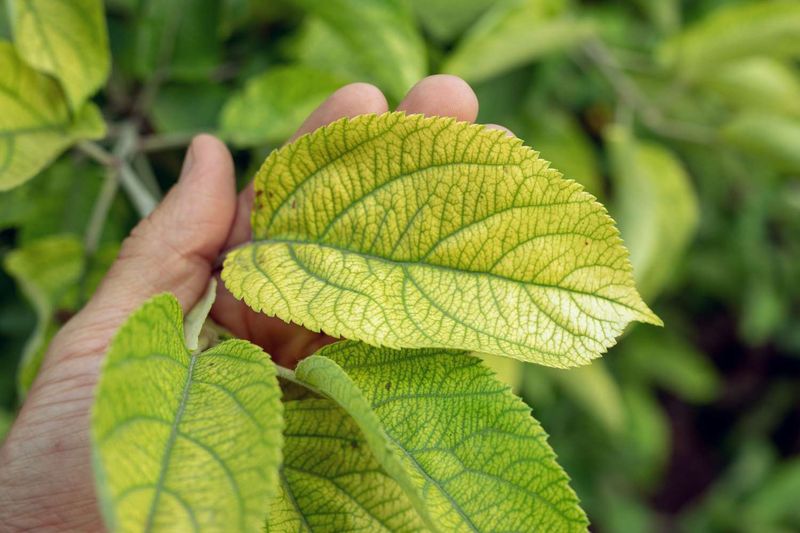
Every rule has exceptions, and fall feeding is no different. Sometimes a plant really does need a little help, and knowing the difference matters.
A documented nutrient shortage is one clear reason to consider feeding. If a soil test shows your yard is low in a certain nutrient, adding it can genuinely help your plants thrive.
Some plants also have special requirements based on their species. Certain shrubs prefer more acidic soil, and adjusting conditions to match them keeps them growing well.
The key word here is evidence. You should have a real reason, backed by testing or expert advice, before you decide to fertilize in fall.
Michigan State University Extension is a great resource for these situations. Their recommendations are based on research and local conditions, so you get advice that fits your area.
Applying a blanket treatment to your whole yard is the mistake to avoid. What one plant needs may be completely wrong for its neighbor just a few feet away.
Yellowing leaves, stunted growth, or poor color can hint at a problem worth investigating. A test confirms whether nutrients are the cause or if something else is going on.
Following a targeted plan means you feed only where feeding is needed. That precision protects your plants and your wallet at the same time.
When you let facts guide your choices, exceptions become smart decisions rather than risky guesses. Careful attention to each plant and its soil keeps your whole landscape balanced and strong.
8. Focus On Winter Preparation Instead
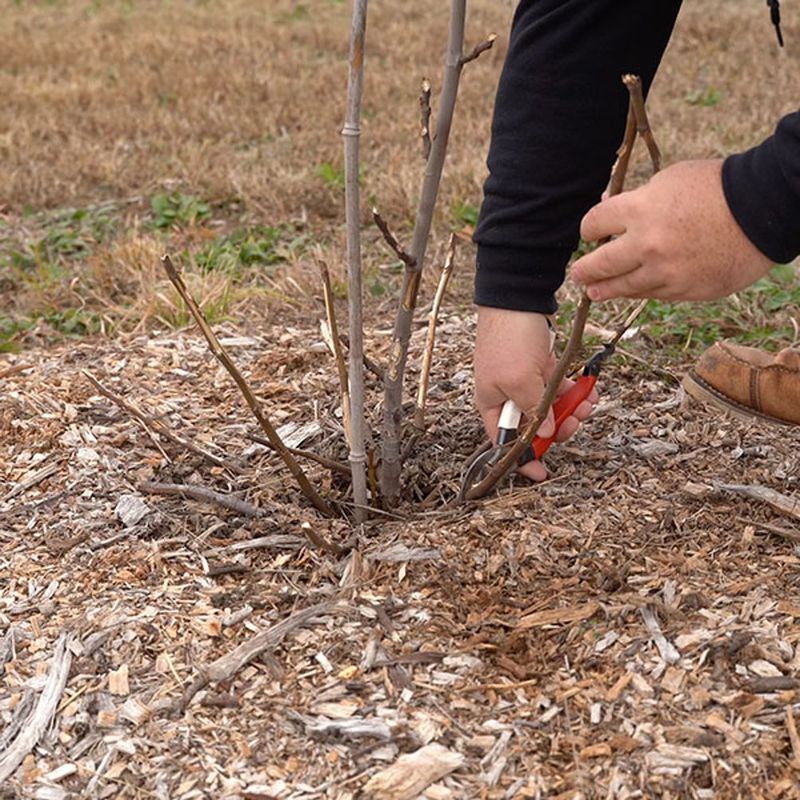
Instead of reaching for fertilizer this fall, put your energy into helping plants get ready for winter. A few smart habits do far more good.
Watering during dry fall weather tops the list. Even as temperatures drop, plants still need moisture, and going into winter well hydrated helps them handle the cold.
Mulch is another powerful tool. A layer of two to three inches spread over the root zone keeps soil temperatures steady and locks in precious moisture.
Good drainage matters more than many people realize. Soggy soil around roots can cause serious trouble, so make sure water flows away rather than pooling near your plants.
Take a little time to watch for pests too. Some insects hide in bark or fallen leaves, and catching a problem early makes it much easier to manage.
Pruning has its own timing. Late fall is often not ideal because fresh cuts can invite trouble, so save major pruning for the dormant part of winter or early spring.
These simple steps work together to protect your landscape. Water, mulch, drainage, pest checks, and proper timing all give your trees and shrubs real support.
Notice that none of these involve pushing new growth. They focus on protection and care rather than forcing plants to do something out of season.
When you shift your fall attention toward preparation, you set your garden up for success. Come spring, your well cared for plants burst back to life, strong and ready to grow.