What Fallen Leaves Really Mean For Michigan Pollinators Overwintering In Your Yard
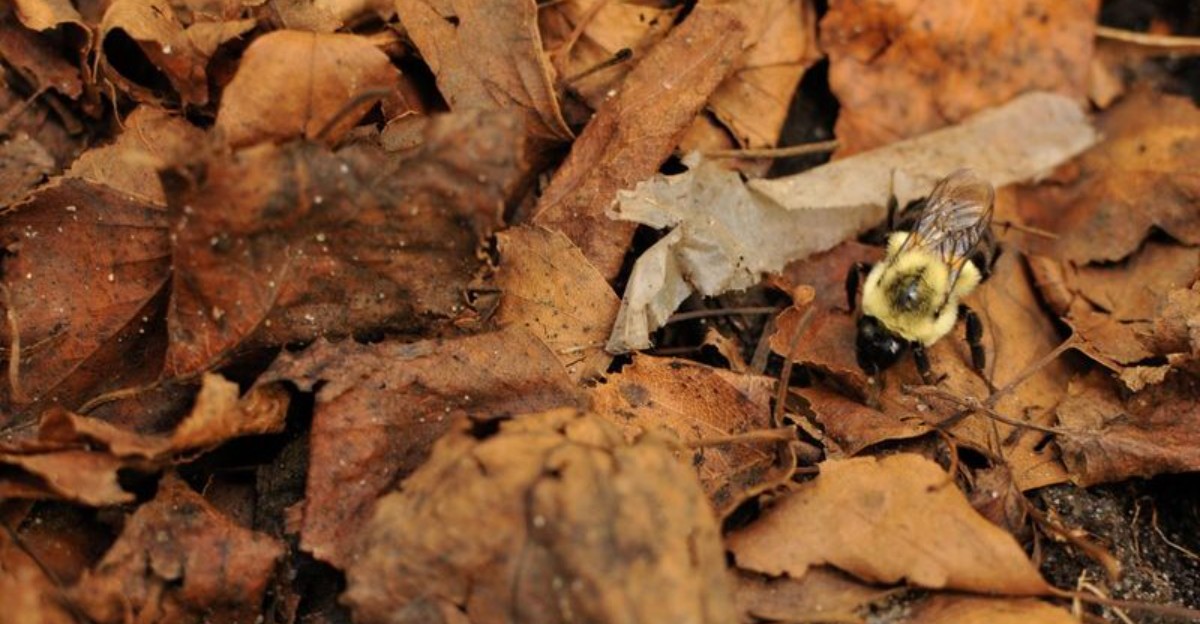
Fallen leaves scattered across a Michigan yard aren’t just seasonal debris, they’re often serving as critical winter shelter for a wide range of pollinators.
Many native bee species overwinter as larvae or adults tucked into leaf litter, relying on that insulating layer to survive Michigan’s harshest months.
Certain butterfly and moth species also spend winter in the leaf layer, either as caterpillars or as pupae wrapped in protective cocoons hidden among the fallen foliage.
Raking and removing every leaf from a yard can inadvertently strip away this essential habitat right before pollinators need it most. Leaving at least some leaf litter in garden beds through winter gives these important pollinators a genuine chance at surviving until spring.
1. Leaf Litter Can Provide Winter Shelter
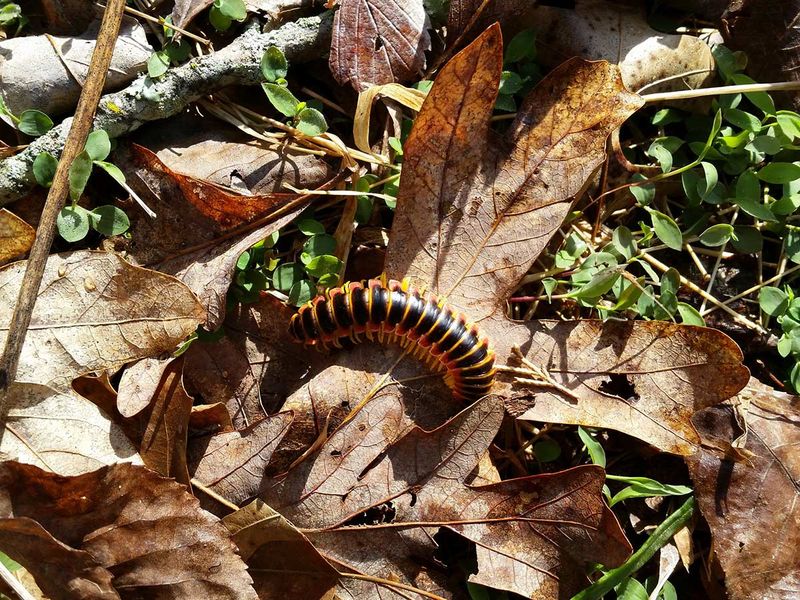
Picture a soft, natural quilt spreading across your garden floor each fall. That layer of leaves does far more than decorate the ground. It becomes a cozy hideaway for all sorts of tiny creatures trying to stay warm.
Many native bees, butterflies, and moths spend the cold months tucked inside or beneath fallen leaves. Some rest as tiny eggs, others as caterpillars wrapped in leafy cocoons, and a few wait out the chill as full-grown adults.
The leaves trap warmth and block harsh winds, giving these small guests a steady place to rest until spring returns.
Take the luna moth as an example. Its cocoon often blends right into the leaf litter, looking like just another crumpled leaf. If those leaves get raked away and bagged, the whole hiding spot disappears with them.
Beyond insects, that leafy layer helps the soil too. It keeps moisture in, feeds the ground as it breaks down, and shields plant roots from freezing temperatures. Earthworms and other helpers stay busy underneath, building healthier dirt for your plants.
You do not need to leave every single leaf everywhere. Even keeping a thoughtful layer in flower beds and quiet corners gives your pollinators a fighting chance. Think of it as free winter housing that also improves your garden.
Next time you feel the urge to clear it all away, remember the busy little lives resting just below. A few leaves left behind can welcome back a whole crowd of pollinators come warmer days.
2. Some Native Bees Overwinter In The Soil
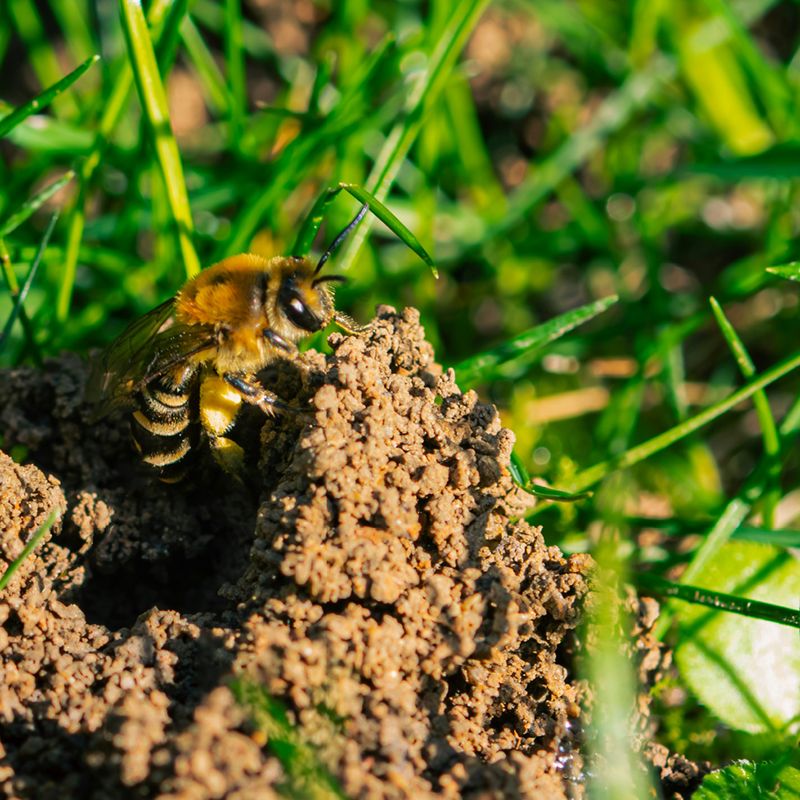
Not every bee lives in a buzzing hive. In fact, most of Michigan’s native bees are loners who prefer their own private space underground. These ground-nesting bees dig small tunnels in the dirt and settle in for the winter.
Inside those tiny burrows, young bees wait safely below the surface until the weather warms. The soil acts like a natural blanket, holding steady temperatures while snow and ice cover the world above.
When spring flowers bloom, these bees crawl out ready to work. Here is where fallen leaves come into play.
A light covering of leaf litter protects the soil surface from harsh weather and stops it from getting packed down hard. Softer, undisturbed ground makes it easier for bees to dig and stay safe.
Your Michigan Garden Changes Every Week. Your Plan Should Too.
Gardening in Michigan changes quickly throughout the season. Every Friday you’ll receive a simple weekly plan showing exactly what to plant, prune, fertilize, harvest, and protect so you never miss the right timing.
Trouble starts when we treat the soil too roughly. Heavy tilling, constant raking, or piling on thick mulch can crush burrows or block the little exits bees need. Leaving certain patches of ground calm and quiet helps these hard workers survive.
Mining bees and sweat bees are two common Michigan examples that nest this way. They are gentle, rarely sting, and pollinate loads of plants each season.
You can help by leaving some bare or lightly covered soil in sunny, well-drained spots. Skip the heavy foot traffic there and avoid digging deeply in fall. These small choices protect nesting areas you cannot even see.
By giving ground-nesting bees a peaceful place to rest, you set up your garden for a lively, busy spring full of pollination.
3. Not Every Pollinator Uses Leaves
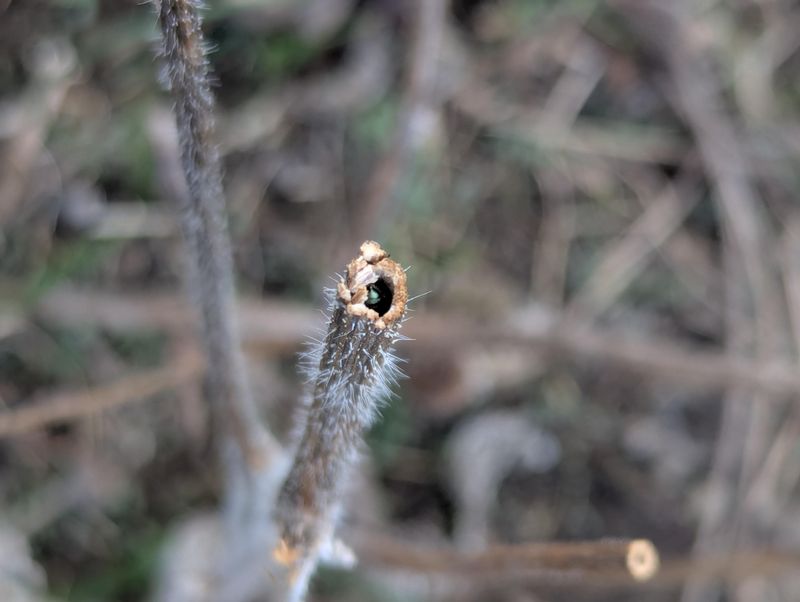
Leaves get a lot of attention, but they are only one piece of the winter puzzle. Pollinators are a wonderfully varied bunch, and each kind has its own favorite hiding place when the cold sets in.
Some tuck themselves into hollow plant stems, curling up inside the narrow openings for protection.
Others burrow into the soil, while a few slip into cracks in old wood or under loose bark. Certain bumble bee queens even dig shallow holes in the ground to rest alone through winter.
Because of this variety, focusing only on leaves might leave some pollinators without a home. A truly welcoming yard offers many kinds of shelter, not just one.
Think of it like a neighborhood with different types of houses. Some creatures want a leafy basement, others prefer a hollow tube, and a few like a woodpile hideout. The more choices you provide, the more species you support.
Mason bees, for instance, love hollow stems or small tubes, while many moths depend on leaf litter. Meanwhile, some beetles that help pollinate plants shelter under logs or bark.
You can create a mix by leaving a few standing stems, keeping some leaves in beds, and letting a small brush pile sit in a back corner. Each spot invites different helpful bugs.
Understanding that pollinators spread out across many habitats makes your gardening choices smarter. Instead of one big cleanup, aim for a patchwork of cozy spots. That variety turns your yard into a true pollinator retreat all winter long.
4. Removing Every Leaf Can Remove Habitat
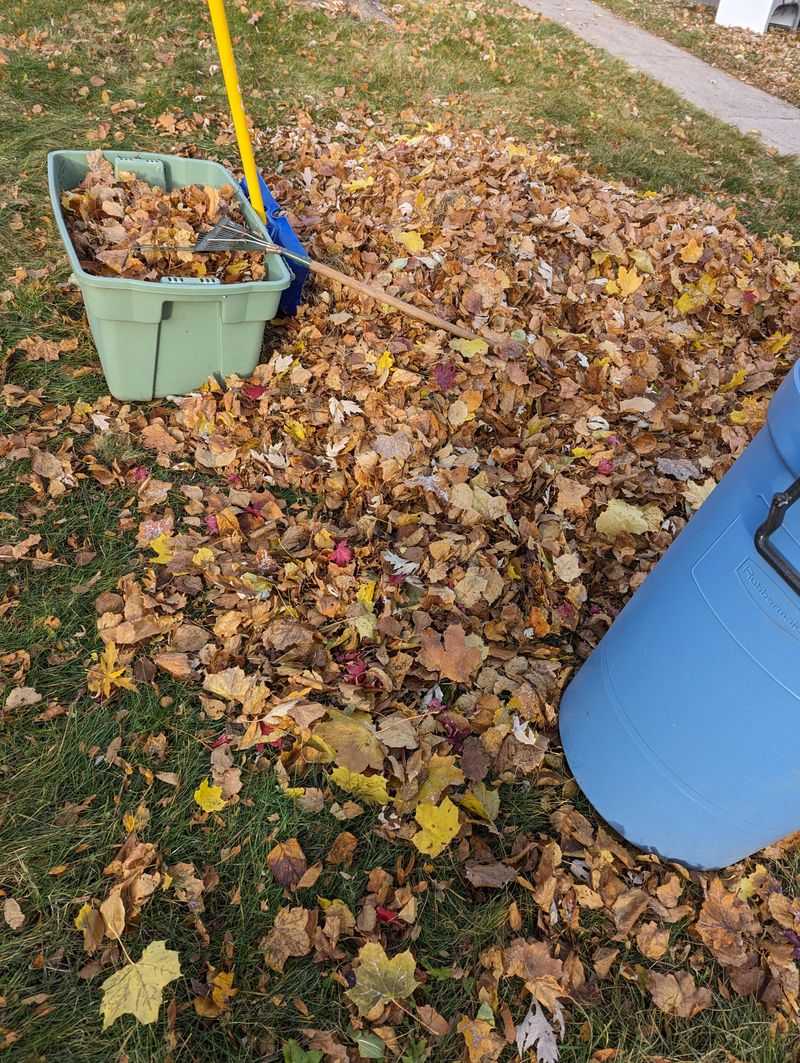
There is a strong pull each fall to make the yard look spotless. Crisp, clean beds feel satisfying, but that thorough sweep can quietly carry away the very creatures you want to protect.
When every leaf gets raked, bagged, and hauled off, the insects hiding inside go along for the ride. Caterpillars, cocoons, and resting bees end up gone before spring even has a chance to arrive.
What looks like tidy work can empty your garden of future pollinators. Blowing or vacuuming leaves adds another problem.
The strong wind and noise disturb fragile bugs, and shredding tools can harm the tiny lives tucked in the litter. A gentler touch keeps more of them safe.
Selective cleanup offers a smart middle ground. You clear the spots that truly need it while leaving quieter areas alone. Your garden still looks cared for, and your pollinators keep their winter housing.
Picture leaving leaves under shrubs and in flower beds while raking only the lawn and walkways. That simple split does most of the work for you. Nature stays sheltered, and your yard stays neat where it counts.
Timing helps too. Waiting until late spring for a deeper cleanup gives overwintering insects time to wake up and move on. By then, they have finished their long rest and left their hiding spots.
Small changes in how you clean up can protect a surprising amount of life. A less aggressive approach means more butterflies, bees, and blooms greeting you when the warm weather rolls back around.
5. Leave Leaves In Garden Beds
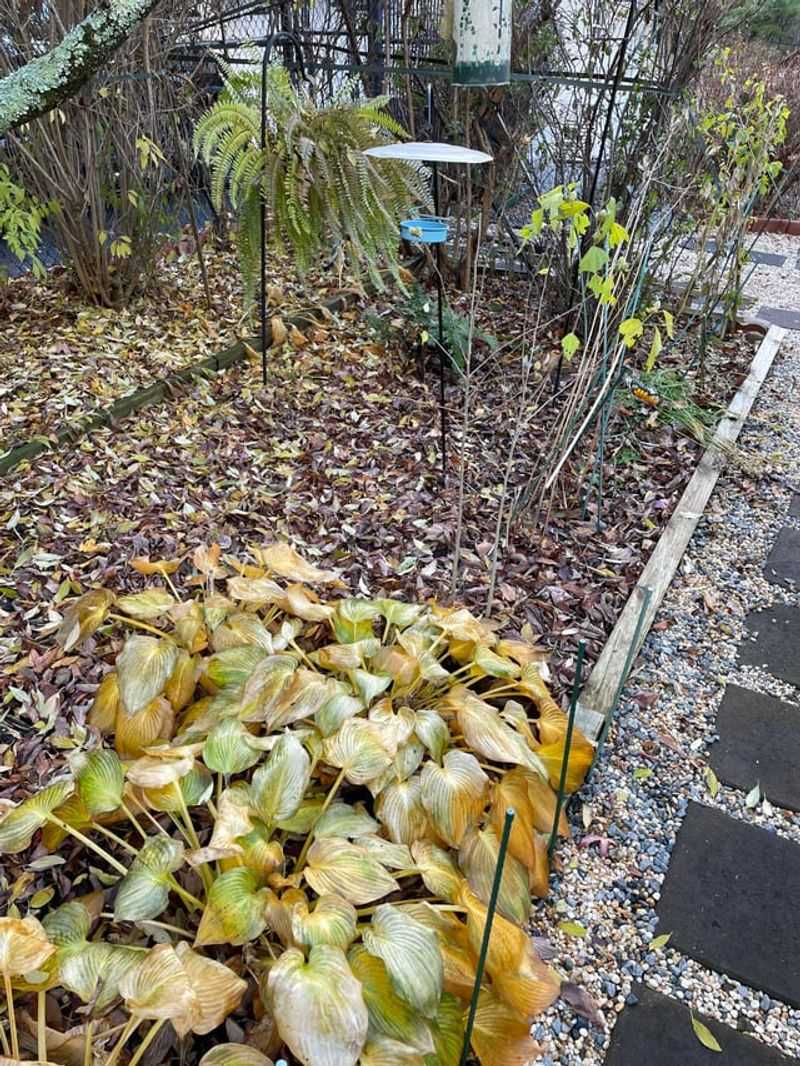
Your garden beds can double as safe winter shelters with almost no effort. Instead of clearing them bare, letting a natural layer of leaves settle in gives pollinators a warm place to wait out the cold.
Perennial beds are perfect for this. Tuck leaves around the base of plants and beneath shrubs, where they act like a protective mulch. The leaves shield roots, hold moisture, and hide small insects all at once.
Less formal corners of your yard work great too. Areas along fences, behind bushes, or in back sections rarely need to look perfect. Those spots become quiet retreats for bees, butterflies, and helpful beetles.
At the same time, you can keep the rest of your yard looking sharp. Rake leaves off walkways, patios, and the main lawn where people walk and play. Clearing these busy spots keeps things safe and tidy while the beds stay cozy.
A good rule is to keep the leaf layer light enough that it does not smother your plants. A few inches is usually plenty. If leaves pile too high on delicate greenery, gently spread them out or move some to another bed.
This approach saves you time and money. You skip hours of raking and bagging, and you avoid buying store-bought mulch. Nature hands you a free garden helper each fall.
Come spring, those broken-down leaves feed your soil and give your plants a strong start. Leaving leaves in the right places turns fall cleanup into an easy win for both your garden and its tiny guests.
6. Avoid Shredding Every Leaf Immediately
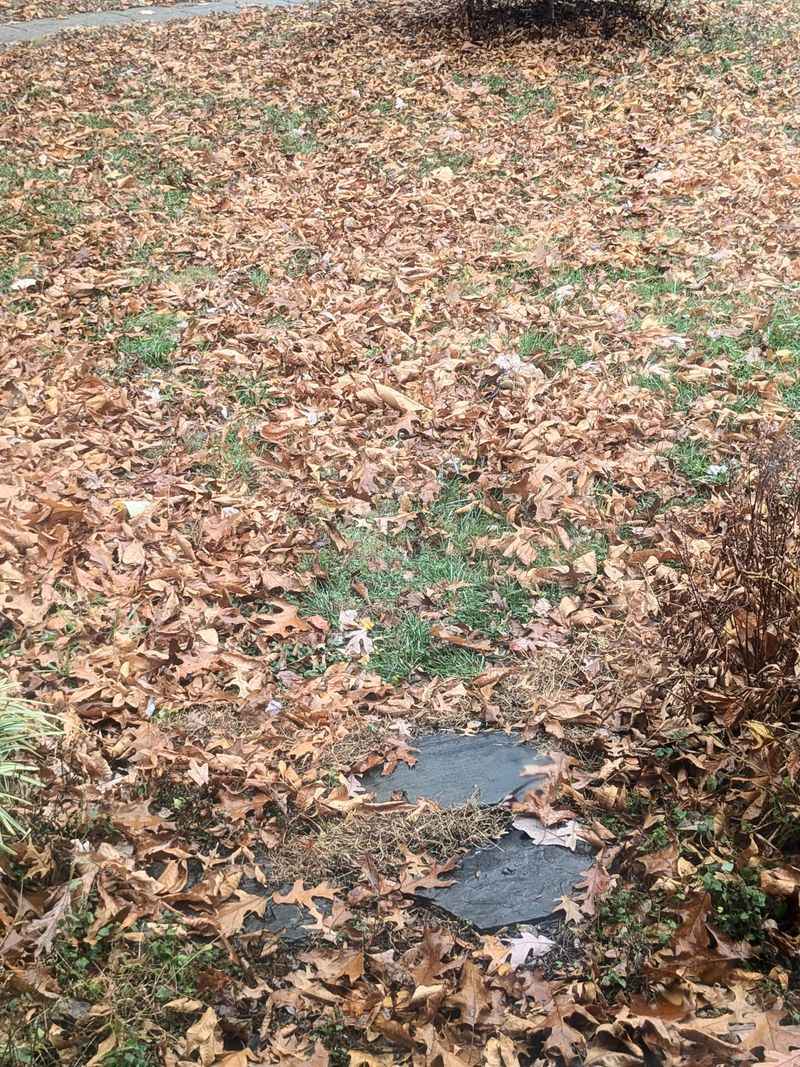
Shredding leaves feels like a quick fix, and sometimes it helps. But rushing to chop up every leaf in your naturalized areas can disturb the very creatures resting inside them. Many insects spend winter clinging to whole leaves or tucked between them.
When a mower or shredder tears through, those fragile eggs, cocoons, and caterpillars can be harmed before they ever get to grow. Leaving some leaves whole keeps those little lives intact.
In wilder parts of your yard, whole leaves work just fine. They break down slowly on their own and offer better hiding spots than tiny shredded bits. Nature has been recycling leaves this way for a very long time.
That said, shredding has its place. On the lawn, a light layer of chopped leaves can feed the grass without smothering it. The trick is knowing where to shred and where to leave things be.
A smart plan is to skip shredding in flower beds, under shrubs, and in quiet corners. Save the mower for open lawn areas where thick leaf piles might block sunlight from the grass.
Timing matters too. If you wait to do heavy shredding until late spring, most overwintering insects will have already woken and moved on. That patience protects a whole generation of pollinators.
Whole leaves might look a little messier than a neat, shredded layer. Still, that slightly wild look supports more life than a perfectly chopped bed ever could. A gentle hand now means more color and buzzing energy in your garden later.
7. Leave Some Stems Standing Too
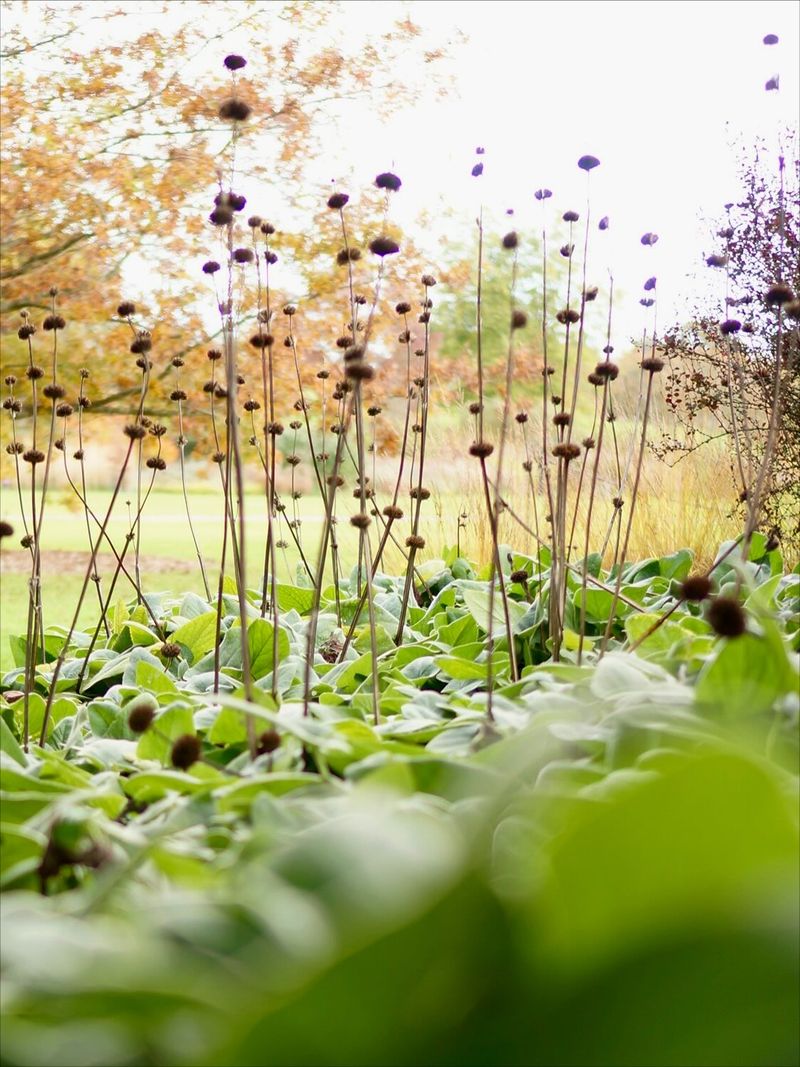
Leaves are not the only heroes of a pollinator-friendly winter. Those dried flower stems you might want to snip away are actually prime real estate for tiny nesters.
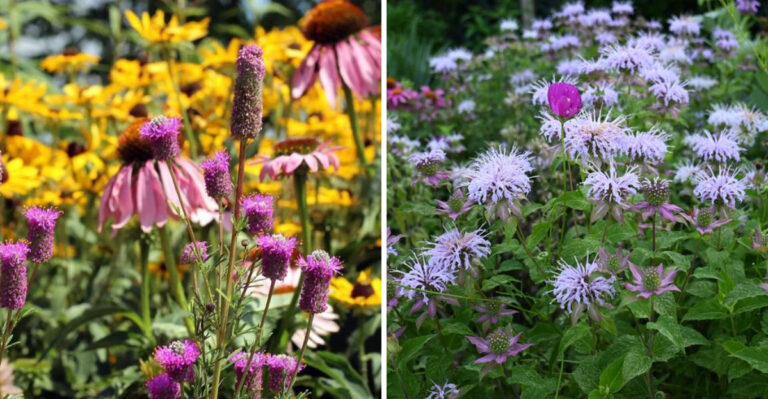
Many native bees and other insects crawl into hollow or soft-centered stems to spend the cold season. The narrow tubes protect them from wind, snow, and hungry predators. Plants like coneflowers, bee balm, and raspberry canes offer perfect stem homes.
Cutting every stalk down to the ground in fall removes these hidden shelters. By leaving stems standing, you give small pollinators a safe spot to rest until warmer days arrive.
Standing stems bring bonus perks too. They add interesting shape and texture to a winter garden, and their seed heads feed hungry birds during the cold months. Your yard stays lively even under a blanket of snow.
You do not have to leave every stem forever. A good habit is to keep them standing through winter and into spring. Trimming them to about a foot or two tall in spring still leaves room for new nesting to begin.
Mason bees and small carpenter bees are among the many creatures that use these stems. Watching them come and go once spring hits is a real treat for any gardener.
So before you tidy up every last stalk, pause and picture the busy little tenants inside. Leaving stems standing costs you nothing and gives your pollinators another cozy option. That small choice adds up to a garden buzzing with life season after season.
8. Create A Balanced Fall Cleanup
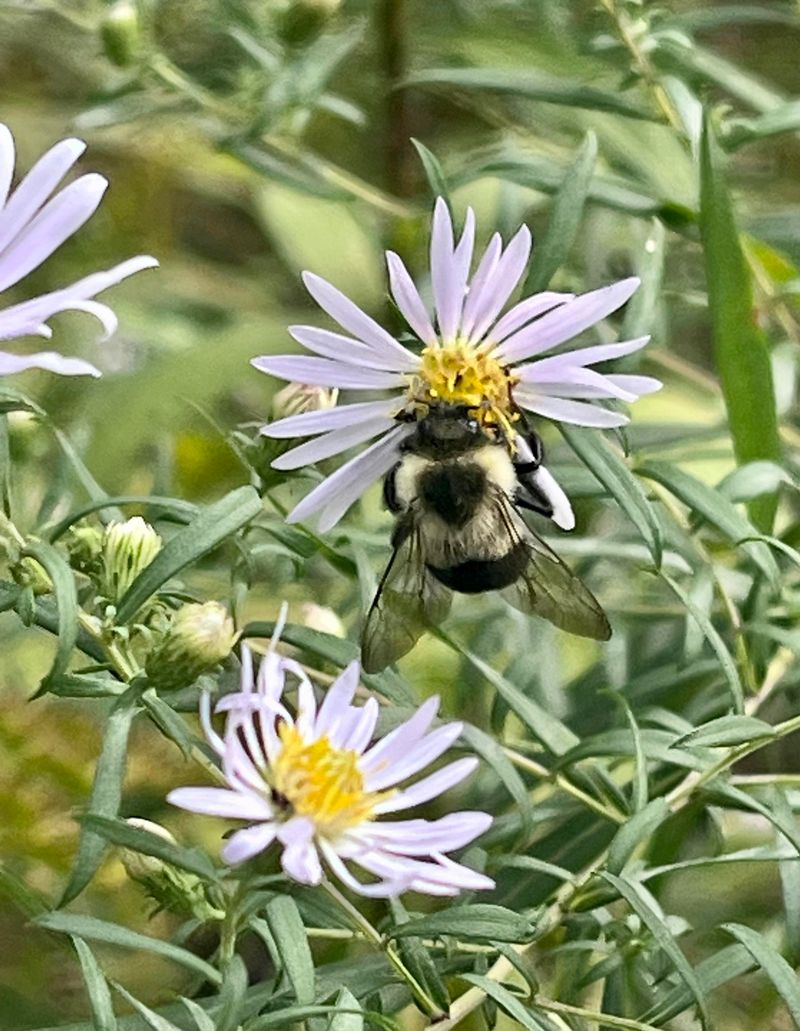
Helping pollinators does not mean letting your yard go completely wild. The real magic happens when you find a balance between tidy and natural, giving both your plants and your bugs what they need.
Start by removing plant material that shows signs of trouble. Anything that looks diseased or moldy should go, since leaving it can spread problems to healthy plants next year. Clearing these pieces keeps your whole garden stronger.
Next, deal with places where leaves have piled up too thick. Heavy, wet mounds can smother grass and delicate plants, so spread them out or move some to spots that can handle a deeper layer. A little management keeps everything breathing.
Then, on purpose, leave the good stuff behind. Keep a light layer of leaves in beds, let some stems stand tall, and avoid digging up soil where ground bees might rest. These calm zones become winter shelters for your helpful visitors.
Think of your yard in sections. Busy areas like lawns and paths stay clean and clear, while quieter corners get to stay natural. This mix looks neat where it matters and stays welcoming where it counts.
Waiting until late spring for the final deep cleanup gives pollinators time to wake and leave their hideouts. That patience pays off with more bees and butterflies.
A balanced approach means less work for you and more life for your garden. By blending careful cleanup with thoughtful leaving-be, you build a yard that thrives with color, movement, and buzzing energy every single season.