A Wildflower Iowa Conservationists Once Welcomed Is Now Being Pulled From Johnson County Gardens
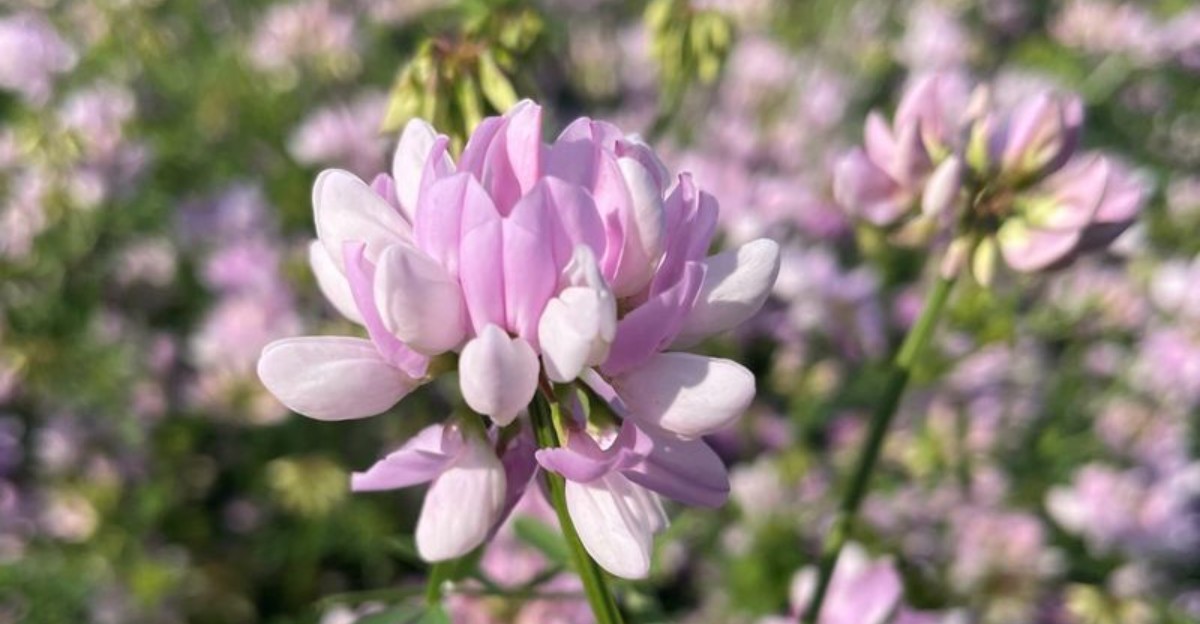
The pink flower you admire along Iowa highways is quietly claiming more space. Crown vetch arrived on purpose, and you can thank highway crews. Engineers seeded it across raw embankments to lock soil in place.
Farmers welcomed it, and slopes stopped sliding onto gravel roads. You probably cheered it too. Beneath those cheerful blossoms, bold rhizomes creep outward in search of territory.
Dense mats form fast and edge out the native prairie plants you value. Milkweed, coneflowers, and wild bergamot lose ground. Monarchs and native bees lose their food alongside them.
Mowing only slows it, as you may know. Seeds can wait in your soil for years before sprouting.
Around Iowa City, gardeners now dig, pull, and bag it with steady determination. If vetch has crept onto your property, you need a sharper plan. Here is how you reclaim it.
Crown Vetch, The Roadside Darling That Wore Out Its Welcome
Back in the 1950s and 1960s, crown vetch looked like a miracle in a seed bag. Road crews across Iowa sprayed it onto raw, steep slopes beside brand-new highways.
The plant grew fast, held soil tight, and covered bare dirt with a thick green blanket. Soil experts and conservation groups praised it as a cheap fix for washed-out banks.
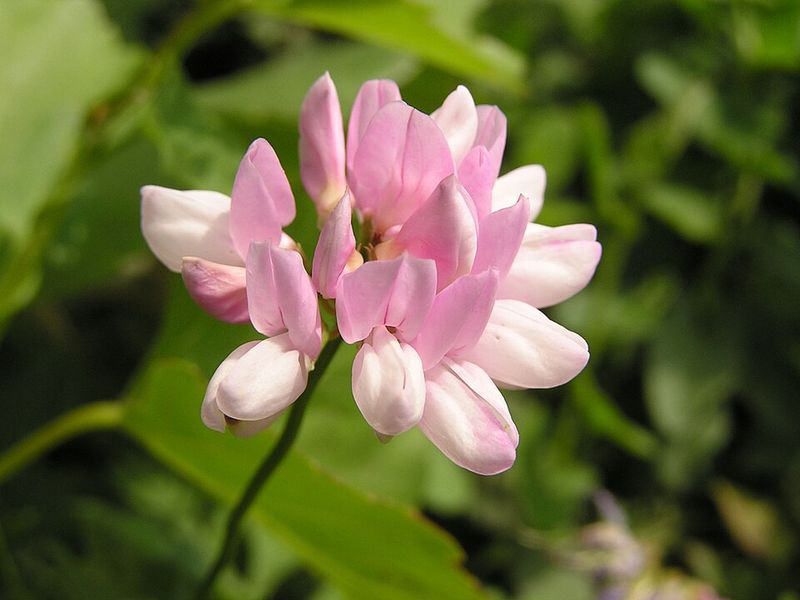
Its sweet little flowers helped win people over, too. Each flower cluster forms a pink and white crown, like clover wearing a party hat.
Farmers also liked that it added nitrogen to the soil, like a free dose of fertilizer. Honeybees visit the blooms from late spring into September, though the plant offers pollinators far less than native wildflowers do.
So what changed over the years? Scientists and gardeners slowly noticed that crown vetch refused to stay politely on the roadside.
It crept into prairies, creek banks, pastures, and eventually backyard flower beds around Iowa City and Coralville. Once there, it smothered native plants that butterflies, bees, and birds depend on.
Many Iowa conservation experts now treat crown vetch as an invasive troublemaker. Prairie restoration volunteers often point it out during workdays and nature walks.
Its scientific name even changed, from Coronilla varia to Securigera varia. The plant got a fancy new label, and it also earned a brand-new reputation.
If you spot pink clusters on a sprawling vine this September, take a closer look. That pretty patch might be an old highway helper that simply forgot to go home.
Underground Runners And Stubborn Seeds Behind The Backlash
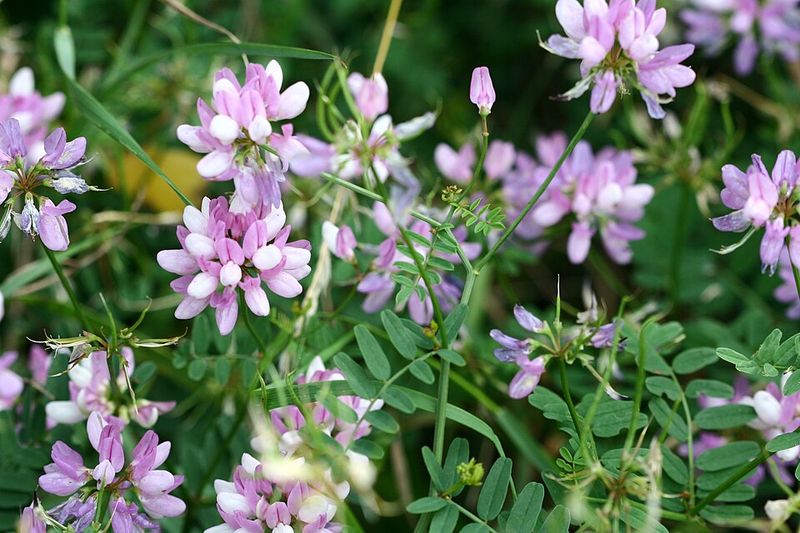
Think of crown vetch as a plant with a secret tunnel system. Beneath the soil, thick roots and runners creep sideways, and a single runner can stretch up to about ten feet.
New shoots pop up along those runners like whack-a-mole targets. Pull one stem, and new ones often sprout within weeks.
Above ground, the stems sprawl and climb over anything shorter than they are. Coneflowers, black-eyed Susans, and young shrubs can vanish under a tangled green mat.
Your Iowa Garden Changes Every Week. Your Plan Should Too.
Gardening in Iowa changes quickly throughout the season. Every Friday you’ll receive a simple weekly plan showing exactly what to plant, prune, fertilize, harvest, and protect so you never miss the right timing.
That mat blocks sunlight, and plants without light simply cannot keep up. Native prairie flowers slowly fade out, and the insects that need them leave, too.
Seeds make the problem even trickier. Each flower cluster turns into skinny, jointed pods that fan out like tiny fingers.
When the pods dry, they break into small segments that drop seeds near the parent plant. Some researchers say those seeds can stay alive underground for more than ten years.
Crown vetch also feeds itself in a clever way. Like beans and clover, it pulls nitrogen from the air and stores it in its roots.
That trick lets it thrive in poor, rocky soil where many garden plants struggle. Unfortunately, it also means extra nitrogen can favor weeds over tough prairie natives.
Horse owners have one more reason to worry about it. Crown vetch contains compounds that can make horses and other single-stomach animals sick.
Put those traits together, and you get a plant built for takeover. It is easy to see why many Johnson County gardeners consider it a serious problem.
A September Window That Gives Gardeners The Upper Hand
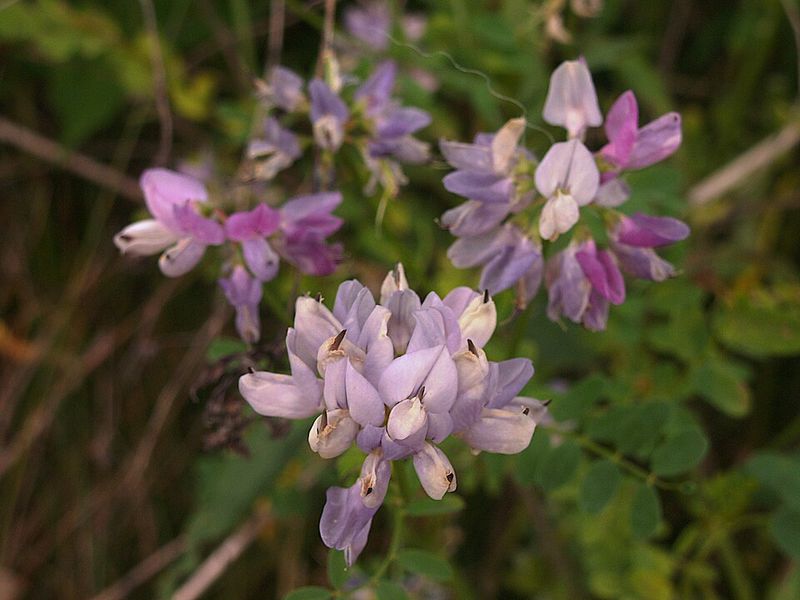
Here is good news for anyone facing a vetch patch this month. Early fall is one of the smartest times to fight back.
In September, perennial plants start sending sugars down into their roots for winter storage. Anything you apply to the leaves now travels down with that food.
That is why Iowa land managers often spot-treat crown vetch in early fall. Herbicides such as triclopyr reach deep roots better now than in spring.
Clopyralid also works, but it lingers in soil and compost, and many products are not labeled for home gardens.
Timing matters within the month, too. Aim for days when leaves are still green and healthy, ideally before the first hard frost.
Read the product label first, and follow every direction for safety. Keep sprays away from vegetables, windy days, and any flowers you love.
Prefer to skip chemicals? September still helps, because the soil is often softer after late summer rains.
Moist ground makes it easier to dig out long runners without snapping them into pieces. Cooler mornings also make the sweaty work feel less miserable.
Wear gloves and bring a sturdy garden fork instead of a flat shovel. A fork loosens roots gently, so more of each runner slides out in one piece.
Seed pods deserve attention right now, too. Many have ripened by September, so clip and bag any pods before they break apart.
Toss those bags in the trash, not the compost pile. Most backyard compost does not get hot enough to ruin tough vetch seeds.
Treat September like halftime in a long game. A strong effort now means fewer surprises when green shoots return next May.
The Mowing Mistake That Helps Patches Bounce Back
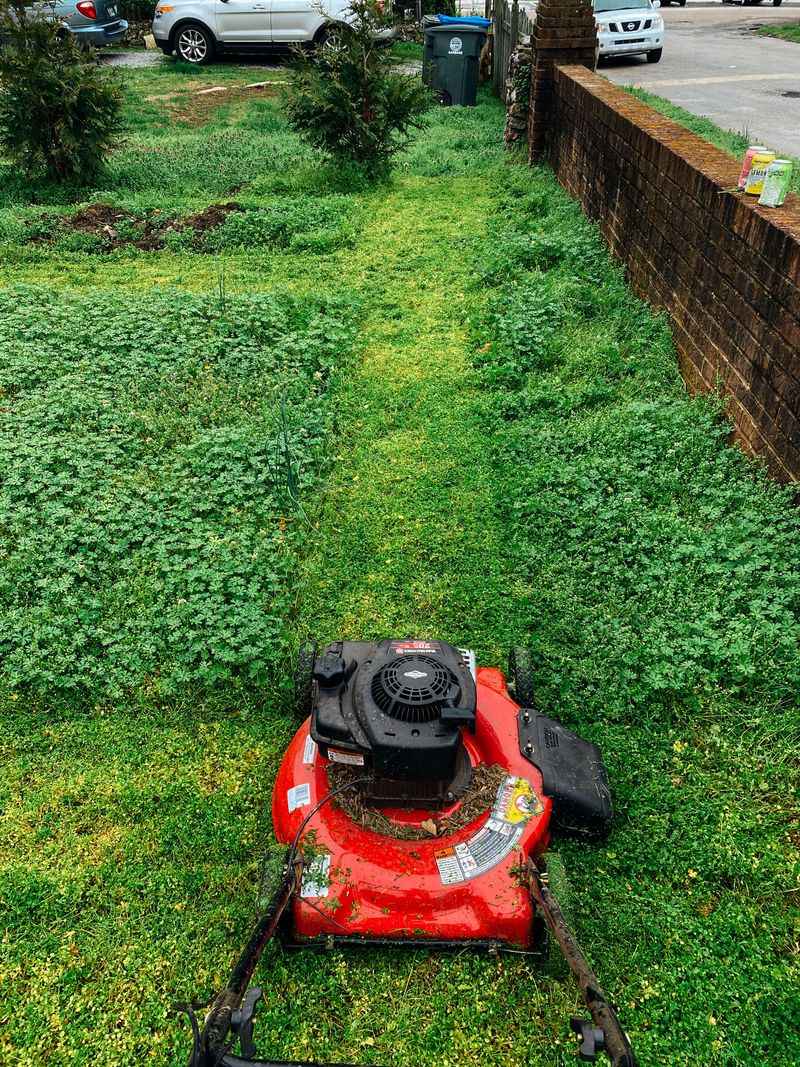
Picture a gardener who mows a vetch patch to the ground in August. By late September, the patch often looks just as full as before.
That scenario is pretty common. A single mowing chops off the tops but leaves the powerful roots untouched.
Those roots respond by pushing up fresh shoots within weeks. Mowing once simply resets the plant rather than weakening it.
Mowing still has a place, but only when it happens again and again. Cutting every few weeks for several years slowly drains the stored energy in those roots.
Pulling only the green tops is a close cousin of this mistake. Unless you follow the runner and lift it out, new stems will reappear within weeks.
Tilling is another trap that catches well-meaning gardeners. A tiller slices runners into dozens of pieces, and many of those pieces can sprout.
Instead of one patch, you might end up with a whole bed of tiny vetch starters. It is a bit like smashing a dandelion puff and hoping it goes away.
Some folks also move soil or mulch from a vetch area to a new bed. Hidden root bits and seeds hitch a ride and start fresh trouble somewhere else.
Another slip is giving up after one season. Crown vetch is patient, so a short effort usually leads to a quick comeback.
The fix starts with patience and a plan. Skip the single mow, skip the tiller, and keep soil from infested spots where it belongs.
A Steady Removal Plan For Johnson County Yards
Beating crown vetch is less like a sprint and more like training a stubborn puppy. Small, steady efforts work far better than one heroic Saturday.
Start by mapping the patch. Walk the edges, stick in a few garden flags, and snap a photo for later.
Small patches in flower beds respond well to hand digging. Loosen the soil, follow each runner with your fingers, and lift out as much root as possible.
Bag every scrap of root and stem instead of leaving piles on the lawn. Even a small chunk left on moist ground can take hold again.
Larger patches along fences or slopes may need a combination approach. Many local gardeners cut the plants low in summer, then spot-treat regrowth in early fall.
Smothering works well on sunny, flat ground. Lay thick cardboard, pile a deep layer of wood chips on top, and wait a full year.
Cardboard works best when edges overlap by several inches. Otherwise, clever shoots will find the gaps and wiggle toward the light.
Check your patch every few weeks during the growing season. Any sneaky shoot poking through should be pulled right away, before it can build strength.
Need backup? Johnson County Conservation and Iowa State University Extension and Outreach can help with plant identification and removal advice.
Neighbors matter here, too. Vetch ignores property lines, so teaming up with folks nearby keeps it from sneaking back.
Expect about three to five years of follow-up before the patch truly gives up. Celebrate each season with fewer shoots, because every bit of progress counts.
Native Prairie Plants That Help Keep Vetch From Returning
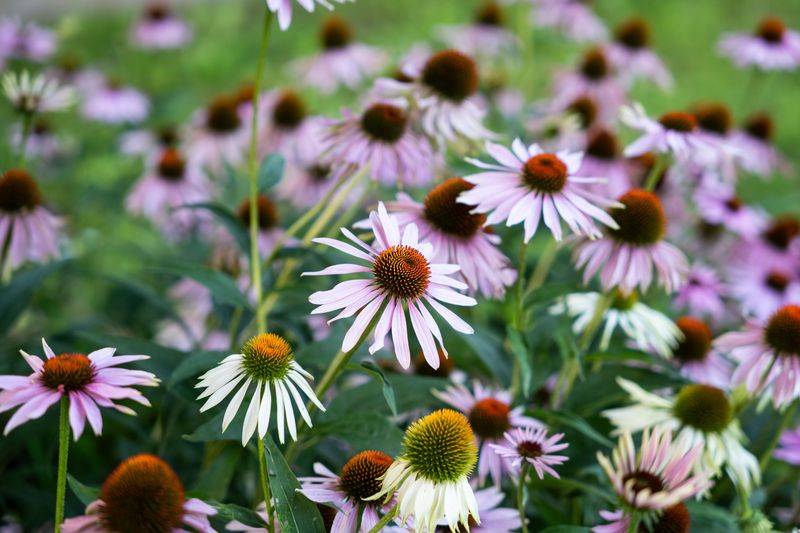
Imagine that same sunny slope two summers from now, buzzing with monarchs and goldfinches. Native plants can make that happen once the vetch is gone.
Bare soil is an open invitation for weeds, including crown vetch sprouting from old seeds. Filling that space quickly with deep-rooted natives is the best long-term defense.
September gardeners are in luck here. Fall is a great season to plant native perennials, since cooler air helps roots settle in.
For sunny slopes, try little bluestem, prairie dropseed, and side-oats grama. These grasses form tight clumps and hold soil nearly as well as vetch once did.
Mix in colorful flowers like purple coneflower, wild bergamot, and butterfly milkweed. Pollinators will thank you, and your garden will look lively from June through September.
Seeding a bigger area works well after the ground cools in late fall. Many prairie seeds actually need a cold winter nap before they sprout in spring.
Water new transplants weekly until the ground freezes if autumn turns dry. A thin layer of mulch around each plant helps block stray vetch sprouts, too.
Keep watching for vetch seedlings for several years, since old seeds wake up slowly. Pull them while small, when their roots slide out with barely a tug.
Buying plants carefully helps, too. Check seed mixes for crown vetch, since older erosion blends sometimes still include it.
The reward is a yard that feels more like Iowa and less like a battlefield. Here is a fun fact: some prairie plants grow roots deeper than you are tall!