7 California Native Plants That Are Easier To Establish In Fall
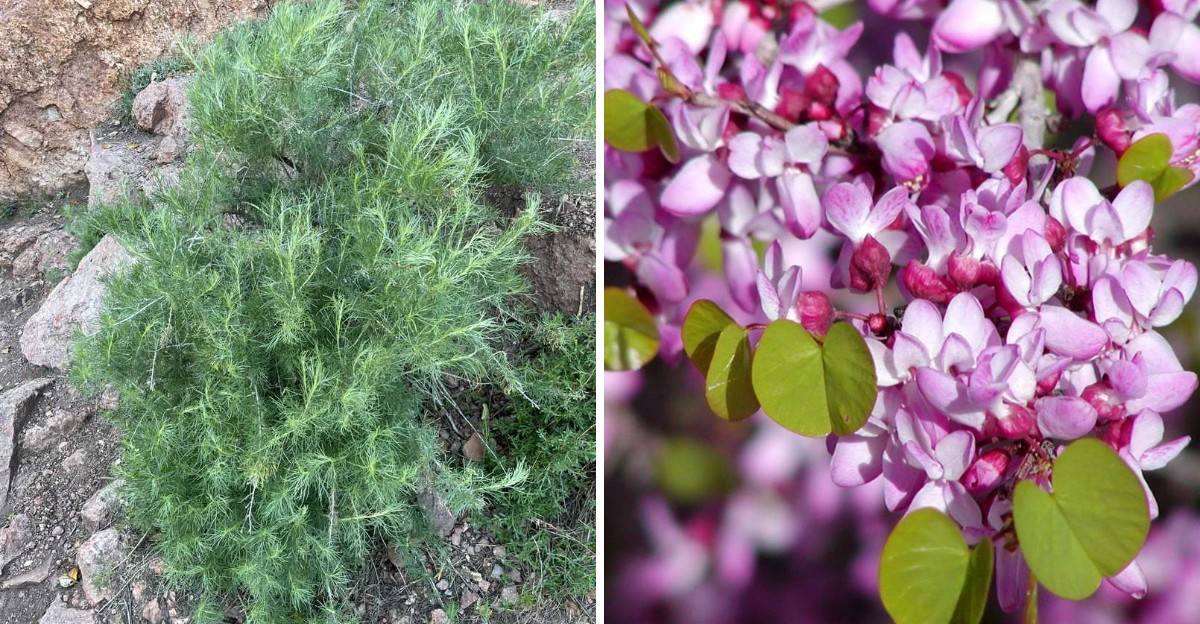
Every October, plenty of California gardeners hang up their trowels, convinced the planting season ended back in spring.
It’s an easy mistake to make. For native plants, though, fall is actually the best time of year to get roots in the ground.
Here’s what changes everything. Cooler air means less stress on young plants, and winter rain, when it comes, does a lot of the watering for you automatically.
Seven natives grow stronger and settle in more easily when planted now instead of waiting for spring’s tight window.
Curious which shrub on this list is secretly picky about timing, and which one got its scent tucked into cowboy pockets a century ago? The answer starts on a hillside turning blue every March.
1. Ceanothus Roots In Before Spring Bloom
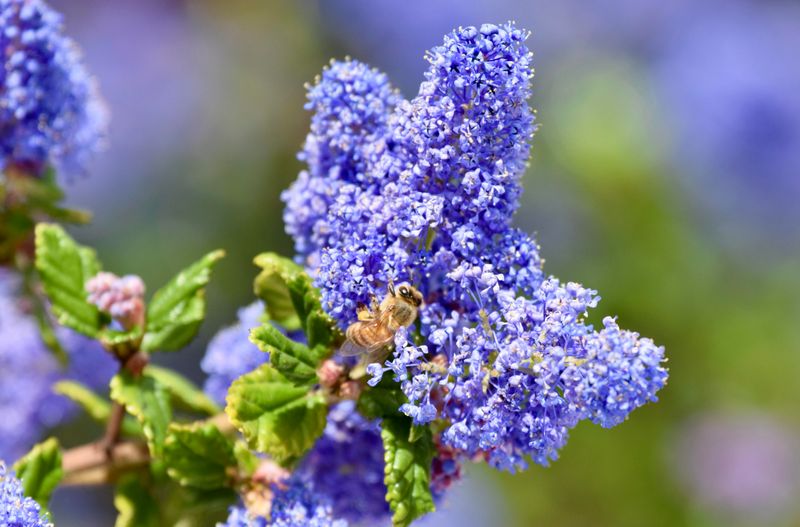
Picture a hillside turning bright blue in March, buzzing with bees from every direction. That show comes from ceanothus, often called California lilac, and the secret to getting it in your own yard starts months earlier than bloom time.
A fall planting gives the shrub a head start that spring planting simply cannot match.
Here’s why timing matters so much. When you plant in October or November, the air is cooler, so the leaves lose less water while the roots settle into new soil undisturbed.
Then winter rains, when they arrive, soak the ground and help those roots spread out without you dragging a hose around every other day.
By the time spring comes, the plant is busy making flowers instead of fighting to survive. A ceanothus planted in May has to face its first summer with a tiny root system, which is a lot of stress for a young shrub to handle.
A few tips help ceanothus thrive from the start. Pick a sunny spot with soil that drains well, since soggy roots can lead to root rot fast. Dig a hole about as deep as the pot and a bit wider, then water deeply right after planting.
Check the soil every week or so during dry spells. If a winter goes by with little rain, which happens often in California, give it a deep drink every couple of weeks.
Once established, most ceanothus types prefer little or no summer water, so ease off after the first year or two.
2. Manzanita Settles In During Cooler Months
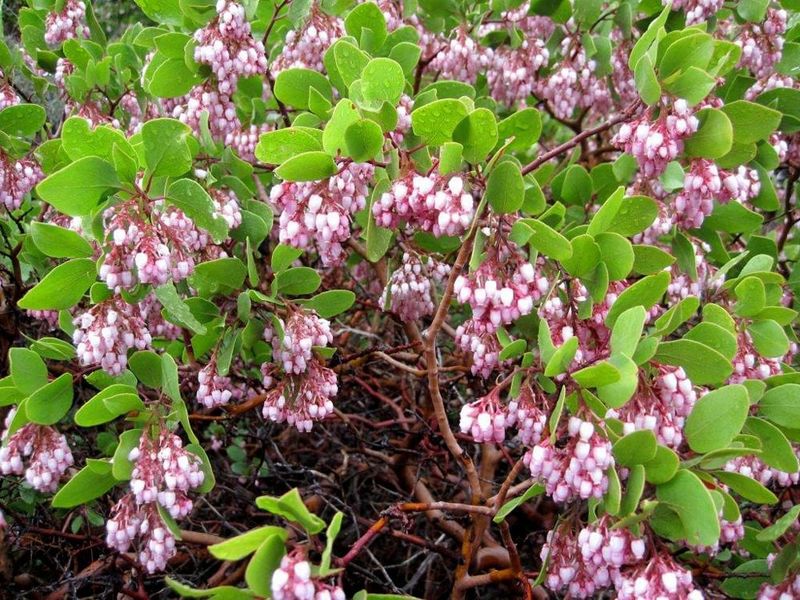
Manzanita has a reputation for being picky, and honestly, it earns every bit of it. Gardeners who plant one in July often watch it wilt, sulk, or even fail within weeks. Try the same shrub in November, though, and the story usually turns out much better.
The name means little apple in Spanish, a nod to the tiny fruits that follow its pink or white bell-shaped flowers. Those twisting red branches look tough, but young roots are surprisingly sensitive to heat and to warm, wet soil.
Cool fall weather solves both problems at once. Lower temperatures mean the plant loses less moisture through its leaves while it adjusts to its new home. Rain arriving in winter keeps the soil cool and damp, which is exactly how manzanita roots expect to grow in the wild.
Your California Garden Changes Every Week. Your Plan Should Too.
Gardening in California changes quickly throughout the season. Every Friday you’ll receive a simple weekly plan showing exactly what to plant, prune, fertilize, harvest, and protect so you never miss the right timing.
Summer watering is where many people go wrong with this plant. Manzanitas are prone to root diseases when the soil stays warm and wet, so frequent summer irrigation can do more harm than good once they settle in.
Planting in fall lets the roots grow deep during the rainy months, so the shrub needs far less help later on.
For the best start, choose a sunny or lightly shaded spot with fast-draining soil, and plant slightly high so water runs away from the stem. Skip fertilizer, which manzanitas rarely need at all.
During the first summer, an occasional deep soak every few weeks is usually plenty, especially in hotter inland areas. Patience pays off here, since manzanitas grow slowly at first but live for decades.
3. Toyon Establishes Ahead Of Winter Rain
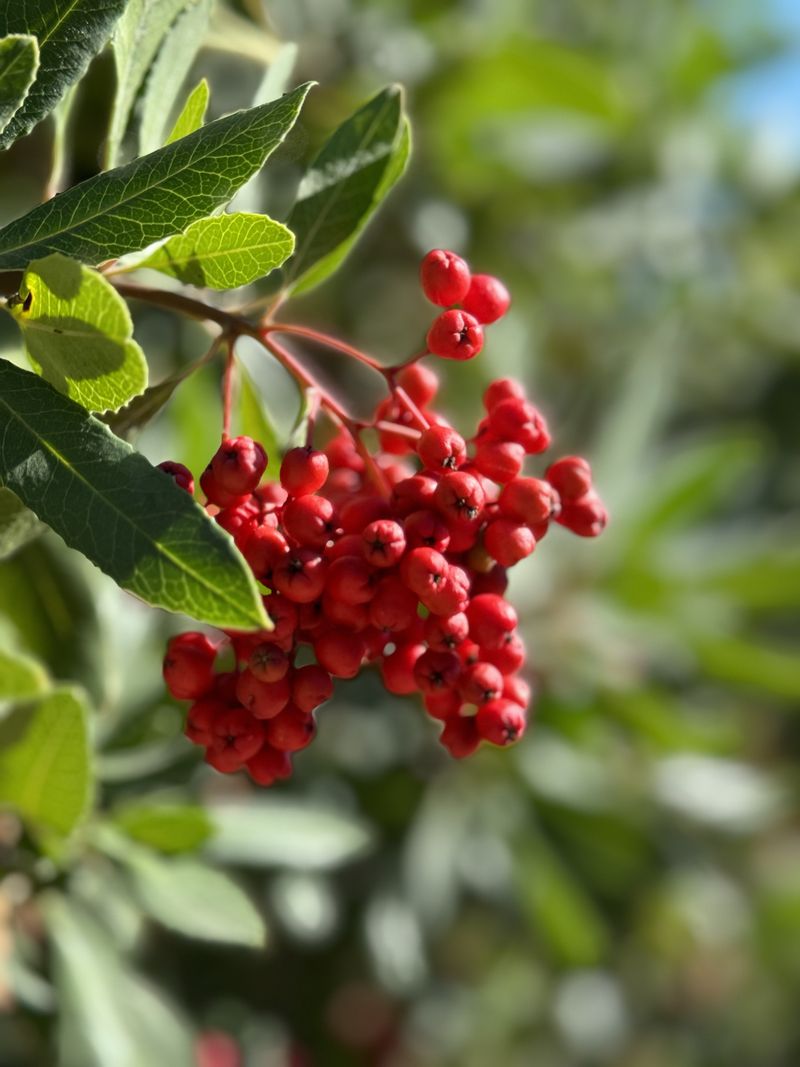
Hollywood may owe its name to a humble shrub, believe it or not. A popular story says toyon, sometimes called California holly, grew so thickly in the hills around Los Angeles that it inspired the famous neighborhood’s name.
That same tough plant can be one of the easiest natives to get growing, as long as you plant it at the right time.
California gets most of its rain between roughly November and March. Planting toyon in early to mid fall puts it in the ground just before that wet season begins. The roots then have several months of cool, moist soil to stretch out before summer drought returns.
Compare that with a spring planting for a moment. A toyon set out in April gets only a few weeks of natural rain, then faces months of heat with a small root ball, which means you become its full-time water supply.
Toyon is also wonderfully flexible as a garden plant. It handles sun or partial shade, grows in many soil types, and can reach 6 to 15 feet tall, making it great as a screen or wildlife hedge.
Birds like robins and cedar waxwings flock to its bright red berries in winter.
Water your new toyon well at planting and keep an eye on the forecast. Rain is never guaranteed, so during dry winter stretches, give a deep soak every week or two.
After two summers, most toyons get by on little or no extra water, though inland plants may appreciate an occasional summer drink.
4. California Sagebrush Adapts Quickly This Season
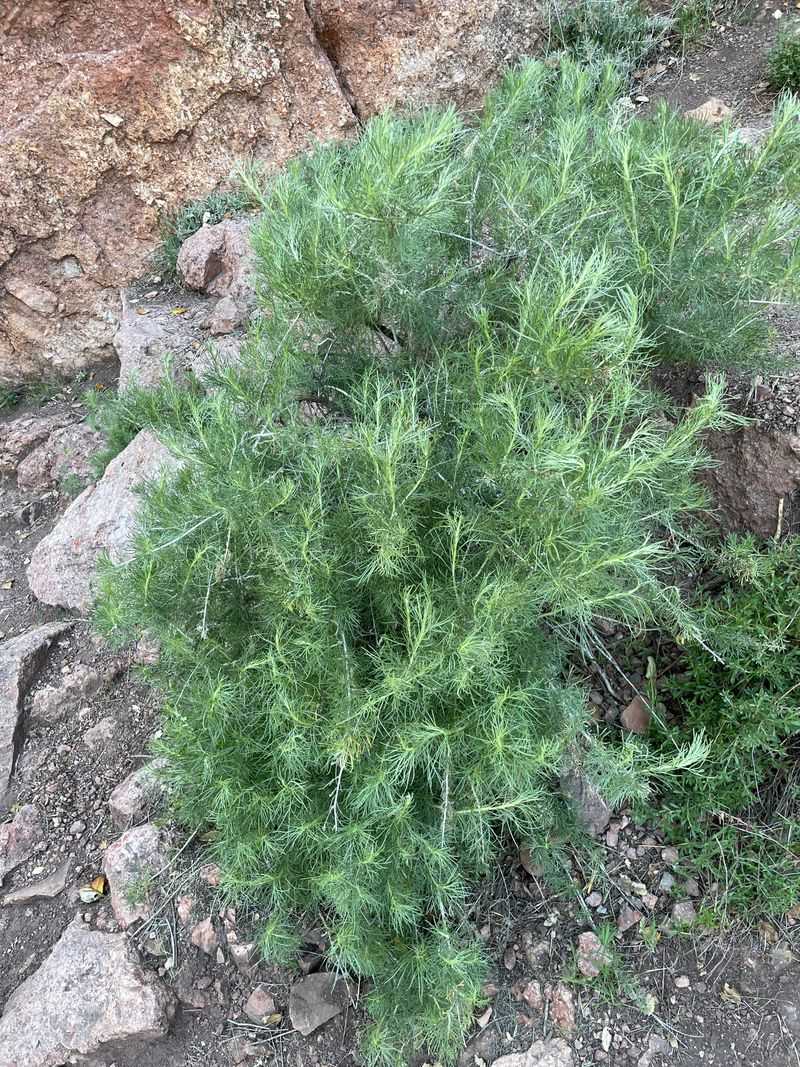
Crush a leaf of California sagebrush between your fingers, and you’ll smell the coastal hills after a rainstorm instantly. Early cowboys supposedly tucked sprigs into their clothes to cover up campfire smoke and trail odors, earning it the nickname cowboy cologne.
Beyond its famous scent, the silvery shrub is one of the fastest natives to settle into a new garden.
Despite its name, California sagebrush is not related to the sage you cook with at all. It belongs to the genus Artemisia, along with plants like wormwood and mugwort.
In the wild, sagebrush does most of its growing during the cool, rainy months. When summer heat arrives, it slows down and may drop some leaves to save water, a trick called summer dormancy. Planting in fall lines up perfectly with its natural growth cycle.
Young plants put out new roots and fresh gray-green growth within weeks of a good rain. Many gardeners are surprised at how full a small nursery plant looks by the following spring.
To keep things easy, choose full sun and soil that drains well. Clay can work on a slope, but avoid low spots where water puddles up.
Give the plant a thorough soak after planting, then water only during long dry spells until it looks settled.
One warning worth remembering. Overwatering in summer can shorten its life considerably. A little neglect after year one actually keeps California sagebrush healthier, and it rewards you with a soft, fragrant shape that small birds use for cover and nesting.
5. Western Redbud Rewards An Early Start
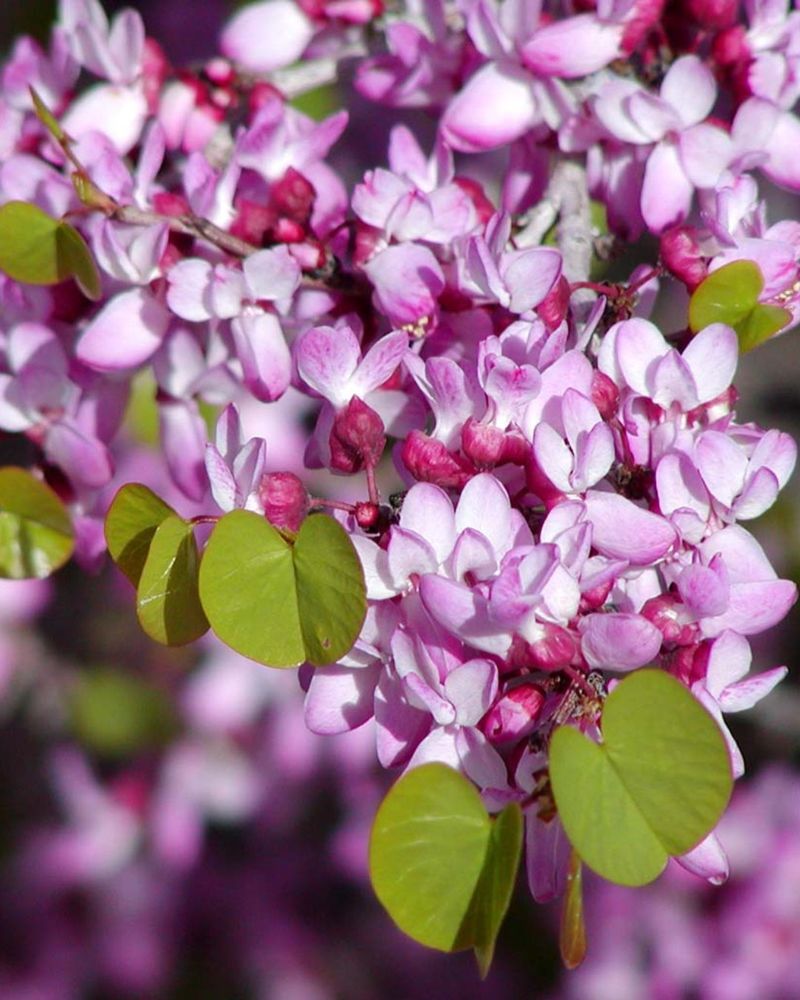
Few sights say spring is coming quite like a western redbud covered in magenta blossoms before a single leaf appears. Along foothill roads and creek banks, these small trees light up bare branches as early as February or March.
If you want that color in your own yard, fall is the smartest time to plant.
Because redbud blooms so early, it has very little time in spring to grow roots before it starts pouring energy into flowers. A fall planting gives it an entire rainy season to build a root system first.
The result is a tree that can handle bloom time and the summer heat that follows without struggling.
Cool weather also matters here in a specific way. Redbuds actually need a stretch of winter chill to flower their best, which is one reason they shine in inland valleys and foothills more than on the mild coast.
Planting tips are simple enough. Choose a spot with full sun or light afternoon shade and soil that drains reasonably well. Water deeply after planting, then let winter rain do much of the work, adding a soak every week or two if storms are scarce.
The show does not end with spring flowers either. Heart-shaped leaves turn from bright green to yellow or red in autumn, and flat seed pods in shades of purple and brown hang on into winter.
Once established after a few years, redbud needs only occasional deep summer watering, making it a lovely, low-fuss tree for many yards.
6. Coast Live Oak Prefers A Fall Start
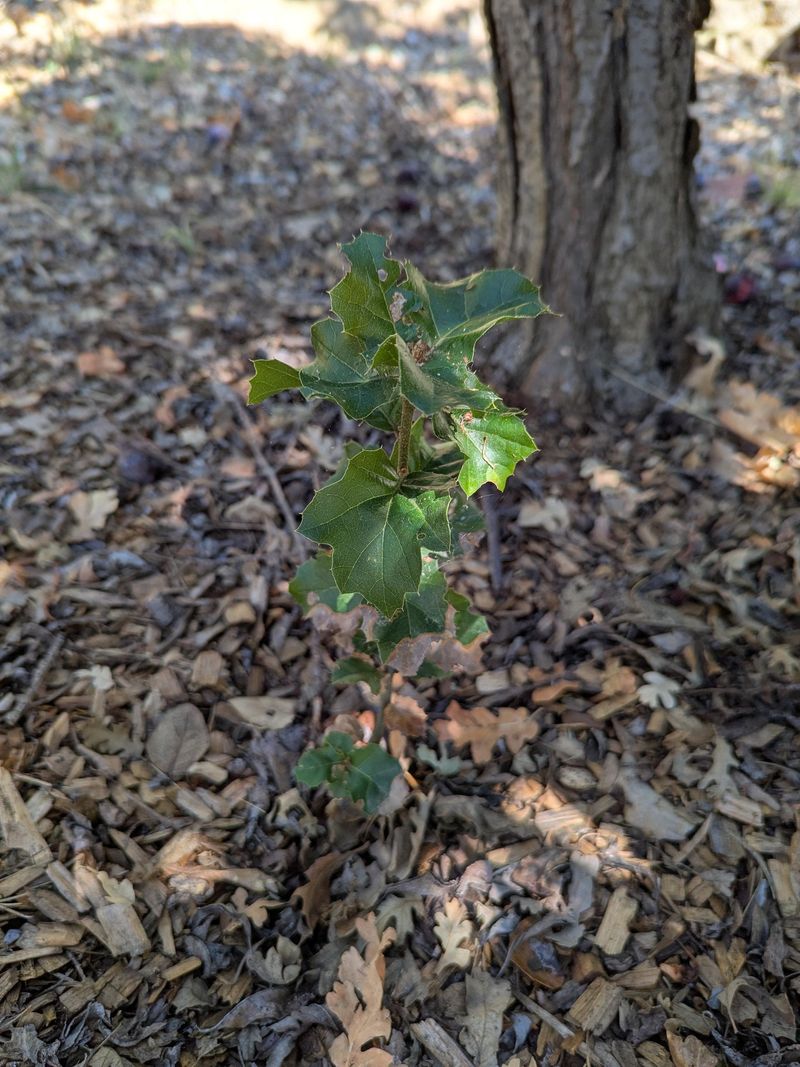
Some coast live oaks standing today were already sizable trees when California became a state in 1850. These evergreen giants can live for centuries, yet every one of them started as a small acorn or seedling. For anyone planting an oak, fall is when nature itself would choose to begin.
Acorns drop from coast live oaks in autumn, right before the rainy season begins. Squirrels and scrub jays bury many of them, and the forgotten ones sprout as winter rain soaks the soil.
Young oaks push a long taproot downward first, sometimes reaching deeper than the seedling is tall within the first year. That deep root is what lets the tree survive dry summers later on.
When you plant a small oak or acorn in fall, you copy that natural schedule exactly. Cool air keeps stress low above ground, while moist winter soil encourages the root to grow down fast.
A spring-planted oak, by comparison, may need regular watering all summer just to hang on and survive.
Smaller is often better here too. Seedlings in small pots or acorns planted directly tend to establish more easily than large boxed trees, whose roots may be circling or cramped inside the container.
Protect young oaks with a wire cage or tube to keep gophers, deer, and rabbits away. Give deep, occasional water during dry winters and the first couple of summers.
After that, avoid frequent summer irrigation near the trunk, since mature coast live oaks can suffer root disease from it.
7. Buckwheat Fills In Before Next Summer
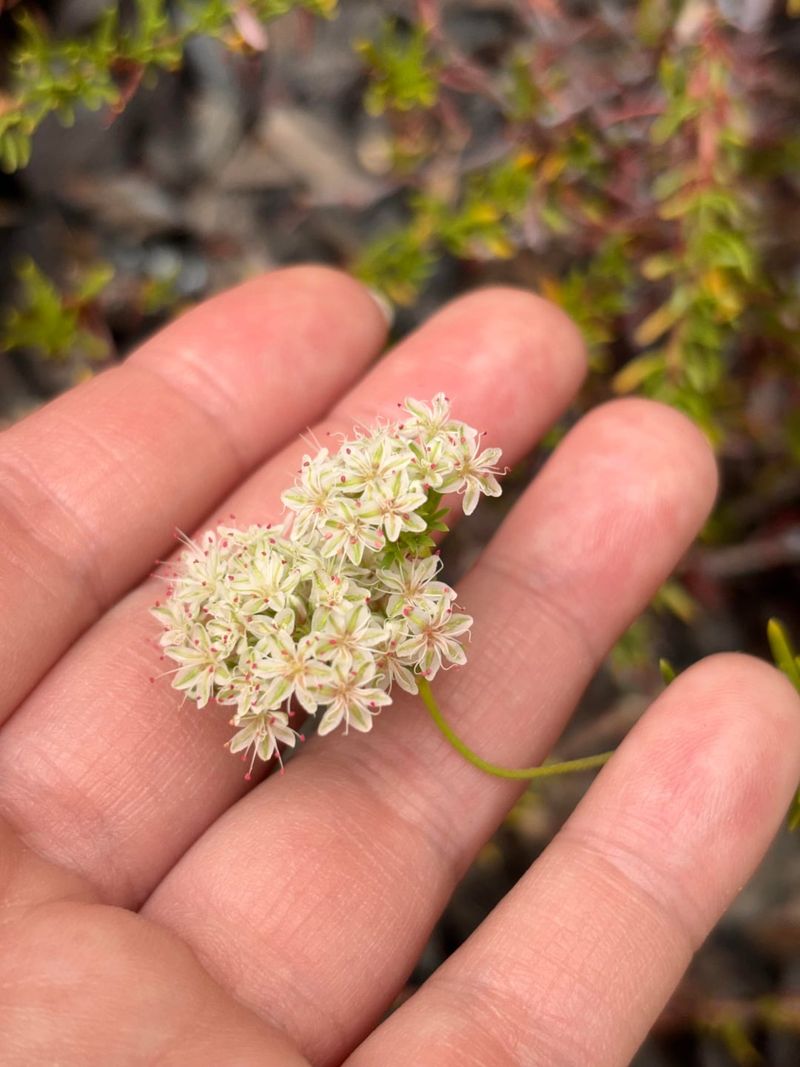
Walk past a patch of California buckwheat in June, and you’ll hear it before you notice it. Bees, butterflies, and other pollinators crowd around its clusters of tiny white to pink flowers, which fade to a rusty brown that many gardeners love just as much.
Planting in fall gives buckwheat a full rainy season to spread roots and fill out before next summer’s dry heat arrives. Plants set out in October or November often bloom the following spring and summer, looking settled rather than stressed.
Give it full sun and fast-draining soil, then water during dry spells in its first year only. Once established, it needs little to no summer irrigation in most areas of the state.
The same pattern runs through every plant on this list, worth noting as a whole. Ceanothus, manzanita, toyon, sagebrush, redbud, oak, and buckwheat all evolved with hot, dry summers and cool, wet winters built into their biology.
Planting in fall means cooler air lowers transplant stress while winter rain, when it shows up, handles much of the watering you would otherwise do by hand.
One honest caution worth remembering. California rainfall changes a lot from year to year, and some winters stay dry regardless of the season. Keep checking soil moisture and water deeply when storms skip your area entirely.
Also, specific watering needs vary by region, so check with your local extension program for advice tailored to your area.