Never Spray Neem Oil On California Tomatoes When It Gets This Hot
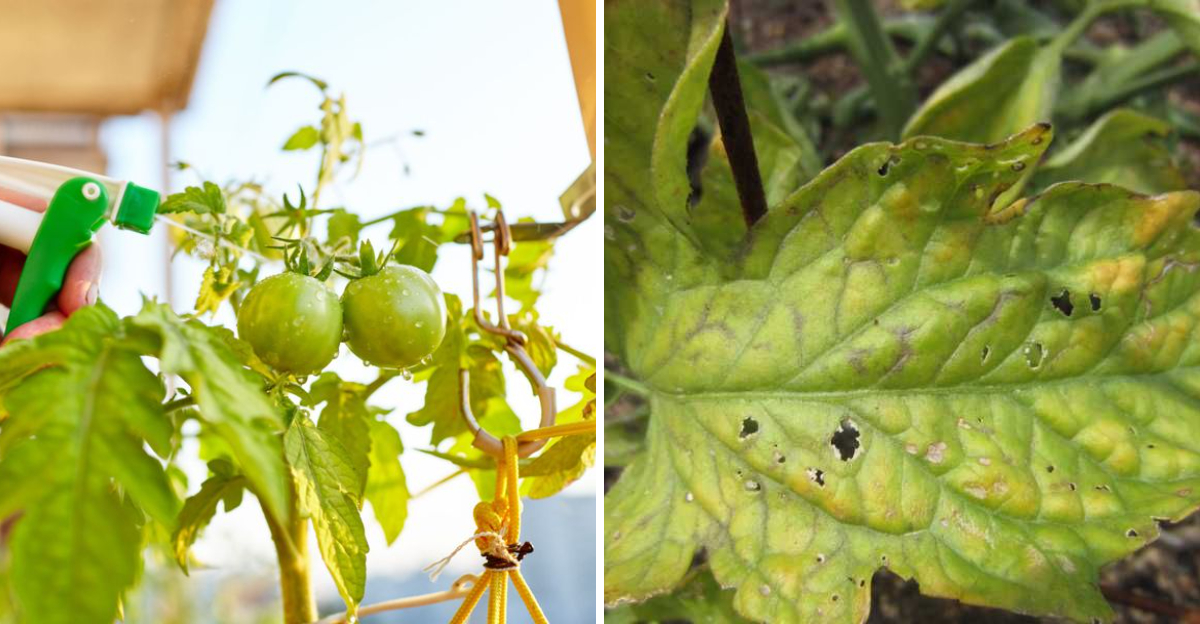
California tomato plants can look tough until a hot afternoon proves otherwise.
One minute, you are staring at aphids, mites, or whiteflies and reaching for the neem oil like a responsible gardener.
The next, the leaves look scorched, speckled, dull, or weirdly bronzed, and the pest problem suddenly has company.
That is the trap.
Neem oil sounds gentle because it comes from a tree, but on tomatoes in extreme heat, it still acts like oil. It coats tender tissue.
It changes how leaves handle sun. It can turn a stressed plant into a regretful little chemistry lesson by dinner.
The most dangerous part is how normal the mistake feels. You spot pests, grab the sprayer, and act fast.
Fast is not always smart in a California heat wave.
So when is neem oil most likely to hurt your tomatoes instead of helping them?
The answer starts with the thermometer, the label, and one sunny window you should skip completely.
Your harvest can wait for cooler, safer timing and calmer choices.
Heat Makes Oil Injury More Likely
Neem oil can be helpful in the right window.
That window closes fast when California heat climbs. On a tomato leaf, oil does not simply disappear the second it lands.
It forms a thin coating over the surface, and that coating can become risky when sun, heat, and dry air hit at the same time.
Tomato leaves already work hard in hot weather. They move water, cool themselves, and protect tender tissue from intense light. Add an oil film during a heat spike, and the leaf has less room for error.
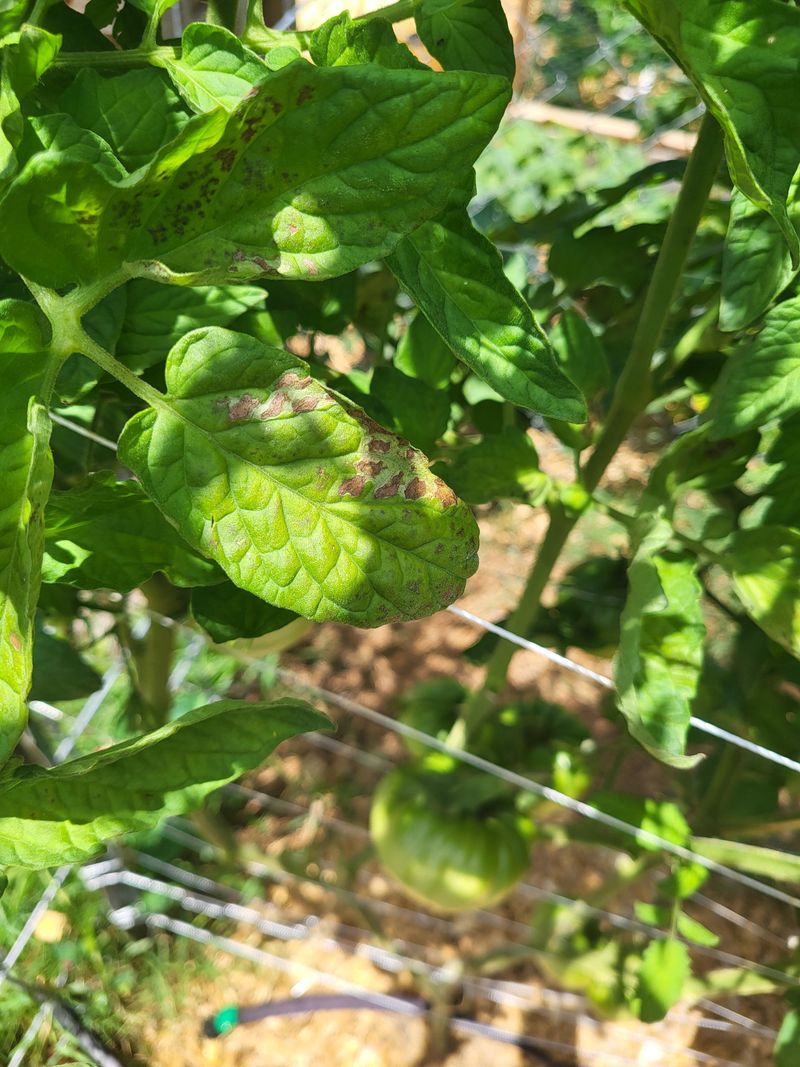
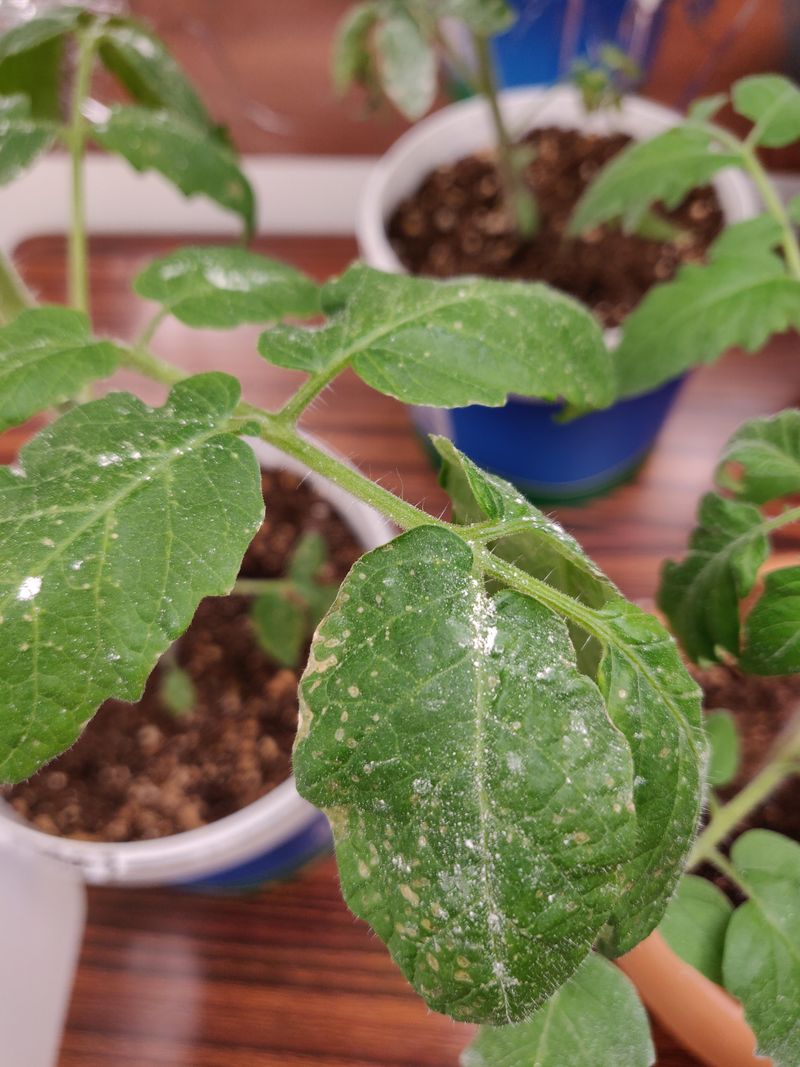
That is when phytotoxicity can show up. The word sounds fancy, but the result looks painfully plain: scorched edges, tan spots, bronzed patches, or leaves that look rough after a spray that was supposed to help.
Most neem oil labels set a temperature ceiling. Many gardeners see numbers around 85 to 90 degrees, but the exact limit depends on the product.
Your bottle gets the final vote.
Do not borrow a rule from a different brand, a neighbor, or a forum thread from someone gardening near coastal fog. Inland valleys can heat up fast, and the leaf surface may feel hotter than the air around it.
Neem oil does not become more useful because the pest pressure feels urgent.
In high heat, patience protects the plant better than a rushed spray.
Dry Plants React More Severely
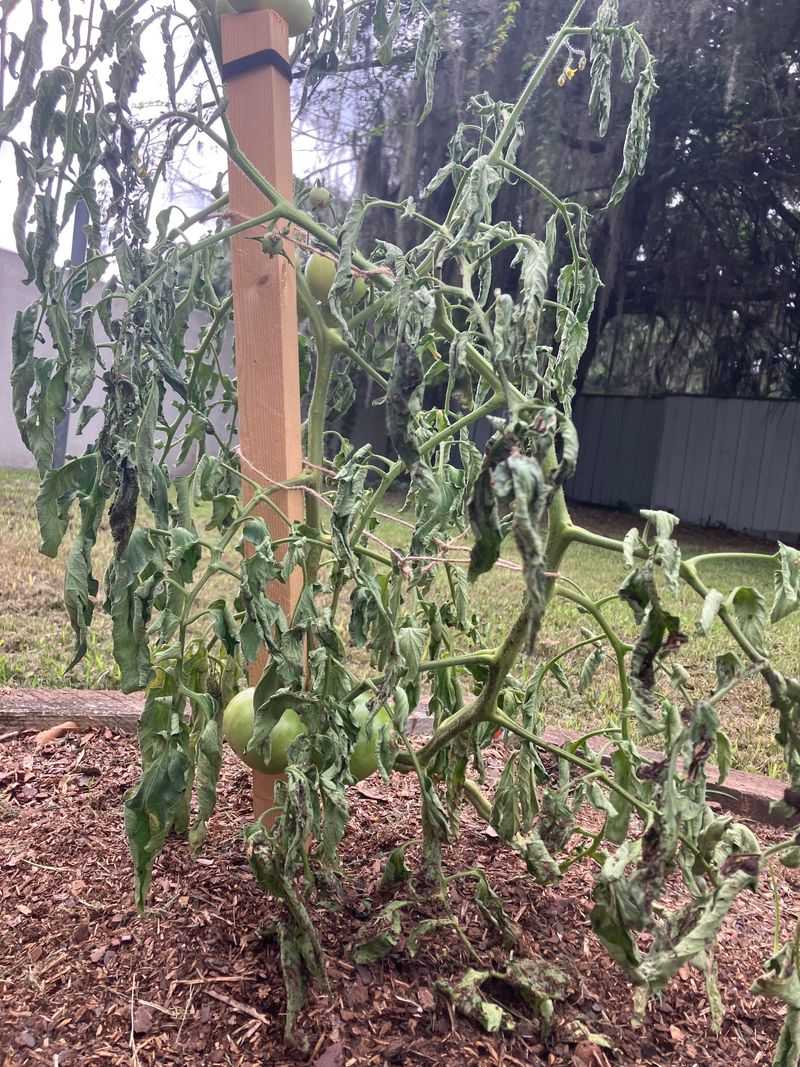
A thirsty tomato is already under pressure.
Spraying neem oil on top of that stress can turn a small pest problem into leaf injury that lingers. Water-stressed plants cannot move moisture through their tissues as smoothly, and that makes them less able to handle any oil-based product.
This matters a lot in California summer gardens. Raised beds dry fast. Containers dry even faster. A black nursery pot on a patio can heat the root zone far beyond what the air temperature suggests.
That plant may look upright in the morning and wilted by lunch. It is not ready for a spray just because the pests are annoying.
Your California Garden Changes Every Week. Your Plan Should Too.
Gardening in California changes quickly throughout the season. Every Friday you’ll receive a simple weekly plan showing exactly what to plant, prune, fertilize, harvest, and protect so you never miss the right timing.
Water first, then wait.
A quick drink right before spraying is not enough for a plant that has been wilting for several days. Give the soil a deep soak, let the plant recover, and check again later. Firm leaves and evenly moist soil at root depth tell you more than the surface does.
Container tomatoes deserve extra caution. Feel the potting mix several inches down, not just near the top crust.
If the plant still looks limp, curled, dull, or tired, skip the neem. Stress and oil make a poor summer partnership.
The pests may need attention, but the tomato needs stability first.
A recovered plant handles treatment better than one already begging for mercy in a hot pot.
Tender Leaves Show Damage First
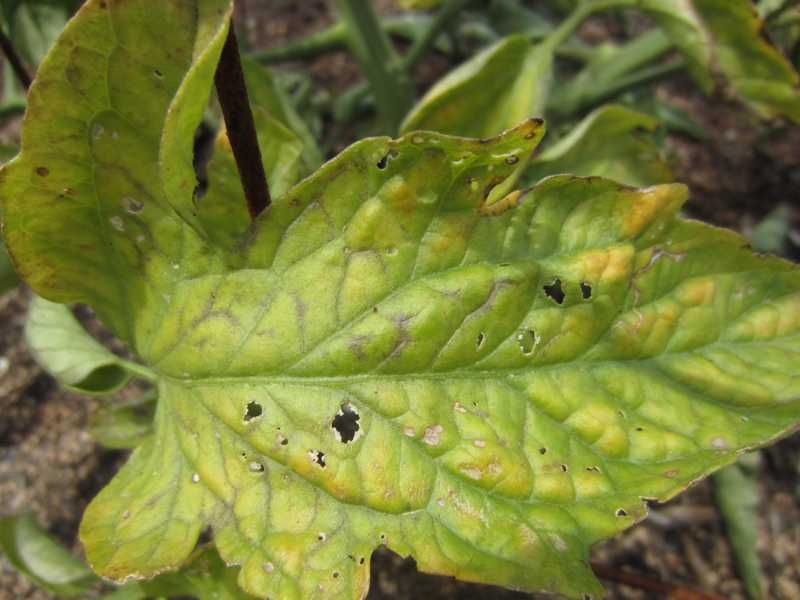
New tomato growth is the first place trouble usually tattles.
The youngest leaves at the shoot tips are soft, thin, and still expanding. Flower clusters and fresh stems are also more delicate than mature foliage.
When neem oil meets heat stress, that tender tissue often reacts before the rest of the plant shows anything unusual.
Watch the growing tips after any spray.
Leaves may curl, pucker, spot, or turn papery at the edges. Some may take on a dull bronze or silvery cast that looks a little like pest damage at first glance.
That confusion can cause the worst follow-up move: spraying again.
Do not treat mysterious new damage as proof that pests got worse. Look at timing. If the symptoms appeared within a day or two after a hot-weather application, oil injury deserves suspicion.
A test patch helps prevent that spiral. Spray a few lower leaves first, then wait the label-listed period before treating the whole plant.
Pick leaves you can afford to lose. Your best flower cluster does not need to volunteer for science.
Check the patch in bright morning light. Look for spots, curling, dullness, or scorched edges.
If the test leaves react badly, stop there. Let the plant recover and reassess the pest problem.
Tender growth gives early warnings. Listen to it before the whole tomato becomes part of the lesson.
Fruit Can Develop Russeted Patches
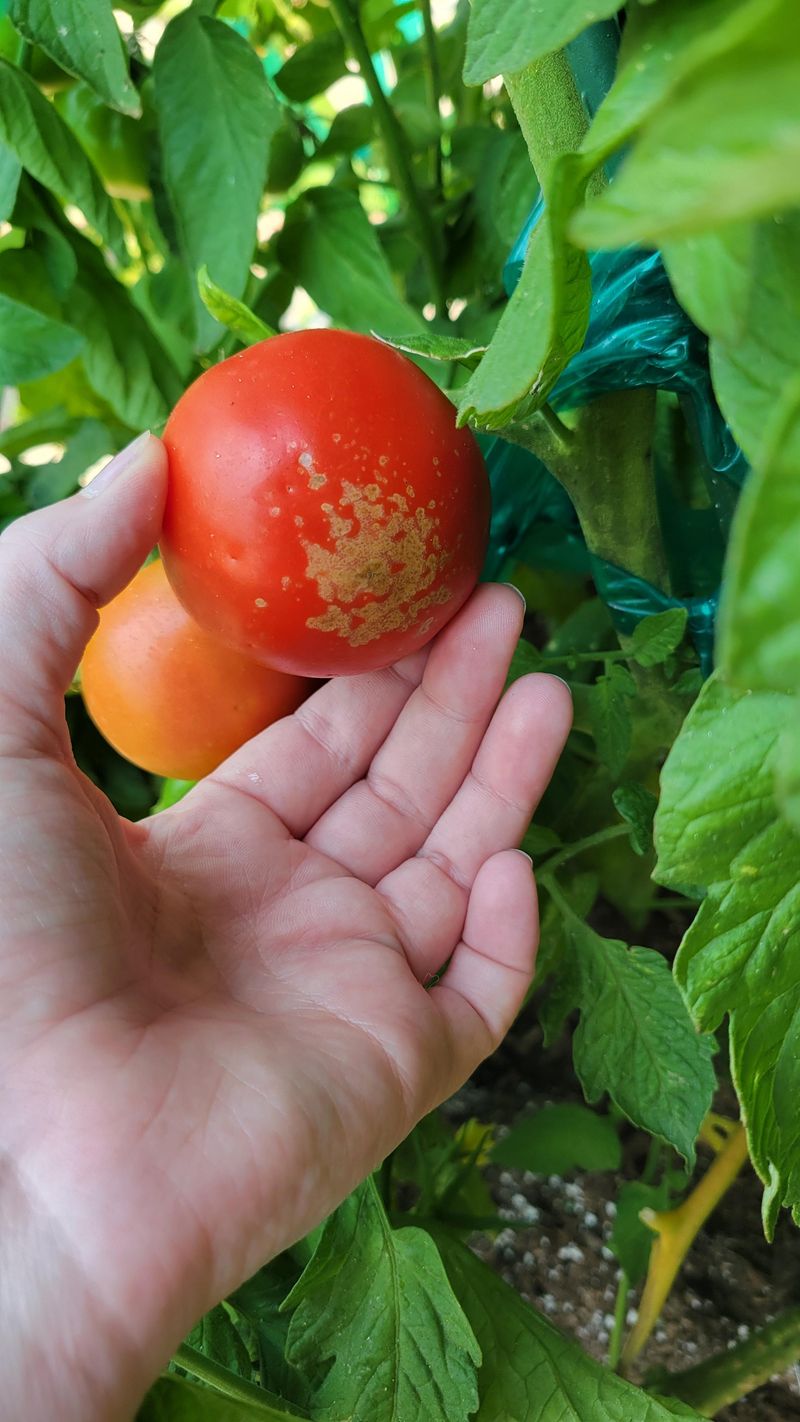
Tomato fruit can show the mistake too.
Neem oil aimed at leaves does not always stay only on leaves. Spray drift, runoff, and heavy coverage can coat developing fruit, especially when clusters sit tucked inside dense foliage.
In cooler weather, that residue may spread and dry with fewer issues. In high heat, oil can cling, concentrate, and leave the fruit surface looking dull, rough, or russeted.
That does not always mean the tomato is ruined inside. It can still affect appearance, texture, and confidence at harvest.
For anyone sharing, selling, or proudly arranging tomatoes on the counter like garden trophies, cosmetic damage matters. Nobody grows heirlooms all summer hoping for a waxy-looking finish.
Thin-skinned varieties need extra care. So do fruits already showing sunscald stress, pale patches, cracking, or heat strain.
Keep the spray rate exact. More neem does not mean more control. It means more residue and more chance for plant injury.
Check that your product label lists tomatoes as an approved crop. Also check the pre-harvest interval, because that detail tells you how long to wait before picking after application.
Avoid spraying fruit-heavy plants during extreme heat. Use a cooler, label-approved morning window and apply only the coverage needed.
Tomato fruit is the reward for months of work.
Treat it like something worth protecting, not like a testing surface for panic pest control.
Afternoon Sun Intensifies Leaf Scorch
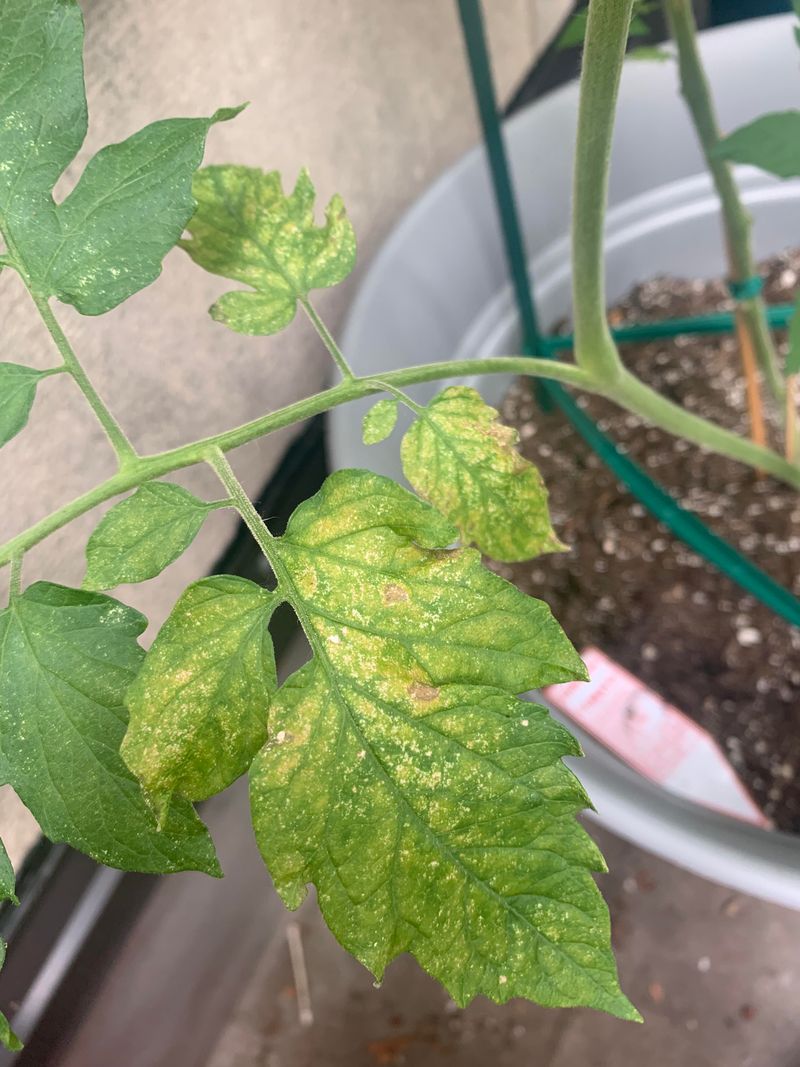
A hot afternoon is the worst time to start spraying.
By then, tomato leaves have already spent hours dealing with sun, reflected heat, low humidity, and hot soil. Add neem oil to that leaf surface, and the plant gets one more stress right when it has the least patience left.
Midday and afternoon applications are especially risky in inland California gardens. The air may read one number, but leaf surfaces, raised-bed soil, walls, concrete, and containers can push the actual plant environment much higher.
Late afternoon can fool you too. The sun sits lower, but the garden may still be heat-loaded from the day. A spray applied then may dry too fast or sit on stressed tissue before the plant has fully cooled.
Use the hourly forecast, not just the daily high.
A day labeled 88 degrees can still climb past the safe window in your yard before the spray dries. Microclimates matter. Coastal gardens, valley gardens, foothill gardens, and patio containers can behave like different planets.
Early morning is usually the safest window in summer. Wait until dew clears, then spray before the heat builds.
Do not spray open flowers when pollinators are active.
The sweet spot is boring, cool, calm, and label-approved. Very unglamorous. Very useful.
Tomatoes do not need brave afternoon spraying. They need timing that does not stack heat on top of oil.
Sulfur And Oil Create A Risky Mix
Neem oil and sulfur should not crowd each other.
Both products show up in vegetable gardens, so the mistake is easy to make. A gardener treats for one problem, then sees another issue and reaches for the next bottle.
The tomato plant gets caught between two products that can react badly when applied too close together.
Sulfur and horticultural oils are a risky pairing because the combination can increase phytotoxicity. That means more spotting, scorching, bronzing, or leaf distortion than either product might cause alone.
The waiting period matters. Many labels warn against applying oil within a set number of days before or after sulfur. The exact interval depends on the products, so your label has to lead.
Do not guess. Do not average advice from two bottles. Do not trust memory from last season.
Write it down.
A simple spray log can save your plants. Record the date, product name, active ingredient, rate, weather, and what you treated. That way, you know when it is safe to use another product.
Never mix neem oil and sulfur in the same sprayer unless the labels specifically allow it. In most home-garden situations, that is not a shortcut worth considering.
Combination products deserve attention too. A fungicide may contain sulfur even when the front label does not make that obvious.
Read the fine print before tomatoes pay for the mix.
Wait For A Cooler Label Approved Window
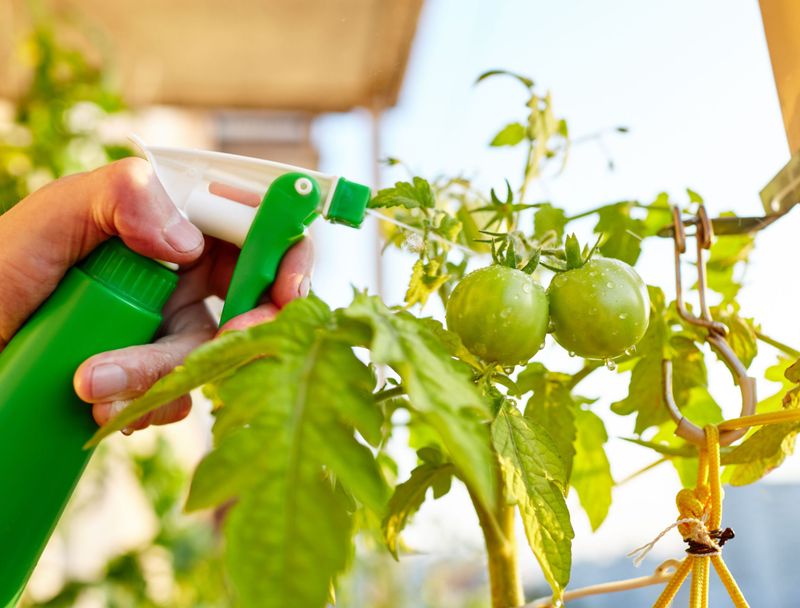
Neem oil works best when the gardener slows down first.
Start with the pest. Identify it before spraying anything. Aphids, mites, whiteflies, hornworms, leaf spots, nutrient stress, and heat injury all need different responses, and a shiny bottle cannot solve a mystery by itself.
Then check the plant. Leaves should look firm. Soil should feel evenly moist at root depth. Flowers should not be busy with bees. Fruit should not already show heavy sun or heat stress.
Next, check the label and forecast together.
Pick a morning when temperatures stay below the product’s limit through the full drying period. Not just at the moment you spray. The hours after application matter too.
Mix only the label amount. More oil is not stronger gardening. It is just a faster route to residue, leaf injury, and regret.
Skip dish soap unless the label tells you to add it. Kitchen logic does not belong in a pesticide mix.
Use the listed protective gear. Gloves and eye protection may feel fussy for a plant-based product, but plant-based does not mean consequence-free.
Test a small section first when heat has been intense or the variety is new to you. Wait the label-listed time and inspect the leaves.
After spraying, scout every few days. If injury appears, do not reapply.
A cooler window is not a delay. It is the treatment actually standing a chance.