The Reason North Carolina Gardeners Are Overseeding Fescue Lawns Now While The Soil Is Damp
Your neighbors are keeping a secret this week, and their yards are quietly giving it away right in front of you. Certain products keep vanishing from your local shelves faster than anyone expects, and nobody wants to explain why.
North Carolina yards look different around you right now, shifting in ways most people walk past without noticing. Timing controls nearly everything here, and getting it wrong will cost you far more than you realize.
Weather patterns moving through your region are handing you a narrow window that will not stay open long. Soil conditions beneath your feet are shifting daily, and every day you wait changes what your yard can still become.
A single real shot exists for you to get this right before conditions turn against your yard. Miss it, and your North Carolina lawn could be telling that same disappointing story again when spring reaches you.
Damp Clay Soil Creates The Perfect Seed Bed
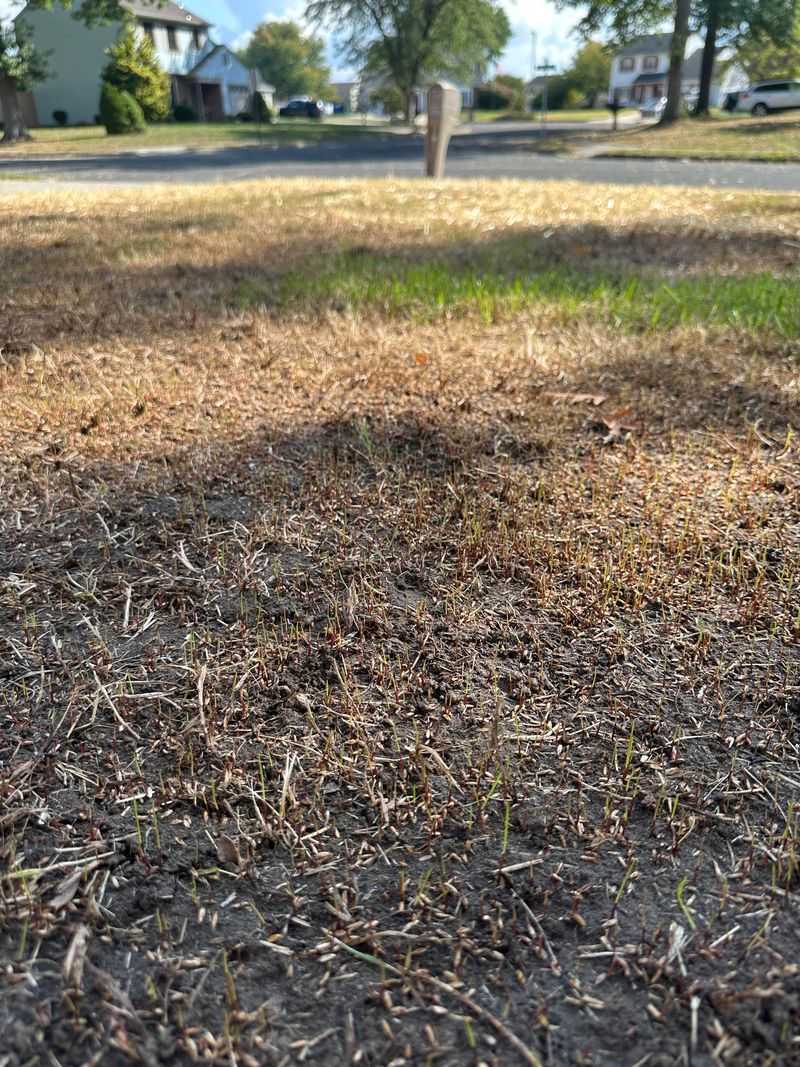
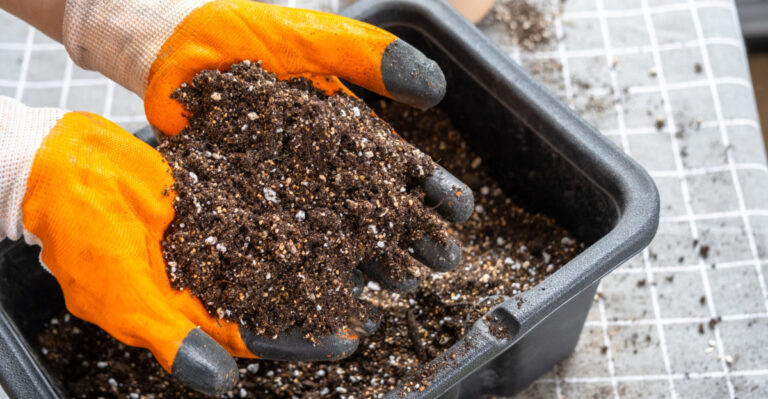
Anyone who has tried digging North Carolina red clay in August knows it feels like chiseling a brick. After a few good rains, that same stubborn ground turns soft, cool, and surprisingly friendly.
Clay packs tightly when it dries, leaving tiny seeds sitting on top like marbles on a table. Damp clay loosens up, so seeds can settle into little pockets and grip the dirt.
That close contact between seed and soil is the secret handshake of a good lawn. Without it, seeds dry out, blow away, or become a free buffet for hungry birds.
Clay does hold nutrients well, which gives young roots a solid foundation. Once seeds find their footing in that soft, damp soil, they get a strong start that lasts all season.
Moist ground also makes core aeration much easier, which is a smart step before spreading seed. The aerator pulls out small plugs of soil, creating holes where seeds can tuck in safely.
Try running an aerator over dry clay, and it will bounce around like a shopping cart with a bad wheel. On damp soil, the tines sink deep and pull clean, chunky cores.
A simple screwdriver can tell you if the ground is ready for seed. Push it into the lawn, and if it slides in about six inches easily, you are set.
Just avoid working the soil when it is soggy enough to squish into mud pies. Wait a day after heavy rain so the ground is damp, not dripping.
Fescue Seed Needs Consistent Moisture To Germinate
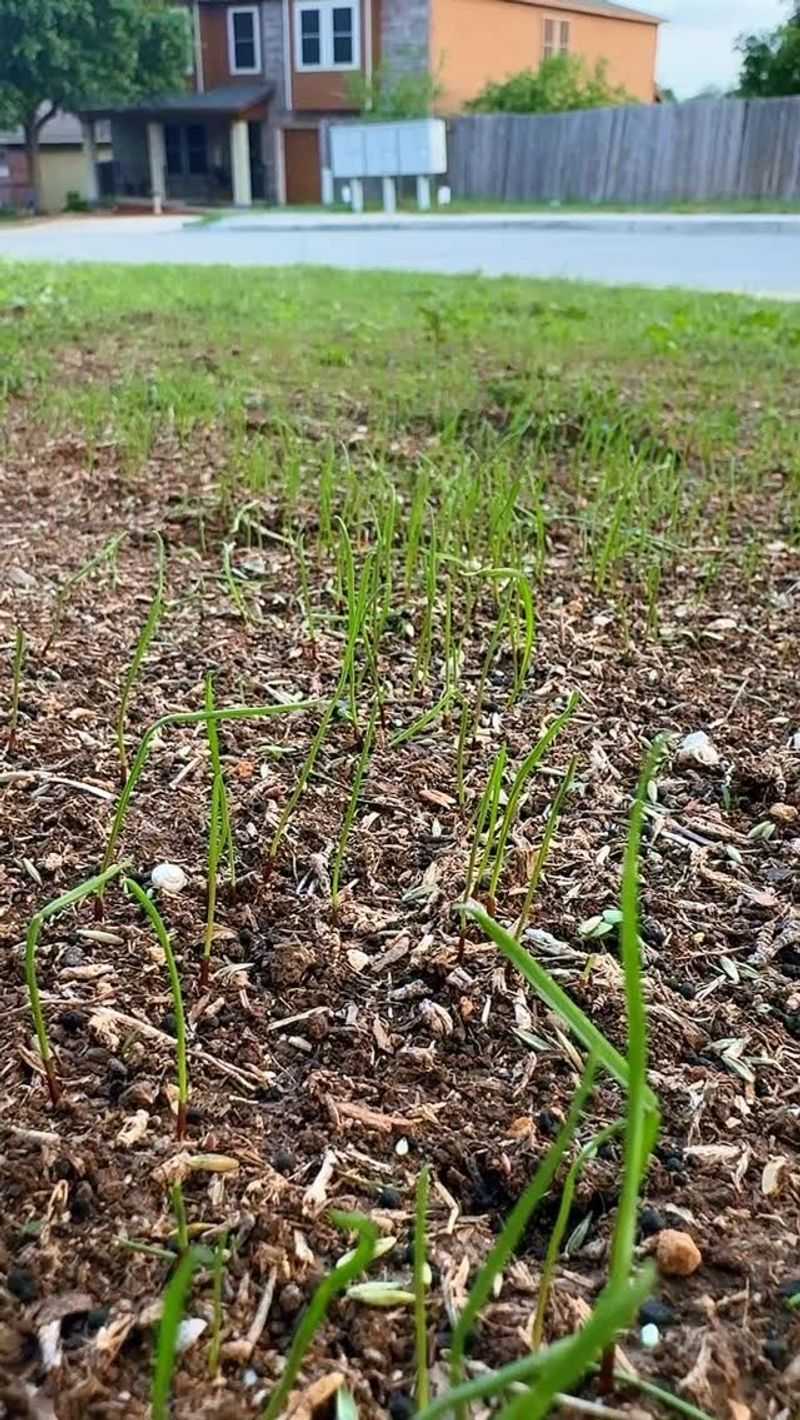
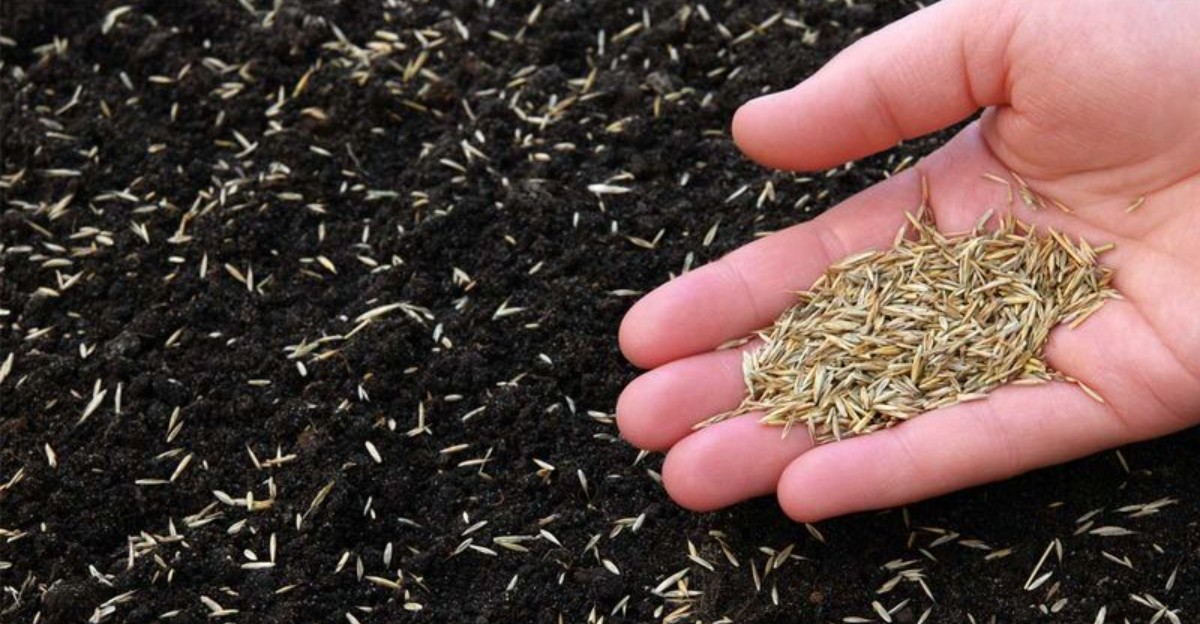
Tall fescue seed takes about seven to fourteen days to sprout, and every one of those days counts. During that window, the seed needs steady moisture to wake up and grow.
Think of a seed like a tiny packed lunch with a sleeping baby plant inside. Water soaks through the outer shell and signals that it is finally time to start eating.
Once that process begins, there is no pause button for the seed. If the seed dries out after it swells and cracks open, the tiny sprout inside usually cannot recover.
Your North Carolina Garden Changes Every Week. Your Plan Should Too.
Gardening in North Carolina changes quickly throughout the season. Every Friday you’ll receive a simple weekly plan showing exactly what to plant, prune, fertilize, harvest, and protect so you never miss the right timing.
That is why damp soil in early fall feels like a gift to North Carolina gardeners. The ground already holds water, so seeds get a head start without constant hose duty.
Here is a fun fact to share at your next cookout. The famous Kentucky 31 variety came from a tough patch found on a hillside farm in 1931.
A light layer of straw or peat moss on top helps lock in moisture. It works like a cozy blanket, keeping the surface from drying out on breezy afternoons.
Pick straw labeled weed-free, since regular hay can sneak in unwanted seeds. A thin coat is plenty, and you should still see about half of the soil peeking through.
Keep an eye out for fuzzy green hairs poking through the soil around the second week. When you spot them, give yourself a pat on the back, because the hardest part is behind you.
Mowing Height Determines Overseeding Success
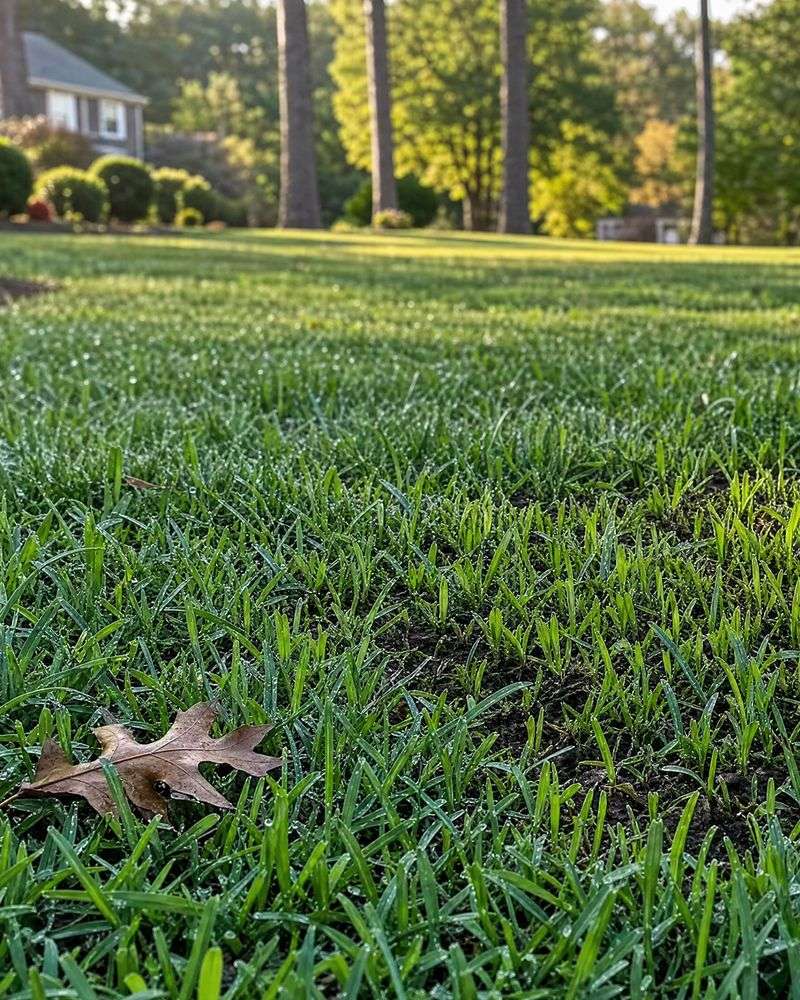
Picture giving your lawn a buzz cut right before a big school picture day. That is basically what you want to do before overseeding, and your lawn will thank you later.
Most North Carolina fescue lawns grow best at two and a half to three and a half inches tall. Before spreading seed, though, drop your mower down to about two inches for one short trim.
Shorter blades let sunlight and water reach the soil where new seeds are waiting. Tall, thick grass acts like a beach umbrella, blocking the light that baby sprouts badly need.
A lower cut also helps seeds fall all the way to the ground instead of getting stuck halfway. Seeds caught in tall blades dry out before they ever touch the dirt.
Bag the clippings or rake them up right after this special low mow. Leftover clippings form a mat that can smother seeds like a heavy quilt on a hot night.
Now for the patience part, which is the toughest for many of us. Hold off on mowing again until the new grass reaches around three and a half inches tall.
Cutting too early can yank young seedlings right out of the soft ground. Make sure your mower blade is sharp, since a dull blade tears grass instead of slicing it cleanly.
Once the lawn fills in, raise the mower back to its normal height. Taller fescue shades out weeds and keeps roots cooler, which your yard will appreciate when next summer’s heat arrives.
Soil Testing Reveals Missing Nutrients Before Seeding
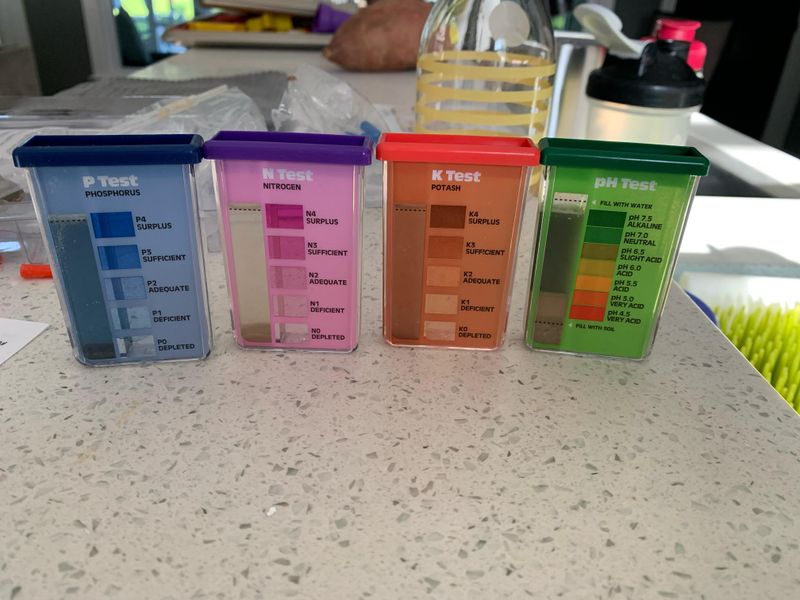
Every yard has secrets hiding just below the surface, like a mystery novel made of dirt. A soil test works like a detective kit, uncovering exactly what your ground has and what it is missing.
North Carolina residents get a sweet deal on this step. The state Department of Agriculture tests soil for free most of the year, with a small winter fee.
Grab free sample boxes and forms at your local county Extension office. Use a clean trowel to collect dirt from about ten spots, digging roughly four inches deep each time.
Mix everything together in a bucket, then fill the box and mail it off. Results usually show up online within a few weeks, packed with helpful numbers and simple advice.
Many Piedmont lawns turn out to be too acidic for happy fescue growth. Local clay often sits near a pH of five, but fescue prefers about six to six and a half.
Lime is the usual fix, and your report will say exactly how much to spread. Guessing can waste money or throw your soil even further out of balance than before.
Phosphorus is another big player for new seedlings. It helps young roots grow strong and fast, so a starter fertilizer may be recommended if your levels run low.
Testing now, while the soil is damp and easy to dig, saves you a sore back. Better yet, it gives your new seed a well-stocked pantry from day one.
Fall Temperatures Favor Cool Season Grass Roots
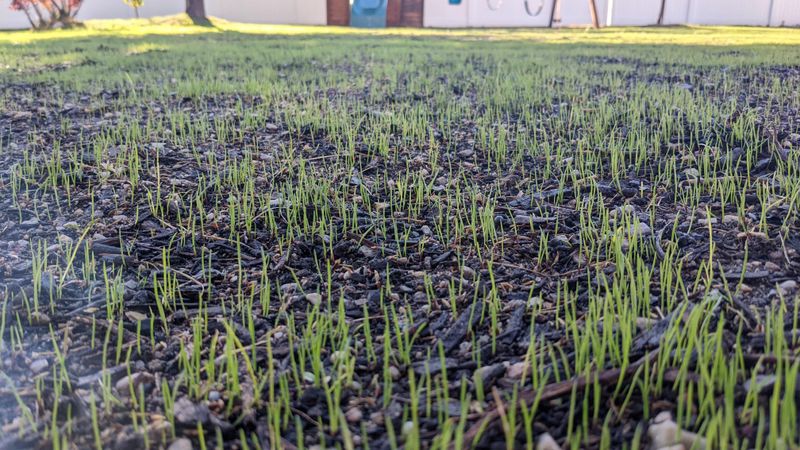
Remember how good that first sweater day feels after a long, sticky summer? Cool season grasses feel the same relief when North Carolina finally shakes off its August steam.
Fescue grows best when air temperatures sit between sixty and seventy-five degrees. Early fall hits that sweet spot across much of the Piedmont and mountains.
Soil stays warm longer than the air, which is a lovely bonus for new seed. Warm ground speeds up sprouting, while cool nights keep young blades from getting stressed.
Most experts at NC State Extension suggest seeding between early September and mid October. Mountain gardeners should aim for the early side, since frost arrives sooner up there.
Spring seeding sounds tempting, but it sets young grass up for a rough ride. The roots barely get settled before summer heat and drought come knocking.
Fall seedlings get months of mild weather to dig deep. By the time July rolls around, their roots can reach down to find hidden moisture.
Even the mail carrier may slow down to admire the thick green carpet by April. Grass that starts in autumn simply has more time to grow up tough and ready.
Weeds also slow down as the days shorten, so there is less competition. Crabgrass fades with the first chilly nights, leaving more room for your new lawn to spread out.
There is something peaceful about working in the yard on a crisp fall evening. You get fresh air, pretty skies, and a lawn that will reward you come spring.
Watering Schedule Protects New Seedlings From Drying
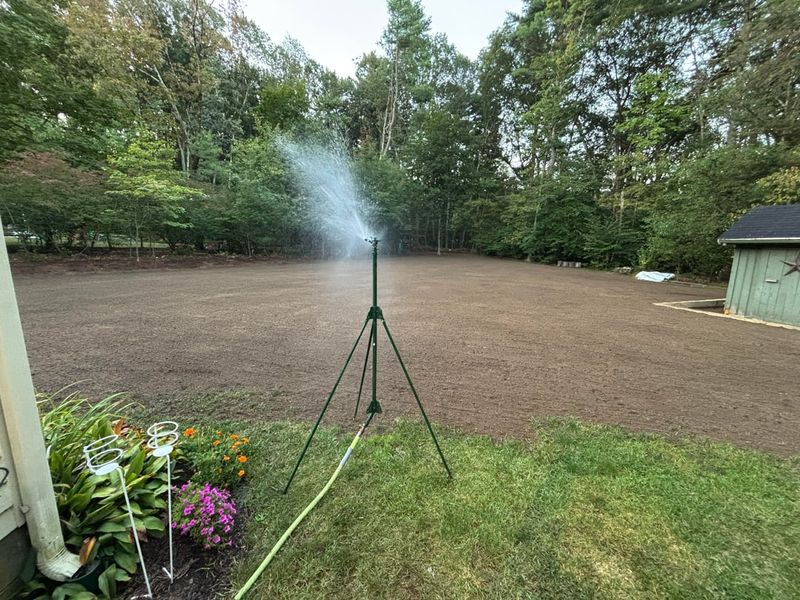
‘Water a little, water often’ is the golden rule many North Carolina gardeners repeat each fall. New seedlings have tiny roots, so they cannot reach deep for a drink yet.
For the first two weeks, keep the top inch of soil moist like a wrung-out sponge. That usually means light watering two or three times a day, especially on sunny afternoons.
Short sessions of five to ten minutes work better than one long soak. Too much water at once can wash seeds into puddles or cause them to rot.
A cheap hose timer can be a real lifesaver for busy families. Set it once, and your sprinkler handles the job while you are at school or work.
Once the grass sprouts and reaches about an inch tall, start stretching out the schedule. Water once a day, but give the lawn a bit more each time.
After the first mowing, switch to deeper watering two or three times a week. Aim for about one inch of water weekly, counting any rain that falls.
Measuring water is easy without fancy tools. Place an empty tuna can on the lawn and stop when the water is about an inch deep.
Morning is the best time to water, since less moisture floats away in the heat. Evening watering leaves blades wet overnight, which can invite fungus to the party.
Damp fall soil gives you a helpful boost, but steady care seals the deal. Stick with the routine, and those skinny sprouts will soon become a lush, springy lawn.