Did Isaias Finally End The Drought In Your North Carolina Yard? Check These Signs
Rain finally returned to North Carolina this past weekend, and plenty of gardeners felt real relief.
The remnants of Hurricane Isaias swept in from the Gulf Coast and soaked much of the state. The mountains got the heaviest totals, while other areas picked up an inch or two.
Still, this drought has been building since late summer of last year. Forecasters say one weekend of rain won’t erase a deficit that deep, and some regions still need several more inches. That leaves a big question for every yard.
A lawn can look fresh and green on top while the soil a few inches down stays dry. Roots notice the difference long before you do.
A few quick checks can show how far the rain really went. Take a look before you put the hose away, because your plants may still be waiting for a real drink.
1. Dig Down To See If The Rain Soaked In

Wet grass can fool you. After months of drought, the top inch or two of soil may look dark and feel damp, while the ground a few inches lower stays dusty and dry.
Roots live in that lower layer, so that is where the real story hides. Much of central and eastern North Carolina picked up only modest rain totals from Isaias, and modest rain often stops near the surface.
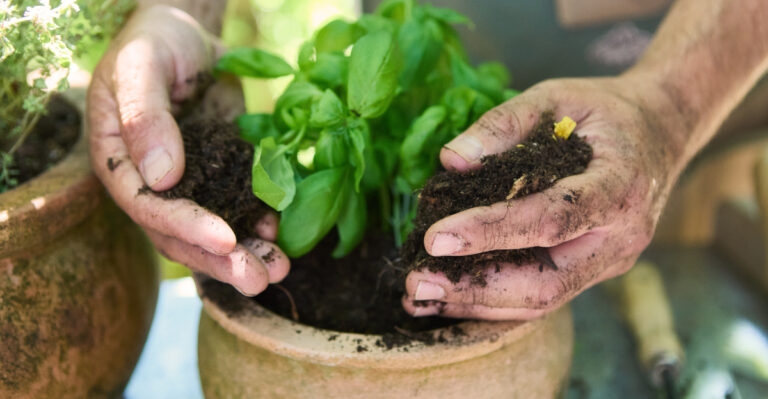
Your yard might look refreshed while the roots are still thirsty. Grab a hand trowel and head outside a day after the rain.
Dig a small hole about 6 to 8 inches deep in your lawn, then do the same in a couple of garden beds. Pinch some soil from the bottom of the hole. If it holds together and feels cool and moist, the rain reached the roots.
Soil that crumbles apart like dry cake tells a different tale. Rain wet the top, but the deeper zone still needs help. Fill the hole back in and press it down so you leave no ankle traps behind.
No trowel handy? A long screwdriver works almost as well. Push it straight into the ground and notice how far it slides in easily. When it suddenly stops or gets hard to push, you have likely hit dry, packed soil.
Try a few spots, since sunny areas and shady corners often dry at different speeds. Write down what you find so you can compare after the next rain.
Much of North Carolina has been in drought for about a year, and a single storm rarely refills the ground deep enough. Checking below the surface takes five minutes and helps you water only where it truly counts.
2. Watch Where The Water Went
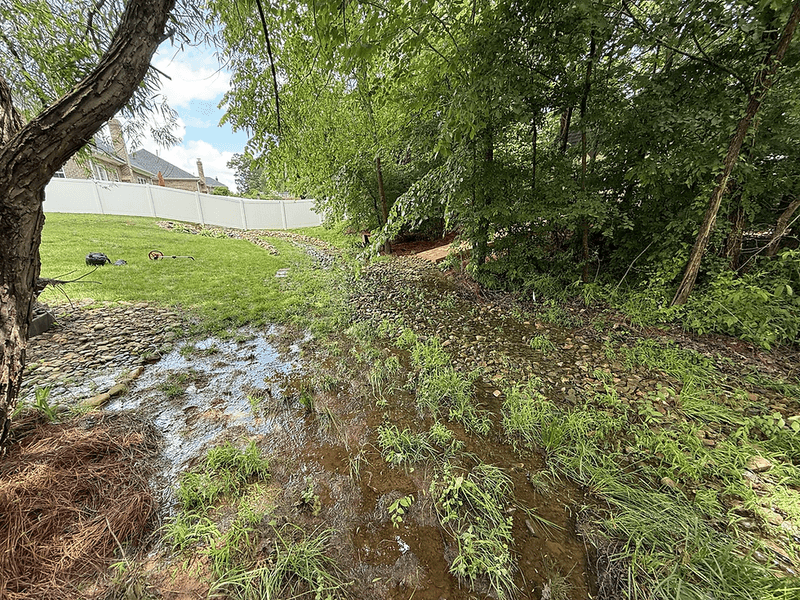
Rain that hits hard, dry ground behaves a lot like water poured on a tabletop. It slides away instead of sinking in. Very dry soil, especially clay, can actually shed water for a while before it starts to absorb anything.
During heavy bursts from a storm like Isaias, much of that rain may have rushed off your lawn and down slopes into gutters, ditches, and storm drains. Your yard got wet, but the roots may have missed out.
Your North Carolina Garden Changes Every Week. Your Plan Should Too.
Gardening in North Carolina changes quickly throughout the season. Every Friday you’ll receive a simple weekly plan showing exactly what to plant, prune, fertilize, harvest, and protect so you never miss the right timing.
Walking your property after a storm gives you clues. Look for mulch that floated out of beds and landed on the driveway or sidewalk. Bare streaks of soil running downhill show where water moved fast and carried dirt along with it.
Puddles matter too. If water sat on top of the ground for hours instead of soaking in, the soil was likely too hard or too packed to drink it up quickly.
Good habits can help you catch more water next time. During dry spells, water slowly in several short sessions instead of one long blast. Give the soil 20 or 30 minutes between rounds so each splash has time to sink down before the next one arrives.
Compost is another great friend. Working a few inches into garden beds, or spreading a thin layer on lawns in fall, helps clay soil hold water like a sponge. Over time, healthy soil drinks rain faster and keeps it longer.
Across the North Carolina Piedmont, hard red clay is common, and when it bakes dry, heavy rain runs off quickly. Knowing where your water went shows you which spots need extra care.
3. See Whether Your Lawn Is Greening Up
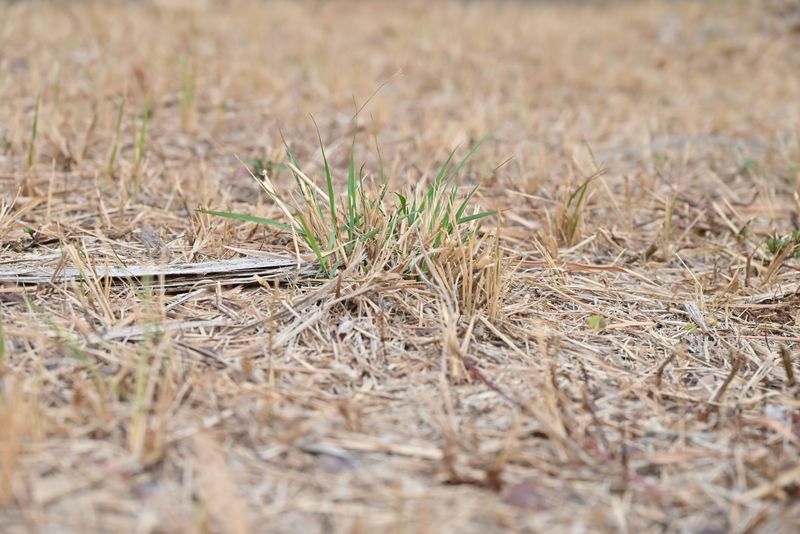
Your grass is a pretty honest reporter. Give it a week or two after the storm, and it will tell you whether Isaias brought enough water.
Tall fescue, the most common lawn grass in much of North Carolina, turns tan when drought hits. It is not gone, just resting in a dormant state to save energy.
When enough moisture finally reaches the roots, fresh green blades start pushing up from the base, and the lawn slowly brightens.
Brown, crunchy grass that stays that way after rain sends a clear message. The water likely never reached deep enough, and the lawn still needs help.
Watching closely makes a difference here. Walk across the yard every few days and look for new green shoots near the soil. Patchy greening often points to dry spots, slopes, or areas with heavy runoff.
Newly seeded fescue needs special treatment. Seeds must stay moist to sprout, so water lightly and often, sometimes once or twice a day, until the young grass gets established.
For older fescue lawns, a deep soaking about once a week works much better if rain stays scarce.
Bermudagrass and other warm season lawns follow their own calendar. As fall weather arrives, they naturally slow down and fade to tan for the winter. That color change is normal and not always a sign of thirst.
Fall is prime time for fescue across North Carolina. Cooler temperatures help it recover, fill in thin spots, and grow thicker. A little attention now can set your lawn up for a lush, healthy spring.
4. Check Trees And Shrubs For Lasting Stress
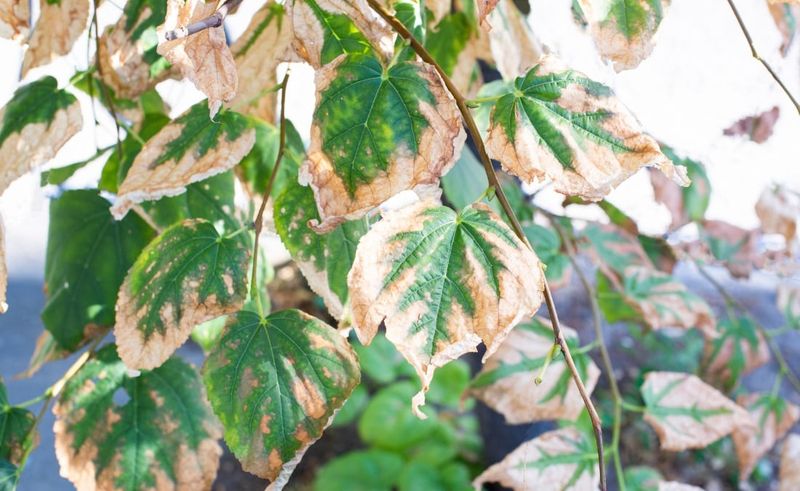
Trees have long memories. A soaking storm feels great for a day or two, but a full year of drought can leave marks that show up months later.
Deep-rooted plants pull water from far below the surface, much deeper than most single storms reach.
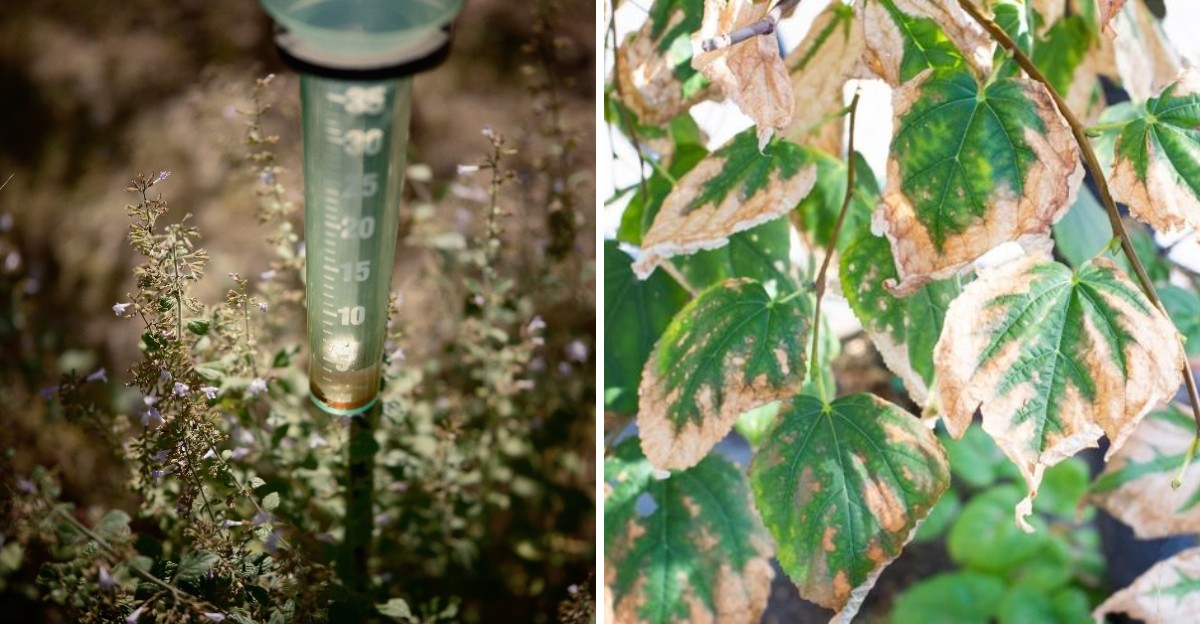
Even after Isaias, many trees and shrubs may carry hidden stress. In the coming months, watch for crispy brown leaf edges, leaves dropping early, thin canopies you can see sky through, or branch tips that turn brown and brittle.
Spotting these signs early helps you step in before things get worse. Small changes now can protect plants you spent years growing.
Watering trees works best low and slow. During dry weeks, set a hose to a gentle trickle or use a soaker hose around the outer edge of the canopy, where many of the feeder roots spread out.
Let it run long enough to soak the ground deeply rather than wetting just the top. Some plants need you more than others.
Trees and shrubs planted in the last few years have smaller root systems and dry out faster. Evergreens like hollies, boxwoods, and pines also deserve extra attention, since they keep losing water through their needles and leaves all winter.
Mulch acts like a cozy blanket for roots. Spread 2 to 3 inches over the root zone, but pull it back a few inches from the trunk so bark stays dry and healthy.
In North Carolina, drought-weakened trees face bigger risks from insects, disease, and winter cold. Careful watering this fall helps them stay strong.
5. Measure How Much Rain Actually Fell
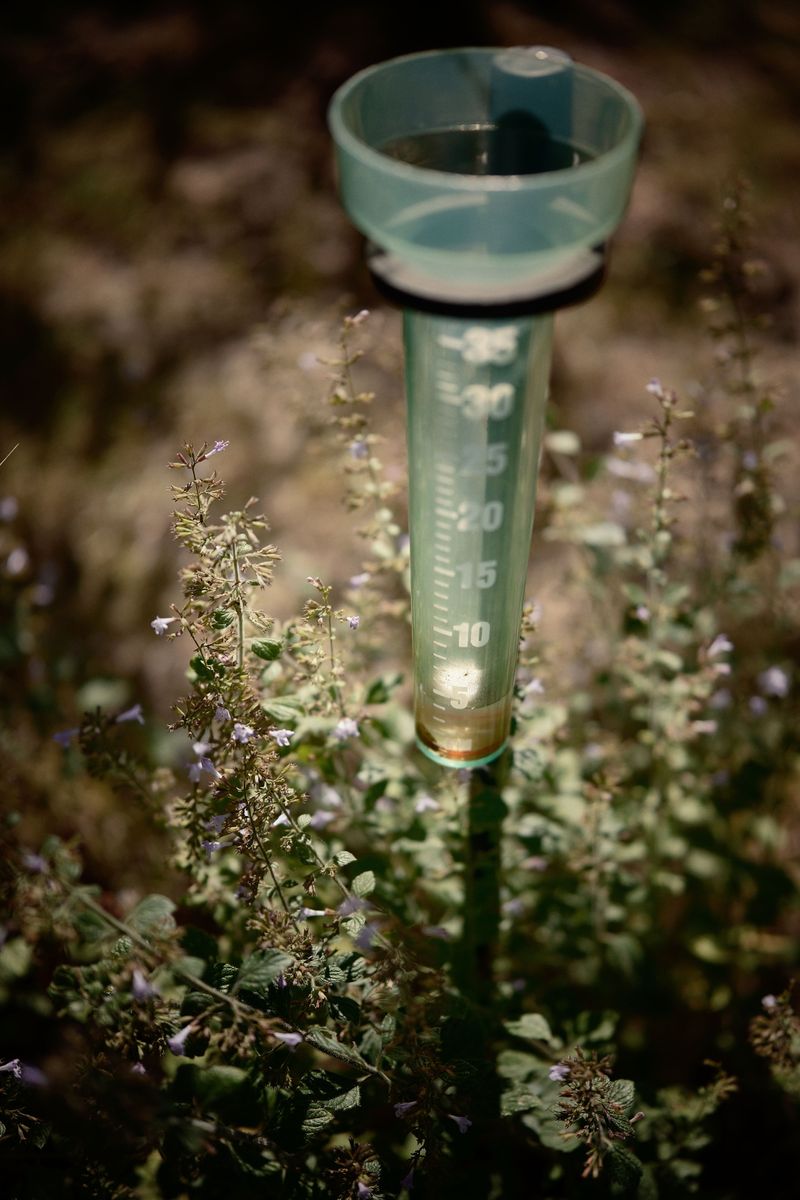
Your neighbor across town swears the storm dropped three inches. Meanwhile, your backyard seems to have gotten barely half that. Both of you might be right.
Rain totals from Isaias varied a lot across North Carolina. The western mountains saw heavy amounts, while much of central and eastern North Carolina picked up smaller totals.
Tropical storms often drop rain in bands, so one street can get soaked while the next one stays fairly dry.
Because of that, regional forecasts and news reports only give you a rough idea. The best number comes from your own yard.
A simple rain gauge costs just a few dollars and does the job well. Place it in an open spot away from trees, fences, and buildings, since those can block rain or drip extra water into the gauge.
Mounting it on a post a few feet off the ground keeps it steady and easy to read. Check it after every rain, then empty it so you start fresh next time. Jotting the totals on a calendar or in your phone helps you see patterns over weeks and months.
Most lawns and gardens do well with about one inch of water per week. That amount can come from rain, from watering, or from both added together. If your gauge shows half an inch, you only need to add about half an inch more.
Since rainfall can differ so much between North Carolina neighborhoods during tropical storms, your own gauge helps you save water, save money, and keep plants happy.
6. Look For Storm Damage In Western North Carolina
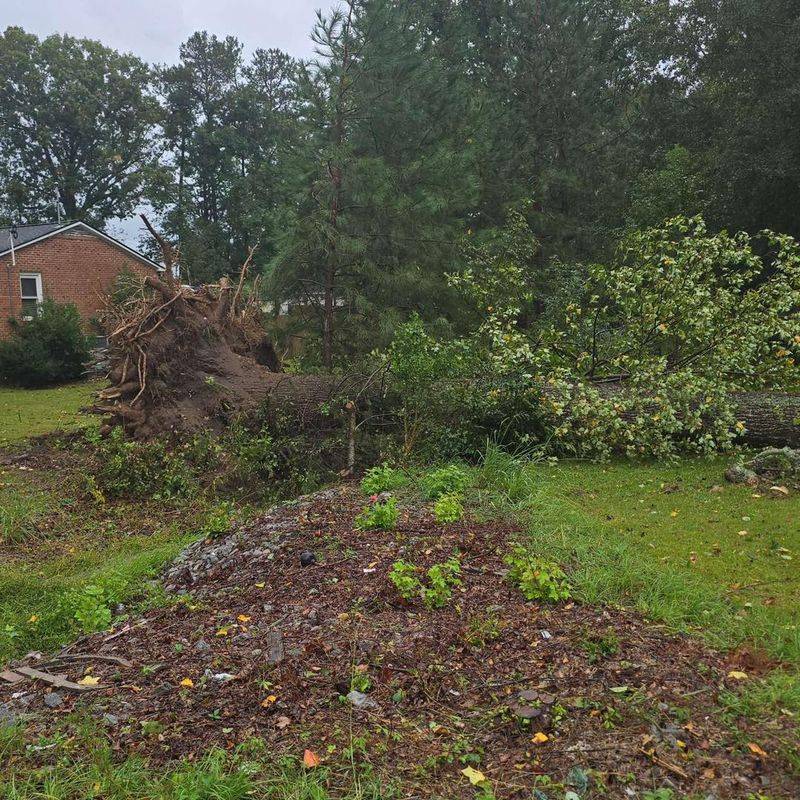
Mountain gardeners faced a very different problem. Instead of too little rain, many got a lot of it, very fast. In western North Carolina, Isaias dumped heavy rain onto ground that had been dry for months.
Dry soil could not absorb it quickly, so water raced downhill. Some areas saw flash flooding and landslides, and even yards without major damage may have lost soil, mulch, or plant support.
A slow walk around your property is the smart first step. Bring a notebook or your phone to snap photos as you go.
Keep your eyes open for washed-out spots where soil disappeared. Exposed tree roots near the surface can dry out or get damaged, so they need fresh cover.
Cracks in the ground, bulging soil, or slopes that look like they slumped downward are warning signs worth taking seriously.
Silt is sneakier. Floodwater can leave a layer of mud around the base of shrubs and perennials, smothering stems and crowns. Gently rake or brush it away to let plants breathe again.
Once things dry a bit, refill eroded areas with good soil and top them with mulch to hold everything in place. Planting groundcovers or grasses on bare slopes can help roots knit the soil together over time.
Unstable slopes near your home, driveway, or other buildings call for expert help. Contact your county officials or a geotechnical professional before trying any repairs yourself.
Many mountain and foothill communities are still recovering from earlier storm damage, so careful checks now protect both your garden and your home.
7. Keep An Eye On The Drought Monitor And Water Rules
One good storm feels like a happy ending. Weather experts, however, expected Isaias to bring improvement, not a full finish to the drought in most areas. Think of a drought like a savings account that has been drained for months.
Filling it back up takes many inches of steady, soaking rain spread over weeks, not one big burst. Groundwater, streams, and reservoirs recover slowly, and some communities may keep water restrictions in place for a while.
Staying informed puts you a step ahead. The U.S. Drought Monitor posts updated maps every Thursday, showing which counties are still dry and how serious conditions are.
The North Carolina Drought Management Advisory Council also shares regular updates for the state.
Checking these once a week takes just a few minutes. You will know whether things are getting better or slipping back.
Local water rules matter too. Your town or county may limit watering to certain days or hours, so look up current guidelines and follow them closely.
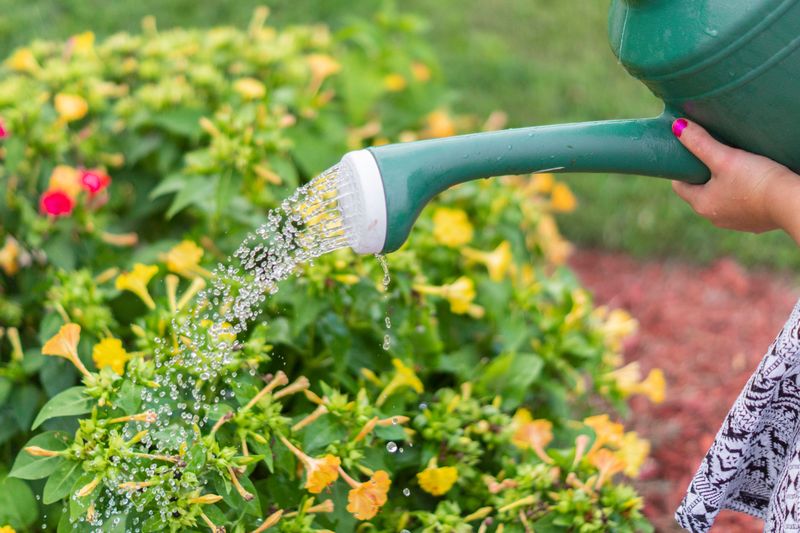
Early morning is the best time to water. Cooler air and calm winds mean less water lost to evaporation, and leaves dry quickly as the sun rises, which helps prevent disease.
When water is limited, choose wisely. New plantings, young trees, and fall vegetables like lettuce, kale, and broccoli should get first pick, since they have small roots and little stored energy. Established shrubs and older lawns can usually handle a bit more waiting.
Much of North Carolina has stayed in drought since last year. Watching the maps and watering smart keeps your yard ready for whatever comes next.