8 Strange Fungi Popping Up In New Jersey Mulch Beds This Fall And What They Actually Mean
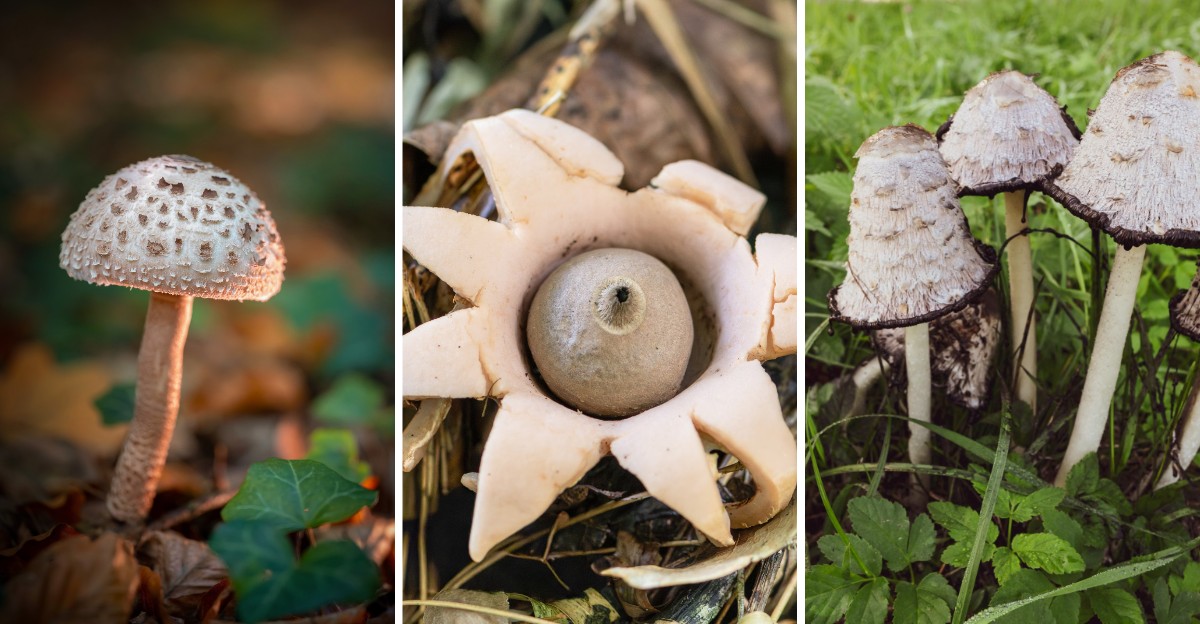
Overnight, tiny cups and spikes appeared between your mums, and you planted neither. Wet September weather in New Jersey hands these fungi the perfect launch window.
Beneath your mulch, hidden threads spent weeks waiting for this exact downpour. Now the show surfaces: stinkhorns, inky caps, and bird’s nest fungi.
That sweaty sock aroma lures flies, which carry stinkhorn spores to fresh ground. Those tiny eggs? Spore packets that raindrops toss several feet across your beds. Your mums can relax; many of these visitors break down old wood into plant food.
Still, certain lookalikes contain irritants you want far from pets and kids. Across New Jersey, eager gardeners grab rakes before asking what just arrived.
Identify these visitors correctly, and you gain a sharper eye for garden health. Meet the strange crew behind this overnight surprise, starting with a tiny sharpshooter.
1. Artillery Fungus Signals Soggy, Aging Mulch
Picture a fungus smaller than a pencil eraser that can fire a sticky ball nearly 20 feet away. Artillery fungus is basically a tiny cannon hiding in your mulch, and it takes aim at light.
Those shots often land on white siding, parked cars, and windows as little black specks. Homeowners across New Jersey mistake them for tar or bug droppings until they refuse to wash off.
In September, look for tiny orange or tan cups about the size of a mustard seed. They love shredded hardwood mulch that stays cool, damp, and shady on the north side.
So what does its arrival actually mean for your yard and home? Your mulch is likely several years old, packed down, and holding more moisture than it should.
The fungus itself is harmless to plants and people, but the black stains are stubborn. Fresh spots may scrape off with a plastic putty knife, while older ones cling on for years.
Rake old mulch to dry it out, or swap it for bark nuggets or stone near the house. Penn State researchers found large pine bark nuggets resisted these tiny shooters much better than shredded hardwood.
2. Bird’s Nest Fungus Signals Rich, Moist Wood Chips
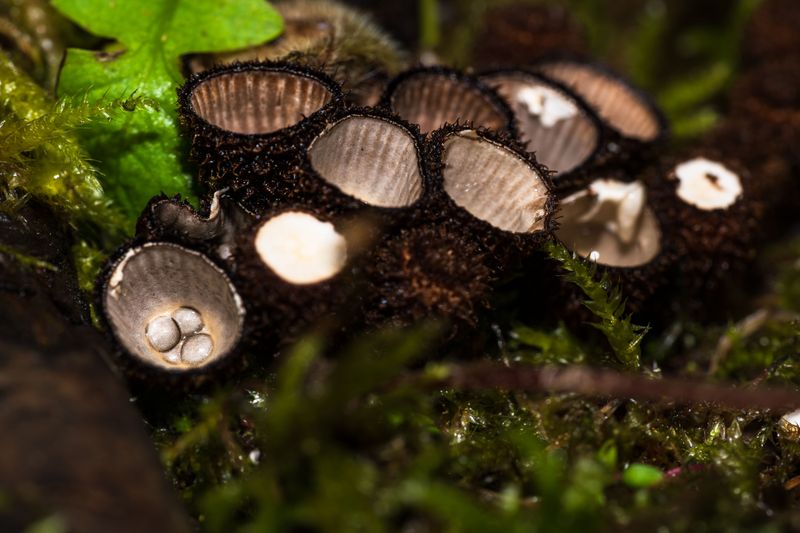
Kneel down near a damp flower bed and you might spot what looks like a doll-sized bird nest. Each tiny cup holds a few gray eggs, each one smaller than a sesame seed.
Those eggs are really packets of spores called peridioles, and they are waiting for rain. When a raindrop hits the cup just right, it splashes the packets up to three feet away.
Nature basically built a tiny splash pad for fungus babies, which is pretty clever engineering. Some packets even have a sticky thread that wraps around nearby twigs and grass blades like a lasso.
In New Jersey, bird’s nest fungus pops up after late summer storms roll through in September. Look for clusters on wood chips, old straw, and even the edges of vegetable garden paths.
Its presence means your mulch is breaking down into rich, crumbly material that feeds your soil. The fungus causes no harm to plants, pets, or people, so you can leave it alone.
Your New Jersey Garden Changes Every Week. Your Plan Should Too.
Gardening in New Jersey changes quickly throughout the season. Every Friday you’ll receive a simple weekly plan showing exactly what to plant, prune, fertilize, harvest, and protect so you never miss the right timing.
Kids love hunting for these little nests with a magnifying glass, and it makes a great nature lesson. If they bother you, simply fluff the mulch with a rake so it dries out faster.
3. Elegant Stinkhorn Signals Busy Decomposers At Work
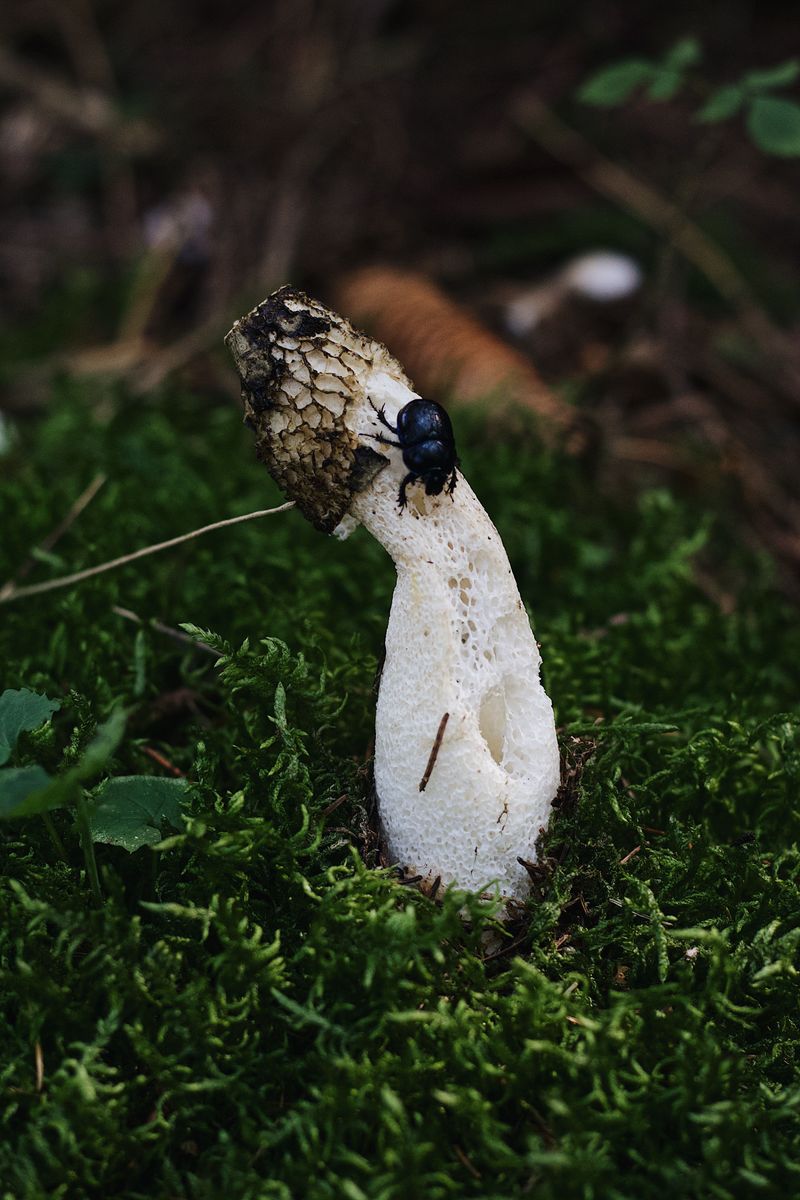
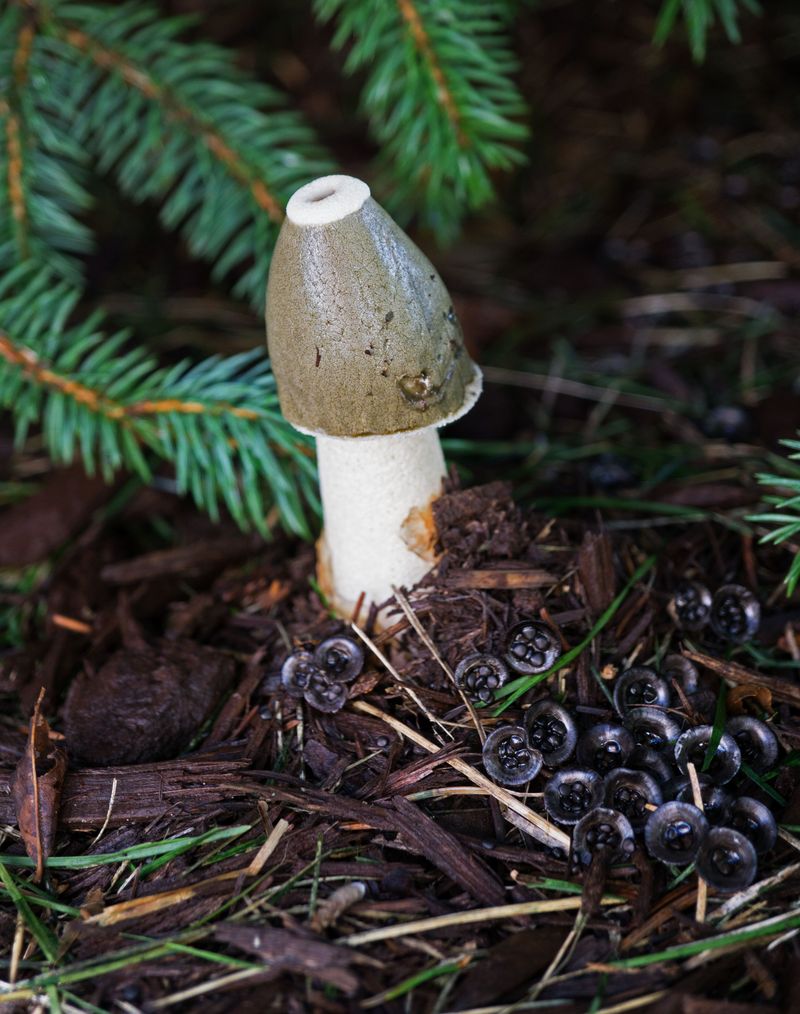
Your nose will probably find this oddball in the garden long before your eyes do. Elegant stinkhorn smells like rotting meat, and it wants every fly in the neighborhood to notice.
It pokes up from mulch as a skinny orange-pink spike, about four to seven inches tall. The tip is coated in a dark olive slime that holds countless tiny spores.
Flies land, snack on the slime, and carry spores to new spots around your yard. It is a smelly but brilliant delivery system that fungi have relied on for ages.
Did you know some stinkhorns start life as a squishy white egg buried in mulch? Kids often call them witch eggs, and they hatch into spikes within hours.
Stinkhorns show up in New Jersey from late summer into October, especially after warm rain. They usually last only a day or two before collapsing into a soggy heap.
Here is the good news hiding behind that awful smell. Stinkhorns mean hungry decomposers are chewing through your wood mulch and turning it into healthy soil.
They are not toxic to touch, but keep curious dogs from snacking on them. Wear gloves, scoop them into a bag, and toss them in the trash.
4. Shaggy Mane Signals Fresh, Nutrient-Rich Ground
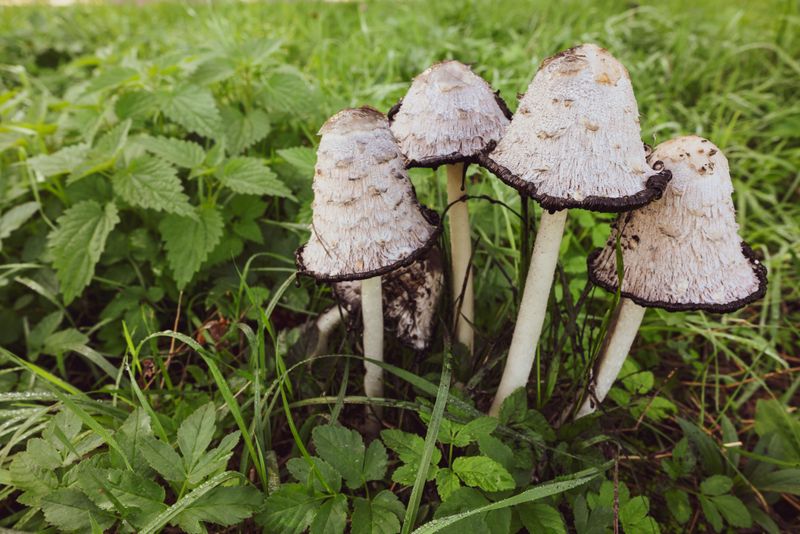
Tall, white, and wearing a messy wig, shaggy mane is the diva of fall mulch beds. It often appears in rows or clusters, standing up to six inches tall.
The cap is shaped like a stretched-out egg, covered in shaggy, upturned scales. Give it a day or two, and something wild happens to that snowy costume.
The bottom edge turns black and melts into an inky liquid, dripping like a leaky pen. People once used this ink for writing, and some artists still paint with it today.
In New Jersey, shaggy manes love September and October, especially near lawns and fresh mulch. They thrive where soil has been dug up or enriched with buried wood and compost.
Spotting them means your ground is loaded with nutrients and bustling with helpful microbes. Think of them as a gold star from the soil for all your hard work.
Some foragers do eat young shaggy manes, but only experts should try that. Other inky caps look similar and react badly with alcohol, so admire them, snap a photo, and let the ink show play out naturally.
Want a fun trick for curious kids on a rainy weekend afternoon? Set a young cap on white paper for a few hours, and it may leave a dark spore print before turning to ink.
5. Earthstar Signals Well-Rotted Organic Matter
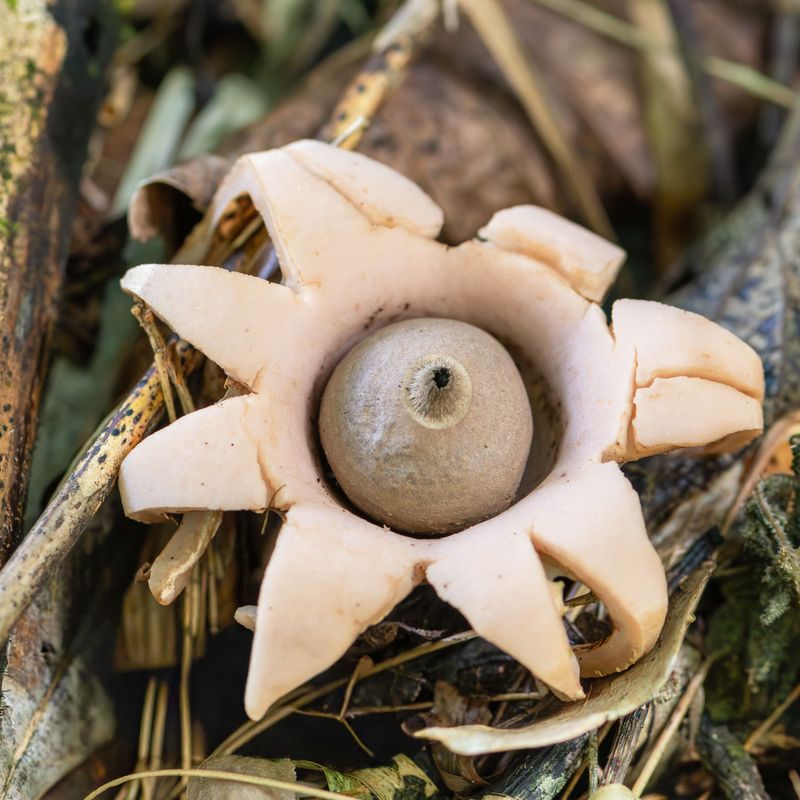
Stars do not only live in the sky, as any lucky New Jersey gardener can tell you. Earthstars look like tiny puffballs sitting on a flat, star-shaped base with pointed arms.
Each one starts as a round, onion-like ball hidden in mulch or leaf litter. As it ripens, the outer skin splits and peels back into four to ten rays.
Some kinds even curl their arms under and lift themselves up like little acrobats. Others open and close with the weather, spreading wide in damp air and tucking in when dry.
Raindrops tap the center pouch, and a puff of brown spores shoots out the top. It works like a tiny bellows, and kids get a kick out of watching it.
Earthstars are a sign of well-rotted organic matter, especially under trees like oaks and pines. They tell you your mulch has aged into something close to rich forest floor.
September is prime time to look, since the dried stars can linger for weeks after opening. Search along bed edges where mulch meets lawn, and scan slowly with patient eyes.
They pose no threat to plants, and they fade quietly as fall turns into winter. Leave them be, grab your camera, and enjoy some woodland magic at home.
6. Wine Cap Signals Hardwood Chips Breaking Down
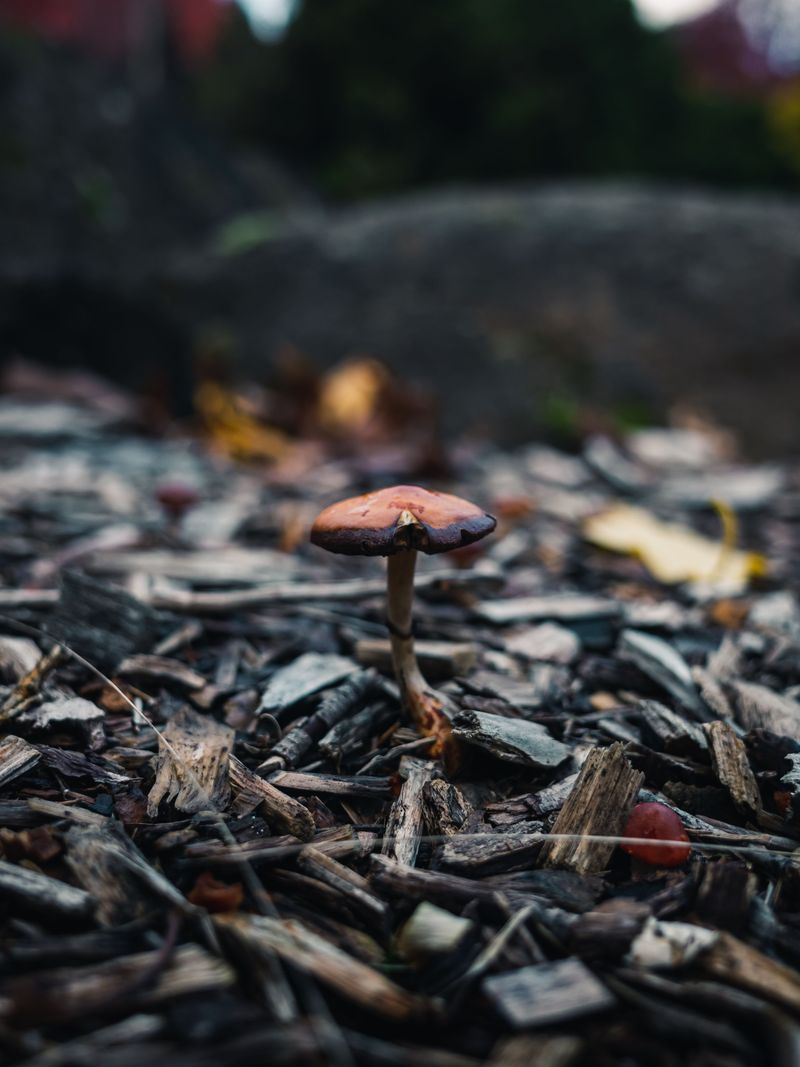
Some gardeners actually pay good money to grow the reddish-brown mushroom showing up in your wood chips. Wine cap, also called garden giant, can grow caps as wide as a salad plate.
Young caps are a deep burgundy color that fades to tan as they age. Flip one over and you will see gray to purple-black gills and a thick ring on the stem.
Wine caps adore fresh hardwood chips, and they chew through them at a surprisingly fast pace. In New Jersey, they often flush in spring and again during cool, wet stretches of early fall.
Their arrival means your mulch is turning into a spongy, nutrient-packed layer that holds water well. Some gardeners say their tomatoes and squash seem to thrive beside wine cap patches, though research is limited.
Fun fact: wine caps are among the easiest mushrooms to grow outdoors in simple wood chip beds. Spawn kits sell online, and many Garden State gardeners start patches right between their raised beds.
Wine caps are a popular edible, but please do not taste any wild mushroom without an expert. Enjoy them as a sign of a thriving bed, and let them return to the soil.
7. Green-Spored Parasol Signals A Need For Caution
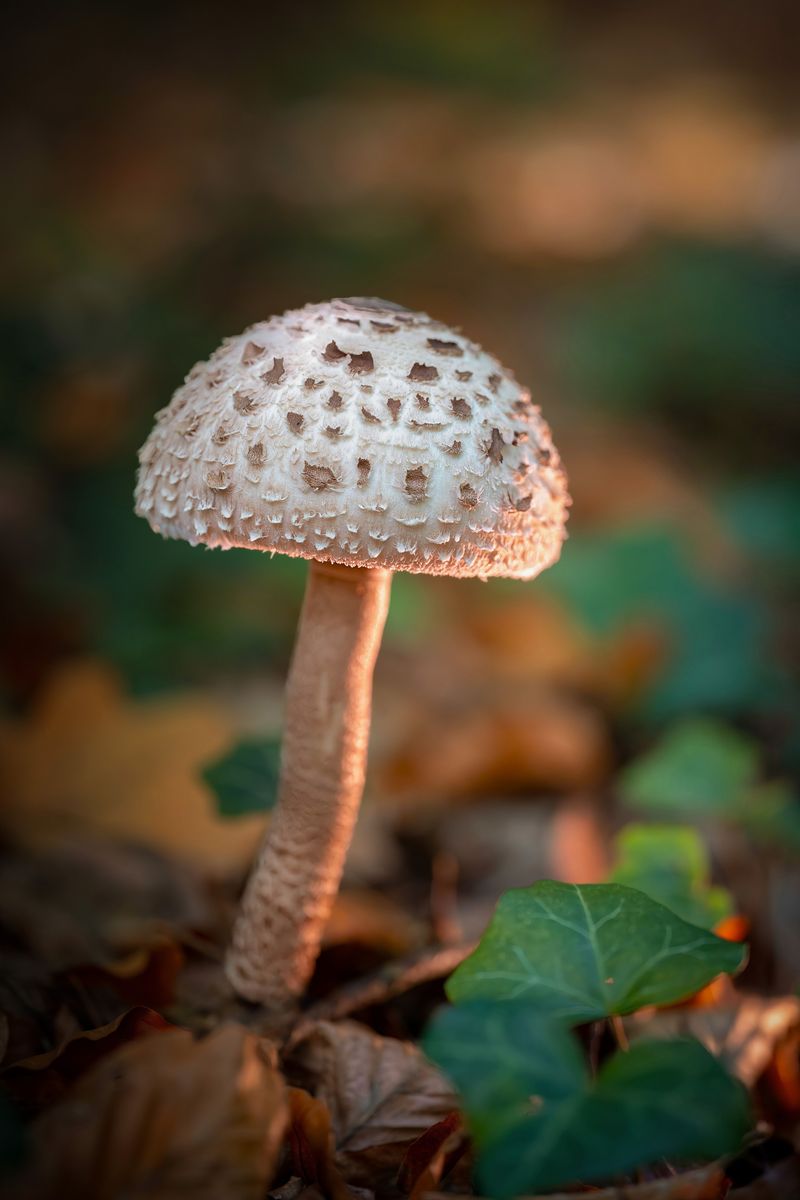
Not every mulch visitor is a friendly one, and this big white mushroom deserves real respect. Green-spored parasol is the most common cause of mushroom poisoning in North America.
It grows large, sometimes over ten inches across, with a creamy cap dotted in brown scales. The gills start white and slowly turn a dull greenish gray as it matures.
Late summer heat and September storms make New Jersey lawns and mulch beds perfect for it. Look for big fairy rings, which seem magical but are best left alone by kids.
Eating even a small piece can cause hours of severe vomiting, cramps, and dehydration. Dogs are at risk too, since many pups will happily gobble anything growing in the yard.
What does this unwelcome guest mean for your garden and family? Your soil is rich and warm, but you now have an important safety chore to handle.
Wear gloves, remove the caps you find, and bag them so kids and pets cannot reach them. If anyone eats one, or you suspect they did, call Poison Control at 1-800-222-1222 right away.
For pets, call your veterinarian right away or the ASPCA Animal Poison Control Center at (888) 426-4435, which may charge a consultation fee. Quick action makes recovery much easier, so keep those numbers handy on the fridge.
8. Inky Cap Signals Buried Wood Beneath The Surface
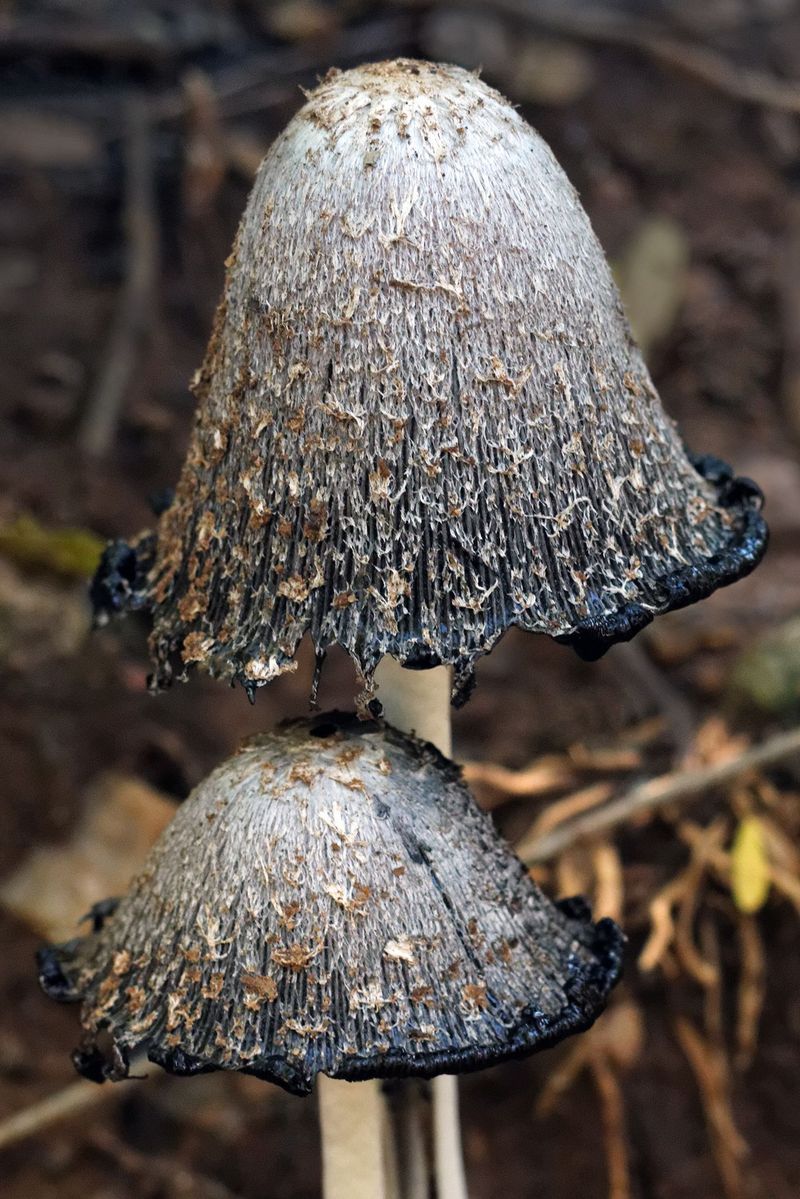
Imagine a crowd of little gray umbrellas huddled together at a rainy bus stop. Common inky caps look just like that, sprouting in tight clumps from your fall mulch.
Keep an eye on the spot where they appear, because it tells a secret. Inky caps usually grow over buried wood, like old roots, forgotten stumps, or a rotting board.
Like their shaggy cousins, they melt into black goo within a day or so. Scientists call this deliquescence, which is a fancy word for turning into a puddle of ink.
Now for the weird part that surprises nearly everyone who hears it. A natural chemical inside reacts badly with alcohol, making adults flushed, dizzy, and sick for hours.
That odd trait earned it the old nickname tippler’s bane, which means a drinker’s worst enemy. The reaction can even happen days after eating one, so skip the taste test.
For your yard, inky caps are harmless and show that hidden wood is slowly breaking down. Dig gently around the clump, and you may find the old root feeding them.
Once that wood rots away, the mushrooms will stop showing up on their own. Until then, knock them over with a rake if the ink stains bother you.
9. Most Mulch Mushrooms Signal Healthy, Living Soil
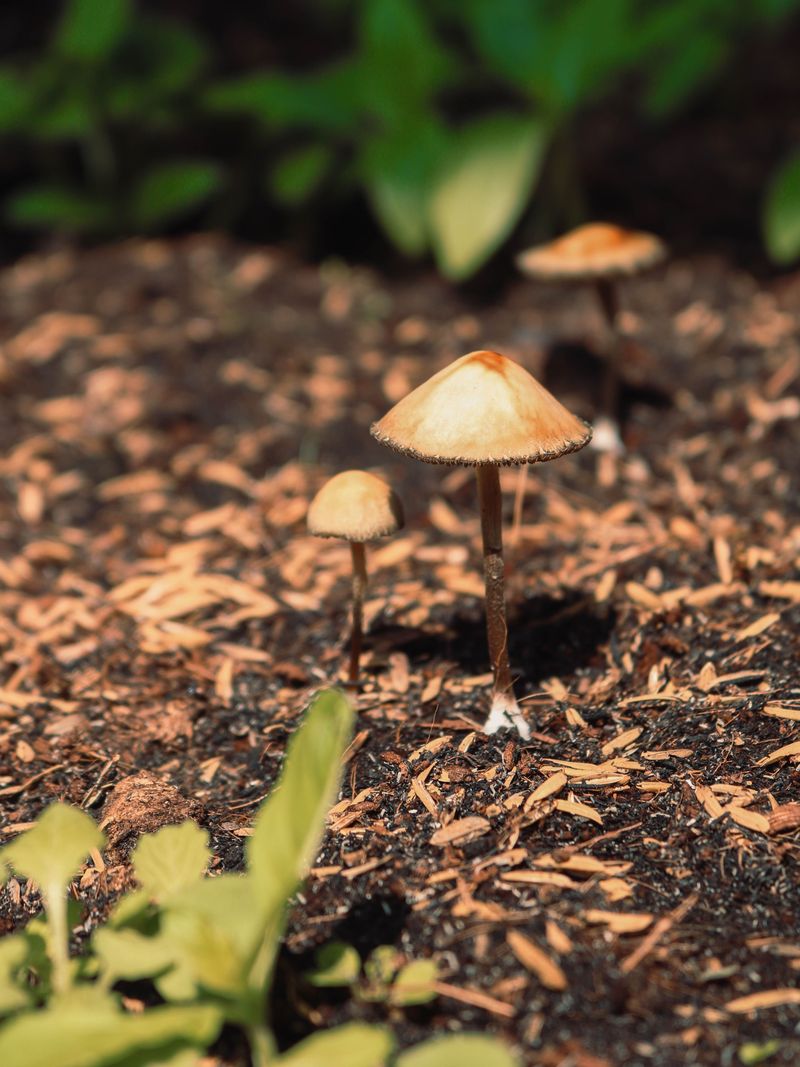
Think of mushrooms as the apples on an invisible tree hidden underground. The real fungus is a web of thin threads called mycelium, spreading through your mulch like tiny roots.
Those threads break down wood, leaves, and bark into food that plants can use. Without them, your beds would pile up with old chips that refuse to rot.
Many fungi also team up with tree and shrub roots in a partnership that helps both sides. Plants trade sugar for extra water and minerals the fungal threads collect from the soil.
Researchers estimate a single teaspoon of healthy soil can hold several yards of fungal threads. That is an amazing amount of hidden teamwork happening right under your muddy sneakers.
So when mushrooms pop up this September, your soil is often showing signs of healthy activity. Fall rain wakes up the mycelium, and mushrooms are simply its way of spreading spores.
Pulling them off does not harm the fungus, since the main body stays safely below. Feel free to leave harmless ones alone and let them finish their quiet work.
Hoping to boost this helpful network even more this year? Skip heavy chemical fungicides in mulch beds, and add a thin layer of compost each spring.
10. Sudden Fungal Booms Signal Time To Refresh Your Beds
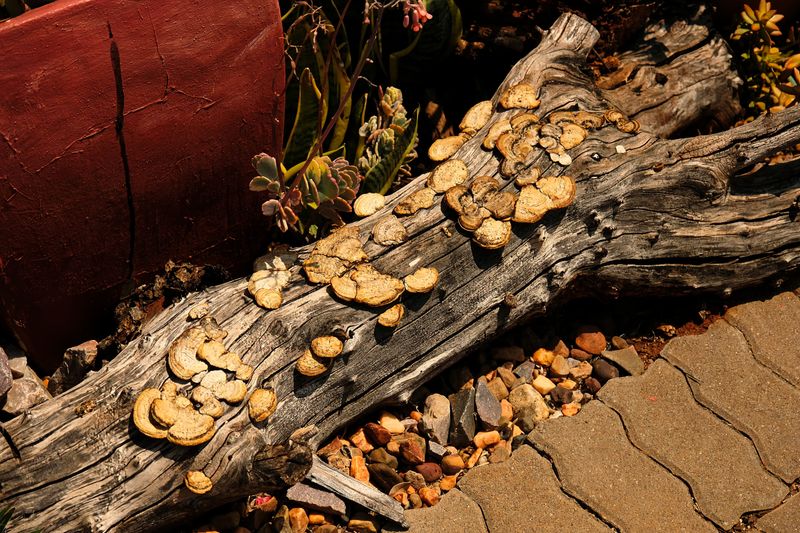
A few mushrooms are a good sign, but a sudden surge of them tells a different story. Heavy fungal growth usually means your mulch is too thick, too wet, or simply too old.
Experts at Rutgers Cooperative Extension suggest keeping total mulch depth at three inches or less, counting old layers, and two inches on compacted or poorly drained soil. Anything deeper traps moisture, blocks air, and turns your bed into a cozy fungus hotel.
Grab a sturdy rake this September and fluff up any mulch that feels matted or crusty. Breaking up that packed layer lets air in and helps the surface dry between rains.
Pull mulch several inches away from shrubs and young plants, about a foot away from mature tree trunks, and back from your home’s foundation. Those so-called mulch volcanoes around trees invite rot, bugs, and a whole lot of fungal trouble.
If your mulch looks matted, faded, or broken down, fall is a good time to check whether it needs replacing. Cooler weather makes the job easier on your back, and fresh material settles nicely before winter.
Near siding or patios, consider pine bark nuggets or river rock to cut down on messy spores. Keep a pair of gloves by the door, and a quick weekly walk-around will keep surprises small.