What Every New Jersey Homeowner Should Know Before Putting Up A Fence This Fall
Something about New Jersey catches homeowners off guard every fall. Nobody warns you until it’s too late. Confidence fades fast once the first surprise shows up. Neighbors rarely mention what they already learned the hard way.
Contractors stay quiet about details that cost you later. Timing matters more than most people realize going in. Assumptions crumble the moment reality steps in. New Jersey rewards people who ask questions before they act.
Preparation separates smooth projects from expensive regrets. Every property carries its own hidden conditions. Surprises wait exactly where you least expect them. Patience now saves frustration later.
Nothing about this process stays as simple as it looks. You won’t see any of it coming until you know where to look.
1. Zoning Checks That Determine What You Can Build
Zoning rules are the silent gatekeepers of your fence project. Before you buy a single post, your local zoning office has something to say about it.
Every New Jersey municipality has its own zoning code. What flies in Montclair might be off-limits in Cherry Hill.
Zoning determines where fences can go on your lot. It also controls what types of structures are allowed in residential versus mixed-use zones.
Some areas restrict fences in front yards entirely. Others limit them to decorative styles only, with no solid panels allowed near the street.
Calling your local zoning office takes about ten minutes. That ten minutes can save you from tearing down an expensive fence later.
Ask specifically about your zoning district classification. The rules for R-1 residential zones often differ from R-2 or R-3 designations.
Corner lots have extra restrictions in most New Jersey towns. Sight-line triangles near intersections often prohibit any fence over three feet tall.
Flood zone properties face another layer of rules. FEMA guidelines and local floodplain ordinances can limit fence placement and materials significantly.
HOA communities add yet another filter on top of zoning. Even if the town allows it, your association might not.
Getting zoning clearance first puts you ahead of most homeowners. Skipping this step is a common reason fence projects get delayed or demolished.
2. Permit Rules That Vary More Than Most People Expect
Most people assume a fence does not need a permit. Most people are wrong about that in New Jersey.
Permit requirements vary wildly from one town to the next. Some municipalities require permits for any fence over four feet tall.
Others require permits regardless of height. A few towns even require permits for temporary or decorative fencing.
The permit process usually involves submitting a site plan. You will need to show where the fence sits relative to your property lines.
Processing times range from a few days to several weeks. Starting your permit application early in the fall gives you the best chance of approval before the ground freezes.
Fences built without permits can trigger fines. In some cases, you may be ordered to remove the structure at your own expense.
Your town’s building department is the right place to start. Many New Jersey municipalities now offer online permit portals that speed up the process.
Your New Jersey Garden Changes Every Week. Your Plan Should Too.
Gardening in New Jersey changes quickly throughout the season. Every Friday you’ll receive a simple weekly plan showing exactly what to plant, prune, fertilize, harvest, and protect so you never miss the right timing.
Contractors familiar with local rules can pull permits on your behalf. This is a major advantage when hiring experienced local fence companies.
Get the permit in writing before any work begins. A verbal okay from a town employee carries little to no legal weight.
Permit fees are usually modest compared to the overall project cost. That cost is minor compared to the headache of an unpermitted structure on your property record.
3. Height Limits That Differ By Property Line Location
Fence height rules are not one-size-fits-all in New Jersey. Where your fence sits on your lot changes how tall it can be.
Front yard fences are usually capped at three or four feet. Rear yard fences can often go up to six feet or even higher.
Side yard limits fall somewhere in between in most townships. The exact numbers depend on your local ordinance.
The location of the fence relative to the property line also matters. A fence set back from the line may have different height allowances than one placed directly on it.
Some towns measure fence height from grade level. Others measure from the base of the post, which can create a meaningful difference on sloped lots.
Sloped properties in New Jersey are especially tricky. A fence that is six feet tall on one side may measure eight feet on the downhill side.
Stepped fencing and raked fencing handle slopes differently. Your contractor should walk the grade with you before deciding on a style.
Privacy fences are a top priority for many homeowners. But a fence built one inch too tall can result in a formal complaint from a neighbor or a town inspector.
Checking the exact height rules for your specific yard zones takes five minutes online. That five minutes protects your investment and keeps your neighbor relationship intact.
Height limits are one of the most commonly misunderstood fence rules. Getting this right from the start keeps your fall project on track.
4. Material Choices That Meet Local Association Standards
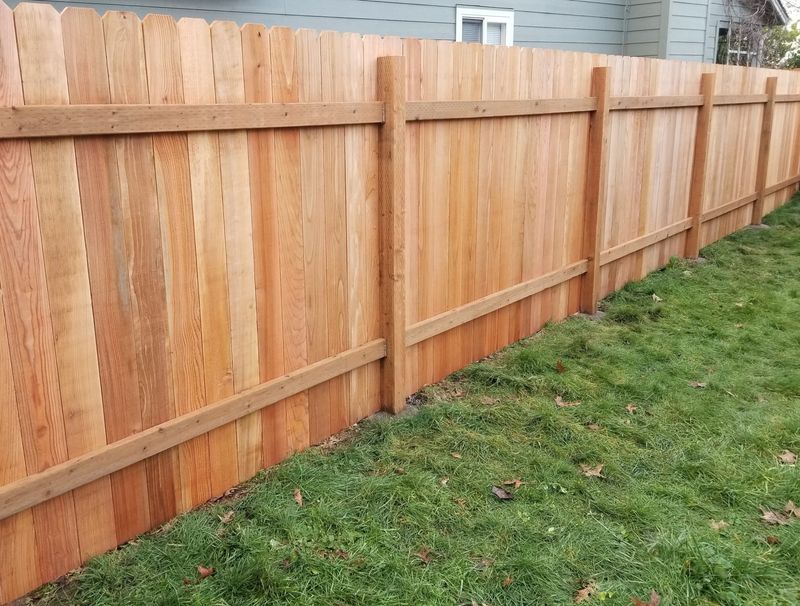
Not all fence materials are created equal in the eyes of your HOA or local code. Some communities have very specific opinions about what your fence should look like.
Wood is the classic choice, and it is widely accepted in most neighborhoods. Cedar and pressure-treated pine are the most popular options for New Jersey fall installations.
Vinyl fencing has surged in popularity over the past decade. HOAs often favor it because it stays clean, holds its color, and requires almost no upkeep.
Aluminum fencing is the go-to for decorative front yards. Its open-rail design satisfies sight-line requirements while still defining your property boundaries clearly.
Chain-link is functional but restricted in many upscale communities. Some HOAs prohibit it, while others allow it only in rear yards out of public view.
Barbed wire and electric fencing are prohibited in most residential zones. These materials are reserved for agricultural or industrial properties in most of New Jersey.
Recycled composite materials are gaining traction as an eco-friendly option. Check with your HOA before purchasing, as some associations have not yet updated their guidelines to include composites.
Color restrictions are more common than you might think. Certain communities require fences to be white, brown, or natural wood tones only.
Getting material approval in writing from your HOA protects you if leadership changes later. A paper trail is your best friend when community standards shift.
Choosing the right material upfront prevents costly replacements down the road.
5. Boundary Surveys That Prevent Costly Neighbor Disputes
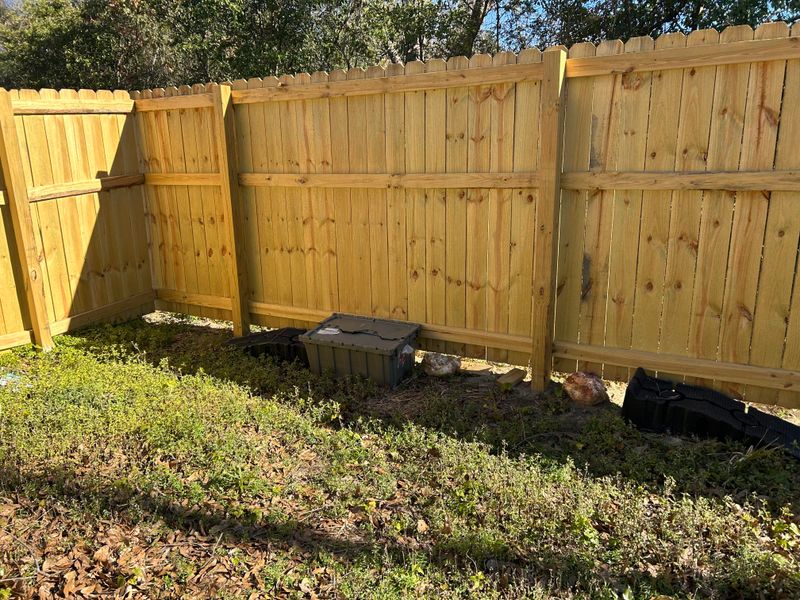
Property line disputes are one of the most common and expensive problems homeowners face. A fence built even six inches onto a neighbor’s land can trigger legal action.
Many homeowners assume they know where their property ends. Old stakes, landscaping edges, and fences from previous owners are notoriously unreliable guides.
A licensed land survey gives you a legally defensible boundary. In New Jersey, survey costs vary quite a bit depending on lot size and property complexity.
Some homeowners skip the survey to save money upfront. That shortcut often costs far more when a dispute forces the fence to be moved.
Your deed and tax map can provide a general idea of your boundaries. But only a licensed surveyor can place stakes with legal accuracy.
If your neighbors are cooperative, consider splitting the survey cost. A shared survey benefits both parties and builds goodwill before construction begins.
New Jersey law generally allows fences to be built on the property line. But both neighbors must agree if the fence will straddle the line itself.
Encroachment issues can cloud your property title. A fence that sits on a neighbor’s land, even slightly, can complicate future home sales.
Surveyors are busiest in spring and early summer. Booking a fall survey often means faster scheduling and quicker turnaround before your installation window closes.
Knowing exactly where your land ends is not just smart. It is the foundation every solid fence project should be built on.
6. Frost Line Requirements That Affect Post Depth
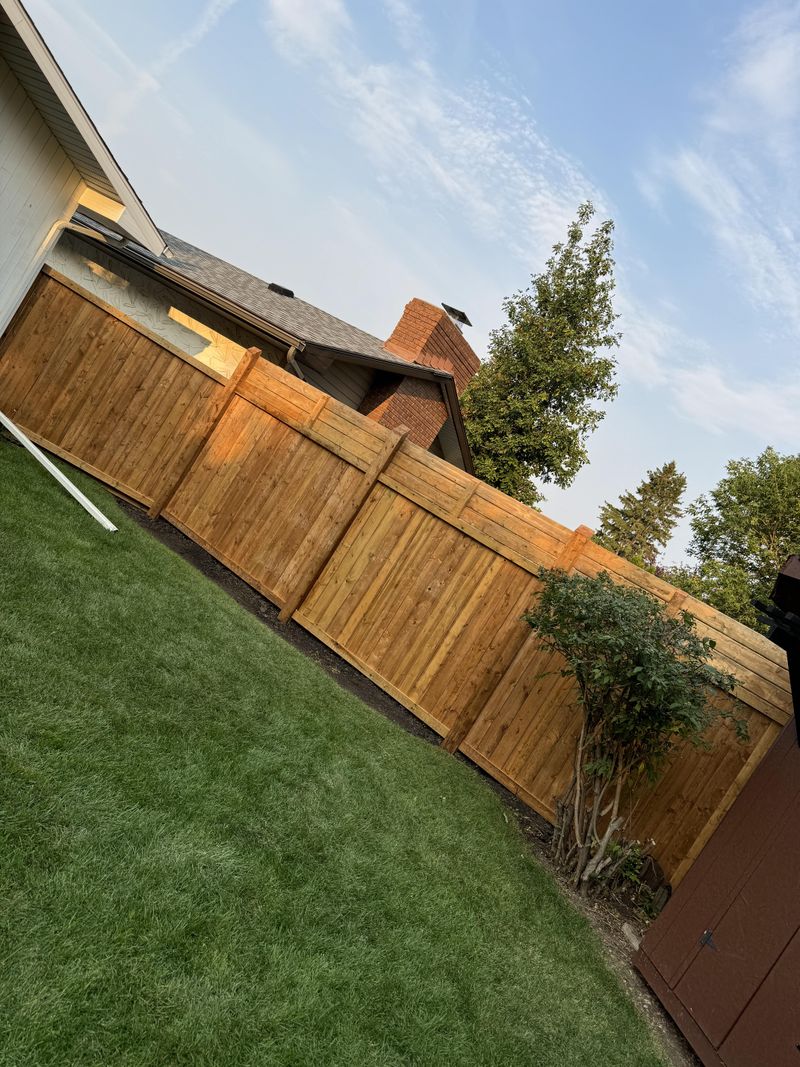
The frost line is not just a technical term. It is the reason your fence posts either survive winter or slowly tilt and heave out of the ground.
In New Jersey, the frost line generally ranges from about twenty-four to thirty-six inches below the surface, depending on the region. Northern counties near the Highlands typically sit at the deeper end, around thirty-six inches, while southern shore areas require noticeably less depth.
Frost heave happens when moisture in the soil freezes and expands. Posts set too shallow get pushed upward each winter until they eventually lean or topple.
Concrete footings are the most reliable way to anchor posts below the frost line. A properly poured footing keeps your fence plumb and stable for decades.
Some contractors use gravel instead of concrete for drainage. This method works in certain soil types but is less common in New Jersey’s clay-heavy soils.
Post diameter also plays a role in long-term stability. Thicker posts set deeper hold up far better against wind and ground movement over time.
Rental auger machines make digging to the required depth manageable for DIY projects. But rocky or root-heavy soil often requires professional equipment to reach proper depth.
Skipping the frost line requirement is a gamble that rarely pays off. One hard New Jersey winter can turn a straight fence into a wavy, leaning eyesore fast.
Proper depth is the unglamorous secret behind every fence that lasts.
7. Ground Freeze Timing That Limits Your Installation Window
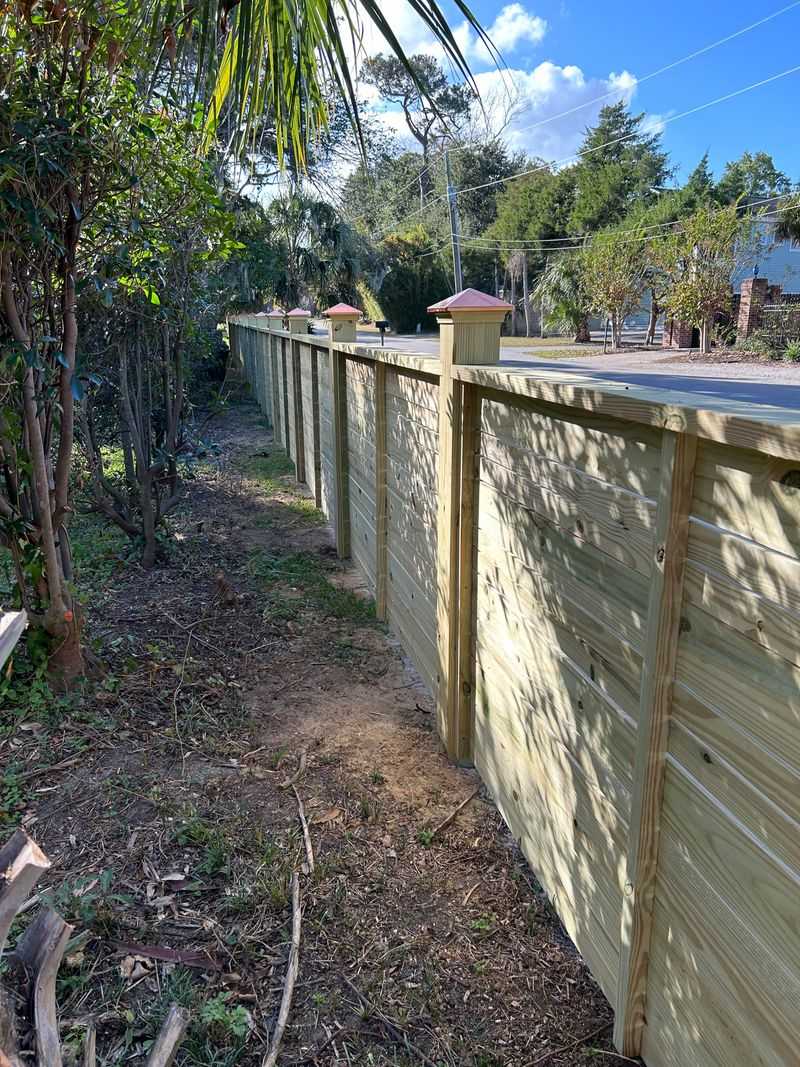
Fall is a great season for fence work, but it comes with a ticking clock. When the ground freezes solid, installation becomes nearly impossible without heavy equipment.
In New Jersey, ground freeze typically begins in late November or December. The exact timing shifts each year depending on how early cold fronts arrive.
Most fence contractors aim to finish installations by mid-November. This buffer accounts for unexpected cold snaps that can arrive weeks ahead of schedule.
Frozen ground is not just hard to dig. It also shifts during freeze and thaw cycles, which can compromise freshly poured concrete footings.
Booking your contractor early in September or October locks in a fall slot. Many crews fill up fast as homeowners realize the season is shorter than expected.
A mild fall can extend your window into early December. But counting on mild weather in New Jersey is a gamble most experienced contractors avoid.
Ground temperature matters more than air temperature for installation timing. Soil can stay workable even when overnight air temps dip below freezing.
Soil thermometers are an inexpensive tool for tracking ground conditions. Many professionals check ground temp before committing to a late-season installation date.
If the ground does freeze before your project wraps up, spring is the next best option. Trying to rush a late install in frozen conditions leads to poor results.
Your installation window is narrower than it looks. Plan like the freeze is coming two weeks early, because sometimes it does.
8. Costs That Catch New Homeowners Off Guard
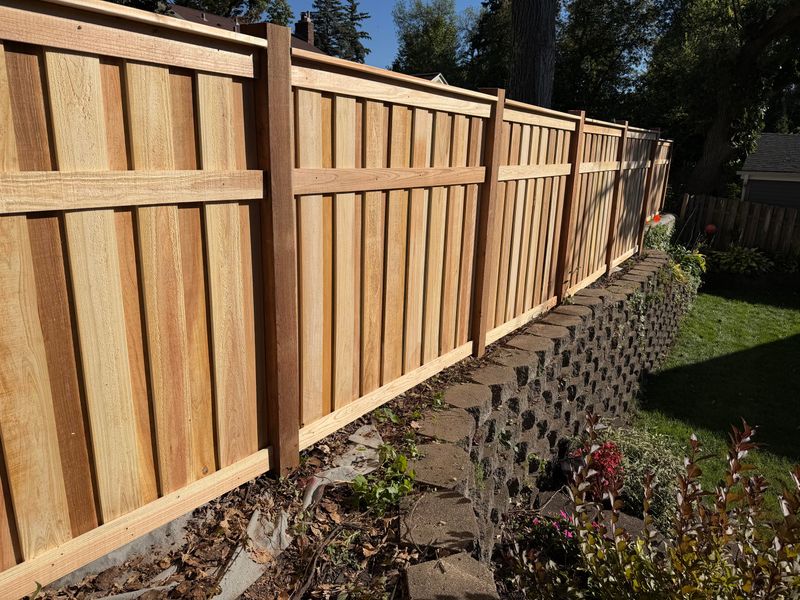
The sticker price of a fence is just the beginning. Homeowners who budget only for materials and labor often get surprised by what comes next.
Permit fees, survey costs, and HOA application fees add up before a single post goes in the ground. Budgeting extra for these upfront costs is a smart move.
Material prices have climbed steadily over the past few years. Pressure-treated lumber and vinyl panels cost noticeably more than they did just a few years ago.
Labor rates in New Jersey are higher than the national average. Expect professional installation to carry a real premium depending on material and complexity.
Gate hardware is a hidden cost many homeowners overlook. A quality gate with proper latches and hinges can add meaningfully to the total per opening.
Demolition of an old fence adds to the total if you are replacing an existing structure. Hauling and disposal fees in New Jersey can add up quickly depending on fence size.
Soil conditions affect labor time significantly. Rocky ground or tree roots near the fence line slow the digging process and push hourly labor costs higher.
Getting three quotes from local contractors gives you a realistic price range. A quote that seems too low often signals shortcuts in materials or post depth.
Every new fence puts up a fence of its own around your budget. Knowing these details before starting keeps those surprises from wrecking your fall plans.