Why Box Turtles Are Wandering Through New Jersey Yards Right Now

A shell crossed your lawn before sunrise. Cool air makes you notice quiet movement outside. Turtles leave their ponds and enter your yard. Nesting pulls females toward soil close to you.
Hunger drives turtles straight into your garden bed. Rising chill pushes them to move past you. Shrinking daylight signals your yard as safe shelter. Overgrown brush gives them cover you might overlook.
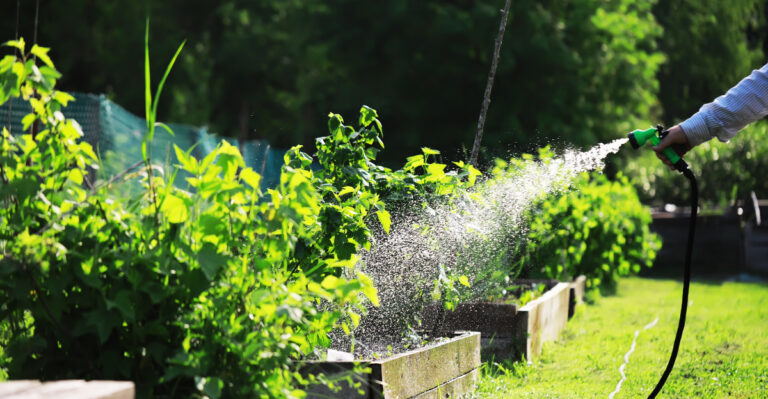
Water sources pull hungry travelers toward your hose. Instinct pushes them past traffic and toward you. You might spot it wedged beside your tomato cage. New Jersey yards near you host this fall traffic.
Risk hides in places you would not expect. Curiosity tempts you to touch, but distance protects them. Recognizing this pattern changes how you respond outside.
Backyards across New Jersey fill with your visitors each fall. Small signs around you mean more turtles are close. What happens next in your yard demands attention now.
1. Late-Season Nesting Trips Bring Females Into The Open
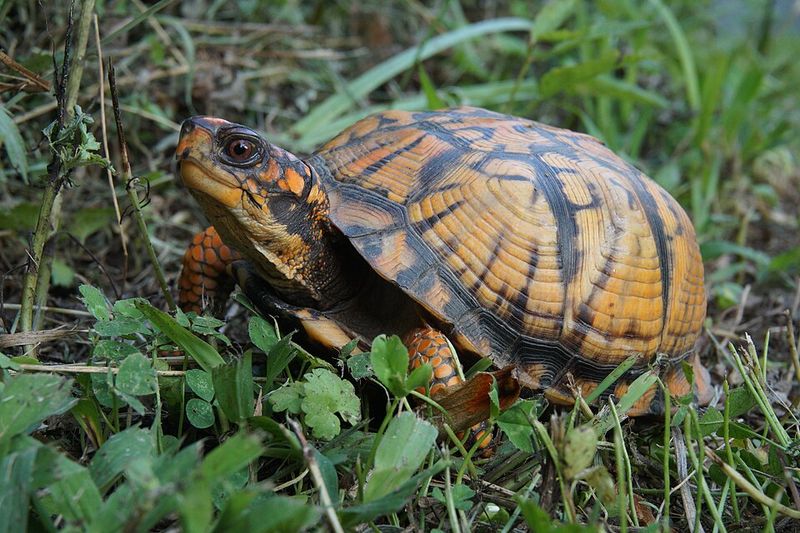
A female eastern box turtle moving with clear purpose is a sight worth pausing for. She plods across mulch beds with her neck stretched forward, scouting sunny soil.
Nesting season in New Jersey runs roughly from late May into July, and some females attempt a later clutch. That means a few determined mothers are still traveling well into September.
She looks for loose, well-drained ground that catches warm afternoon light. Garden beds, compost edges, and sandy driveway shoulders check those boxes nicely.
Digging takes hours, usually in the early evening when the air cools. Her back feet do the shoveling while the front ones stay planted.
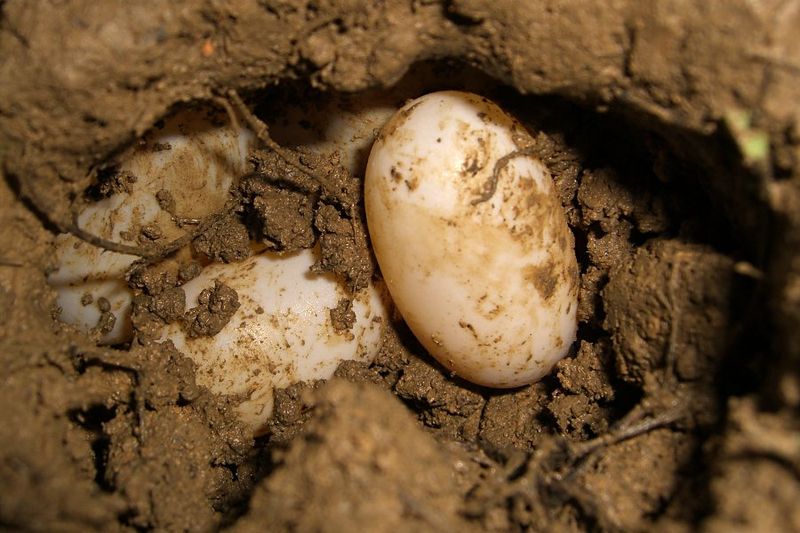
Once she covers the nest, she wanders off and leaves the eggs to the warmth of the soil. Sun and rain handle the rest for the next two to three months.
If you spot a turtle scraping at your flower bed, give her space and keep pets indoors for a while. Interruptions may send her searching elsewhere, sometimes across a road.
Mark the spot with a stake so you remember to skip that area with the shovel. A loose wire cage pinned over the soil keeps curious raccoons from digging in.
Fun bit of trivia: soil temperature helps decide whether the hatchlings turn out male or female. Warmer nests lean female, cooler ones lean male.
Neighbors who leave one shady corner unmowed give her a safer route home. Small choices like that add up across a whole street.
2. Hatchlings Are Pushing Up Through The Soil
Picture a turtle the size of a quarter, shell still soft at the edges, pushing up through damp soil. September and early October are prime time for those tiny arrivals in New Jersey.
Hatchlings from June nests dig their way out after roughly 70 to 90 days underground. Some stay in the nest chamber through winter and appear the following spring instead.
Newly emerged babies are very difficult to see. Their shells are dark with faint yellow speckles that blend into leaf litter and wood chips.
Your New Jersey Garden Changes Every Week. Your Plan Should Too.
Gardening in New Jersey changes quickly throughout the season. Every Friday you’ll receive a simple weekly plan showing exactly what to plant, prune, fertilize, harvest, and protect so you never miss the right timing.
They head straight for cover, usually thick ground plants, ferns, or brush piles at the yard’s edge. Open lawn leaves them exposed to crows, skunks, and neighborhood cats.
If you find one, resist the urge to bring it inside for safekeeping. A hatchling raised indoors loses the mental map it needs for its home ground.
Move it a short distance to the nearest brushy cover, facing the same direction it was already headed. Then let it get on with its slow, secretive life.
Hold off on raking and leaf blowing near garden borders for a few weeks. That messy layer is exactly the shelter a young turtle counts on.
Growth is unhurried, adding about one ring of shell each year in the early stage. Box turtles can reach their forties and beyond in the wild.
Mowing high, around three to four inches, gives the little ones a fighting chance to slip by unnoticed. Your lawn will handle heat better too.
3. Cooler Mornings Wake Them From A Summer Snooze

Heat waves push box turtles underground into a drowsy state called aestivation. They tuck under logs, root masses, and mud, waiting for kinder weather.
Early September flips that switch. Nights dip into the fifties, mornings feel damp, and turtles come back out to feed.
Activity peaks in mid-morning and again before dusk, when the ground is warm but not baking. Those are the windows when yard sightings spike.
A turtle basking on your patio stones is soaking up warmth to power digestion. Cold-blooded bodies need outside heat to process a meal.
You may notice the same individual returning to a favorite sunny patch for days. Box turtles keep small home ranges, often just a few acres wide.
Watch where you step near woodpiles and shed skirting during morning chores. A shell tucked in dry grass looks a lot like a rock.
Homeowners with dogs should scan the yard before letting them out at first light. Curious mouths cause shell damage that takes months of care to mend.
Leaving a shallow water dish sunk into the soil helps during dry stretches. Turtles soak in it, drink from it, and cool down.
Autumn appetite runs high because they are packing on reserves before the cold. Berries, worms, slugs, and mushrooms all end up on the menu.
Sightings taper off by late October across the northern counties. Down in the Pine Barrens, a warm spell can stretch that window a bit longer.
4. Fallen Fruit And Fresh Mushrooms Turn Yards Into Buffets
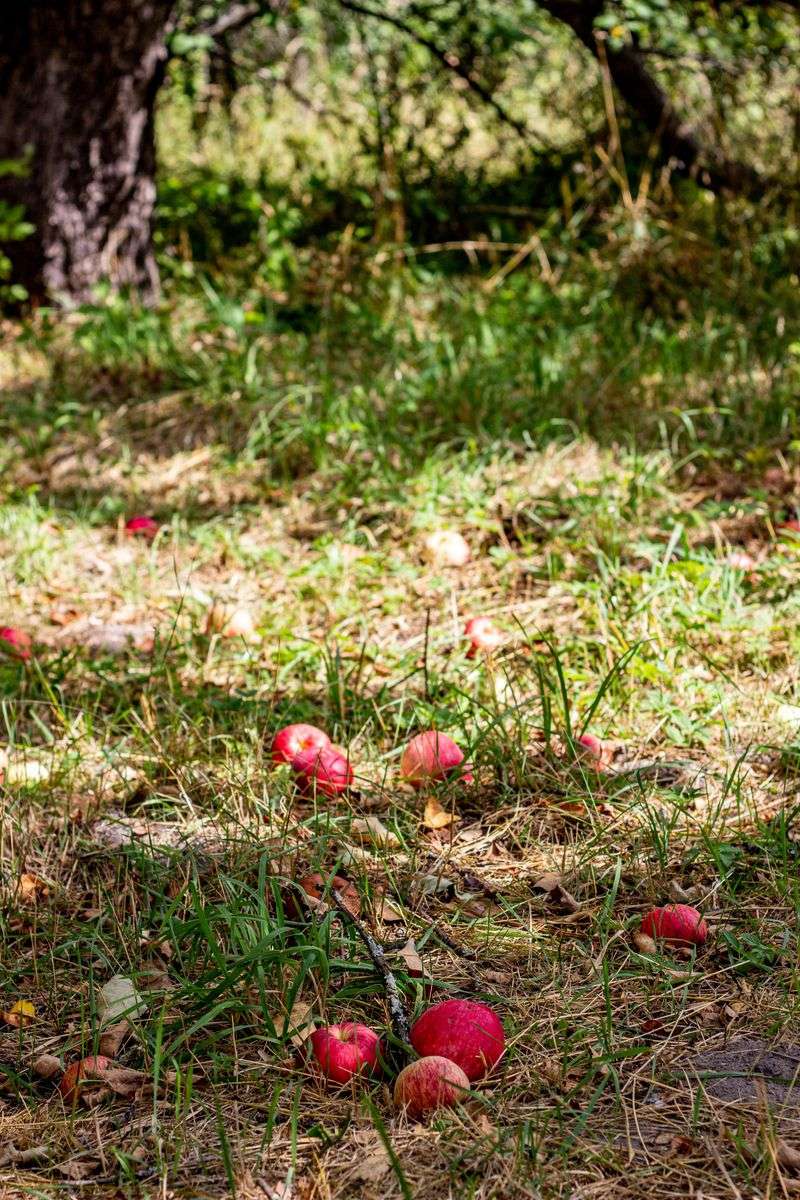
Box turtles are omnivores with an oddly gourmet streak. A windfall apple, an overripe fig, or a cluster of lawn mushrooms will pull one right in.
September yards are loaded with that kind of food. Crabapples drop, blackberries hang low, and rain brings a fresh crop of fungi overnight.
They also hunt slugs, earthworms, beetles, and snails along damp mulch. That makes them quiet allies for anyone tired of chewed hosta leaves.
Wild mushrooms that would upset a human stomach seem to sit fine with them. Researchers think that tolerance is part of what makes them such flexible feeders.
Gardeners sometimes find bite marks in low tomatoes and strawberries. A ring of chicken wire around the bed solves it without shooing anyone away.
Skip slug pellets and broad insect sprays in areas where turtles roam. Poisoned prey moves right up the food chain.
If you compost, keep the pile fenced or contained. Turtles climb into open piles for scraps and can get stuck against a wall.
A fruit tree with unpicked drops becomes a reliable stop on a turtle’s route. Raking those under a shrub instead of the driveway keeps visitors off pavement.
Please resist hand-feeding, even with something as tempting as strawberries. Turtles that link people with snacks lose the caution that keeps them out of trouble.
Native berry shrubs like spicebush and viburnum feed turtles and songbirds alike. One planting does double duty in a small yard.
5. Neighborhoods Were Built Across Their Old Routes

One lesser-known factor is this: the turtle in your yard may have been using that land long before the house arrived. Box turtles stick to the same few acres for decades.
New Jersey is among the most densely populated states in the country, and development has sliced woodlots into patches. A turtle’s old route now crosses lawns, fences, and driveways.
So a yard visit is less about aimless wandering and more about commuting. She is heading toward a spot she has used for years.
Relocating a turtle far from home can cause significant harm. Moved animals often walk for months trying to get back, crossing roads along the way.
The rule of thumb from wildlife biologists is simple. Keep it in the same neighborhood, ideally within a few hundred feet.
Fencing choices matter more than people expect. A solid barrier with no gaps can trap a turtle in a mowed yard with little cover.
Leaving a four-inch gap at ground level in one section lets small wildlife pass through. Rabbits, toads, and turtles use those corridors regularly.
Eastern box turtles are listed as a species of special concern in New Jersey. Slow reproduction means a single adult lost from a population is a significant loss.
Reporting sightings to state wildlife programs helps track where they remain. A photo, a date, and a rough location are plenty.
Backyard brush piles and unraked corners restore a little of what was lost. Habitat can be small and still be useful.
6. Rain Showers Trigger Slow-Motion Road Trips

There is a reason sightings jump the morning after a September downpour. Rain softens soil, brings worms up, and makes travel comfortable.
Turtles breathe with lungs but lose moisture easily through the skin around the neck and legs. Humid weather lets them roam without drying out.
Storm remnants that drift up the coast in late summer set off a wave of movement. Yards near woods, streams, and wet meadows see the heaviest traffic.
Roads become the biggest hazard during these damp spells. Warm asphalt feels good, so turtles linger exactly where they should not.
If you help one across, carry it in the direction it was already pointed. Turning it back means it will try again minutes later.
Support the shell with both hands, low to the ground, and move at a steady pace. Check for traffic first, since your safety comes first.
Some turtles empty their bladder when lifted, which is stressful for them in dry weather. A quick, calm transfer limits that.
Puddles in driveway low spots draw them in for a soak. Filling deep ruts with gravel keeps turtles from settling where cars roll through.
Storm drains and window wells are another trap worth checking after heavy rain. A screen or a few bricks makes an easy fix.
Keep a pair of old gardening gloves by the door for these rescues. Wash your hands afterward, since reptiles can carry salmonella bacteria.
7. Winter Prep Has Officially Started

By late September, a box turtle’s to-do list is short: eat, warm up, and find a winter bed. Yards with loose soil and deep leaves fit the bill.
They dig shallow chambers, often under stumps, root tangles, or thick leaf mounds. Depths from a few inches to a foot are typical.
Once the ground chills, their heart rate slows dramatically to conserve energy. Brumation is the reptile version of a long winter rest.
Turtles frequently return to the same overwintering area year after year. That old brush pile behind the shed may be a repeat reservation.
Which is why fall cleanup timing matters so much. Hauling away leaves and logs in October can remove someone’s winter shelter.
Consider raking leaves into a corner rather than bagging them all. A knee-high pile under shrubs holds heat and moisture beautifully.
Hold off on tilling garden beds until spring soil warms past fifty degrees. Blades reach deeper than you think.
Prescribed burns and heavy machinery are common autumn tasks on larger properties. Scheduling those for midwinter, when animals have settled in deeper, reduces the odds of trouble.
A wooden pallet leaned against a fence with leaves packed behind it works as a simple shelter. Inexpensive and effective, if not attractive.
Note the spot on your phone so spring cleanup skips it. Turtles usually stir again around late March or April.
Snow cover actually helps by insulating the soil below. A hard freeze with bare ground is tougher on them.
8. Smart Moves And Common Mistakes When One Shows Up

A few precautions prevent common mistakes. A few simple habits turn your yard into a safe rest stop.
Look before you mow, especially in tall grass and along bed edges. Walking the yard once takes two minutes.
Leave wild turtles wild. Taking one home as a pet is restricted under New Jersey wildlife regulations and it removes a breeder from a fragile population.
Skip the paint, stickers, and drilled holes some folks use to mark shells. Shell is living tissue with a blood supply.
Keep dogs leashed or supervised in yards that back up to woods. Puncture wounds from a playful pup need a reptile vet, not a wait-and-see approach.
Store pesticides and fertilizers where runoff avoids garden beds and lawn edges. Turtles absorb chemicals through their skin and drink from shallow puddles.
If you find an injured turtle, contact a licensed wildlife rehabilitator rather than treating it yourself. Shells mend, but they need proper cleaning and stabilizing.
Take a photo of the shell pattern before releasing one nearby. Markings work like fingerprints, so you can recognize a returning neighbor next season.
Kids love being the family turtle spotter, and that gives them a job with real purpose. Hand them a notebook and let them log dates and locations.
Share what you have learned with the folks next door. Turtles cross property lines, and a whole street of careful yards makes a real difference.