Why North Carolina Cool-Season Seedlings Develop Damping-Off In Warm, Wet Weather
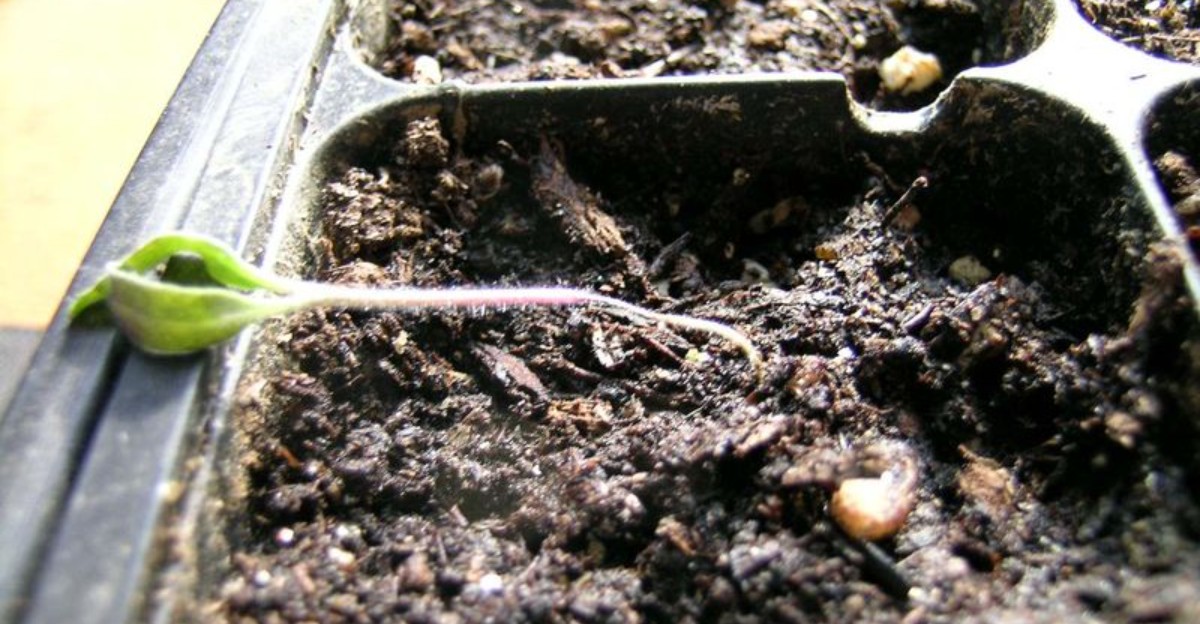
Seedlings that look perfectly healthy one day and collapsed at the soil line the next are almost always victims of damping-off, a fungal problem that thrives in exactly the conditions North Carolina’s early fall often delivers.
Warm soil combined with excess moisture creates an ideal environment for the fungi responsible, which attack tender seedling stems right at ground level before roots have had a chance to establish real strength.
Because young cool-season crops are seeded during a stretch when afternoons can still feel like summer, gardeners often overwater without realizing they’re creating the exact conditions this disease needs to spread.
Once damping-off sets in, affected seedlings rarely recover, making prevention far more effective than any attempt at treatment.
Understanding this pattern helps explain why some fall seedling trays fail almost overnight while others thrive without issue.
1. Warm, Wet Conditions Favor Damping-Off
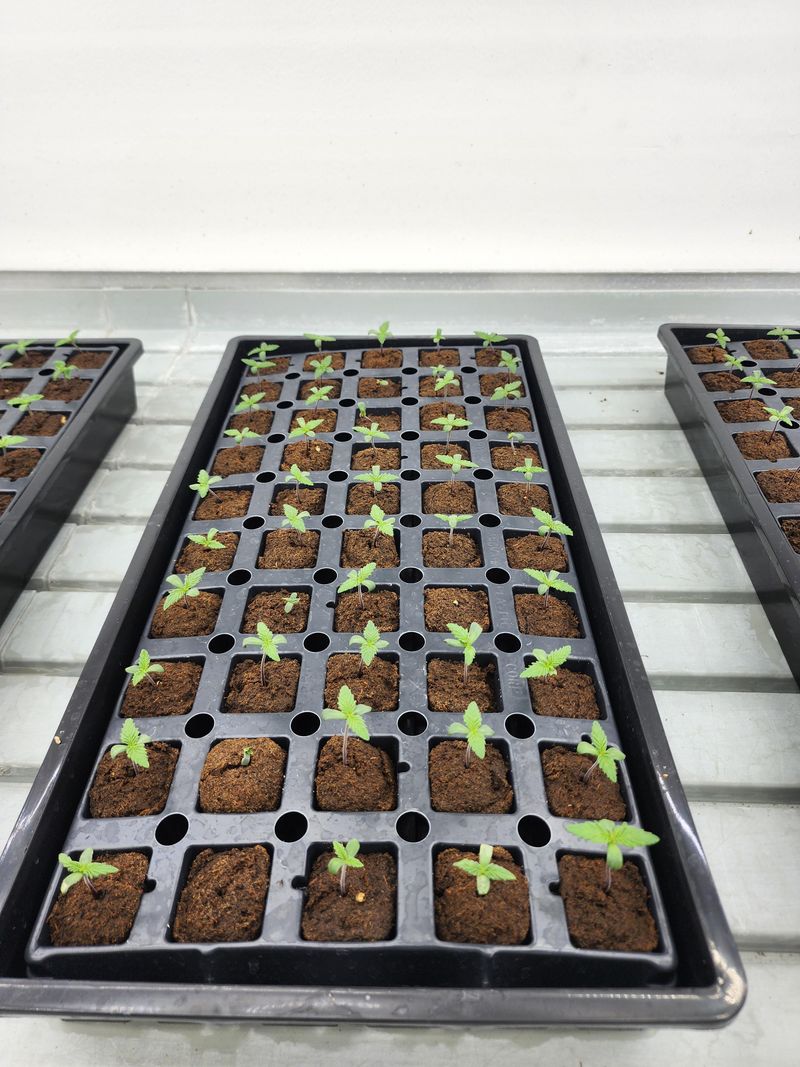
Imagine a muggy North Carolina afternoon in late summer, when the air feels like a warm, damp towel. You might be sweating on the porch, but the tiny organisms living in soil are having the time of their lives.
Warmth and moisture act like a welcome mat for the fungi and fungus-like organisms behind damping-off.
Most of these troublemakers need water to grow, spread, and reach new roots. Some, like Pythium, even produce swimming spores that travel through wet soil the way kids race across a splash pad.
When temperatures climb, many of these organisms grow faster, so they can reach tender seedlings before the plants have a chance to toughen up.
Cool-season crops such as broccoli, cabbage, kale, and lettuce add another twist. They prefer mild weather, so a hot, sticky spell can leave them stressed and slow-growing.
A stressed seedling spends more time in its most fragile stage, which gives disease more chances to strike.
Constantly soggy seed-starting mix makes the whole situation worse. Waterlogged media pushes air out of the tiny pore spaces, and roots need oxygen just as much as they need water.
Without it, young roots weaken and become easy targets. The fix starts with balance. Keep your mix evenly moist, like a wrung-out sponge, rather than dripping wet.
Check it with your fingertip each day, and water only when the top quarter inch starts to feel dry. On extra humid days, move trays to a spot with afternoon shade and some moving air so they can cool down and breathe a little easier.
2. Several Pathogens Can Cause The Problem
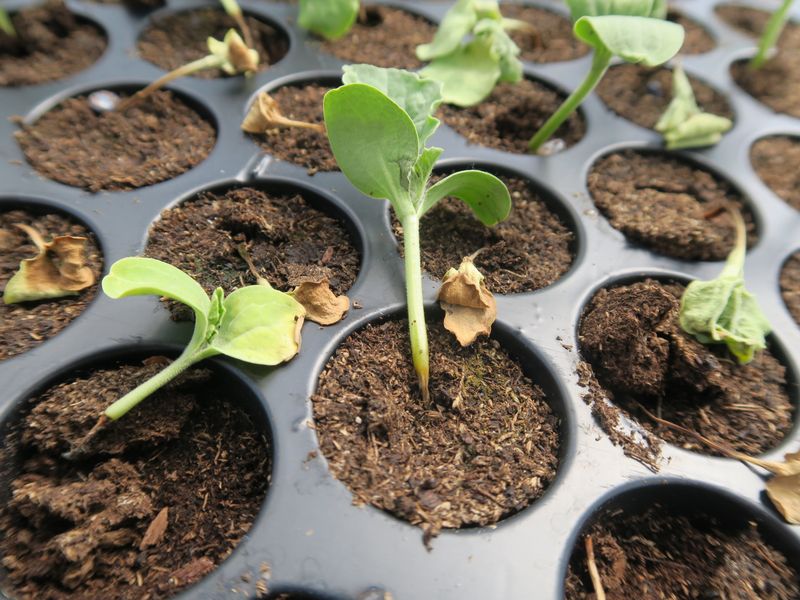
Damping-off sounds like one sneaky villain, but it is really a whole gang. The name describes what happens to seedlings, not who causes it.
Think of it like the word ‘flu’ in everyday talk, where many different bugs can leave you feeling the same way.
Several soilborne organisms can trigger the problem. Pythium and Phytophthora are water molds, which are fungus-like organisms that thrive in soggy soil.
Rhizoctonia and Fusarium are true fungi, and Rhizoctonia in particular often shows up when soil is warm and moist.
Each one behaves a little differently. Some attack seeds before they ever break the surface, which gardeners call pre-emergence damping-off.
Your North Carolina Garden Changes Every Week. Your Plan Should Too.
Gardening in North Carolina changes quickly throughout the season. Every Friday you’ll receive a simple weekly plan showing exactly what to plant, prune, fertilize, harvest, and protect so you never miss the right timing.
Others wait until the seedling pops up and then strike the stem, which is known as post-emergence damping-off.
Why does this matter to you? A single spray or trick will not stop every culprit, because a product that works on one group may do nothing against another.
Fun fact: many of these organisms live in ordinary garden soil all the time. Most mature plants shrug them off, but a baby seedling with a soft, thin stem has almost no defense.
The spores and resting structures can also wait in soil for months or even years until conditions turn in their favor.
Your best strategy is prevention that works against all of them at once. Clean containers, fresh seed-starting mix, careful watering, and good airflow create a setting where none of these organisms feels at home.
When you shut the door on the whole gang, you do not have to guess which member came calling.
3. Seedlings Can Collapse At The Soil Line
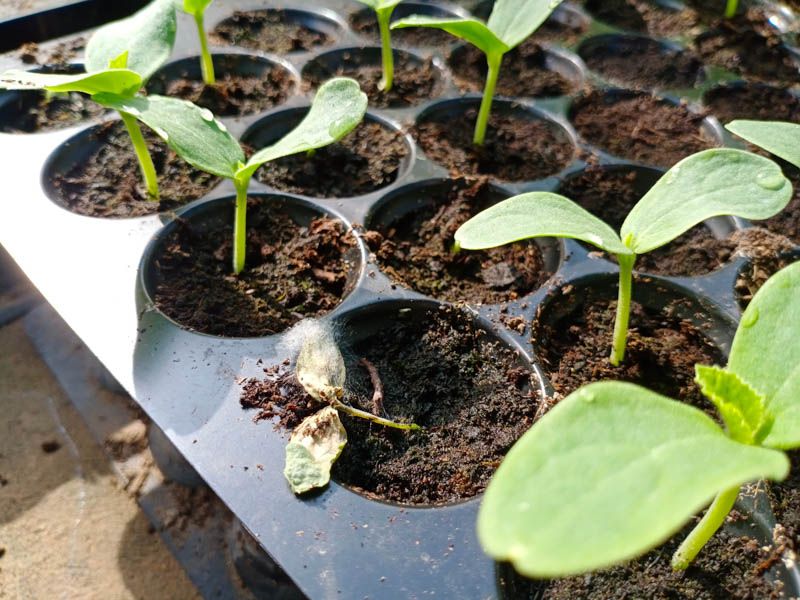
One morning your tray of collard seedlings looks perfect. By dinnertime, a few of them are lying flat on the mix as if someone pushed them over. That sudden flop is the classic calling card of damping-off.
Look closely at the base of a fallen seedling and you will usually spot the cause. Right at or just above the soil line, the stem often looks water-soaked, thin, or pinched, almost like a string was tied around it.
The color may shift to brown, gray, or even black while the leaves above still look green and fresh.
That pinched spot is where the organisms have broken down the soft tissue. Once the stem can no longer move water and nutrients upward, the little plant topples and rarely recovers.
Losses can happen within a day or two of the seedlings sprouting, which is why the problem feels so shocking.
Other signs are easier to miss. Seeds that never come up at all may have rotted underground before they sprouted.
You might also see bare patches spreading outward in a tray, since the disease can move from one plant to its neighbors.
Sometimes a fine, white, cottony growth appears on the mix surface or on fallen stems, especially in humid conditions. Do not confuse that with the harmless fuzzy root hairs near the seed, which look similar at first glance.
If you spot trouble, act quickly. Remove the affected seedlings and the mix right around them, ease up on watering, and increase airflow to protect the rest of the tray.
4. Overwatering Is A Major Risk Factor
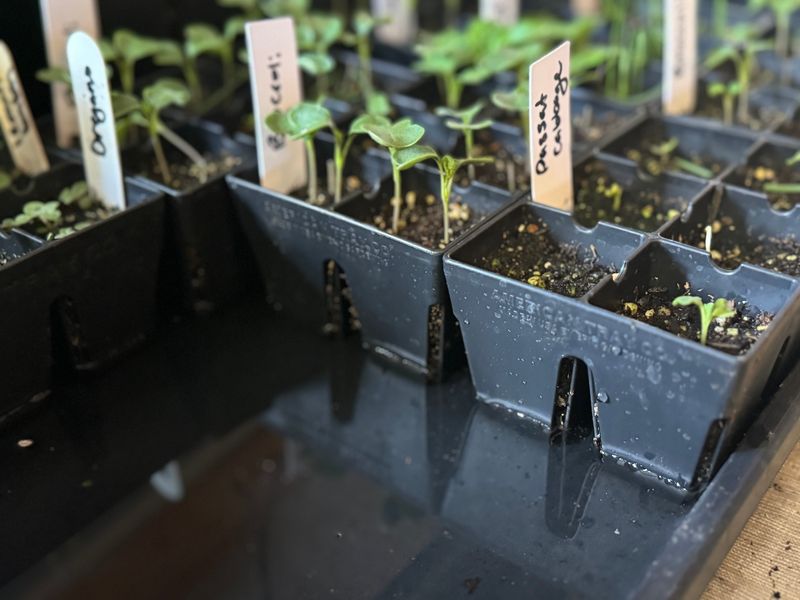
Loving your seedlings too much is a real thing, and it usually happens with a watering can. New gardeners often think more water means more growth.
With damping-off, that kind of generosity can backfire fast.
Roots need two things from their growing mix: water and air. Every time you flood a tray, water fills the tiny pockets that normally hold oxygen.
Roots sitting in airless, waterlogged media become stressed, while saturated conditions can favor pathogens such as Pythium and make disease spread easier.
Saturated mix also gives water molds such as Pythium a smooth highway for travel. Their spores swim through water films in the soil, so the wetter the tray, the easier the trip from one seedling to the next.
Of course, seedlings still need steady moisture, because a dried-out tray brings its own problems. The goal is a middle ground.
Aim for mix that feels damp but not soggy, and let the surface dry slightly between waterings.
Bottom watering is one of the easiest habits to adopt. Set your cell trays in a shallow pan of water for 10 to 20 minutes, then lift them out and let the extra drain away.
The mix soaks up what it needs, and the stems and surface stay drier. Try lifting a tray right after watering and again a day later to learn how the weight changes. Soon you will be able to tell when plants are thirsty just by feel.
Never let trays sit in standing water overnight, and skip the daily watering routine in favor of checking first.
5. Crowded Seedlings Stay Wet Longer
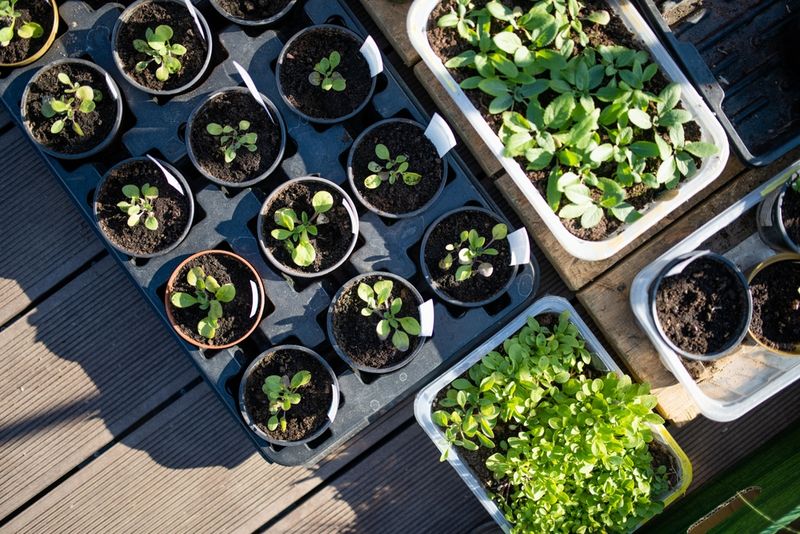
Anyone who has sprinkled lettuce seed straight from the packet knows how fast a tray turns into a tiny green jungle. It looks exciting at first, but a packed crowd of seedlings acts like people squeezed into a hot elevator.
When leaves overlap, they form a small canopy that traps humid air near the surface of the mix. Moisture from watering and from the plants themselves has nowhere to go. As a result, stems and soil stay damp for hours longer than they would in an open tray.
That extra wet time is exactly what damping-off organisms want. Crowded stems also touch each other, which gives disease an easy bridge from one plant to the next.
A single sick seedling in a dense patch can spread trouble to a whole cluster in just a couple of days.
Crowding causes other stress, too. Seedlings compete for light, so they stretch tall and thin, and those leggy stems are softer and easier to damage.
Thankfully, the fix is simple and even a little satisfying. Sow seeds more thinly, following the spacing on the packet, or place just two or three seeds in each cell of a tray.
Once seedlings sprout and show their first true leaves, snip the extras at the soil line with small scissors, keeping the strongest one.
Pulling extras can disturb the roots of the keeper, so scissors are the gentler choice. It may feel hard to thin healthy little plants, but every snip gives the winner more space, more light, and a much drier home.
6. Clean Containers Matter
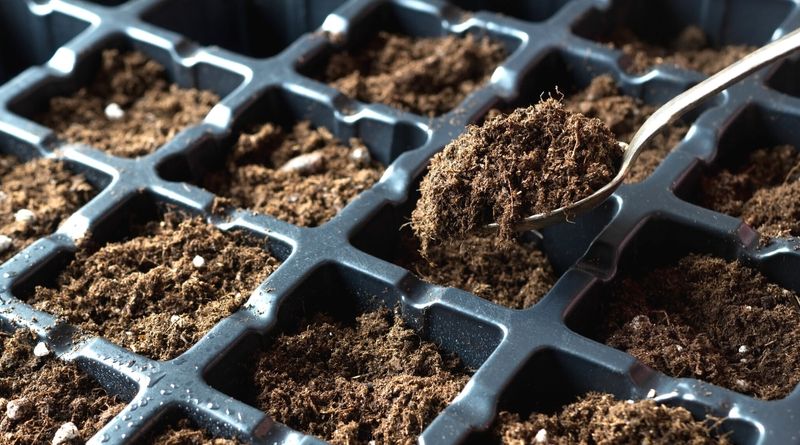
Grandma’s old clay pots stacked behind the shed may carry more than sentimental value. Leftover soil clinging to trays, pots, and tools can hold spores and resting structures from last season’s disease problems.
Many damping-off organisms are tough travelers. They can survive on dirty surfaces, in old potting mix, and in bits of plant debris for a long time.
Reusing a tray without cleaning it is a bit like serving dinner on a plate nobody washed.
Clean gear gives new seedlings a fresh start. Scrub trays and pots with warm, soapy water to remove every trace of soil, since sanitizers work poorly on dirty surfaces.
Then soak them for about 10 minutes in a solution of one part household bleach to nine parts water, rinse well, and let them air dry.
Tools deserve the same treatment. Wipe down scissors, dibbers, and plant labels, and keep a dedicated scoop for your seed-starting mix instead of borrowing one from the garden.
Growing media matters just as much. Garden soil is packed with organisms, so it is a poor choice for starting seeds indoors.
A fresh bag of commercial seed-starting mix, which is usually soilless and made from peat or coir with perlite or vermiculite, carries far less risk.
Store opened bags sealed and off the ground so dust, dirt, and splashing water cannot sneak in. Use clean water too, since rain barrels and ponds may carry organisms like Pythium.
Even little habits, like washing your hands after working in garden beds, help keep trouble out of the seed-starting area.
7. Give Young Plants Better Airflow
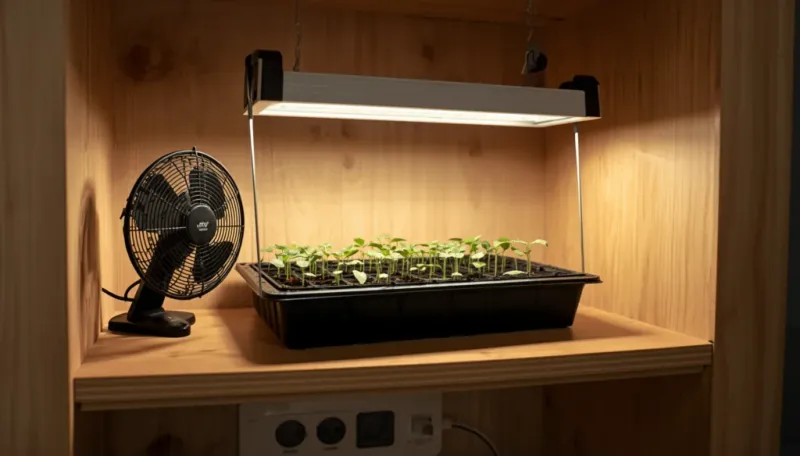
A small, inexpensive fan might be the most underrated tool in your seed-starting kit. Moving air works quietly around the clock, sweeping away the damp, still layer that settles over trays.
Wet surfaces dry faster in a breeze, and faster drying means fewer chances for damping-off organisms to take hold.
Think about how laundry dries on a windy day compared to a calm, muggy one. Your seedlings and their mix follow the same rule.
In late summer, when North Carolina humidity often sits high, a steady breeze can be the difference between a healthy tray and a disappointing one.
Set a fan on its lowest setting a few feet away so the air moves the leaves gently without whipping them around. Running it for several hours a day is usually plenty, and some gardeners put it on a timer.
If seedlings flatten or the mix dries out within hours, move the fan farther away.
Here is a bonus that surprises many people. Gentle swaying helps seedlings build thicker, sturdier stems, similar to how muscles grow stronger with exercise.
Scientists call this response thigmomorphogenesis, which is quite a mouthful for a simple breeze.
Spacing works hand in hand with airflow. Leave a little room between trays and pots instead of pushing them edge to edge, and lift trays onto wire shelves or racks so air can reach from below.
Humidity domes need attention, too. They help seeds sprout, but leaving them on too long traps moisture.
Pull the dome off or prop it open as soon as most seedlings appear, and let the fresh air do its work.
8. Start Fall Seedlings In Well-Drained Media
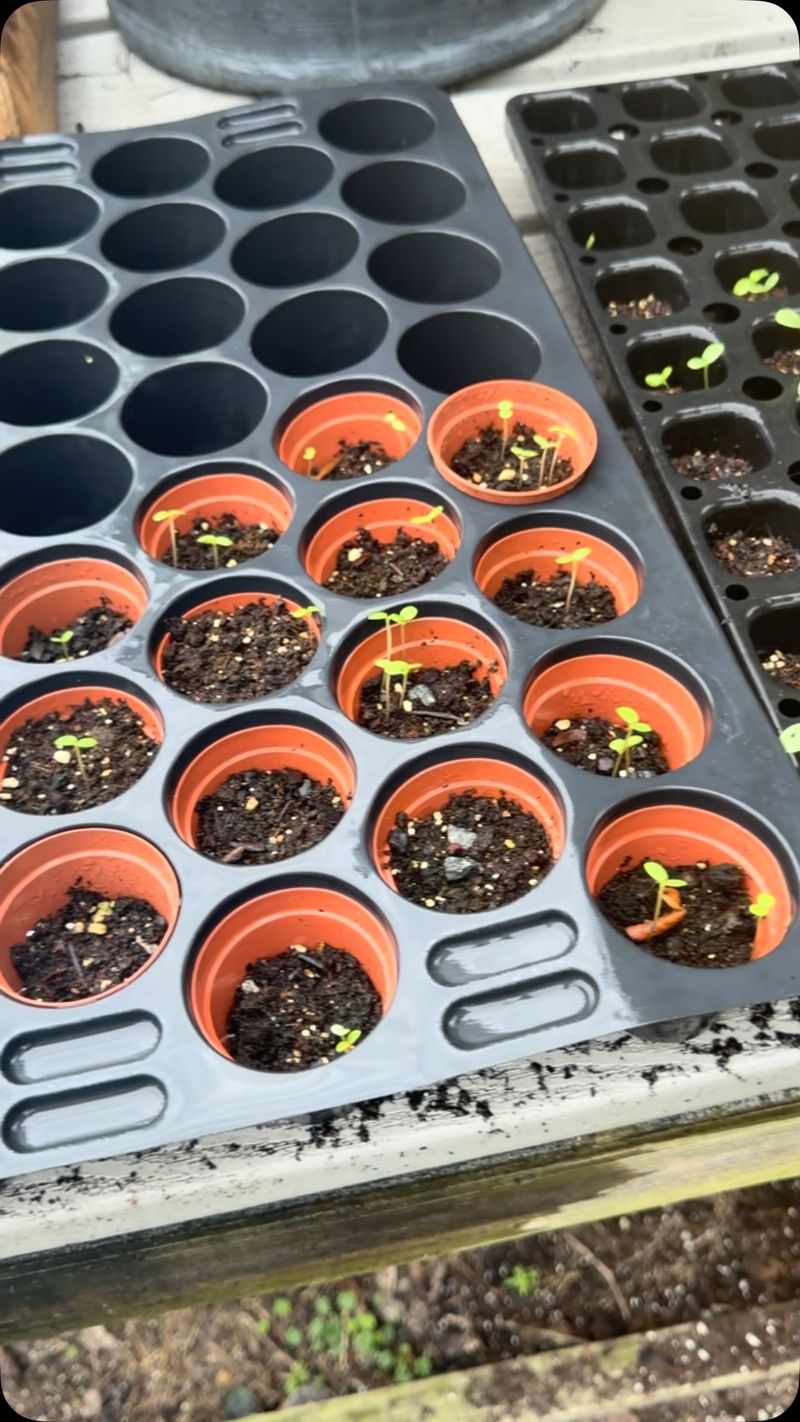
September in North Carolina can feel more like July than autumn, with afternoon highs often reaching the 80s and plenty of humid, stormy days.
That late summer stretch lands right when many gardeners are raising broccoli, cabbage, collards, kale, and lettuce for fall harvests.
Planning ahead for heat and moisture gives those young crops a much better shot.
Your first line of defense is the right growing medium. Choose a fine-textured, well-drained seed-starting mix that holds moisture yet lets excess water drain away quickly. Heavy garden soil or dense, clumpy mixes stay wet too long and invite trouble.
Containers need good drainage holes, and trays should never sit in puddles. Water only when the top of the mix starts to dry, and try to water in the morning so surfaces dry before cooler, damp nights.
Light plays a bigger role than many people expect. Seedlings that stretch toward a dim window grow weak and floppy, so give them bright light, such as grow lights set a few inches above the leaves for 14 to 16 hours a day.
Outdoors, a spot with morning sun and light afternoon shade can protect cool-season starts from harsh heat.
Keep air moving with a fan or by placing trays where breezes can reach them. Check trays daily, especially after rainy or muggy stretches.
Look for pinched stems, spreading bare spots, or seedlings suddenly lying flat. Catching problems early lets you remove affected plants, dial back the watering, and save the rest of the tray.
With good mix, smart watering, and a watchful eye, your fall garden can get off to a strong, healthy start.