How To Store Fresh North Carolina Pawpaws When The Whole Crop Ripens At Once
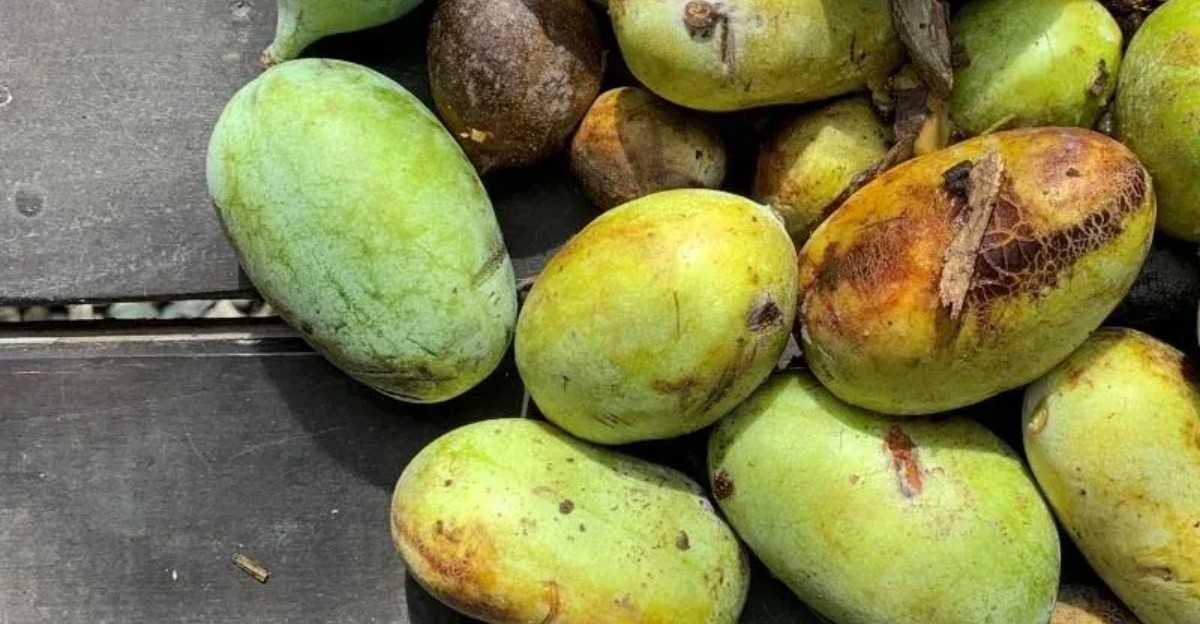
Pawpaws have a frustrating habit of ripening almost all at once, leaving North Carolina growers with a sudden abundance of fruit that spoils within just a few days at room temperature.
Unlike apples or pears that can sit on a counter for weeks, ripe pawpaws are delicate and highly perishable, making quick action essential once that distinctive tropical fragrance signals they’re ready.
Refrigeration can buy a little extra time, typically extending freshness by several days beyond what counter storage allows, while freezing the pulp offers a much longer-term solution for preserving that unique flavor.
Because pawpaws don’t ship or store well commercially, most people never get the chance to taste one fresh, making proper storage even more valuable for anyone lucky enough to grow their own.
A little planning at harvest time can turn a fleeting pawpaw season into fruit that lasts for months.
1. Refrigerate Fully Ripe Pawpaws
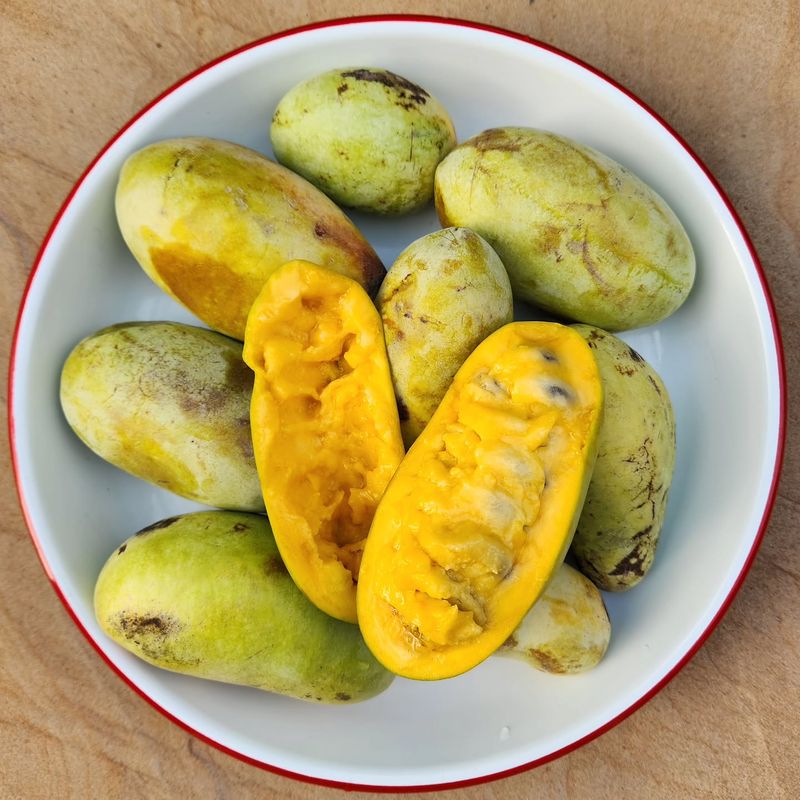
At room temperature, a ripe pawpaw usually stays at its best for only two or three days.
Cold air is your first and easiest line of defense. The fridge slows down the natural ripening process, which means the fruit softens, darkens, and breaks down much more slowly.
Fully ripe fruit will often hold its quality for about a week in the refrigerator, while fruit that is just starting to soften can last up to around three weeks.
Set your fridge between 35 and 40 degrees Fahrenheit for the best results. Place the pawpaws in a single layer on a shallow tray or in a produce drawer so they are not piled on top of each other.
A loose plastic bag or a container with a cracked lid helps keep moisture in without trapping too much humidity.
Keep an eye on the skin, which may turn dark or even black in the cold. Don’t panic, because a darker peel does not always mean the flesh inside is bad. Cut one open, give it a sniff, and taste a small bite to check the flavor.
When you are ready to eat a chilled pawpaw, pull it out an hour or so ahead of time. Letting it warm up a little brings back more of that sweet, tropical taste.
Many North Carolina growers say a cool pawpaw scooped straight from the skin with a spoon is one of the best treats of late summer.
2. Pick Fruit Before It Becomes Fully Soft
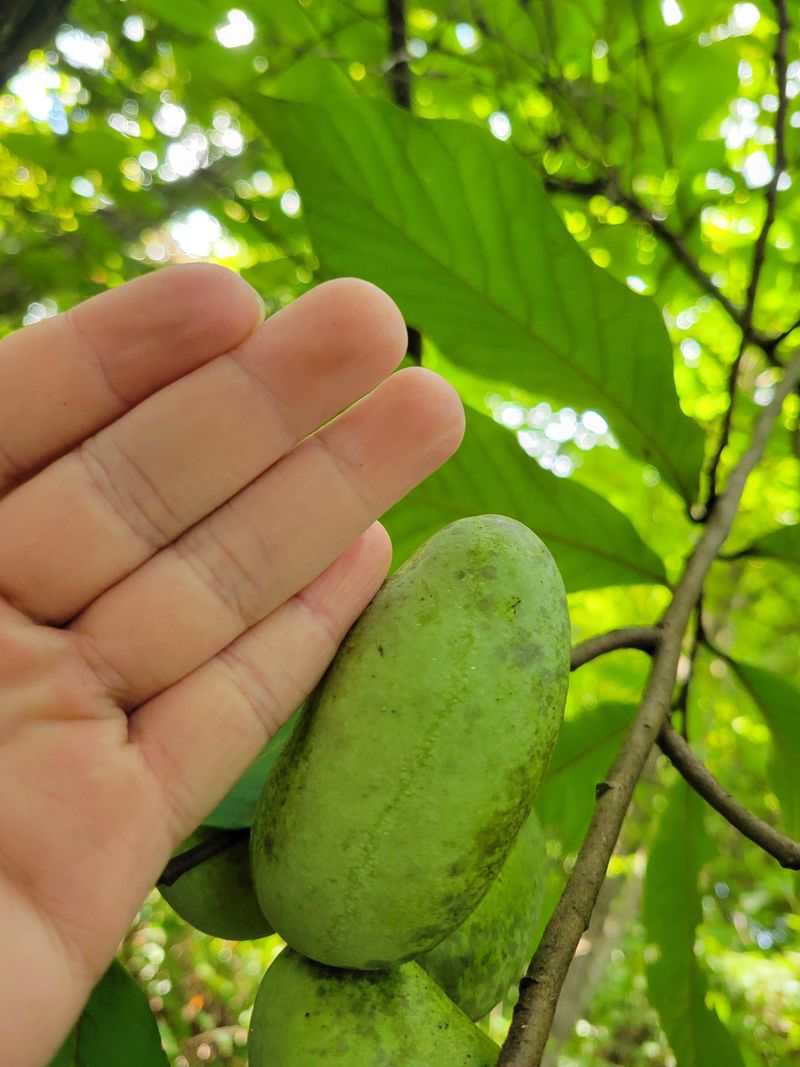
Timing is everything with pawpaws, and a little early picking can save a whole season of fruit. Wait too long, and ripe fruit drops to the ground in a single windy night. Pick a bit sooner, and you get to decide when the fruit is ready to eat.
The sweet spot is fruit that gives slightly when you press it gently with your thumb, much like a ripe peach. Many pawpaws also lose some of their deep green color and start to smell fruity at this stage.
Another clue is how easily the fruit comes off the branch, since ready fruit often detaches with a soft tug.
Your North Carolina Garden Changes Every Week. Your Plan Should Too.
Gardening in North Carolina changes quickly throughout the season. Every Friday you’ll receive a simple weekly plan showing exactly what to plant, prune, fertilize, harvest, and protect so you never miss the right timing.
Fruit picked at this early-soft stage can finish ripening on your kitchen counter in a few days. You can also put the firmer ones in the fridge to press pause, then bring a few out at a time to ripen at room temperature.
Staggering them that way turns one giant harvest into a steady supply. Rock hard, fully green fruit is a different story. Pawpaws picked too early may never ripen properly and often end up bland or rubbery.
Patience pays off, so give each tree a gentle check every day or two once the first fruits start to soften.
Want to speed things up? Tuck a few pawpaws into a paper bag with a ripe banana or apple, since both give off ethylene gas that encourages ripening. For slower ripening, a cool spot or the fridge will buy you extra days.
3. Handle Pawpaws Very Gently
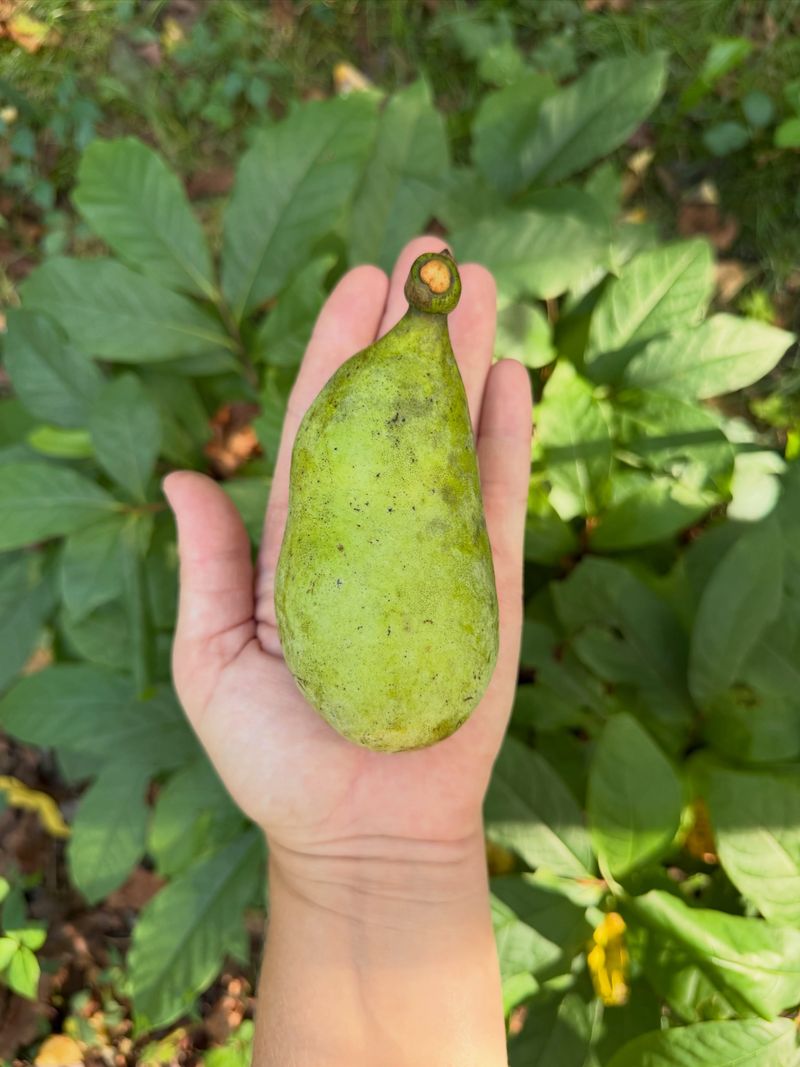
Think of a ripe pawpaw as a water balloon wrapped in tissue paper. The thin skin and soft, custard-like flesh make it one of the most delicate fruits a backyard grower can raise.
NC State Extension points out that pawpaws bruise easily and have a short life after harvest, which is a big reason you rarely see them in grocery stores.
A bruise is more than a cosmetic problem. When the flesh gets crushed, the damaged spot turns brown and starts breaking down faster, and that softness can spread to the rest of the fruit.
Bruised areas also give mold and fruit flies an easy place to get started.
Start by picking with an open hand instead of a tight grip. Cradle the fruit in your palm and twist or lift it gently, rather than squeezing to test ripeness over and over.
Shaking the tree might seem like a shortcut, but fruit that thumps onto hard ground often splits or bruises right away.
Your harvest container matters too. Shallow boxes or trays lined with a soft towel work far better than deep buckets, where the fruit on the bottom gets crushed by the weight above it. Try to keep the fruit in one or two layers at most.
Once inside, set each pawpaw down like you would a raw egg. Avoid stacking, tossing, or rolling the fruit around on the counter. A little extra care during those first few minutes can add days to its storage life.
4. Separate Ripe Fruit From Less-Ripe Fruit
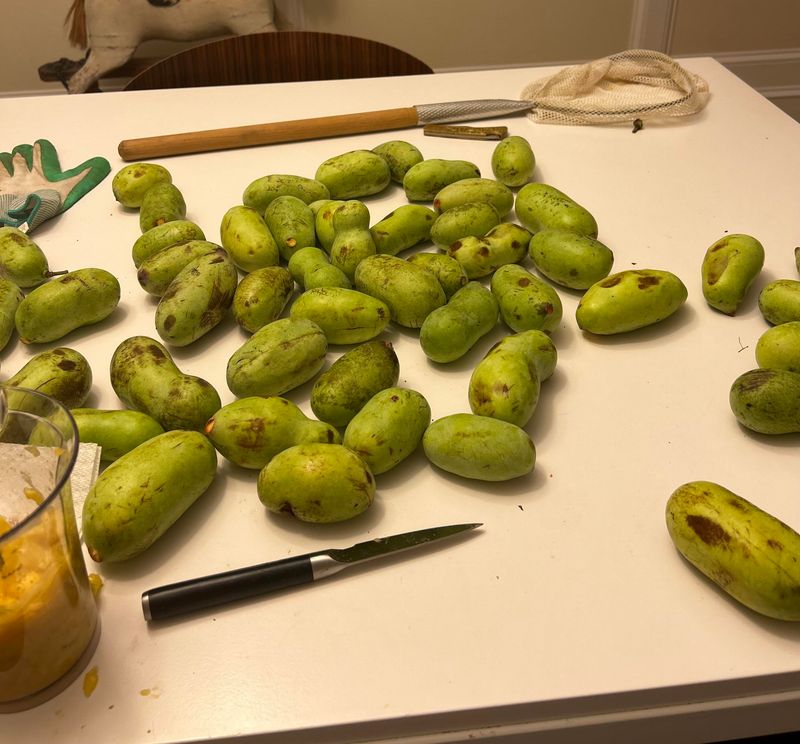
Sorting fruit might sound like a chore, but it works a lot like planning meals for the week. Some pawpaws need to be eaten today, while others can wait.
Grouping them by ripeness helps you use every fruit at its peak instead of watching a pile turn mushy.
Try setting up three simple groups on your counter or in labeled trays. The first group holds soft, fragrant fruit that yields easily when pressed, and it should be eaten, shared, or processed right away.
The second holds fruit that gives just a little, which can go in the fridge for later. A third group is for firm fruit that still needs time. Leave those at room temperature away from direct sun, and check them daily as they soften.
Once one moves up to the next stage, simply shift it over to the right group. Ripe pawpaws give off ethylene, a natural gas that tells nearby fruit to ripen faster. Keeping very ripe fruit away from firmer ones slows that chain reaction and buys you extra time.
On the other hand, if you want a firm fruit to catch up, placing it near a ripe one can help. A handy trick is to write the picking date on masking tape stuck to each tray. It sounds small, but it keeps you from forgetting which batch came first.
Ripeness sorting also makes sharing easy, since neighbors and friends are always happy to take a bag of ready-to-eat fruit off your hands.
5. Freeze The Pulp For Long-Term Storage
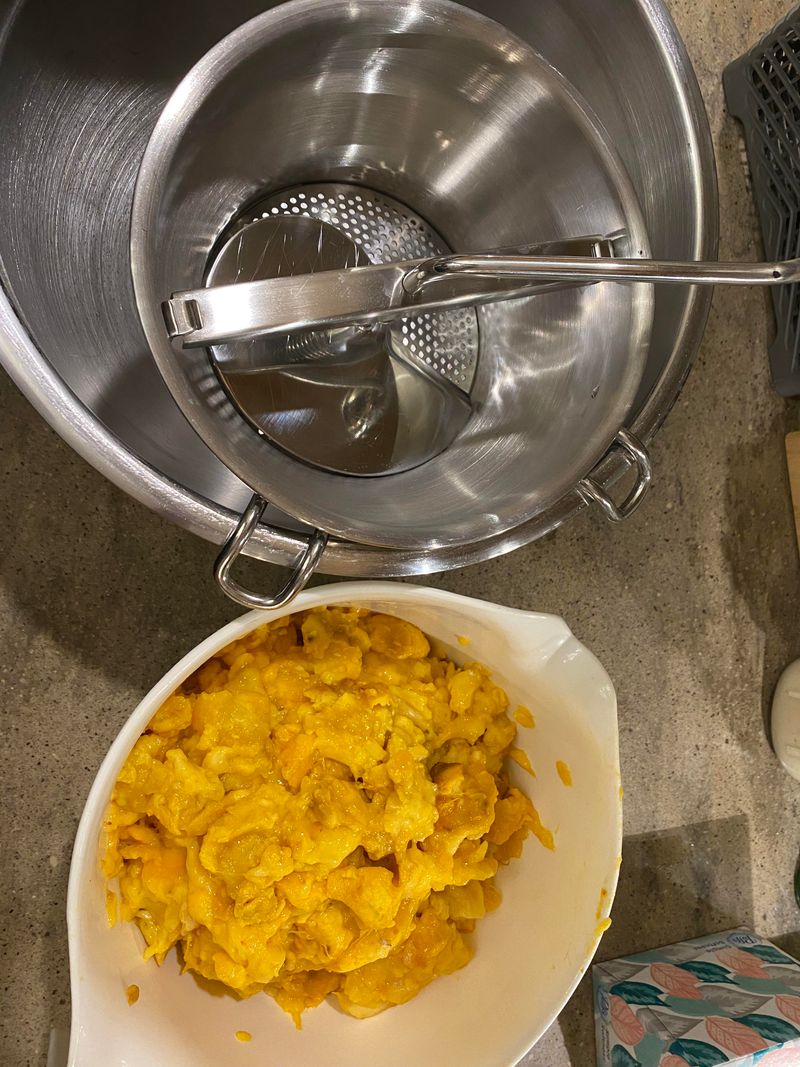
Pawpaw ice cream in January? It is absolutely possible, and the secret is your freezer.
Freezing the pulp is one of the best ways to save a huge harvest, and extension experts note that pawpaw puree stores very well frozen.
Start with fully ripe fruit, since that is when the flavor and sweetness are strongest. Cut each pawpaw in half the long way and scoop out the soft flesh with a spoon. The skin is bitter and should not go into your pulp, so leave it behind.
Fresh pawpaw flesh can turn brown when it meets the air, much like a cut apple. Stirring in a little lemon juice or ascorbic acid powder helps keep the golden color bright.
A small splash is usually enough, so taste as you go to keep the pawpaw flavor front and center.
Work quickly and keep the pulp cool while you process, then pack it into freezer bags or airtight containers. Press out as much air as you can and leave a little space at the top, since the pulp expands as it freezes.
Label each package with the date and amount so you know exactly what you have. Frozen pulp keeps good quality for several months, and many people use it within a year.
It shines in smoothies, sorbets, and ice cream, and it bakes beautifully into breads, muffins, and cakes. Thaw it overnight in the fridge, and you can taste a bit of North Carolina summer on a cold winter day.
6. Remove Seeds Before Freezing Pulp
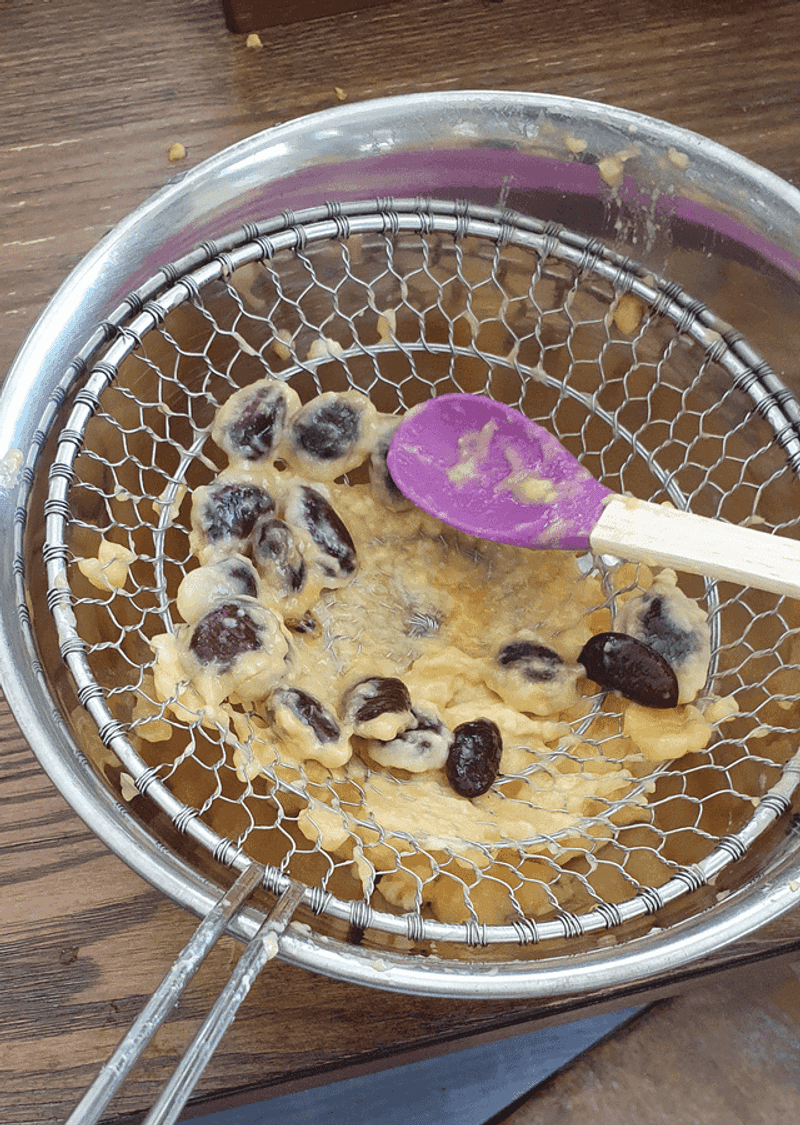
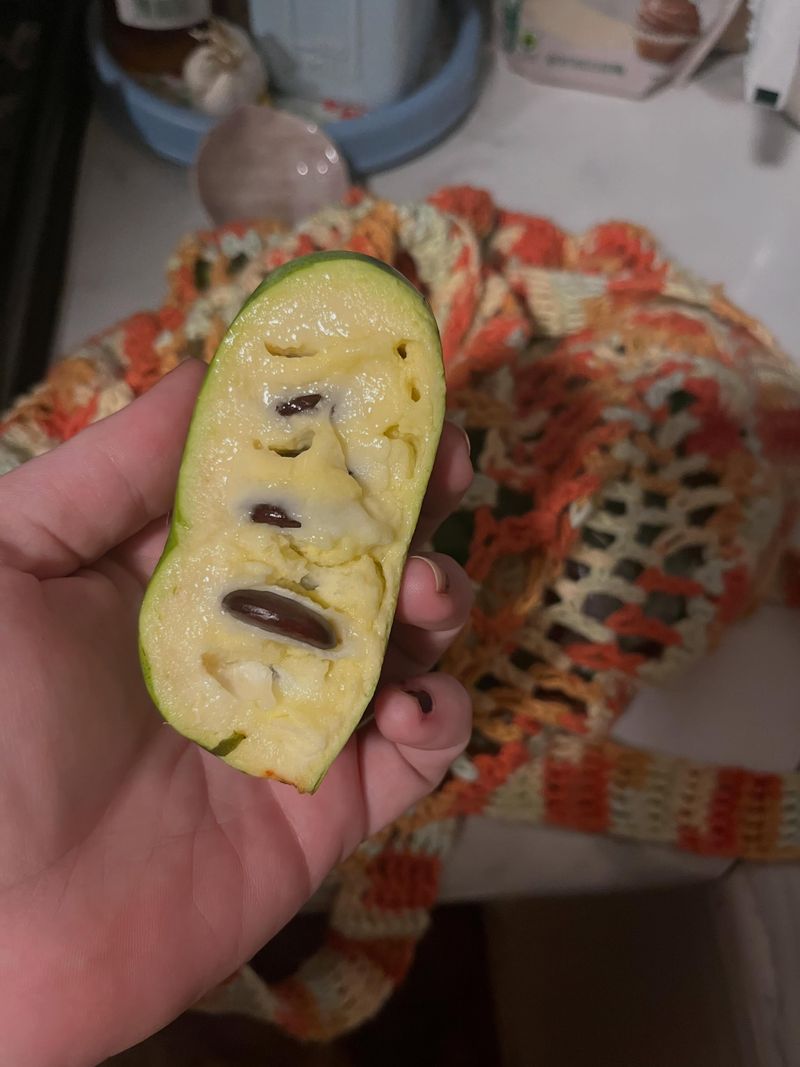
Every pawpaw hides a surprise inside, with two rows of big, shiny brown seeds that can be close to an inch long. A single fruit may hold a dozen or more.
Taking the time to pull them out before freezing makes your stored pulp much easier to use later.
Seeds and skin are not meant to be eaten. Pawpaw seeds contain natural compounds that can upset your stomach, so you never want them crushed into a smoothie or baked into bread.
Removing them now means you can grab a bag of pulp in winter and use it right away.
One easy method is to squish the scooped flesh through a food mill or a sturdy colander with large holes. The pulp passes through while the seeds stay behind.
For smaller batches, gloved hands work great, and plenty of kids think squeezing the seeds out is the most fun job in the kitchen.
After the seeds are gone, think about how you will use the pulp. Freezing it in one-cup or two-cup portions matches many common recipes for bread and muffins.
Ice cube trays are another clever choice, since you can pop out a few cubes for a single smoothie.
Once the cubes freeze solid, move them to a labeled freezer bag to save space. Flat bags also stack neatly and thaw faster than thick blocks.
Bonus tip: save a few clean seeds if you want to try growing your own pawpaw trees, but keep them moist and never let them dry out, since dried seeds usually will not sprout.
7. Dehydrate Or Preserve Pawpaw Carefully
Long before home freezers existed, Native American communities and early settlers found ways to enjoy pawpaws beyond the short fall season. Some historical accounts describe people drying the fruit into cakes for later use.
Modern gardeners are still curious about drying and preserving pawpaws, and with the right approach, it can be a fun project.
Dehydrating is the most common option to try at home. Thin slices or spread-out puree can be dried in a food dehydrator until leathery, much like fruit leather.
Be ready for some changes, though, since the heat can dull the delicate flavor and darken the color.
Canning is where extra caution comes in. According to the National Center for Home Food Preservation, there is currently no tested, research-based method for canning pawpaw.
Thick fruit purees can heat unevenly in jars, and without tested guidelines, no one can promise a home-canned batch is safe to store at room temperature.
That means skipping homemade pawpaw jams, butters, or canned purees meant to sit in the pantry.
Freezing remains the safer choice for pulp, and you can always make small batches of jam that stay in the fridge or freezer. Refrigerator and freezer jams skip the canning step completely.
Before trying any preservation method, look for guidance from a trusted source like NC State Extension or your local county extension office. Staff there can point you toward safe, tested options for your kitchen.
Following proven steps protects your family and keeps every bit of your hard-earned harvest tasting its very best.
8. Inspect Stored Fruit Frequently
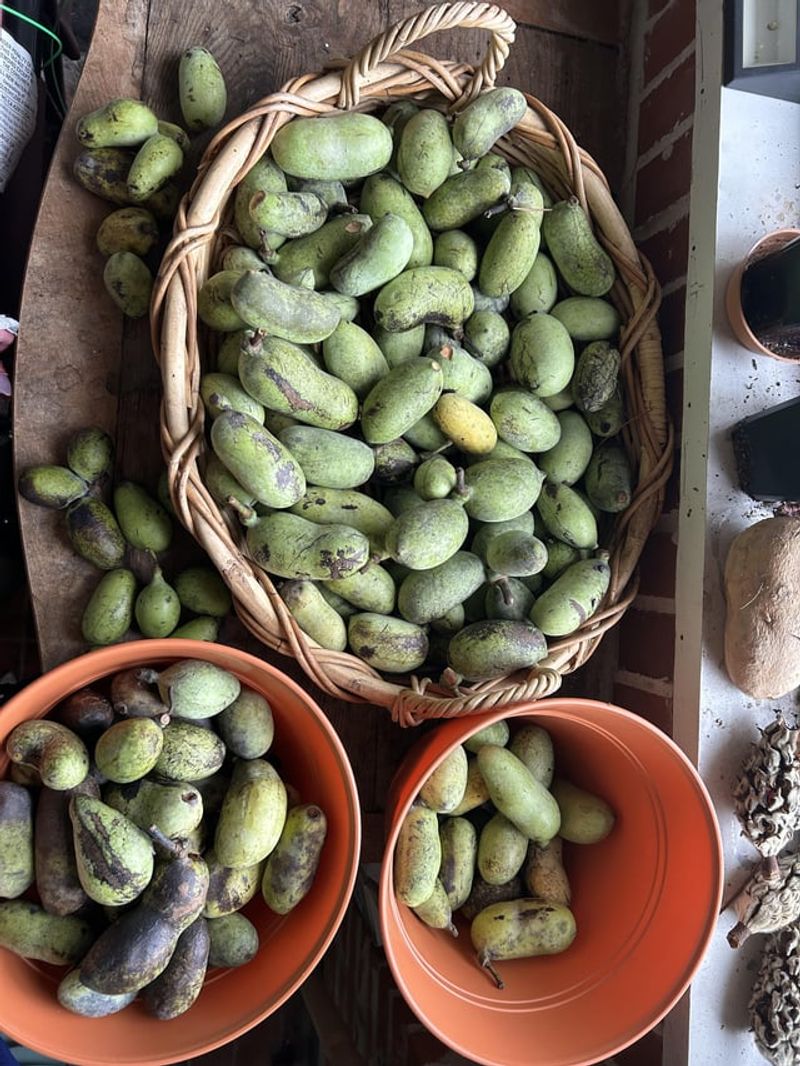
One bad pawpaw can turn a whole tray sour faster than you might expect. Ripe fruit sitting close together shares more than space, since mold, moisture, and fruit flies can spread from one soft fruit to the next.
A quick daily check is the simplest habit for protecting your stash. Make it part of your morning routine, like watering the garden or making coffee.
Look over each pawpaw for bruises, wet or sunken soft spots, split skin, and any fuzzy white, gray, or green mold. Trust your nose too, because a sharp, fermented, or alcohol-like smell means the fruit has gone too far.
Dark skin alone is not a warning sign. Many pawpaws turn brown or speckled as they ripen, and fruit stored in the fridge often darkens even when the flesh inside tastes perfect. Focus on how the fruit feels and smells rather than just its color.
When you find a damaged fruit, move it away from the others right away. A small bruise can often be trimmed off, and the rest of the flesh can go straight into a smoothie or the freezer.
Anything moldy, leaking, or foul-smelling belongs in the compost pile, where it can still help your garden.
Wipe up any juice left behind on trays or in fridge drawers, since sticky spots attract fruit flies. A small notebook of what you used and when helps you plan next season.
With steady attention, your big North Carolina harvest can stretch much further than a single busy week.