Why North Carolina Fig Trees Need Protection Before The First Frost
Figs occupy an unusual place in North Carolina gardens, thriving through the state’s hot, humid summers while remaining stubbornly unprepared for its winters.
Unlike native fruit trees that have adapted over generations to handle seasonal cold, figs originated in a Mediterranean climate that never demanded the kind of cold hardiness required to survive an unprotected North Carolina frost.
Without some form of protection before that first freeze hits, exposed wood can suffer significant damage, sometimes destroying branches all the way back to the ground and forcing the tree to rebuild much of its structure the following year.
This vulnerability is especially frustrating for gardeners who’ve spent years training a fig into a productive, well-shaped tree.
Taking action before frost arrives protects that investment and gives the tree a real chance at picking up right where it left off next spring.
1. Fig Wood Can Be Damaged By Freezing Temperatures
Figs have their roots in warm places like the Mediterranean and the Middle East, where winters stay mild. That sunny family history explains a lot about how your North Carolina tree behaves when cold air rolls in each fall.
Unlike oaks or maples, fig wood is soft and full of moisture. When temperatures drop low enough, ice can form inside the branches and damage the living tissue under the bark.
Many gardeners start to see trouble around 10 to 15 degrees Fahrenheit, and colder snaps can freeze a tree back to the ground.
Exposure makes a big difference too. A fig standing alone in an open yard feels every blast of wind, while one tucked near a brick wall on the south side of a house stays a few degrees warmer.
Branch tips and thin new shoots usually suffer first, since they carry the least stored energy. Here is the hopeful part. Figs are tough survivors, and the roots often stay safe underground even when the top takes a hit.
A tree that freezes back can send up fresh shoots in spring, though you may miss the early breba crop that forms on last year’s wood.
Smart planning pays off. Choose a protected planting spot, watch the forecast closely, and have mulch and covers ready before the weather turns.
A little effort in fall keeps more living wood on your tree and more sweet figs in your basket next summer.
2. Young Fig Trees Are More Vulnerable
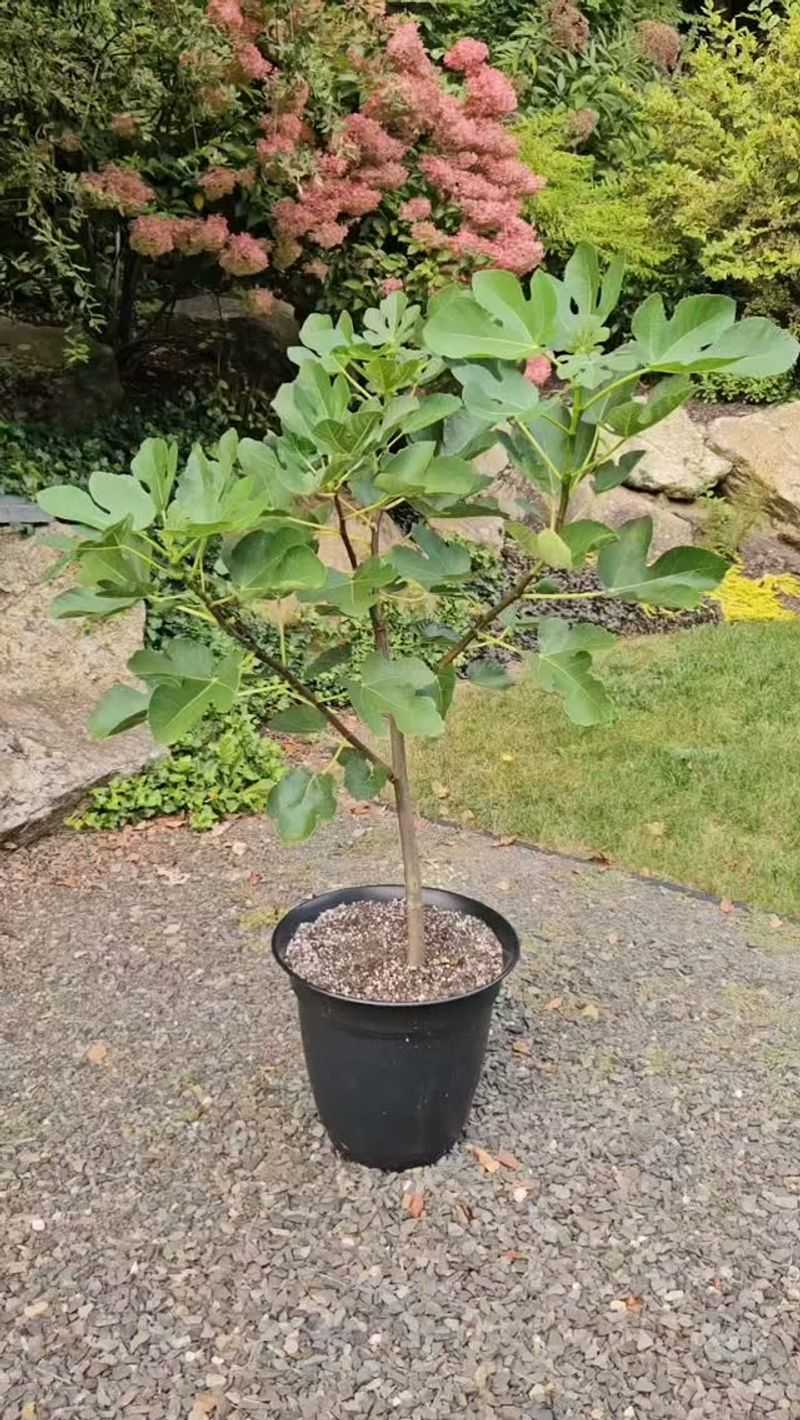
A baby fig tree faces winter like a toddler venturing out into the snow without a coat, lacking the strength to handle harsh weather on its own.
Recently planted figs have small root systems and thin trunks. Their bark is still tender, and they have not stored much energy to recover from damage.
An older tree with a thick trunk and wide roots can shrug off a cold night that might set a first-year tree back badly.
The first two or three winters matter most. During that stretch, your goal is to protect the lower trunk, because it holds the buds that can sprout fresh growth if the top gets hurt.
Your North Carolina Garden Changes Every Week. Your Plan Should Too.
Gardening in North Carolina changes quickly throughout the season. Every Friday you’ll receive a simple weekly plan showing exactly what to plant, prune, fertilize, harvest, and protect so you never miss the right timing.
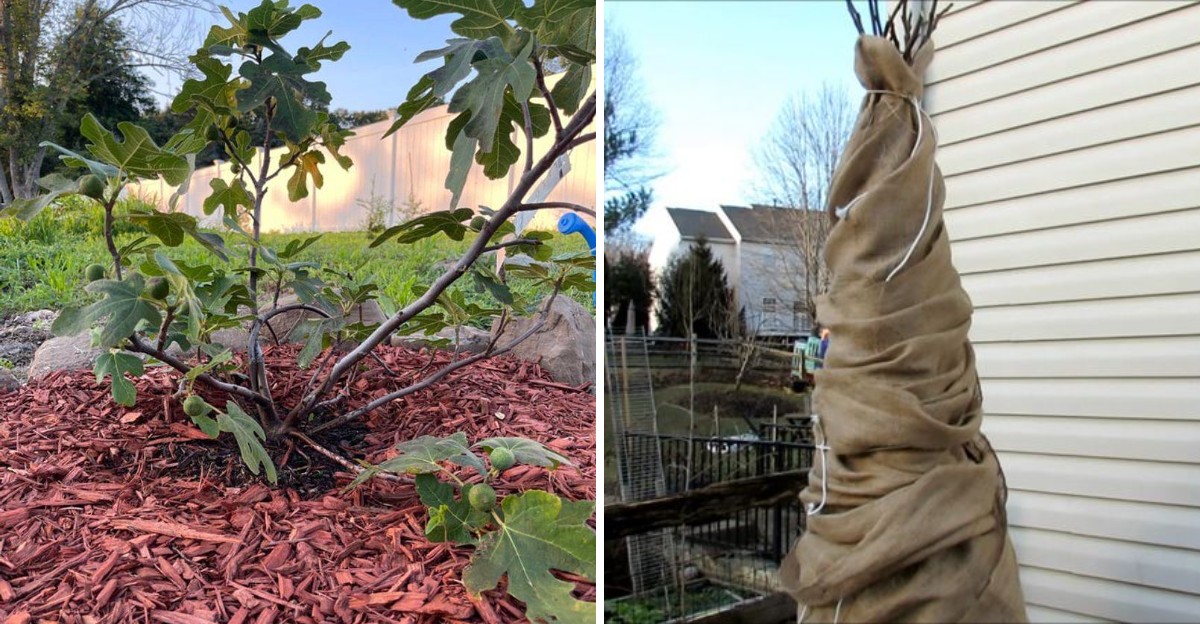
Even if the upper branches freeze, a healthy base gives the tree a fast way to bounce back. So how do you help? Many North Carolina gardeners wrap the lower trunk with burlap or pile mulch several inches high around it once fall arrives.
Planting young figs in a sheltered spot, such as near a south-facing wall, also adds warmth that can make a real difference on frosty nights.
Container figs deserve special attention. Roots in a pot sit above ground and can freeze much faster than roots in the soil.
Rolling potted trees into an unheated garage or shed during hard freezes is an easy way to keep them safe.
Patience pays off with figs. After a few years of care, your tree will grow sturdier and more cold tolerant, and you will enjoy bigger harvests as it matures.
3. The Root Zone Can Benefit From Protection
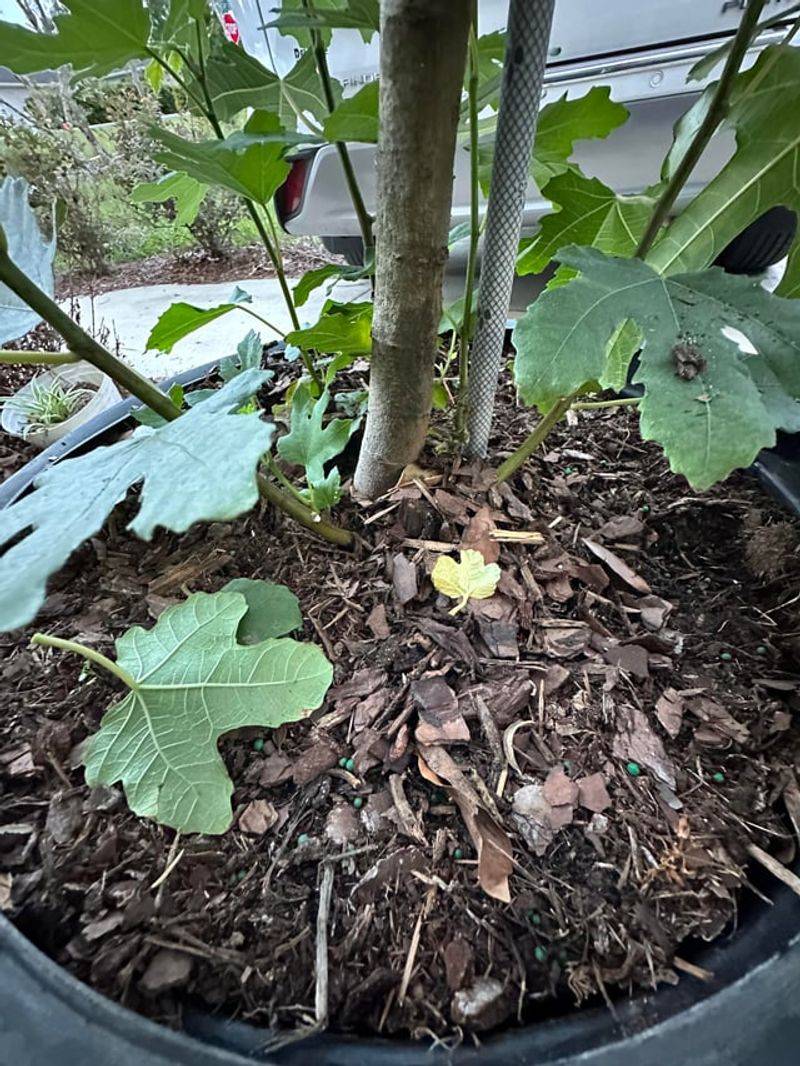
Sometimes the simplest garden tricks work the best. NC State Extension suggests a low-cost way to guard figs through harsh winters: pile loose soil or mulch around the base of the trunk in late fall.
Why does it help so much? Soil and mulch act like a warm blanket, holding heat from the ground and shielding the lower trunk and upper roots from icy air.
If a bitter cold spell damages the branches above, the protected buds hidden under that mound can still push out new shoots when spring returns.
Good materials include shredded leaves, pine straw, wood chips, or loose garden soil. Pine straw is easy to find across North Carolina and does not pack down too tightly.
Aim for a mound about a foot high up the trunk, spreading it a few feet around the base to cover the shallow roots.
Timing matters as well. Wait until the tree has gone mostly dormant and dropped its leaves, usually in November for much of the Piedmont.
Adding the mound too early can hold warmth and moisture that keeps the tree growing when it should be settling down.
Mountain gardeners and anyone in the colder western counties should pay extra attention to this step. Winters there can bring single-digit temperatures, so a thicker mound offers more peace of mind.
Think of it as cheap insurance. A few bags of mulch and an hour of work can protect years of growth and help your fig come back strong, even after a tough winter.
4. A First Frost Is Not The Same As Severe Winter Cold
Frost warnings can make any gardener panic. Before you rush outside with blankets, though, it helps to know what that forecast truly means for your fig tree.
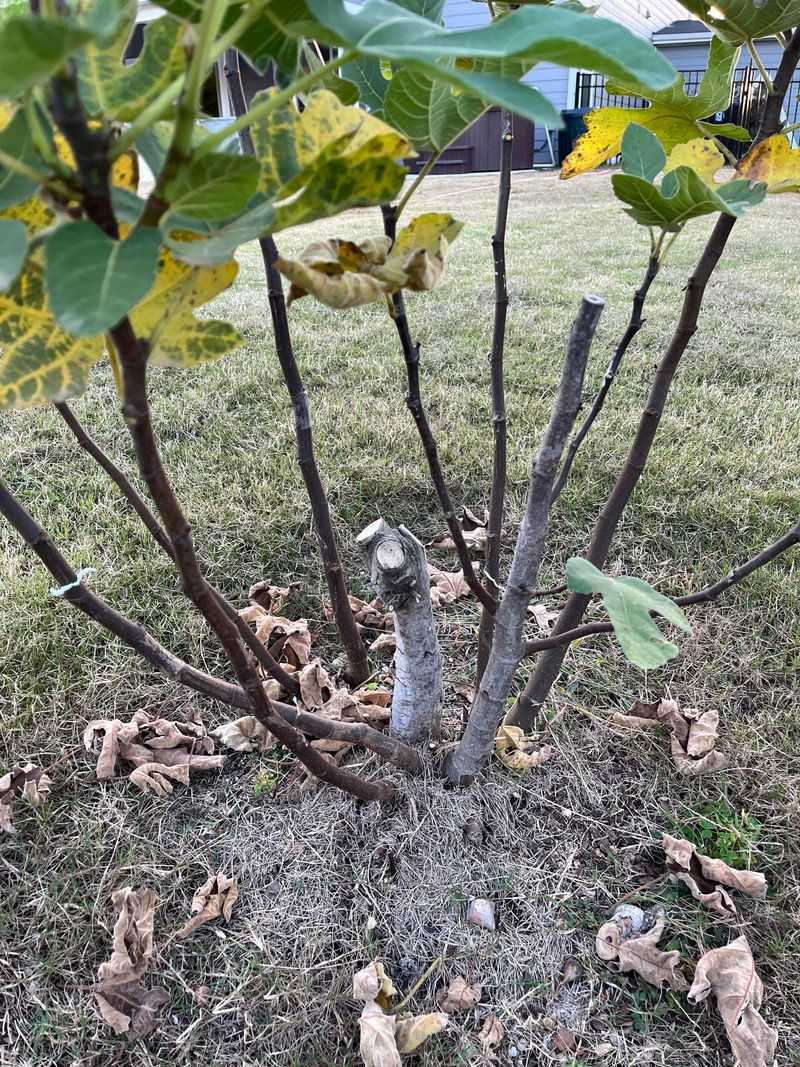
A light frost happens when temperatures dip to around 32 degrees Fahrenheit and ice crystals form on leaves and grass. For a fig, that usually just browns the leaves and signals the start of dormancy.
In fact, many figs drop their leaves after the first frost anyway, which is a normal part of their yearly cycle.
Severe cold is a different story. A hard freeze, often described as 28 degrees or lower for several hours, can start to injure tender stems.
When temperatures plunge into the teens or single digits, especially for days at a time, the wood itself faces real danger.
So watch the numbers, not just the word frost. Check your local forecast for the expected low and how long the cold will last. A quick dip to 31 degrees overnight is nothing like a week of nights near 10 degrees.
First frost dates vary a lot across the state. Mountain towns may see frost in early October, the Piedmont usually gets it in late October or early November, and coastal areas often wait until mid-November or later.
A smart approach is to treat the first frost as your reminder to get ready. Gather mulch, covers, and stakes now, so you are prepared when a truly bitter night shows up on the forecast.
5. Late Pruning Can Increase Risk
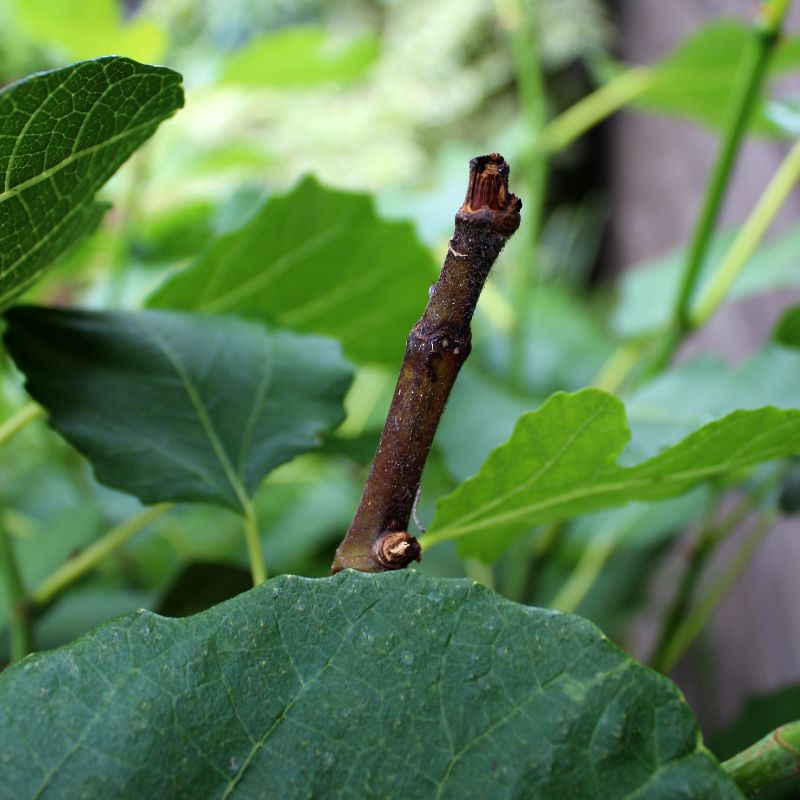
Grabbing the pruners in fall feels natural when the garden starts looking messy. With figs, though, that urge to tidy up can backfire in a big way.
Pruning sends a message to the plant. When you cut back branches, the tree often responds by pushing out new shoots from buds below the cuts. In spring, that fresh growth is welcome, but in October or November it becomes a problem.
New shoots that sprout late in the year are soft and full of water. They have no time to harden before cold weather arrives, so the first hard freeze can damage them easily.
Fresh pruning wounds can also expose tissue that would otherwise stay protected.
For these reasons, many experienced growers suggest waiting until late winter for any major pruning. Late February or early March works well in much of North Carolina, just before new growth begins.
By then, you can also see which branches suffered winter injury and remove them in one tidy session.
Light cleanup is fine in fall. Snipping off a broken branch or removing a limb that rubs against the house will not cause much harm.
The key is to avoid heavy cuts that remove large amounts of wood. Here is a fun bonus. Some fig varieties produce an early crop called the breba crop on last year’s wood.
Saving your big pruning job for late winter, and doing it with a light hand, helps protect those early figs and gives you a longer harvest season.
6. Excess Nitrogen Can Encourage Tender Growth
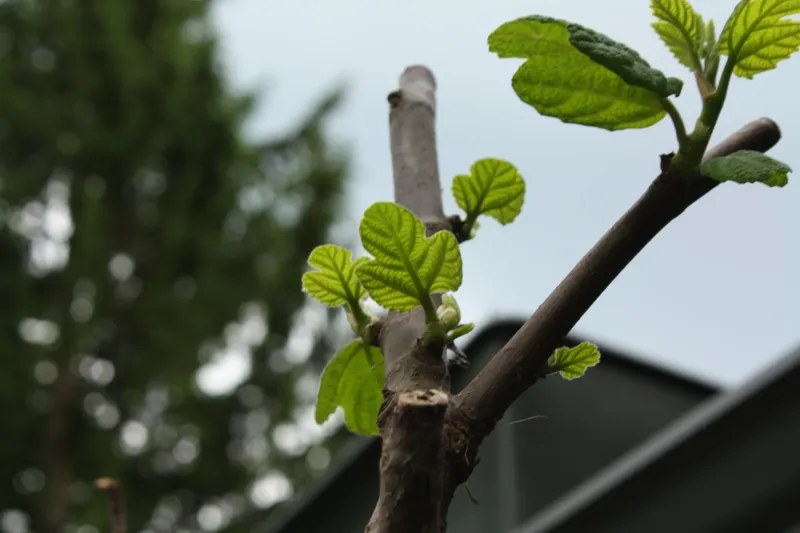
Fertilizer seems like a gift for plants, but timing can turn that gift into trouble. Nitrogen fuels leafy green growth, and figs respond to it quickly.
Feeding a fig heavily in late summer or fall encourages soft, juicy shoots. Gardeners call it succulent growth.
It looks healthy and lush, yet it has thin cell walls and lots of moisture, which makes it an easy target for freezing weather.
NC State cautions against practices that push growth right before winter. Instead, the tree should slow down in late summer so its wood can harden. That natural process, called acclimation, helps branches handle colder temperatures.
Most figs in North Carolina need only light feeding, often in early spring with a small extra dose by early summer. A common guideline is to stop applying nitrogen by July. Too much fertilizer can also bring lots of leaves and fewer figs, so less is usually more.
Watch out for hidden sources of nitrogen too. Lawn fertilizer spread near your fig can reach its roots, since fig roots travel wide. Heavy doses of fresh manure or rich compost in the fall can have a similar effect.
A soil test from the NC Department of Agriculture is a great tool here. It tells you exactly what your soil needs, so you can feed your fig wisely and keep it ready for winter. Samples sent outside the busy winter season are usually free for North Carolina residents.
7. Severe Cold May Require Additional Covering
Every few years, North Carolina gets a winter blast that surprises everyone. In January 2018, for example, many parts of the state saw temperatures drop into the single digits, and plenty of fig growers found their trees frozen back to the ground.
When forecasts call for unusually harsh cold, a mulch mound alone may not be enough. Figs can lose most or all of their top growth when temperatures fall near zero, so extra covering helps protect more of the tree.
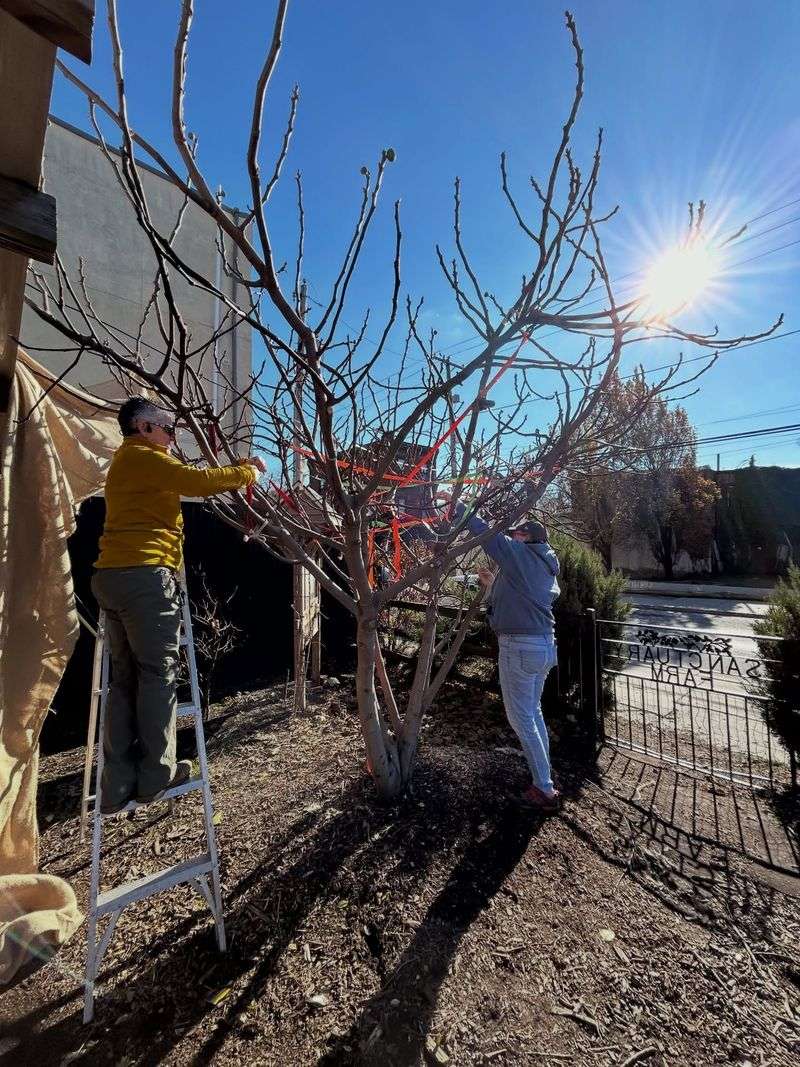
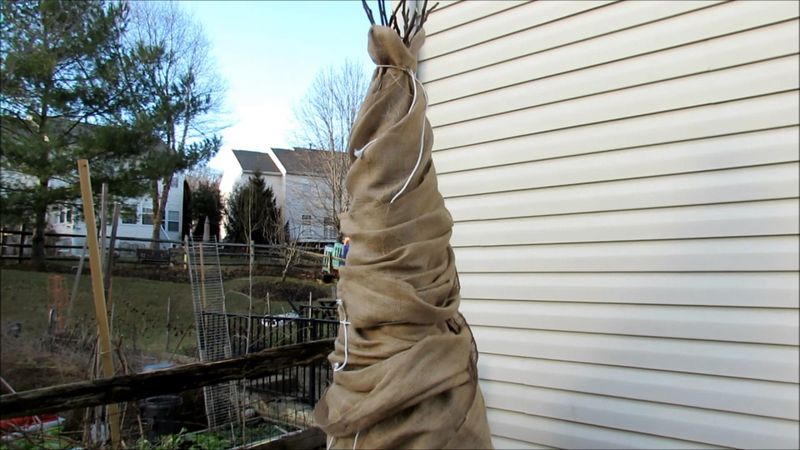
Choose the right materials. Frost cloth, burlap, and old blankets all work well because they trap heat rising from the ground.
Drape them over the tree so the cover reaches the soil, and secure the edges with stakes, bricks, or rocks.
Plastic sheeting needs extra care. It can trap moisture and turn into a little oven on sunny days, so avoid letting it touch the branches. If you use plastic, place it over a layer of cloth or build a simple frame first.
Some gardeners build a cage of chicken wire around smaller trees and fill it with dry leaves or straw. Others tie branches together to make the tree easier to wrap.
For extra warmth, a string of older incandescent holiday lights (not LEDs) inside the cover can add a few precious degrees.
Remember to uncover the tree once the cold snap passes. Leaving heavy wraps on during warm, sunny days can overheat the plant or invite mold. A quick check of the weather each morning keeps your fig safe and comfortable.
8. Remove Winter Protection In Spring
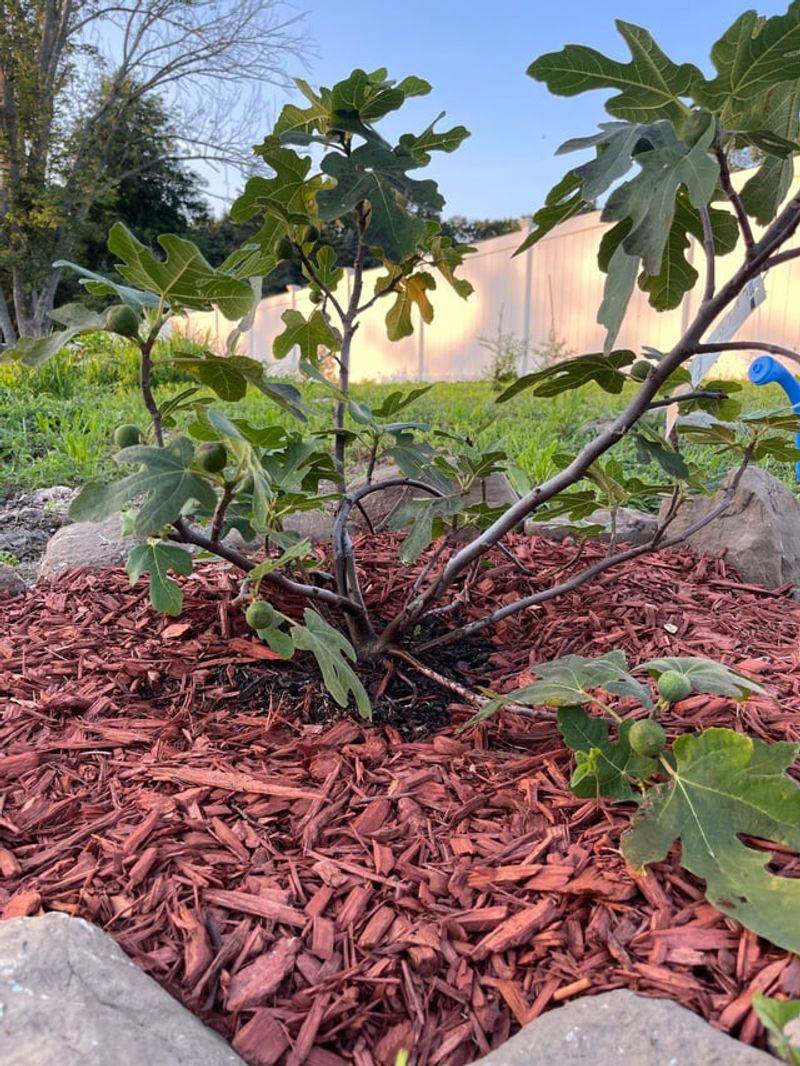
Spring in North Carolina brings dogwood blossoms, warm breezes, and a fresh to-do list for fig lovers. High on that list is uncovering the tree you protected so carefully all winter.
Soil or mulch mounded around the trunk did its job during the cold months. Once severe frost danger passes, though, that thick layer can cause problems.
Moisture trapped against the bark for too long can lead to rot, and the mound can hide pests like voles that chew on trunks.
Removing the mound also lets sunlight warm the soil around the roots. Warmer soil helps your fig wake up and start growing at the right pace.
Once severe frost danger has passed, remove the mound so emerging shoots have room to grow and the trunk is no longer kept continuously damp.
Timing depends on where you live. In the Piedmont, the last frost usually arrives in early to mid-April, while coastal areas often clear earlier and mountain regions may wait until May.
Your local NC State Extension office can share your county’s average last frost date.
Pull the soil or mulch back gently with your hands or a small rake. Leave a thin layer of two to three inches spread over the root zone, keeping it a few inches away from the trunk. That light cover still holds moisture and keeps weeds down during summer.
Once the tree is uncovered, look closely at the branches. Scratch the bark lightly with your fingernail, and green tissue underneath means the wood is alive and well.
Brown, dry spots show where to trim, and soon your fig will reward all that care with fresh leaves.