The One Thing North Carolina Cantaloupe Needs In Summer Or Fruit Will Split Before Ripening
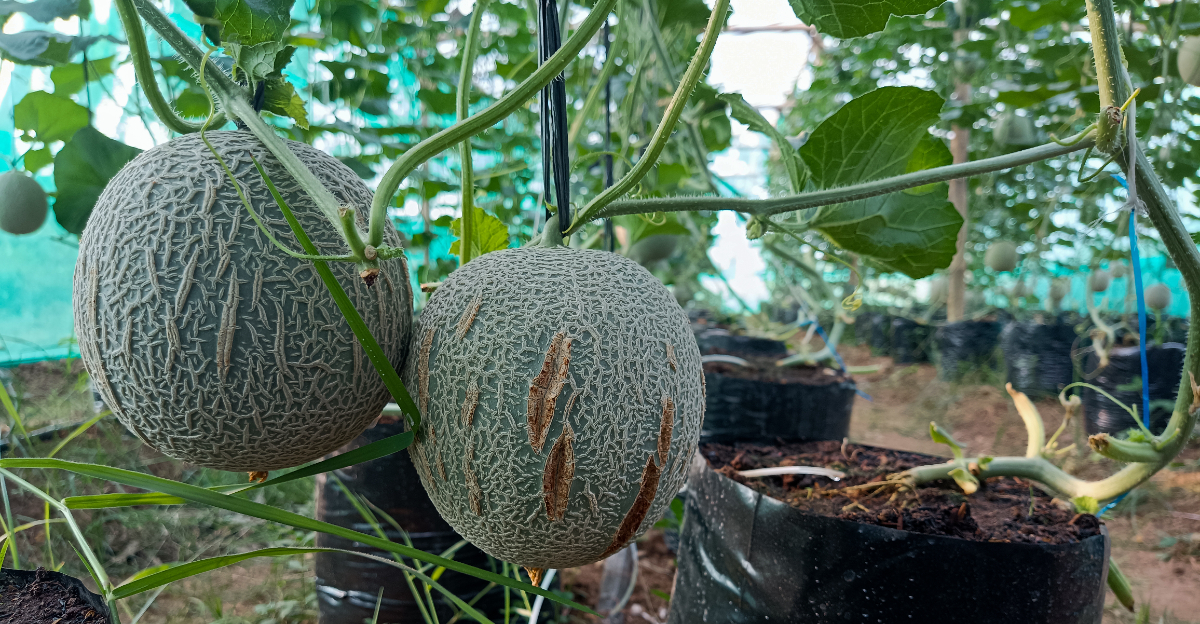
Few things are more frustrating than watching a cantaloupe crack open before it has had the chance to fully ripen.
North Carolina summers create exactly the conditions that trigger this kind of splitting, and the cause comes down to one specific factor that most gardeners are managing inconsistently without realizing the consequences.
It is not a disease and it is not a pest. It is a response the fruit has to a particular kind of stress that builds quietly until the rind simply cannot keep up anymore.
Addressing this one factor consistently through summer is what keeps cantaloupes intact long enough to actually reach the sweet, ripe stage they are capable of.
1. Keep Soil Moisture Steady
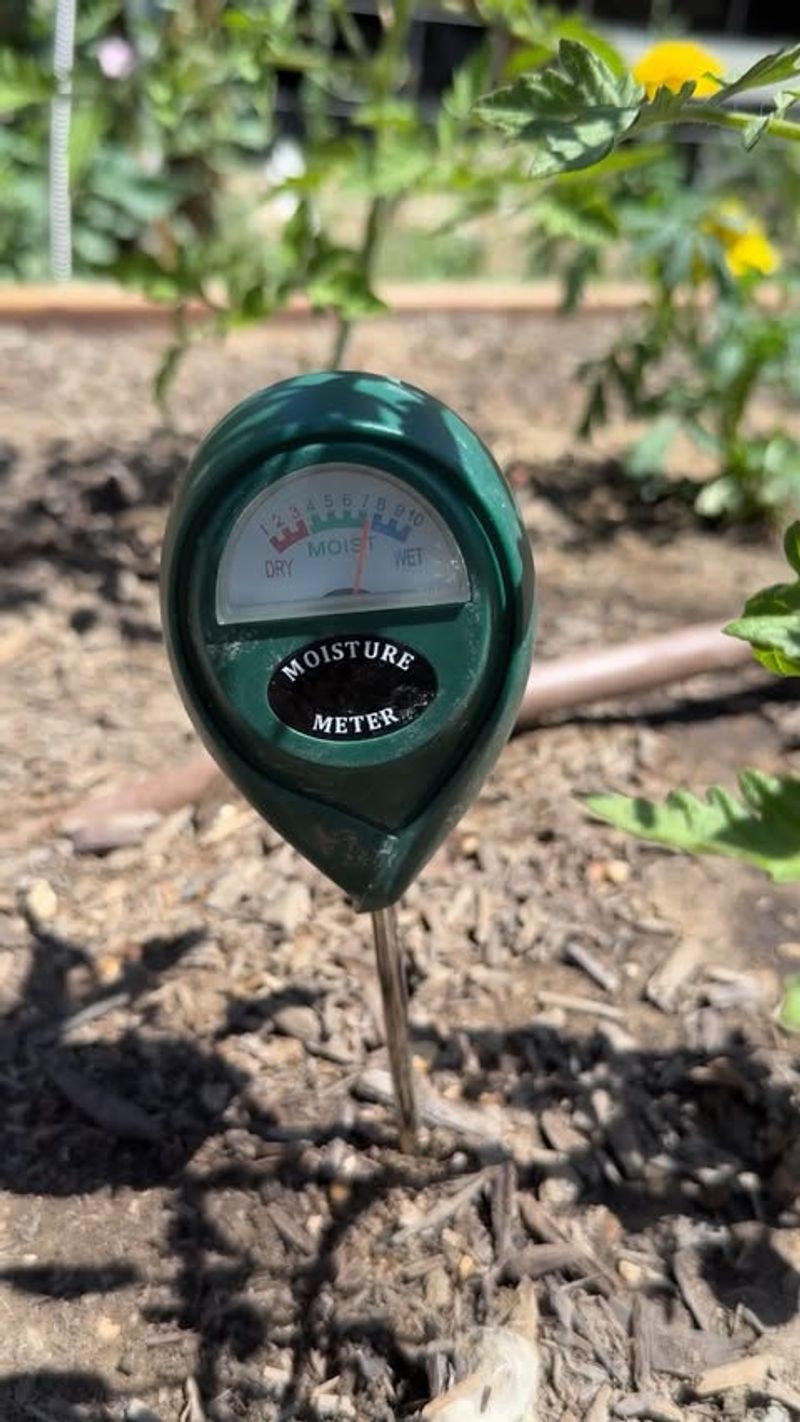
Steady soil moisture is the single most important thing a North Carolina cantaloupe plant needs to make it through summer without splitting.
When soil goes from bone dry to suddenly soaked, the inside of the melon swells faster than its rind can keep up with.
That pressure difference is what causes the fruit to crack open before it even reaches peak ripeness.
Think of it like a balloon being blown up too fast. The outer skin just cannot stretch quickly enough to match what is happening inside.
Cantaloupes grown in North Carolina face this challenge regularly because summer weather here can bring long dry stretches followed by heavy afternoon thunderstorms that dump a lot of rain in a short time.
The goal is to keep the soil consistently moist at root depth without letting it swing between two extremes. Checking the soil every day or two during hot weather helps you stay ahead of problems.
Stick your finger two inches into the ground near the vine base. If it feels dry at that depth, it is time to water. If it still feels cool and slightly damp, you can wait another day.
Consistent monitoring takes the guesswork out of the process and gives your melons the stable environment they need to grow smoothly from the inside out. Steady moisture equals smooth skin, full flavor, and a melon worth picking.
2. Water Deeply Before The Soil Gets Bone Dry
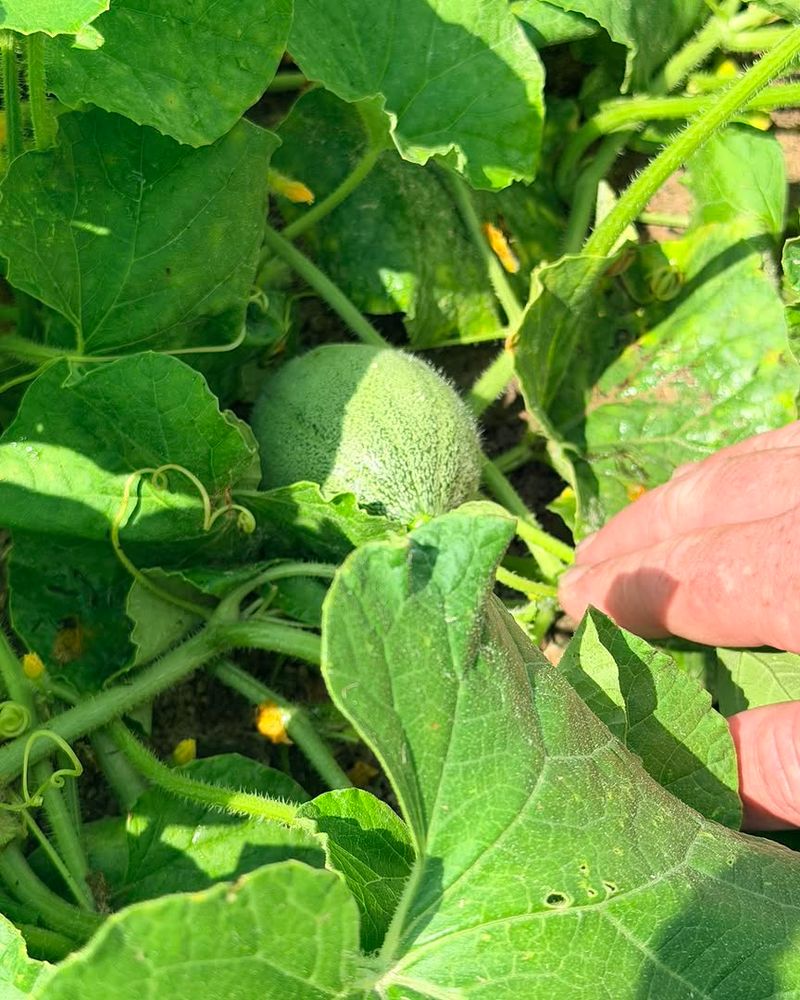
Shallow watering might look like enough from the surface, but cantaloupe roots reach down several inches into the soil and need moisture at that depth to stay healthy.
Surface watering on a hot summer day often evaporates before it even reaches the roots. That means the vine looks like it got water, but underground where it counts, the soil is still dry and stressed.
A deep soak at the root zone is far more effective than a quick sprinkle. When you water slowly and deeply, moisture moves down through the soil layers where roots are actively absorbing it.
North Carolina summers get intense, with soil surface temperatures rising high enough to dry out the top inch or two very quickly. Going deeper with your watering session makes a real difference in how well the vine handles the heat.
Here is something many gardeners miss: the surface of the soil can look dry and cracked while the ground a few inches below is still holding moisture from the last watering. Before you rush to water again, pull back the mulch and press your finger into the soil.
Your North Carolina Garden Changes Every Week. Your Plan Should Too.
Gardening in North Carolina changes quickly throughout the season. Every Friday you’ll receive a simple weekly plan showing exactly what to plant, prune, fertilize, harvest, and protect so you never miss the right timing.
If it feels cool and slightly damp at two to three inches deep, your vines are likely okay for another day.
Watering based on what you actually feel in the soil, rather than what the surface looks like, protects your melons from the kind of moisture swings that lead to splitting later in the season.
3. Avoid Sudden Heavy Watering After A Dry Spell
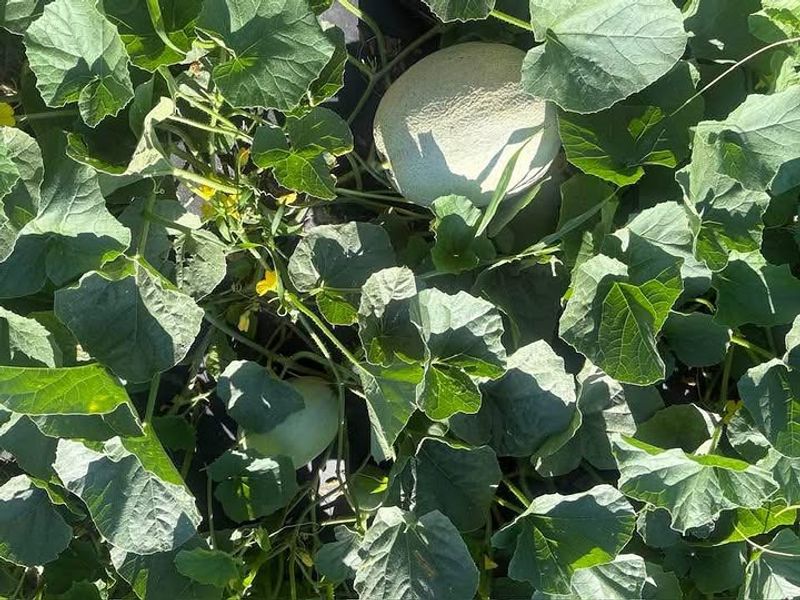
Picture this: you get busy for a few days, the vines look a little wilted but still alive, and then you decide to make up for lost time by giving the bed a long, heavy soak.
It feels like the right move, but for cantaloupe, that sudden flood of water after a dry stretch is one of the fastest ways to end up with split fruit.
When cantaloupe plants go without water for several days and then receive a large amount all at once, the flesh inside the melon absorbs that moisture rapidly.
The rind, which has been sitting in dry conditions and has stopped expanding at its normal rate, simply cannot stretch fast enough to accommodate the sudden growth.
The result is a crack that runs along the surface of the fruit, sometimes deep enough to ruin it entirely before it ripens.
Prevention is straightforward but requires consistency. Rather than watering in big, irregular sessions, aim for smaller, more frequent waterings that keep the soil at a steady moisture level throughout the week.
If you know you have been away or distracted and the soil has dried out, do not overcompensate with a flood. Instead, water moderately and then follow up again the next day to gradually bring moisture levels back up.
Slow and steady rehydration gives the fruit time to adjust without the rind taking on too much internal pressure at once. Your cantaloupes will reward that patience with smooth, uncracked skin at harvest time.
4. Use Mulch To Slow Moisture Swings
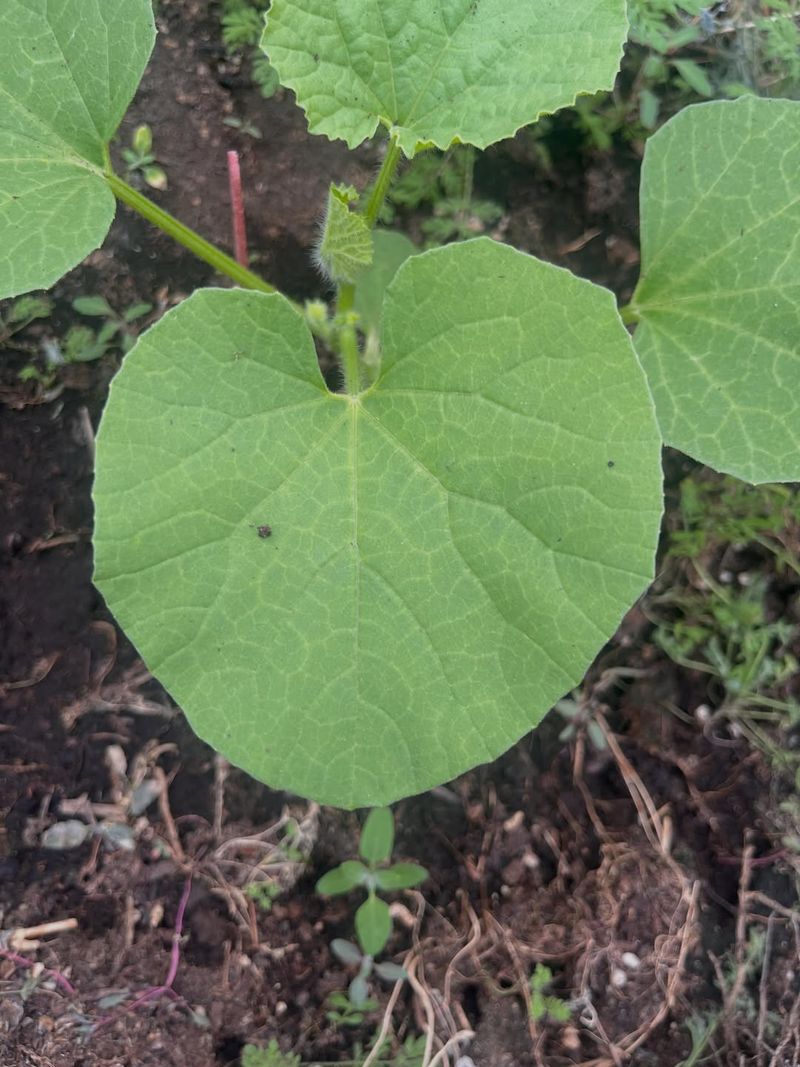
Mulch might be the most underrated tool in a North Carolina cantaloupe grower’s toolkit.
A good layer of straw, shredded leaves, or pine straw spread around the base of the plants does something powerful: it slows down how fast the soil dries out between waterings.
That slower drying rate is exactly what keeps moisture levels from swinging wildly from one extreme to the other.
North Carolina summers are known for hot, humid days that can bake exposed garden soil surprisingly fast.
Without mulch, the top layer of soil dries out quickly after each watering, which means the plant’s shallow feeder roots near the surface are repeatedly stressed.
Mulch acts like a blanket over the soil, trapping moisture underneath and keeping root-zone temperatures more stable even when the air above is blazing hot.
Aim for a mulch layer about two to three inches thick around your cantaloupe plants. Straw is a popular choice because it is light, easy to spread, and breaks down slowly over the season.
Shredded leaves and pine straw work just as well and are often free if you have trees in your yard. One important detail to keep in mind: pull the mulch back slightly from the vine stems themselves.
Mulch piled directly against the stems can trap too much moisture right at the base, which creates conditions that weaken the stem over time. Keep a small gap around each stem and let the mulch do its job a few inches out from the plant.
5. Drip Watering Is Better Than Soaking The Leaves
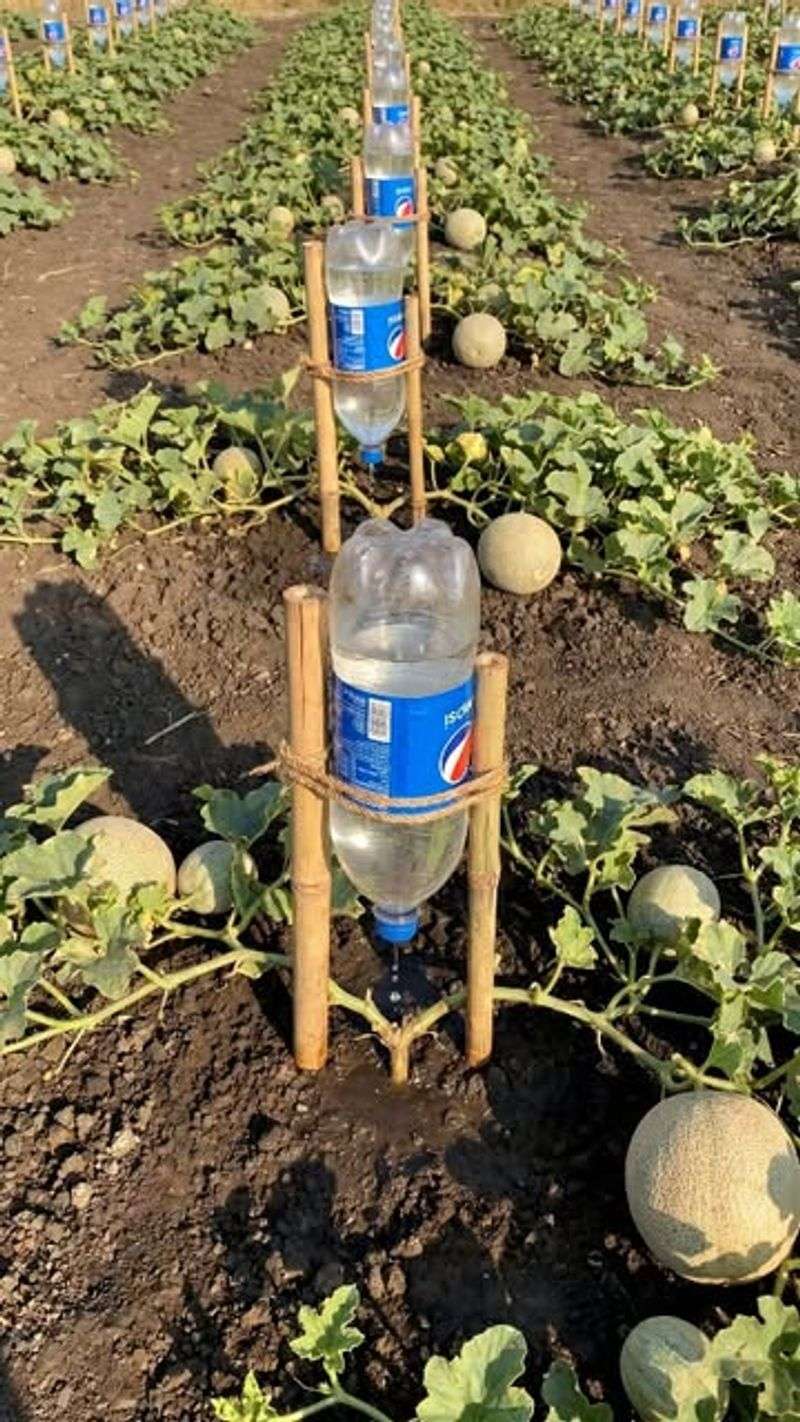
Overhead watering with a sprinkler might seem like the easiest option, but it is not the best choice for cantaloupe.
When water sprays across the leaves and fruit from above, it leaves the foliage wet for extended periods, which creates conditions that encourage fungal problems.
More importantly, overhead watering tends to be uneven, with some areas getting more water than others depending on wind and pressure.
Drip irrigation solves both of those problems at once. By delivering water slowly and directly at the base of each plant, drip systems send moisture straight to the root zone where the vine actually needs it.
The leaves and fruit stay dry, which is a big advantage during the humid North Carolina summer when moisture on plant surfaces can quickly become a problem.
Even a simple soaker hose laid along the row works well and costs very little to set up. Another benefit of drip watering is how evenly it distributes moisture over time.
Instead of dumping a large volume of water all at once, drip systems release it slowly and steadily.
That slow delivery gives the soil time to absorb the water gradually, which means less runoff and more consistent moisture at root depth.
Cantaloupes growing with drip irrigation tend to have more stable conditions throughout the season, which directly reduces the risk of the fruit swelling too fast and splitting.
If you have been watering by hand, try switching to a soaker hose and notice how much more even your garden feels after just a week or two.
6. Keep Drainage In Mind Too
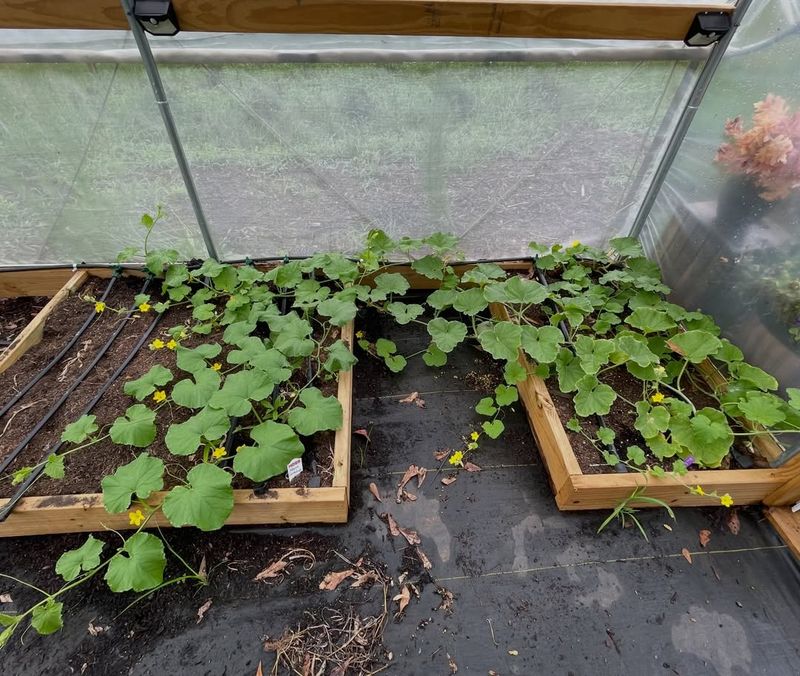
Steady moisture does not mean wet feet. Cantaloupe plants need consistent water in the soil, but they absolutely cannot sit in soggy, waterlogged ground for long periods.
Roots that stay submerged in standing water cannot absorb oxygen properly, which weakens the entire vine and makes it far less capable of producing quality fruit. The goal is moist soil that drains well, not a muddy patch that holds water after every rain.
North Carolina summers can bring heavy rain events that drop a lot of water quickly. If your garden bed is in a low spot or has compacted, clay-heavy soil, that rainwater can pool around the roots for hours or even days.
That kind of prolonged saturation followed by the next dry spell creates exactly the kind of extreme moisture swing that causes splitting. Good drainage breaks that cycle before it starts.
Raised beds are one of the best ways to ensure cantaloupe roots never sit in standing water. Even raising the planting area by six to eight inches improves drainage significantly.
If raised beds are not an option, work compost and organic matter into your existing soil to loosen it up and improve its ability to drain after rain. Avoid planting in any area where you notice water pooling after a normal rainstorm.
A quick observation of your yard during a rain event can tell you a lot about where the best and worst spots are for growing cantaloupes this season.
7. Watch The Weather Before Fruit Ripens
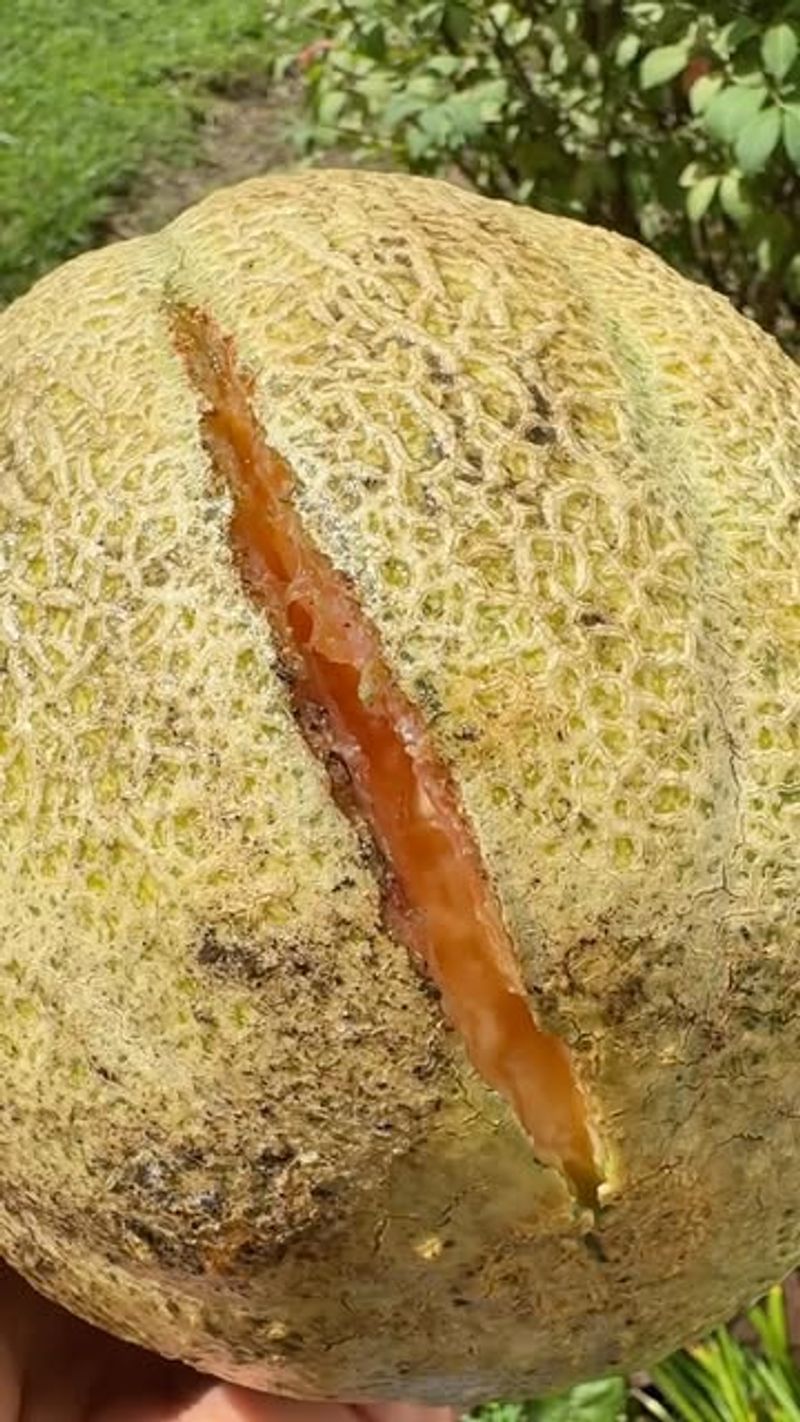
Once your cantaloupes start sizing up and approaching ripeness, weather awareness becomes one of your most useful gardening habits.
The final few weeks before harvest are when the fruit is most vulnerable to splitting, because the rind is stretched close to its limit and any sudden surge of moisture from a heavy storm can push it past the breaking point.
North Carolina is famous for its summer thunderstorms that roll in fast and drop significant rainfall in a short window.
If the garden has been dry for several days and then a storm delivers two inches of rain overnight, that is a high-risk situation for mature cantaloupes on the vine.
The fruit absorbs moisture quickly through both the root system and, to a lesser degree, directly through the skin. When that happens all at once, the inside expands faster than the outside can handle.
Checking a weather forecast a few days ahead gives you time to adjust. If rain is already on the way, skip your next scheduled watering entirely.
There is no reason to add more moisture to the soil right before a storm is going to do it for you.
If the soil is already on the drier side and a storm is coming, consider a light watering the day before to even things out slightly rather than letting the soil go from very dry to completely saturated in one event.
A little weather awareness during those final ripening weeks can be the difference between a beautiful harvest and a garden full of cracked melons.
8. Do Not Wait Until Fruit Splits To Adjust Watering
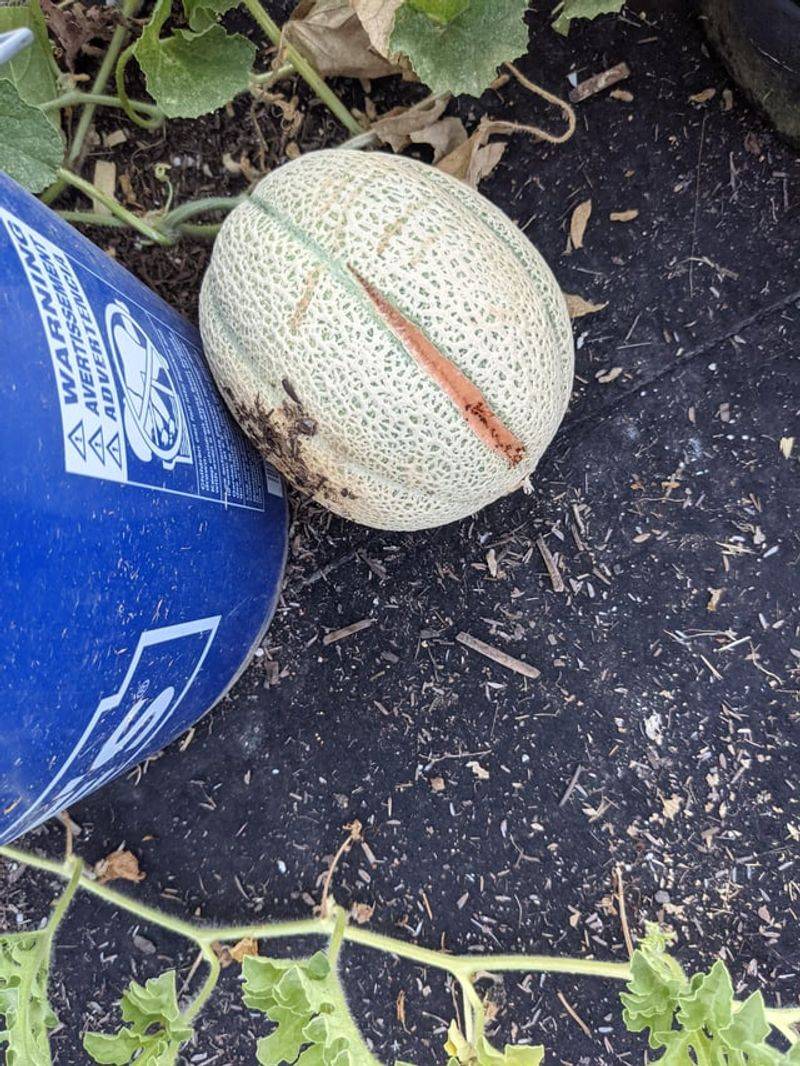
Waiting until you see a crack in the rind to change your watering habits is too late. Once a cantaloupe splits open, there is no fixing it.
The fruit cannot seal itself back up, and in most cases, it will not continue ripening normally after the rind has broken.
The only real solution to splitting is making sure it never happens in the first place, which means building good habits from the moment the plant goes in the ground.
Consistency is the word that matters most here. Steady water, good mulch, and proper drainage work together as a system.
Each one supports the others. Mulch slows moisture loss, which makes it easier to keep watering consistent.
Good drainage prevents the soil from becoming waterlogged after rain, which keeps the moisture level in a healthy range rather than spiking too high. And consistent watering prevents the dry-to-soaked cycle that triggers splitting in the first place.
Starting these habits early in the season, before the fruit even sets, gives your cantaloupe plants the best possible foundation.
By the time melons are sizing up and nearing harvest, your garden should already be running on a steady routine that the plants are used to.
Sudden changes in care at the end of the season are more likely to cause problems than changes made early on.
Grow your cantaloupes with intention from day one, keep moisture even throughout the season, and North Carolina summer heat will feel a lot less threatening to your harvest.