The St. Augustine Lawn Pest That Can Keep Damaging Florida Grass Into September
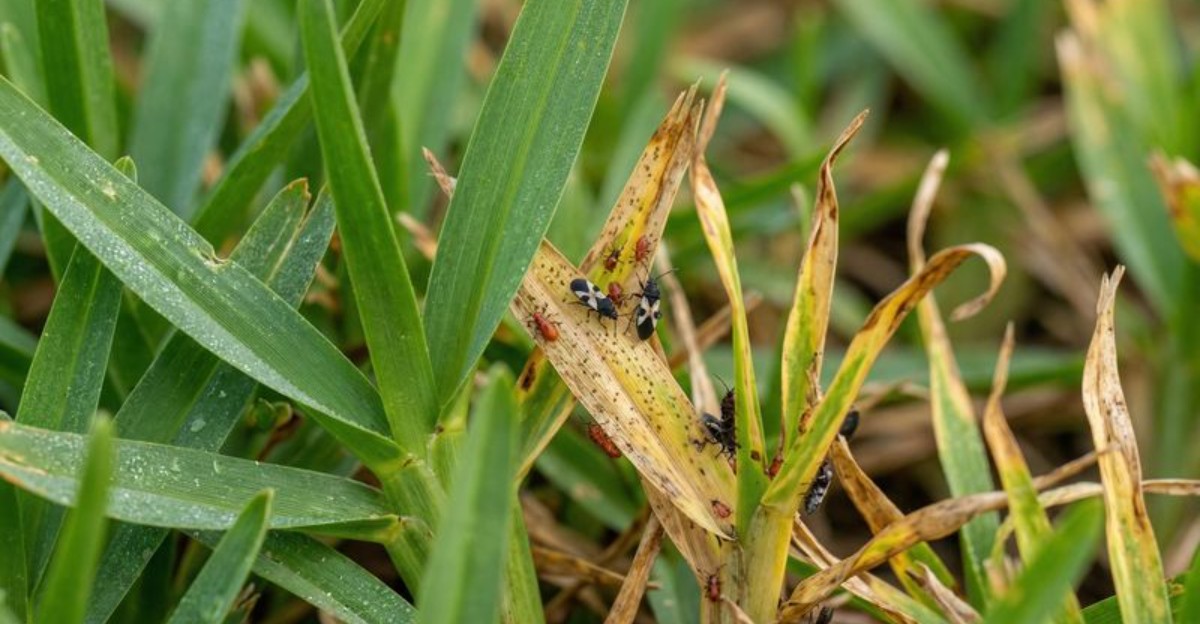
Your lawn might look fine at a glance, yet something below the surface is already quietly getting worse. Florida heat and moisture create exactly the kind of environment this pest needs to spread fast and stay hidden.
Patches of thinning or yellowing grass often show up before you even suspect anything is wrong. September doesn’t slow this problem down the way most people assume, since warm soil keeps activity high well past summer’s peak.
Heat, humidity, and thick turf across Florida yards give this invader ideal conditions to keep multiplying unnoticed. Every property reacts a little differently, but waiting too long almost guarantees the damage spreads faster than you can manage.
What looks like a small patch today can turn into a pattern that stretches across your whole yard. The next few days you spend paying close attention could decide how this lawn looks well into next spring.
The Southern Chinch Bug Behind The Brown Patches
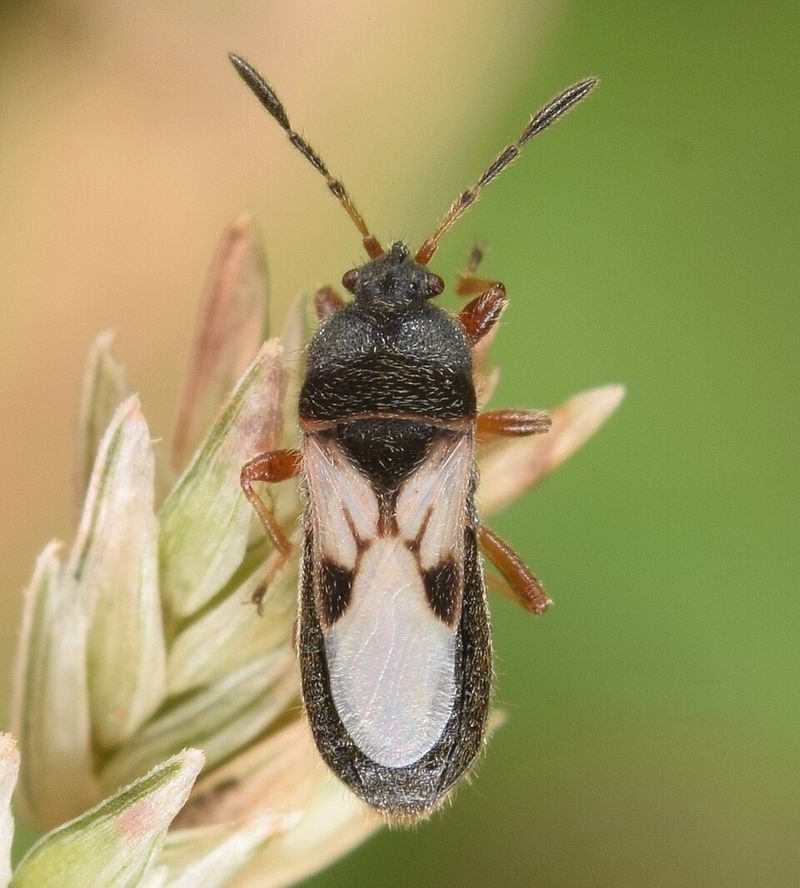
Tiny thieves with white-winged backs are the real reason Florida St. Augustine lawns turn yellow in late summer. Southern chinch bugs, known to scientists as Blissus insularis, are the number one insect pest of this grass.
Adults grow only about one-fifth of an inch long, so most people walk right past them. Their black bodies and folded white wings make a tiny X shape on their backs.
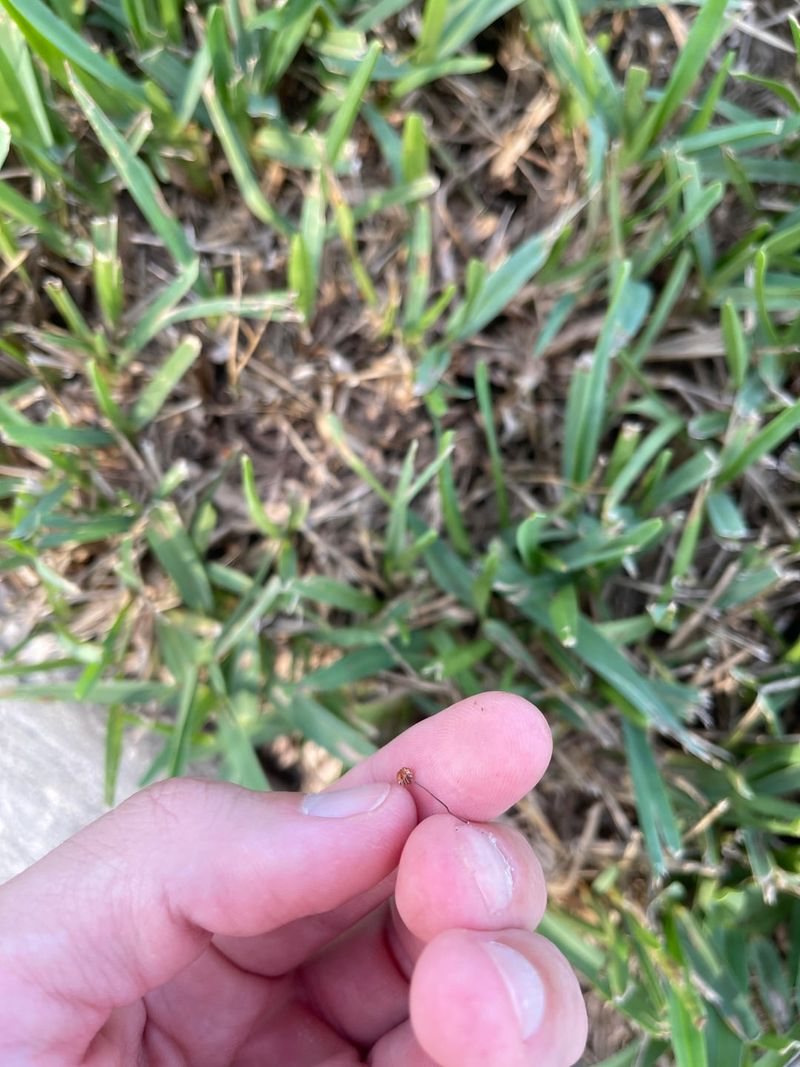
The babies, called nymphs, look even stranger than their parents do at first glance. Young ones are bright orange-red with a pale stripe, then darken as they grow.
Both young and grown bugs feed in the same sneaky way, down near the soil line. They poke a needle-like mouth into grass stems and drink the plant juices inside.
While sipping, they also release a substance that blocks water from moving through the blade. That double hit is what makes damaged grass look thirsty even after a good rain.
Across Florida, St. Augustine is their favorite meal by a wide margin, especially in sunny yards. Zoysia and Bahia lawns get bothered much less, which is why neighbors with different grass may stay green.
Fun fact: a single square foot of struggling lawn can hide hundreds of these bugs. Catching them before the crowd grows gives you a real head start on saving your yard.
Luckily, they are easy to find once you know where to look. Part the grass at the edge of a yellow patch and watch for scurrying specks.
A Late Summer Feeding Season That Stretches Into Fall
Plenty of summer pests slow down by Labor Day, but this one clearly missed the memo. In Florida, chinch bug damage often peaks from June through September.
Steady heat is the engine behind their long season, and Florida has plenty to spare. Heat speeds up how fast eggs hatch and how quickly babies grow into adults.
A full life cycle can take as little as five or six weeks in hot months. That means several generations can pile up in one yard before fall arrives.
Your Florida Garden Changes Every Week. Your Plan Should Too.
Gardening in Florida changes quickly throughout the season. Every Friday you’ll receive a simple weekly plan showing exactly what to plant, prune, fertilize, harvest, and protect so you never miss the right timing.
In South Florida, lawns may see bugs active nearly year-round, with only a small slowdown. North Florida usually gets a real break in winter, once cold nights slow them down.
September deserves extra attention for a sneaky reason that catches many homeowners off guard. Rainy afternoons fool people into thinking the lawn is safe, so they stop checking.
Meanwhile, the bugs keep feeding in sunny spots near sidewalks and driveways. Those concrete edges soak up heat all day, so the grass beside them dries out first.
Cooler nights in late October finally slow their pace in most of the state. Until then, treat every warm week as fair game for these hungry little bugs.
Mark your calendar to check the lawn every week or two until October. Early fall scouting can save you from a spring full of bare spots.
Think of it as a quick walk with iced tea in hand. Ten minutes of looking beats months of reseeding, patching, and worrying.
The Drought Mistake That Fools Many Homeowners
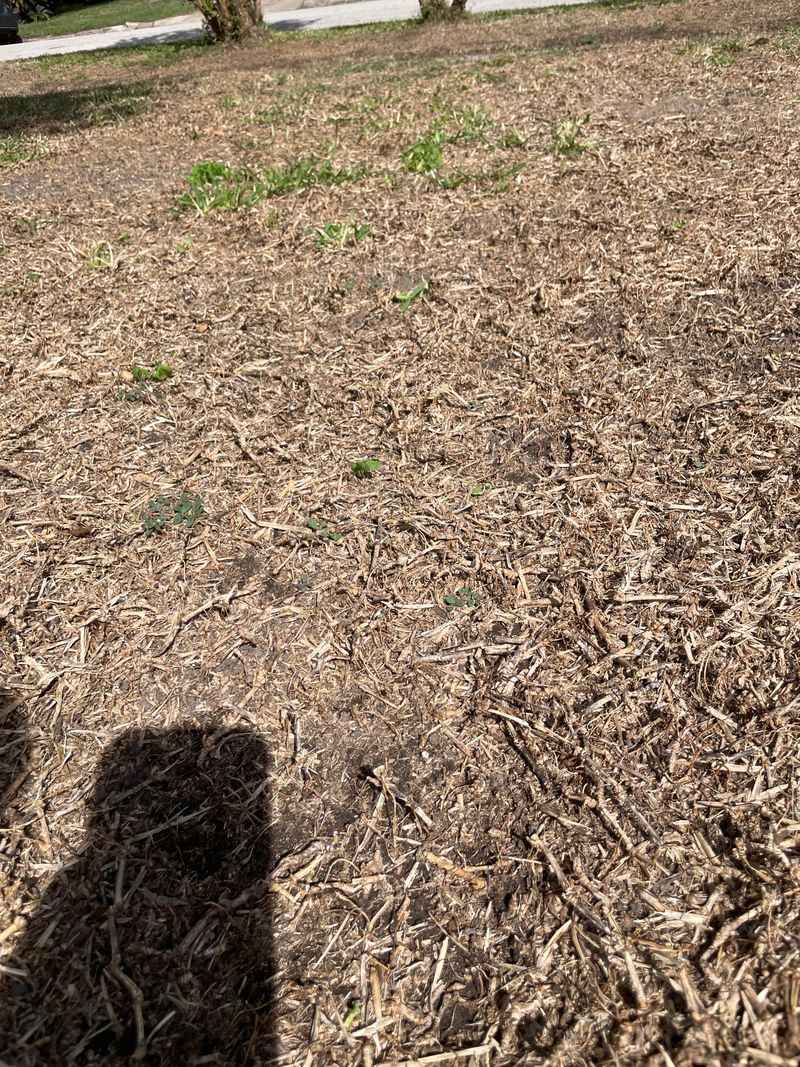
Here is the classic scene: a brown patch appears, so the homeowner cranks up the sprinklers. A week later, the patch is bigger and the water bill is too.
Chinch bug damage looks almost exactly like drought stress, which is why so many people guess wrong. Both turn grass yellow, then a brittle tan that snaps underfoot.
Luckily, one big clue helps tell the two problems apart. Drought spots usually show up evenly across the yard, while bug damage spreads outward in rough circles.
Another hint is where the damage begins and whether water helps at all. Bug trouble often starts in the sunniest, hottest parts of the lawn and keeps growing even after watering.
Try the coffee can test to know for sure. Cut both ends off a can, push it into the soil at the patch edge, and fill it with water.
Wait about five to ten minutes while keeping the water level up. Chinch bugs will float to the top if they are hiding there.
You can also part the grass by hand and look at the soil surface. Fast-moving black and orange specks are a strong sign you found the true troublemaker.
Extra watering is not harmless, either, because it carries its own set of risks. Soggy St. Augustine can invite fungus problems like brown patch and gray leaf spot.
So before reaching for the hose, grab a can and a few minutes of patience. A quick check keeps you from treating the wrong problem.
A Smart Treatment Plan For Active Infestations
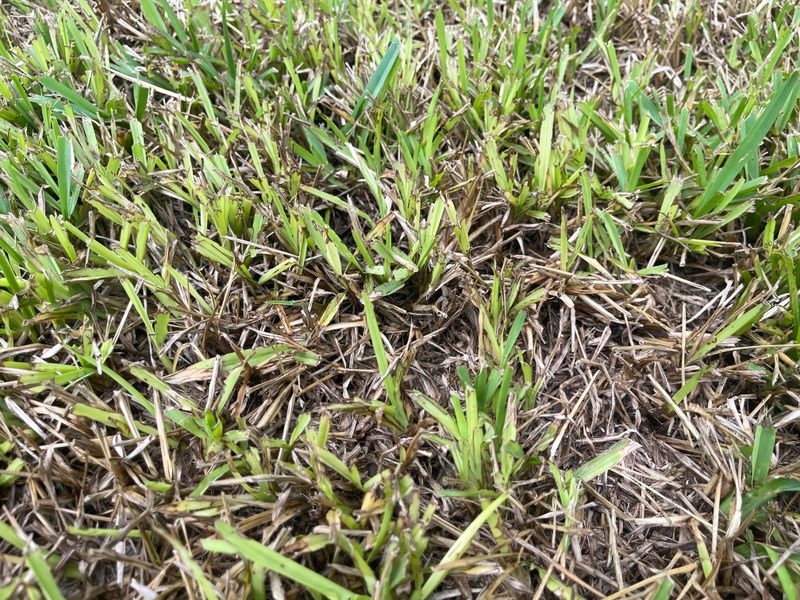
Confirmed a crowd of bugs in your can test, or spotted them scurrying through the thatch? You have solid options, and the right one depends on how far the damage has spread.
Treat a buffer zone around the damaged patch, not just the yellow grass itself. Many Florida lawn experts suggest covering about ten to fifteen feet past the visible edge.
Spot treating protects helpful insects living in the rest of your yard. Big-eyed bugs and spiders snack on chinch bugs, so you want them sticking around.
Look for a lawn insecticide labeled for chinch bugs on St. Augustine grass. Liquid sprays tend to reach the thatch layer, where bugs hide, better than some granules do.
Mixing ratios and reentry times vary by product, so check the label even on a brand you’ve sprayed before. It tells you the right amount, safety gear, and whether to water the product in afterward.
Chinch bugs are famous for building resistance to chemicals used over and over. Switching between products with different active ingredients helps keep treatments working.
Check the area again about two weeks after treatment. A second round may be needed if new bugs show up in the can test.
Prefer a gentler route for a small problem area near the garden? Insecticidal soaps and products with beneficial fungi can help with light infestations, though results are slower.
Keep kids and pets off treated grass until the spray has fully dried. Skipping the listed dilution rate is the fastest way to burn the grass you’re trying to save.
Recovery Odds For Damaged St. Augustine Turf
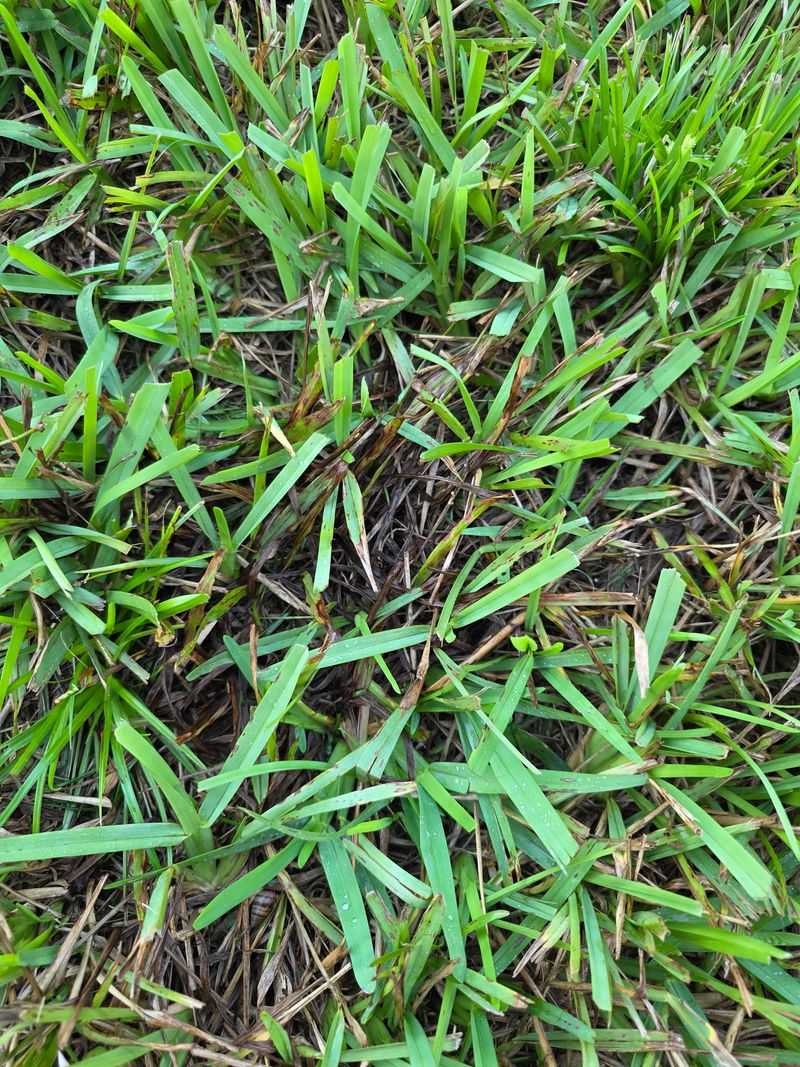
A crispy yellow patch can still bounce back, but the odds depend on how deep the damage goes. St. Augustine spreads by runners called stolons, which crawl across the soil like green ropes.
Those runners are your best clue for recovery. Pull back the brown blades and look for any green, bendy stolons still hugging the ground.
Green runners mean the grass is alive and can fill back in. Brittle, gray runners that snap easily usually mean that section is gone for good.
Healthy edges can creep into small bare areas within a few months. Regular watering and a light feeding help the surviving stolons stretch faster across the gap.
Big patches wider than a few feet often need more than watering and patience to fill back in. St. Augustine does not grow well from seed, so plugs or sod are the go-to fix.
Quirky detail about this grass: most varieties produce very little seed that sprouts. Almost every lawn you see in Florida started as sod or plugs.
Plugs are cheaper and usually fill in over one warm growing season if spaced well. Sod costs more but gives you a green lawn almost overnight.
Replant during warm months so roots settle in before cooler weather. Before laying anything new, make sure the bugs are gone, or they will feast on fresh grass too.
A lawn with green stolons still underneath has real odds of filling back in. A lawn that looks rough in September can look surprisingly full again by next June.
Long Term Defense For A Healthier Lawn
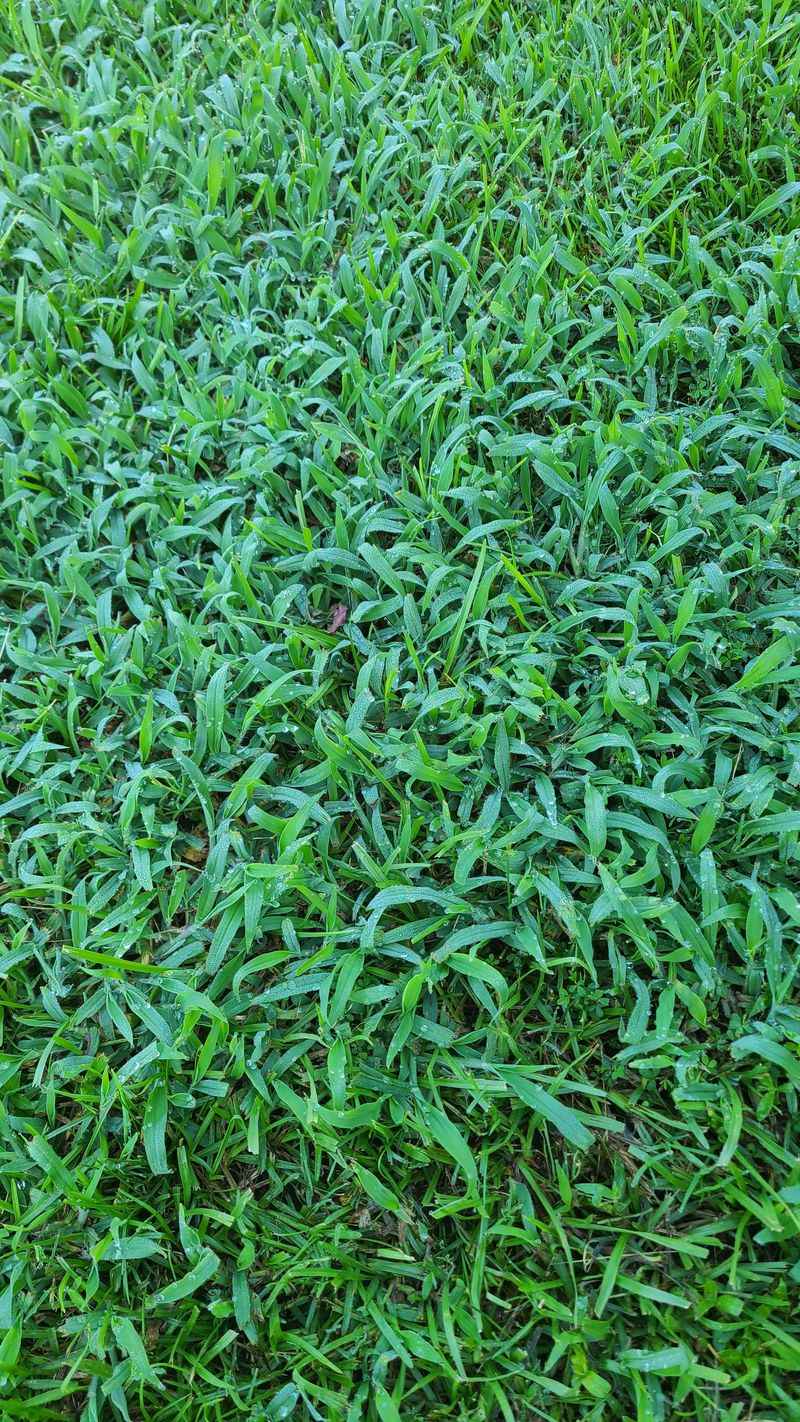
Chinch bugs love a lawn that tries a little too hard to be perfect. Heavy fertilizer and thick thatch roll out a big welcome mat for these hungry insects.
Go easy on quick-release nitrogen, which creates soft, juicy growth bugs adore. Slow-release fertilizer feeds the grass steadily, more like a balanced meal than a candy bar.
Thatch is the spongy layer of old stems between green blades and soil. Chinch bugs hide and lay eggs there, so keep it under half an inch thick.
Mow St. Augustine at about three to four inches tall. Taller grass shades its own roots, holds moisture longer, and handles summer stress much better.
Water deeply but less often, usually about three-quarters of an inch at a time. Deep watering builds strong roots, while daily sprinkles keep them shallow and weak.
Edges along concrete deserve a little extra water during hot spells. Those strips heat up fast and often become the first place bugs gather.
Planting a resistant variety is another smart move for new lawns. Types like Captiva were bred to handle chinch bugs, though resistance can weaken as local populations adapt over time.
Protect the good guys living in your grass, since they work for free all season. Skipping blanket sprays lets predator insects and hunting spiders keep chinch numbers in check.
Finally, keep up those quick weekly lawn walks from late spring well into fall. A lawn that gets noticed early rarely turns into a straw-colored surprise.