These Texas Yard Features Invite Rats In Before Winter
When the first cool front blows across Texas, people are not the only ones looking for a warm place to stay. Rats start searching too. As nights get chilly, they hunt for spots with food, water, and shelter.
Your backyard might have all three without you even knowing it. The tricky part is that they often move in quietly, long before you spot them. Some of the most normal things in a yard can act like a welcome mat.
The good news is that small changes can make a big difference. Once you know what to look for, you can make your yard far less inviting and keep these sneaky pests from calling your home theirs this winter.
1. Firewood Stacked Against The House
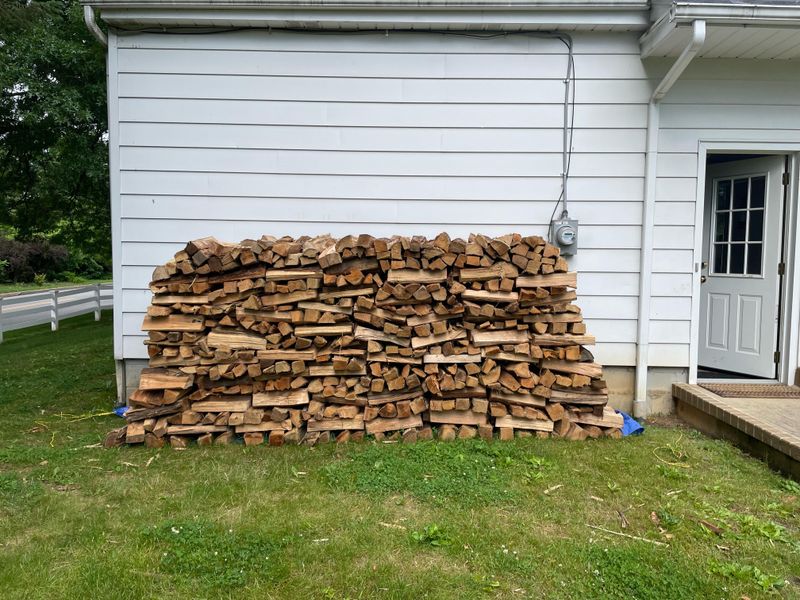
Firewood stacks are perfect rat housing. The gaps between logs make dry tunnels that block cold north winds. Rats can hide there all day and slip out at night to hunt for food.
Texas homeowners often stack wood right against the house or fence. It feels handy when it is chilly outside.
The problem is that it gives rats a short walk from their nest to your walls, vents, and garage door.
Luckily, a few easy changes make a huge difference. Keep your firewood at least 20 feet from your home if you can. Raise the stack about 18 inches off the ground on a metal rack or cinder blocks.
Leave space between the pile and any fence, too. Rats love to travel along fence lines because they feel safe there. A clear gap breaks up their hidden highway.
Only bring in the wood you plan to burn that day. Knock each log against the ground before carrying it inside. You might be surprised by what scurries out.
Did you know? Roof rats are great climbers and often nest up high, but Norway rats prefer to burrow low. A ground-level woodpile can welcome both kinds at once.
Check your stack every few weeks for droppings, chewed bark, or greasy smudge marks. A tidy woodpile is one of the simplest ways to protect your home before the first cold front rolls in.
2. Thick Ivy And Asian Jasmine Ground Cover
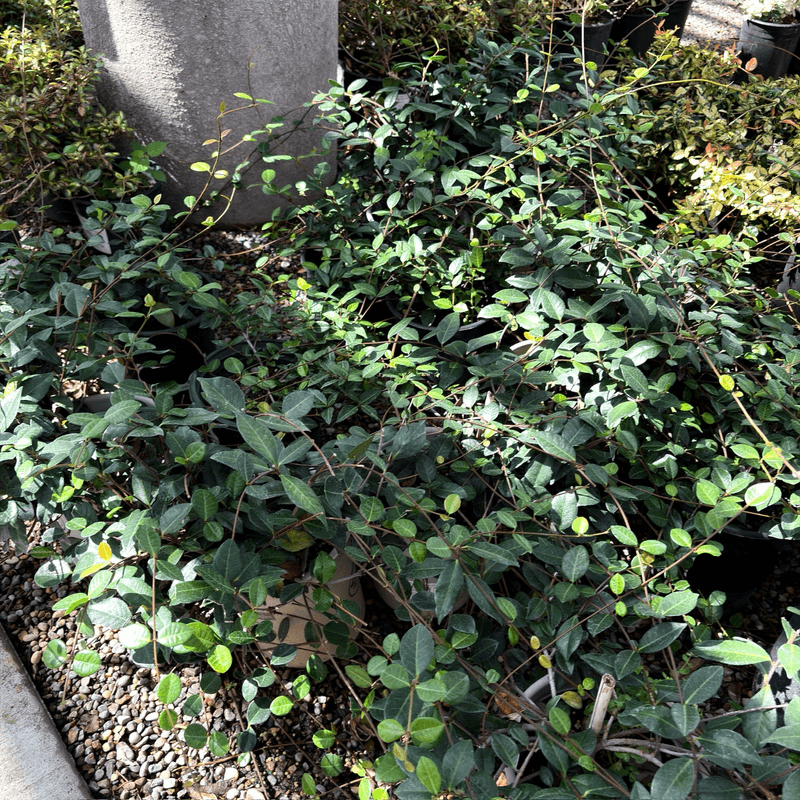
Asian jasmine and English ivy look lovely spilling across a shady Texas yard. Rats think so too, but for a very different reason. To them, that thick green carpet is a secret hideout with a built-in roof.
Dense ground cover hides rats from hawks, owls, and cats. It also keeps the soil underneath cool in summer and a bit warmer when the weather turns. Many rats dig burrows right under the leafy mat where nobody can see them.
Ivy climbing up walls creates another problem. The vines act like a ladder that leads straight to your roof, attic vents, and eaves. Roof rats are skilled climbers, so a leafy wall is basically an open invitation.
You do not have to rip out every plant you love. Start by trimming ground cover so there is a clear strip of bare soil or gravel, about two feet wide, next to your foundation. That open zone makes rats feel exposed, and they hate that.
Your Texas Garden Changes Every Week. Your Plan Should Too.
Gardening in Texas changes quickly throughout the season. Every Friday you’ll receive a simple weekly plan showing exactly what to plant, prune, fertilize, harvest, and protect so you never miss the right timing.
Next, pull climbing vines off your walls and fences. Cut them back at least three feet below the roofline. Keep shrubs pruned up from the ground so you can see underneath them.
While you work, look for holes about two to four inches wide in the soil. Fresh burrows often have smooth edges and loose dirt nearby. Well-worn paths through the plants are another clue.
Wear gloves and long sleeves during yard work in these areas. Rats can carry germs, and their droppings should never be touched with bare hands.
A little care now keeps your pretty garden from becoming a rodent apartment complex.
3. Fallen Pecans And Backyard Fruit
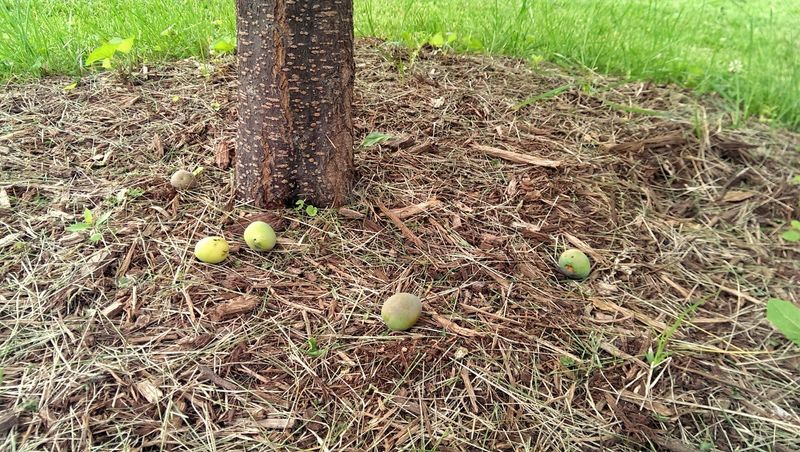
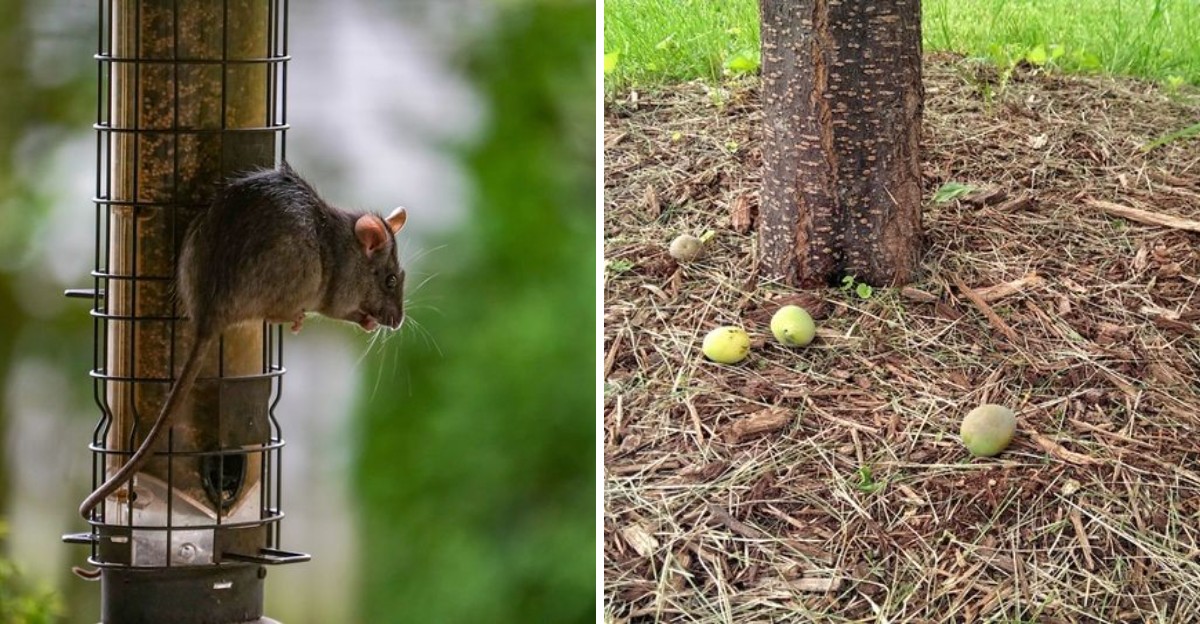
Ask any Texan with a backyard pecan tree about fall, and you will hear about the mess. Nuts drop by the hundreds from September through December. For rats, it is like an all-you-can-eat buffet that shows up right before winter.
Pecans are packed with fat and calories. That is exactly what rats need to fatten up for cooler months. Citrus trees, figs, and persimmons add even more easy meals when fruit falls and rots in the grass.
Rats do not just eat on the spot, either. They often carry nuts back to their nests and store them. A single rat can build up a hidden stash that keeps it fed for weeks.
The fix is simple, though it takes a bit of effort. Pick up fallen nuts and fruit every day or two during harvest season. A rolling nut gatherer makes the job faster and saves your back.
Harvest ripe fruit as soon as it is ready. Leaving oranges or grapefruit hanging too long invites roof rats to climb up and hollow them out.
If you spot fruit with neat round holes and the inside scooped out, rats are likely to blame.
Store your harvest in sealed metal or thick plastic containers. Paper bags and cardboard boxes in the garage are easy for rats to chew through. Keep stored nuts off the floor, too.
Fun fact: the pecan has been the official state tree of Texas since 1919. It is something to be proud of. Just make sure your pecans end up in pies, not in a rat’s winter pantry.
4. Bird Feeders That Spill Seed
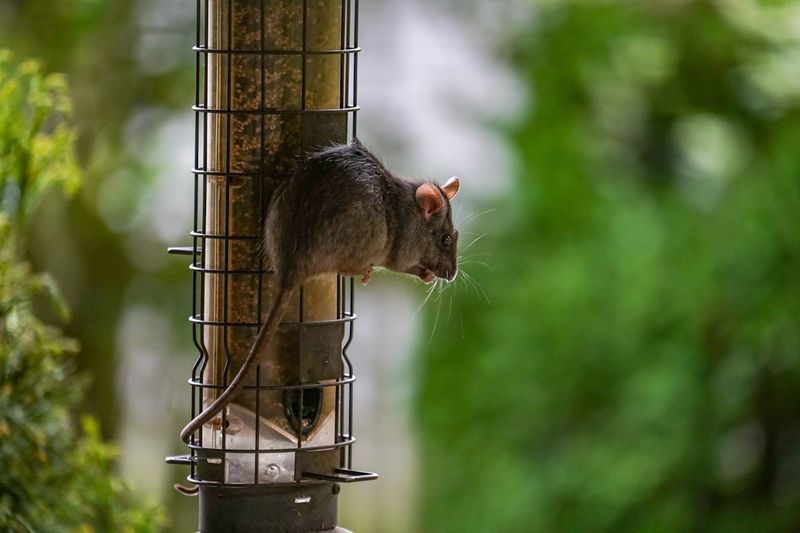
Birdwatching is one of the best parts of a Texas morning. Cardinals, chickadees, and painted buntings brighten the yard with color and song.
Sadly, the sunflower seeds they toss on the ground can attract a much less welcome guest after dark.
Here is the thing about birds. They are messy eaters. They pick through seed mixes, fling out the parts they do not like, and leave a trail of snacks on the ground below.
Rats come out at night when the birds are asleep. They clean up every leftover seed and often return to the same spot night after night. Before long, they may start nesting close by so dinner is only a short trip away.
Want to keep feeding birds without feeding rats? Try these simple tips that many Texas bird lovers swear by. Place a wide tray or seed catcher under the feeder to catch spills.
Choose no-mess seed blends, like hulled sunflower hearts, since birds eat the whole thing. Millet and cracked corn tend to get scattered, so skip them if rats are a concern.
Safflower seed is another good pick because many pests do not care for it.
Hang feeders at least five feet off the ground and away from fences, trees, and roofs. Add a baffle to the pole to stop climbers. Squirrels and rats both struggle with a smooth cone shape.
Most important of all, rake up spilled seed every evening. Bring feeders inside at night during the colder months if you notice droppings nearby.
Your feathered friends will still visit in the morning, and the rats will have to look for dinner somewhere else.
5. Pet Food Bowls Left Out Overnight
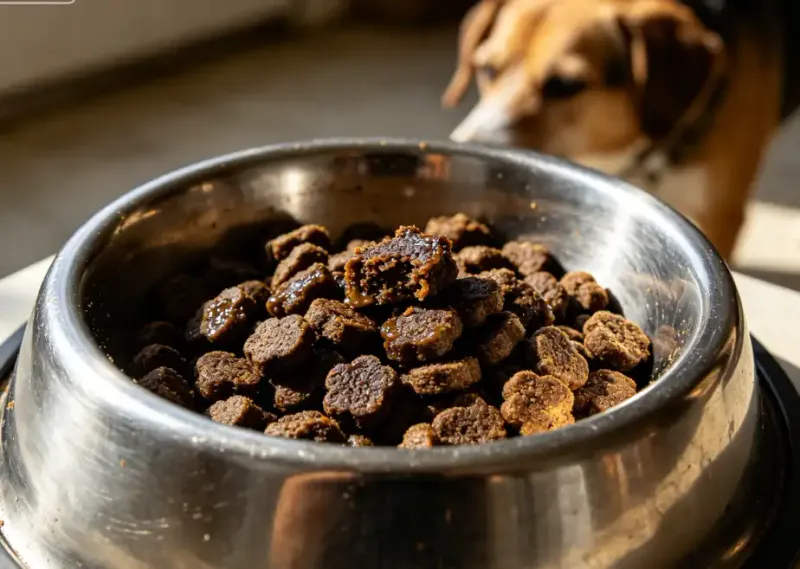
Pet food left outside is one of the most common reasons rats move into a yard. Dry kibble is full of protein and fat. It is easy to carry, easy to store, and there is usually plenty of it.
Water bowls matter too. Rats need to drink every day, and in dry parts of Texas, a full dog bowl might be the best water source around. Food plus water in one spot is a dream setup for a rodent.
So what can pet owners do? Feed outdoor pets at set times, like morning and evening. Give them 20 to 30 minutes to eat, then pick up whatever is left.
Bring bowls inside overnight whenever possible. If you have animals that must stay outside, like barn cats or chickens, use feeders that close or lift off the ground. Chicken feed is another huge rat magnet, so store it carefully.
Keep bags of pet food in a metal trash can with a tight lid. Rats can chew through a paper or plastic bag in minutes. Garages and sheds are favorite spots for them to raid.
Watch for signs like chewed bag corners, small dark droppings, or kibble pieces hidden in odd places.
Rats often stash food in corners, boots, or behind boxes. Catching these clues early can save you from a much bigger problem later.
6. Open Trash Cans And Messy Compost
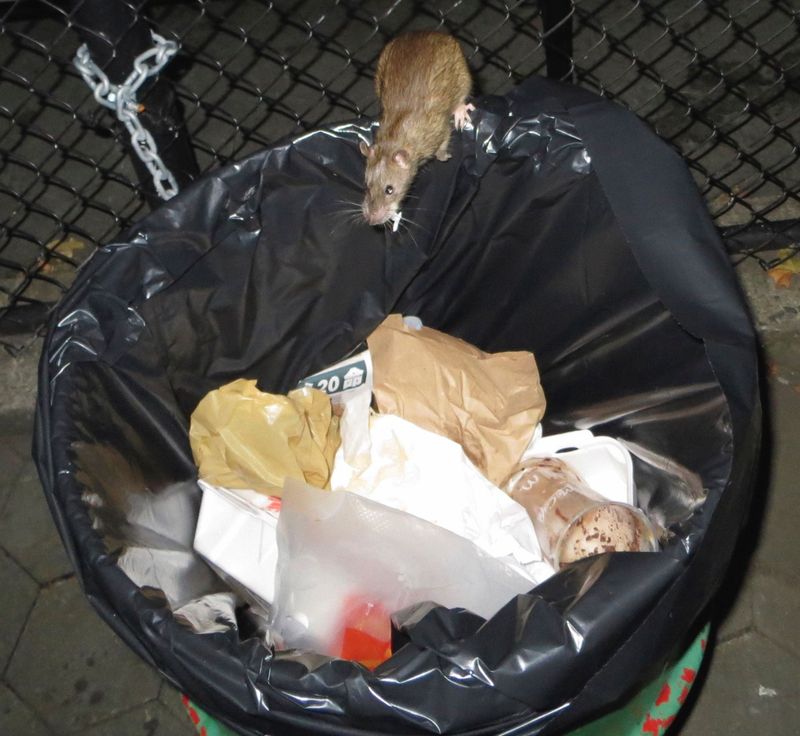
Rats have an amazing sense of smell. They can sniff out a greasy pizza box or a half-eaten burger from far away. An open trash can on a cold night is basically a glowing neon sign that says OPEN.
Trash bins with cracked lids or loose tops are an easy target. Bags piled next to the can are even worse. Rats can chew through plastic bags in seconds and drag scraps back to their nests.
Compost piles are a great way to help your garden. However, they can also become a warm, food-filled rat hotel if they are not managed well. The breakdown of food creates heat, which is extra cozy when temperatures drop.
Start with your garbage. Use sturdy bins with tight lids, and replace any that have holes or cracks. Rinse cans with a hose now and then to cut down on smells.
For compost, skip meat, bones, dairy, oily foods, and cooked leftovers. Stick with fruit and veggie scraps, coffee grounds, eggshells, leaves, and grass clippings. Use a closed bin or tumbler instead of an open pile if you can.
Turn your compost often and keep it damp but not soggy. Rats like quiet places, so regular stirring makes them uneasy. Placing hardware cloth under the bin blocks them from tunneling in from below.
Keep bins away from the side of your house, with ten feet or more as a good goal. Try to put trash out the morning of pickup instead of the night before. That overnight window is prime rat snack time across Texas neighborhoods.
7. Overhanging Branches And Shaggy Palm Trees
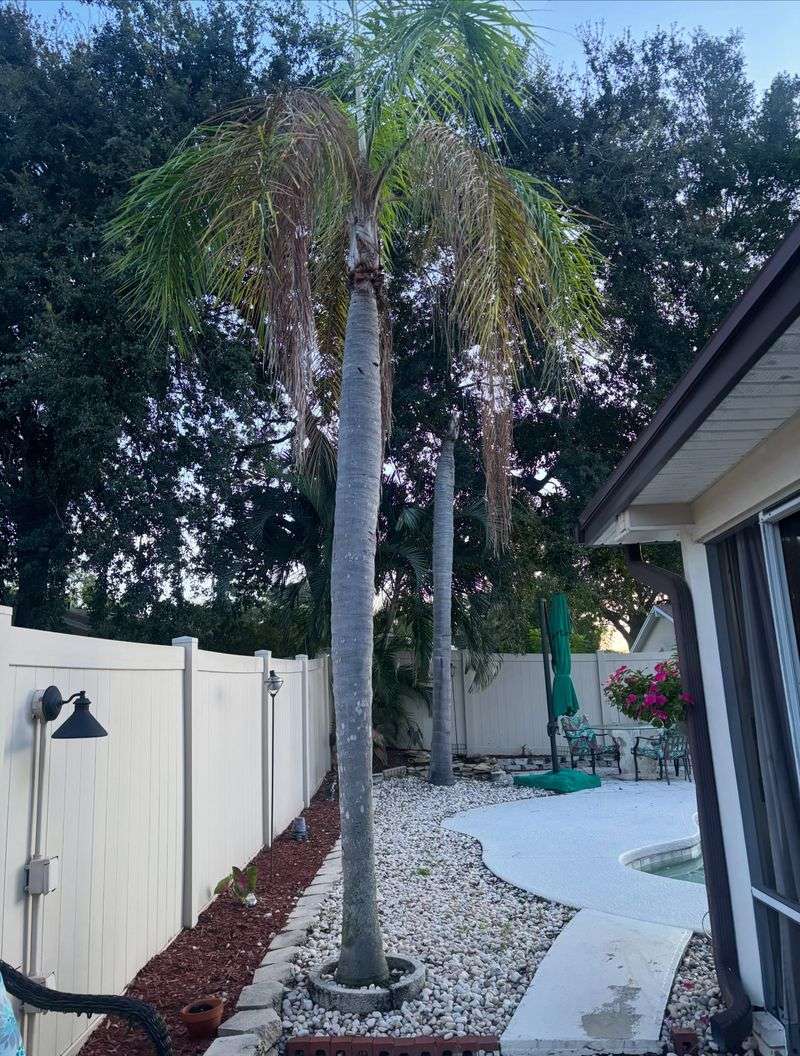
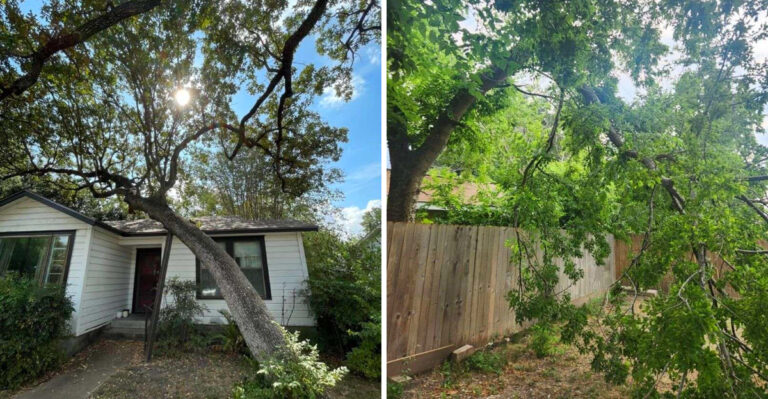
Did you know a roof rat can climb a tree, run along a power line, and jump several feet onto a roof? These acrobats are sometimes called the ninjas of the rodent world. If your trees touch your house, you have given them a free bridge inside.
Roof rats are very common in Texas cities like Houston, Dallas, and Austin. They like to live up high, far away from the dogs and cats on the ground. Attics are their favorite winter homes because they are warm, dry, and quiet.
Palm trees are a special worry in South and Central Texas. Brown, dried fronds, often called skirts, hang down and create thick, shaggy hiding spots. Rats build nests inside them and then travel from the palm to nearby roofs.
The good news is that trimming is a simple fix. Cut tree branches back so they are at least six to eight feet away from your roof. Remove old fronds from palm trees at least once a year.
Look at vines, tall shrubs, and even cable wires that connect to your home. Anything a rat can climb is a possible path. Keep bushes trimmed so they do not touch siding or windows.
Next, check your roofline for openings. Rats can squeeze through a hole about the size of a quarter. Seal gaps around vents, pipes, and eaves with steel wool, metal mesh, or hardware cloth.
Listen at night, too. Scratching or scurrying sounds in the ceiling are a strong clue that rats have already moved in.
Fixing these entry points before the first cold snap is the best way to keep your attic rat-free all winter.