The Florida September Yard Cleanup That Can Accidentally Spread Invasive Plants Instead Of Removing Them
That bag of yard waste you’re about to haul off might be doing the opposite of what you think.
Florida gardeners tackle fall cleanup assuming pulled weeds and cut branches are handled the moment they hit the bag. Certain invasive plants don’t play by that rule though.
Cut them the wrong way or toss them in the wrong pile, and you’ve just handed them a new way to spread instead of shutting them down.
One common cleanup habit does exactly this, and most homeowners have no idea they’re doing it every single year without a second thought.
Rethink how you’re bagging and disposing of yard debris this week. The method matters as much as the effort, and getting it wrong could undo the whole point of cleaning up in the first place.
1. Bag Brazilian Peppertree Before Seeds Hit The Ground
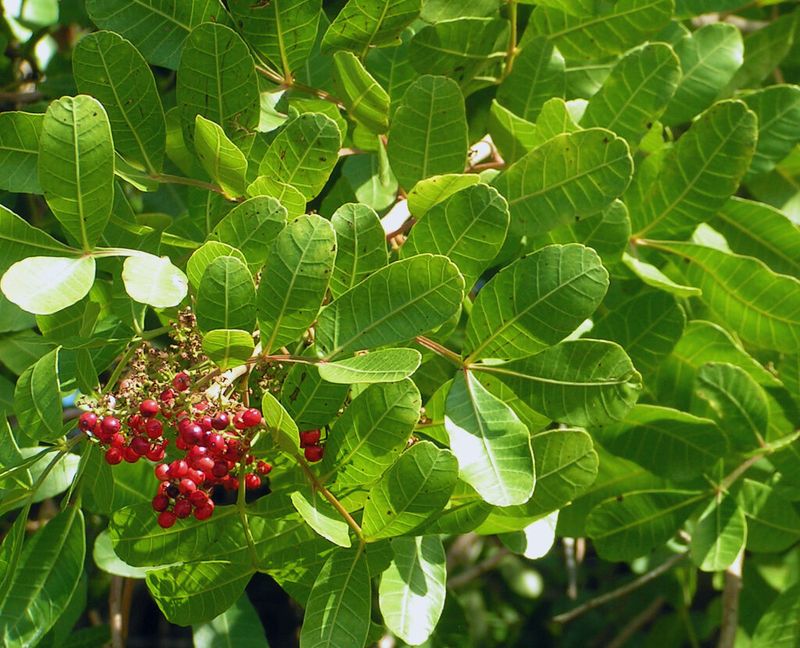
Picture a shrub dripping with shiny red berries, like it dressed up for the holidays early. That pretty plant is Brazilian peppertree, and it ranks among the worst invaders in Florida.
It forms thick tangles that crowd out native plants, from backyard hammocks to mangrove edges. In fact, selling, moving, or planting it is against the law in this state.
Those berries usually ripen from late fall into December, so September is a smart time to act before they form. Birds gobble them up and drop the seeds far away, and water can carry them down ditches and canals.
So when you cut branches, do not let the berries rain onto the lawn. Hold a big bag under the limbs, or lay a tarp below first.
Snip the berry clusters first and drop them straight into the bag. After that, cut the rest of the branches into smaller pieces that are easier to handle.
Wear long sleeves too, since the sap can irritate skin for some people. Peppertree is actually related to poison ivy, which explains the itchy surprise.
Cutting the trunk alone will not solve things, because peppertree sprouts right back from the stump. Many experts suggest treating the fresh stump with a labeled herbicide right after cutting.
Tie the bags tightly and keep them out of your compost pile. A quick call to your county extension office can tell you the best local disposal option.
2. Watch Air Potato Bulbils When Clearing Vines
Imagine a vine that grows potatoes in midair and drops them like tiny bombs. Air potato does exactly that, and it can climb and smother a tree in a single season.
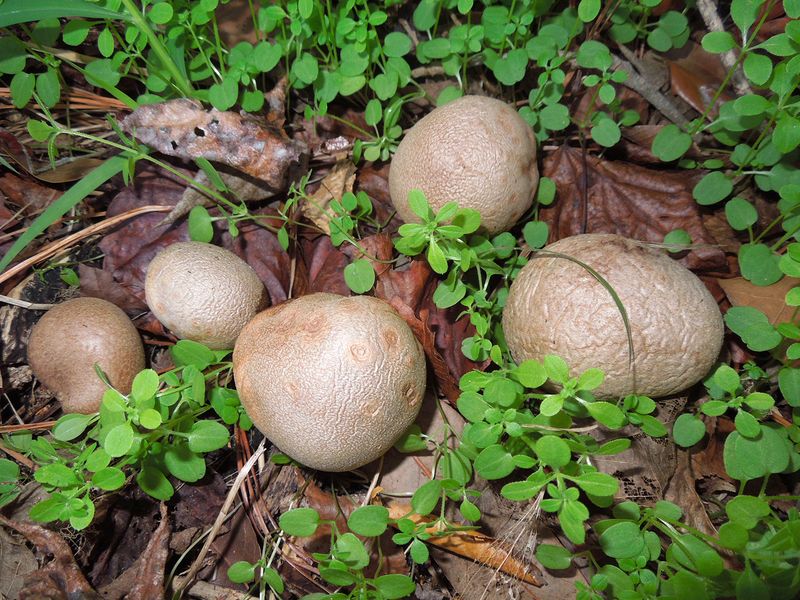
Those dangling lumps are called bulbils, and each one can sprout a brand new vine. They look like small, warty potatoes, and some grow as big as a softball.
When you yank the vines down in September, bulbils pop loose and roll everywhere. Some hide in leaf litter, under shrubs, or right in the grass you just raked.
Before pulling, spread a tarp under the area you plan to clear. Then tug the vines slowly so fewer bulbils go flying into the bushes.
Your Florida Garden Changes Every Week. Your Plan Should Too.
Gardening in Florida changes quickly throughout the season. Every Friday you’ll receive a simple weekly plan showing exactly what to plant, prune, fertilize, harvest, and protect so you never miss the right timing.
Afterward, walk the area and pick up every bulbil you can find. Kids often love this job, so turn it into a treasure hunt with a small prize.
Even a chipped or broken piece can grow, so collect the fragments too. Drop everything into a sturdy bag, tie it shut, and keep it far from compost.
Here is a fun bit of news for Florida. Scientists released a tiny leaf-eating beetle that munches on air potato leaves, and it has helped slow the vine in many areas.
Check the same spot again every few weeks through fall. New shoots are easy to pull while they are small and tender.
3. Keep Cogongrass Fragments Out Of Compost
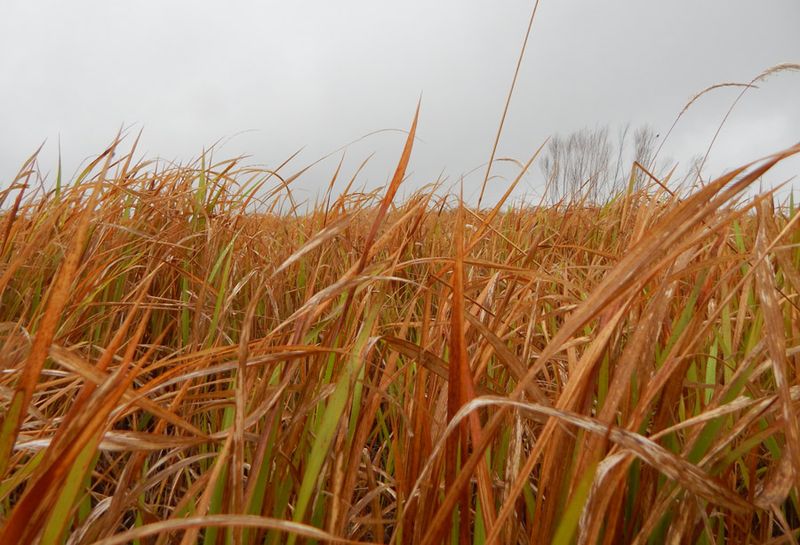
Few plants in the South earn as much frustration as cogongrass. Farmers, foresters, and fire crews all keep a close eye on this tough, fluffy-topped grass.
It spreads mostly underground through sharp, white stems called rhizomes. Those rhizomes are so pointy they can poke through plant roots and even some plastic.
Many gardeners toss pulled grass into the compost bin without a second thought. With cogongrass, that habit can backfire in a big way.
A home compost pile rarely gets hot enough to break down every rhizome piece. Tiny fragments can survive, and then you spread them across your garden beds with the finished compost.
The grass is also highly flammable, even when it looks green. A patch near your house or shed can raise fire risk during dry spells.
If you spot cogongrass, look for yellow-green blades with an off-center white stripe down the middle. In spring, it sends up fluffy white seed heads that look like cotton.
Place pulled pieces in heavy trash bags and seal them tightly. Better yet, contact your county extension office, because large patches usually need a planned herbicide program.
Cleaning your shovel and boots before moving to another area matters, too. One small clump of soil can carry enough rhizome to start a fresh patch.
4. Remove Coral Ardisia Berries Before Birds Spread Them
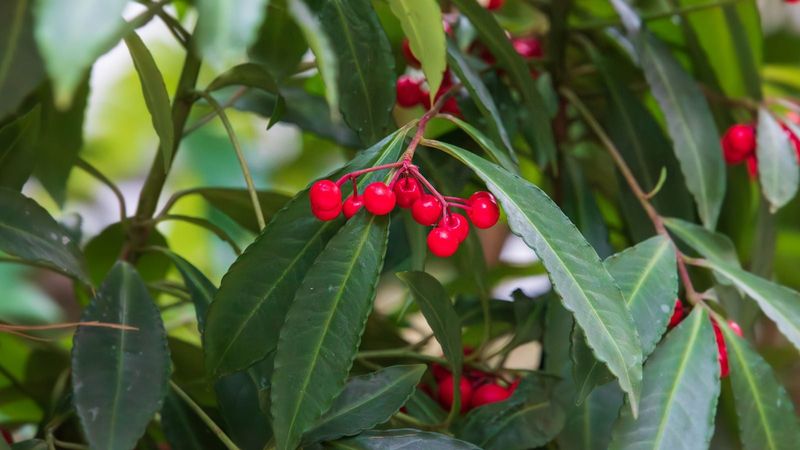
My neighbor once proudly showed me a shady corner full of glossy shrubs with bright red berries. She had no idea she was growing one of the most stubborn invaders in Florida woods.
Coral ardisia looks sweet and harmless, which is exactly how it fools people. Its berries hang in clusters below the leaves, like little strings of holiday lights.
Birds snack on those berries and scatter the seeds through nearby forests. The seeds sprout easily in shade, creating thick carpets that crowd out native ferns and wildflowers.
Timing makes a big difference with this plant. Try to remove berries in late summer or early fall, before they turn fully red and catch a bird’s eye.
Pull young plants by hand when the soil is moist after a rain. For larger shrubs, dig out as much of the root as you can, since it can resprout.
Snip off berry clusters over a bag so they do not scatter on the ground. Fallen berries can sprout right where they land, sometimes by the dozens.
Bag all plant parts and put them in the trash instead of the compost. Then check under nearby trees for seedlings, which often hide beneath leaves.
A good swap is a native shrub like wild coffee. It offers birds tasty berries without the takeover problem.
5. Check Caesarweed For Seeds Before Trimming
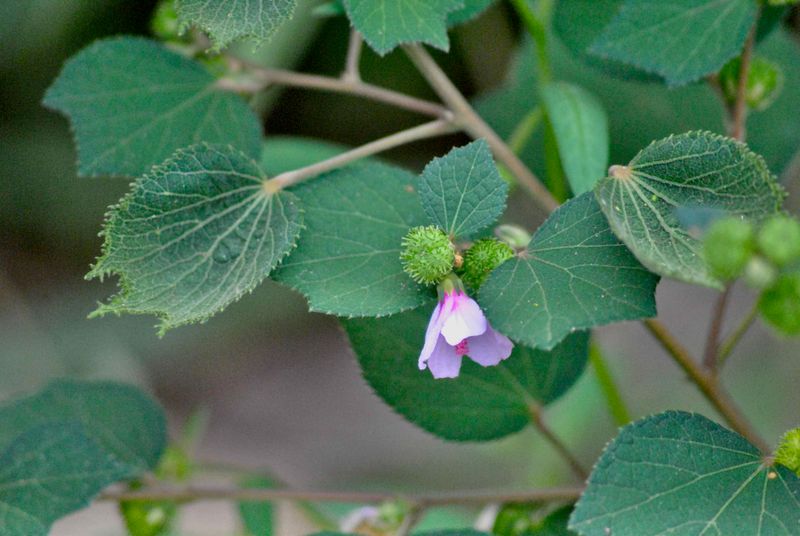
If you have ever walked through a weedy lot and come home with tiny burs stuck to your socks, you may have met Caesarweed. This fuzzy shrub is a champion hitchhiker.
It grows fast in disturbed areas, along fences, and at the edges of woods. Each plant can make loads of small, spiny seeds that grab onto anything passing by.
Pets, pant legs, gloves, and even the tires of a wheelbarrow can carry those seeds around. That means one quick trim can scatter them across the entire yard.
Before you cut, look closely at the plant. Mature seeds are small, round, and brown or purple, and they cling to your fingers like Velcro.
If you spot seeds, skip the string trimmer, which flings them in every direction. Instead, gently bag the seed-covered stems before cutting or pulling the plant.
Pull young plants by the base when the ground is damp. Their leaves have a slightly maple-like shape, which makes them easier to identify.
Once you finish, brush off your clothes, shoes, and gloves over the bag. Check your dog’s fur, too, especially around the legs and belly.
Tackling Caesarweed early in the season is much easier than chasing a new crop later. A few minutes of checking saves hours of pulling next year.
6. Never Toss Invasive Roots Into A Brush Pile
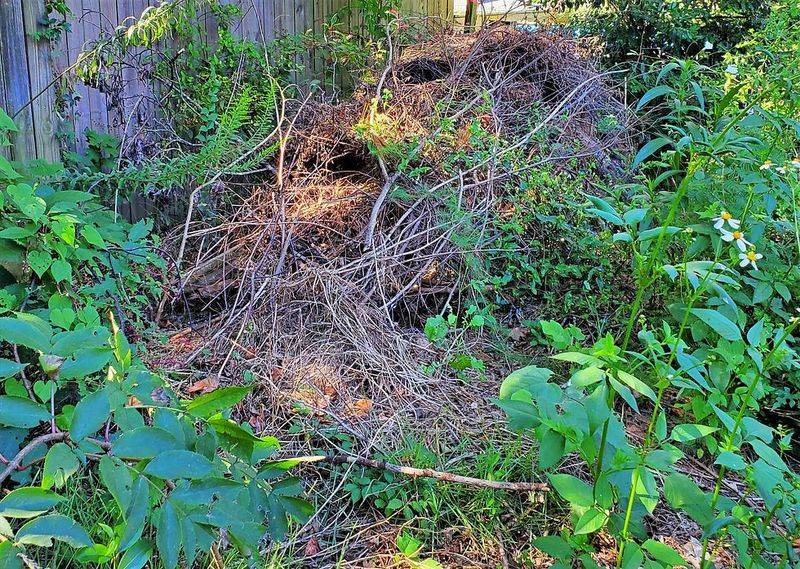
Brush piles feel like a handy shortcut. You drag everything to the back corner, stack it high, and promise to handle it later.
The trouble is that many invasive plants can regrow from root pieces alone. Cogongrass rhizomes, air potato tubers, and certain vines stay alive for months inside a shady, damp pile.
Once the pile settles, those roots touch soil and start growing again. Before long, your forgotten heap becomes a nursery for the very plants you tried to remove.
Brush piles can also shelter pests like rodents and harbor fungal problems. That adds more headaches beyond the plants themselves.
A safer plan starts with sorting as you work. Keep a separate bag or bucket just for invasive roots, tubers, and seed-covered stems.
Some gardeners use solarization, which means sealing roots in clear or black plastic bags and leaving them in full sun. Florida heat can bake them for several weeks until they lose their ability to sprout.
Your local waste service may have special pickup rules for invasive plants, so check its website or call before tossing large amounts. Following those rules keeps the problem from moving to someone else’s neighborhood.
Save the brush pile for clean, native branches and leaves. Wildlife like lizards and songbirds will enjoy it, and you will not be growing trouble.
7. Clean Mowers After Cutting Seed-Heavy Weeds
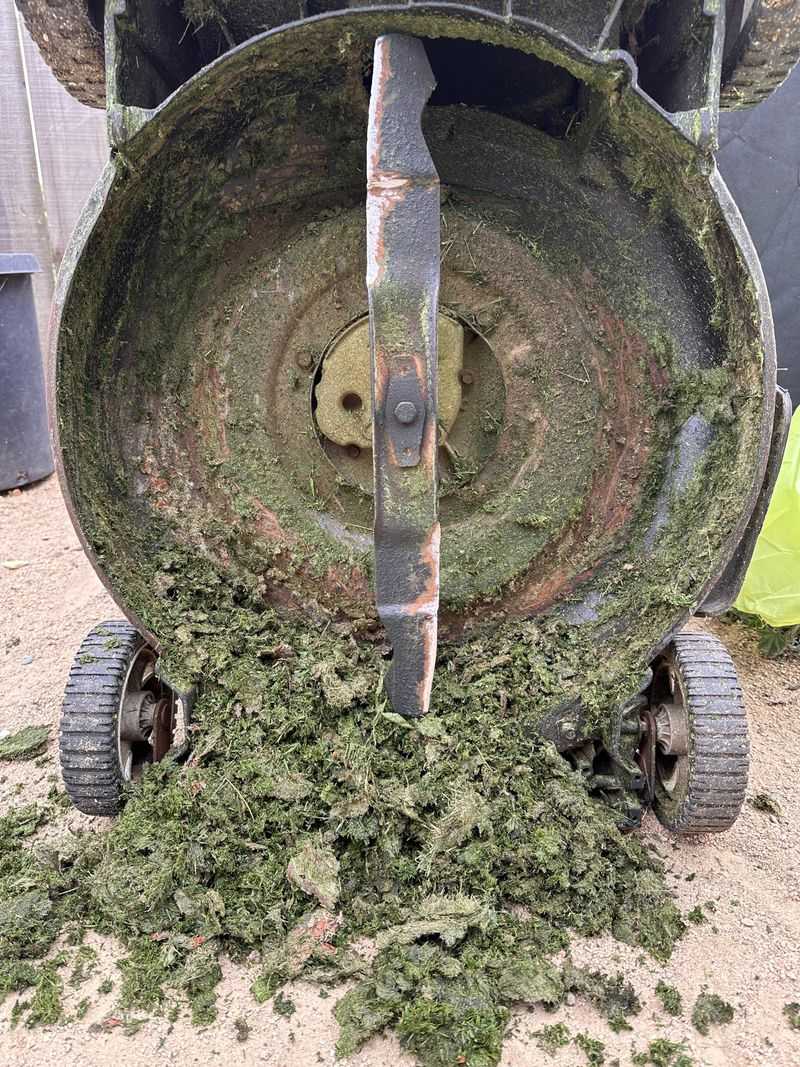
Your lawn mower is a hard worker, but it is also a sneaky seed taxi. Every pass through weedy grass can load the deck with seeds.
Then you roll it to the front yard, a friend’s lawn, or a new garden bed. Those seeds drop off along the way and start fresh patches of weeds.
September is prime time for this problem in Florida. Many weeds have finished flowering over summer and are loaded with ripe seed heads.
After mowing a seedy area, turn off the engine and disconnect the spark plug for safety. Then scrape clumps from under the deck with a putty knife or stiff brush.
A leaf blower or air compressor can clear seeds from wheels and crevices. Do this on a driveway or tarp, not on bare soil, for easy sweeping.
Wipe down string trimmers, rakes, and pruners, too. Seeds cling to handles, blade guards, and even the treads of your shoes.
Bag the clippings from seed-heavy patches instead of leaving them on the lawn. That small step keeps ripe seeds from settling back into the soil.
Here is a smart habit to try. Mow the cleanest parts of your yard first and save the weediest areas for last.
If you hire a lawn service, ask whether they clean equipment between properties. Good crews are glad to explain their routine.
8. Cover Invasive Plant Waste Before Hauling It Away
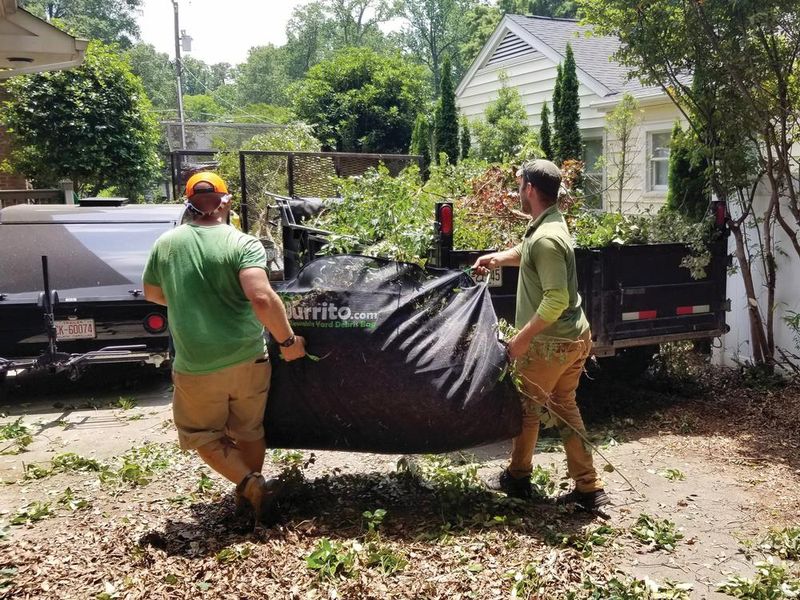
Ever driven behind a pickup truck on I-4 and watched leaves swirl out of the bed like confetti? That scene is funny until you realize some of those leaves might carry invasive seeds.
An uncovered load acts like a seed spreader on wheels. Berries, bulbils, and root pieces can blow onto roadsides, into ditches, and toward natural areas miles from your home.
Roadsides already struggle with invaders like cogongrass, which spreads easily along highways. Nobody wants to add to that problem on a quick trip to the dump.
Before hauling anything, place invasive plant waste in sturdy bags and tie them shut. Then stack the bags tightly so they do not bounce around or tear.
For loose branches or bulky loads, use a heavy tarp that covers the entire bed or trailer. Secure it with bungee cords or ratchet straps at every corner.
Give the load a gentle tug before you leave to check for loose spots. Wind at highway speed is much stronger than it seems in your driveway.
Florida law also requires loads to be secured so nothing falls out. Skipping a tarp could earn you a fine along with the guilt.
When you arrive, check the truck bed and trailer for stray seeds or bits. A quick sweep keeps them from hitching a ride home.
9. Know Which Yard Waste Belongs In The Trash
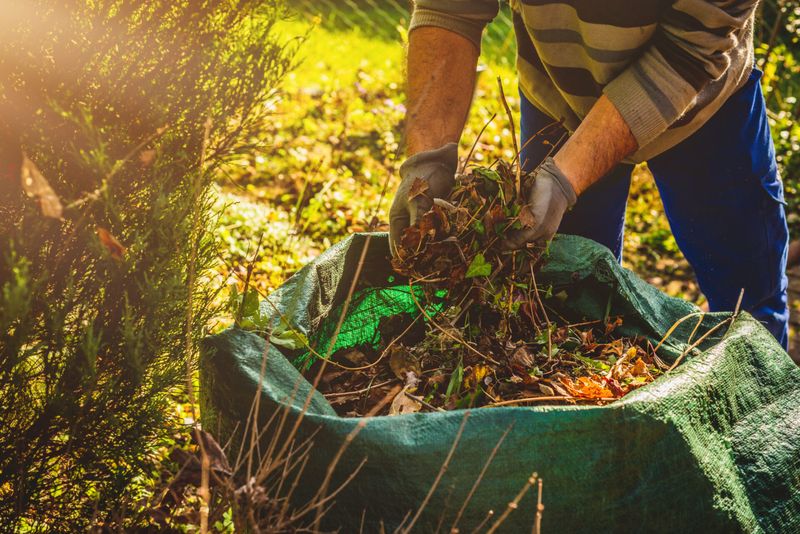
Curbside pickup day can feel like a guessing game. Does that pile go in the yard waste bin, the compost, or the regular trash can?
For most leaves, grass clippings, and native branches, yard waste pickup works great. Many counties turn that material into mulch or compost for parks and gardens.
Invasive plant parts are a different story. Air potato bulbils, cogongrass rhizomes, and seed-filled berries from Brazilian peppertree or coral ardisia can survive the mulching process.
If they end up in mulch, they could be spread across town without anyone noticing. That is the opposite of what your hard work was meant to do.
The safer choice for these parts is usually household trash in sealed bags. Landfills bury waste deeply, which helps keep seeds and roots from sprouting.
Rules vary from county to county, so check your local solid waste website. Some areas offer special invasive plant drop-off days or free disposal bags.
A simple sorting system at home can help. Keep one bin for regular yard debris and a clearly labeled bag for invasive material.
With a little planning, your September cleanup can truly clear out invaders. Your yard, your neighbors, and Florida’s wild places will all be better for it.