What White Speckles On Your North Carolina Collards Are Really Telling You
Tiny white speckles scattered across collard leaves are a common sight in North Carolina gardens, and they almost always point to feeding damage from harlequin bugs or similar sap-sucking pests rather than a disease.
These pests pierce the leaf surface to feed, leaving behind small, discolored spots that can multiply quickly across a plant if the underlying insect population goes unchecked.
Because the speckling itself is just a visible symptom rather than the actual problem, treating only the spots without addressing the pests responsible does little to stop the damage from spreading.
Checking the undersides of affected leaves usually reveals the actual insects at work, often in numbers larger than the speckling alone would suggest.
Identifying the real cause behind these white speckles is the necessary first step toward protecting the rest of a collard patch from more serious damage.
1. Tiny White Insects That Fly Up Mean Whiteflies
Brush past a collard plant in September, and a tiny cloud of white might puff up into the air like flour shaken from a sifter. Those specks are whiteflies, small sap-sucking insects only about one-sixteenth of an inch long.
They love to hide on the undersides of leaves, where most gardeners never think to look. Whiteflies may be tiny, but they cause real trouble. Both adults and young nymphs feed on plant sap, which weakens leaves and slows growth.
As they feed, they drip a sticky liquid called honeydew, and a black fungus known as sooty mold soon grows on top of it.
Sooty mold does not eat the leaf, yet it blocks sunlight and makes your greens look dirty and unappetizing. Nobody wants to scrub black smudges off supper. That is why catching whiteflies early makes such a big difference.
Start by flipping over a few leaves every time you visit the garden. When you spot whiteflies, spray insecticidal soap or horticultural oil directly onto the leaf undersides, since these products only work when they touch the insects.
Repeat every 5 to 7 days to catch new adults as they hatch, and pull off heavily infested lower leaves to shrink the population fast.
Timing is everything in North Carolina. Whitefly numbers build up during the hot days of late summer and early fall, which is exactly when most gardeners are setting out young fall collards.
Tender transplants struggle to grow when whiteflies are feeding on them, so give new plants extra attention during those first few weeks.
2. Grayish White Clusters Point To Cabbage Aphids
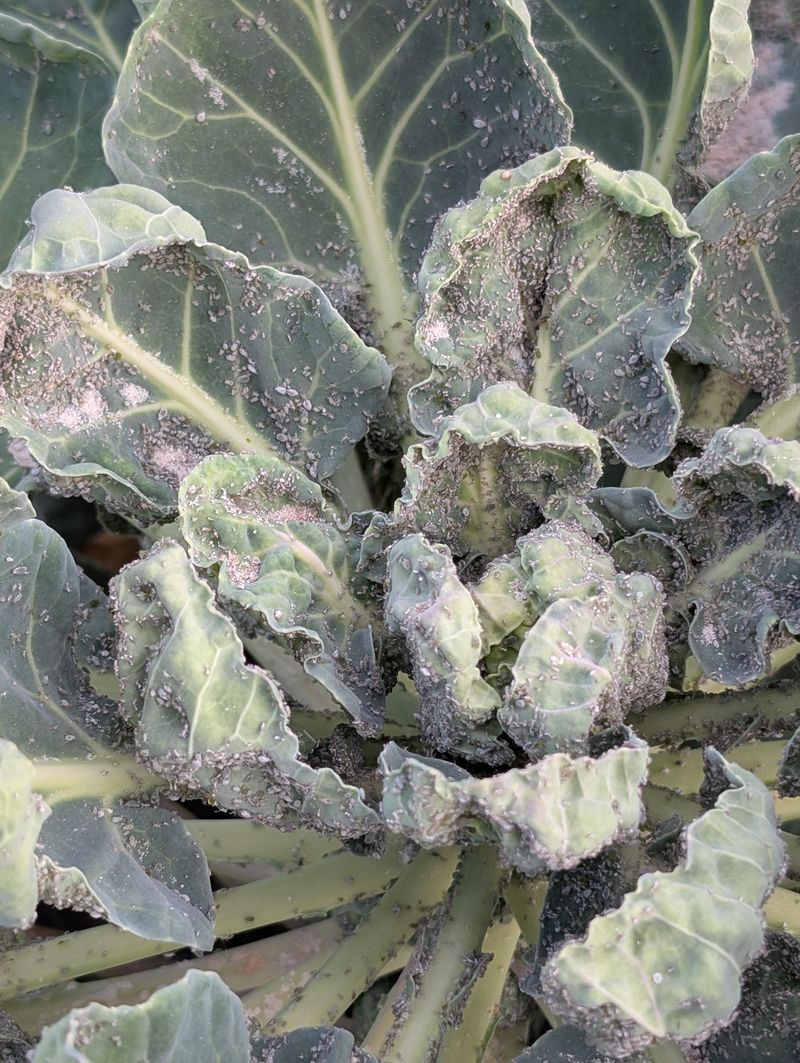
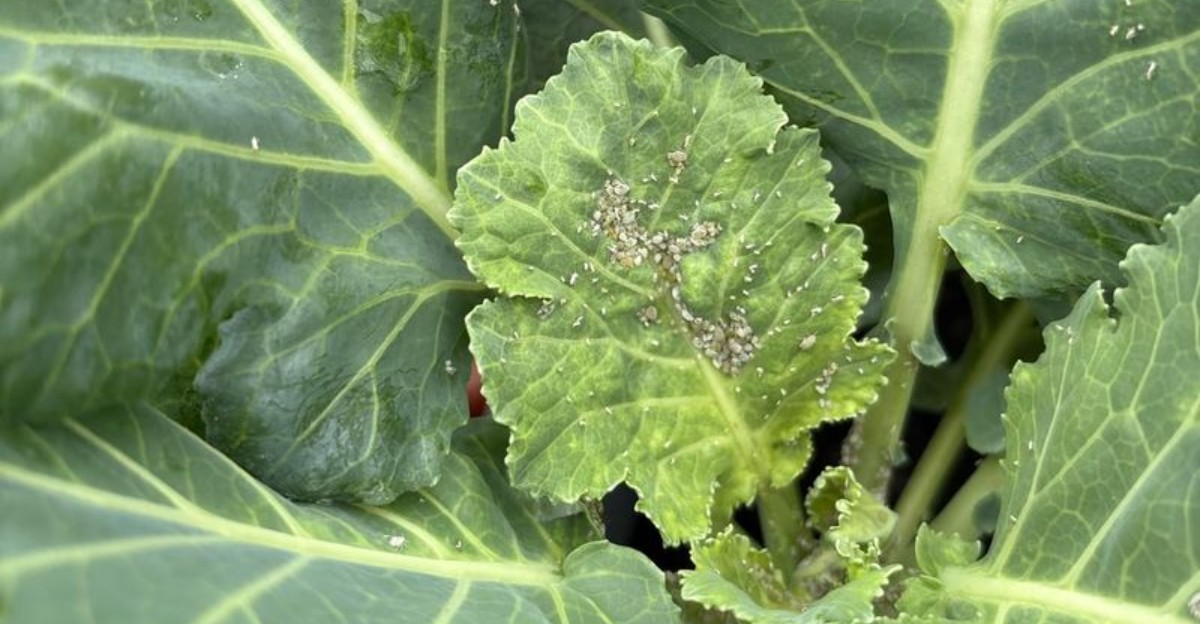
Cabbage aphids are the masters of disguise in the collard patch. At first glance, a colony can look like a smear of gray dust or ash sitting in the center of the plant.
Look closer, and you will find dozens or even hundreds of soft, pear-shaped insects coated in a waxy, powdery film.
Those scattered white speckles around the colony are often shed skins. Aphids molt several times as they grow, leaving tiny white shells behind like discarded jackets.
They also cluster on leaf undersides and inside the tender new growth where they are hard to reach.
Your North Carolina Garden Changes Every Week. Your Plan Should Too.
Gardening in North Carolina changes quickly throughout the season. Every Friday you’ll receive a simple weekly plan showing exactly what to plant, prune, fertilize, harvest, and protect so you never miss the right timing.
Big colonies drain sap so quickly that leaves curl, pucker, and turn yellow. Even a light infestation makes a harvest look unappealing, because nobody enjoys finding aphids in a pot of greens.
Here is a fun fact: female aphids can give birth to live young without mating, which explains why their numbers explode so fast.
Your garden hose is a great first weapon. A strong spray of water knocks colonies loose, and most aphids cannot find their way back.
Follow up with insecticidal soap, making sure to coat every hidden fold and leaf underside, and check your plants once a week.
Helpful insects will pitch in too. Lady beetles and tiny parasitic wasps feast on aphids, so skip broad-spectrum sprays that wipe out these garden allies.
In North Carolina, cabbage aphids thrive in the cool weather of fall and early spring, which lines up perfectly with collard season, so stay alert from the first chilly mornings on.
3. White And Yellow Blotches Signal Harlequin Bug Feeding
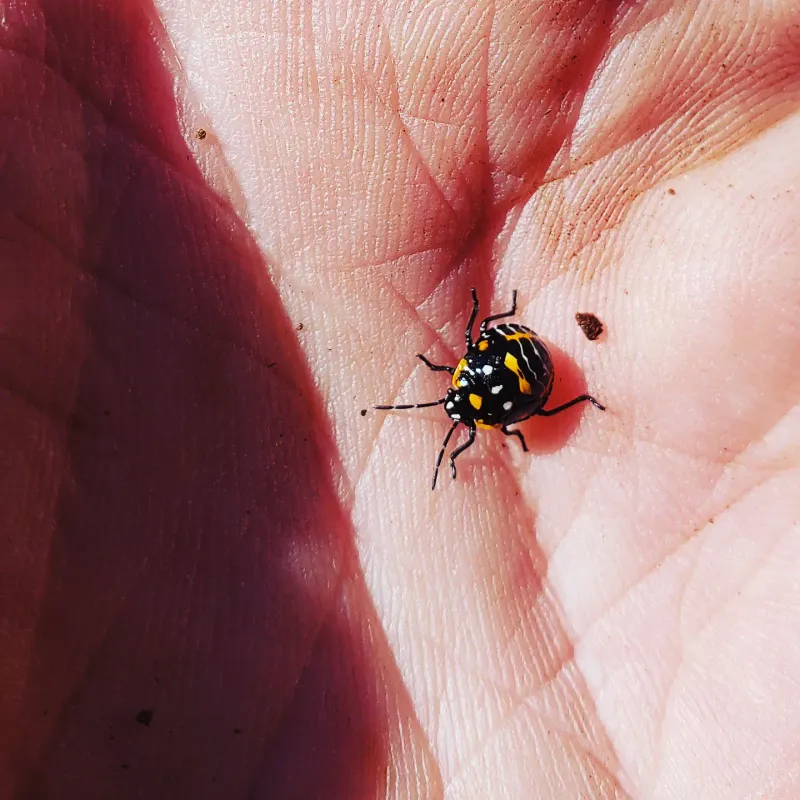
Some garden pests blend in, but harlequin bugs seem to want attention. These shield-shaped insects wear bold black markings splashed with bright orange or red, almost like tiny painted clowns, which is where their name comes from.
Their flashy colors warn birds that they taste bad, thanks to chemicals they pick up from mustard family plants.
On collards, the damage shows up as white to pale yellow blotches. Harlequin bugs pierce the leaf with needle-like mouthparts and suck out the plant juices.
Once the cells inside are emptied, the spot turns cloudy and faded, as if someone dabbed the leaf with bleach.
Heavy feeding can make young plants wilt and turn brown. The best defense is hands-on work. Knock adults and nymphs into a jar of soapy water, and search leaf undersides for their eggs.
Those eggs are easy to recognize once you know the look. They sit in neat double rows and resemble tiny black-and-white barrels, complete with little bands like a cartoon keg. Crush every cluster you find before the babies hatch.
Row covers placed over young plants keep adults from landing in the first place. After harvest, clean up old stalks, leaves, and weeds, since adults hide in that debris over winter.
In North Carolina, harlequin bugs rank as a major collard pest from spring through fall, and a tidy garden in winter means fewer bugs waking up hungry in spring.
Stay patient and consistent. Checking plants two or three times a week during warm spells catches new arrivals before they multiply, and your collards will thank you with clean, green leaves.
4. Silvery Flecks And Streaks Come From Thrips
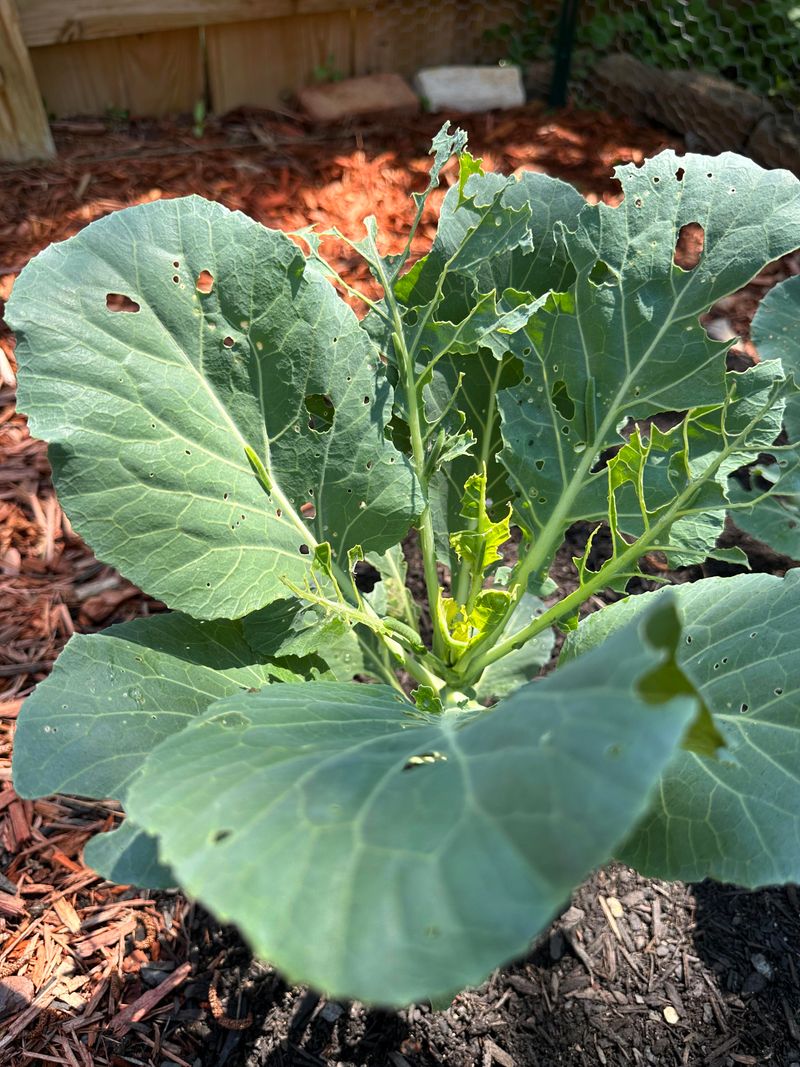
Ever notice silvery streaks on a collard leaf that shimmer a little when the sun hits them? That glittery damage is the calling card of thrips.
They are slender insects so small that most people need a magnifying glass to see them clearly.
Thrips do not bite neatly like a caterpillar. Instead, they scrape the leaf surface with rasping mouthparts and suck up the contents of the cells underneath. Air fills those empty cells, which is why the scarred spots look pale and silvery.
Look closely at the streaks, and you may also spot tiny black dots scattered across them. Those specks are thrips droppings, a sure sign the tiny culprits are nearby.
Finding them takes a little detective work. Gently pull apart the tight inner leaves at the center of the plant, since thrips love to tuck themselves into those snug spaces.
Tapping a leaf over a sheet of white paper can also reveal them as tiny moving slivers.
Light damage usually is not a big deal, but heavy populations call for insecticidal soap or horticultural oil. Keep weeds mowed or pulled around the garden, because many weeds shelter thrips between crops.
A steady watering schedule also helps, since healthy, well-fed collards can simply outgrow minor scarring.
North Carolina gardeners see the most thrips during warm, dry stretches in spring and early fall. When rain is scarce and temperatures climb, give your collards a deep drink and check those inner leaves more often.
5. See Through White Patches Mean Caterpillar Windowpaning
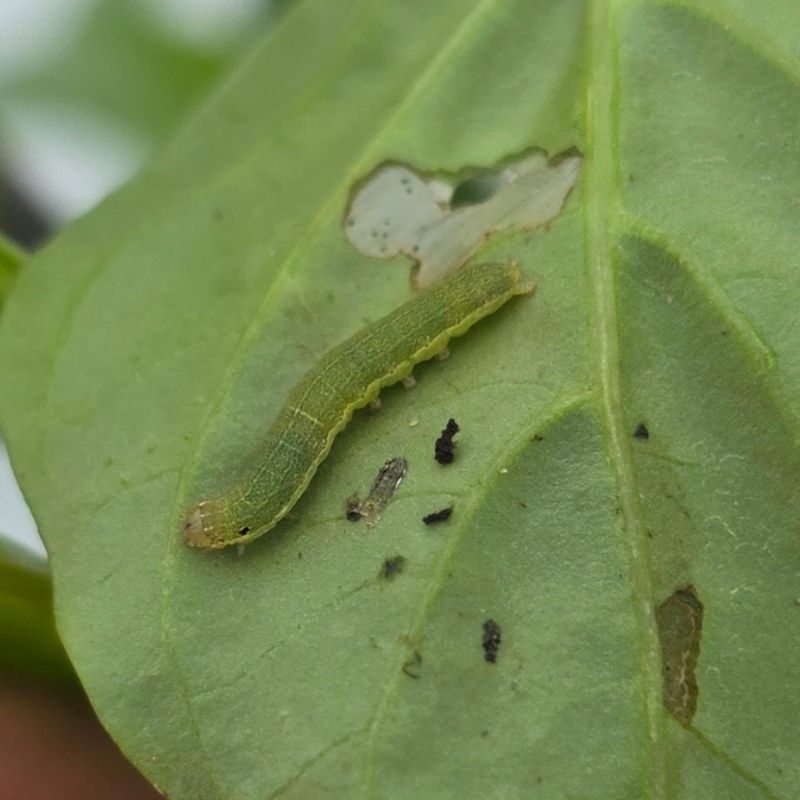
Hold a collard leaf up to the sunlight, and you might see thin, see-through patches glowing like little frosted windows. Gardeners call that damage windowpaning, and it is one of the sneakiest early warnings in the vegetable patch.
Someone is munching on your greens, and they are just getting started.
The culprits are usually young diamondback moth caterpillars and imported cabbageworms. When they are tiny, they feed on the underside of the leaf but do not chew all the way through.
They leave behind the thin top layer, which dries into a pale, papery window.
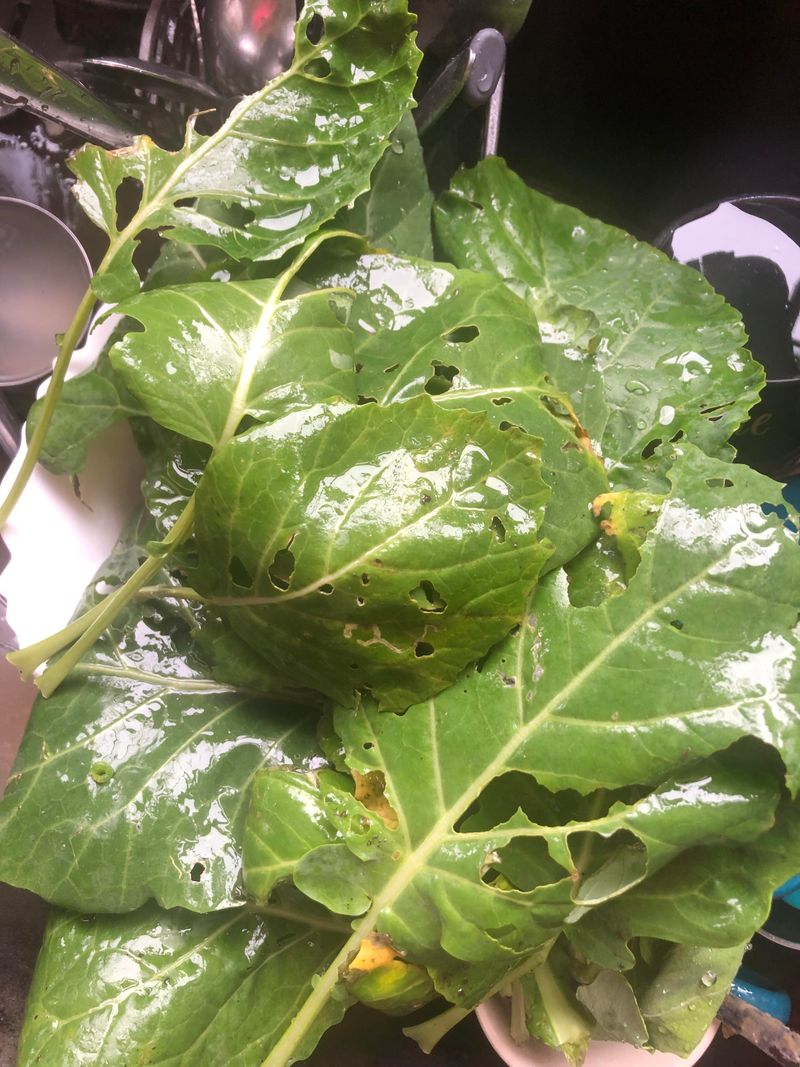
As the caterpillars grow, so does their appetite. Larger larvae chew ragged holes straight through the leaf, and imported cabbageworms can leave behind dark green droppings in the folds.
Spotting windowpanes early gives you a head start before the real feast begins.
Flip leaves over and look for small green caterpillars. Diamondback larvae are skinny and wiggle wildly when touched, sometimes dropping on a silk thread, while cabbageworms are velvety and slow. Pick off every one you find.
For bigger outbreaks, reach for Bacillus thuringiensis, often sold as Bt. It is a natural bacteria-based spray that targets caterpillars while leaving bees, lady beetles, and people unharmed.
Row covers stop the white cabbage butterflies and small gray moths from laying eggs at all.
In North Carolina, these caterpillars rank among the most common collard pests in both spring and fall. Diamondback moths are also known for resisting some insecticides, so rotating products and relying on row covers keeps your plan working.
6. Raised White Blisters Underneath Point To White Rust
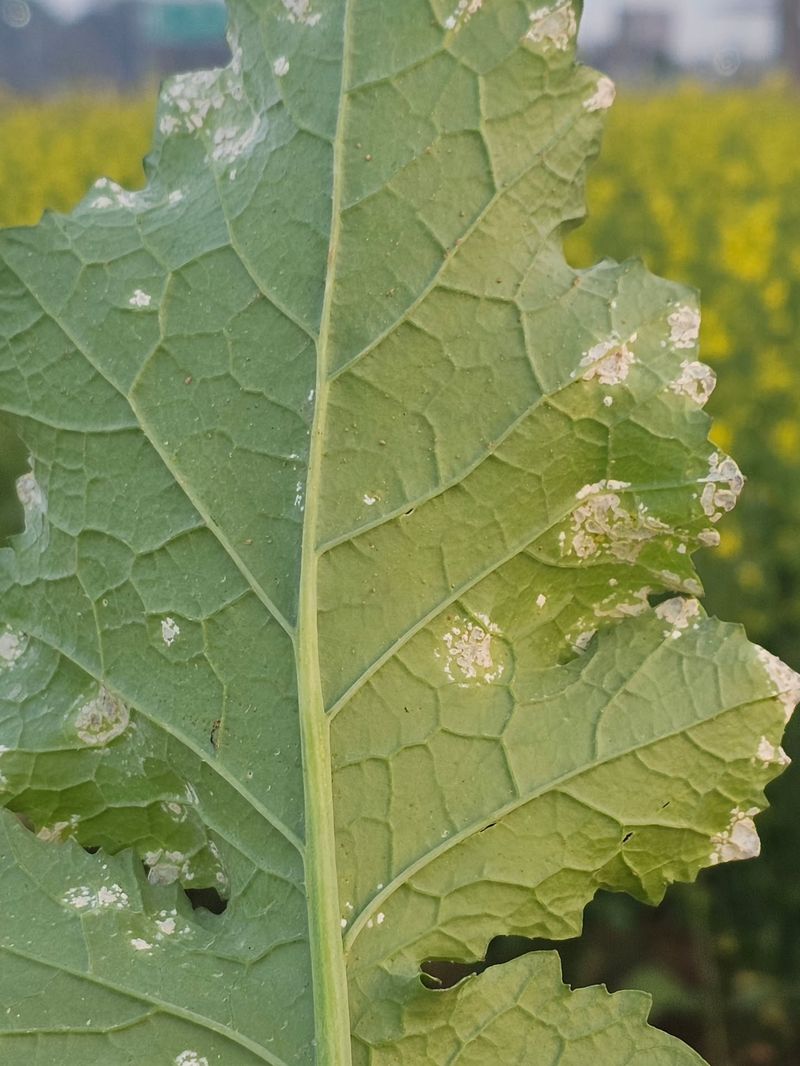
Turn over a collard leaf on a damp November morning, and you might find something that looks like dried drops of white paint. Those raised, chalky blisters are the telltale sign of white rust.
Here is a surprise: white rust is not a true rust at all. It is caused by Albugo candida, a funguslike organism often called a water mold.
On the upper side of the leaf, you will usually see pale yellow spots sitting right above the white blisters below.
White rust loves cool nights, wet leaves, and humid air. When the blisters break open, they release powdery spores that travel in splashing raindrops or water from a sprinkler. One infected plant can quickly share the problem with its neighbors.
Snip off infected leaves as soon as you see them and toss them in the trash, not the compost pile. Water at the base of each plant in the morning so the foliage dries fast in the sun. Give plants enough room for breezes to flow between them.
Weeds matter here too. Wild mustard, shepherd’s purse, and other mustard family weeds can carry white rust, so pull them from around your garden.
Rotating collards, cabbage, kale, and other brassicas to a new spot each year also keeps the disease from building up in one area.
North Carolina’s cool, damp fall and spring weather creates ideal conditions for white rust. Long stretches of drizzle and chilly dew are common during collard season, so a little prevention now saves a lot of disappointment at harvest time.
7. Fuzzy White Growth With Yellow Spots Means Downy Mildew
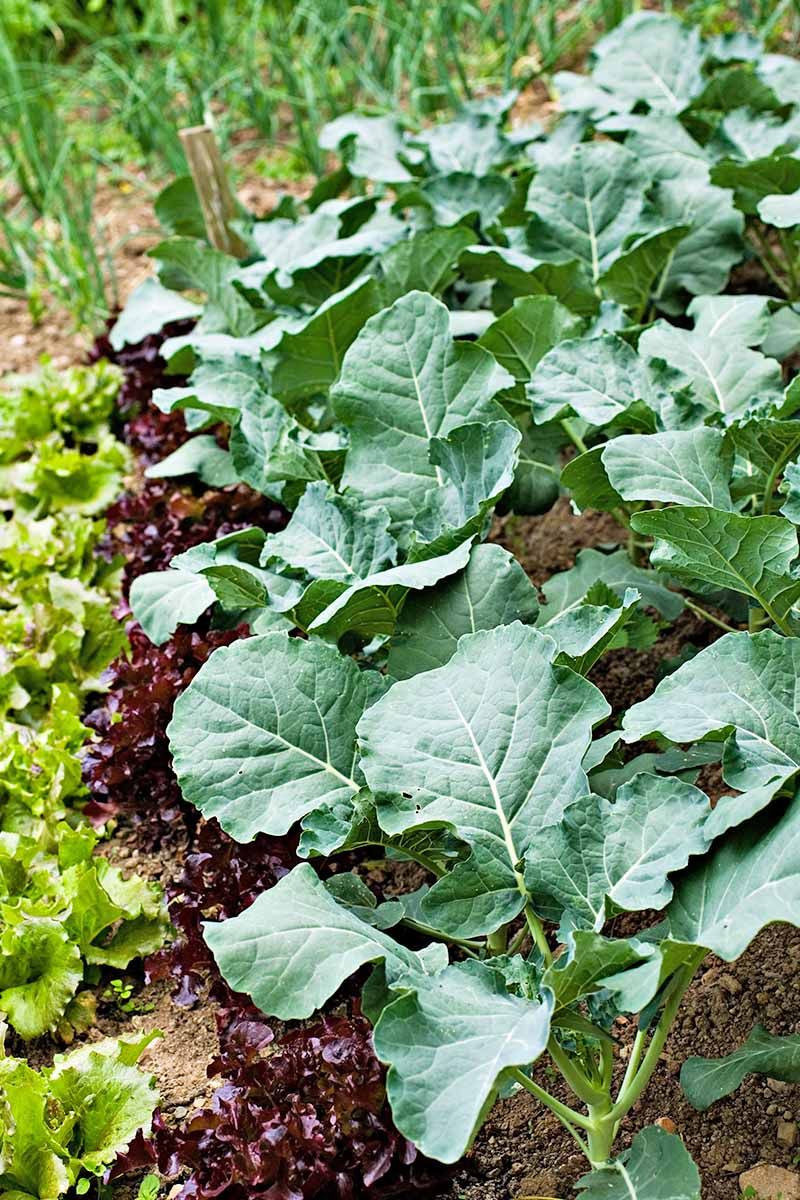
Foggy fall mornings in the Carolina Piedmont feel peaceful, but your collards might not agree. Those long, damp hours are exactly what downy mildew needs to settle in.
It shows up as yellow, angular spots on the tops of leaves, with fuzzy grayish white growth hiding directly underneath.
The spots often look boxy because the leaf veins act like little fences that stop the disease from spreading sideways. Flip an infected leaf, and the fuzz lines up right under each yellow patch.
That matching top-and-bottom pattern helps you tell downy mildew apart from other problems.
Left alone, the spots can turn brown and papery. Badly infected leaves become tough to sell, share, or cook, which means a smaller harvest.
Worse, the disease spreads fast in cool, wet weather, jumping from plant to plant in just days.
Your watering habits make a huge difference. Use a soaker hose or watering can aimed at the soil instead of sprinkling from above.
Thin crowded plants and give each one space so air can move freely and dry the leaves.
Pull off infected lower leaves early, since those are usually the first to show symptoms. If the problem keeps coming back, choose a fungicide labeled for downy mildew on collards and follow the directions exactly.
Always check the label for how many days to wait before harvesting.
Across North Carolina, heavy dew and cool fall rains can keep collard leaves wet for hours at a stretch. Staying one step ahead of that moisture is the smartest way to keep your greens clean and tasty.
8. Powdery White Patches Mean Powdery Mildew
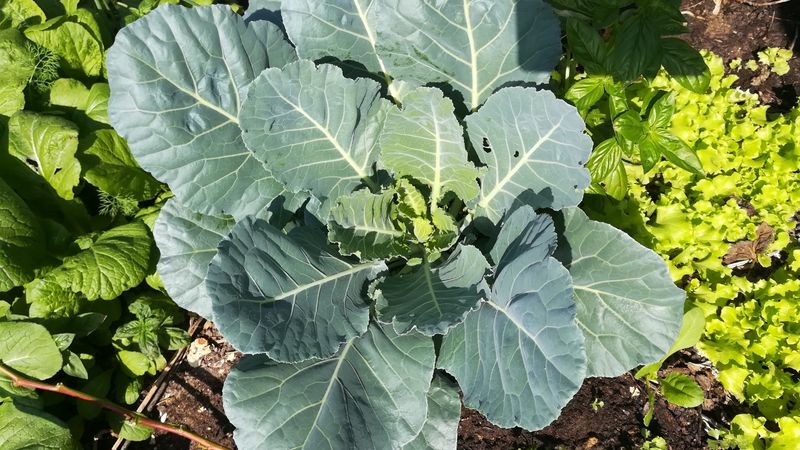
It looks almost like someone sprinkled baby powder over your collards. Powdery mildew forms flat, dusty white patches on the upper surfaces of leaves, starting as small spots and spreading until much of the leaf looks coated.
You can often rub some of it off with a finger, though it comes right back.
Unlike most leaf diseases, powdery mildew does not need wet leaves to get going. It actually thrives when days are warm and dry and nights turn cool and humid.
Rain can even wash spores away, which makes this fungus a bit of an oddball in the garden.
Older, lower leaves usually get hit first. The coating blocks sunlight, so those leaves weaken, turn yellow, and eventually drop or become too tough to enjoy.
Younger leaves higher up often stay cleaner, at least for a while. Start by removing heavily affected leaves to slow the spread. Keep plants spaced so air can flow, and go easy on nitrogen fertilizer.
Too much nitrogen pushes soft, leafy growth that powdery mildew finds irresistible. When the patches keep spreading, sulfur or potassium bicarbonate products labeled for vegetables can help.
Read the label carefully, and avoid spraying sulfur on very hot days, since it can scorch leaves when temperatures climb above about 90 degrees.
North Carolina’s early fall often brings warm, sunny afternoons followed by cool nights, the exact recipe powdery mildew loves. Keep an eye on your fall collards through September and October, and you can catch those dusty patches before they take over.