Iowa’s Bright Yellow State Bird Is Quietly Trading Its Summer Feathers For A Muted Winter Coat
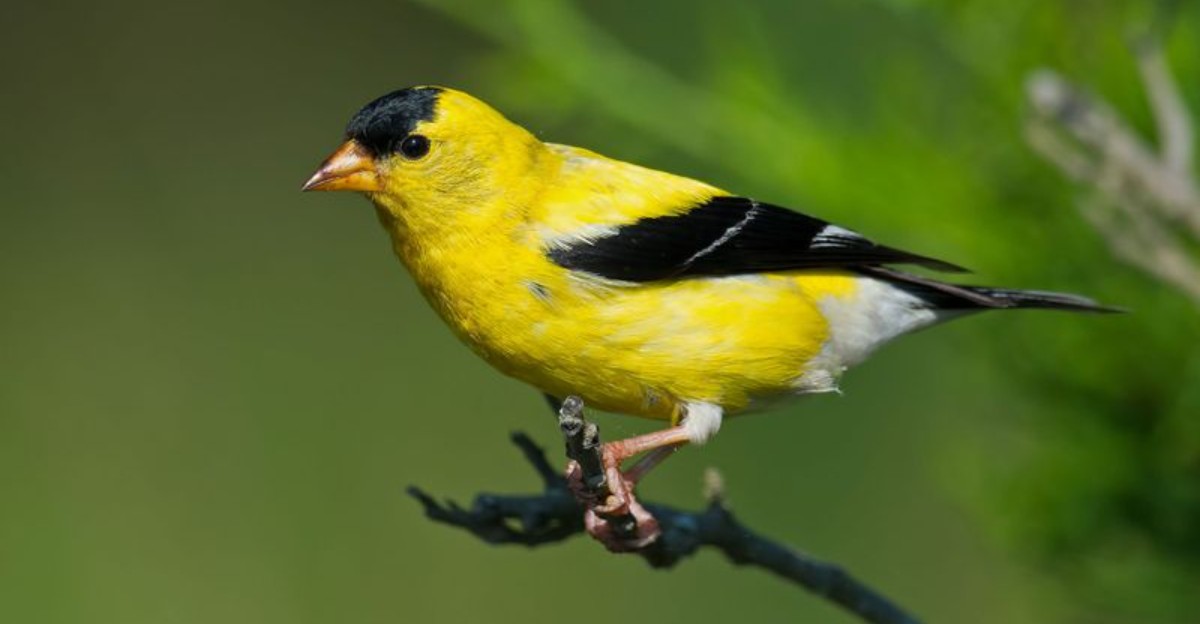
You may be watching Iowa’s state bird slip into disguise right at your feeder. Blazing yellow males are quietly trading summer plumage for soft olive brown. That glossy black cap fades away too.
Even the bright orange bill mellows into a gentle gray. Look closer, and you will spot jet black wings still flashing crisp pale bars.
Those wings give the sly secret away. Plenty stay in Iowa through winter, crowding feeders while you assume they left. Females shift too, though their change looks subtler.
Unlike many songbirds, this species nests late in summer, timing chicks to ripening thistle seed. Chances are you would confuse its winter look with a sparrow or siskin.
So the bird you have admired since early June is probably still here. Now learn the exact clues that reveal your hidden visitor in its quiet costume.
A Fall Molt That Swaps Gold For Olive Brown
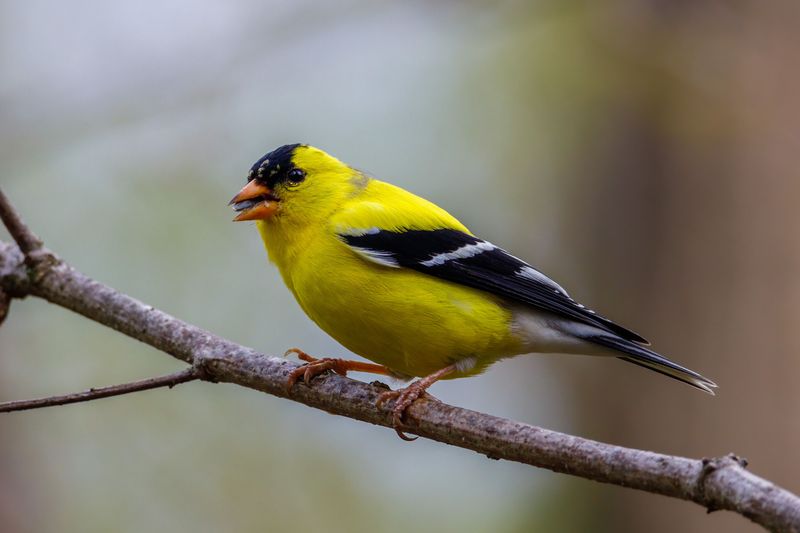
Think of it as the slowest costume change around. Each September, Iowa’s American goldfinches begin a full molt that replaces nearly all of their feathers.
Old feathers drop out a few at a time, and fresh ones grow in right behind them. Because the swap is so gradual, the birds can keep flying and feeding throughout the process.
Males lose their famous lemon-yellow body and shiny black cap. In their place comes a soft olive-brown coat with a hint of yellow near the throat.
Their wings stay black, but the white wing bars turn a warm buff color. Females, already a bit plainer, also shift toward the same sandy, earthy tones.
Young birds hatched this summer join the change too. Their winter coat looks a lot like that of the adults, though their wing bars often show a richer cinnamon tint.
Here is a fun fact to share with friends. Goldfinches stand out among North American finches because they molt their body feathers twice each year.
The new winter feathers also grow in thicker than the summer set. That extra density gives the birds a soft, fluffy look as September rolls toward October, and it helps them handle Iowa’s colder months.
So if your feeder visitors look patchy or uneven right now, there is no cause for worry. You are simply watching a bird halfway between its summer and winter outfits.
Shorter Days And Hormones Behind The Change
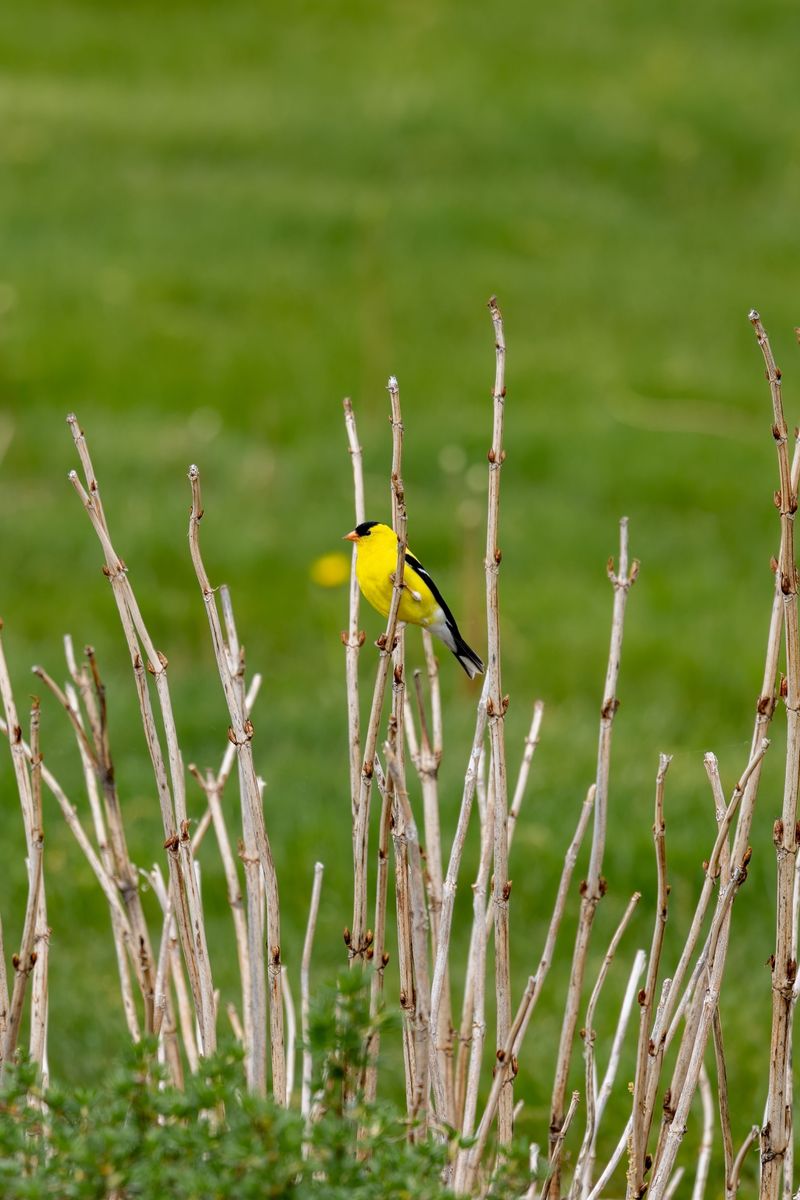
No one hands goldfinches a calendar, yet they seem to sense when fall arrives. The secret is sunlight, or more precisely, the shrinking amount of it each day.
By late summer, Iowa loses a couple of minutes of daylight each evening. Light-sensitive cells in a bird’s brain notice that change and send signals through its body.
Those signals shift the hormones tied to breeding behavior and seasonal color. Once nesting wraps up, the body shifts its energy toward growing a sturdy new coat.
Food plays a big role too, because yellow feathers need special pigments called carotenoids. Birds get those pigments from seeds and plants, and summer offers the richest supply.
Your Iowa Garden Changes Every Week. Your Plan Should Too.
Gardening in Iowa changes quickly throughout the season. Every Friday you’ll receive a simple weekly plan showing exactly what to plant, prune, fertilize, harvest, and protect so you never miss the right timing.
In winter, bright color would make a small bird easier for hawks to spot. A muted brown coat helps it blend into bare branches, dry weeds, and snowy fields.
The bill changes along with the feathers. In winter, the legs, feet, and bill turn a dark grayish brown, then shift back to a buffy yellow orange for breeding season.
Temperature matters too, since the new coat has to be ready before the cold arrives. Growing it now, while plenty of thistle and sunflower seed remains available, gives the birds the fuel they need.
Think of it like trading a sparkly stage costume for camouflage gear. The goldfinch is simply getting smart about staying safe through the colder months.
September And October Timing Across Iowa
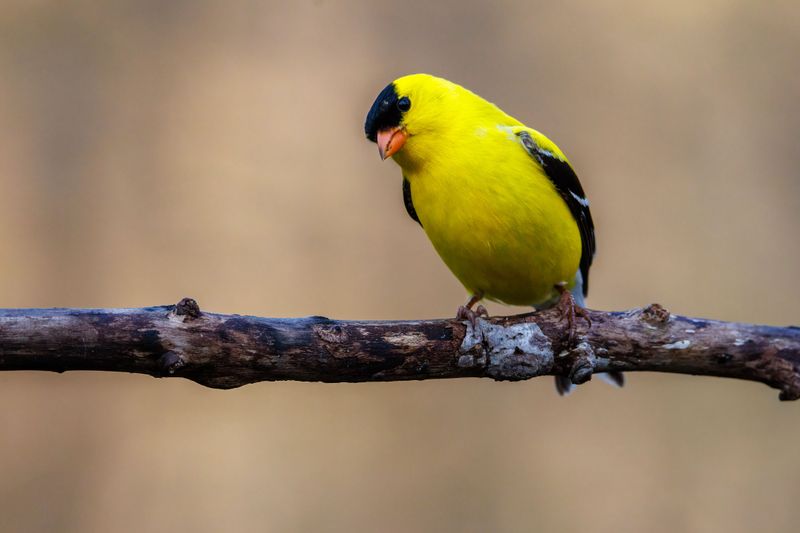
Goldfinches rank among the latest nesters in Iowa’s backyard bird world. Many pairs wait until July to build, when thistles and milkweed start producing fluffy down.
That late start pushes their molt into early fall. Many Iowa birds begin changing feathers in late August, and the heaviest shedding tends to happen through September.
By the middle of October, a large share look brown and buff. A few stragglers, often young birds or parents that raised a late brood, may still look patchy.
Want to watch it happen? Snap a quick phone photo of the same feeder each Saturday from Labor Day to Halloween.
Lined up side by side, the pictures show gold fading into olive like a slow sunset. Kids often enjoy this project, and it makes a great science fair idea.
Timing can vary a little from bird to bird and place to place. Food supply and the end of nesting can both nudge when an individual bird begins.
Keeping notes on dates and weather can help you spot those small differences in your own backyard. You can also share your sightings with local birding groups or projects like eBird.
The process unfolds gradually over several weeks for each bird. Then the feathers stay put until late winter, when the males start glowing again.
The Classic Mix-Up Over Missing Goldfinches
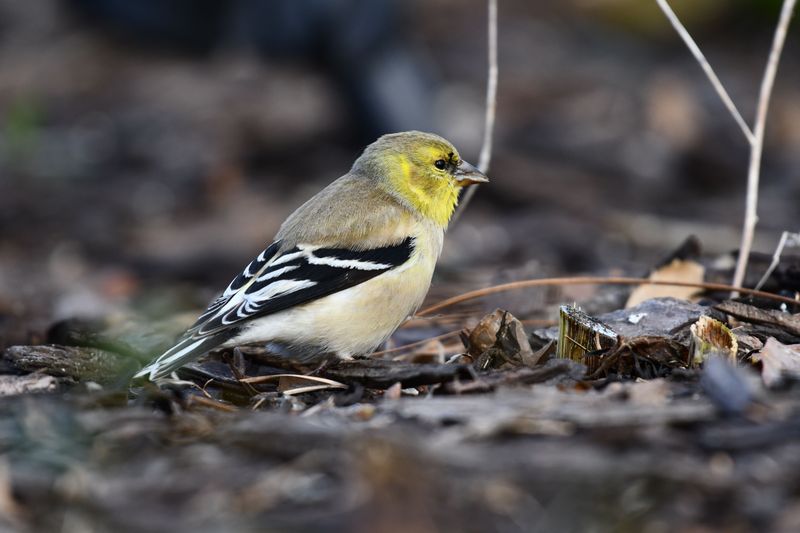
Each autumn, plenty of people post online that their backyard goldfinches left overnight. In many cases, those birds are sitting right on the feeder, just wearing brown.
The plain new coat makes them easy to confuse with house sparrows or female house finches. Even experienced backyard watchers sometimes do a double take in October.
Luckily, a few simple clues give the disguise away. Look for black wings with pale bars, a short cone-shaped beak, and a tiny, notched tail.
Listen, too, because their bouncy flight call sounds like a cheerful po-ta-to-chip. Goldfinches often give it while dipping up and down through the air like a roller coaster.
Another giveaway is behavior, since sparrows tend to hop on the ground while goldfinches cling to hanging feeders. They also travel in noisy, chatty flocks as colder weather approaches.
Pine siskins can add to the confusion in winters when they arrive from the north. Siskins show heavy brown streaks, while winter goldfinches wear smooth, unstreaked chests.
Size offers one more helpful hint for sorting birds at the feeder. Goldfinches look noticeably smaller and slimmer than house sparrows, and their tiny, pale beaks appear delicate next to the chunky bills of sparrows crowding the tray.
Some Iowa goldfinches drift south, but plenty stay put through the winter. So before you take down that thistle feeder, grab binoculars and look a little closer.
Feeders, Seeds, And Water To Support The Molt
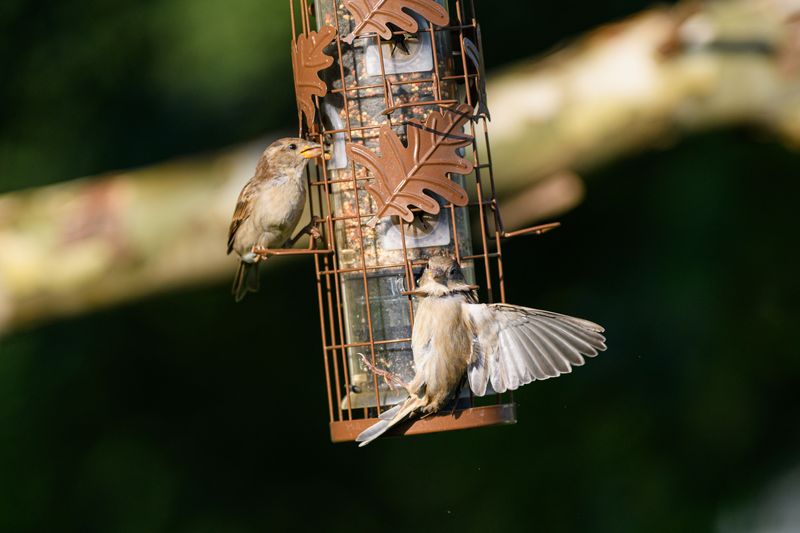
Growing a new set of feathers burns a surprising amount of energy. A goldfinch in the middle of a molt is basically an athlete in training.
Feathers are made mostly of protein, so these birds need plenty of rich, oily seeds. Nyjer seed and hulled sunflower hearts rank as clear favorites.
A tube or mesh sock feeder works well because goldfinches like to cling while they eat. Keep the seed fresh, since stale Nyjer dries out and birds often pass it by.
Clean feeders about twice a month with warm, soapy water and let them dry fully. Damp, spoiled seed can leave birds unwell, and September humidity in Iowa speeds up spoilage.
A shallow birdbath helps too, because bathing keeps new feathers clean and in good shape. Change the water a few times a week so it stays fresh and mosquito-free.
Try placing feeders near shrubs or small trees. Nearby cover gives molting birds a quick escape route while their new flight feathers grow in.
Go easy on pruning and leaf cleanup this season as well. Brushy corners and seed heads offer shelter and snacks, giving busy birds a safe spot to rest between feeder visits during the heaviest weeks of the molt.
Finally, let a few garden flowers go to seed instead of trimming them right away. Coneflowers, sunflowers, and black-eyed Susans become free snack bars for hungry finches.
Cozy Winter Feathers And A Golden Spring Return
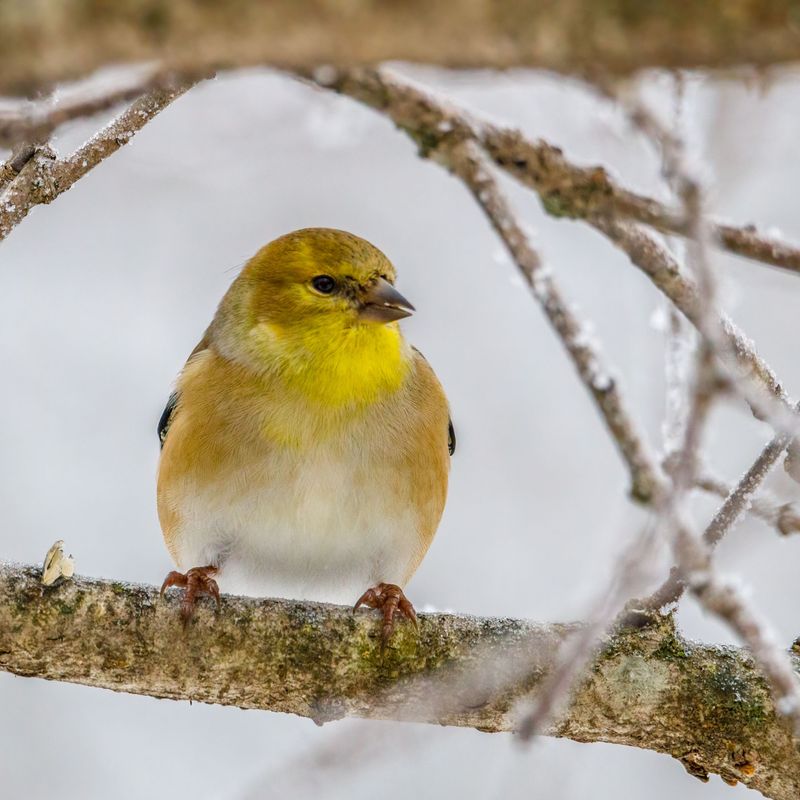
That plain brown jacket ranks among the warmest coats in the bird world. Winter goldfinches carry noticeably more feathers than summer ones, which traps extra body heat.
On frosty Iowa mornings, they fluff those feathers into little puffballs to stay toasty. Some even tuck into evergreen trees or snow cavities to rest through frigid nights.
Flocks move around together, sharing the job of spotting hawks and finding food. You might see twenty or more at a single feeder on a snowy January afternoon.
Keeping feeders full through the cold months gives them a steady, reliable meal. Once you start, try to keep it going, since flocks often build your feeder into their daily route.
Winter flocks often mix with chickadees, juncos, and nuthatches. Watching those busy groups can brighten the grayest weeks of the season.
Snowy days offer a great chance to study those subtle winter colors up close. Against a white background, you can pick out the faint yellow throat, the buff wing bars, and the dark wings that confirm your goldfinches stayed close by.
Then comes a real highlight of the year. Around February and March, a spring molt begins, and bright yellow patches start popping up like early crocuses.
By late April or May, the males look like tiny flying suns once again. Your winter care helps Iowa’s state bird return to its golden glory right on schedule.