What It Means When A Skunk Starts Digging Up Your Pennsylvania Lawn In Fall
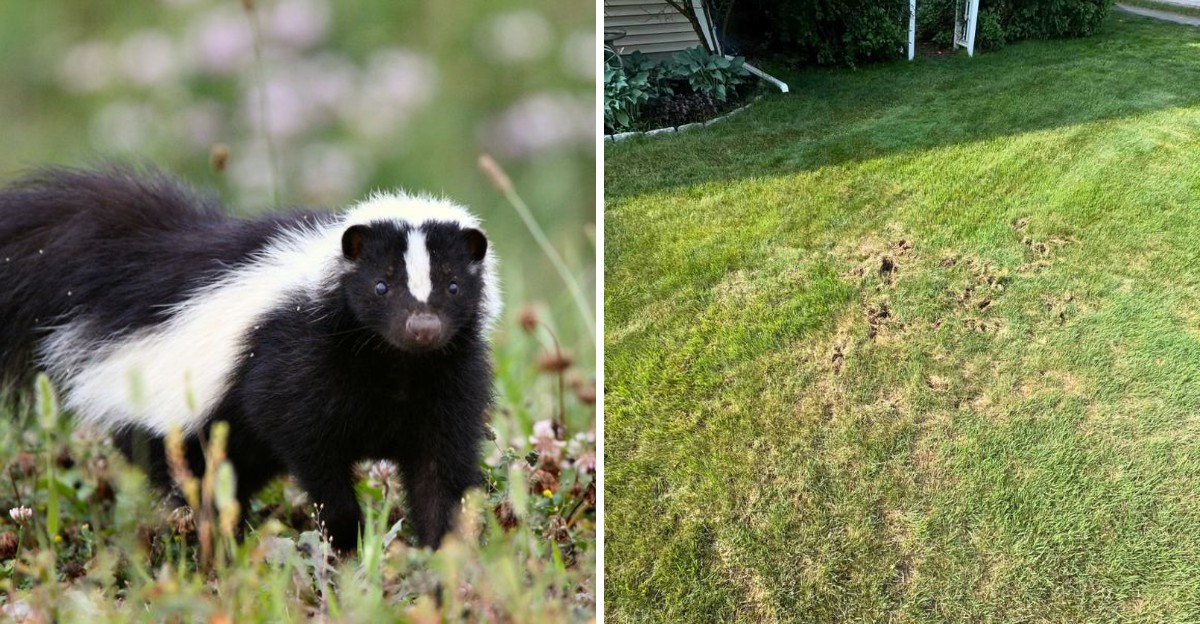
Discovering your Pennsylvania lawn has been dug up overnight is frustrating under any circumstances.
Discovering the culprit is a skunk adds a layer of anxiety that goes well beyond typical pest management territory. The digging you can see is one problem.
The potential for a very unpleasant defensive encounter if you surprise it working is another entirely. But the digging itself is telling you something specific.
Skunks don’t excavate lawns randomly. When one starts returning to the same yard in fall, it’s responding to real conditions just below the surface of your grass.
Here’s what a skunk digging up your Pennsylvania lawn in fall is really telling you.
1. It’s Hunting For Grubs And Insect Larvae
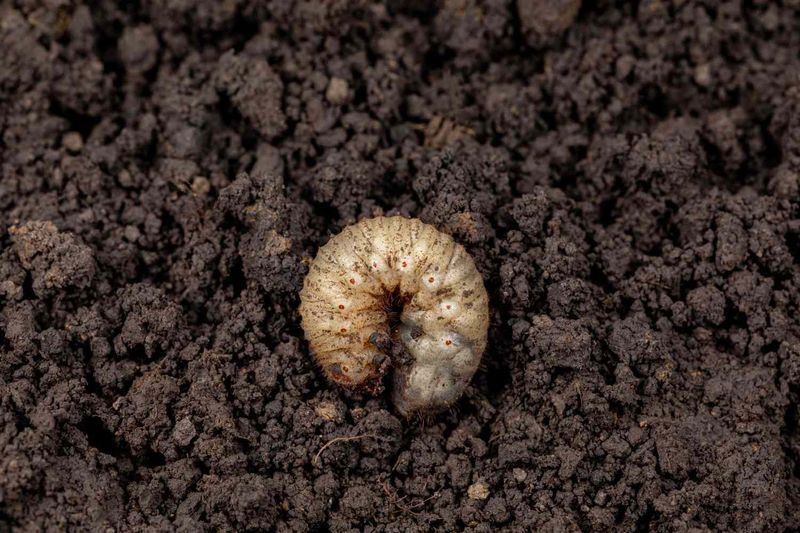
Picture waking up to a lawn that looks like someone went at it with a tiny spoon. Small, cone-shaped holes dot the grass, each about three or four inches wide. That pattern is the calling card of a striped skunk on a grub hunt.
Grubs are the young, C-shaped larvae of beetles. In Pennsylvania, the most common ones come from Japanese beetles, European chafers, and masked chafers.
They spend late summer and early fall feeding on grass roots just below the surface.
Skunks have a sharp sense of smell. They can sniff out a plump grub through the soil, then use their long front claws to scoop it out. One skunk may dig dozens of holes in a single night.
Here is the good news. Skunks are actually helping you by eating pests that harm your grass. A heavy grub problem can leave brown patches that peel up like a loose carpet.
Want to check for yourself? Cut a one-foot square of turf and fold it back. If you count more than five to ten grubs, your lawn has a real infestation.
Treating the grubs is the best way to stop the digging. Beneficial nematodes are tiny worms that attack grubs and are safe for pets and kids.
Milky spore is another natural choice for Japanese beetle grubs, though it works slowly over a few seasons.
Timing matters too. Late summer treatments work best because young grubs are small and close to the surface.
Once the grubs are gone, the skunk usually moves on to find a better buffet. Patience pays off, and your grass will thank you by spring.
2. Your Soil Has Plenty Of Hidden Food
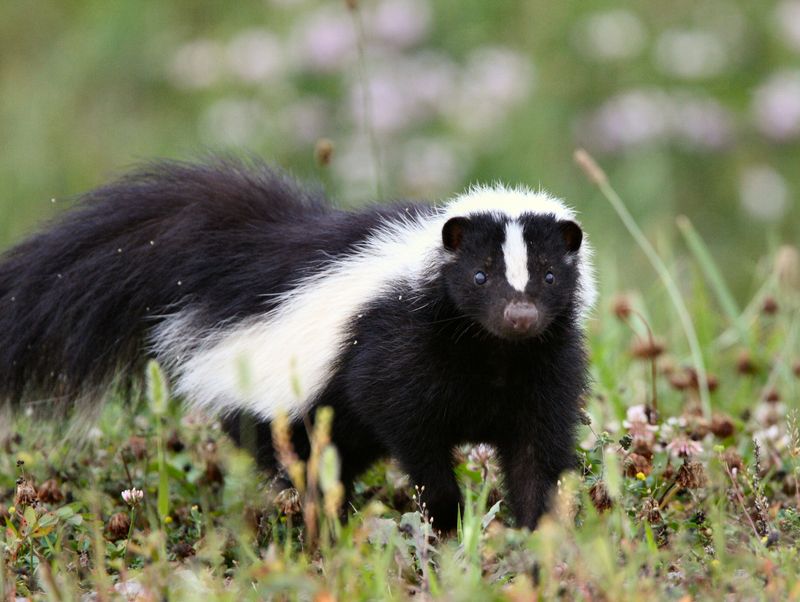
Think of your lawn as a buried pantry. Beneath the grass, a whole world of tiny creatures lives, eats, and grows. To a hungry skunk, that underground menu smells like a Thanksgiving feast.
Healthy soil in Pennsylvania can hold beetle larvae, cutworms, crickets, spiders, and even small salamanders.
Many homeowners never notice these critters because they stay hidden during the day. Skunks, on the other hand, are night shift workers with noses built for finding snacks.
Fun fact time. In summer, insects can make up most of a skunk’s meals. They are one of nature’s best pest control crews.
Your Pennsylvania Garden Changes Every Week. Your Plan Should Too.
Gardening in Pennsylvania changes quickly throughout the season. Every Friday you’ll receive a simple weekly plan showing exactly what to plant, prune, fertilize, harvest, and protect so you never miss the right timing.
So what makes your yard extra tasty? Lawns that get lots of water, fertilizer, and thick thatch tend to support more bugs. Rich, soft soil near gardens, mulch beds, and compost piles is also a hot spot.
You do not need to turn your yard into a desert to fix the problem. Start by raking out heavy thatch, which is the spongy layer of old grass stems that insects love. Then cut back on extra watering, since dry surface soil is less inviting to bugs.
Keep compost bins covered and fallen fruit picked up. Birdseed on the ground can draw insects and rodents, which also attract skunks. Moving feeders away from the lawn helps a lot.
Remember that a few bugs are a sign of healthy soil. The goal is balance, not a lawn with zero life in it.
When the hidden food supply shrinks, the late night digging usually shrinks along with it. A little yard cleanup this fall can save you plenty of patching next spring.
3. Moist Fall Soil Makes Digging Easier
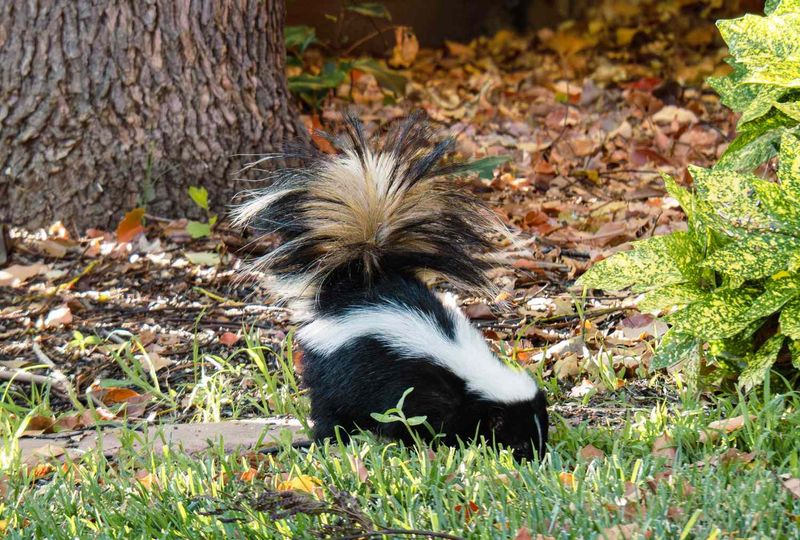
Ever tried digging in the garden during a dry August week? The ground feels like a brick, and your shovel barely moves. Skunks face the same struggle, which is why fall rain changes everything.
Pennsylvania usually gets steady showers in September and October. Cooler air also means less water evaporates from the ground. The result is soft, damp soil that is much easier for small claws to break open.
Wet soil also pulls bugs closer to the surface. Grubs and worms move up when the ground is moist and comfortable. For a skunk, that means less work and more food in every scoop.
You might notice the digging gets worse right after a rainy night. Many homeowners wake up to fresh holes the morning after a storm. The timing is no accident.
So what can you do about the weather? Nothing, of course, but you can manage how wet your lawn stays. Turn off automatic sprinklers once fall rains start, because extra water only adds to the soggy buffet.
Check your gutters and downspouts too. If water pours onto one spot of the lawn, that area may become a favorite digging zone. A simple downspout extension can send water away from the grass.
Low spots that hold puddles are another problem. Filling them with topsoil and reseeding helps the ground drain better.
Aerating in early fall can also improve drainage, though it may briefly stir up interest from curious animals.
Once the first hard freeze arrives, the soil firms up and digging usually slows down. Until then, a drier lawn is a less tempting target for your striped visitor.
4. It’s Searching For Earthworms And Other Invertebrates
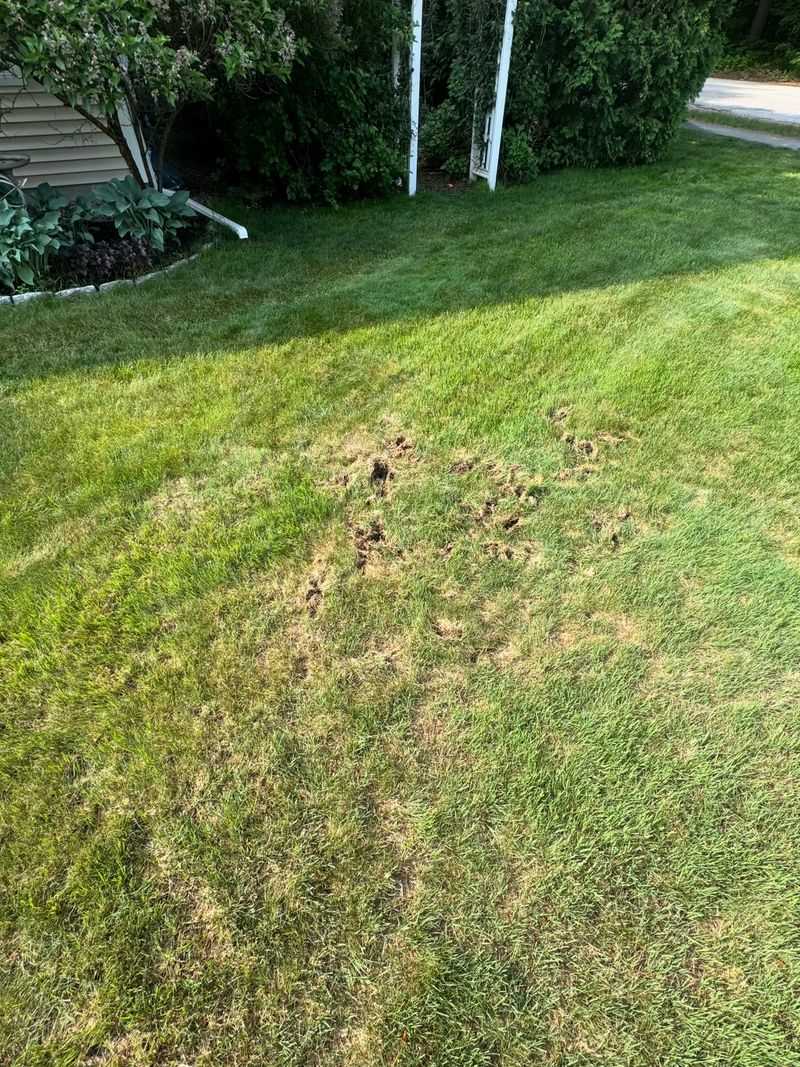
Earthworms may be a gardener’s best friend, but to a skunk, they are basically spaghetti. Soft, wiggly, and full of protein, worms make an easy meal. On damp fall nights, they are right where a skunk wants them.
Skunks do not stop at worms, though. They also munch on beetles, crickets, grasshoppers, slugs, snails, centipedes, and spiders. Scientists call these animals invertebrates, which simply means they have no backbone.
Worm hunting leaves a slightly different mark than grub hunting. You may see shallow scratches, small pokes, or patches where the grass looks roughed up. Holes are often found near garden edges, under leaf piles, or along damp shady spots.
Here is a neat trick to see what is going on. Mix a few tablespoons of dish soap into a bucket of water and pour it over a small patch of lawn.
Within minutes, worms and bugs will crawl to the surface, giving you a peek at what the skunk smells.
Unlike grubs, earthworms are good for your yard. They loosen soil, add nutrients, and help rainwater soak in. You probably do not want to get rid of them.
Instead, focus on making your lawn less inviting. Clear away leaf piles and boards where slugs and snails hide. Trim back thick groundcover near the grass so bugs have fewer cozy shelters.
Motion-activated sprinklers or lights can also startle a skunk on the prowl. Skunks are shy and like the dark, so a sudden splash or flash often sends them waddling away.
Just be sure to turn off sprinklers before freezing nights arrive. Small changes can protect both your worms and your weekend plans.
5. Your Lawn Offers Good Foraging Conditions
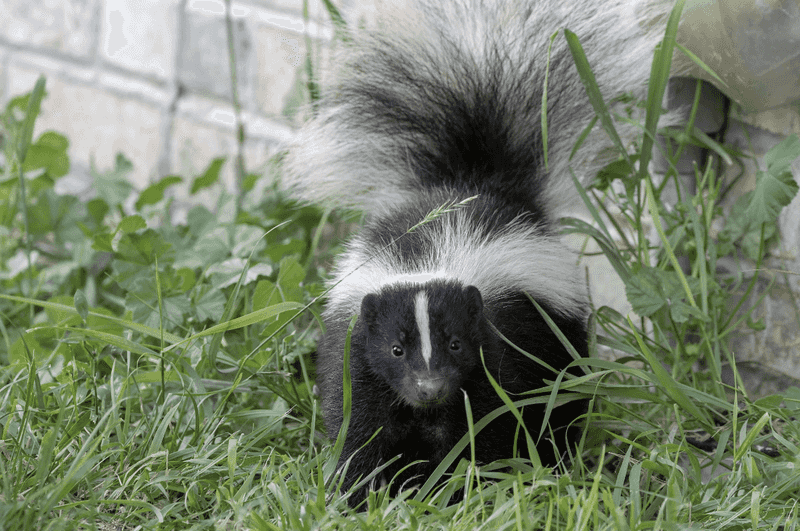
If skunks wrote online reviews, some Pennsylvania yards would earn five stars. Quiet nights, easy snacks, and plenty of places to hide make a lawn feel like a resort.
Foraging simply means searching for food, and your yard may be checking every box.
Skunks like to feel safe while they eat. Lawns near woods, fields, creeks, or thick bushes give them a quick escape route. Porches, decks, sheds, and woodpiles offer shelter just steps away from the dinner table.
Lighting plays a role too. Dark yards with no motion lights let skunks work without feeling exposed. Quiet neighborhoods with few dogs are also appealing.
Take a slow walk around your property with fresh eyes. Look for gaps under steps, holes beside the foundation, or loose lattice around a deck. A skunk may already be sleeping close by during the day.
Sealing those spots is one of the smartest moves you can make. Use sturdy hardware cloth and bury it about 12 inches deep, bending the bottom outward in an L shape. That stops skunks from tunneling underneath.
Before closing any hole, make sure nobody is still inside. Sprinkle flour at the entrance and check for tracks leading out after dark.
Late summer and fall are usually safe times, since baby skunks are old enough to leave by then.
Other quick fixes help too. Stack firewood off the ground, trim low shrubs, and store pet food indoors. Tight lids on trash cans remove another easy reward.
A yard that feels open, bright, and a little inconvenient will lose its five-star rating fast. Skunks will simply shop for a cozier spot down the road.
6. It’s Building Energy For The Colder Months
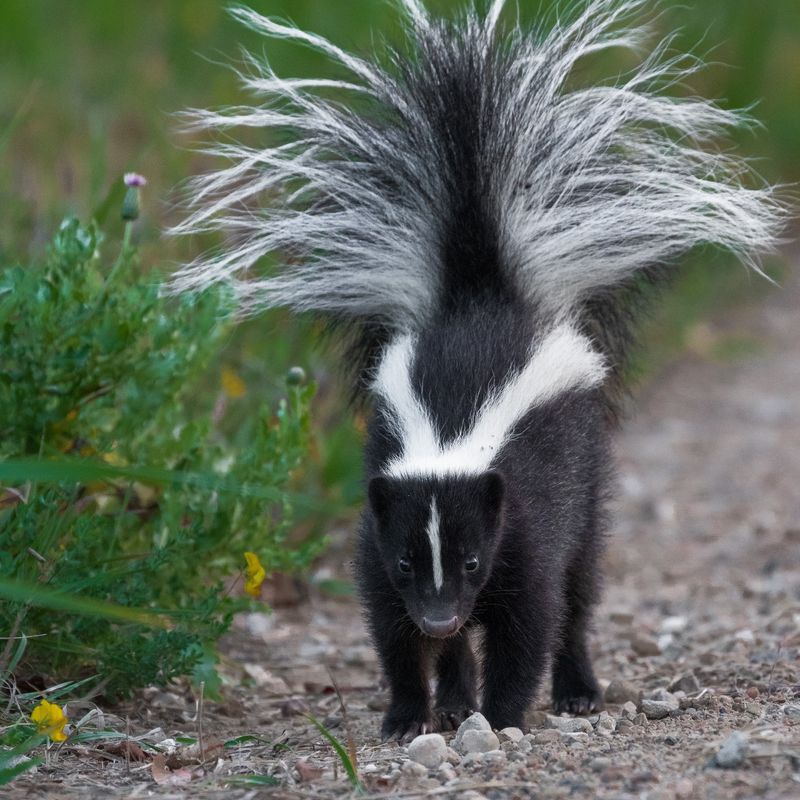
Skunks do not truly hibernate, but they come pretty close. During the coldest stretch of a Pennsylvania winter, they curl up in dens and sleep for days or even weeks at a time. To get through that long rest, they need to pack on fat now.
Scientists call this deep sleep torpor. A skunk’s body temperature drops and its heartbeat slows down to save energy. It lives off stored body fat instead of hunting in the snow.
Did you know? A skunk can lose a big chunk of its weight, sometimes close to half, over a hard winter. That is why fall feels like a race against the calendar.
In September, October, and November, skunks eat as much as they can. They often forage longer each night and wander farther than usual. Your lawn becomes one stop on a busy nightly route.
Knowing this can actually bring some peace of mind. The digging is often seasonal and slows down once the ground freezes. By December, many skunks have settled into their dens for the winter.
Still, you do not have to put up with holes until then. Repair damaged patches by pressing the loose turf back down and watering it well. Fill larger holes with a mix of topsoil and grass seed so they heal before winter.
Be careful about where the skunk plans to spend the winter. A den under your porch or shed means a neighbor you probably do not want.
Check for dens early in fall, before the cold sets in and the animal gets comfortable. Give nature a little room, and spring will bring a fresh start.
7. Your Yard Has Become A Convenient Feeding Ground
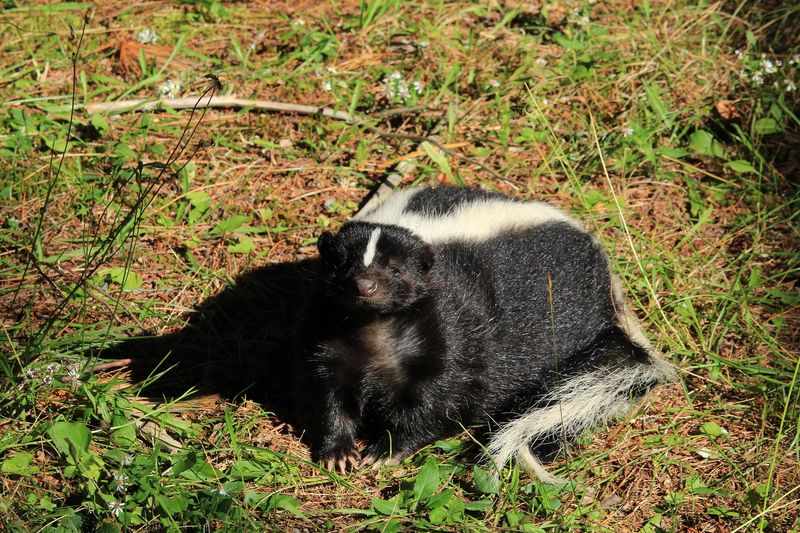
A neighbor in Lancaster County once joked that her backyard had become a drive-thru for wildlife.
Every night, the same skunk showed up, dug a few holes, and waddled off. Once an animal finds a reliable meal, it keeps coming back.
Skunks are creatures of habit. They follow the same paths and visit the same food spots night after night. If your yard keeps delivering, it earns a permanent place on the route.
Convenience goes beyond grubs and worms. Pet food left on the porch, open trash cans, spilled birdseed, and fallen apples all add to the menu. Even a grill with greasy drippings can draw a curious nose.
The fix is to break the habit. Remove as many food sources as you can, all at once. When a skunk shows up and finds nothing worth eating for several nights, it will start looking elsewhere.
Some homeowners try natural repellents. Products made with castor oil can be sprayed on the lawn to make the soil less pleasant for digging animals. Scattering citrus peels or using motion lights may also help, though results vary.
Avoid trying to trap or relocate a skunk yourself. In Pennsylvania, skunks are a common carrier of rabies, and moving wildlife often has legal rules. A licensed wildlife control operator can handle tough cases safely.
Never approach a skunk that seems overly friendly, wobbly, or active in bright daylight. Those can be signs of illness. Call your local game warden or the Pennsylvania Game Commission for advice.
With a little effort, your yard can go from all-you-can-eat buffet to closed for business. Your lawn, and your nose, will be glad you did.