A Tiny Weevil Raised In A New Jersey Lab Is Quietly Chewing Through One Of The State’s Worst Invasive Vines
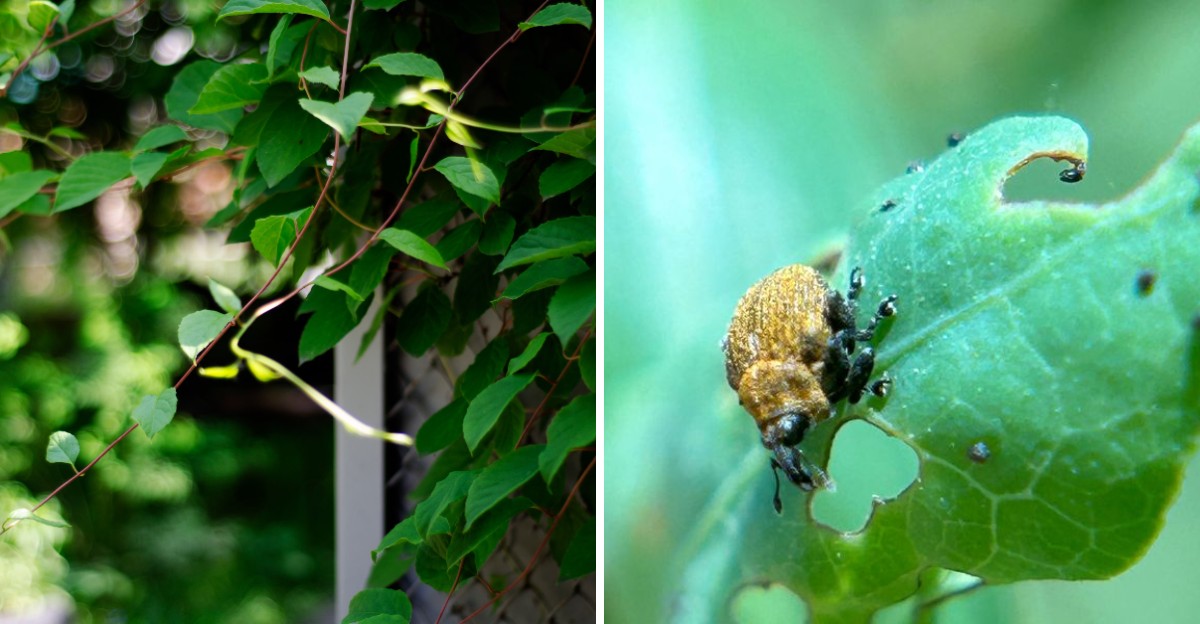
You have probably brushed against a vine that clings back. Its triangular leaves hide tiny backward hooks that catch your socks and ankles.
Botanists gave it a nickname that hints at its astonishing speed. Leave it alone for a summer, and it drapes over shrubs, fences, and saplings.
Rangers across New Jersey have pulled it, sprayed it, and grumbled about it for decades. Still, the vine kept bouncing back.
Then researchers at a Trenton lab tried a cheaper, cleverer tactic. They started raising beetles no larger than a sesame seed. These insects hail from East Asia and feed on this vine alone.
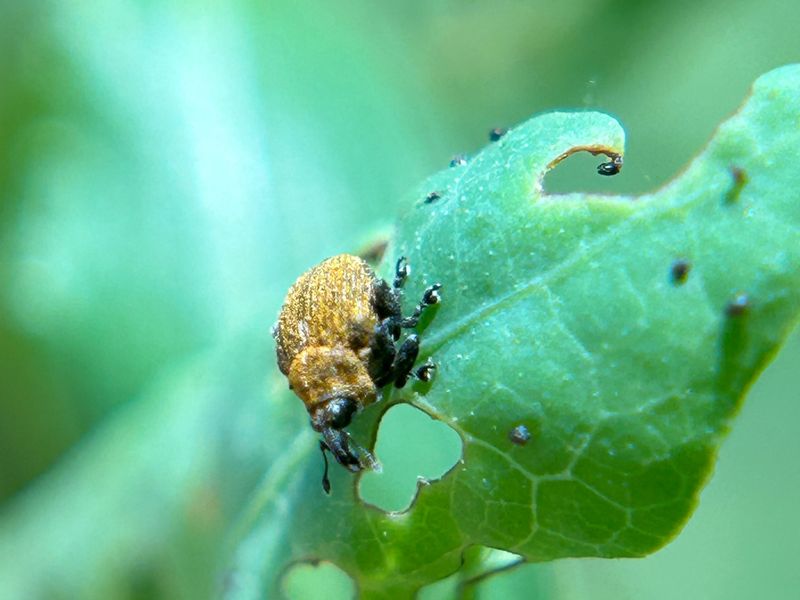
Adults nibble neat holes in leaves while larvae dine inside the stems. Chances are you have hiked right past them without a glance. Release sites across New Jersey now show thinner, lighter tangles.
A Speck-Sized Beetle Bred Near Trenton To Eat A Thorny Invader
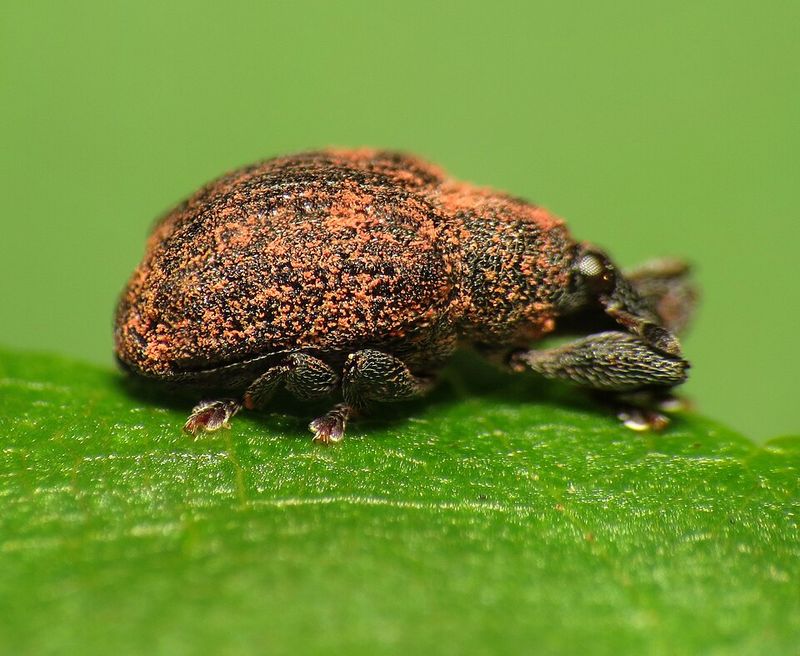
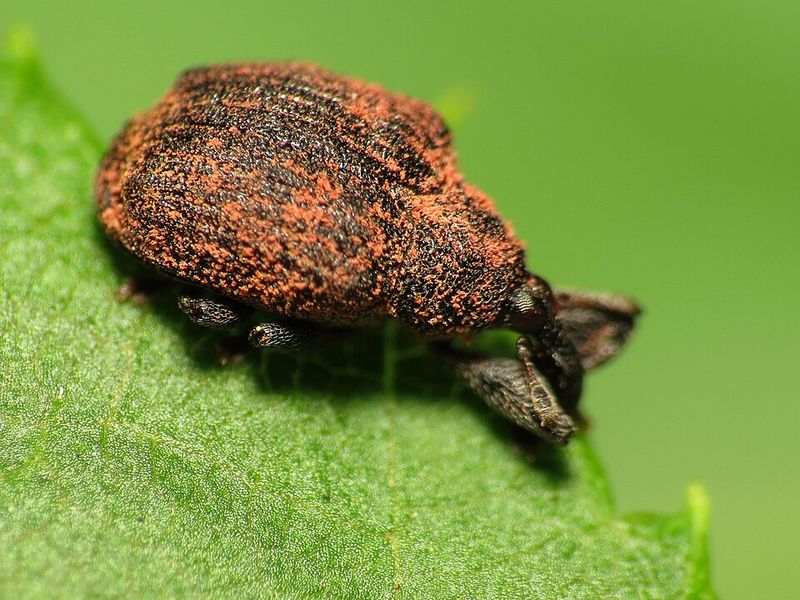
Blink and you would miss it, because the mile-a-minute weevil measures only about two millimeters long. Its scientific name is Rhinoncomimus latipes, and it is native to East Asia, including China, Japan, and Korea.
The Phillip Alampi Beneficial Insect Rearing Laboratory in West Trenton raises thousands of these beetles each year. Staff grow potted vines indoors, let the weevils breed, then ship them to infested sites statewide.
New Jersey and Delaware hosted the first releases in 2004, after years of careful safety testing. Researchers checked dozens of other plants to confirm the bugs would pass them over and stick to their favorite weed.
That picky appetite is what made it safe to release in New Jersey. A beetle devoted to a single plant has little reason to wander into your tomato garden.
Adults chew holes in leaves, while the larvae tunnel inside stems and weaken the vine from within. So if you spot tiny round holes on those triangle leaves, a hungry helper has probably visited.
Rearing these beetles takes patience and a steady hand. Staff tend greenhouse vines through the year, collect fresh adults by hand, and pack them into small containers for delivery across the state.
A release batch can hold a few hundred weevils, enough to start a new colony. Within a season or two, those founders often spread to neighboring patches without human help, saving staff valuable time.
The Barbed Asian Vine Behind The Trouble
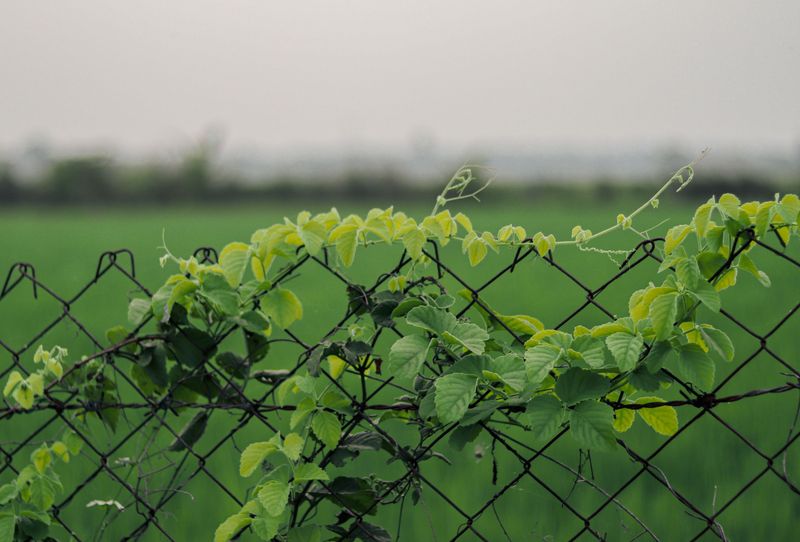
Good stories need a troublemaker, and mile-a-minute weed plays that part a little too well. Its name comes from its rapid growth rate, often reported at up to six inches a day in summer.
The plant arrived from East Asia and first took root in Pennsylvania during the 1930s. From there it crept across the Delaware River and settled into New Jersey woods, streambanks, and roadsides.
You can spot it by its pale green triangle leaves and the tiny backward barbs lining its stems. Round, cup-shaped collars called ocreae also wrap around the stem, almost like little saucers holding up the vine.
Your New Jersey Garden Changes Every Week. Your Plan Should Too.
Gardening in New Jersey changes quickly throughout the season. Every Friday you’ll receive a simple weekly plan showing exactly what to plant, prune, fertilize, harvest, and protect so you never miss the right timing.
Those barbs let it climb over shrubs and young trees, then blanket them in a thick green sheet. Plants underneath lose their sunlight, and many young trees struggle to keep growing beneath that heavy cover.
Birds, deer, and flowing water all carry its seeds to fresh ground, which explains its rapid spread. On top of that, those seeds can wait in the soil for several years before sprouting.
Botanists know it as Persicaria perfoliata, a member of the buckwheat family, the same group that gives us buckwheat pancakes. That makes it a close relative of the knotweeds and smartweeds found along many American waterways.
Because it is an annual, the vine starts fresh from seed each spring. That detail matters, since cutting seed production year after year can gradually shrink a patch.
September Berries And The Weevil’s Busy Calendar
Early fall is showtime for this weed, and the clues are pretty hard to miss. Clusters of shiny, metallic blue berries pop up along the vines like scattered handfuls of candy.
Each berry holds a single seed, and birds gobble them up and carry them far away. That makes September a friendly race between the weed spreading and the weevils slowing it down.
Weevils work in shifts all season long, raising three or four generations between spring and fall. Each female lays eggs on leaves and stems, and the young bore straight into the vine.
Once cool weather arrives, the adults crawl down and hide in leaf litter to wait out winter. Come spring, they wake up just as fresh seedlings of the weed start poking through the soil.
If you rake a patch this month, leave some leafy cover nearby for those sleepy helpers. A tidy yard can wait, because a cozy winter bed keeps the vine’s toughest rival close by.
Look closely at a berry cluster and you may find adult weevils resting on nearby leaves. Their tiny bodies turn from black to orange-brown as they feed, so a hand lens makes spotting them much easier.
Warm, sunny weeks tend to speed up each generation, while cooler stretches slow the cycle. That rhythm helps explain why weevil numbers tend to build steadily as summer goes on.
Rethinking The Spray Bottle And A Smarter Fix
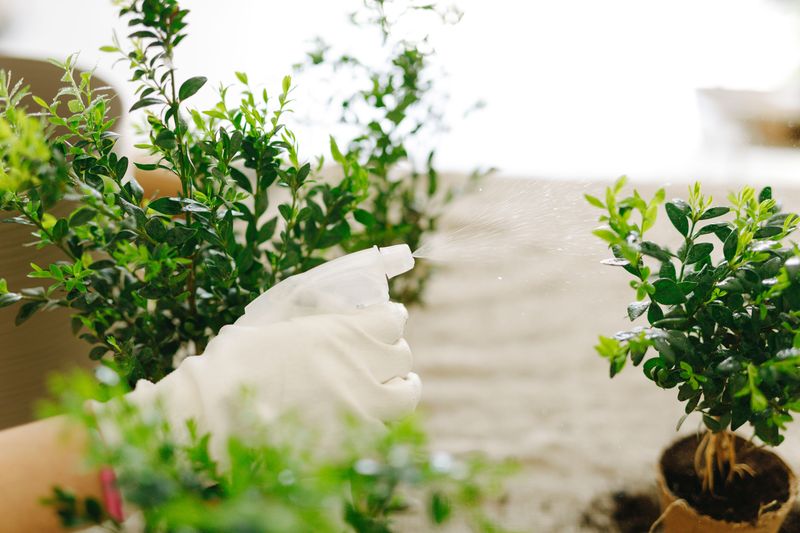
Herbicide still has a place on large patches, yet many land managers now use it more sparingly. Spraying feels fast, but it also strips away the leaves the weevils need to eat and breed.
Chemicals can also harm native wildflowers growing right beside the vine, leaving patches of bare soil behind. Bare soil is exactly what mile-a-minute seeds love, so the problem often returns next summer.
A gentler plan mixes careful hand pulling in small spots with the weevils’ slow, steady chewing. Wear thick gloves and long sleeves, because those tiny barbs scratch like a playful kitten.
Pull vines before the berries ripen when possible, and bag them instead of tossing them on compost piles. Seeds can outlast a backyard compost heap and sprout wherever you spread that soil later.
Leave a few scattered patches alone if weevils already live there, since they need food to multiply. Think of it as leaving a plate of snacks out for the cleanup crew you invited over.
Mowing can help in open areas, though timing matters a great deal. Cutting too early lets the vine regrow, while cutting too late may scatter ripe seeds into next year’s soil.
Before any treatment, check with your county or park staff about where weevils have been released. A quick conversation can protect a colony that took years to build and costs little to keep.
Smaller Patches And Room For Native Plants
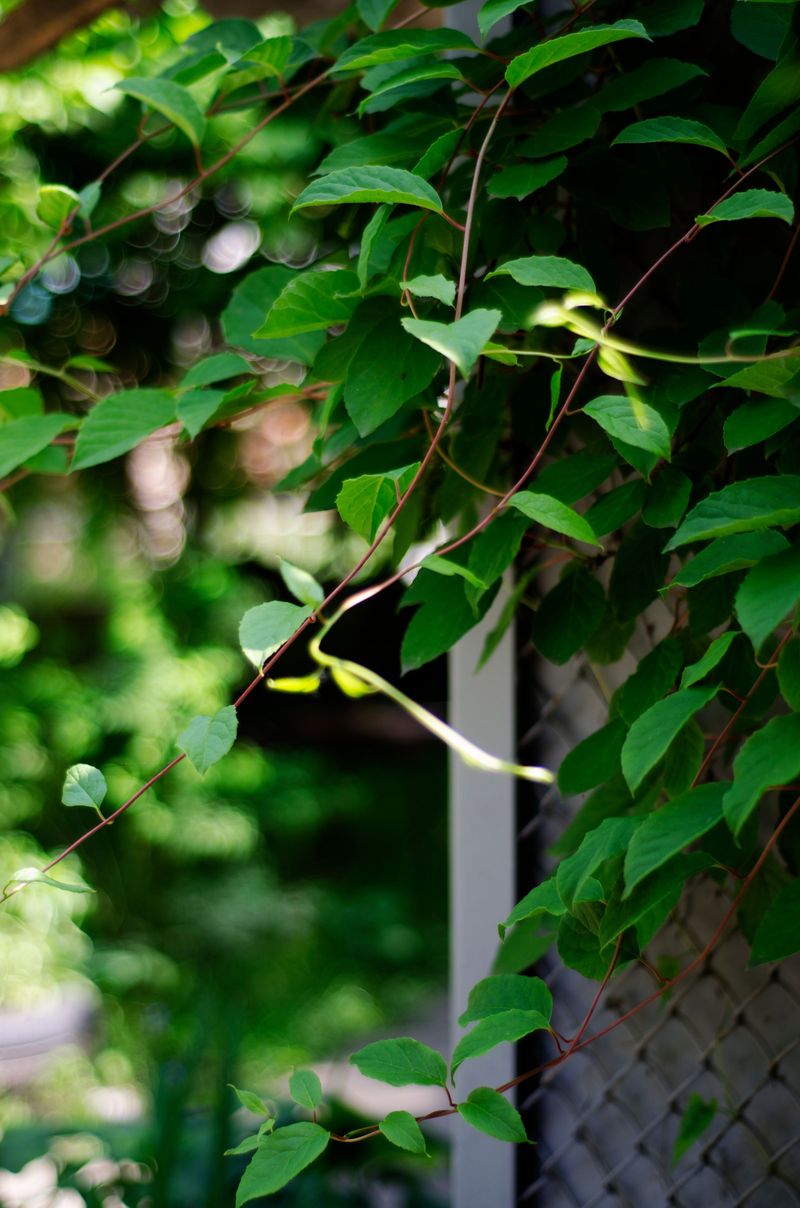
Good news in weed control usually moves at a snail’s pace, and this story follows that pattern. Over several seasons, sites with established weevils often show thinner vines, shorter stems, and far fewer berries.
Fewer berries mean fewer seeds dropping into the soil, which slowly drains the weed’s hidden savings account. Researchers at the University of Delaware tracked this effect at test sites across the region for years.
The weevils seldom clear out a patch, and that is part of the plan. They keep the weed weak enough that native plants can grab sunlight and thrive again.
Jewelweed, goldenrod, and young trees can start reclaiming ground once the green blanket loosens its grip. Bees, songbirds, and small mammals all benefit when that colorful mix of native plants returns.
Better yet, the beetles spread on their own, flying to new patches miles from where they were released. It is like hiring a landscaper who finds new jobs and happily skips the bill.
This balance reflects how biological control usually works. The goal is a steady equilibrium where the invader stays in check and the helper keeps a reliable food supply for future generations.
Results vary from site to site, depending on shade, soil moisture, and how long the weevils have lived there. Patience tends to pay off, since gains often build over several years before anyone notices a change.
A Neighborhood Defense Plan For Next Summer
Your muddy hiking boots may be working as tiny seed taxis without you realizing it. Scrub the treads after walking through infested trails, especially in September when ripe berries are dropping.
Keep an eye on sunny edges, streambanks, and freshly cleared spots, since the weed loves open, disturbed ground. Seedlings show up in April and May, and pulling them early saves hours of work later.
Planting native shrubs and grasses on bare soil gives the invader less room to settle in. The vine struggles in deep shade, so a leafy canopy helps slow its spread.
Spot a huge, stubborn patch near your school, your street, or a local park? Report it to the New Jersey Department of Agriculture, which tracks weevil releases and offers weevils to New Jersey residents.
Snap a clear photo of the leaves and barbs before reporting, and note the exact location. Those details help staff confirm the plant and decide whether weevils could help at that site.
Schools and community groups can join the effort too, organizing pull days in spring before the vines climb high. Volunteers often find the work satisfying, especially when native plants return to the spots they cleared.
Here is a fun fact to share with friends. Over time, weevils can cost less than years of repeated spraying.
Neighbors paying attention, plus a few thousand hungry beetles, can keep next summer’s woods healthier.